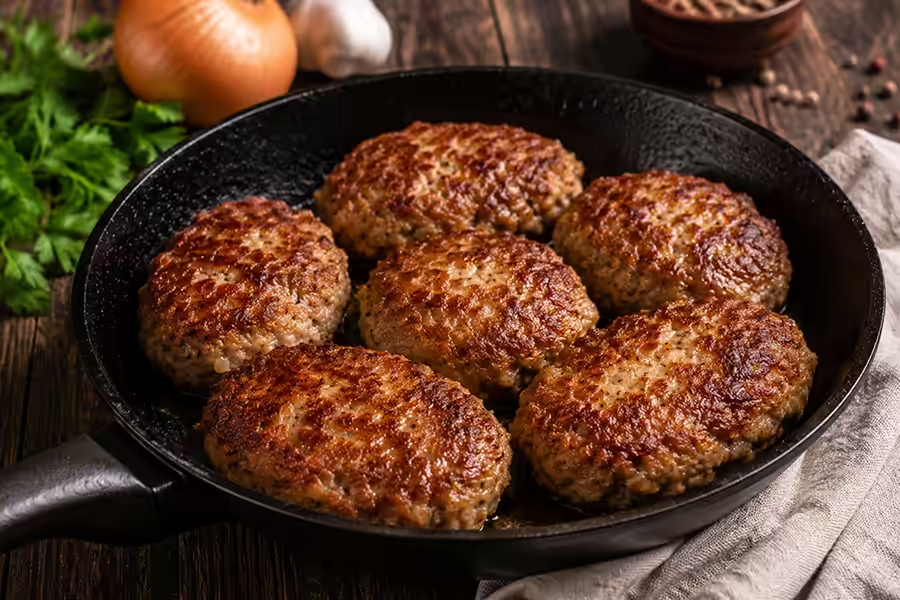
Meatloafs seem like a very simple home-cooked meal: take some ground meat, add onions, an egg, bread, spices, shape it—and into the pan it goes. But in practice, it’s cutlets that often lead to a frustrating experience: they fall apart in your hands, crack while frying, stick to the pan, or turn not into appetizing, golden-brown cutlets, but into a pile of meat crumbs.
Content
And the most interesting thing is that the problem isn’t always with the ground meat. Often, cutlets fall apart because of small details: too much onion, ground meat that’s too loose, rushing while frying, the wrong pan temperature, or not letting the mixture rest. In home cooking, these details are very important.
In this article, we’ll explore why meatloaves fall apart, what mistakes most often ruin the dish, how to make the ground meat dense, juicy, and easy to work with, and we’ll also share a few tried-and-true recipes for meatloaves that hold their shape well.
Why do cutlets fall apart when frying?
In short, meatballs fall apart when the mixture lacks “binding.” In other words, the ingredients don’t hold together. This can be caused by excess moisture, an incorrect ratio of meat to seasonings, insufficient mixing, or improper frying.
In a good meatball mixture, everything has to work together. The meat provides the base, the fat adds juiciness, the bread or breadcrumbs absorb excess moisture, the egg or well-beaten egg whites help the mixture hold its shape, and the breading creates an outer layer that protects the meatball while frying.
When one of these factors is off, the patty starts to crack, fall apart, or stick. That’s why it’s important not just to “add everything by eye,” but to understand exactly what affects the texture of the ground meat.
Mistake 1. The ground meat is too runny
One of the most common reasons why meatballs fall apart is that the ground meat mixture is too wet. This happens when you add too much milk, water, cream, grated onion, zucchini, or other juicy vegetables.
At first glance, it seems that the more liquid you add, the juicier the patties will be. But if you add too much, the mixture will become loose, sticky, and unstable. These patties are difficult to shape, and they start to fall apart in the pan.
This happens particularly often with ground chicken. It is naturally more tender and less dense than ground pork and beef. If you add a lot of onion juice or milk to it, the patties may not hold their shape even with an egg.
What should you do? If the ground meat mixture is already too runny, don’t rush to add flour by the spoonful. It’s better to use breadcrumbs, semolina, rolled oats, or well-squeezed soaked bread. These will absorb the excess moisture and make the mixture thicker.
For 500 g of ground meat, 2–3 tablespoons of breadcrumbs or 1–2 tablespoons of semolina are usually sufficient. After that, let the ground meat sit for 15–20 minutes so the ingredients can absorb the moisture.
Mistake 2. Too much onion
Onions make meatloaf flavorful, sweet, and juicy. But if you use too much, the ground meat becomes wet and crumbly. This is especially true if the onions aren’t finely chopped but are grated or blended in a food processor.
Grated onions release a lot of juice. A small amount is fine, but if you add 2–3 large onions to 500 g of ground meat, the patties might simply not hold their shape with all that moisture.
It’s best to use 1 small onion for every 500–700 g of ground meat. If you want a stronger onion flavor, it’s better to lightly sauté some of the onion. Sautéed onion adds flavor without making the ground meat too runny.
Here’s another helpful tip: after grating the onion, you can gently squeeze out the excess juice. You don’t need to make it completely dry, but the extra liquid definitely won’t help the patties.
Mistake 3. The wrong kind of bread or too much of it
Bread in meatballs isn’t used to “stretch the meat,” as some people think. It helps lock in moisture and makes the meatballs softer. But it’s important not to overdo it.
If there is too much bread, the cutlets will be fluffy and crumbly and may fall apart. If the bread isn’t squeezed out properly after soaking, the mixture will also be too runny.
It’s best to use day-old white bread or a loaf without a thick crust. Soak it in milk or water, then squeeze it out well with your hands. For every 500 g of ground meat, you’ll need about 80–100 g of soaked and squeezed bread.
Fresh, soft bread doesn’t work as well. It can make the mixture sticky and heavy. If you don’t have any bread, you can use breadcrumbs, rolled oats, semolina, or even boiled potatoes grated on a fine grater.
Mistake 4. The ground meat isn’t mixed well
Many people simply mix the ground meat with the seasonings using a fork or spoon and immediately shape the patties. But this is often not enough to ensure a firm texture.
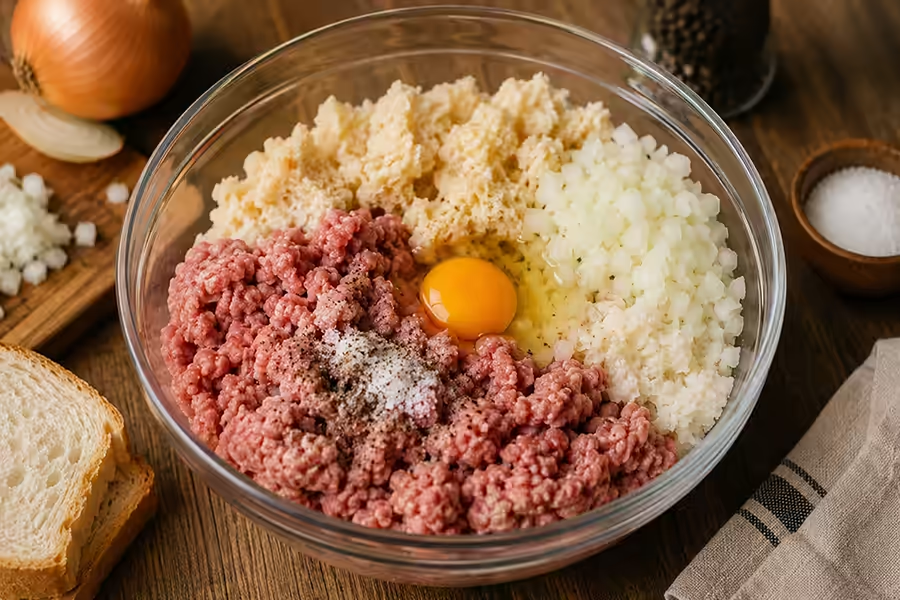
Mix the ground meat thoroughly with your hands. As you mix, the meat proteins begin to bind the mixture more effectively, so the patties hold their shape even without adding extra eggs or flour.
How can you tell when the ground meat is ready? It becomes more uniform, firm, and slightly sticky. If you take a small amount of the ground meat in your hand, it shouldn’t fall apart into clumps.
There’s also an old kitchen trick: you can “beat” the ground meat a little. To do this, lift the mixture and toss it back into the bowl a few times. You don’t need to do this too vigorously, but 10–15 gentle tosses will help compact the meat and remove excess air.
Mistake 5. Placing the cutlets directly into the pan
Minced meat needs time to set. If you’ve just mixed all the ingredients and started frying right away, the patties might fall apart. This is especially true if the mixture contains semolina, breadcrumbs, oats, or bread.
After mixing, place the ground meat mixture in the refrigerator for at least 20–30 minutes. During this time, the mixture will become firmer, the breadcrumbs or semolina will absorb any excess moisture, and the patties will be easier to shape.
This is especially important if the ground meat is warm or has just been ground. Cold ground meat holds its shape much better.
If you’re short on time, you can put the ground meat in the freezer for 10 minutes, but no longer. It should cool down, not freeze.
Mistake 6. No breading
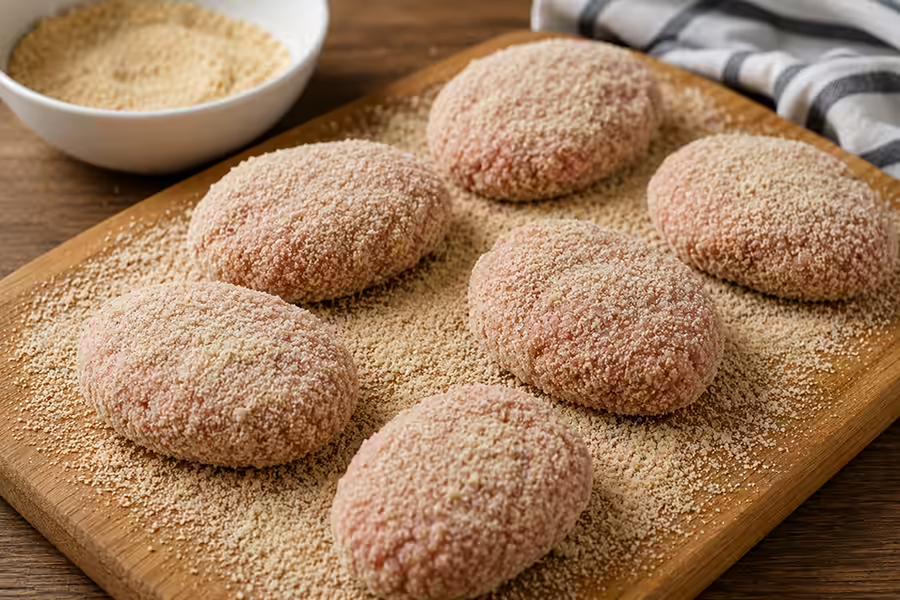
Breading isn’t just about a nice crust. It helps the cutlet hold its shape while frying. Breadcrumbs or flour create a thin outer layer that quickly sets in a hot skillet.
If the ground meat is tender or slightly moist, the cutlets may stick to the pan and break apart when you flip them if they aren’t breaded.
It’s easiest to use breadcrumbs. They create a golden crust and don’t burn as quickly as flour. But flour works too, especially for thin homemade cutlets.
Another option is semolina. It creates a light, crispy crust, but after breading the cutlets, it’s best to let them sit for 5–7 minutes so the semolina can absorb some moisture.
Mistake 7. The pan isn’t hot enough
If you place the cutlets in a cold or barely warm skillet, they won’t brown right away. Instead, they’ll start to release juices, stick to the pan, and fall apart.
The right skillet should be well-heated, but not so hot that it smokes. The oil should be hot, so the cutlet quickly develops a crust that “seals” the surface.
It’s easy to check: drop a pinch of breadcrumbs into the oil. If they start sizzling softly right away, you’re ready to fry. If they stay still, it’s not hot enough yet. If they turn black instantly, the pan is too hot.
It’s best not to move the cutlets for the first 2–3 minutes. Let the crust form. If you start moving them around right away, they might break apart.
Mistake 8. The cutlets are flipped too often
Cutlets don’t like being handled constantly. If you flip them every 30 seconds, they won’t have time to set and may fall apart.
Here’s the best way to cook them: place the cutlets in a hot skillet, let them brown on one side, then gently flip them and cook the other side. Over medium heat, this usually takes 3–5 minutes per side, depending on their size.
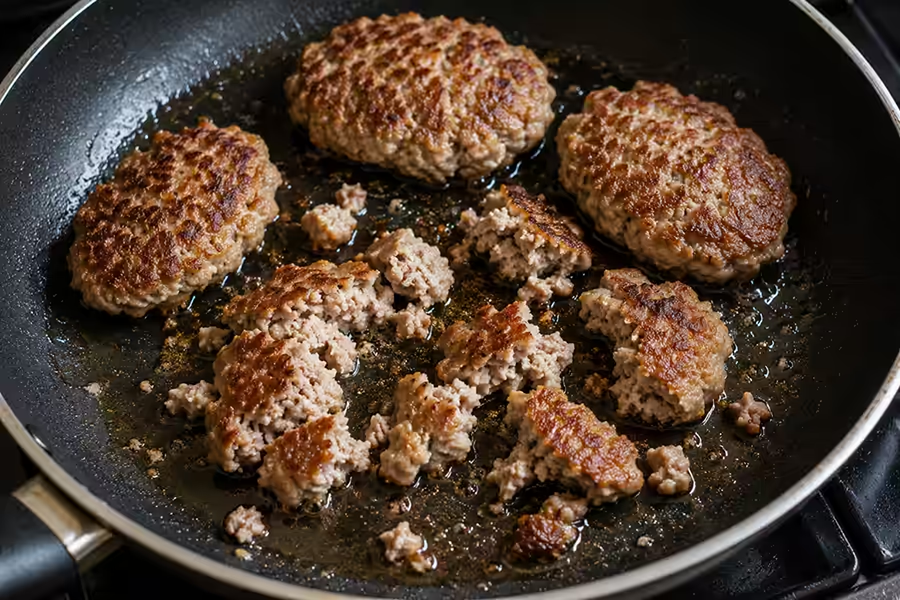
For thick cutlets, after searing, you can reduce the heat, cover with a lid, and cook for another 7–10 minutes. Or transfer them to the oven for 10–15 minutes.
It’s important to use a wide spatula. Don’t lift the cutlet with a fork from the side—that way, it’s easy to break it.
Mistake 9. Incorrect meat-to-fat ratio
Minced meat that’s too lean often results in dry, crumbly patties. It contains little fat, and it’s the fat that makes the patties juicy and tender. But minced meat that’s too fatty can also be a problem: when fried, the fat renders out, causing the patties to lose their shape and shrink.
For classic cutlets, a mixed ground meat blend works best: pork and beef. Pork adds juiciness, while beef provides a meaty flavor and firm texture. A good ratio is about 50/50 or 60% pork and 40% beef.
When making chicken cutlets, it’s best to use not only fillets but also thigh meat. If you use only chicken breast, the cutlets may turn out dry and less tender.
It’s also a good idea to add a little fat to turkey cutlets: a spoonful of sour cream, a pat of butter, a little vegetable oil, or some vegetables—but in moderation.
Mistake 10: Cutlets that are too large or too thick
Large cutlets look appetizing, but they’re harder to cook. They may already be browned on the outside while still raw on the inside. Because of this, you have to leave them in the pan longer, flip them, and cover them with a lid—and they may crack in the process.
The ideal homemade cutlet is medium-sized, weighing about 70–90 grams. It shouldn’t be too thick, but it shouldn’t be flat like a pancake either. The best shape is oval, slightly flattened.
Before frying, it’s best to make the cutlets all the same size. That way, they’ll cook evenly, and you won’t end up with one that’s already overcooked while the other is still raw inside.
What to add to ground meat so the patties don’t fall apart
There are a few ingredients that help the patties hold their shape. But it’s important not to add everything at once, or the patties will become dense.
The most popular option is an egg. It really does help bind the ground meat, but if you add too many eggs, the cutlets can become tough. One egg is enough for 500–700 g of ground meat. For very tender ground chicken, it’s sometimes better to use just the yolk.
Breadcrumbs absorb excess moisture well. They’re especially useful if the ground meat is a bit runny. Semolina works similarly, but it needs time to swell.
Oatmeal is a good option for those who want to make their cutlets a little lighter. It’s best to use fine-cut or instant oatmeal. You can hardly taste it in the finished dish, but it absorbs moisture well.
Boiled potatoes also help make the cutlets tender. Grate or mash them and add a small amount. Raw potatoes work too, but you need to squeeze out the excess moisture thoroughly.
How to Shape Meatloaves Properly
To prevent the patties from sticking to your hands or falling apart, it’s best to wet your hands with cold water. You can also lightly grease your palms with oil.
Form the patties firmly, without any air pockets inside. If air remains inside, the patty may crack while frying. You don’t need to pack it as hard as a rock, but it should hold its shape well.
Once shaped, it’s best to coat the cutlets in breadcrumbs or flour. Then let them rest on a cutting board for 5–10 minutes. This will allow the coating to adhere better to the surface.
If the ground meat is very tender, you can place the formed patties in the refrigerator for 15 minutes before frying. This is a simple trick that often saves the day for chicken, fish, and vegetable patties.
What to do if the ground meat is already runny
This happens even to experienced cooks. Add a little too much onion, milk, or egg—and the ground meat won’t hold its shape. But there’s no need to throw it away.
First, check the consistency. If the ground meat is just a little soft, add 2 tablespoons of breadcrumbs and let it sit for 15 minutes. If it’s noticeably runny, you can add another tablespoon of semolina or rolled oats.
Don’t add too much flour right away. It quickly makes the cutlets dense and “heavy.” It’s better to save the flour for breading rather than for the mixture itself.
If the ground meat mixture is so runny that you can’t form patties at all, you can make “lazy” patties. Spoon the mixture into the pan, just like you would for potato pancakes. This will be a different dish, but it can turn out to be very tasty.
Classic Homemade Pork and Beef Cutlets
This is a basic recipe that’s a great place to start. These cutlets hold their shape well, turn out juicy, and go great with mashed potatoes, porridge, pasta, or a vegetable salad.
Ingredients
Makes 4–5 servings:
- 300 g ground pork;
- 300 g ground beef;
- 1 small onion;
- 2 slices of yesterday’s white bread;
- 80–100 ml of milk or water;
- 1 egg;
- 2–3 tablespoons of breadcrumbs;
- salt to taste;
- black pepper to taste;
- cooking oil.
Preparation
Soak the bread in milk or water for a few minutes. Then squeeze out the excess liquid thoroughly. Finely chop or grate the onion, but if it’s very juicy, squeeze out some of the excess liquid.
In a large bowl, combine the ground pork and ground beef. Add the bread, onion, egg, salt, and pepper. Knead the mixture thoroughly with your hands for 5–7 minutes. The mixture should become smooth and slightly sticky.
Place the ground meat in the refrigerator for 20–30 minutes. Then shape it into medium-sized patties and coat them in breadcrumbs.
Heat a skillet with oil. Place the cutlets in the skillet and fry over medium heat for 3–5 minutes on each side until golden brown. Then reduce the heat, cover with a lid, and cook for another 7–10 minutes until done.
Tip
If you want softer patties, add 1 tablespoon of sour cream to the ground meat. But don’t add more than that, or the mixture will become too runny.
Chicken cutlets that don’t fall apart
Chicken cutlets often turn out tender, but they’re also the ones that tend to fall apart most easily. The key here is not to add too much liquid and to let the ground meat rest.
Ingredients
Makes 4 servings:
- 600 g ground chicken;
- 1 small onion;
- 1 egg or 1 egg yolk;
- 3 tablespoons of breadcrumbs;
- 1 tablespoon of sour cream;
- salt;
- black pepper;
- a little paprika, if desired;
- cooking oil.
Preparation
Chop the onion very finely. If you grate it, squeeze out some of the juice.
Mix the ground chicken with the onion, egg or egg yolk, breadcrumbs, sour cream, salt, and spices. Mix well. If the mixture seems too runny, add another tablespoon of breadcrumbs.
Let the mixture sit in the refrigerator for 30 minutes. This is an important step because the breadcrumbs need to absorb the moisture.
Use wet hands to shape the mixture into small patties. Coat them in breadcrumbs or flour. Fry over medium heat until golden brown on both sides, then finish cooking with the lid on.
Tip
For juiciness, it’s best to use ground meat made not only from chicken breast but also from thighs. This way, the cutlets will be tenderer and less dry.
Turkey cutlets with oatmeal
Turkey has a delicate flavor, but ground turkey can be a bit dry. Oatmeal helps retain moisture and makes the patties hold their shape better.
Ingredients
Makes 4 servings:
- 600 g ground turkey;
- 1 egg;
- 3 tablespoons of fine rolled oats;
- 1 small onion;
- 1 tablespoon of oil or sour cream;
- salt;
- pepper;
- dried garlic, if desired;
- breadcrumbs;
- cooking oil.
Preparation
Mix the ground meat with an egg, finely chopped onion, rolled oats, salt, pepper, and a tablespoon of oil or sour cream. Mix well.
Let the mixture sit for 20–30 minutes. During this time, the oats will swell and the mixture will become thicker.
Shape the patties and coat them in breadcrumbs. Fry them over medium heat on both sides until golden brown. Then add 2–3 tablespoons of water to the pan, cover with a lid, and simmer for a few minutes.
Tip
Don’t make the turkey patties too big. Smaller patties hold their shape better and cook faster.
Fish Cakes That Don’t Crack
Ground fish is often moist, so it should be handled with care. If the fish is watery, it’s best to squeeze out some of the moisture or add breadcrumbs.
Ingredients
Makes 4 servings:
- 600 g ground fish;
- 1 egg;
- 1 small onion;
- 2 tablespoons of breadcrumbs;
- 1 tablespoon of semolina;
- salt;
- pepper;
- a little lemon juice, if desired;
- breadcrumbs;
- cooking oil.
Preparation
Mix the ground fish with finely chopped onion, an egg, breadcrumbs, semolina, salt, pepper, and a few drops of lemon juice.
Let the mixture sit in the refrigerator for 30 minutes. The semolina should swell, and the mixture will become thicker.
Form small patties. Gently coat them in breadcrumbs. Fry them in a well-heated skillet without moving them for the first few minutes.
Tip
If the ground fish is too runny, don’t add too much flour. It’s better to add a little breadcrumbs and let the mixture sit for a while.
Oven-baked cutlets that hold their shape
If your cutlets often fall apart in the pan, try baking them in the oven. You won’t have to flip them several times, so there’s less risk of breaking them apart.
Ingredients
- 700 g ground meat;
- 1 onion;
- 1 egg;
- 2 slices of soaked and squeezed bread;
- salt;
- pepper;
- 2 tablespoons of breadcrumbs;
- a little oil for greasing.
Preparation
Mix the ground meat with the onion, egg, bread, salt, and pepper. Mix well and let it sit in the refrigerator for 20 minutes.
Shape the patties and coat them in breadcrumbs. Place them on a baking sheet lined with parchment paper and lightly greased with oil.
Bake at 180–190°C for about 25–35 minutes, depending on their size. To make the cutlets browner, you can turn on the broiler 5 minutes before they’re done.
Tip
Don’t place the cutlets too close together. Leave a little space between them so they don’t cook in their own juices.
Easy Meatloaf, Even If the Ground Meat Is Too Wet
This recipe comes in handy when the ground meat no longer holds its shape, but you don’t want to add a lot of breadcrumbs. These patties are fried like pancakes.
Ingredients
- 500 g ground meat;
- 1 egg;
- 1 onion;
- 2 tablespoons of flour or starch;
- 2 tablespoons of sour cream;
- salt;
- pepper;
- cooking oil.
Preparation
Mix the ground meat with the egg, chopped onion, sour cream, salt, pepper, and flour or cornstarch. The mixture should be thick but still spoonable.
Heat a skillet with oil. Use a spoon to shape the ground meat into small patties. Fry on both sides until golden brown.
After sautéing, cover with a lid and let it simmer for a few more minutes over low heat.
Tip
This option works especially well with ground chicken or turkey.
How to store cooked cutlets
The cooked cutlets can be stored in the refrigerator for 2–3 days in a sealed container. Let them cool completely before putting them in the refrigerator. If you place hot cutlets in a container and cover it, condensation will form inside, and the crust will become soggy.
It’s best to reheat the cutlets in a skillet with a lid and a little water, or in the oven. They also reheat quickly in the microwave, but they may become a little drier.
You can freeze raw, shaped patties. To do this, place them on a cutting board in a single layer, freeze them, and then transfer them to a bag or container. This will prevent them from sticking together.
It’s best to thaw frozen cutlets in the refrigerator before cooking. But if you’re short on time, you can cook them frozen: first, brown them over medium heat, then finish cooking them covered or in the oven.
Common mistakes when making cutlets
The most common mistake is adding everything “for juiciness” without thinking about balance. A little milk, lots of onions, an egg, some sour cream, and a zucchini—and the ground meat mixture becomes runny. It’s better to add less liquid and achieve juiciness by using the right kind of meat, a moderate amount of onions, and brief frying.
The second mistake is rushing. You need to mix the ground meat, let it cool, and give it time to set. It doesn’t take long, but it makes a big difference in the final result.
The third mistake is starting with low heat. If the pan is cold, the cutlets won’t brown; instead, they’ll start to simmer. A crust won’t form, and the cutlet will fall apart easily.
Another common mistake is using ground meat that’s too dry. If you use only lean meat, the cutlets might not fall apart, but they’ll be dry and tough. That’s why it’s important not only to bind the ground meat together but also to keep it juicy.
FAQ: Frequently Asked Questions About Cutlets
Why do meatballs fall apart without an egg?
An egg helps bind the ground meat, but it’s not the only option. Meatballs can hold their shape even without an egg, as long as the ground meat is well mixed, not too runny, and contains enough protein. You can use breadcrumbs, semolina, rolled oats, or breadcrumbs as a binder.
What’s better to add to meatballs: bread or breadcrumbs?
Soaked and squeezed bread works well for classic soft meatloaves. If the ground meat mixture is too runny, it’s easier to add breadcrumbs, as they absorb excess moisture better. Both options are fine—the key is not to overdo it.
Can you add semolina to meatballs?
Yes, semolina helps the cutlets hold their shape. But after adding it, you need to let the ground meat rest for 15–30 minutes. If you cook them right away, you might still feel the semolina grains.
Why do cutlets crack when frying?
Most often, patties crack because the ground meat isn’t mixed well enough, there are large air pockets inside, the heat is too high, or the patties are too thick. Try mixing the mixture more thoroughly, shaping the patties more tightly, and frying them over medium heat.
Why do cutlets stick to the pan?
This may be because the pan isn’t hot enough, there isn’t enough oil, or the cutlets aren’t breaded. Also, don’t move the cutlets right after placing them in the pan. Let them brown a bit first.
What should you do if the cutlets have already fallen apart in the pan?
No need to panic. Break up the mixture completely, cook until done, and use it as a filling for pasta, buckwheat, lavash, casseroles, or sauce. Next time, make the ground meat mixture firmer: add breadcrumbs, let it cool, and shape it into smaller patties.
Is it possible to make cutlets without breading?
It’s possible if the ground meat is firm and well-mixed. But for tender, chicken, fish, or slightly moist ground meat, breading is highly recommended. It helps the patties hold their shape and gives them a nice crust.
Conclusion
There isn’t just one single reason why meatloaf falls apart. Most often, it’s a combination of several small mistakes: the ground meat mixture is too runny, there’s too much onion, the mixture wasn’t mixed well enough, it wasn’t allowed to rest, or the meatloaf was placed in a pan that wasn’t hot enough.
A good cutlet doesn’t start with frying, but with the right ground meat. It should be moderately moist, well-mixed, chilled, and not overloaded with additives. Then the cutlets are easy to shape, don’t crack or fall apart, and turn out juicy on the inside.
If your ground meat mixture doesn’t turn out right, it’s not the end of the world. You can almost always salvage it with breadcrumbs, semolina, or rolled oats—or turn it into “lazy” meatballs. In home cooking, the key is not to be afraid to fix things and to remember what worked.