Introduction
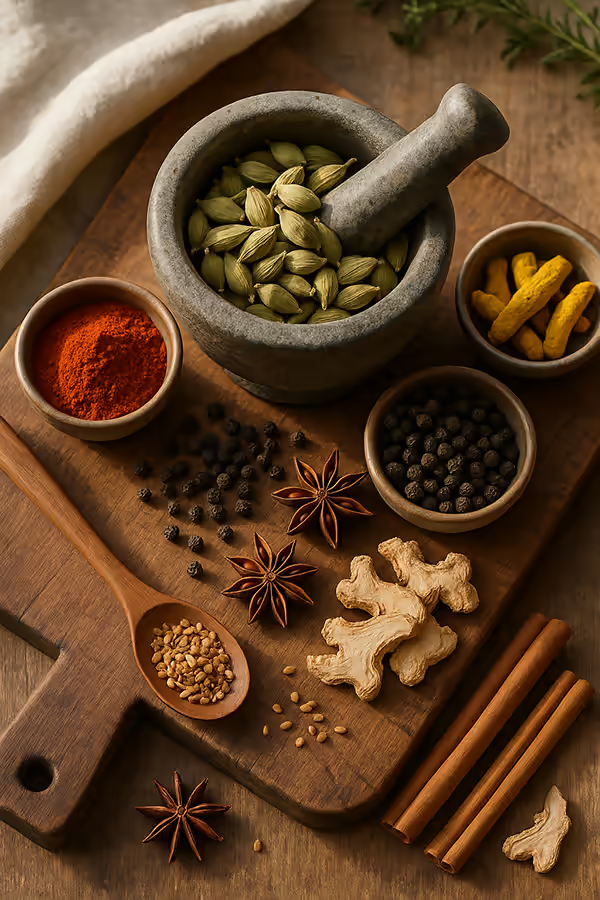
Spices are the alchemists of flavor. They transform ordinary ingredients into extraordinary culinary experiences. For a food blogger, chef, or passionate home cook, mastering spices represents the difference between following recipes and composing culinary symphonies. This comprehensive guide will take you from spice fundamentals through advanced pairing techniques, from health benefits to 2025 culinary trends, and everything in between.
Content
1. Spices vs. Herbs: Clearing Up the Confusion
Before we explore the world of spices, let’s establish clear definitions. These terms are often used interchangeably in everyday conversation, but they describe different things:
Herbs (Culinary Herbs) are the fresh or dried leaves, stems, and sometimes flowers of aromatic plants. They contribute bright, fresh, and delicate flavors. Examples include basil, oregano, rosemary, cilantro, and dill.
Spices are typically derived from seeds, roots, bark, fruits, or flower buds of aromatic plants[1]. They possess more concentrated, intense flavors and aromas than herbs, and they deliver more complex taste profiles[1]. Examples include black pepper, cinnamon, cumin, cardamom, and turmeric.
The key distinction: herbs are usually green and fresh, while spices are dried and concentrated. This article focuses exclusively on spices—the potent flavor catalysts that anchor great cooking.
2. How to Select High-Quality Spices: Three Essential Rules
The difference between mediocre and exceptional cooking often comes down to spice quality. Here are the three non-negotiable principles for choosing the best spices.
Rule #1: Buy Whole, Not Ground
This is the golden rule that separates amateurs from professionals. Ground spices lose their essential oils—the primary carriers of flavor and aroma—within 3-6 months of purchase. Whole spices retain these oils for years[2].
Practical advice: Invest in a good spice grinder (mortar and pestle work, but an electric burr grinder designed for spices is ideal). Freshly ground spices have 10 times more vibrant aroma than pre-ground varieties from a jar that’s been sitting on a shelf for months.
Rule #2: Assess Color, Texture, and Freshness
Visual and olfactory clues reveal spice quality:
- Paprika: Should be vibrant crimson red, never dull brown or pale brick-red.
- Cardamom pods: Green varieties must be tightly closed and verdant. Yellow or gaping pods indicate age.
- Star anise: Should be uniformly dark red-brown with intact “points.” Broken pieces suggest rough handling or age.
- Overall rule: Open the container and inhale deeply. If there’s no immediate aroma, the spice is “dead.” It won’t harm you, but it’s essentially flavored dust.
Rule #3: Consider Storage and Rotation
Spices don’t spoil in the traditional sense (they won’t grow mold or bacteria under normal conditions), but they oxidize and lose potency. Store them in:
- Opaque glass jars with airtight lids
- A cool, dark place away from direct sunlight and heat sources
- Away from your stove (temperature fluctuations degrade volatile compounds quickly)
Label everything with the purchase date. Replace ground spices every 6-12 months and whole spices every 2-3 years.
3. The Botanical Classification of Essential Spices
Understanding where a spice comes from botanically helps predict its best applications. Below are the major categories:
Roots and Rhizomes
Turmeric (Curcuma longa): The earthy, slightly bitter root that serves as a natural dye and powerhouse anti-inflammatory[3]. When combined with black pepper (piperine enhances turmeric absorption by 2000%), it becomes a true functional spice[3].
Ginger (Zingiber officinale): In dried form, it’s far more pungent than fresh ginger. Use it for gingerbread, marinades, and warming curries where concentrated heat is desired.
Seeds
Cumin (Cuminum cyminum): Warm, earthy, and slightly smoky. The foundation of Indian curries, Middle Eastern cooking, and Mexican cuisine. Pairs inseparably with coriander.
Coriander (Coriandrum sativum): Citrussy, floral, and subtly sweet. Works beautifully with seafood, pickling brine, and as a counterpoint to cumin’s earthiness.
Cardamom (Elettaria cardamomum): The “queen of spices.” Green cardamom offers a sophisticated, almost eucalyptus-like sweetness—perfect for baking and coffee. Black cardamom is smoky and rough—save it for meat stews and bone broths.
Mustard Seeds (Sinapis alba, Brassica nigra): Mild to intense heat, often used tempering oil in Indian cooking (tadka technique) and pickling.
Fruits and Berries
Black Pepper (Piper nigrum): The universal spice. Contains piperine, which provides heat and enhances the absorption of other spices. Use it raw at the end of cooking for aroma or at the beginning for depth[2].
Chili Peppers (dried): Range from mild to explosive. Provide color, heat, and a distinctive fruity undertone. Smoked varieties add complexity.
Vanilla (Vanilla planifolia): Technically a fruit (seed pod). Floral, warm, and luxurious—never use artificial extracts if you can help it.
Bark
Cinnamon – Two Very Different Spices:
Ceylon Cinnamon (Cinnamomum verum): Light colored, thin, crumbly, with a delicate sweet flavor. Contains negligible coumarin (< 0.004%)[2]. Premium choice for health-conscious cooks and desserts.
Cassia Cinnamon (Cinnamomum cassia): Dark, thick, hard, curls only on one side. Contains 0.001–1.218% coumarin (up to 5% in some samples)[2]. Comprises 90% of retail cinnamon. Regular use carries liver risk; daily consumers should switch to Ceylon.
Flower Buds
Cloves (Syzygium aromaticum): Sweet, pungent, almost bitter. Extremely potent—use sparingly. Essential for mulled wine, baking, and Moroccan cooking. Among the highest antioxidant foods by ORAC scale[3].
Saffron (Crocus sativus): The world’s most expensive spice. Metallic, honey-like, slightly medicinal flavor. A tiny pinch transforms risotto, paella, and bouillabaisse. No substitutes exist.
4. Health Benefits and Safety Considerations
Spices are concentrated bioactive compounds. This makes them powerful health allies—and necessitates informed consumption[3].
Science-Backed Health Benefits
Anti-inflammatory Properties:
- Turmeric’s curcumin reduces inflammation comparable to some pharmaceuticals[3]
- Ginger’s gingerols are studied for arthritis and gastrointestinal support
- Cinnamon shows promise in metabolic health and insulin sensitivity[2]
Antioxidant Powerhouses:
Black pepper and cloves possess extraordinary antioxidant capacities[2][3]. A single tablespoon of cloves can contain more antioxidants than a bowl of blueberries.
Blood Sugar Regulation:
Cinnamon may improve insulin sensitivity and glucose metabolism[2]. Even small amounts seem beneficial, making it a practical functional ingredient.
Antimicrobial and Digestive Support:
Cumin, fennel, and caraway have been used for centuries to support digestion and reduce bloating—an especially useful property when paired with beans and cruciferous vegetables[1].
Critical Safety Warnings
Coumarin in Cinnamon:
Cassia cinnamon contains coumarin, a compound flagged by the FDA as potentially hepatotoxic (liver-damaging) in excess. The European Food Safety Authority (EFSA) has set a Tolerable Daily Intake (TDI) of 0.1 mg/kg body weight[2].
For a 70 kg adult, this means approximately 7 mg coumarin per day is the safe upper limit. A single teaspoon of Cassia cinnamon can contain 5–40 mg. If you enjoy cinnamon in your morning coffee or oatmeal daily, switch to Ceylon cinnamon[2].
Pregnancy Cautions:
High doses of nutmeg and saffron may stimulate uterine contractions. Culinary amounts are safe, but pregnant women should avoid therapeutic doses.
Drug Interactions:
Turmeric and ginger are mild blood thinners. If you take anticoagulants (warfarin, aspirin), consult your physician before consuming large therapeutic amounts.
Allergies:
Mustard and celery seeds are EU-recognized allergens. Careful labeling on commercial blends is essential for sensitive individuals.
5. The Art and Science of Spice Pairing
Successful spice combinations follow flavor chemistry principles. Understanding these creates harmonious blends that are greater than their individual components[1].
Fundamental Flavor Profiles
Before pairing, categorize spices by their dominant characteristics:
- Warm and Earthy: Cumin, cinnamon, nutmeg
- Bold and Spicy: Chili powder, cayenne, black pepper
- Fresh and Herbaceous: Coriander, fennel, caraway
- Citrusy and Sweet: Ginger, turmeric, cardamom
- Smoky and Bitter: Saffron, smoked paprika, cloves
Pairing Strategies: Complement vs. Contrast
Complementary Pairings (similar profiles):
- Cinnamon + Cloves + Nutmeg = warming spice blend for baking and Moroccan tagines
- Cumin + Coriander = the foundation of countless curries and Indian dishes
- Black Pepper + Garlic = umami depth for savory dishes
Contrasting Pairings (opposite profiles for balance):
- Cumin (earthy) + Mint (fresh, cool) = brightness cutting richness
- Chili Heat + Lime or Yogurt = cooling agents taming heat
- Sweet Cinnamon + Savory Tomato = adds depth to Bolognese (a Sicilian technique)
Foundational Spice Blends to Master
Garam Masala (Indian): Cumin, coriander, cardamom, cinnamon, cloves, black pepper. The base for countless curries and stews.
Za’atar (Middle Eastern): Thyme, sumac, sesame seeds, oregano. Incredible on olive oil, flatbread, grilled vegetables, and lamb.
Ras el Hanout (North African): Cinnamon, cumin, ginger, turmeric, paprika, and others. A sophisticated blend for tagines and braises.
Chinese Five Spice: Cinnamon, star anise, cloves, Sichuan peppercorns, fennel. Distinctive for roasted meats and braised dishes.
Jerk Seasoning (Caribbean): Thyme, allspice, black pepper, cinnamon, nutmeg, ginger, hot peppers, garlic. Essential for grilled proteins.
6. Spice Pairing by Protein Type
The protein you’re cooking with determines which spices will elevate it best.
Beef and Lamb
- Rosemary + Black Pepper + Garlic (steak primer): Classic European steakhouse approach
- Cumin + Coriander + Turmeric + Ginger (Indian): For curries and braises
- Thyme + Cloves + Orange Zest + Black Pepper (traditional braise): Sophisticated, warming
- Paprika + Black Pepper + Garlic (Hungarian goulash): Rich, complex depth
Fatty meats tolerate and even benefit from strong spice intensity.
Poultry (Chicken and Turkey)
- Tarragon + Shallots + Lemon (French): Elegant, subtle
- Paprika + Turmeric + Garlic (Portuguese and Indian-inspired): Creates golden, aromatic skin
- Ginger + Orange Peel + Sage (Asian-influenced): Brightness and complexity
- Cumin + Coriander + Chili (Latin-influenced): Bold, festive
Chicken’s mild white meat needs enough spice intensity to shine but not so much that it overwhelms.
Fish and Seafood
Fish demands finesse. Use white pepper (milder than black) and citrus-forward spices:
- Dill + Lemon + Mustard Seeds (Northern European classic): Delicate, fresh
- Fennel + Mustard + Bay + Lemon (French bouillabaisse): Complex yet balanced
- Coriander + Chili + Ginger (Southeast Asian): Bright and warm without overwhelming
- Saffron + Garlic + Parsley (Mediterranean): Luxurious and subtle
Avoid heavy, smoky, or overly pungent spices that mask the delicate fish flavor.
Vegetables
- Cumin + Garlic + Onion + Oregano (beans and legumes)
- Cinnamon + Nutmeg + Orange Juice + Thyme (root vegetables)
- Basil + Black Pepper + Garlic (tomatoes—Italian)
- Turmeric + Coriander + Cumin (cauliflower—Indian)
7. Comprehensive Spice Reference Table
| Spice | Flavor Profile | Ideal Pairings | Best Uses | Storage Tips |
|---|---|---|---|---|
| Black Pepper | Sharp, pungent, woody | Garlic, lemon, herbs | Everything; universal seasoning | Whole peppercorns keep 3-4 years |
| Cinnamon (Ceylon) | Sweet, warm, delicate | Cloves, nutmeg, ginger | Baking, desserts, curries | Higher cost; low coumarin |
| Cinnamon (Cassia) | Sweet, warm, pungent | Cloves, nutmeg | General use, but monitor intake | Inexpensive; monitor coumarin for daily use |
| Cumin | Earthy, warm, nutty | Coriander, turmeric, chili | Curries, beans, rice, tacos | Toasting whole seeds intensifies flavor |
| Coriander | Citrusy, floral, fresh | Cumin, chili, ginger | Curries, pickling, seafood | Pairs inseparably with cumin |
| Turmeric | Earthy, bitter, warm | Black pepper (crucial!), cumin, ginger | Curries, anti-inflammatory teas | Always combine with black pepper for absorption |
| Cardamom (Green) | Sweet, eucalyptus, complex | Cinnamon, cloves, ginger | Baking, coffee, desserts, chai | Expensive; use sparingly |
| Cardamom (Black) | Smoky, menthol, rough | Only for meat stews/broths | Stocks, braises | Strong; never in sweet applications |
| Ginger (Dry) | Spicy, warm, pungent | Turmeric, cardamom, honey | Gingerbread, curries, marinades | More intense than fresh; adjust quantities |
| Cloves | Sweet, pungent, intense | Cinnamon, nutmeg, star anise | Mulled drinks, baking, stews | Highly potent; use sparingly (1-3 per dish) |
| Nutmeg | Warm, sweet, slightly bitter | Cinnamon, cloves, mace | Cream sauces, vegetables, baking | Freshly grated is superior to pre-ground |
| Paprika (sweet) | Mild, sweet, fruity | Garlic, cumin, black pepper | Goulash, chicken, sauces | Hungarian and Spanish varieties differ |
| Paprika (smoked) | Smoky, mild, complex | Garlic, cumin, paprika | BBQ sauces, bean dishes, seafood | Spanish smoked paprika (pimentón) is authentic |
| Fennel Seeds | Sweet, anise-like, licorice | Coriander, cumin, ginger | Fish dishes, baking, Indian cuisine | Mild and sweet; pairs well with seafood |
| Saffron | Metallic, floral, honeyed | Garlic, parsley (minimal pairings) | Paella, risotto, bouillabaisse | World’s most expensive spice; use sparingly (pinch per dish) |
8. Emerging Trends and Innovations in 2025
The global spice landscape is shifting toward bold, sophisticated, and globally-inspired flavors[1][4][5].
“Swicy” (Sweet + Spicy) Dominance
The most dominant trend of 2024–2025 is unexpected sweetness paired with heat. Think hot honey drizzled on fried chicken, chili in dark chocolate, or maple-sriracha combinations[1][4][5].
Culinary Application: Create chili-honey glazes for roasted vegetables, mix ground cayenne with cinnamon and vanilla for desserts, or explore fermented hot sauces with fruit components.
Functional and Wellness-Driven Spices
Consumers increasingly choose spices for health rather than flavor alone. Turmeric, ginger, cinnamon, and black pepper dominate new product launches[1][4].
Culinary Application: Market recipes emphasizing these spices’ anti-inflammatory and metabolic benefits. Create “golden milk” lattes, turmeric-ginger energy balls, and cinnamon-enhanced smoothie bowls.
Fusion and Global Cross-Pollination
Thai-Cajun, Middle Eastern-Mexican, and other unexpected combinations are gaining serious traction[1][4]. Chefs are pairing za’atar with chili, combining smoked paprika with lemongrass, and experimenting with cardamom in savory applications[4][5].
Culinary Application: Create fusion recipes that honor multiple traditions. Thai basil with chipotle, sumac-dusted fish tacos, cardamom-spiced lamb meatballs.
Floral and Aromatic Complexity
Lavender, rose, hibiscus, and chamomile are moving beyond tea and into savory applications, baking, and spice blends[1][5].
Culinary Application: Experiment with dried flowers in dry rubs for poultry, floral infusions in vinegars and oils, and subtle rose water additions to Middle Eastern–inspired dishes.
Fermented and “Ancient” Flavor Compounds
Black garlic powder, fermented chili pastes, and miso-based spice blends offer umami depth without relying on salt alone[1][4].
Culinary Application: Introduce umami-rich spice blends, explore fermented condiments as seasoning bases, and develop recipes centered on these “old-new” ingredients.
9. Frequently Asked Questions
Q: How long do spices actually stay fresh?
A: Whole spices retain quality for 3–4 years. Ground spices lose 60–70% of their potency within 6–12 months. Dried herbs (leaves) last 1–3 years. They won’t spoil dangerously, but they become flavorless.
Q: Is MSG (monosodium glutamate) safe in spice blends?
A: The “Chinese restaurant syndrome” myth has been thoroughly debunked. Glutamate is a natural amino acid found in tomatoes, Parmesan cheese, and mushrooms. In moderate quantities, it enhances umami flavor safely. However, carefully reading labels on cheap spice blends reveals MSG and salt are often the only real ingredients.
Q: What’s the secret to spice blending?
A: Three principles: (1) Balance intensity—don’t let one spice overpower; (2) Layer flavors—add complementary spices at different times during cooking; (3) Taste constantly—spice blending is subjective, and your palate is the final judge.
Q: Why does tempering spices (heating them in hot oil) work so well?
A: Heat releases volatile aromatic compounds trapped in whole spices. The Tadka technique, essential in Indian cooking, involves briefly heating spices in hot oil or ghee before adding wet ingredients. This creates deep, complex flavor that simple mixing cannot achieve.
Q: What are “Hmeli-Suneli”?
A: A Georgian spice blend containing fenugreek, coriander, dill, celery, parsley, basil, savory, mint, bay, and pepper. Essential for Georgian soups (Kharcho) and braised meats. Creates a distinctive savory, herbaceous profile.
Q: Can I substitute one spice for another?
A: Generally, no—each spice has a unique flavor chemistry. However, understanding profiles helps. Cumin can substitute for caraway in limited quantities (both warm, earthy). Cinnamon can partially replace nutmeg (both warm, sweet). Never substitute without consideration.
Q: How do I fix a dish overseasoned with a particular spice?
A: Dilute by doubling other components (add more protein, vegetables, broth). Acidic ingredients (lemon, vinegar, yogurt) can balance aggressive spices. In sweet applications, a pinch of salt often neutralizes excess spice heat.
10. Building Your Spice Collection: A Practical Roadmap
Essential Starter Spices (must-haves):
- Black Pepper (whole peppercorns)
- Cinnamon (Ceylon preferred)
- Cumin (whole seeds)
- Coriander (whole seeds)
- Paprika
Intermediate Level (add after mastering basics):
- Turmeric (whole root or powder)
- Ginger (dried)
- Cardamom (green pods)
- Cloves
- Nutmeg
Advanced Collection (for serious home cooks):
- Saffron
- Black Cardamom
- Sichuan Peppercorns
- Sumac
- Fenugreek
Investment: Start with approximately €30–50 for a basic starter collection of whole spices. A good spice grinder costs €20–50.
Conclusion
Mastering spices is not about memorizing endless combinations or collecting rare ingredients. It’s about understanding fundamental flavor chemistry, respecting quality, and developing confidence through repetition.
Begin with the essential trio—cumin, coriander, and black pepper. Toast them in hot oil and smell the transformation. Taste them in simple yogurt to understand their individual profiles. Then experiment boldly.
The best cooking happens when you stop following recipes and start composing with spices as your primary instrument. That transformation—from recipe-follower to flavor creator—is where true culinary joy begins.