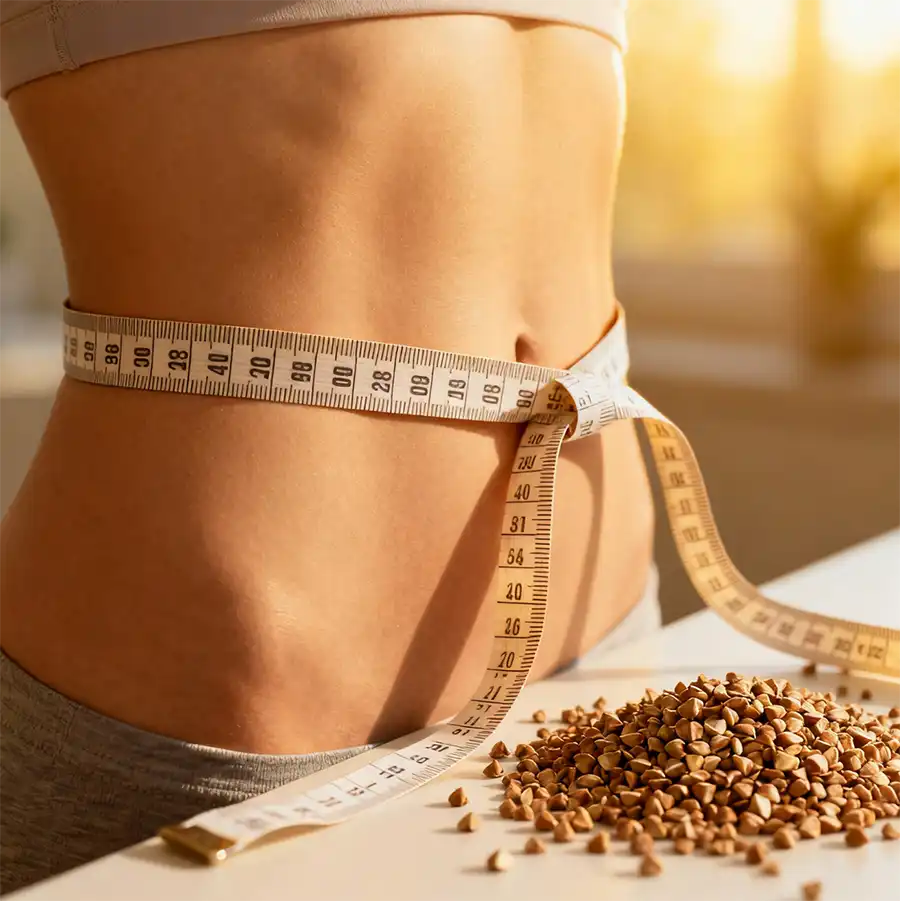
What is the buckwheat diet and how does it work?
Content
The buckwheat diet is one of the most popular ways to lose weight quickly, based on eating buckwheat groats as the main food. It is a type of mono diet that involves minimal processing of foods and the exclusion of salt, sugar, and fats from the diet.
The effectiveness of the buckwheat diet can be explained by several key factors:
Low calorie content – buckwheat is low in calories, allowing you to consume it in large quantities without exceeding your daily calorie limit. High fiber content – promotes rapid satiety and improves digestion, which helps control hunger throughout the day. No refined sugar or fats – reduces the overall calorie content of the diet and reduces the risk of fat accumulation.
Thanks to these properties, the body is forced to draw energy from fat reserves, which leads to active weight loss.
Types of buckwheat diets
There are several variations of the buckwheat diet, which differ in terms of strictness and duration:
Classic mono diet (strict) buckwheat diet
The strictest option, which involves eating only buckwheat for 7-14 days. The groats are prepared without salt, sugar, or fats, by pouring boiling water over them overnight. You are allowed to drink water, unsweetened green tea, and take multivitamins.
Soft buckwheat diet
A more loyal option that allows you to add to the main diet:
- Low-fat kefir or yogurt (up to 1 liter per day)
- Fresh vegetables (cucumbers, tomatoes, leafy salads)
- Fruits with low sugar content (apples, berries)
- A small amount of boiled lean meat
Buckwheat and kefir diet
It combines buckwheat with low-fat kefir, which improves digestion and prevents constipation. This option is easier for the body to tolerate and has fewer side effects.
Detailed recipes for preparing buckwheat for a diet
The main method of preparation
Ingredients:
- 1 cup buckwheat groats
- 2-2.5 cups of boiling water
Preparation:
- Rinse the buckwheat thoroughly with cold water until the water runs clear.
- Pour the cereal into a thermos or deep bowl.
- Pour boiling water in a ratio of 1:2.5
- Close tightly with a lid and wrap with a towel.
- Leave for 4-6 hours or overnight
- Divide the finished porridge into 4-5 servings throughout the day.
Express option
For quick preparation, pour boiling water over the buckwheat in a ratio of 1:2.5 and let it steep for 1 hour.
Buckwheat with kefir
Ingredients:
- 3-4 tablespoons buckwheat groats
- 250 ml low-fat kefir
Preparation:
- Pour kefir at room temperature over the buckwheat.
- Place in the refrigerator overnight.
- The dish will be ready to eat in the morning.
Green buckwheat (unroasted)
For maximum benefit, use green buckwheat that has not been heat-treated. It retains more nutrients and vitamins.
Detailed menu for a week for the buckwheat diet

Day 1
Breakfast: Boiled buckwheat (150 g) with 200 ml of low-fat kefir
Snack: Green tea or still mineral water
Lunch: Buckwheat (150 g) with vegetable salad (cucumber, tomato, lettuce leaves with lemon juice)
Afternoon snack: 150 ml low-fat yogurt
Dinner: Buckwheat (100 g) with low-fat yogurt
Day 2
Breakfast: Buckwheat (150 g) with apple and cinnamon
Snack: Herbal tea
Lunch: Buckwheat (150 g) with stewed vegetables (bell pepper, zucchini, onion)
Afternoon snack: Apple or pear
Dinner: Buckwheat (100 g) with kefir
Day 3
Breakfast: Buckwheat (150 g) with banana
Snack: Green tea
Lunch: Buckwheat (150 g) with stewed vegetables
Afternoon snack: Low-fat yogurt with honey (1 tsp)
Dinner: Buckwheat (100 g) with low-fat yogurt and honey
Day 4
Breakfast: Buckwheat (150 g) with kefir and honey (1 tsp)
Snack: Apple
Lunch: Buckwheat (150 g) with boiled egg and cucumbers
Afternoon snack: Tomato juice (unsalted)
Dinner: Buckwheat (100 g) with tomato juice
Day 5
Breakfast: Buckwheat (150 g) with berries
Snack: Herbal tea
Lunch: Buckwheat (150 g) with vegetable salad and greens
Afternoon snack: Low-fat cottage cheese (100 g)
Dinner: Buckwheat (100 g) with yogurt
Day 6
Breakfast: Buckwheat (150 g) with dried fruit (in minimal quantities)
Snack: Green tea
Lunch: Buckwheat (150 g) with boiled chicken (100 g) and salad
Afternoon snack: Kefir (200 ml)
Dinner: Buckwheat (100 g) with greens
Day 7
Breakfast: Buckwheat (150 g) with kefir and honey
Snack: Apple
Lunch: Buckwheat (150 g) with green salad and boiled egg
Afternoon snack: Yogurt with orange slices
Dinner: Buckwheat (100 g) with yogurt and orange slices
General recommendations for the menu:
- Daily buckwheat intake: 150-300 g of dry groats, depending on physical activity
- Be sure to drink at least 2 liters of clean water per day.
- The last meal should be no later than 4 hours before bedtime.
- Take multivitamins to support your body
Useful tips and recommendations
Preparing for the buckwheat diet
A week before starting the diet, gradually reduce the amount of salt, sugar, and fatty foods in your diet. This will help your body adapt more easily to the new eating habits.
During the buckwheat diet
Drink enough water—at least 8 glasses a day to maintain metabolism and eliminate toxins. Divide your meals—eat 4-5 times a day in small portions for better absorption. Take multivitamins – this will compensate for any nutrient deficiencies. Monitor your well-being – if you experience weakness, dizziness, or other unpleasant symptoms, stop the diet immediately.
Physical activity
During the diet, it is recommended to limit intense physical activity. The following will be optimal:
- Light walks in the fresh air
- Yoga or stretching
- Breathing exercises
- Swimming at a slow pace
The right way to come off a diet
Gradually return to your normal diet over the course of a week:
- First 2 days: add vegetables and fruit
- Day 3-4: introduce lean protein (fish, chicken)
- Days 5-7: gradually add other foods
The benefits of a buckwheat diet for the body
Vitamin and mineral composition of buckwheat
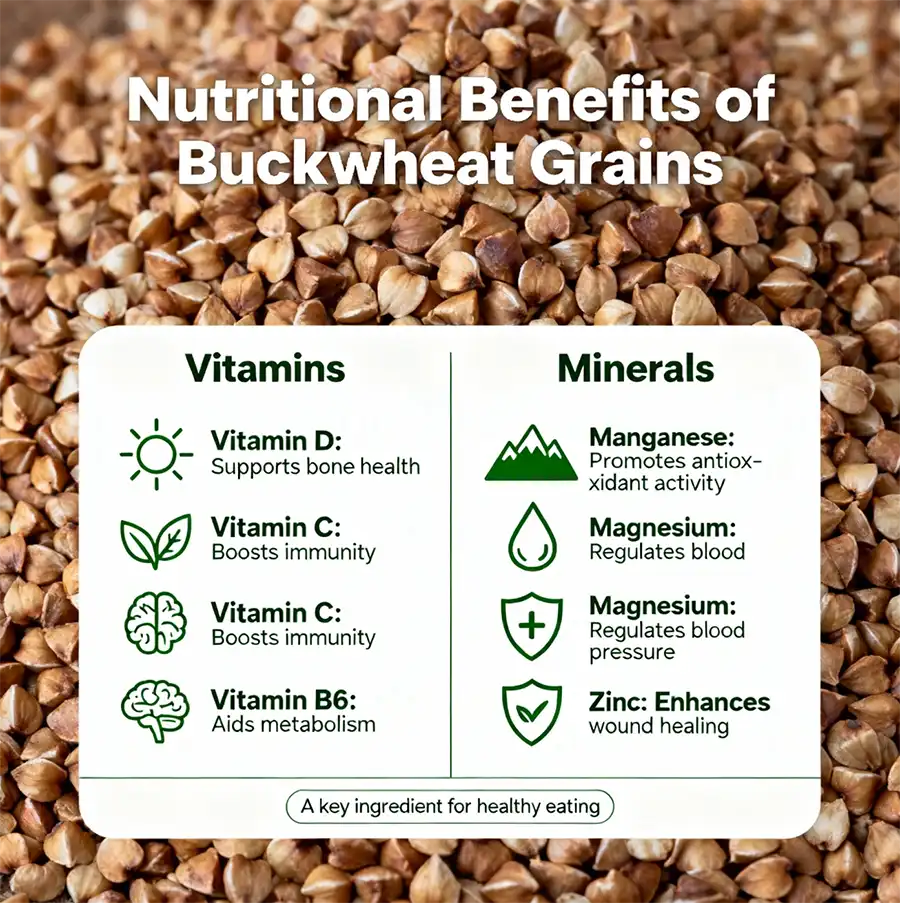
Buckwheat is a source of many beneficial substances:
- Iron – increases hemoglobin levels and prevents anemia
- Magnesium – supports the nervous and cardiovascular systems
- Potassium – normalizes water-salt balance
- Zinc – strengthens the immune system
- B vitamins – improve metabolism and the condition of nails, hair, and skin
- Vitamin E is an antioxidant that slows down cell aging.
Positive health effects of the buckwheat diet
Cleansing the body – high fiber content promotes the elimination of toxins and waste products. Improving digestion – normalizes bowel function and prevents constipation. Lowering cholesterol – helps cleanse the blood vessels. Strengthening blood vessels – rutin in buckwheat strengthens capillaries. Stabilizing blood sugar – low glycemic index prevents sharp spikes in glucose. Improving skin condition – B vitamins make the skin healthier and more elastic.
Expected weight loss results from the buckwheat diet
Weight loss speed
The results of the buckwheat diet are individual and depend on your initial weight, metabolism, and adherence to the rules:
- For slight excess weight: 3-5 kg per week
- For significant excess weight: 7-10 kg per week
- For very large excess weight: up to 15 kg in 2 weeks
Changes in body volume
The loss of centimeters occurs evenly throughout the body:
- Average reduction in volume: 2-4 cm in circumference
- Reducing clothing size by 1-2 sizes
- Skin tightening without sagging
Real reviews and case studies
According to research and user reviews:
- 85% of participants were able to lose 4-6 kg in a week
- Record result: weight loss from 125 kg to 66 kg in 2 months
- Most people report feeling better and having more energy.
Contraindications and possible complications
Absolute contraindications
The buckwheat diet is strictly prohibited in the following cases:
- Diabetes mellitus
- Stomach and duodenal ulcers
- Gastritis in the acute stage
- Serious diseases of the cardiovascular system
- Kidney failure
- Pregnancy and breastfeeding
- Children under 18 years of age
- Individual intolerance to buckwheat
Relative contraindications
The diet should be used with caution in the following cases:
- Hypotension (low blood pressure)
- Anemia
- Varicose veins
- Migraines
- Irritable bowel syndrome
- Dysbacteriosis
- Intense mental or physical exertion
Possible side effects
If the rules are not followed or the product is used for a long time, the following may occur:
- Headaches and dizziness
- Weakness and decreased performance
- Irritability and depressive states
- Problems with concentration
- Constipation or bloating
- Lowering blood pressure
- Possible loss of muscle mass
Frequently asked questions (FAQ)
How often can you go on a buckwheat diet? It is recommended
to repeat the buckwheat diet no more than once every 3-4 months. There should be a sufficient break between courses to allow the body to recover.
Can you exercise while on a diet? It is
best to limit intense workouts. Light physical activity is allowed: walking, yoga, swimming at a moderate pace.
What should you do if you find it difficult to stick to the diet?
If you feel very hungry, you can add a small amount of low-fat kefir, an apple, or some dried fruit. It is better to break the diet a little than to give it up completely.
Is it necessary to take vitamins?
Yes, taking multivitamins is essential to compensate for nutrient deficiencies.
How much water should you drink?
At least 2-2.5 liters of clean water per day. This will help flush out toxins and support your metabolism.
Can salt be added to buckwheat?
No, salt is strictly prohibited because it retains fluid in the body.
What to do after finishing the diet?
Gradually return to your normal diet over the course of a week, adding one new food each day.
Is this diet suitable for older people?
People over 45, especially women, should be cautious due to the risk of calcium deficiency.
Can you eat buckwheat at night? The
last meal should be no later than 4 hours before bedtime.
Is dieting effective for teenagers?
Mono diets are not recommended for teenagers because their bodies need a varied diet for growth.
The buckwheat diet can be an effective tool for rapid weight loss, but it should be used wisely and under the supervision of your own well-being. Before starting any diet, it is recommended to consult a doctor, especially if you have chronic diseases. Remember that the best results are achieved when combining a balanced diet, regular physical activity, and a healthy lifestyle.