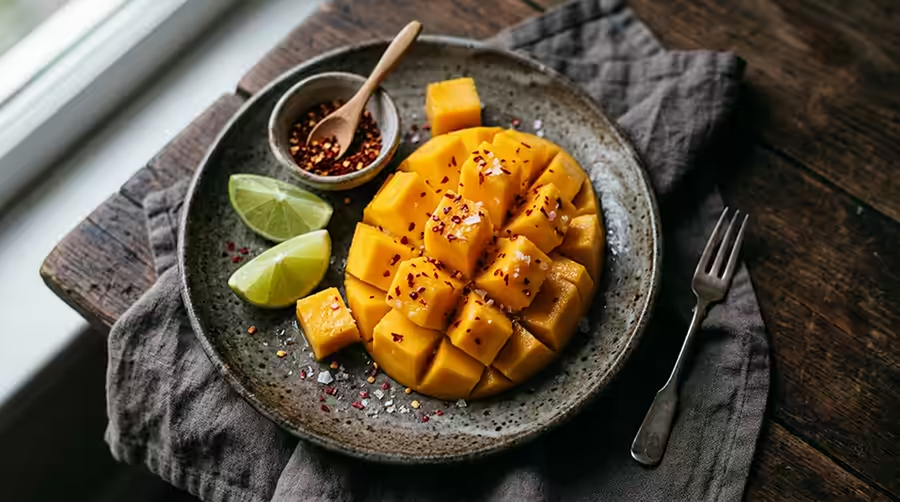
Imagine a juicy mango sprinkled with coarse salt and chili flakes. Or a ripe strawberry with a drizzle of Sriracha sauce. Sound strange? Yet millions of people in Mexico, Thailand, Vietnam, and South Korea consider this an absolute classic. The “fricy” trend—a portmanteau of “fruity” and “spicy”—has been taking the global culinary world by storm for several years and is gradually making its way into Ukrainian cuisine. Let’s break down what it is, why it works, and how to prepare these combinations at home.
Content
What are fricy flavors and where did they come from?
The term “fricy” is relatively new; it first appeared in English-language culinary media around 2022–2023, when food bloggers began actively promoting the combination of fruit with hot spices and sauces. But the idea itself has been around for thousands of years.
In Mexico, street vendors sell sliced pineapple, watermelon, mango, and cucumber sprinkled with salt, lime juice, and chili powder—this is a staple street food that every child knows. In Thailand, green mango is eaten with a mixture of salt, sugar, and dried chili. In India, there are dozens of variations of chaat masala—a spice mix sprinkled on fruit. In Vietnam, salt with chili and lime is a must-have accompaniment to tropical fruits.
What exactly did the “fricy” trend bring to the table? It systematized these approaches, added modern ingredients like sriracha sauce, tahini, and fermented peppers, and brought it all out of the “exotic” category and into the mainstream—cafés, restaurants, and home kitchens.
Why do spicy and sweet flavors go so well together?
This is purely a matter of taste physiology. Capsaicin—the compound responsible for the heat in chili peppers—triggers a mild sensation of pain on the tongue. In response, the body releases endorphins, which create a pleasant rush. Fructose and the natural sweetness of the fruit soften the heat, but at the same time enhance its contrast.
The same principle applies to the combination of acidity and spiciness: lime or lemon enliven the flavor, add freshness, and bring out the brightness. Salt brings out the hidden sweetness of the fruit and makes the flavor more complex—it’s the same reason why salted caramel tastes better than plain sweet caramel.
Taste psychologists call this phenomenon “contrast enhancement”: when the brain receives several different signals at once, it perceives each of them more vividly. That’s why flavor combinations seem so rich—even when the ingredients are simple.
Basic fruits that pair best with spicy flavors
Not all fruits are equally suitable for spicy experiments. Here are the ones that work best:
- Mango—ripe, sweet, with a distinct aroma. A classic of its kind. Pairs well with almost any level of spiciness.
- Pineapple—its tartness and juiciness make it the perfect pairing for smoked chili or paprika.
- Watermelon has a mildly sweet flavor; it pairs well with salt and hot peppers, and has a refreshing effect.
- Strawberries are an unexpected favorite. They pair well with black pepper, balsamic vinegar, and sriracha.
- Green (unripe) mangoes—tangy and crunchy, perfect for Thai and Vietnamese salads.
- Kiwi — its tartness and bright green color make it an interesting pairing with jalapeños.
- Papaya is a mild, sweet fruit that pairs well with spicy and salty flavors.
- Pomegranate—its tartness and acidity create a complex backdrop for spicy sauces.
- Peaches and nectarines are especially delicious when grilled with chili and honey.
- Berries (raspberries, blackberries) — pair well with black pepper and chili in meat sauces.
Among Ukrainian seasonal fruits, apples (especially tart varieties), pears, plums, apricots, and cherries behave in interesting ways—we’ll talk about them as well.
Spicy ingredients: what to use
The level of ripeness varies—and it’s important to understand this so as not to spoil the fruit.
Fresh chili peppers. Jalapeño—moderately spicy, with a herbal undertone, pairs well with berries. Serrano—spicier, with a clean peppery flavor. Thai chili (bird’s eye) — extremely hot, used in micro-doses. Habanero — use with caution, very hot, but has fruity notes that pair interestingly with mango.
Dried and smoked chilies. Ancho, chipotle, and guajillo add a smoky note and moderate heat. They pair especially well with tropical fruits.
Black pepper. Underrated in fruit pairings. Freshly ground black pepper on strawberries is one of the best ideas in Italian cuisine.
Ginger. A mild, spicy heat that pairs well with apples, pears, and pineapple.
Sriracha sauce. Spicy and sweet, with garlic, and versatile. The easiest way to get into the fricy vibe.
Gochujang. A Korean fermented chili paste—rich, salty, spicy, and slightly sweet. It pairs wonderfully with pears and mangoes.
Tahini with Laoyu. A Chinese hit—sesame paste mixed with spicy oil, served over fruit at trendy cafes.
Powders. Tahín (a Mexican powder made from chili peppers, salt, and lime), Kashmiri chili, smoked paprika, cayenne pepper.
Classic fricy combinations you should try first
Before coming up with your own combinations, it’s worth getting to know the time-tested classics. They always work.
Mango with chili and lime
The most famous fruit salad combination in the world. Take a ripe but still firm mango, cut it into large cubes or strips, drizzle with fresh lime juice, and sprinkle with coarse sea salt and red chili pepper (either dried or fresh). For 1 mango—about 1 tablespoon of lime juice, a pinch of salt, and a little pepper to taste.
Watermelon with feta, mint, and chili
A modern Mediterranean classic. Chunks of chilled watermelon, crumbled feta, mint leaves, olive oil, and a pinch of chili flakes. A perfect balance of salty, sweet, spicy, and aromatic flavors.
Strawberries with black pepper and balsamic vinegar
An Italian idea that has revolutionized the concept of dessert. Slice the strawberries, sprinkle them with sugar (just a little), drizzle with balsamic vinegar, and add freshly ground black pepper. Refrigerate for 15–20 minutes—and enjoy an incredible flavor.
Pineapple Sautéed with Chili and Honey
Grill or dry-heat a skillet, then brush pineapple slices with a mixture of honey, chili, and a little soy sauce. Caramelize for 2–3 minutes on each side, then serve with a scoop of vanilla ice cream.
Thai-style green mango
A crisp green mango is grated using a coarse grater and dressed with a sauce made from fish sauce, lime juice, sugar, and fresh chili. A classic Thai salad that whets the appetite.
Step-by-step recipe: Fricy salad with mango, pineapple, and chili
A versatile summer salad that can be served as an appetizer, a side dish with fish, or a light meal on its own. It takes just 15 minutes to prepare.
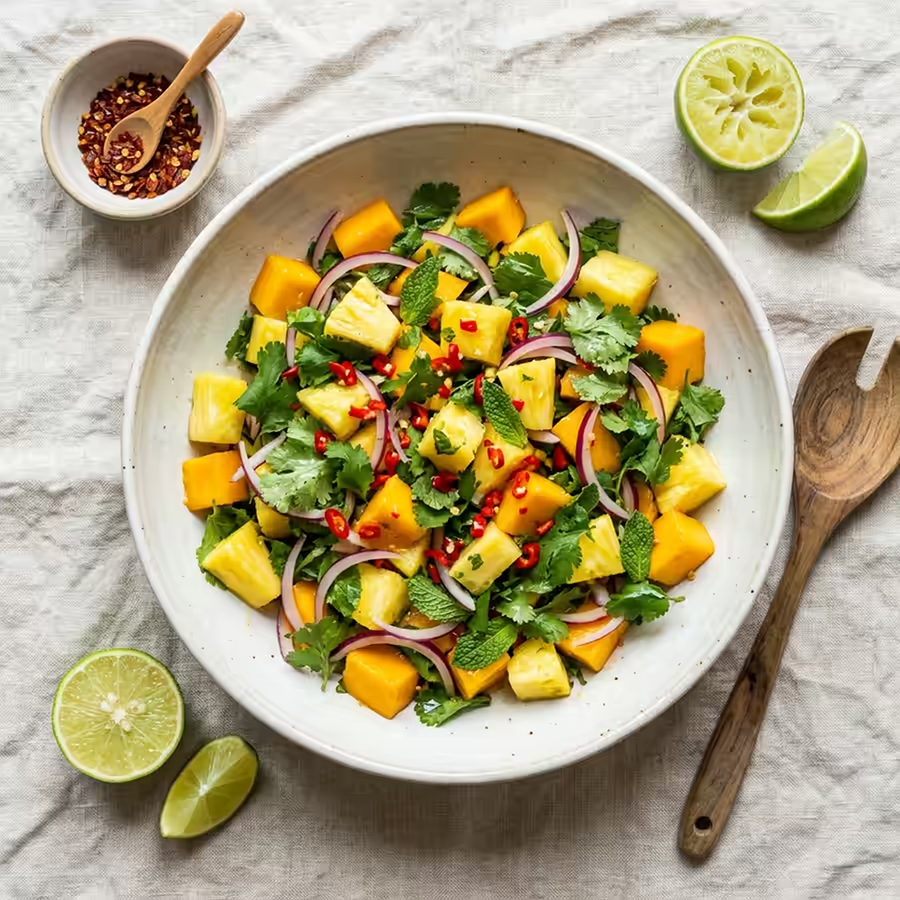
Ingredients for 2–3 servings:
- 1 ripe mango (about 300 g of flesh)
- 200 g fresh pineapple
- half a red onion
- 1 fresh chili pepper (jalapeño or serrano)
- a small bunch of fresh cilantro or mint
- 2 tablespoons lime juice (about 1 lime)
- 1 teaspoon of liquid honey
- half a teaspoon of coarse sea salt
- a pinch of tahini or cayenne pepper for serving
Step-by-step instructions:
- Peel the mango, remove the pit, and cut it into cubes about 1.5 cm in size.
- Peel the pineapple and remove the hard core, then cut it into cubes of the same size.
- Slice the red onion into very thin half-rings. If the flavor is too sharp, soak the onion in cold water with a dash of vinegar for 5 minutes, then drain.
- Remove the seeds from the chili peppers (for a milder flavor) or leave them in (for heat), then chop them finely.
- Tear the cilantro or mint by hand—this releases the aroma better than using a knife.
- In a large bowl, combine the mango, pineapple, onion, chili, and herbs.
- In a separate bowl, whisk together the lime juice, honey, and salt until smooth.
- Drizzle the dressing over the salad and toss gently so as not to crush the leaves.
- Let it steep for 5–10 minutes at room temperature.
- Before serving, sprinkle with tahini or a pinch of cayenne pepper.
Serve in a deep bowl or wide glasses. It pairs perfectly with fried fish, shrimp, grilled chicken, or simply with cheese toast.
Step-by-step recipe: Strawberries with balsamic vinegar, black pepper, and basil
A dessert that seems a bit outlandish, but will win you over from the very first bite. It’s especially delicious during the Ukrainian strawberry season—from June through July.
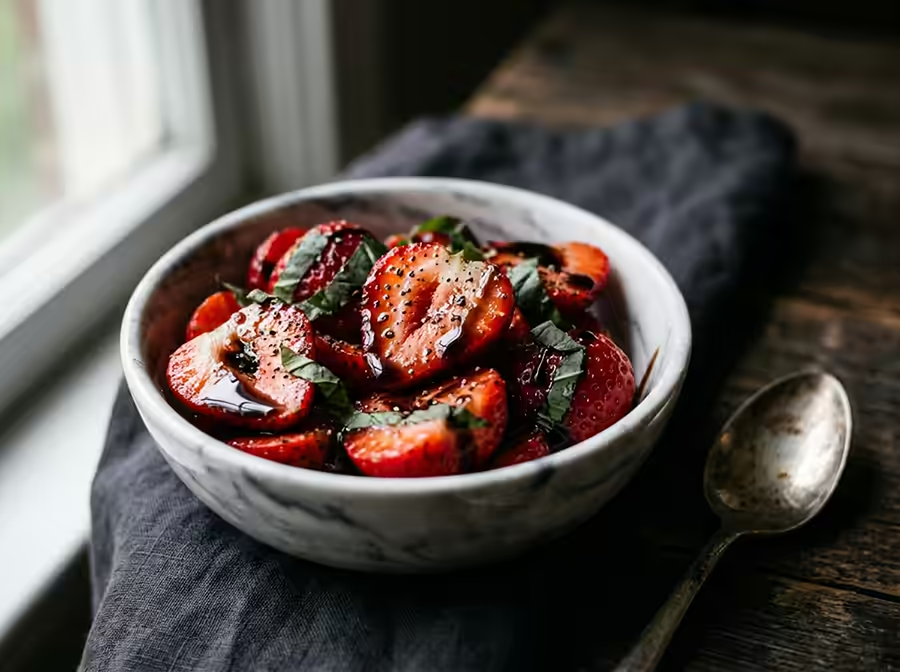
Ingredients for 2 servings:
- 300 g ripe strawberries
- 1 tablespoon of sugar (preferably cane sugar)
- 1 tablespoon of balsamic vinegar
- freshly ground black pepper — 3–4 turns of the grinder
- 5–6 fresh basil leaves
- Optional: a scoop of vanilla ice cream or a few spoonfuls of mascarpone
Step-by-step instructions:
- Wash the strawberries, pat them dry, and remove the stems.
- Cut the berries into quarters if they are large, or in half if they are medium-sized.
- Transfer to a bowl, sprinkle with sugar, and gently stir.
- Let sit at room temperature for 10 minutes—the berries will release their juice.
- Add the balsamic vinegar and freshly ground pepper, then stir.
- Place in the refrigerator for 20–30 minutes to marinate.
- Before serving, tear the basil leaves and add them to the bowl.
- Divide among dessert bowls and top with ice cream or mascarpone.
If you don’t have balsamic vinegar, you can use red wine vinegar, but use half the amount: it’s sharper and more acidic.
Step-by-step recipe: Spicy grilled pineapple with yogurt sauce
A dessert or appetizer that will impress your guests. It looks especially impressive if you can prepare it on the grill.
Ingredients for 4 servings:
For the pineapple:
- 1 fresh medium-sized pineapple
- 2 tablespoons of brown sugar
- 1 teaspoon of smoked paprika
- half a teaspoon of cayenne pepper
- a pinch of cinnamon
- a pinch of salt
- 1 tablespoon of vegetable oil
For the sauce:
- 200 g of thick plain yogurt or Greek yogurt
- 1 tablespoon of honey
- the zest of half a lime
- a few mint leaves
Step-by-step instructions:
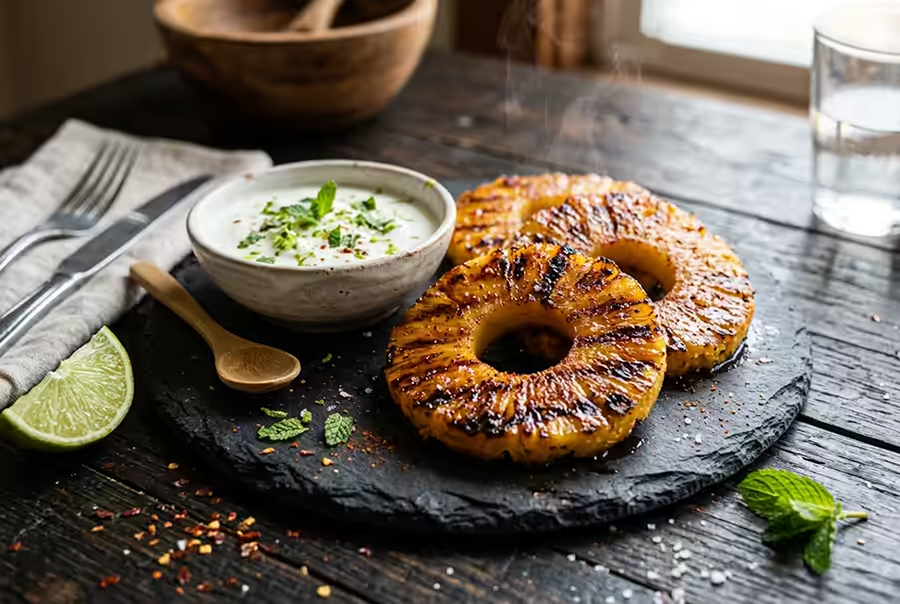
- Peel the pineapple, remove the core, and cut it into rings about 1.5–2 cm thick.
- In a bowl, mix together the brown sugar, smoked paprika, cayenne pepper, cinnamon, and salt.
- Brush each pineapple ring with oil, then coat it in the spice mixture.
- Heat a grill pan or a regular skillet over high heat.
- Place the pineapple rings in the pan and cook for 2–3 minutes on each side, until they caramelize and develop characteristic brown stripes.
- For the sauce, mix together the yogurt, honey, lime zest, and finely chopped mint.
- Place the prepared pineapple on a plate, with a serving of yogurt sauce on the side.
- If desired, sprinkle with fresh mint or nuts.
This dessert is delicious both warm and slightly chilled. It can be stored in the refrigerator for up to 24 hours, but it tastes best when freshly made.
Seasonal recipe ideas for Ukrainian cuisine
You don’t have to look for exotic ingredients—Ukrainian fruits and berries pair wonderfully with spicy flavors if you know how to combine them.
Summer. Cherries with black pepper and mint. Basic ingredients: ripe pitted cherries, sugar, a generous amount of black pepper, and mint. Serve with duck or pork, or use as a filling for dumplings.
Summer. Apricots with ginger and chili. Apricot halves sautéed in a pan with a spoonful of honey, grated ginger, and a pinch of chili. Serve with soft cheese or as a sauce for meat.
Fall. Apples with gochujang. Thinly sliced tart apples, a spoonful of Korean gochujang paste, soy sauce, sesame oil, and green onions. An unexpected salad that pairs well with rice or grilled meat.
Fall. Pear with chili and goat cheese. Bake the pear in the oven with honey and a pinch of chili at 180°C for about 15–20 minutes, then serve with goat cheese and walnuts.
Fall. Plums with spicy seasonings. Bake the plums in the oven with grated ginger, chili, and lime juice—the perfect accompaniment to soft cheeses and creamy ice cream.
Winter. Pomegranate with tahini and harissa. Mix the pomegranate seeds with a spoonful of tahini (sesame paste) and a pinch of harissa (a spicy North African paste). A wonderful appetizer to serve with hummus or as a salad topping.
Spring. Strawberries with chili flakes and basil. It’s the same classic recipe, but with chili flakes and fresh basil instead of black pepper.
Tips and Common Mistakes
These combinations may seem simple, but there are nuances that can either make or break a dish.
Mistake 1: Too much spice. Spice should highlight the fruit, not overpower it. Start with a small amount—a pinch of chili flakes, a few drops of sriracha. You can always add more, but you can’t take it back.
Mistake 2: Unripe fruit. Fricy relies on the contrast between sweetness and tartness. If the mango is sour and unripe, the pineapple is green, and the strawberries are watery, it won’t work. Choose fruit that’s at the peak of ripeness.
Mistake 3: Ignoring salt. Salt is the secret ingredient. Even a pinch of coarse sea salt brings out the fruit’s flavor. Don’t skip it.
Mistake 4: Using just one type of spice. Combine several types of spices: fresh chili and smoked paprika, or ginger and black pepper. This will give the dish more depth of flavor.
Mistake 5: Serving food cold, straight from the fridge. Most frozen foods taste better at a temperature slightly below room temperature. Let them sit for 10 minutes after taking them out of the fridge—the flavor will come through more fully.
Mistake 6: Too acidic. If you add too much lime or lemon to already tart fruits, the result will be a sour taste. Stick to the following proportions: for every 300 g of fruit, use about 1–2 teaspoons of lime juice.
Tip 1. Always keep three ingredients on hand: lime (or lemon), coarse salt, and chili flakes. That’s all you need to turn any fruit into a Mexican-style snack.
Tip 2. Use contrasting serving dishes: light-colored ceramic or clear glass will highlight the vibrant colors of the mango, watermelon, and strawberries.
Tip 3. If you’re preparing a fruit salad in advance, add salt and spices last, right before serving. Otherwise, the fruit will release its juices and become watery.
Tip 4. Experiment with different oils: extra virgin olive oil, sesame oil, and chili-infused olive oil can create completely different flavors, even when used with the same fruit.
Variations, fillings, and serving suggestions
Fricy flavors can be incorporated into a variety of dishes—from simple appetizers to full-course meals.
As a snack to accompany drinks. Sliced fruit on skewers, sprinkled with tahini. Served with margaritas, mojitos, dark tequila, or simply a cold beer.
In salsa. Classic mango salsa: mango, red onion, cilantro, jalapeño, lime, salt. Served with tortillas, fish, and shrimp.
On the cheese board. Pair hard and soft cheeses with a bowl of spicy-fruity combinations—pear with chili, grapes with black pepper, figs with sriracha.
As a sauce for meat. Pineapple marinated in soy sauce with garlic goes perfectly with pork. Cherry chili sauce goes well with duck. Strawberry pepper sauce goes well with beef.
In a smoothie bowl. Instead of a sweet banana, try adding mango with a pinch of chili—you’ll get a more complex and interesting flavor.
In desserts: cheesecake with strawberries and black pepper, ice cream with pineapple and cayenne pepper, fruit with tahini instead of caramel.
For breakfast: Toast with ricotta, figs, and chili honey. Yogurt with pomegranate and a pinch of harissa. Oatmeal with grilled peaches and smoked paprika.
In cocktails. A margarita with tahini on the rim of the glass. A strawberry daiquiri with black pepper. A mojito with pineapple and jalapeño.
How to incorporate fricy into your daily menu
The most important thing is not to think of these combinations as “exotic treats for special occasions.” Try adding a pinch of chili and salt to your usual fruit platter—and you’ll see how your perception changes.
A simple weekly plan for those who want to give it a try:
- Monday. Mango with lime and salt for breakfast.
- Tuesday. Watermelon with feta cheese and chili flakes for a midday snack.
- Wednesday. Strawberries with black pepper for dessert.
- Thursday. Pineapple salsa to go with the fish for dinner.
- Friday. Grilled pineapple with yogurt for dessert.
- Saturday. Mango and cilantro salad as a side dish.
- Sunday. Baked pear with goat cheese and chili.
That way, in a week you’ll try out the main fricy combinations and figure out which ones suit you best.
Useful spice combinations for fried dishes
Ready-made mixes to keep on hand:
- Tahini. A Mexican powder made from chili peppers, salt, lime, and dextrose. Versatile enough to pair with any fruit.
- Chaat masala. An Indian spice blend made from amchur (dried mango), cumin, asafoetida, and black salt. It provides a tangy, salty base with a smoky note.
- Five Chinese spices: anise, cloves, cinnamon, Sichuan pepper, and fennel. They go perfectly with pears, apples, and apricots.
- Dukka. An Egyptian blend of nuts, cumin, sesame seeds, and coriander. It’s not very spicy, but it adds texture and depth.
- Za’atar. A Levantine blend of thyme, sumac, and sesame seeds. It goes surprisingly well with watermelon and cucumber.
If you don’t feel like looking for something exotic, start with the basics: sea salt, lemon zest, chili flakes, and a pinch of sugar. This combination alone opens up dozens of possibilities.
FAQ: Answers to Common Questions About Fricy Flavors
How does fricy differ from typical sweet-and-spicy Asian dishes? Fricy is a modern Western interpretation of ancient culinary traditions. It focuses specifically on fresh fruits and berries combined with spice, whereas Asian sweet-and-spicy dishes often include cooked sauces, meat, and noodles. Essentially, fricy is street food reimagined as homemade appetizers and desserts.
Is it okay to give spicy dishes to children? For children under 5–6 years old, it’s best to offer fruits without hot spices or with just a small amount of sweet smoked paprika instead of chili. Older children can try mango with lime without pepper—this is a basic spicy combination without the heat. Take into account the child’s individual tolerance for spices.
Which fruits don’t work well in spicy combinations? Most fruits pair well with spice in one way or another, but there are some more complicated cases. Bananas are too soft and sweet—they simply “dissolve” the heat without creating any contrast. Persimmons have a tartness that doesn’t pair well with chili. Grapes (especially dark ones) are also tricky; they work better with freshly ground black pepper than with fiery spices.
How do you get the spiciness just right without ruining the fruit? Follow this rule of thumb: the spiciness should be noticeable but not overpowering. For 200–300 g of fruit, a quarter teaspoon of chili flakes or half a fresh jalapeño is usually enough. Always add it gradually, tasting as you go.
Can I prepare these dishes in advance? It depends on the recipe. The balsamic and pepper marinade for the strawberries needs to sit in the fridge for 20–30 minutes. Mango and pineapple salads are best eaten fresh, within 2–3 hours of preparation. Baked fruits can be stored in the refrigerator for up to 2 days, but it’s best to reheat them before serving.
What drinks pair best with spicy dishes? Cold white wines (Riesling, Gewürztraminer), lager beer, tequila, and mezcal go well with spicy-fruity appetizers; as for non-alcoholic options, try cold hibiscus tea, ginger lemonade, or coconut water. Dry and tannic red wines usually don’t pair well—they intensify the spiciness to an uncomfortable level.
Fricy isn’t about trends; it’s about returning to the basic principles of taste that humanity discovered thousands of years ago. The contrast between sweet, sour, salty, and spicy is a universal language spoken by all the world’s great culinary schools. Try adding a pinch of chili to a plain mango, a drop of sriracha to a strawberry, or sprinkling salt on watermelon—and you’ll see how familiar foods reveal themselves in a whole new way. That’s the magic of modern cuisine: turning the simple into the extraordinary.