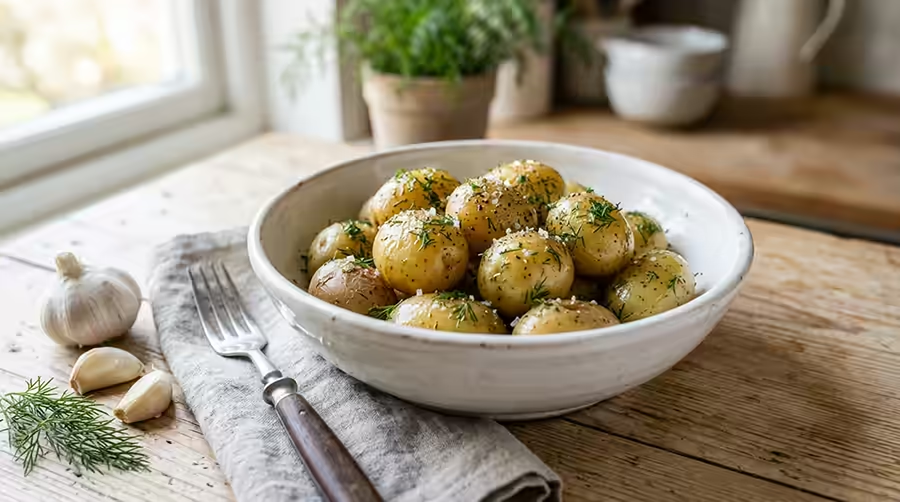
New potatoes are one of the most beloved seasonal foods, appearing in our kitchens every year in the spring and early summer. They have a tender texture, thin skin, and a delicate flavor, and pair perfectly with both simple ingredients like butter, dill, and salt, as well as richer flavors—garlic, bacon, mushrooms, cheese, cream, sour cream, and herbs.
Content
That’s exactly why the search query “what to make with new potatoes” remains consistently popular. Some people are looking for a quick side dish to go with meat or fish, others want to find interesting recipes featuring new potatoes for dinner, and still others need a versatile seasonal dish that can be served both on weekdays and at a festive table. In all these cases, new potatoes work perfectly because they don’t require complicated preparation, cook quickly, and almost always turn out delicious.
Another reason for this product’s popularity is its culinary versatility. It’s hard to ruin a dish with new potatoes if you follow a few basic rules: don’t overcook them, don’t dry them out, don’t overload them with spices, and don’t forget about the right texture. They hold up beautifully when boiled, develop a nice crust in the oven, fry well in a pan, retain their shape in salads, and become very tender in cream or sour cream sauces.
For many people, potatoes are also a source of emotion. They evoke the taste of early summer, home-cooked meals, country-style cooking, and simple, comforting dishes. Sometimes all it takes is to boil them, add a knob of butter, and sprinkle with dill—and you have a satisfying meal that people will enjoy without any culinary tricks. But if you’re looking for variety, you can make dozens of dishes with new potatoes: from a simple side dish to a casserole, a warm salad, a hearty dinner with chicken, or a festive appetizer with a crispy crust.
How to choose, wash, scrub, and prepare potatoes
New potatoes differ from mature ones primarily in their thin, still-tender skin, so they should be handled more gently. Because of this delicate skin, vigorous scrubbing with a brush early in the season can strip away the top protective layer almost like sandpaper, so it’s best to wash them gently and without excessive force.
How to Choose Potatoes
When buying, pay attention first and foremost to the appearance. Good new potatoes should be firm, relatively smooth, free of slime, without an unpleasant odor, without wet spots, and without significant damage. Minor surface scuffs are acceptable, since the skin is thin, but the potatoes should not be soft, shriveled, or wrinkled.
It’s easiest to cook potatoes that are roughly the same size. If the potatoes are uniform, they cook, fry, or bake evenly. This is important for both the taste and the appearance of the dish. Small new potatoes are especially good for baking, salads, boiling in the skin, and serving whole. Medium-sized potatoes are versatile. Large ones can be used for casseroles, potato boats, stewing, or cut into pieces.
How to wash new potatoes
It’s best to wash new potatoes right before cooking, rather than immediately after purchasing them. First, sort through the potatoes, setting aside any damaged ones, and then rinse the rest under cool running water. If there is dirt on the surface, gently scrub the potatoes with your hands, a soft brush, or a clean kitchen sponge.
There’s no need to scrub hard or apply excessive pressure. The skin of new potatoes is so tender that it often comes off partially just from a light rinse. If the dirt has dried, it’s best to soak the potatoes in cold water for 5–10 minutes before gently cleaning the surface
Do you need to peel new potatoes?
In most recipes—no. This is precisely one of the main advantages of new potatoes. Their thin skin remains tender after cooking; it doesn’t toughen up or interfere with the dish’s texture. What’s more, potatoes with their skins on hold their shape better when boiled, fried, or baked.
You should only peel new potatoes in a few cases:
- if the skin has already become thicker;
- if the potatoes are large and have been stored for a long time;
- if a particular recipe calls for a more delicate, “smooth” texture;
- whether you’re making mashed potatoes, a creamy casserole, or a light warm salad.
How to quickly peel new potatoes
There are a few convenient home remedies:
- Salt in a bowl. Place the potatoes in a bowl, add a handful of coarse salt, and rub the potatoes vigorously but gently with your hands. The thin skin will come off quickly.
- Use a sponge. Take a clean, new kitchen sponge with a stiffer side and gently scrub the surface under running water.
- With a kitchen towel. If the potatoes are very young, you can rub them with a rough towel after soaking them.
- Use the blunt side of the knife. Don’t cut—just scrape off the top layer.
For large quantities of potatoes, the best methods are using salt or a brief soak beforehand. This will significantly reduce your prep time.
How to keep new potatoes from spoiling before cooking
There are a few common mistakes:
- Wash the entire load immediately after purchase.
- Don’t leave it in the water for too long.
- Store in an airtight plastic bag.
- Leave in the light.
- Place next to the onions and fruit.
Green potatoes are a separate issue. It’s best not to eat green potatoes, as they may contain toxic compounds that can cause digestive discomfort and general malaise. If the green tint is significant or the potatoes have a bitter taste, it’s safer to throw them away.
How long should new potatoes be boiled?
The time depends on the size:
- very fine — 12–15 minutes;
- average — 15–20 minutes;
- larger or not cut perfectly — 18–25 minutes.
It’s easy to check if they’re done: pierce the thickest potato with a knife or skewer. It should go in easily, but the potato itself shouldn’t fall apart. If you plan to fry or bake the potatoes further, don’t cook them all the way through—just until they’re almost done.
Which spices and seasonings work best
New potatoes don’t like to be overcooked. Their flavor is best brought out by:
- butter;
- dill;
- parsley;
- green onions;
- garlic;
- black pepper;
- bell pepper;
- rosemary;
- thyme;
- lemon zest;
- sour cream;
- cream;
- hard cheese;
- bacon;
- mushrooms;
- whole-grain mustard.
When it comes to spices, there’s a simple rule: it’s better to use a little less than too much. New potatoes are best enjoyed with a clean, home-cooked flavor.
Basic recipes using new potatoes
Below are the recipes that are best to start with. These are the very dishes people most often search for using terms like “what to make with new potatoes quickly,” “new potato recipe,” “new potatoes with dill,” “new potatoes in the oven,” and “new potatoes in a skillet.”
1. Classic new potatoes with butter and dill
This is the simplest and, without a doubt, the most popular option. The secret isn’t in the number of ingredients, but in getting the texture just right.
Ingredients:
- 1 kg of new potatoes
- 50 g butter
- 1 large bunch of dill
- 1–1.5 tsp salt
- 2 cloves of garlic (optional)
Step-by-step instructions:
- Wash the potatoes thoroughly. Leave the small ones whole, and cut the large ones in half.
- Place them in a pot and cover with hot water so that it just covers the potatoes.
- Season with salt and bring to a boil.
- Cook over medium heat for 15–20 minutes.
- Drain the water and return the pot to very low heat for 20 seconds to let the excess moisture evaporate.
- Add the oil, finely chopped dill, and, if desired, grated garlic.
- Cover the pot with a lid and gently shake it a few times.
Important: Don’t stir too vigorously with a spoon. Young potatoes are very delicate and can break apart.
Serving suggestions: herring, cutlets, chicken, schnitzel, fresh vegetables, lightly pickled cucumbers, sour cream.
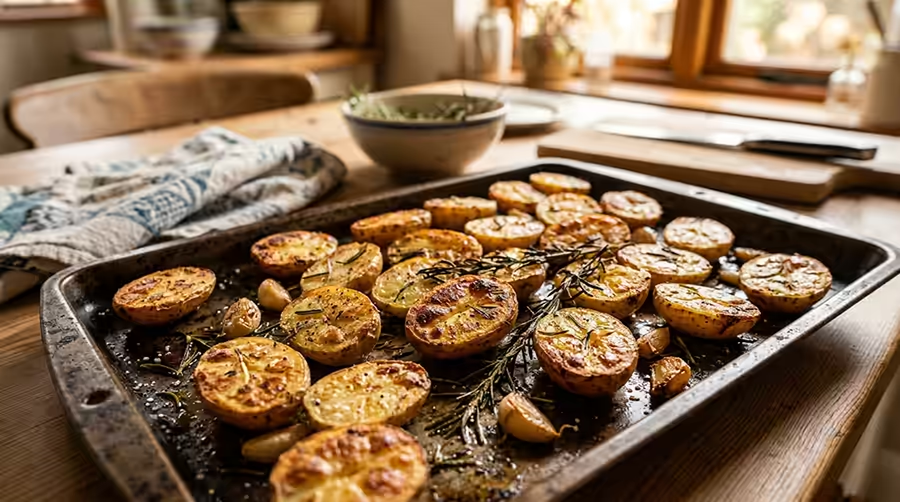
2. New potatoes baked in the oven with garlic and herbs
If you’re looking for a golden crust and a richer flavor, this recipe is practically foolproof.
Ingredients:
- 1 kg of new potatoes
- 3 tbsp olive oil
- 4 cloves of garlic
- 1 tsp salt
- 0.5 tsp black pepper
- 1 tsp paprika
- 1 tsp dried thyme or rosemary
- garnish
Preparation:
- Preheat the oven to 200–210°C.
- Wash the potatoes and cut the large ones in half.
- Mix the oil, salt, pepper, paprika, minced garlic, and herbs.
- Mix the potatoes thoroughly with the marinade.
- Spread them out in a single layer on a baking sheet.
- Bake for 30–40 minutes, turning once halfway through.
- Sprinkle with herbs at the end.
For best results: don’t pack the potatoes too tightly. If the baking sheet is too full, they won’t bake properly but will start to steam.
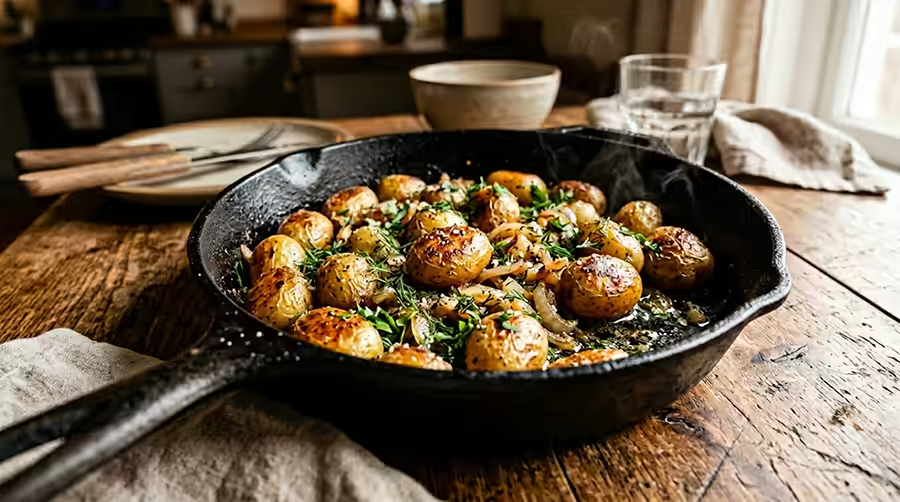
3. New potatoes sautéed with onions
This is a simple, everyday recipe. The key here is to parboil the potatoes a bit first or use very small ones.
Ingredients:
- 800 g new potatoes
- 2–3 tablespoons of oil
- 20 g butter
- 1 large onion
- 2 cloves of garlic
- salt
- pepper
- greens
Step by step:
- Boil the potatoes for 8–10 minutes until they are half-cooked.
- Drain in a colander and pat completely dry.
- Heat the oil in a skillet.
- Arrange the potatoes in a single layer.
- Cook until golden brown, without stirring too often.
- Add the onion.
- Finally, add the butter, garlic, salt, pepper, and herbs.
Tip: You’ll get the best crust if the potatoes are dry and the pan is well-heated.
4. New potatoes in sour cream with dill
This is a delicate, very homey version that appeals to those who don’t like textures that are too crunchy.
Ingredients:
- 1 kg of new potatoes
- 200 g heavy cream
- 30 g butter
- 2 cloves of garlic
- 1 bunch of dill
- salt
- pepper
How to prepare:
- Boil the potatoes until tender.
- Melt the butter in a frying pan or saucepan.
- Add the sour cream, garlic, salt, and pepper.
- Add the potatoes to the sauce.
- Stir gently and heat for 2–3 minutes.
- Sprinkle generously with dill.
Tip: Don’t let the sour cream boil for too long, or the sauce may lose its smooth texture.
5. Country-style new potatoes
One of the best options for those who love savory pastries with spices.
Ingredients:
- 1 kg of new potatoes
- 3 tbsp oil
- 1 tsp paprika
- 0.5 tsp dried garlic
- 0.5 tsp turmeric
- 0.5 tsp. coriander
- salt
- pepper
Preparation:
- Wash the potatoes and cut them into wedges.
- Pat dry with a paper towel.
- Mix the oil with the spices.
- Coat the potatoes in the mixture.
- Place them on a baking sheet.
- Bake for 35–40 minutes at 210°C.
To serve: sour cream and garlic sauce, cheese sauce, tomato sauce, or simply thick yogurt with herbs.
6. Boiled new potatoes with garlic butter
This recipe is similar to the classic version, but has a more pronounced flavor.
Ingredients:
- 1 kg of new potatoes
- 60 g butter
- 3 cloves of garlic
- 2 tbsp chopped parsley
- 1 tbsp. dill
- salt
How to prepare:
- Boil the potatoes until tender.
- Melt the butter in a small skillet.
- Add the very finely chopped garlic and turn off the heat almost immediately.
- Drizzle this oil over the potatoes.
- Season with salt and sprinkle with herbs.
- Serve immediately, while the butter is still fragrant and warm.
7. Mashed new potatoes with Parmesan
This is a very “Instagram-worthy” dish, but it’s also really delicious.
Ingredients:
- 1 kg of small new potatoes
- 3 tbsp oil
- 40 g melted butter
- 50 g Parmesan cheese
- salt
- pepper
- dried garlic
- parsley
Step by step:
- Boil the potatoes until tender.
- Place them on a baking sheet.
- Gently flatten each potato with the bottom of a glass.
- Drizzle with oil and butter.
- Sprinkle with salt, pepper, and dried garlic.
- Bake for 20–25 minutes.
- At the end, add the Parmesan and bake for another 3–5 minutes.
Here’s the secret: the crisp edges are the tastiest part, so don’t be afraid to spread them out on the baking sheet.
8. New potatoes with bacon and rosemary
Filling, aromatic, and festive—a wonderful choice for both family and guests.
Ingredients:
- 900 g new potatoes
- 180 g bacon
- 2 tbsp olive oil
- 1 tsp rosemary
- salt
- pepper
How to prepare:
- Boil the potatoes for 10 minutes.
- Cut the bacon into pieces.
- Mix the potatoes with oil, rosemary, and pepper.
- Pour it into the mold.
- Add the bacon on top.
- Bake for 25–30 minutes until golden brown.
Tip: Add salt sparingly, since the bacon is already salty.
Full-course meals featuring new potatoes for lunch and dinner
This section features more substantial and varied dishes. While the basic recipes are mostly side dishes or quick options, the ones below are full-fledged meals for lunch, dinner, guests, or even a festive table.
9. New potatoes with chicken in the oven
One dish, simple ingredients, minimal fuss—that’s exactly why this recipe is so popular.
Ingredients:
- 1 kg of new potatoes
- 700–800 g chicken thighs or drumsticks
- 2 tbsp oil
- 3 cloves of garlic
- 1 tsp paprika
- 1 tsp salt
- 0.5 tsp pepper
- 1 tsp dried herbs
- 1 tbsp. sour cream or plain yogurt
How to prepare:
- Coat the chicken with a mixture of sour cream, garlic, and spices.
- Wash the potatoes and cut them if necessary.
- Put everything in the pan.
- Drizzle with oil.
- Cover with foil.
- Bake for 30 minutes at 200°C.
- Remove the foil and cook for another 20–25 minutes.
You can also add: carrots, onions, bell peppers, zucchini, or whole garlic cloves.
10. New potatoes with mushrooms in a creamy sauce
A perfect combination for a cozy dinner.
Ingredients:
- 800 g new potatoes
- 400 g button mushrooms
- 1 onion
- 200 ml of heavy cream
- 30 g of oil
- 1 tbsp. oil
- salt
- pepper
- parsley
Step by step:
- Boil the potatoes until they are half-cooked.
- Sauté the onions in a mixture of butter and vegetable oil.
- Add the mushrooms and cook until the liquid has evaporated.
- Pour in the cream.
- Add salt and pepper.
- Add the potatoes and simmer for 7–10 minutes.
- Sprinkle with parsley.
Variation: You can use sour cream instead of heavy cream, but the sauce will be a bit tangier.
11. Casserole with new potatoes, cheese, and herbs
This is a dish that’s easy to make in batches.
Ingredients:
- 1 kg of new potatoes
- 3 eggs
- 200 ml of heavy cream
- 150 g of cheese
- 1 bunch of green onions
- 1 bunch of dill
- salt
- pepper
- baking spray
Preparation:
- Boil the potatoes until they are half-cooked.
- Cut into rounds.
- Grease the pan with oil.
- Arrange the potatoes in layers.
- Mix the eggs, cream, salt, pepper, and some of the cheese.
- Pour the water over the potatoes.
- Sprinkle the remaining cheese and herbs on top.
- Bake for 30 minutes at 190°C.
12. Warm salad with new potatoes, cucumber, and radishes
Light, fresh, yet quite filling.
Ingredients:
- 700 g new potatoes
- 2 cucumbers
- 5–6 radishes
- 1 small red onion
- greens
- 2 tbsp olive oil
- 1 tsp Dijon mustard
- 1 tbsp lemon juice
- salt
- pepper
How to prepare:
- Boil the potatoes.
- Cut the large potatoes in half.
- Slice the cucumber, radishes, and onion.
- Mix the oil, mustard, lemon juice, salt, and pepper.
- Add the dressing to the potatoes while they’re still warm.
- Add the vegetables and herbs.
Tip: Warm potatoes absorb the dressing best.
13. Salad with new potatoes, eggs, and sour cream dressing
This is a hearty summer salad that can serve as a meal on its own.
Ingredients:
- 800 g new potatoes
- 4 eggs
- 2 pickled or fresh cucumbers
- 3 tbsp. sour cream
- 1 tsp mustard
- green onions
- dill
- salt
- pepper
Preparation:
- Boil the potatoes and eggs.
- Cut the potatoes into large pieces.
- Cut the eggs into wedges.
- Add the cucumber, green onions, and dill.
- Mix the sour cream with mustard, salt, and pepper.
- Dress the salad and toss gently.
14. New potatoes with cheese and sour cream sauce, baked in the oven
A hearty and very comforting dish for a family dinner.
Ingredients:
- 1 kg of new potatoes
- 150 g hard cheese
- 150 ml sour cream
- 2 cloves of garlic
- 1 tbsp mustard
- salt
- pepper
- greens
Step by step:
- Boil the potatoes for 10–12 minutes.
- Translate into the form.
- Mix the sour cream, mustard, garlic, salt, and pepper.
- Wash the potatoes.
- Sprinkle with cheese.
- Bake for 20–25 minutes at 200°C.
15. New potatoes, stewed with vegetables
A great vegetarian option—or simply a lighter choice.
Ingredients:
- 800 g new potatoes
- 1 carrot
- 1 onion
- 1 bell pepper
- 1 zucchini
- 2 tbsp oil
- salt
- pepper
- sweet paprika
- greens
How to prepare:
- Lightly sauté the onions and carrots.
- Add the potatoes.
- After a few minutes, add the bell pepper and zucchini.
- Season with salt and pepper, then add paprika.
- Pour in a little water.
- Simmer covered until done.
- Sprinkle with herbs before serving.
16. New potatoes with ground meat in the oven
This is practically a full-fledged homemade casserole for lunch.
Ingredients:
- 900 g new potatoes
- 400 g ground meat
- 1 onion
- 150 ml of heavy cream or sour cream
- 120 g of cheese
- salt
- pepper
- sweet paprika
How to prepare:
- Sauté the ground meat with the onion until it is half-cooked.
- Boil the potatoes for 8–10 minutes.
- Layer the potatoes in the dish, then the ground meat, then another layer of potatoes.
- Top with cream or sour cream.
- Sprinkle with cheese.
- Bake for 30–35 minutes.
17. New Potato Boats with Cheese Filling
A great idea for a holiday meal or as an appetizer.
Ingredients:
- 10–12 large new potatoes
- 120 g of cheese
- 2 tbsp sour cream
- 1 clove of garlic
- greens
- salt
- pepper
Step by step:
- Boil the potatoes in their skins until they are almost done.
- Cut it in half.
- Carefully scoop out some of the flesh with a spoon.
- Mix the filling with the cheese, sour cream, garlic, and herbs.
- Fill the pastries with the filling.
- Bake for 15 minutes until golden brown.
18. New potatoes with herring and onions
This isn’t just a recipe—it’s the whole spirit of home cooking.
Ingredients:
- 1 kg of boiled new potatoes
- 1 herring fillet
- 1 red onion
- dill
- vegetable oil or butter
How to serve:
- Boil the potatoes.
- Cut the herring into portions.
- Soak the onions for 10 minutes in water with vinegar and a pinch of sugar.
- Serve everything together.
- Sprinkle with dill.
- Add sour cream or mustard sauce if desired.
19. New potatoes in butter with lemon zest
A very simple yet elegant option.
Ingredients:
- 800 g new potatoes
- 40 g butter
- 1 tsp lemon zest
- 1 tbsp dill or parsley
- salt
- pepper
How to prepare:
- Boil the potatoes.
- Mix the hot potatoes with butter.
- Add the zest, salt, pepper, and herbs.
- Stir gently.
- Serve as a side dish with fish or chicken.
20. Spicy New Potatoes Baked in the Oven with Paprika and Honey
For those who enjoy a subtle contrast between sweet and spicy flavors.
Ingredients:
- 1 kg of new potatoes
- 2.5 tablespoons of oil
- 1 tsp paprika
- 1 tsp. of whole-grain mustard
- 1 tsp honey
- salt
- pepper
Preparation:
- Mix the honey, mustard, oil, paprika, salt, and pepper.
- Add the potatoes.
- Stir well.
- Bake for 35 minutes at 200°C.
- You can sprinkle some green onions on top at the end.
Tips, common mistakes, formatting, and a comprehensive FAQ
New potatoes benefit not only from a good recipe but also from small technical details. Sometimes a single mistake at the start can make the dish watery, bland, or too crumbly. That’s why we’ve included some practical tips below that really do help.
10 Essential Tips for Making New Potatoes Taste Great
- Don’t boil them for too long. Young potatoes cook quickly.
- It’s best to salt the water at the beginning or in the middle of cooking.
- If you want a crispy crust, be sure to dry the potatoes before baking them in the oven or frying them in a pan.
- Don’t overfill the baking sheet when baking.
- Use a wide frying pan for frying.
- It’s best to add the garlic toward the end so it doesn’t become bitter.
- Butter gives it a homemade flavor, while olive oil creates a better crust.
- Add the dill after cooking or just before serving.
- If you’re using the potatoes in a salad, dress them while they’re still slightly warm.
- For the oven, a quick pre-boil of 8–10 minutes works perfectly.
What to serve with new potatoes
New potatoes go well with:
- herring;
- lightly salted fish;
- chicken;
- reflective;
- mushrooms;
- vegetable salads;
- radishes and cucumbers;
- with sour cream, garlic, cheese, and mustard sauces;
- herbs, brynza, Parmesan, and bacon.
Common mistakes
1. Overcook the potatoes.
This causes them to lose their shape, and when added to a salad or pan, they turn into something almost like mashed potatoes.
2. Bake the potatoes while they’re still wet.
The moisture prevents a golden crust from forming.
3. Don’t use too many spices. The
delicate flavor of new potatoes can easily be overpowered.
4. Cook with the lid on from the start.
This way, the potatoes will simmer rather than brown.
5. Cutting them too small.
New potatoes are tender on their own, so larger pieces or whole small potatoes often look and taste better.
Frequently Asked Questions
Do you need to peel new potatoes before cooking them?
Not necessarily. In most cases, it’s enough to wash them thoroughly, since the thin skin of new potatoes is tender and hardly noticeable during cooking.
How can you peel new potatoes quickly?
The easiest way is to rub them in a bowl with coarse salt or gently scrub them with a clean, stiff sponge. This is faster than peeling each potato individually with a knife.
How long should you boil new potatoes?
On average, 15–20 minutes after the water comes to a boil. Very small ones may be ready sooner.
Why do new potatoes fall apart?
Most often, this is due to overcooking or stirring them too vigorously after cooking. It’s better to gently shake them in the pot rather than stir them vigorously with a spoon.
How do you make new potatoes crispy in the oven? Dry them
thoroughly, use oil, spread them out in a single layer, and bake at a high temperature. Briefly parboiling them beforehand gives an extra boost.
Can you fry new potatoes raw?
Yes, if they are very small or thinly sliced. But for best results, it’s a good idea to parboil them first.
Is it safe to eat green potatoes?
It’s best not to: green potatoes contain toxins that can cause nausea, vomiting, diarrhea, headaches, and other unpleasant symptoms. If a potato has turned noticeably green, it’s safer not to eat it.
Why do new potatoes taste bitter?
This may be due to improper storage, greening, or old, damaged tubers. If the bitterness is pronounced, it’s best not to cook these potatoes.
How should you wash new potatoes? They should
be washed gently under running water, with a light scrub, because at the start of the season, vigorous scrubbing can easily remove their thin skin. That’s why it’s best to use a gentler approach with new potatoes, rather than a very stiff brush
Do you need to soak new potatoes?
Only if they have a lot of dirt on them. A quick soak makes them easier to clean, but you shouldn’t leave them in the water for too long.
Which potatoes are best for baking?
Small or medium-sized ones, all roughly the same size. They cook evenly and develop a nice golden crust.
Which potatoes are best for salads?
Small, firm, and not overcooked. They hold their shape well after being sliced and tossed with dressing.
What can you use to dress potatoes if you don’t want to use butter?
Olive oil, sour cream, yogurt, mustard dressing, a sauce made from herbs and lemon juice, or a light cream sauce.
What can you make quickly with potatoes?
The quickest options are new potatoes with butter and dill, pan-fried potatoes, country-style potatoes, a warm potato salad, potatoes in sour cream, and mashed potatoes with Parmesan.
Are potatoes a good choice for a festive meal?
Yes, they’re perfect. Whole baked potatoes, potatoes with bacon, stuffed potato boats, salads, and crispy mashed potatoes look especially good.
How can you make the flavor more pronounced without overpowering the dish?
Use 1–2 key ingredients: for example, butter and dill, or garlic and rosemary, or sour cream and fresh herbs. New potatoes don’t need an overly complicated mix of spices.
How do potatoes differ from regular potatoes?
They are more tender, have thinner skins, cook faster, and have a more delicate flavor. For this reason, they are often cooked whole or just halved.
Which sauces go best with it?
Sour cream and garlic, yogurt with herbs, cheese, cream, mustard, and a sauce made with lemon juice and olive oil.
Can you cook potatoes without an oven?
Yes, absolutely. They turn out great in a pot, in a skillet, in a saucepan, in a slow cooker, and even steamed.
How can you make an article about potatoes useful for readers?
The best approach is to combine practical tips, cleaning methods, basic cooking techniques, a few quick recipes, several hearty dishes, and a detailed FAQ section all in one article. This format works well both for actual reading and for search engine traffic.