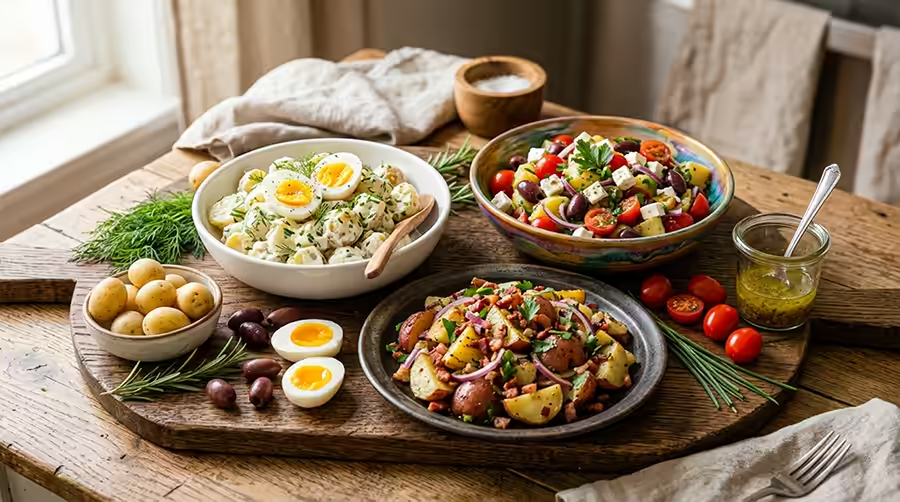
Potatoes are an ingredient we’re used to seeing in the background: as a side dish, in soup, or in a casserole. But when they take center stage in a salad, everything changes. Potato salads can be tender and creamy, spicy and savory, light and summery, or hearty and wintery. The key is knowing the right combinations and those little culinary tricks that turn the ordinary into the extraordinary.
Content
In this article, I’ve put together a list of the 10 most delicious potato salads—ranging from classic favorites to completely unexpected modern twists. Each recipe is detailed and includes tips, life hacks, and calorie counts. Let’s get started!
Why potato salads are an underrated masterpiece
Most people associate potato salad with Soviet-style Olivier or a heavy dish made with mayonnaise. But in reality, potatoes are one of the most versatile ingredients. They hold their shape well after cooking, absorb marinades and dressings perfectly, and provide a satisfying, filling meal without being overly high in calories—if prepared correctly.
Modern cuisine has opened up new possibilities for potatoes: roasted with rosemary and garlic, boiled in their skins to retain their starch, or fried in slices for a crispy texture—and all of these work wonderfully in salads. The French make salade Niçoise with new potatoes, Americans make warm bacon potato salad, and Scandinavians make a light salad with dill and mustard sauce. There’s a lot to learn from them.
Which potatoes to choose
Not all potatoes are the same, and choosing the right variety is the first step toward the perfect dish. Potatoes are generally divided into three types based on their starch content.
Waxy potatoes (low-starch) are new potatoes, as well as small red and yellow varieties. They are firm, creamy, don’t fall apart when cooked, and hold their shape perfectly when sliced. They are the best choice for most salads, especially those where texture is important.
All-purpose potatoes (medium starch content) are the most common varieties found in supermarkets. They’re suitable for salads, but may fall apart slightly if tossed for too long. They work well in warm salads.
Floury potatoes (high starch content) are large, white, and mealy. They are absolutely unsuitable for salads—they fall apart into pieces. These potatoes are best for mashed potatoes and casseroles.
Seasonality is also important. New potatoes (June–August) are the most tender, with thin edible skins and a light, slightly sweet flavor. They don’t even need to be peeled—a good scrub with a brush is enough. They’re perfect for light summer salads.
How to Cook Potatoes Properly
Before we get to the recipes, here are a few basic rules that will transform the quality of our dishes.
Cook them with the skin on. This keeps the starch inside, prevents the potatoes from falling apart, and helps them hold their shape better. Once cooled, the skin peels off in seconds.
It’s better to salt it properly. Add two teaspoons of salt to the water—this will ensure the potatoes are evenly salted all the way through.
Dress them while they’re still warm. If the recipe calls for a vinegar-based marinade or dressing, add it while the potatoes are still warm. They absorb the flavor much better that way than when they’re cold.
Cool them properly. To prevent the potatoes from sticking together and to ensure they have a firm texture, let them cool at room temperature after cooking, rather than putting them in the refrigerator right away.
Chilled potatoes contain resistant starch. This isn’t a myth: after cooling, some of the starch turns into resistant starch, which isn’t digested and acts like fiber. That’s why a cold potato salad is technically “easier” on the body than hot potatoes.
Dressings for potato salads: from classic to modern
The dressing is the heart of any salad. Potatoes have a neutral flavor on their own, so they perfectly absorb any flavor.
Mayonnaise-based dressings
A classic that’s here to stay. But there’s a catch—plain mayonnaise is heavy and boring. It’s much more interesting to mix it with:
- Mayonnaise + sour cream (50/50) — lighter, with a pleasant tang
- Mayonnaise + mustard + a splash of vinegar — a spicy version
- Mayonnaise + horseradish + lemon juice — for fish salads
- Mayonnaise + garlic + herbs — similar to aioli
Rule of thumb: 2–3 tablespoons of dressing is enough for 500 g of potatoes.
Oil-based vinaigrettes
The healthiest and simplest option. A basic vinaigrette consists of oil and acid in a 3:1 ratio. That is, three parts olive oil to one part vinegar or lemon juice. Mustard is added as an emulsifier, along with salt, pepper, and any flavorings—garlic, herbs, honey, or zest.
Yogurt and sour cream dressings
A lighter alternative to mayonnaise. Greek yogurt has a creamy texture and a pleasant tang. It pairs perfectly with dill, cucumber, and garlic. It’s a great choice for salads with salmon and seafood.
Asian dressings
Soy sauce + sesame oil + rice vinegar + ginger—that’s the basic mix. Add honey for sweetness, chili for heat, and garlic for a savory kick. These dressings are especially delicious with crispy fried or roasted potatoes.
Tahini and nut dressings
Tahini is mixed with lemon juice and water until it reaches a creamy consistency, resulting in a nutty, slightly bitter flavor. Peanut butter with soy sauce and lime is another option for unique potato salads.
Top 10 Potato Salads
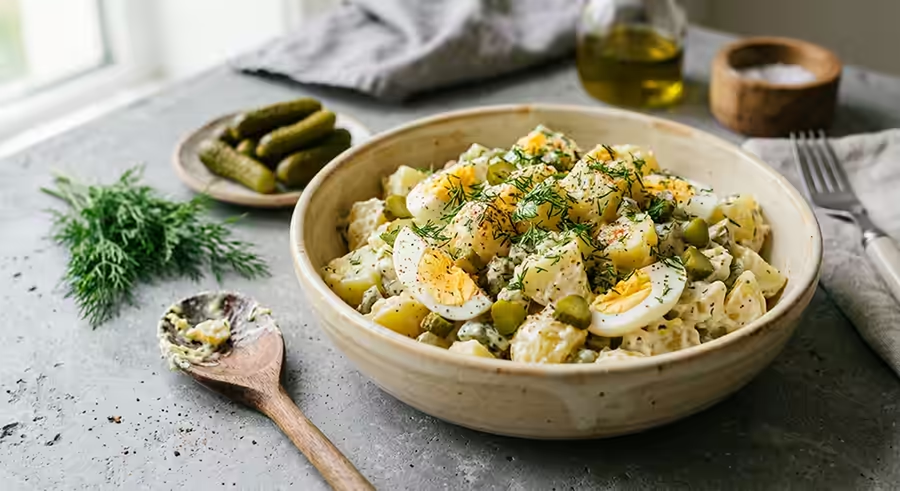
1. Classic potato salad with eggs and gherkins
This is the classic “grandma’s” salad, but done right—without too much mayonnaise and with a perfect balance of flavors.
Ingredients for 4 servings:
- 700 g new potatoes
- 4 hard-boiled eggs
- 5–6 gherkins (or 2 lightly salted cucumbers)
- 1 small red onion
- 3 tbsp. mayonnaise
- 2 tbsp. sour cream
- 1 tsp Dijon mustard
- Salt, black pepper, dill
Preparation:
Boil the potatoes in their skins for 20–25 minutes until tender. Let them cool, peel them, and cut them into cubes about 1.5 cm in size. Cut the eggs into cubes or quarters. Slice the gherkins into thin rounds. Finely chop the red onion and soak it in cold water for 10 minutes—this will remove any excess bitterness.
For the dressing, mix mayonnaise, sour cream, and mustard. This creates a much more interesting flavor than plain mayonnaise. Dress the salad, then season with salt and pepper. Sprinkle with fresh dill before serving.
Life hack: Add a teaspoon of apple cider vinegar to the dressing—it refreshes the flavor and makes the salad lighter.
Calories (per 100 g): ≈145 kcal | Protein: 5 g | Fat: 8 g | Carbohydrates: 14 g
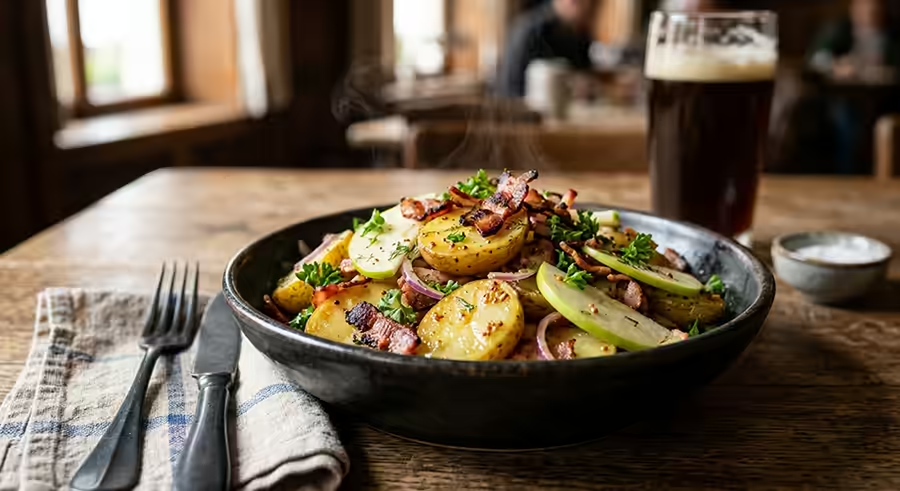
2. Warm potato salad with bacon and apple (Bavarian style)
Warm, hearty, with caramelized bacon and sweet-and-sour apple—my personal favorite in the “unexpected combinations” category.
Ingredients:
- 600 g small potatoes
- 150 g bacon (cut into strips)
- 1 apple (tart, such as Granny Smith)
- 1 red onion
- 2 tbsp apple cider vinegar
- 1 tbsp sugar
- 3 tbsp olive oil
- 1 tsp. of whole-grain mustard
- Parsley, salt, pepper
Preparation:
Boil the potatoes in their skins. While they’re cooking, fry the bacon in a dry skillet until golden and crispy. Don’t pour off the bacon fat—it will form the base of the dressing. Add the chopped onion to the fat, sauté for 2–3 minutes, then pour in the vinegar, add the sugar and mustard. Stir and remove from the heat.
Pour this warm sauce over the warm potatoes (sliced) immediately. Then add the bacon and the apple, cut into thin slices. Sprinkle with parsley.
Why it works: The acidity of the apples and vinegar brings out the flavor of the potatoes, while the richness of the bacon is balanced by a subtle bitterness—creating a very harmonious flavor profile.
Calories (per 100 g): ≈175 kcal | Protein: 6 g | Fat: 10 g | Carbohydrates: 16 g
3. Mediterranean potato salad with olives and sun-dried tomatoes
Light, mayonnaise-free, and made with olive oil—the perfect choice for those watching their diet.
Ingredients:
- 600 g potatoes
- 100 g pitted black olives
- 80 g sun-dried tomatoes in oil
- 1 bell pepper (red or yellow)
- A bunch of arugula or spinach
- 50 g feta cheese
- 3 tbsp. of sun-dried tomato olive oil
- 1 tbsp lemon juice
- Garlic, oregano, salt
Preparation:
Boil the potatoes and cut them into cubes. Sauté the bell peppers in a dry skillet or roast them in the oven at 200°C for 15 minutes—the skin will char, so peel it off and cut the flesh into strips. This gives the dish an amazing smoky flavor.
Combine the potatoes, bell peppers, olives, and sun-dried tomatoes. Dress with the oil from the sun-dried tomatoes (it’s already full of flavor), lemon juice, crushed garlic, and oregano. Before serving, arrange on a bed of arugula and crumble feta cheese on top.
Tip: If you don’t have sun-dried tomatoes in oil, you can marinate regular cherry tomatoes: cut them in half, mix with olive oil, basil, and dried garlic, and let them sit for an hour.
Calories (per 100 g): ≈135 kcal | Protein: 3 g | Fat: 7 g | Carbohydrates: 15 g
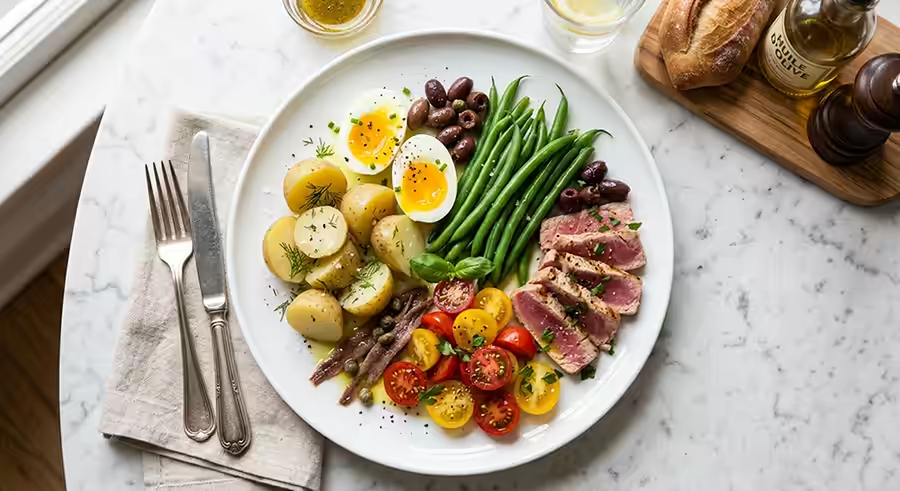
4. Niçoise Salad with Potatoes (Salade Niçoise)
A classic of French cuisine that the French Riviera is rightly proud of. Hearty, colorful, with tuna and green beans.
Ingredients:
- 500 g small new potatoes
- 200 g canned tuna (in its own juice)
- 150 g green beans
- 4 eggs (soft-boiled—7 minutes)
- 200 g cherry tomatoes
- 50 g Niçoise olives (or regular black olives)
- 4–5 anchovies (optional)
- Romaine or Batavia lettuce leaves
Vinaigrette Dressing:
- 3 tbsp extra virgin olive oil
- 1 tbsp red wine vinegar
- 1 tsp Dijon mustard
- Salt, pepper, and a little honey
Preparation:
Boil the potatoes until tender. Blanch the green beans for 3–4 minutes in boiling water, then immediately plunge them into ice water—this will preserve their bright green color and crispness. Boil the eggs for exactly 7 minutes after the water comes to a boil to ensure a beautifully set yolk.
Assemble the salad in layers: lettuce, potatoes, green beans, cherry tomatoes, tuna, eggs (cut in half), olives, and anchovies. Drizzle with the dressing just before serving.
Important: Do not toss the Niçoise salad. It is a salad arrangement where each ingredient is visible and is meant to be enjoyed both individually and together.
Calories (per 100 g): ≈120 kcal | Protein: 9 g | Fat: 6 g | Carbohydrates: 9 g
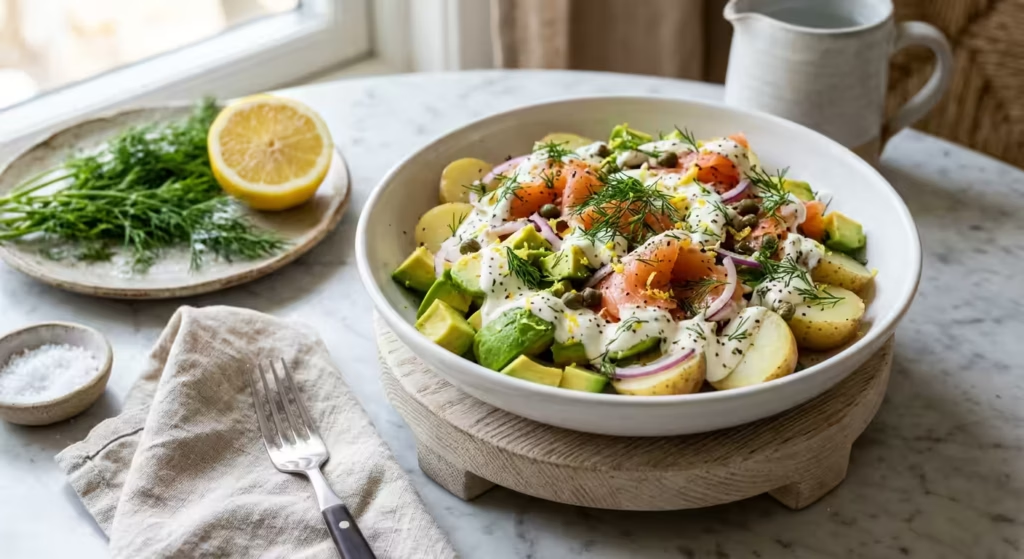
5. Potato Salad with Avocado and Salmon
Modern, trendy, and absolutely delicious. This combination of creamy avocado, tender salmon, and potatoes is a restaurant-quality dish that’s easy to make at home.
Ingredients:
- 500 g potatoes (preferably new potatoes)
- 200 g lightly salted salmon or trout
- 1 ripe avocado
- 100 g of cucumber
- ½ red onion
- 2 tbsp capers
- Dill, lemon juice
Dressing:
- 3 tbsp. sour cream or Greek yogurt
- 1 tbsp lemon juice
- 1 tsp horseradish
- Salt, white pepper
Preparation:
Boil the potatoes and slice them into rounds. Cut the salmon into large cubes or chunks. Dice the avocado and cucumber into medium-sized cubes. Immediately sprinkle the avocado with lemon juice to prevent it from browning. Whisk the dressing together. Gently toss all the ingredients, being careful not to mash the avocado. Sprinkle with dill and capers.
Life hack: If you want a lighter version, replace the sour cream with plain yogurt and add a teaspoon of mustard. The flavor becomes fresher and more tangy.
Calories (per 100 g): ≈155 kcal | Protein: 9 g | Fat: 9 g | Carbohydrates: 11 g
6. Spicy Potato Salad with Chickpeas and Tahini (Vegan)
For those looking for plant-based options, this salad is an absolute explosion of flavor. Inspired by the Middle East, it’s hearty and nutritious.
Ingredients:
- 600 g potatoes
- 400 g canned chickpeas (rinsed)
- 1 red bell pepper
- ½ red onion
- A bunch of parsley
- 2 cloves of garlic
Tahini dressing:
- 3 tbsp tahini
- 2 tbsp lemon juice
- 1 tbsp olive oil
- 1 clove of garlic (crushed)
- 2–3 tablespoons of cold water
- Salt, cumin, paprika
Preparation:
Dice the potatoes and roast them in the oven at 200°C for 25–30 minutes with olive oil, salt, and paprika. Dice the bell peppers and sauté or roast them separately.
To make the dressing, mix the tahini with lemon juice, garlic, and water—the paste will start out thick, but as you add water, it will thin out into a creamy sauce. Combine all the ingredients, drizzle with the dressing, and sprinkle with parsley and a pinch of za’atar.
Why you should try it: Baked potatoes with tahini—it might seem unexpected, but it’s incredibly delicious. The nutty bitterness of the sesame and the tartness of the lemon perfectly complement the starchy sweetness of the potatoes.
Calories (per 100 g): ≈160 kcal | Protein: 6 g | Fat: 7 g | Carbohydrates: 19 g
7. Potato Salad with Roasted Garlic and Parmesan
This salad is for those who love intense, rich flavors. It’s warm, aromatic, and very filling.
Ingredients:
- 700 g potatoes (preferably small)
- 1 whole head of garlic
- 50 g hard cheese (Parmesan or Grana Padano)
- 3 tbsp olive oil
- 1 tbsp butter
- Rosemary, thyme
- Salt, black pepper
- A bunch of arugula for serving
Preparation:
Cut the head of garlic in half crosswise, drizzle with olive oil, wrap in foil, and bake for 40 minutes at 180°C. The roasted garlic becomes soft, sweet, and caramelized—squeeze out the cloves, and they’ll turn into a paste.
Boil the potatoes until tender. Heat the olive oil and butter in a skillet, add the potatoes (you can mash them slightly), and sauté until golden brown. Add the garlic paste, rosemary, and thyme. Stir and cook for another 2–3 minutes. Place on a bed of arugula, grate Parmesan on top, and season with pepper.
Tip: You can use this roasted garlic trick in any potato salad—it gives the dish a deeper, milder flavor than raw garlic.
Calories (per 100 g): ≈180 kcal | Protein: 5 g | Fat: 10 g | Carbohydrates: 18 g
8. Potato salad with herbs and a lemon-mustard vinaigrette (Scandinavian style)
Light, fresh, and mayonnaise-free. Perfect for summer or as a side dish with grilled meat.
Ingredients:
- 600 g new potatoes
- A bunch of dill
- A bunch of green onions
- 2 tbsp capers
- 1 tsp grated lemon zest
Dressing:
- 4 tbsp olive oil
- 2 tbsp lemon juice
- 1 tsp Dijon mustard
- 1 tsp honey
- Salt, pepper
Preparation:
Boil the new potatoes in their skins and cut them in half or into quarters. While they’re still warm, toss them with the vinaigrette (whisk all the dressing ingredients together with a fork or in a jar). Let stand for 15–20 minutes. Before serving, add dill, green onions, capers, and lemon zest. Gently toss to combine.
What makes this salad special: lemon zest is the secret ingredient that takes the flavor to a whole new level. It adds a bright aroma without being overly tart.
Calories (per 100 g): ≈110 kcal | Protein: 2 g | Fat: 6 g | Carbohydrates: 13 g
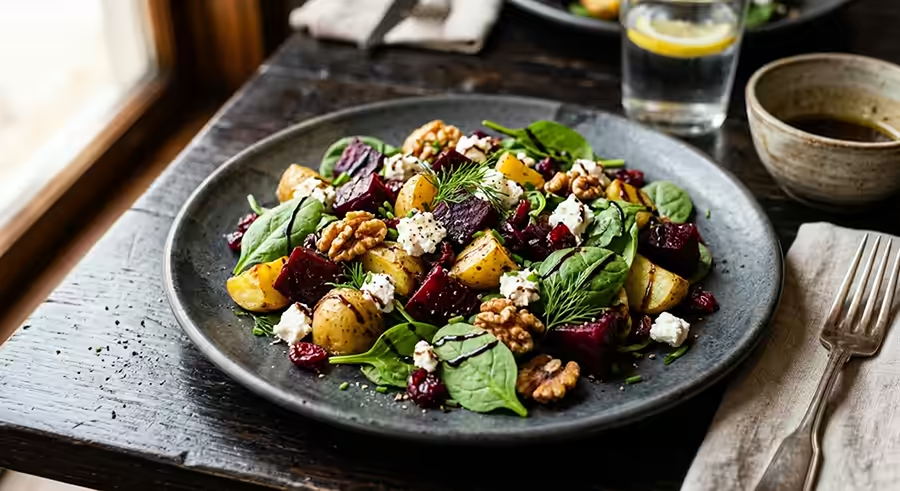
9. Potato salad with roasted beets and goat cheese
Vibrant and beautiful, with a contrast of sweet beets, tangy cheese, and starchy potatoes. It looks just like it would in a restaurant.
Ingredients:
- 500 g potatoes
- 300 g beets (small)
- 100 g soft goat cheese
- 80 g of walnuts
- Spinach or Swiss chard leaves
- 50 g dried cranberries
Dressing:
- 3 tbsp olive oil
- 1 tbsp balsamic vinegar
- 1 tsp honey
- Salt, pepper
Preparation:
Wrap the whole beets in foil and bake at 200°C for 50–60 minutes, until tender. Let them cool, peel them, and cut them into cubes. Boil or bake the potatoes separately. Toast the nuts in a dry skillet for 3–4 minutes—this will bring out their flavor much more.
Assemble the salad: spinach, potatoes, beets, nuts, and cranberries. Crumble the goat cheese. Dress with balsamic vinaigrette.
Important: Add the beets at the very last minute or keep them separate—otherwise, they’ll turn everything bright pink (though some people actually like that).
Calories (per 100 g): ≈150 kcal | Protein: 4 g | Fat: 9 g | Carbohydrates: 14 g
10. Spicy Asian-style potato salad with sesame seeds and chili
For those who love spicy food, this salad will be a real treat. Inspired by Japanese and Korean cuisine.
Ingredients:
- 600 g potatoes
- 1 carrot
- 2 cloves of garlic
- 1–2 chili peppers (or ½ tsp chili flakes)
- 2 tbsp sesame seeds
- Green onions
Dressing:
- 2 tbsp soy sauce
- 1 tbsp rice vinegar
- 1 tbsp sesame oil
- 1 tsp honey or sugar
- 1 tsp grated ginger
- 1 clove of garlic
Preparation:
Cut the potatoes into thin strips and fry them in a pan with vegetable oil until golden and crispy—or bake them in the oven. Grate the carrots using a Korean grater or cut them into thin strips, then lightly sauté. Mix the dressing ingredients together. Toast the sesame seeds in a dry skillet for 2 minutes. Combine the potatoes, carrots, and chili, pour the dressing over them, and sprinkle with sesame seeds and green onions.
Tip: After cutting the potatoes, soak them in cold water for 30 minutes—this will remove excess starch and make the crust crispier.
Calories (per 100 g): ≈130 kcal | Protein: 3 g | Fat: 5 g | Carbohydrates: 19 g
Potato salad in cuisines around the world
It’s interesting that virtually every culinary tradition has its own version of potato salad.
American-style — large chunks of potato, mayonnaise, celery, hard-boiled eggs, and sometimes mustard. It is served cold, often at picnics and barbecues.
German Kartoffelsalat—there are two regional styles. The Bavarian version is served warm, dressed with vinegar and topped with bacon and onions, without mayonnaise. The Berlin version is served cold, with mayonnaise, and is similar to the American version.
French-style—a light vinaigrette, herbs, and capers. Or a more elaborate niçoise salad with tuna and anchovies.
Japanese potato salad is surprisingly light and creamy. The potatoes are lightly mashed with Kewpie Japanese mayonnaise, then mixed with boiled carrots, cucumber, and sometimes corn and ham. The texture is somewhere between a salad and a light purée. It’s very popular in Japanese bento boxes.
The Spanish “Ensaladilla rusa” is similar to our Olivier salad, but made with tuna, olives, and sometimes shrimp. It is served as tapas.
Peruvian Causa isn’t really a salad at all, but more of a cake-like appetizer: layers of yellow potatoes (seasoned with lime and amarillo chili) are alternated with avocado, chicken, or tuna. It looks amazing.
Scandinavian-style — new potatoes, dill, mustard vinaigrette, and sometimes herring. Simple, fresh, and perfect for summer.
Once you’re familiar with these styles, it’s easy to get creative: just combine the base of one salad with the dressing from another—and you’ll end up with something completely new.
How to make a dish healthier
Many people avoid potato salads because they’re worried about the calories. But there are simple ways to make the dish lighter without sacrificing flavor.
Replace some of the mayonnaise. Greek yogurt or low-fat sour cream (even just 50% of the total amount) will significantly reduce the calorie content and add a fresh flavor.
Add more vegetables. Cucumbers, celery, bell peppers, and radishes—they add volume, crunch, and vitamins while being low in calories.
Use new potatoes with the skin on. They contain more fiber and micronutrients than peeled potatoes.
Use an olive oil dressing instead of mayonnaise. Olive oil with vinegar is not only healthier but also tastier in many recipes.
Add some protein. Eggs, tuna, chicken, or chickpeas—this will make the salad more balanced and filling without increasing the portion size.
General tips for the perfect meal
Serving temperature. Some salads taste better warm (Bavarian salad with bacon, garlic salad), while others are best served chilled (Nicoise salad, Mediterranean salad). Follow the instructions in the recipe.
Marinating time. Potatoes dressed in advance—especially with tangy dressings—taste much better. Let the salad sit for at least 20–30 minutes.
Don’t stir too much. The potatoes are tender—if you stir too vigorously, they’ll turn to mush. Add the dressing a little at a time and stir with a spatula.
Save the herbs for last. Add dill, parsley, arugula, and spinach just before serving—otherwise, they’ll wilt and release water.
The rule of balance. A good potato salad always includes: something fatty (oil, mayonnaise, cheese) + something sour (vinegar, lemon, yogurt) + something salty + something fresh (herbs, cucumber, onion). Remember this formula, and you’ll be able to come up with your own recipe.
Common mistakes when cooking
- Overcooked potatoes—check for doneness with a toothpick: it should go in easily, but the potato shouldn’t fall apart
- Dressing for cold potatoes — cold potatoes don’t absorb the dressing, so the flavor will remain on the surface
- Too much mayonnaise—start with less than you think you need
- Without acid—no vinegar, lemon juice, or marinade—any potato salad tastes “flat”
- Cut ingredients into uniform pieces—cut all ingredients into roughly the same size for consistent flavor and an attractive texture
- If you add the herbs too early, they’ll turn into a soggy mess in 30 minutes
Presentation and Serving: How to Make It Look Beautiful
The layered method—just like in a niouaz. Each ingredient is arranged in separate groups on a flat plate or wooden board. The dressing is poured over the top. It looks elegant and lets guests help themselves to whatever they like.
Serve in a deep bowl—the classic way to present creamy mayonnaise salads. Garnish with herbs, paprika, or thin slices of cucumber.
In a glass container—if you want to show off the layers, use a clear glass bowl or jar. This looks especially striking for salads with beets or brightly colored vegetables.
Serve in individual portions—in small ramekins or on lettuce leaves. Perfect for parties or a festive table.
Top it off—always finish your dish with something vibrant: fresh herbs, sesame seeds, crispy bacon, coarsely ground black pepper, or a drizzle of good olive oil. This instantly elevates the dish’s visual appeal.
Potato salad for the holiday table: how much to make
If you’re cooking for a large group, here are some guidelines:
- Per serving as a side dish: 150–180 g of prepared salad
- Per serving as a main course — 250–300 g
- Serves 10 as a side dish—about 1.5–2 kg of prepared salad
- Raw potatoes for 10 people — about 1–1.2 kg
Potato salad is best prepared in advance—most recipes taste better after 2–4 hours in the refrigerator, when all the flavors have had time to meld. The exception is salads with avocado, crunchy ingredients, or fresh herbs; these are best assembled just before serving.
Food storage
If using mayonnaise dressing, store in the refrigerator for no more than 2 days in a tightly sealed container. The mayonnaise may separate—stir before serving.
With an oil-based vinaigrette—they keep a little longer, up to 3 days. The potatoes continue to absorb the dressing, and the flavor becomes richer over time.
Avocados—eat them right away, or by the next day at the latest. Avocados turn brown even when mixed with lemon juice.
If using arugula or spinach, keep the greens separate and add them just before serving. Otherwise, they’ll turn to mush.
General rule: Never leave potato salad at room temperature for more than 2 hours, especially if it contains eggs or mayonnaise.
Potato salads are affordable, delicious, and endlessly versatile. From French niçoise to Asian-style with sesame seeds—there’s a perfect recipe for everyone. The key is not to be afraid to experiment with dressings and combinations. Potatoes are forgiving and will always turn into a delicious dish. ?