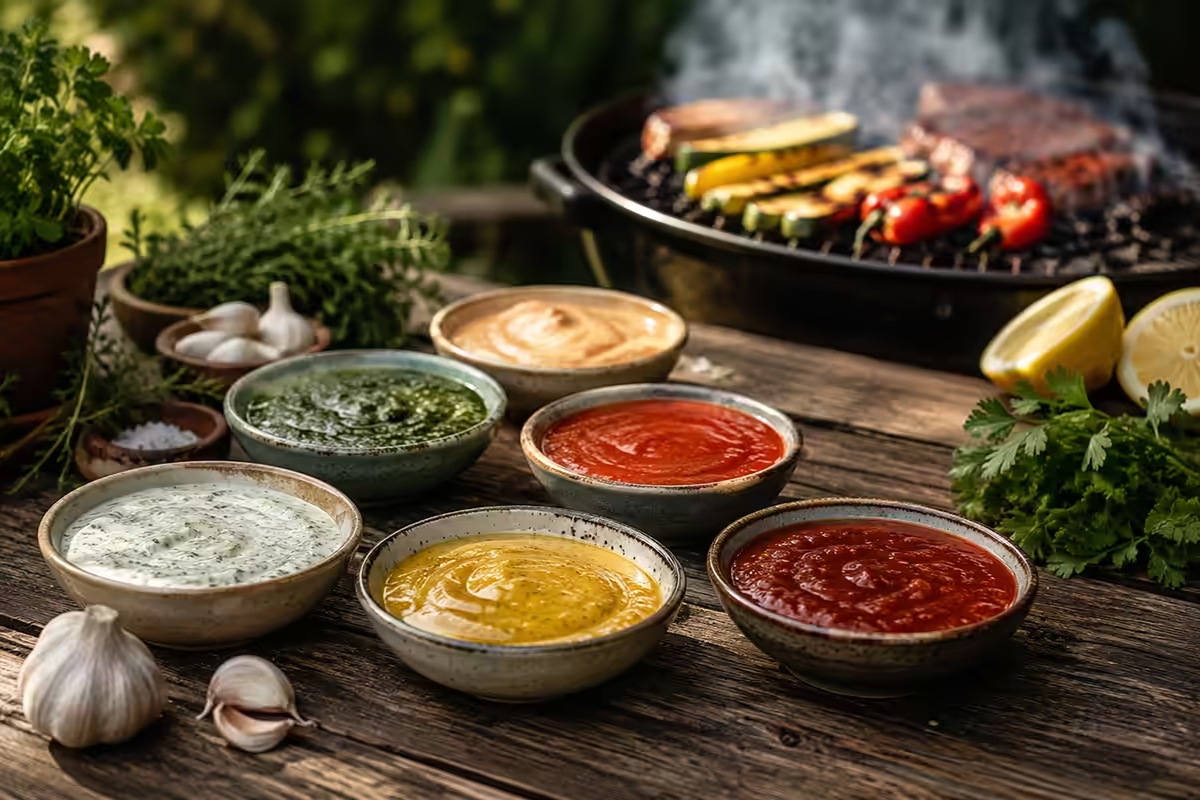
Summer, a grill, smoke rising from the coals—and that’s when the biggest problem of any picnic arises: what to pour over the food you’ve just taken off the grill. Store-bought ketchup or mayonnaise can save the day, but the true flavor only comes through with a homemade sauce, which takes just ten to fifteen minutes to make using ingredients you already have in your kitchen. I’ve put together ten sauces that I actually make myself throughout the season—from classic garlic sauce to Argentine chimichurri and Asian soy-ginger — and none of them requires a trip to a specialty store for exotic ingredients. I’ve tested each recipe more than once, so the measurements here aren’t just “eyeball estimates,” but actual proportions that work.
Content
Why Homemade Sauce Is Always Better Than Store-Bought
Ready-made sauce from the supermarket is, first and foremost, full of preservatives, thickeners, and sugar—in amounts that manufacturers rarely disclose honestly. Read the ingredients list of any store-bought barbecue sauce—sugar or high-fructose corn syrup is often listed second or third, right after tomatoes. With the homemade version, you’re in complete control: how much garlic, how spicy, how tart, and how sweet. Plus, fresh sauce brings out the flavors of smoke and charcoal in a way that a store-bought product simply can’t—it lacks the balance of fresh herbs or freshly squeezed lemon juice, which oxidize and lose their vibrancy in a matter of hours.
The second point is versatility. The same sauce often goes well with meat, grilled vegetables, bread, or potatoes. This saves time when you have a lot of guests but little time to cook: you don’t need to keep five different store-bought jars in the fridge; two or three homemade ones are enough to cover almost all your dining needs.
The third argument, which is rarely mentioned, is cost. A tub of homemade sour cream, a bunch of herbs, and a head of garlic cost a fraction of the price of a store-bought sauce in a glass jar, and you usually end up with more.
And last but not least—the flexibility to adapt it to a specific dish. Store-bought sauce is a one-size-fits-all solution, while homemade sauce can be tweaked slightly each time: spicier today because your guests love chili peppers, milder tomorrow because the kids are at the table. No store-bought sauce can offer that kind of flexibility.
How to Choose a Base for a Sauce
Before moving on to specific recipes, it’s important to understand the logic behind choosing a base—this will help you improvise even without a recipe on hand.
Sauces made with fermented milk products—sour cream, yogurt, kefir—effectively cut through the spiciness and richness, which is why they’re a popular choice for lamb, pork, and spicy marinades. They are light and refreshing, but they spoil quickly in the heat, so it’s best to serve them in small portions.
Oil-based sauces—olive or sunflower oil mixed with vinegar or citrus juice—are a classic emulsion that will keep well for several hours without refrigeration and pair perfectly with vegetables and fish. They seem lower in calories, even though they actually contain quite a bit of oil.
Tomato sauces have the longest shelf life thanks to their natural acidity and heat treatment. This is a great option for those who like to cook ahead of time and don’t want to rush around on the day of the feast.
Cheese- or cream-based sauces are the most satisfying; they work well as a standalone accent to simple meat dishes when you want to give the meal a “restaurant-quality” touch without adding too many spices.
Comparing Sauces: What Goes With What
| Sauce | Foundation | What it’s good for | Sharpness | Storage |
|---|---|---|---|---|
| Garlic Butter | sour cream or yogurt | vegetables, chicken, potatoes | none | 2–3 days |
| Chimichurri | oil, vinegar, herbs | beef, pork, eggplant | light | Day 1 |
| Home Barbecue | tomato paste | ribs, chicken, corn | average | within a week |
| Yogurt with Cucumber | yogurt | grilled vegetables, lamb, fish | none | 2–3 days |
| Honey and Mustard | mustard, honey | chicken, turkey, zucchini | none | within a week |
| Spicy Tomato | tomatoes, chili peppers | any meat, mushrooms | high | within a week |
| Blue Cheese Sauce | sour cream, blue cheese | beef, grilled peppers | none | 2–3 days |
| Green with herbs and lime | oil, herbs, lime | fish, squid, vegetables | light | Day 1 |
| Soy and Ginger | soy sauce, ginger | chicken, eggplant, mushrooms | light | within a week |
| Avocado Cream Sauce | avocado, lime | vegetables, fish, corn | none | Day 1 |
| Satsabeli—Inspiration | tomatoes, nuts | chicken, eggplant, kebab | light | 3–4 days |
| Homemade Tartare | mayonnaise, pickled cucumber | fish, squid, potatoes | none | 2–3 days |
Garlic Cream Sauce
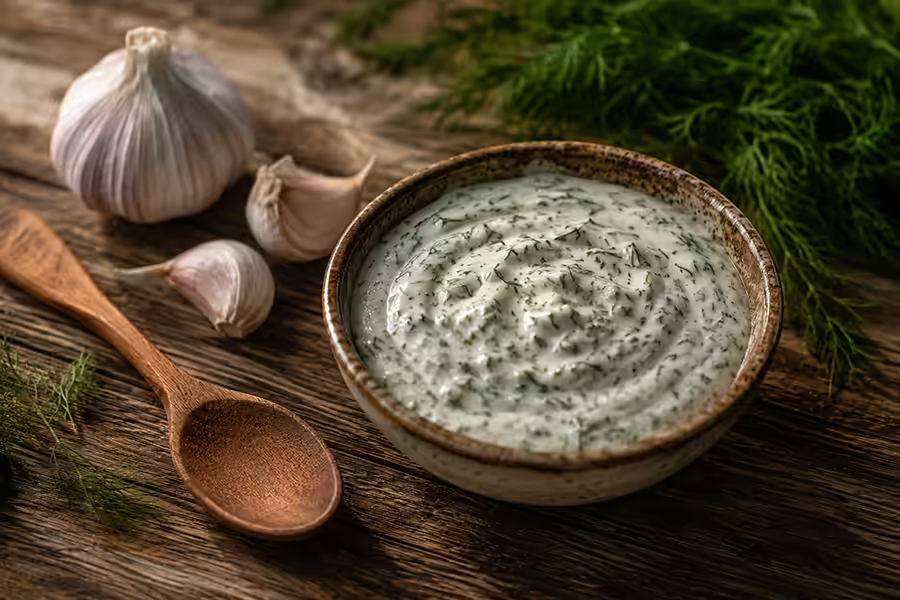
The simplest and, at the same time, most frequently used sauce on my summer menu. It goes with literally everything you grill—from zucchini to chicken drumsticks. I often whip it up “by eye” when guests are already at the door, and it’s never let me down.
Ingredients:
- 20% heavy cream — 200 g
- garlic — 3 cloves
- fresh dill — 20 g
- salt — a pinch
- ground black pepper — a pinch
- lemon juice — 1 teaspoon
Preparation:
- I finely grate the garlic or press it through a garlic press.
- I finely chop the dill with a knife.
- I mix the sour cream, garlic, and dill in a bowl.
- I add lemon juice, salt, and pepper, then stir.
- I put it in the fridge for at least 15 minutes so the flavors can blend.
If the sour cream seems too thick, I thin it out with a few spoonfuls of boiled water or milk—the consistency should be such that the sauce flows off the spoon rather than falling in a lump. For a more pronounced flavor, you can replace some of the dill with basil or parsley; this will give the sauce a different, but no less interesting, flavor.
Chimichurri — an Argentine classic
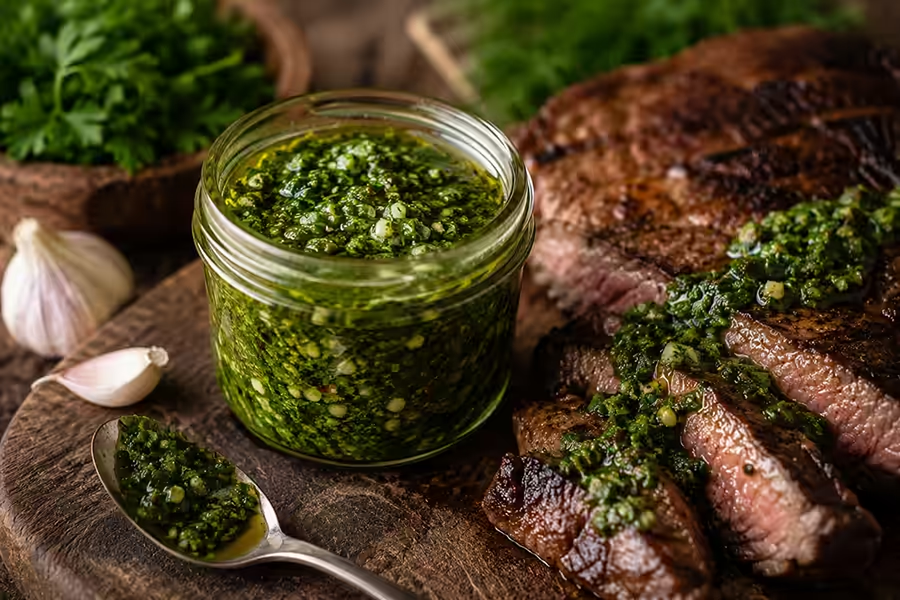
I discovered this sauce a few years ago, and now I make it for every big barbecue. It’s tangy, herb-forward, and has a pleasant tartness—it perfectly cuts through the richness of the meat. The original Argentine recipe doesn’t call for a blender—and that’s key, because the texture of finely chopped herbs is completely different from that of a pureed mixture.
Ingredients:
- fresh parsley — 40 g
- garlic — 4 cloves
- olive oil — 100 ml
- red wine vinegar — 2 tablespoons
- fresh or dried chili pepper — half a teaspoon (optional, to taste)
- dried oregano — 1 teaspoon
- salt — half a teaspoon
Preparation:
- I finely chop the parsley with a knife, not in a blender—that way, the texture stays intact.
- I chop the garlic very finely or press it through a garlic press.
- In a bowl, I mix together parsley, garlic, oregano, and chili.
- I pour in olive oil and vinegar.
- I add salt, stir it, and let it sit for 20–30 minutes at room temperature.
You shouldn’t put chimichurri in the fridge for too long before serving—the oil solidifies, and the sauce loses its texture. I prepare it no more than an hour before the meal. If I want a spicier version, I add more fresh chili peppers with the seeds removed—the seeds are where most of the heat is concentrated, so removing them allows me to fine-tune the spiciness.
Homemade Barbecue Sauce
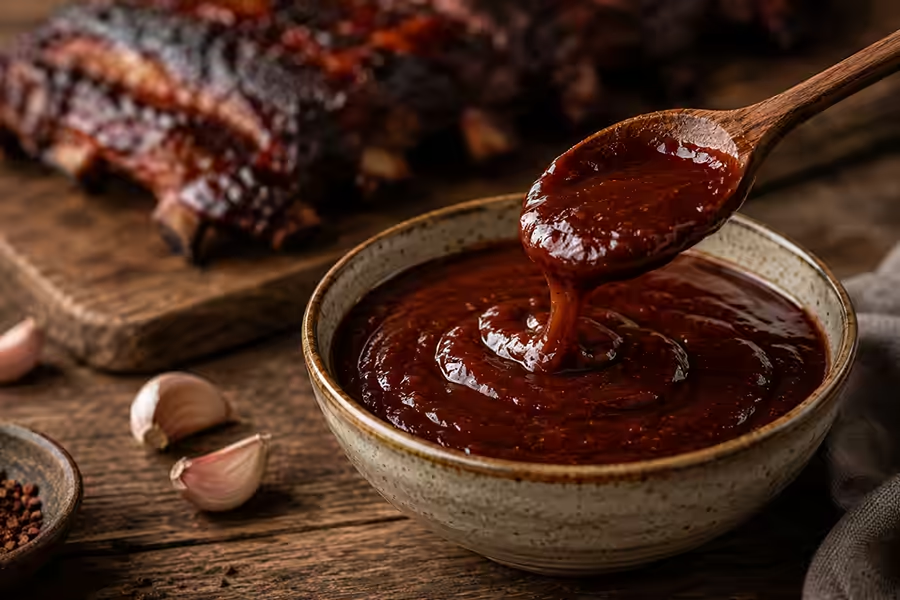
Store-bought barbecue sauce is often too sweet and runny. The homemade version turns out thicker, with a pleasant smoky note even without liquid smoke—the secret lies in the smoked paprika and a longer simmer.
Ingredients:
- tomato paste — 100 g
- onion — half a head
- garlic — 2 cloves
- honey or brown sugar — 2 tablespoons
- apple cider vinegar — 2 tablespoons
- Worcestershire sauce — 1 tablespoon (optional)
- smoked paprika — 1 teaspoon
- water — 100 ml
- salt, pepper — to taste
Preparation:
- I finely chop the onion and garlic.
- I sauté them in a small amount of oil until tender, about 3–4 minutes.
- I add the tomato paste and sauté for another minute.
- I pour in the water, then add honey, vinegar, paprika, and Worcestershire sauce.
- Cook over low heat for 10–12 minutes until thickened, stirring constantly.
- Blend until smooth if you want a smooth texture.
This sauce keeps well in the refrigerator for up to a week in a sealed jar, so you can make it ahead of time. If you prefer a spicier version, add a quarter teaspoon of cayenne pepper along with the paprika—it’ll turn out almost like a Texas-style barbecue sauce.
Yogurt Sauce with Cucumber
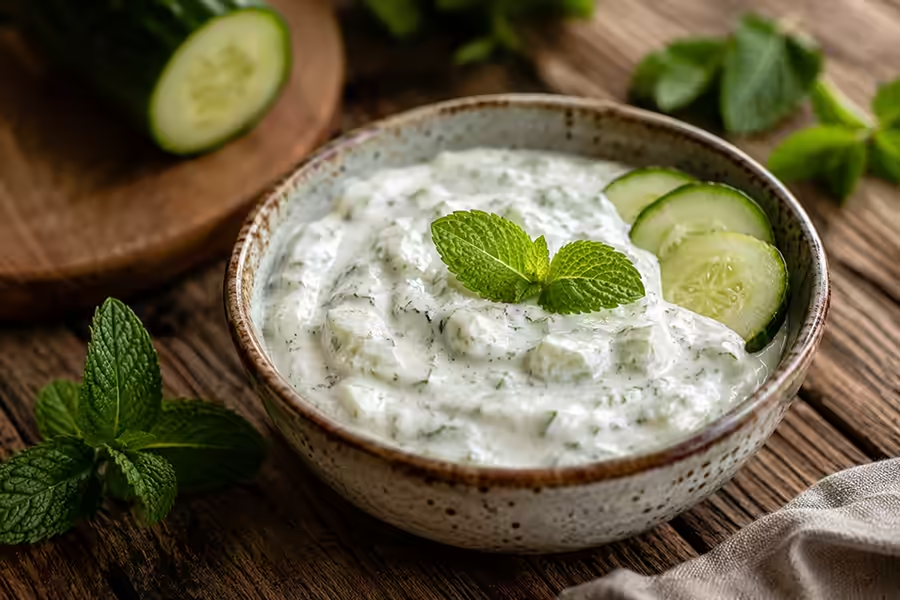
Light, refreshing, and perfect for cutting through the heat of spicy dishes. It pairs especially well with lamb or grilled vegetables on hot days—it’s essentially our take on Middle Eastern tzatziki, but without too much garlic so it doesn’t overpower the flavor of the vegetables themselves.
Ingredients:
- plain Greek yogurt — 200 g
- fresh cucumber — 1 medium
- garlic — 1 clove
- fresh mint or dill — 15 g
- olive oil — 1 tablespoon
- salt — to taste
Preparation:
- I grate the cucumber on a fine grater, then squeeze out the excess liquid with my hands or through cheesecloth.
- I finely grate the garlic.
- I mix the yogurt, cucumber, and garlic in a bowl.
- I add finely chopped herbs, olive oil, and salt.
- Stir and let cool for 10 minutes before serving.
If you don’t squeeze the liquid out of the cucumber, the sauce will become watery within an hour—so don’t skip this step. Mint gives it a more Mediterranean flavor, while dill offers a taste more typical of Ukrainian cuisine, so choose based on the dish you’re serving it with.
Honey-Mustard Sauce
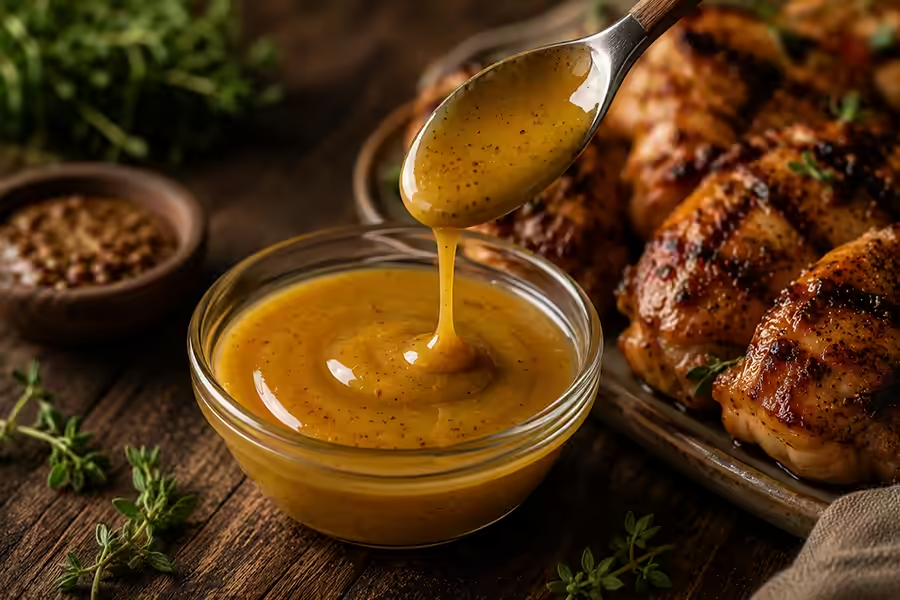
A sweet-and-spicy balance that really comes through on grilled chicken and zucchini. Another great thing about this sauce is that it serves two purposes at once: as a marinade beforehand and as a finishing sauce for serving.
Ingredients:
- Dijon mustard — 3 tablespoons
- honey — 2 tablespoons
- olive oil — 2 tablespoons
- lemon juice — 1 tablespoon
- salt, pepper — a pinch
Preparation:
- In a bowl, I mix the mustard with the honey until smooth.
- I pour in the oil in a thin stream, stirring constantly to prevent the emulsion from separating.
- I add lemon juice, salt, and pepper.
- I stir until the mixture is smooth.
If the mustard seems too strong, I use half Dijon and half regular table mustard—it turns out milder without losing the sauce’s character. For a variation with a nutty flavor, you can add a teaspoon of tahini; this makes the sauce thicker and gives it a slightly Middle Eastern flavor.
Spicy Tomato Sauce with Chili Peppers
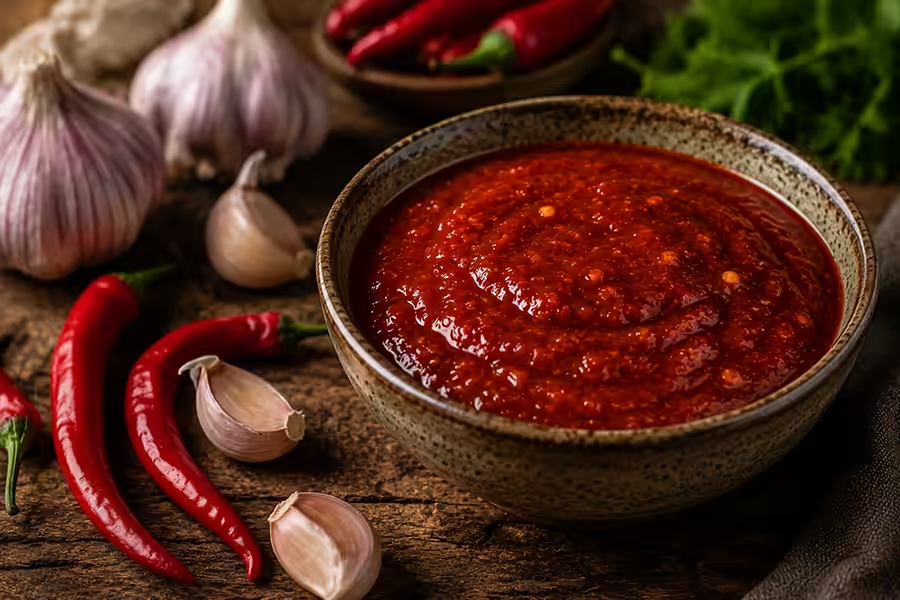
For those who like to have something to eat after a barbecue. It’s quick to make and keeps for a long time, so I often make a double batch right away.
Ingredients:
- ripe tomatoes — 3 medium ones, or canned tomatoes — 300 g
- chili peppers — 1–2, depending on the desired level of heat
- garlic — 3 cloves
- onion — half a head
- vegetable oil — 2 tablespoons
- vinegar — 1 tablespoon
- salt, sugar — to taste
Preparation:
- I pour boiling water over the tomatoes, peel them, and cut them into cubes.
- I finely chop the chili and garlic, and dice the onion.
- I sauté the onions in oil until they’re translucent, add garlic and chili, and cook for a minute.
- Add the tomatoes and simmer for 10–15 minutes until the sauce thickens.
- I blend it in a blender, then add vinegar, salt, and sugar to taste.
If you prefer a completely smooth texture, strain the mixture through a sieve after blending to remove the skins and seeds. In winter, when fresh tomatoes aren’t as tasty, canned tomatoes packed in their own juice work even better than fresh ones—the flavor turns out richer.
Blue Cheese Sauce
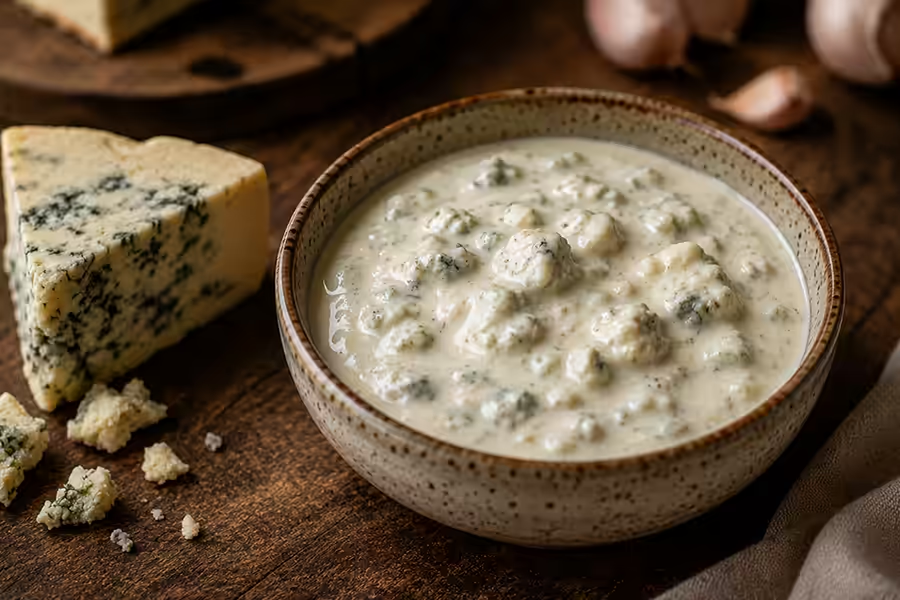
Rich and creamy, it pairs well with beef and roasted peppers. I make it when I want to surprise my guests with something a little out of the ordinary for a barbecue—this sauce always prompts the question, “What is this interesting thing?” even from people who don’t usually like blue cheese.
Ingredients:
- blue cheese (Dorblou, Roquefort) — 80 g
- 20% heavy cream — 150 g
- 20% heavy cream — 2 tablespoons (optional, for a thinner consistency)
- garlic — half a clove
- black pepper — a pinch
Preparation:
- I mash the cheese with a fork in a bowl.
- I add sour cream and stir it in, leaving small lumps of cheese—this gives the sauce a more interesting texture.
- I grate the garlic very finely and add it to the mixture.
- If necessary, I thin it with cream to the desired consistency.
- I season it with pepper; there’s usually no need to add salt—the cheese is already salty.
For those who find the flavor of blue cheese too intense, I recommend starting with a smaller amount—50 g—and adding more if you want a stronger flavor. This sauce doesn’t store well for long periods because of its fatty base, so it’s best to prepare it right before serving.
Green Sauce with Herbs and Lime
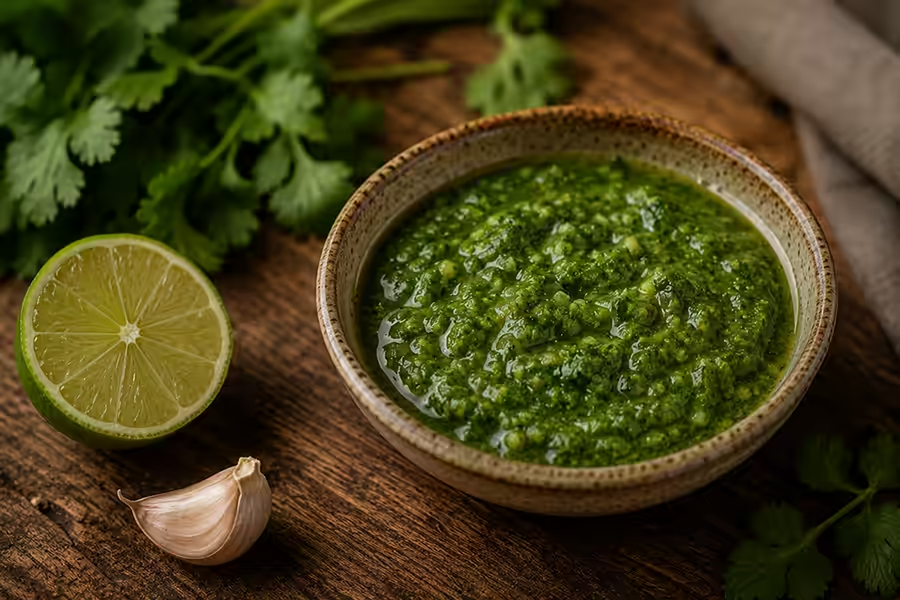
The lightest sauce on the list, perfect with fish, squid, and light grilled vegetables—zucchini, asparagus, and eggplant. It’s kind of like Mexican salsa verde, only easier to make.
Ingredients:
- cilantro or parsley — 30 g
- garlic — 1 clove
- lime — juice from half a lime
- olive oil — 60 ml
- salt — a pinch
Preparation:
- I chop the herbs and garlic in a blender or very finely with a knife.
- I add the lime juice and oil, then blend or stir it again.
- Salt to taste.
- Let it sit for 10 minutes before serving.
Cilantro adds a more exotic, “Mexican” flavor, while parsley offers a more neutral taste that’s more familiar to a Ukrainian audience. If you don’t like the taste of cilantro (some people have a genetic sensitivity to it, making it taste like soap), feel free to substitute it with parsley without upsetting the balance of the sauce.
Soy-Ginger Sauce
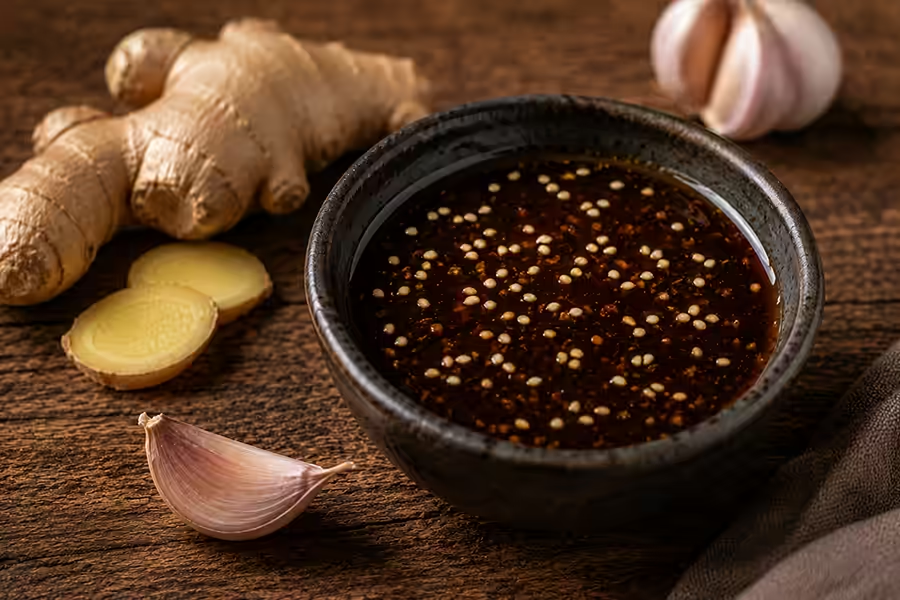
An Asian twist that’s a wonderful way to freshen up your summer menu, especially when you’re getting a little tired of the usual grilled vegetables or chicken. It takes literally five minutes to prepare, with no cooking required.
Ingredients:
- soy sauce — 60 ml
- fresh ginger — 15 g, grated
- garlic — 1 clove
- honey — 1 tablespoon
- sesame oil — 1 teaspoon
- lime or lemon juice — 1 tablespoon
- sesame seeds — a pinch, for serving (optional)
Preparation:
- I finely grate the ginger and garlic.
- I mix soy sauce, honey, sesame oil, and citrus juice in a bowl.
- I add the grated ginger and garlic, then stir.
- I sprinkle sesame seeds on top before serving.
Since soy sauce is already salty, I usually don’t add extra salt here—it’s important to taste it before adding any more salt. This sauce works well both as a marinade for chicken or eggplant an hour before grilling and as a finishing dressing for a dish that’s already cooked.
Avocado Cream Sauce
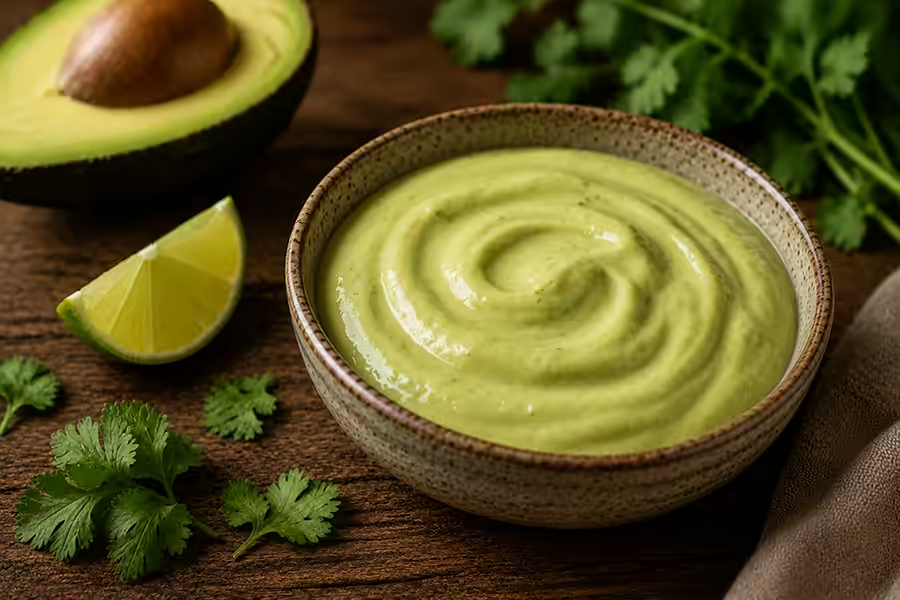
The freshest and lightest sauce on the list—somewhere between guacamole and a creamy dressing. It pairs well with grilled vegetables and light fish dishes when you don’t feel like anything heavy on a hot day.
Ingredients:
- ripe avocado — 1 piece
- lime juice — 1 tablespoon
- plain yogurt or sour cream — 2 tablespoons
- garlic — half a clove
- cilantro or parsley — 10 g
- salt — a pinch
Preparation:
- I peel the avocado and scoop the flesh into a bowl with a spoon.
- Mash with a fork or blend in a food processor until creamy.
- I add the lime juice right away so the avocado doesn’t turn brown.
- I mix in yogurt, garlic, and finely chopped herbs.
- I add salt to taste and stir.
This sauce is best prepared right before serving—avocado turns brown when exposed to air, even with lime juice, although the acid does slow down the process. If I prepare it a few hours in advance, I press plastic wrap directly against the surface of the sauce, without leaving an air gap—this significantly slows down oxidation.
Satsibeli Sauce—Inspiration
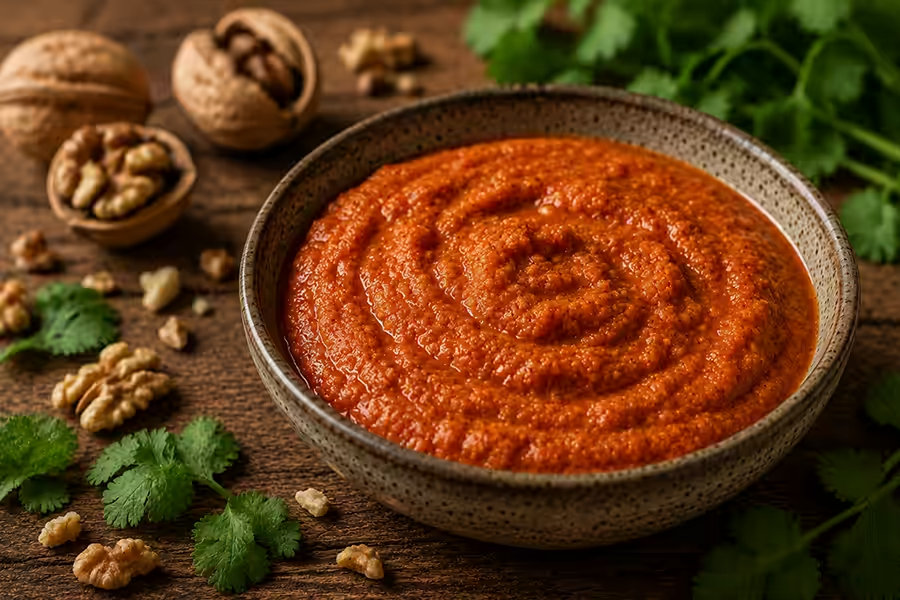
Georgian cuisine really knows its way around barbecue sauces, and satsibeli is one of the most striking examples. This isn’t an exact classic recipe, but rather a simplified homemade adaptation that’s easy to recreate with ingredients we have on hand, without the hard-to-find tkemali or khmeli-suneli in their original proportions.
Ingredients:
- ripe tomatoes — 4 medium ones
- garlic — 4 cloves
- fresh cilantro — 20 g
- walnuts — 30 g, chopped
- chili pepper — half a pod (optional)
- khmeli-suneli — half a teaspoon (if available)
- salt — to taste
- sugar — a pinch, if the tomatoes are a little sour
Preparation:
- I pour boiling water over the tomatoes, peel them, and cut them into pieces.
- I blend the garlic, cilantro, chili, and nuts in a blender until they form a paste.
- I add the tomatoes and blend again until smooth.
- I season it with khmeli-suneli, salt, and sugar if needed.
- Let it sit in the refrigerator for 20–30 minutes before serving.
Walnuts give the sauce a velvety thickness without any thickeners—that’s the main difference from regular tomato chili sauce. If you don’t have any walnuts on hand, the sauce will still turn out delicious, just a little thinner and not quite as rich in texture.
Homemade Tartar Sauce
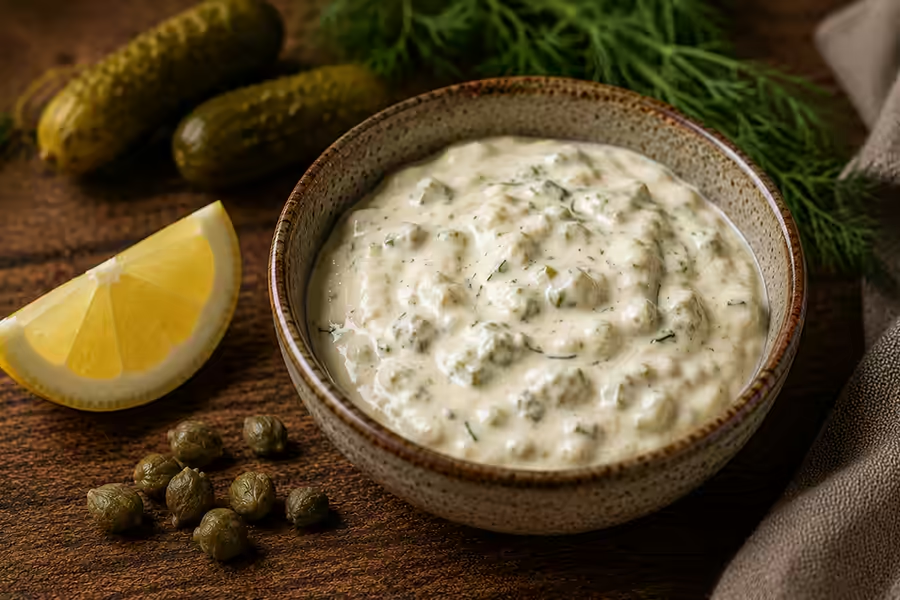
A classic European sauce that is unfairly rarely seen at Ukrainian barbecues, even though it pairs perfectly with grilled fish and squid, as well as with baked potatoes.
Ingredients:
- homemade mayonnaise or high-quality store-bought mayonnaise — 150 g
- pickled cucumber — 1 medium
- capers — 1 tablespoon (optional)
- red onion — 20 g
- parsley — 10 g
- lemon juice — 1 teaspoon
- mustard — half a teaspoon
Preparation:
- I finely chop the pickled cucumber, capers, onion, and parsley with a knife—there’s no need for a blender here; the texture of the small pieces is important.
- I mix the mayonnaise with the mustard in a bowl.
- I add all the chopped ingredients and stir them together.
- I add lemon juice, taste it, and add salt if needed.
- Let it cool for at least 15 minutes before serving.
This is one of the few sauces in this selection that uses mayonnaise as its base, so I recommend using a high-quality product or a homemade version made with fresh eggs. You can substitute the capers with pitted olives, finely chopped—it will give a slightly different but equally interesting twist.
Tools and utensils for making sauces
For most of the recipes above, you’ll need very little: a fine grater for garlic and ginger, a cutting board and knife for herbs, a few glass bowls, and jars with lids for storage. A blender—whether an immersion blender or a standard one—is needed only for sauces where a smooth, uniform texture is important: spicy tomato sauce, barbecue sauce, satsivi, and avocado sauce.
For chimichurri and green lime sauce, it’s absolutely essential to chop the herbs by hand rather than blend them in a blender or food processor — a blender turns the herbs into a mushy paste and strips the sauce of its texture, which is part of its character.
It’s convenient to store prepared sauces in small glass jars with wide mouths—this makes it easier to scoop them out with a spoon and wash them after use. Plastic containers work too, but glass is better at keeping odors neutral: garlic sauce that has sat in a plastic container can transfer its smell to the next dish you put in that container.
How to Choose a Sauce for a Specific Vegetable
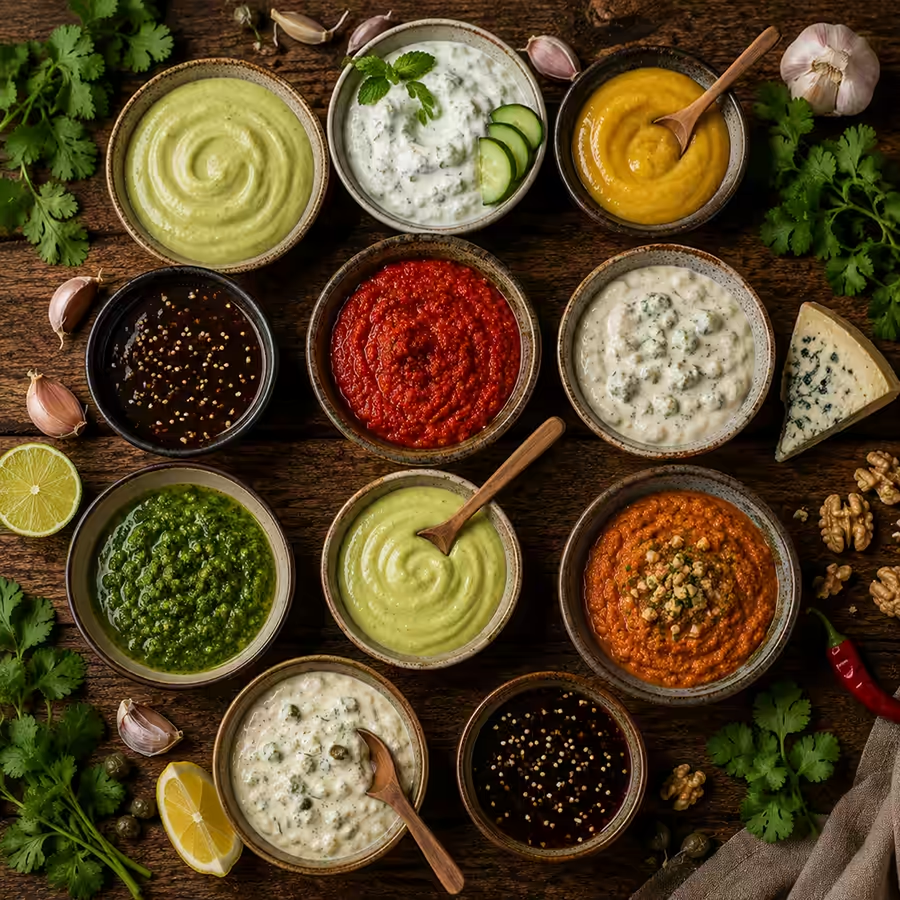
Grilled squash and zucchini have a delicate, almost neutral flavor, so they pair well with rich sauces—such as garlic butter, blue cheese, or honey-mustard—which add a pop of flavor to the dish.
Eggplants have a slight bitterness and firm flesh that absorbs sauce well, — chimichurri, soy-ginger sauce, or satsibeli, with pronounced sour or spicy notes, work wonderfully here.
Grilled bell peppers become sweeter and smokier—they pair well with a green sauce with lime or a yogurt sauce with cucumber, which balance the sweetness with freshness.
Grilled mushrooms have a rich, almost meaty flavor—a spicy tomato sauce or blue cheese sauce works well here, as they can hold their own against the intense flavor of the mushrooms themselves.
Grilled corn is traditionally served with creamy sauces—such as garlic or honey-mustard—which seep between the kernels and coat the cob evenly.
Tips and Common Mistakes
The most common mistake is to add salt to the sauce right away, before all the ingredients have blended together. The flavors of the garlic, acidity, and herbs develop gradually, so it’s best to taste the sauce again after 10–15 minutes and adjust the salt at the end.
Another common problem is that sauces made with yogurt or sour cream become too runny because of the water from the vegetables. Cucumbers, tomatoes, or any other juicy vegetables should be lightly squeezed before adding them.
The third mistake is preparing oil-based sauces too far in advance. Chimichurri or green lime sauce taste best within the first hour or two after preparation; after that, the oil begins to “overpower” the freshness of the herbs.
Tomato-based sauces, on the other hand, actually improve with time—barbecue sauce or spicy tomato sauce taste even better the next day, once the spices have had time to infuse the base.
The fourth mistake I often see, even among experienced cooks, is using cold ingredients straight from the refrigerator for emulsified sauces like honey-mustard. Cold oil and cold mustard don’t blend as well, and the sauce may separate. I let the ingredients sit at room temperature for about 10 minutes before mixing.
And fifth—don’t use too much garlic “just in case.” Fresh garlic, when raw, becomes sharper and more pungent over time, especially in fermented milk sauces. What seems well-balanced right after cooking can become too pungent after a couple of hours in the fridge. That’s why, in the recipes above, I intentionally use slightly smaller amounts of garlic than you might intuitively want to add.
Storage and Shelf Life
I store sauces made with sour cream or yogurt in the refrigerator for no longer than 2–3 days in a sealed glass container. Tomato-based sauces, such as barbecue sauce or spicy tomato sauce, last up to a week thanks to their acidity and heat treatment. It’s best to eat chimichurri and green lime sauce on the day they’re made or, at most, the next day—fresh herbs quickly lose their vibrant flavor. Avocado sauce is best prepared right before serving because it tends to turn brown.
For longer storage, tomato sauces can be frozen in small portions in containers or ice cube trays—they thaw without losing their flavor, and it’s convenient to take out exactly as much as you need at a time.
Thanks to the soy sauce acting as a preservative, soy-ginger sauce lasts longer than other light versions—up to a week in the refrigerator—although the ginger’s freshness does fade slightly over time.
An important safety tip: It’s best not to leave any sauces—especially fermented milk sauces—out at room temperature for more than two hours during a feast, especially in hot weather. If the meal runs late, I place the bowls of sauces in a bowl of ice.
Variations and Presentation
You can add variety to garlic butter sauce by mixing in grated Parmesan cheese or a little horseradish for a spicy kick. This barbecue sauce works well with a generous amount of smoked paprika if you want a more pronounced smoky flavor, or a splash of whiskey in place of some of the vinegar for a more adult-oriented crowd.
You can easily turn this yogurt and cucumber sauce into a sauce for roasted vegetables by adding cumin and a little olive oil in place of some of the yogurt—the result will be something like a lighter version of tahini dressing.
Chimichurri also works well as a marinade—if you set aside some of the sauce before it comes into contact with the meat, you can marinate a steak in it a few hours before cooking, and serve the rest as is.
You can thicken the soy-ginger sauce with a teaspoon of starch mixed with water, and simmer briefly—this creates a glaze for chicken wings or eggplant, which is brushed on a few minutes before they’re done grilling.
You can make satsibeli spicier by adding more fresh chili peppers, or, conversely, milder by omitting the peppers entirely and balancing the flavor with an extra spoonful of nuts. This sauce also works well as a base for a quick soup if you dilute it with broth, so leftovers from the grill don’t go to waste.
You can easily turn this homemade tartare into a Mediterranean-style seafood sauce by adding a little lemon zest and finely chopped dill instead of parsley. And if you omit the capers and cucumber, replacing them with finely chopped fresh shallots, you’ll end up with a simpler but equally effective option for those who don’t care for the pronounced tartness of pickled cucumbers.
It’s convenient to serve sauces in small bowls next to the dishes rather than pouring them directly over the food—that way, guests can mix and match several sauces to their liking, and no one gets tired of just one option. For a large gathering, a “sauce station” works well—three or four contrasting options: one sour milk-based, one tomato-based, one herb-based, and one spicy, to cater to guests’ various taste preferences.
Frequently Asked Questions
Which sauce goes best with grilled vegetables? Yogurt sauce with cucumber, garlic cream sauce, or avocado cream sauce—they’re light enough not to overpower the flavor of the vegetables themselves, while also adding moisture.
Is it possible to make sauces without mayonnaise for people on a diet? Yes, most of the recipes in this article are based on yogurt, sour cream, or tomato, so mayonnaise isn’t needed at all.
How long does homemade barbecue sauce last? In a sealed jar in the refrigerator, it will last up to a week. For longer storage, you can freeze it in small portions.
Why does chimichurri taste bitter after a few hours in the refrigerator? Garlic and herbs can develop a bitter aftertaste when left in contact with oil for too long. Prepare the chimichurri one or two hours before serving, but not earlier.
What can you use instead of vinegar in sauces if you don’t have any on hand? Lemon or lime juice is a good substitute in most recipes, although the flavor will be a little milder.
Can you prepare sauces in advance for a large dinner party? Tomato sauces, honey-mustard sauce, and soy-ginger sauce hold up well when made a day or two ahead of time. Yogurt, herb, and avocado sauces are best made on the day of the meal, at most a few hours before serving.
What can I use instead of walnuts in satsivi if I’m allergic to them? You can omit the nuts entirely—the sauce will be a little thinner and less velvety, but it will retain the basic flavor balance of tomatoes, garlic, and herbs. As an alternative, you can try cashews, soaked in water for an hour beforehand.
What sauce goes best with grilled fish and seafood? Homemade tartar sauce, green sauce with herbs and lime, or avocado cream sauce—all three are light enough not to overpower the delicate flavor of the fish, while still adding just the right amount of tang.