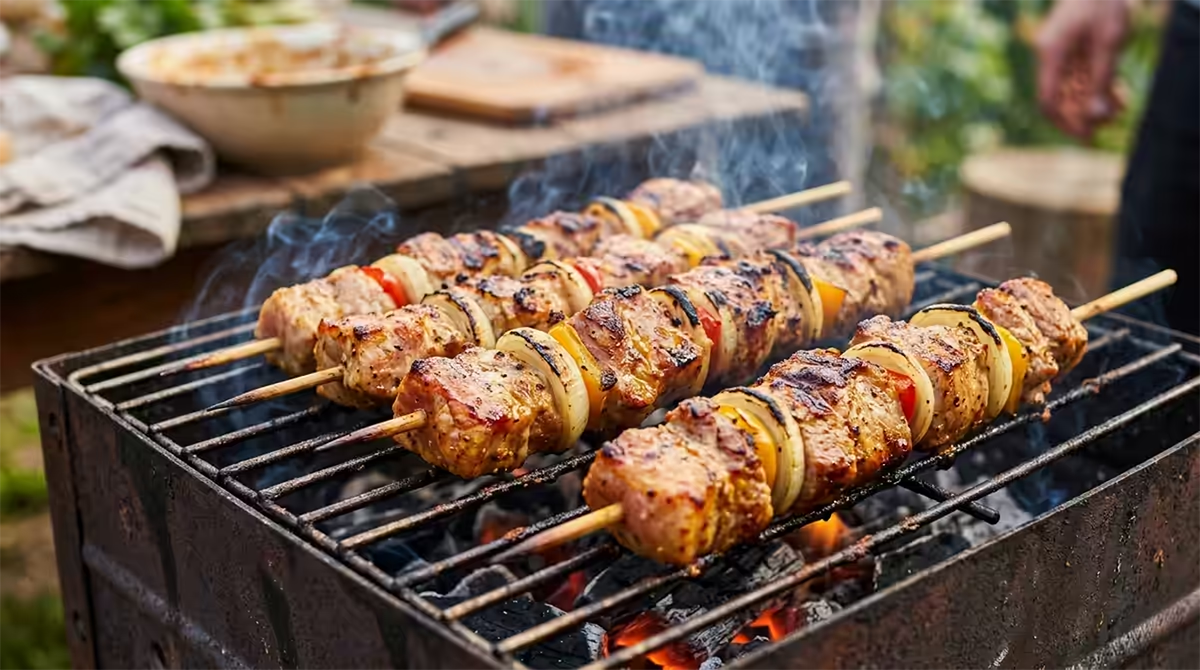
A good kebab doesn’t start on the grill, but the day before—in a bowl of marinade. It’s the marinade that determines whether the meat will be juicy and tender or turn into dry, charred bits that you have to wash down with half a bottle of water. I’ve put together seven tried-and-true recipes that I’ve tested on my own grill for more than one season: for pork, chicken, beef, and even for those who like to experiment with pomegranate and wine.
Content
Each recipe below isn’t just some theory from the internet—it’s something that actually works. I deliberately didn’t include marinades with Coca-Cola, mayonnaise, or a kilo of vinegar here: they either ruin the meat or mask its lack of freshness. Everything here has been tested by my own hands and stomach.
Why marinate meat at all?
A marinade does three things at once, and it’s important to understand each one so you don’t just wing it.
First, it tenderizes the meat fibers—either through acid (such as lemon, buttermilk, wine, or pomegranate juice) or natural enzymes (found in kiwi, pineapple, or even onions). The acid partially breaks down the connective tissue, making a tough piece of meat easier to chew.
Second, the marinade infuses the meat with flavor. Spices, onions, garlic, and salt gradually penetrate the meat, so the finished kebab tastes delicious not only on the outside but also deep inside. That is why thinly sliced meat marinates faster than large pieces—the surface area is larger.
Third, the marinade helps retain moisture during cooking. The oil in the marinade creates a film that slows down the evaporation of juices, so the meat doesn’t dry out over the heat. This is especially important for lean cuts of meat—such as chicken breast or beef.
It’s important to understand the balance. A mixture that’s too acidic or marinating for too long will “cook” the surface of the meat, making it tough and unappetizing. Protein denatures from acid just as it does from heat—only more slowly. That’s why in each recipe below, I provide an approximate time, and it’s best to stick to it rather than leaving the meat to marinate “just in case” for two days.
Another point that’s often overlooked: it’s best to salt the meat either along with the marinade a couple of hours before cooking, or right before grilling. If you salt it too early and leave it for a day, the salt will draw out the juices through osmosis, and the pieces will become drier. The exception is quick, short marinades, where the salt doesn’t have time to do any harm.
How to choose meat for marinating
A marinade won’t save bad meat, but good meat can get by with just salt and pepper. So let’s start with the basics—they’re the foundation on which everything else rests.
For pork kebabs, it’s best to use pork neck: it has even layers of fat that lock in the juices and prevent the meat from drying out. The loin, leg, and tenderloin are drier; they require a fattier or sour milk marinade, otherwise the result will be somewhat bland. The shoulder is also suitable, but it has more connective tissue, which should be trimmed.
Boneless chicken thighs are the most popular choice—they have enough fat, are forgiving of minor mistakes, and almost always turn out juicy. White breast fillets dry out quickly, so they need a delicate marinade with oil and a short cooking time. Wings are also great on the grill, especially in a mustard or honey marinade.
For shashlik, you should use beef from the tenderloin or the thick cut; otherwise, even the best marinade won’t make it tender. This meat is finicky: pick the wrong cut, and you’ll end up with something chewy that’s impossible to chew.
Lamb is typically taken from the loin, leg, or hind leg. It pairs well with onions, pomegranates, and cumin, but doesn’t go well with sour milk marinades.
Here’s a rough guide to how different cuts of meat pair with different types of marinades:
| Type of meat | The best part | What kind of marinade is best? | Estimated time |
|---|---|---|---|
| Pork | Neck | Onion, kefir, mineral water | 4–12 hours |
| Turkey | Boneless thighs | Kefir, lemon-oil, mustard | 2–4 years |
| Beef | Cutout, thick edge | Wine, pomegranate, onion | 6–12 hours |
| Lamb | Pork loin, pork leg | Onion, pomegranate | 4–8 hours |
The measurements below are based on approximately 1.5 kg of meat—a standard serving for a group of 4–5 people. Cut the meat into cubes about 4–5 cm in size: smaller pieces will dry out, while larger ones won’t cook through.
Recipe 1. Classic Onion Marinade
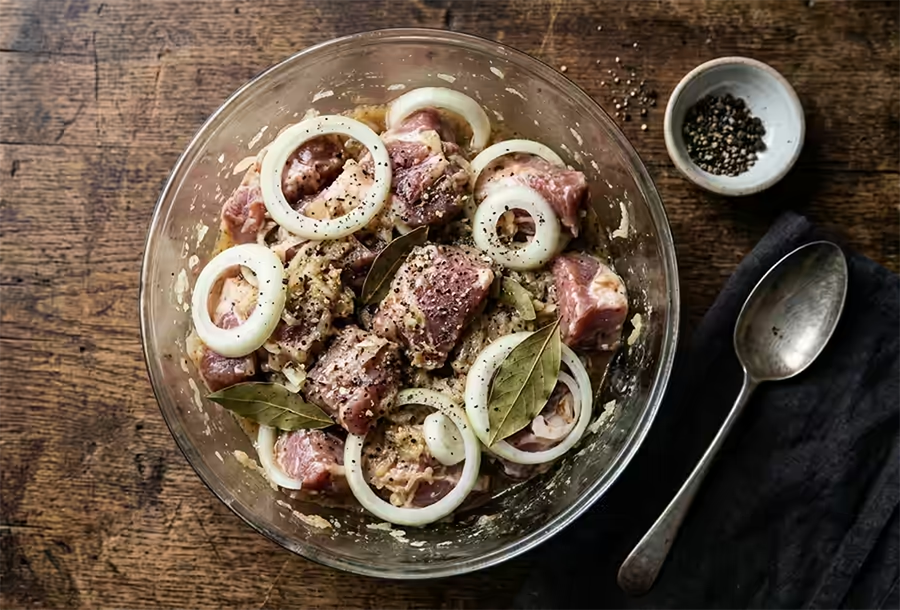
This is the oldest and most authentic marinade. No vinegar—just onion juice, which tenderizes the meat thanks to natural enzymes and gives it that classic “market” shashlik aroma we all miss in the winter. It works with almost anything: pork, lamb, beef.
Ingredients:
- onions — 700 g (about the same amount as half the meat)
- salt — 1.5 tsp
- freshly ground black pepper — 1 tsp
- bay leaves — 2–3
- sunflower or olive oil — 2 tbsp. (optional)
How to prepare:
- Grate half of the onion or blend it into a paste—it’s the juice that helps soften the onion, not the rings themselves.
- Cut the other half into thick rings; add them to the bowl with the meat to add flavor.
- Place the meat in a bowl, add the onion puree, onion rings, pepper, and bay leaf. Mix with your hands, working the mixture into each piece thoroughly so that the juices penetrate the meat.
- Add the oil—it will help the spices distribute evenly and retain their flavor.
- Cover and refrigerate for 6–10 hours. Add salt a couple of hours before cooking.
The onion mixture should completely coat each piece of meat. Before threading the meat onto the skewers, shake off or remove any excess onion with your hand; otherwise, it will burn and impart a bitter taste. If you want maximum flavor, thread some onion rings onto the skewers between the meat, but make sure they don’t char.
Recipe 2. Kefir Marinade
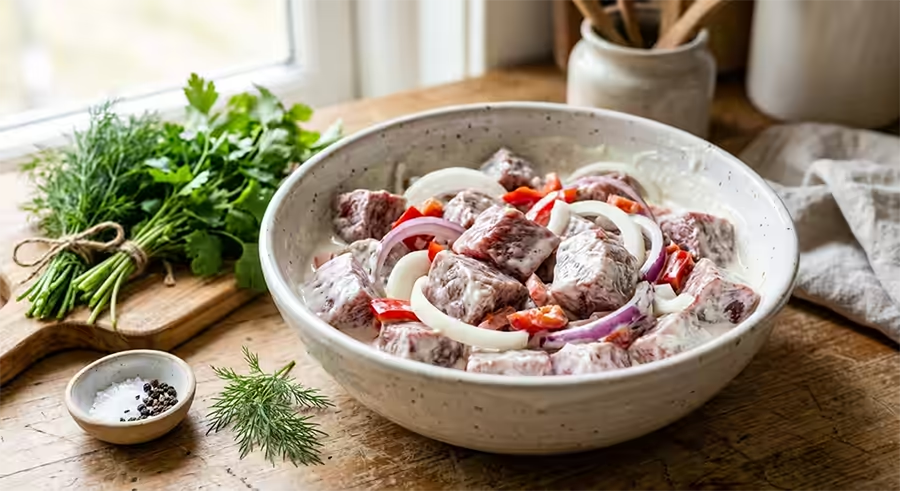
My go-to for pork and chicken. Kefir works gently: the lactic acid tenderizes the fibers without the risk of “overcooking” the surface, and the meat turns out tender, with a pleasant tang and an almost creamy flavor. This is one of the safest marinades—even if you leave it in for a few extra hours, nothing disastrous will happen.
Ingredients:
- Kefir 2.5–3.2% — 500 ml
- onions — 400 g
- salt — 1.5 tsp
- black pepper — 1 tsp
- sweet paprika — 1 tsp
- thyme or khmeli-suneli — 0.5 tsp (optional)
How to prepare:
- Slice the onion into half-rings and gently massage it with your hands along with a pinch of salt to release the juices.
- Place the meat in a bowl, add the onion and spices, and mix well.
- Pour in the kefir until it covers all the pieces.
- Cover and refrigerate for 4–8 hours. For chicken, 3–4 hours is sufficient.
It’s best to use kefir that isn’t too high in fat, otherwise the marinade will be too thick and the meat won’t brown properly. Full-fat kefir (6%) leaves a film on the surface that burns quickly and turns black before the meat has a chance to cook through. If you have some slightly sour kefir left over that you no longer want to drink, it’s perfect for a marinade—don’t throw it away.
Here’s an interesting tip: finely chopped fresh herbs—such as cilantro, mint, or basil—go well with the kefir marinade. They add that distinctive Caucasian flavor that’s hard to describe but easy to recognize.
Recipe 3. Marinade made with mineral water
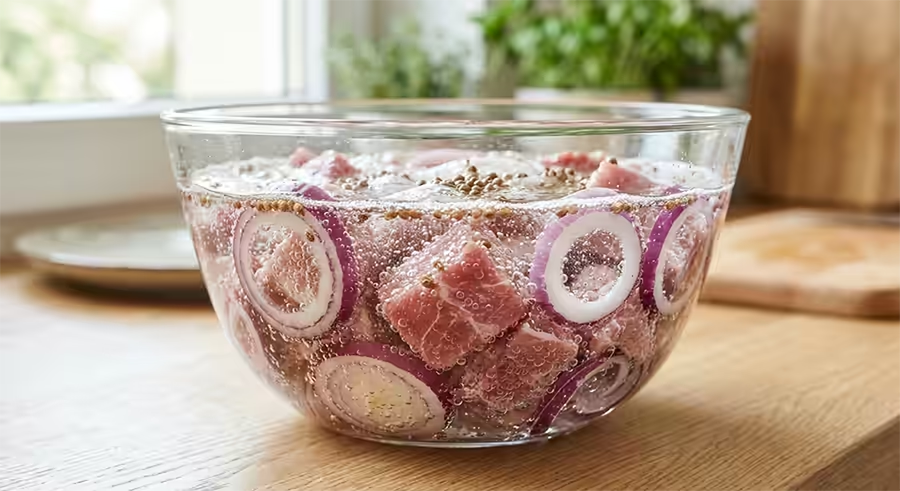
A quick option for those who decided to head out to the countryside in the morning and didn’t think to prepare the marinade the day before. Thanks to the carbon dioxide bubbles, sparkling mineral water loosens the fibers and helps the spices penetrate the meat in just 3–4 hours. Water itself has no flavor, so onions and spices are especially important here—don’t skimp on them.
Ingredients:
- sparkling mineral water — 500 ml
- onions — 500 g
- salt — 1.5 tsp
- black pepper — 1 tsp
- ground coriander — 0.5 tsp
- oil — 3 tbsp
How to prepare:
- Grate the onion or slice it into rings, then massage it with salt until juice is released.
- Mix the meat with the onion, bell pepper, cilantro, and oil, kneading it well.
- Pour in mineral water—make sure it’s cold and highly carbonated, and open it just before use, before the bubbles have escaped.
- Let it sit, covered, at room temperature for 2–3 hours or in the refrigerator for 4 hours.
Be sure to use table mineral water without a strong salty taste. Medicinal-table water with high mineral content, such as “Borjomi,” will give the dish a distinct metallic-salty aftertaste that not everyone will enjoy. If you want to enhance the flavor, add a couple of tablespoons of oil and a little lemon juice to the marinade—this is the quickest way to get a decent result when you’re short on time.
Recipe 4. Wine Marinade
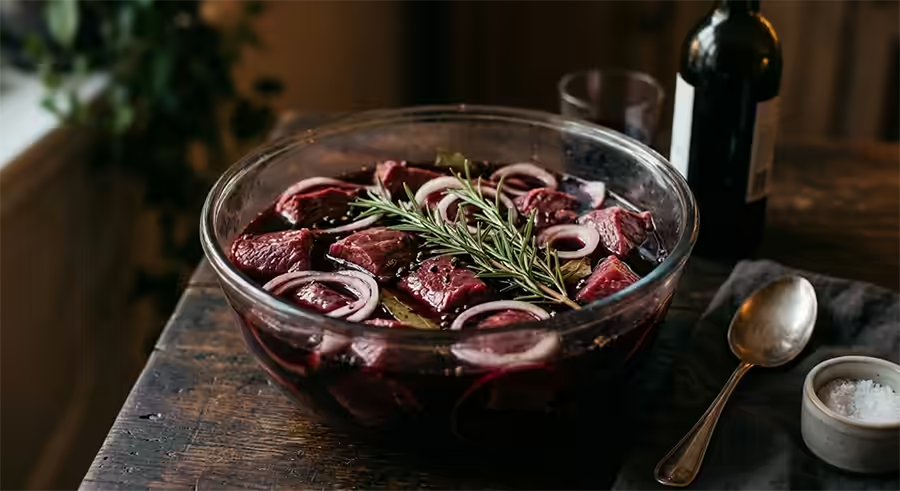
Dry red wine is a classic choice for beef and pork. It imparts a deep, rich flavor, a slight tartness, and a beautiful dark hue to the finished meat. This is a “special occasion” marinade for when you want something a little more festive than your everyday kebab and don’t mind pouring a glass of wine into the bowl.
Ingredients:
- dry red wine — 400 ml
- onions — 400 g
- salt — 1.5 tsp
- black pepper — 1 tsp
- rosemary — 1 sprig or 0.5 tsp dried
- oil — 2 tbsp.
How to prepare:
- Slice the onion into rings.
- Place the meat in a bowl with the onion, bell pepper, and rosemary.
- Pour in the wine and oil, then mix well with your hands.
- Let it marinate in the refrigerator for 6–10 hours.
For white meat (chicken), you can use dry white wine and add a little lemon zest—this will give the dish a lighter, fresher flavor. Fortified and sweet wines aren’t suitable for marinades: the sugar burns in the heat, the meat darkens prematurely, and it becomes bitter. You don’t have to use expensive wine—a regular dry table wine at a reasonable price will do, since all the subtle notes of an expensive wine will disappear on the coals anyway.
You can substitute thyme or bay leaves for the rosemary, and for a more “Georgian” flavor, add a pinch of zira and a few crushed juniper berries, if you can find them.
Recipe 5. Mustard Marinade
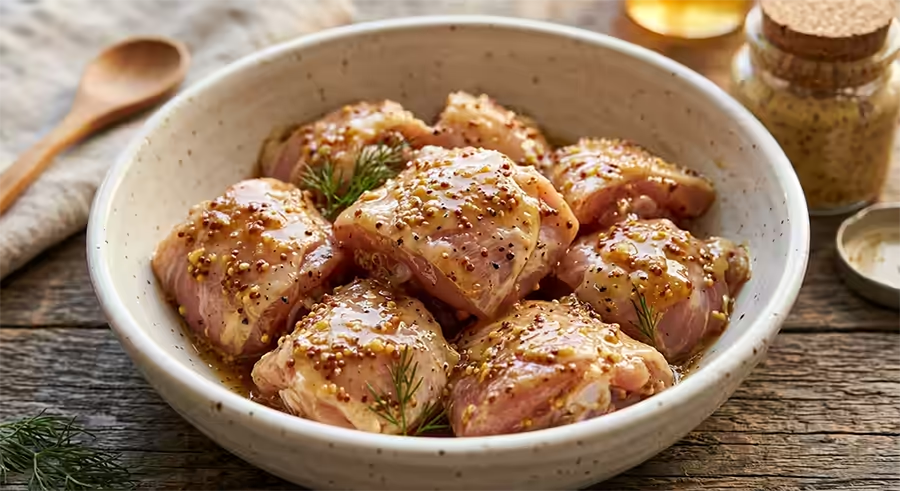
Mustard creates a thin “crust” on the surface of the meat, which seals in the juices and gives it an appetizing golden brown color. It works especially well with chicken and pork ribs. The finished kebab isn’t spicy—during grilling, the mustard’s sharpness almost completely disappears, leaving only a pleasant spicy note and a beautiful color.
Ingredients:
- Dijon mustard or regular table mustard — 4 tbsp.
- honey — 1 tbsp (optional, for a golden crust)
- onions — 300 g
- salt — 1.5 tsp
- black pepper — 1 tsp
- oil — 2 tbsp.
How to prepare:
- Mix the mustard, honey, oil, and pepper in a bowl until smooth.
- Grate the onion and add it to the mixture.
- Coat each piece of meat with this sauce, then toss to ensure everything is evenly coated.
- Marinate for 3–6 hours in the refrigerator. For smoked meat, 2–3 hours will suffice.
Honey is optional here, but it’s what gives the meat that appetizing sheen and subtle sweetness that contrasts beautifully with the spicy mustard. If you’re grilling over high heat, keep a closer eye on it—the honey glaze browns faster than usual, so hold the skewers a little higher over the coals.
You can mix regular table mustard with whole-grain Dijon mustard in equal parts—this will give the dish a deeper flavor, and the mustard seeds will look great on the finished meat. This marinade pairs well with paprika: a teaspoon of sweet paprika will add color and a mild smoky note.
Recipe 6. Pomegranate Marinade
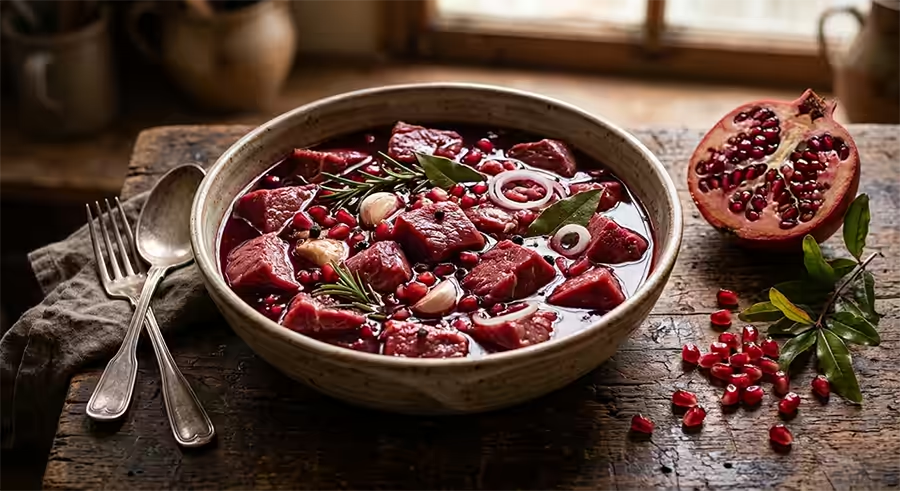
Pomegranate juice is all about its sweet-and-sour flavor and vibrant aroma. It pairs perfectly with lamb and beef, but it also works wonderfully with pork. The cooked meat takes on a beautiful dark ruby color, and the flavor becomes rich, with a pleasant fruity tartness that doesn’t sting the nose like vinegar.
Ingredients:
- 100% pomegranate juice (no added sugar) — 400 ml
- onions — 400 g
- salt — 1.5 tsp
- black pepper — 1 tsp
- cinnamon — 0.5 tsp (optional)
- oil — 2 tbsp.
How to prepare:
- Slice the onion into rings or grate it.
- Mix the meat with the onion, pepper, and cumin.
- Pour in the pomegranate juice and oil, then stir.
- Marinate for 6–10 hours in the refrigerator.
The key is to use real juice with no added sugar or artificial colors. Store-bought nectars labeled “pomegranate drink” won’t work: they contain too much sugar and not enough acid, so they won’t tenderize the meat, and the meat will start to burn faster. If possible, squeeze the juice from a few fresh pomegranates—this is the best option, though it is a bit of a hassle.
Narsharab—a thick pomegranate sauce—goes perfectly with this marinade; you can drizzle it over the cooked meat once it’s on the plate. That way, the pomegranate flavor comes through twice: in the meat itself and in the presentation.
Recipe 7. Lemon-oil marinade
The lightest and most delicate option, perfect for chicken breast and turkey. The oil locks in the moisture, the lemon adds freshness, and the herbs give it a fragrant, slightly Mediterranean flavor. This is the kind of kebab that feels “summery”—light and refreshing, without that heavy feeling that makes you want to lie down and never get up again.
Ingredients:
- juice from 2 lemons — about 80 ml
- olive oil — 100 ml
- garlic — 3–4 cloves
- salt — 1.5 tsp
- black pepper — 1 tsp
- dried herbs (oregano, thyme) — 1 tsp
How to prepare:
- Chop the garlic or press it through a garlic press.
- Combine the lemon juice, oil, garlic, pepper, and herbs in a bowl.
- Pour the liquid over the meat and stir to coat each piece.
- Marinate for 2–4 hours in the refrigerator. Don’t leave the chicken in the lemon for more than 5 hours—it will become tough and dry.
Citric acid is more potent than kefir, so be sure to keep a close eye on the timing. This marinade doesn’t like to sit for too long: if you leave the chicken in it overnight, instead of tender meat, you’ll end up with a sour, mushy mess with an unpleasant texture.
You can use lime instead of lemon—it will be even more fragrant—or add a little zest for a deeper citrus flavor. This marinade is also perfect for grilled vegetables and shrimp if you decide to mix things up a bit.
Tips and Common Mistakes
Over the years spent around the grill, I’ve picked up a bunch of little tips that really make all the difference. Each one seems obvious, but these are the ones people trip up on most often.
Do not marinate in aluminum containers. The acid reacts with the metal, giving the meat an unpleasant metallic aftertaste and causing the container to discolor. Use a glass, ceramic, or enamel bowl; as a last resort, use food-grade plastic or a plastic bag.
Don’t add too much vinegar. This is the most common mistake from our Soviet past, when vinegar was used to mask the taste of stale meat from the store. Vinegar only ruins high-quality meat, making it dry and tough. None of the seven recipes above contain vinegar—and this is a matter of principle, not a coincidence.
Take the meat out of the refrigerator ahead of time. It should come to room temperature 30–40 minutes before cooking; otherwise, it will burn on the outside while remaining raw and cold on the inside.
Don’t pack the pieces too tightly. Leave small gaps between them on the skewer—this way, the heat circulates evenly around each cube and the meat cooks thoroughly on all sides. Skewers packed too tightly cook unevenly.
Don’t pour the marinade onto the coals. If the flames flare up and start licking the meat, it’s better to spray it with water from a spray bottle or simply move the skewers to the other side. Marinade dripping onto an open flame produces smoke and a bitter taste.
Turn them frequently. Don’t wait until one side is completely charred black. Turn the skewers every 1–2 minutes for an even golden crust. The kebab is cooked over the heat of the coals, not over an open flame.
Check for doneness by making a small cut. Slice into the thickest part: the juices should be clear, with no pink color. This is especially important for pork and chicken, which must be cooked through completely.
How to prepare the charcoal and grill
The marinade is half the battle; the other half is getting the heat right. Even perfectly marinated meat can easily be ruined if cooked over the wrong heat.
The best option is natural charcoal made from hardwoods such as oak, hornbeam, or fruit trees. It provides an even, long-lasting heat and a pleasant aroma. Briquettes burn longer but take longer to light. Ready-to-use charcoal should be covered in gray ash and glow with an even orange heat without any flames.
You can check the temperature the old-fashioned way: hold your palm about 10 cm above the coals. If you can keep your hand there for 2–3 seconds, the heat is just right for grilling. If it’s less than a second—it’s too hot; let the coals burn down a bit. If it’s more than 5 seconds—the heat is too low; the meat will simmer instead of sizzling and will dry out.
Don’t start grilling while there’s an open flame. It will char the surface in seconds, leaving the inside raw. Wait until the wood has burned down completely and the heat is even.
Variations and presentation
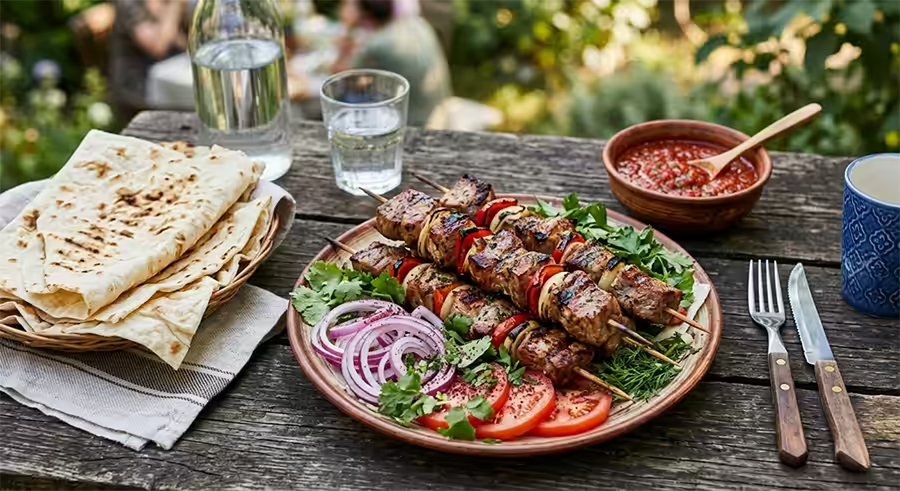
A finished kebab pairs best with simple sides that don’t steal the show. The most classic option is fresh onion, marinated in lemon juice or a mixture of vinegar and water for 15 minutes, plus tomato slices and a good bunch of fresh herbs. Add a pinch of salt, sugar, and paprika to the onions—this will remove any excess bitterness and make them pleasantly crisp.
When it comes to sauces, you can’t go wrong with tomato sauce (made with roasted tomatoes, garlic, and cilantro), garlic-sour cream sauce for chicken, or adjika for those who like it spicy. Pomegranate narsharab pairs especially well with meat marinated in pomegranate juice, bringing the flavor profile full circle.
Grilled vegetables are a treat in their own right and make a great side dish. While the meat is resting, place eggplant, bell peppers, mushrooms, and new potatoes—drizzled with oil and seasoned with salt—on the same skewers or grill rack. They’ll absorb the smoky aroma and take on the excess heat that would otherwise be lost.
And don’t forget about lavash or pita: they’re perfect for wrapping meat with onions and herbs, and lavash also soaks up the juices left behind after removing the meat from the skewers—not a single drop goes to waste. Before serving, you can place the thin lavash on the grill for a few seconds to warm it up and make it fragrant.
Let the cooked kebab rest for 5 minutes under foil or an inverted bowl before serving. During this time, the juices inside will redistribute, making the meat even juicier—the same trick that works for steaks.
Frequently Asked Questions
What’s the best marinade for juicy pork kebabs? For pork neck, the most reliable options are onion or kefir marinades. Onions provide a classic aroma, while kefir adds tenderness and a slight tang. Neither dries out the meat, even during long marinating times, and both are forgiving of minor mistakes.
Can you marinate kebabs with vinegar? You can, but you shouldn’t. Vinegar makes the meat dry and tough, and its sharp taste overpowers everything else. If the meat is fresh and high-quality, onions, kefir, wine, or pomegranate juice work much better.
How long should you marinate chicken for shashlik? Chicken thighs usually need 3–4 hours, while tender breast fillets need 2–4 hours. In acidic marinades, such as lemon, you shouldn’t leave the chicken in for more than 4–5 hours, as the meat will become mushy.
Should you salt the meat right away when marinating? If you’re marinating for a long time (more than 4–5 hours), it’s better to add the salt a couple of hours before cooking. Salting too early draws out the juices, and the meat ends up drier. In quick marinades, you can salt the meat right away.
What marinade should I use to marinate kebabs in 2–3 hours? The quickest options are a marinade made with highly carbonated mineral water, a mustard marinade, and a lemon-oil marinade. All three are able to tenderize the meat in a couple of hours, especially if it’s pork or chicken.
Can you marinate kebabs in a plastic bag instead of a bowl? Yes, a plastic bag is actually more convenient: the marinade coats the meat evenly, takes up less space in the fridge, and you can turn the contents over simply by flipping the bag. The main thing is to tie it tightly and place the bag on a plate just in case.