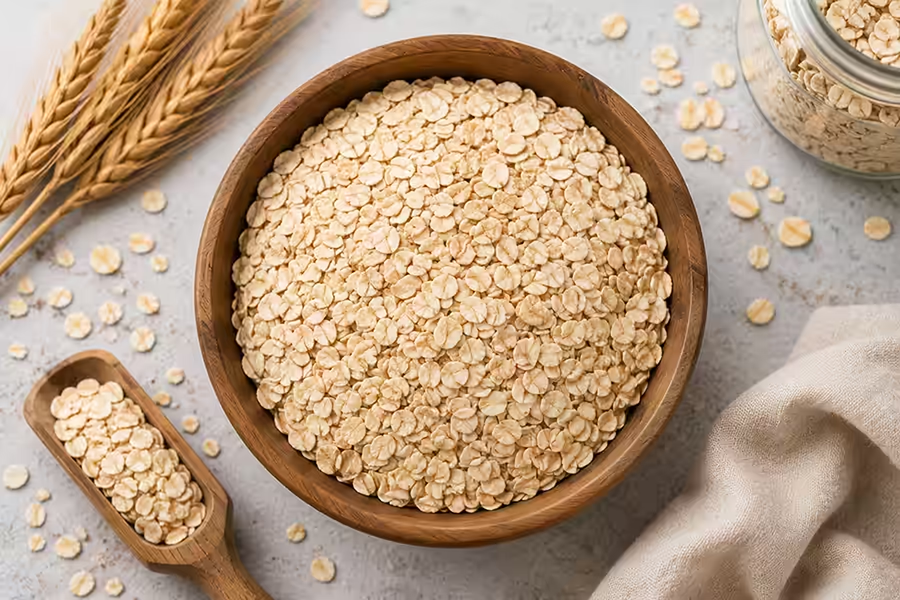
Oatmeal is that food everyone seems to know all about, yet there are plenty of myths surrounding it. Some say it’s the healthiest breakfast option, while others complain that they get hungry again soon after eating it. Some people have been eating it every morning for years and feel great, while others can’t bring themselves to eat even a few spoonfuls because “it’s just kindergarten porridge.”
Content
It’s true—oatmeal can be very different. It can be light, creamy, and flavorful, with berries, nuts, and cinnamon. Or it can be watery, gray, and completely tasteless. That’s why the question isn’t just whether oatmeal is healthy, but also what kind of oatmeal you eat, how you prepare it, and what you pair it with.
Many people start eating oatmeal every day when they want to lose weight, switch to a healthier diet, or simply improve their breakfast routine. It’s truly a good choice. But it’s important to understand that oatmeal isn’t a magic pill. It doesn’t “burn fat,” cure all illnesses, or replace a balanced diet. However, it can be a very convenient and healthy food to enjoy every day.
In this article, we’ll explain in simple terms what happens to your body if you eat oatmeal every day, who it’s especially good for, when it might not be the right choice, which kind is best to buy, and how to prepare it so you don’t get tired of it after three days.
Why is oatmeal so often called a healthy breakfast?
Oatmeal has become a symbol of a healthy breakfast for a reason. It contains what is often missing from modern diets: fiber, complex carbohydrates, plant-based protein, minerals, and a feeling of fullness.
Many people eat something quick in the morning: a sandwich, a cookie, a roll, sweet cereal, or just drink coffee. This kind of breakfast may provide energy for a short time, but often you feel hungry again after just an hour or two. The reason is simple: your body received fast-acting carbohydrates, your blood sugar spiked, then dropped quickly—and you felt hungry again.
Oatmeal is a bit different. It’s digested more slowly, so energy is released gradually. That’s why, after eating properly prepared oatmeal, many people find it easier to wait until lunchtime without constantly snacking.
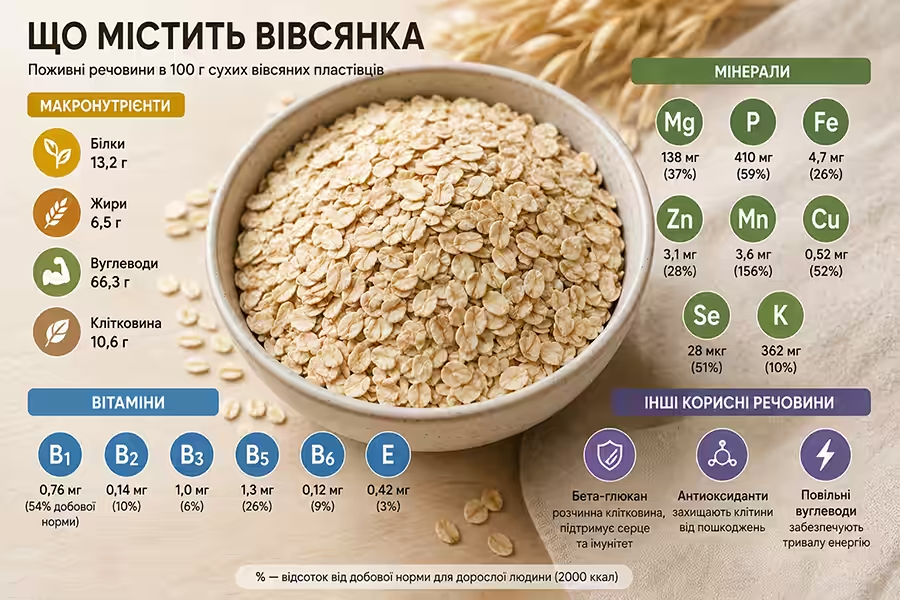
Oatmeal contains:
- complex carbohydrates;
- fiber;
- plant protein;
- magnesium;
- phosphorus;
- iron;
- zinc;
- B vitamins;
- antioxidants;
- beta-glucan.
Beta-glucan deserves a special mention. It is a specific type of soluble fiber that makes oatmeal so nutritious. It helps you feel full longer, supports healthy digestion, and can have a positive effect on cholesterol levels.
Simply put: oatmeal isn’t just “porridge.” It’s a food that fits perfectly into the diet of anyone who wants to eat heartily, affordably, and more balanced meals.
What happens to your body if you eat oatmeal every day
If you make oatmeal a regular part of your diet, the changes can be quite noticeable. Of course, don’t expect miracles after just one bowl. But if you eat it regularly for a few weeks, your body may respond very positively.
1. Digestion can improve
One of the most noticeable changes is in bowel function. Oatmeal contains fiber, and our digestive system needs fiber every day.
If your diet is low in vegetables, fruits, grains, and legumes, your digestive system often slows down. This can lead to constipation, a feeling of heaviness, bloating, and irregular bowel movements. Oatmeal helps make your diet easier on the digestive system.
It isn’t harsh on the stomach like some foods with very coarse fiber. On the contrary, properly cooked oatmeal has a smooth texture, soothes the stomach, and is often well tolerated even by people with sensitive digestion.
Warm oatmeal is especially good in the morning. It doesn’t upset the stomach, isn’t heavy on fat, and leaves you feeling satisfied. That’s why it’s often a favorite among people who find it hard to eat a heavy breakfast.
But there’s an important caveat. If you used to eat very little fiber and then suddenly started eating oatmeal every day, you might experience bloating at first. This doesn’t necessarily mean that oatmeal isn’t right for you. Often, your body just needs time to adjust. In that case, it’s best to start with a small portion and drink plenty of water.
2. Your cravings for snacks may decrease
Many people are familiar with this situation: you’ve had breakfast, but an hour later you’re already craving coffee and cookies. Then something sweet. Then, before lunch, you find yourself reaching for a sandwich or a chocolate bar.
Often, the problem isn’t “weak willpower,” but rather that breakfast wasn’t filling enough or consisted mainly of fast-acting carbohydrates.
Oatmeal helps you stay full longer. But it’s important that it’s not just a small bowl of plain oatmeal. If you eat two spoonfuls of oatmeal on its own, you’ll naturally get hungry again pretty quickly.
Oatmeal is most filling when it contains three ingredients:
- grains as a source of complex carbohydrates;
- protein;
- some healthy fats.
For example, oatmeal with Greek yogurt, berries, and nuts is much more filling than plain oatmeal made with water and sugar.
So if your goal is to snack less and avoid giving in to sweet cravings, pay attention not only to the porridge itself but also to the ingredients added to it.
3. Your energy levels throughout the day may become more stable
Oatmeal is often a favorite among those who have a busy day: work, school, workouts, and lots to do in the morning. The reason is simple—it provides energy, not all at once, but gradually.
A sweet breakfast may give you a quick burst of energy, but it’s often followed by drowsiness. This is usually less of an issue with oatmeal, especially if it’s prepared without a lot of sugar.
That’s exactly why a bowl of oatmeal in the morning can help:
- it’s better to concentrate;
- not to feel ravenous;
- avoid feeling sleepy after breakfast;
- It’s better to wait for lunch.
That doesn’t mean oatmeal will make you super productive on its own. But as part of a normal morning routine, it really does work well.
4. Oatmeal can help keep your heart healthy
One of the reasons why oatmeal is recommended for people of all ages is its beneficial effect on the cardiovascular system. Thanks to its beta-glucan content, it can help lower “bad” cholesterol levels.
Of course, if someone eats oatmeal for breakfast but spends the rest of the day eating fast food, processed meats, and sweets, they shouldn’t expect miracles. But if their overall diet is more or less balanced, oatmeal can be good for the heart and blood vessels.
This is especially true for people over the age of 35–40, when it’s time to pay closer attention to diet, blood pressure, cholesterol, and weight.
Oatmeal is a simple food that doesn’t require any complicated preparation, but it can become part of a healthy routine. Sometimes it’s the simple things that work best: not expensive supplements or trendy superfoods, but just plain old oatmeal, which you can buy at any store.
5. It may be easier to manage your weight
Oatmeal is often included in weight-loss diets. And that makes sense. It’s filling, affordable, pairs well with a variety of foods, and helps prevent overeating.
But it’s important to be honest here: oatmeal alone won’t make you lose weight. There is no food that burns fat on its own. Weight loss depends on your overall diet, calorie intake, exercise, sleep, stress, and many other factors.
But oatmeal can help you lose weight indirectly. For example, if you swap out sweet rolls, cookies, or sausage sandwiches for oatmeal with berries, yogurt, and nuts, your diet is already an improvement.
In addition, after a hearty breakfast, you’re less likely to overeat in the evening. For many people, this is exactly the problem: they eat almost nothing in the morning, get by on coffee during the day, and then eat everything in the house in the evening. Oatmeal can help make your day more balanced in terms of nutrition.
6. Your skin condition may improve
The link between diet and skin health is often underestimated. Of course, oatmeal isn’t a substitute for proper skincare, sleep, or medical treatment if you have serious skin issues. But diet still affects the appearance of your skin.
When your diet contains less sugar, more fiber, and provides a more consistent energy level, it can have a positive effect on your complexion. For some people, this leads to less oily skin, fewer breakouts, and a fresher-looking complexion.
This is especially noticeable if your breakfast used to be very sweet: sugary cereal, cookies, pastries, and chocolate bars. Replacing that kind of breakfast with oatmeal is already a big plus for your body.
7. Your diet becomes simpler and more convenient
There’s another advantage that people rarely mention: oatmeal is very convenient. You don’t always have time in the morning to prepare a complicated breakfast. But you can make oatmeal in 5–15 minutes or prepare it the night before.
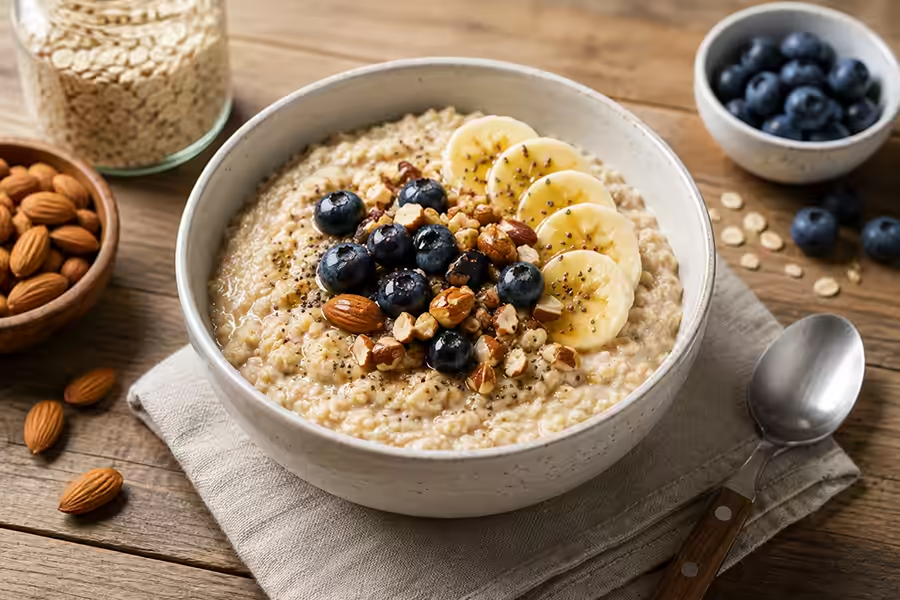
This is especially convenient for people who:
- get up early;
- work from home;
- bring their own food;
- want to worry less about breakfast;
- They don’t like complicated recipes in the morning.
When you have a box of oatmeal, milk or yogurt, an apple, a banana, and a handful of nuts at home, breakfast is almost ready. This helps you avoid skipping meals and buying random snacks on the go.
Is it okay to eat oatmeal every day?
Yes, most people can eat oatmeal every day. If you like it, it agrees with you, and you don’t make it too sweet, there’s nothing wrong with that.
But there’s one important rule: you can eat oatmeal every day, but you shouldn’t make your entire diet monotonous.
In other words, oatmeal for breakfast is fine. But if you have oatmeal every morning, rice for lunch, and pasta for dinner—without any vegetables, protein, or healthy fats—that’s not very balanced.
The body needs a variety of foods:
- vegetables;
- fruit;
- protein-rich foods;
- various grains;
- legumes;
- fish or other sources of healthy fats;
- fermented milk products or their alternatives.
Therefore, oatmeal can be part of your daily diet, but it shouldn’t be the only “healthy food” in it.
Which type of oatmeal is the healthiest?
When we say “oatmeal,” we often mean completely different products. There are whole-grain oats, there are slow-cooking oats, there are quick-cooking oats, and there are sweet oatmeal packets that just need to be poured over with boiling water.
And they each have different benefits.
Whole-grain oatmeal
This is one of the best options. It’s the least processed, contains more fiber, and takes longer to digest. This type of porridge usually takes longer to cook, but it’s also more filling.
If you want the healthiest option, choose whole-grain oats or coarse rolled oats, which take 10–20 minutes to cook.
Slow-cooking rolled oats
This is the most convenient option for most people. They cook faster than whole grains, but are still quite nutritious. These flakes are great for porridge, casseroles, instant oatmeal, homemade cookies, and pancakes.
If the package says that the cereal should be cooked for 10–15 minutes, that’s usually a good sign.
Instant oatmeal
It’s not poison, nor is it a “bad product,” but it has fewer health benefits. It’s more heavily processed, breaks down more quickly, and often raises blood sugar levels faster.
If you eat this kind of oatmeal once in a while, it’s no big deal. But for your daily breakfast, it’s better to choose less processed oats.
Sweet porridge in pouches
You should be careful with these. These cereals often contain a lot of sugar, flavorings, and additives. They taste good, but in terms of nutritional value, they’re closer to a dessert than a healthy breakfast.
If you’re in the mood for sweet oatmeal, it’s best to make it yourself: add an apple, a banana, berries, cinnamon, a little honey, or some nuts.
Why do you sometimes feel hungry soon after eating oatmeal?
This is a very common complaint. People say, “I eat oatmeal, but an hour later I’m hungry again.” And indeed, that does happen.
The most common causes:
- The portion was too small.
- There was no protein in the porridge.
- There was no fat.
- The oatmeal was quick to prepare.
- There was too much sugar.
- The porridge was made with water and had no additives.
For example, 30 grams of oatmeal cooked in water with a spoonful of sugar isn’t a very filling breakfast. But 50–60 grams of oatmeal, yogurt, berries, nuts, or an egg on the side is a whole different story.
So if oatmeal doesn’t fill you up, don’t be quick to give it up. Try changing the recipe.
How to cook oatmeal properly so that it’s healthy
The best oatmeal isn’t necessarily “just water and nothing else.” On the contrary, many people quickly get tired of that kind of porridge. For oatmeal to be truly healthy and delicious, it needs to be balanced.
Add protein
Protein makes breakfast more filling. Without it, oatmeal can leave you feeling hungry again in no time.
You can add the following to oatmeal:
- Greek yogurt;
- cottage cheese;
- the egg separately;
- milk;
- protein;
- seeds;
- nut butter.
For example, it tastes really good if you add a spoonful of thick yogurt and some berries to warm oatmeal. The porridge becomes creamy, smooth, and filling.
Include healthy fats
Fats are important, too. They help you stay full longer and add richness to the flavor.
The following are suitable:
- walnuts;
- almonds;
- funny
- flax seeds;
- chia seeds;
- pumpkin seeds;
- peanut butter.
The key is not to overdo it. Nuts are very healthy, but they’re high in calories. For a serving of oatmeal, a small handful or one teaspoon to one tablespoon of nut butter is enough.
Don’t add sugar to the porridge
The easiest way to ruin the health benefits of oatmeal is to add too much sugar.
If your porridge contains banana, honey, chocolate, syrup, and dried fruit all at once, it’s more of a dessert than a healthy breakfast.
It’s best to choose just one or two:
- apple and cinnamon;
- berries and a little honey;
- bananas and nuts;
- pear and vanilla;
- cocoa and peanut butter.
That way, it will be both tasty and more balanced.
Can you eat oatmeal to lose weight?
Yes, oatmeal is a good choice for weight loss if you prepare it correctly.
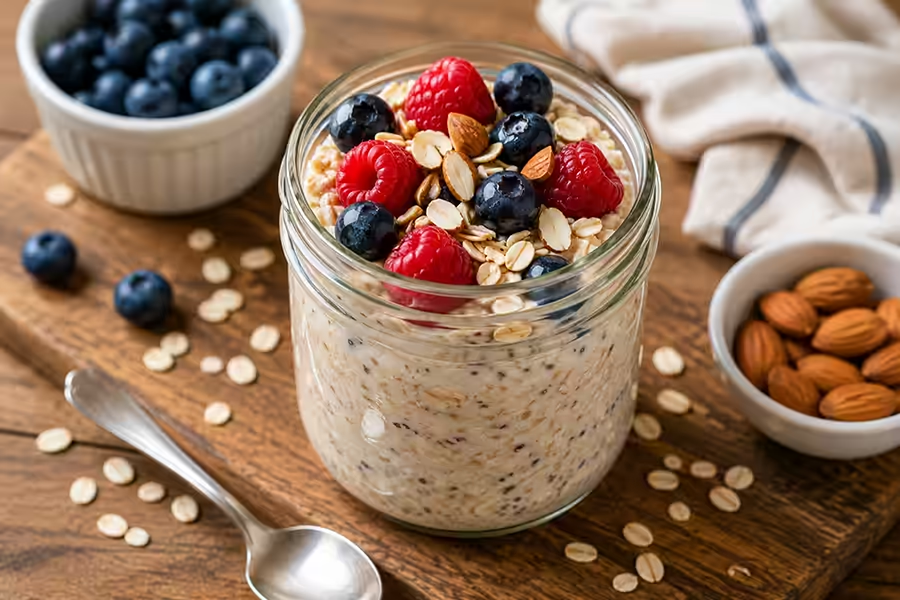
The best option for those who want to lose weight:
- long-cooking rolled oats;
- water or milk;
- berries;
- yogurt or cottage cheese;
- a few nuts or seeds;
- without a lot of honey or sugar.
This porridge is filling but not too high in calories. It helps you resist the urge to snack on sweets and keeps you from overeating before lunch.
On the other hand, “fitness oatmeal” with banana, honey, peanut butter, chocolate, and dried fruit can be very high in calories. It can also be healthy, but it’s not always the best choice for weight loss.
Can you eat oatmeal to gain weight?
Yes, and that’s a good option too. If someone needs to gain weight or increase their calorie intake, oatmeal is a great way to do it.
For a more filling version, you can add:
- milk;
- banana;
- peanut butter;
- honey;
- nuts;
- dried fruit;
- dark chocolate;
- seeds.
This porridge will be higher in calories, but also healthier than buns or sweets.
It is particularly well-suited for people who exercise and want a boost of energy before working out.
Oatmeal before and after a workout
Oatmeal is a great food for active people. It provides energy before a workout and can help you recover afterward if you add protein.
It’s best to eat it 1.5 to 2 hours before your workout to avoid feeling sluggish. Oatmeal with a banana or berries is a good choice.
After your workout, be sure to include some protein: yogurt, cottage cheese, eggs, or protein powder. This will make your breakfast or snack more nutritious.
Is it okay to eat oatmeal in the evening?
That’s right—you don’t have to eat oatmeal just for breakfast. It can also be a great option in the evening, especially if you’re in the mood for something warm, comforting, and not too heavy.
For example, warm oatmeal with milk and cinnamon can make for a nice, light dinner. It’s not as heavy as fried food, and it’s often quite filling.
But if you’re trying to lose weight or watching your calorie intake, keep an eye on your portion sizes and any added ingredients. A bowl of oatmeal for dinner with chocolate, honey, nuts, and a banana can easily turn into a very high-calorie meal.
Can children eat oatmeal every day?
Oatmeal can be a great breakfast for kids. It provides energy, is filling, easy to digest, and pairs well with fruit.
But just like adults, children shouldn’t have their porridge too sweet. If a child gets used to oatmeal always being served with lots of sugar, chocolate, or syrup, plain porridge will seem unappetizing to them later on.
It’s better to add natural sweetness:
- banana;
- apple;
- berries;
- a pear;
- a small amount of raisins;
- cinnamon.
You can also make oatmeal pancakes, cookies with less sugar, or baked oatmeal. That way, it’ll be more fun for your child.
Who should be careful with oatmeal
Despite its health benefits, oatmeal isn’t right for everyone.
People with the following conditions should exercise caution:
- celiac disease or gluten intolerance;
- severe intestinal sensitivity;
- exacerbation of digestive system disorders;
- individual intolerance to oats.
Oats themselves are not wheat, but they often contain traces of gluten due to the production and processing methods used. Therefore, people with celiac disease should choose special gluten-free oatmeal that is properly labeled.
Also, if you consistently experience bloating, pain, or discomfort after eating oatmeal, you shouldn’t ignore it. Perhaps a different type of grain or a smaller portion would be better for you.
Common mistakes with oatmeal
Mistake 1: Eating only oatmeal cooked in water
Sure, it might be low in calories, but it’s not always filling. If it doesn’t taste good and you get hungry quickly, a breakfast like that won’t keep you full for long.
It’s better to make the porridge more balanced: add some protein, berries, and a few nuts.
Mistake 2. Adding too much sugar
Honey, syrup, chocolate, jam, and dried fruit—they’re all delicious, but too much of them makes the porridge very sweet.
For your daily breakfast, it’s best to choose something that isn’t too sweet.
Mistake 3. Buying only instant cereals
They’re convenient, but not the best choice for your daily diet. If possible, it’s better to choose oats that need to be cooked for at least 10 minutes.
Mistake 4: Not changing up your recipes
Even the most delicious dish gets boring if you eat it the same way every day. Oatmeal is very versatile: today you can make it with an apple, tomorrow with berries, the day after tomorrow with cocoa, and then bake it in the oven.
Delicious Oatmeal Ideas for Every Day
Oatmeal with apple and cinnamon
This is a classic. Dice an apple, add it to the porridge while it’s cooking, and sprinkle with cinnamon. The result will be fragrant, sweet, and very homey.
Oatmeal with banana and nuts
A banana sweetens the porridge without sugar. Add some walnuts or peanut butter, and you’ll have a very filling breakfast.
Oatmeal with berries and yogurt
A great option for summer or for those who prefer lighter breakfasts. The berries add a touch of tartness, while the yogurt provides creaminess and protein.
Chocolate oatmeal without added sugar
Add a teaspoon of cocoa, half a banana, and some nuts to your porridge. It tastes like a dessert, but the ingredients are much healthier.
Lazy Oatmeal in a Jar
The night before, mix together rolled oats, yogurt or milk, berries, and chia seeds, then leave the mixture in the fridge. By morning, breakfast will be ready.
This is really convenient when you’re short on time in the morning.
Baked Oatmeal
This is a great option for anyone who’s tired of plain oatmeal. Mix together oats, an egg, milk, a banana or an apple, and a little cinnamon, then bake it in the oven. The result is something between oatmeal, a cake, and a casserole.
A simple, basic recipe for healthy oatmeal
Ingredients:
- 50 g of rolled oats;
- 200 ml of water or milk;
- a pinch of salt;
- half an apple or a handful of berries;
- 1 teaspoon of flaxseed or chia seeds;
- a few nuts;
- cinnamon to taste.
Preparation:
Pour the oats into a small saucepan, add water or milk, and add a pinch of salt. Cook over low heat, stirring occasionally, until the porridge is soft and creamy.
Then add the fruit, seeds, nuts, and cinnamon. If you prefer a sweeter taste, you can add a little honey, but it’s not necessary.
This is a simple recipe that’s easy to adapt to your taste. Today you can add an apple, tomorrow—berries, and the day after tomorrow—a banana and cocoa.
So what happens if you eat oatmeal every day?
In short, eating oatmeal regularly can offer many benefits. You may notice that your digestion has improved, your breakfast keeps you full longer, you crave sweets less, and your energy levels are more consistent throughout the day.
Oatmeal can be good for your heart, digestive system, weight management, and overall well-being. But its benefits really depend on the specifics.
It’s one thing to have oatmeal with yogurt, berries, nuts, and cinnamon. It’s quite another to have instant oatmeal from a packet loaded with sugar.
So the main rule is simple: choose good-quality cereal, don’t overdo it with sugar, and add protein and healthy fats to your porridge.
Then oatmeal won’t be just another boring “diet porridge,” but a truly delicious and healthy breakfast that’s easy to incorporate into your daily routine.
Conclusion
Oatmeal is one of those foods that needs no introduction. It’s simple, accessible, affordable, and incredibly versatile. You can prepare it in just a few minutes, take it with you to work, make it sweet or almost plain, cook it, bake it, or leave it in the fridge overnight.
If you eat oatmeal every day, your body can get more fiber, more sustained energy, greater satiety, and better digestive support. For many people, this is truly a good step toward a healthier diet.
But don’t think of oatmeal as a must-have for everyone. If you don’t like it or it doesn’t agree with you, there’s buckwheat, millet, bulgur, rice, quinoa, and other grains. Healthy eating shouldn’t feel like a punishment.
But if you love oatmeal or want to give it another try, try making it a new way. Add an apple with cinnamon, berries with yogurt, a banana with nuts, or make overnight oats. Maybe that’s how it’ll become your favorite breakfast.