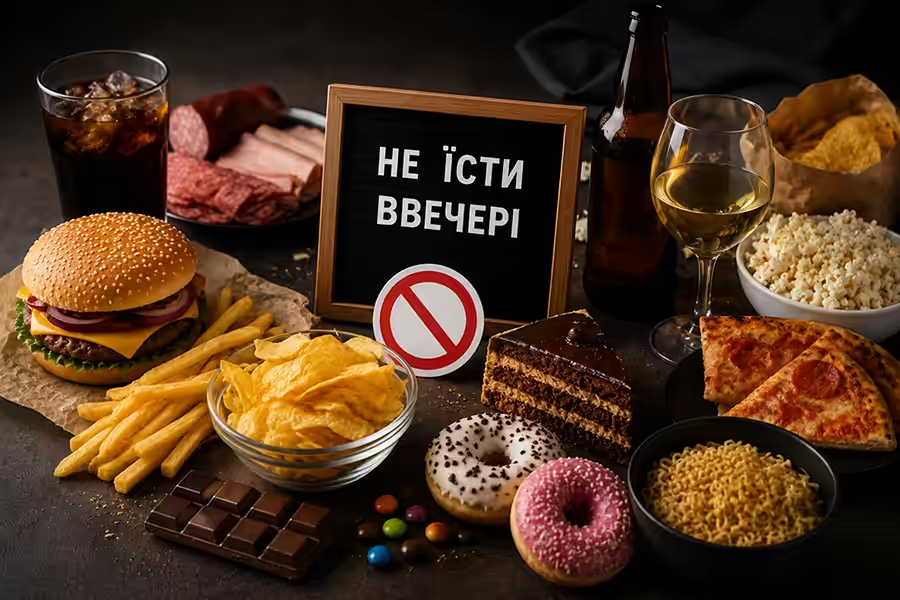
In the evening, many people automatically reach for something “tasty.” After work, you want to relax, watch a TV show, have a cup of tea, grab a quick bite, and not think about what you’re eating. It’s at this very moment that chips, sausage, sweets, fast food, or late-night snacks before bed often find their way into your diet.
Content
The problem is that the body functions a little differently in the evening than it does during the day. What is easily digested at lunchtime can cause stomach discomfort, bloating, poor sleep, or morning fatigue late at night. Many people don’t even associate their condition with dinner. People simply think they “didn’t get enough sleep,” even though the reason is sometimes as simple as eating before bed.
Another problem is that people tend to lose track of how much they eat in the evening. After a stressful day, the brain craves instant gratification, and the easiest way to get it is through fatty or sweet foods. That’s why evening snacks often end up being the most calorie-dense part of the day.
This doesn’t mean you can’t eat after 6 p.m. That’s an old myth that hasn’t held true for most people for a long time. If you go to bed at 11 p.m. or later, your body definitely needs a proper dinner. But it’s not just about when you eat—it’s also about what’s on your plate.
In this article, we’ll take a look at 7 foods you should avoid eating in the evening, why they can negatively affect your well-being, sleep, and digestion, and what you can substitute them with without feeling hungry.
Why does the body react differently to food in the evening?
Many people have noticed that after a light dinner, they feel light and refreshed in the morning, whereas after a heavy meal, they experience bloating, a dry mouth, or even a headache. This is no coincidence.
In the afternoon, we tend to be less active. The body gradually prepares for rest, and digestion isn’t as active as it is during the day. If you eat something very fatty, salty, or high in calories in the evening, your body has to work almost all night long.
This can lead to:
- heavy feeling in the stomach;
- heartburn;
- bloating;
- light sleep;
- nighttime thirst;
- morning swelling;
- feeling tired upon waking up.
This is especially noticeable in people who eat dinner late or have sedentary jobs. If you lie down on the couch or in bed right after eating, it becomes even harder for your body to digest a heavy meal.
Another important point is that evening cravings are often emotional rather than physical. We eat not because we’re hungry, but because we’re tired, stressed, or want to “reward” ourselves after a long day.
That’s exactly why evening snacks can so easily get out of hand.
1. Sausages, hot dogs, and smoked meats
Sausage is one of the most popular foods for dinner. It’s very easy to make a sandwich: a few slices of bread, some sausage, and cheese—and dinner is ready. But it’s exactly this kind of food that often causes bloating and water retention.
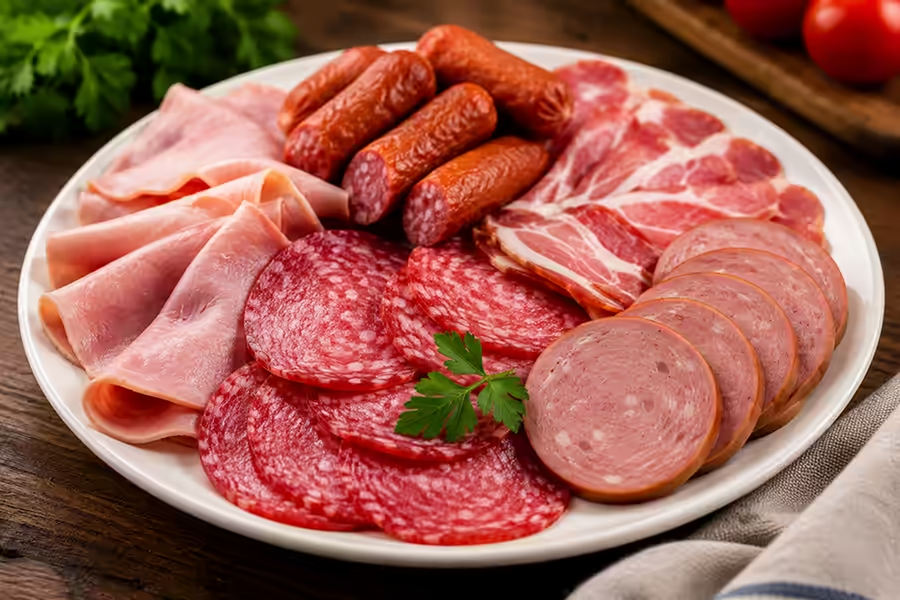
The main problem with processed meat isn’t just the fat content. Sausages and hot dogs usually contain a lot of:
- salt;
- saturated fats;
- flavor enhancers;
- preservatives;
- hidden calories.
Even just a few sandwiches can put a lot of strain on the body.
In addition, salty foods cause water retention. As a result, people often wake up in the morning with a puffy face or feeling very thirsty.
Another issue is that sausage is rarely eaten on its own. It is usually served with:
- white bread;
- mayonnaise;
- ketchup;
- processed cheese;
- snacks.
As a result, dinner ends up being very high in calories, even though it seems like just a “regular snack.”
The body has a particularly hard time digesting smoked foods before bedtime. Smoked foods can cause heartburn and stomach discomfort.
What is a better alternative?
A much better option:
- baked chicken breast;
- homemade boiled pork;
- boiled turkey;
- eggs;
- tuna;
- baked fish.
For example, a sandwich made with whole-grain bread, chicken, and vegetables will be much easier on the body.
2. Sweets and desserts
It’s in the evening that many people crave sweets the most. After dinner, it’s all about “just one cookie,” “a small slice of cake,” or “something to go with tea.”
The problem is that fast-acting carbohydrates before bedtime can have a significant impact on blood sugar levels.
At first, you feel a sense of satisfaction and a surge of energy. But then your blood sugar drops sharply—and before long, you feel hungry again.
As a result, an evening cup of tea with sweets often turns into a second meal.
The following are particularly difficult in the evening:
- cakes;
- cream desserts;
- chocolate bars;
- sweet pastries;
- doughnuts;
- milk chocolate;
- waffles;
- store-bought cookies.
These foods are high in both sugar and fat.
In addition, eating too many sweets in the evening can:
- impair sleep quality;
- cause nighttime hunger;
- lead to overeating;
- create a feeling of heaviness.
Many people have noticed that if they ate a lot of sweets in the evening, their appetite is stronger in the morning as well.
What to have instead of sweets in the evening
If you’re really craving dessert, it’s better to choose something simpler:
- plain yogurt;
- cheese with berries;
- banana;
- apple;
- a little dark chocolate;
- Baked apple with cinnamon.
Sometimes, a craving for sweets in the evening is simply due to fatigue or not eating enough during the day.
3. Fried foods
Fried potatoes, cutlets cooked in plenty of oil, fast food, or fried snacks—these are heavy foods for the evening.
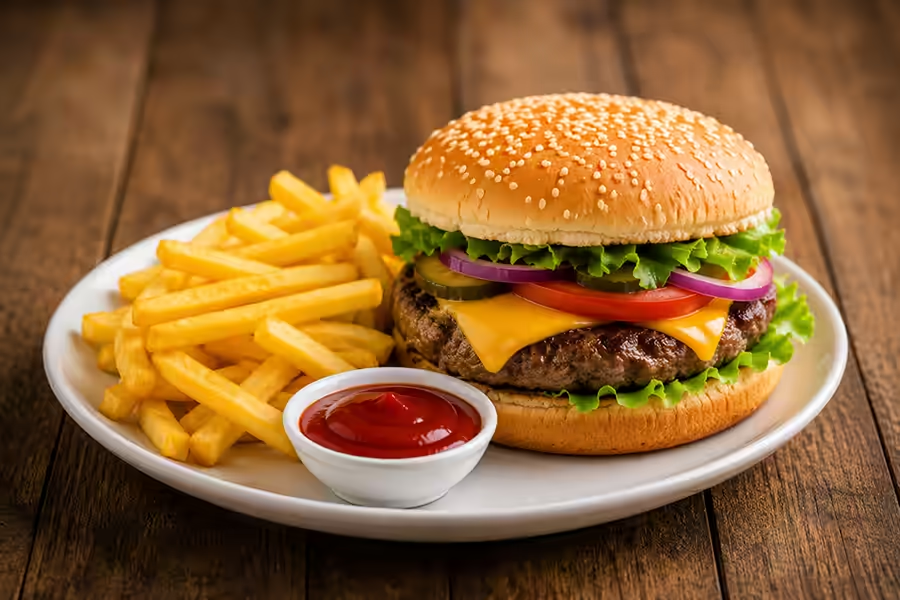
Fatty foods take longer to digest. As a result, the body continues to work actively even while you sleep.
The following symptoms are particularly common after eating fried foods:
- heartburn;
- heaviness;
- bloating;
- a feeling of a full stomach;
- a bad dream.
Many people find that after eating burgers or pizza in the evening, they feel thirsty all night long.
The problem is also that fried food is rarely “light.” It usually comes with:
- sauces;
- carbonated beverages;
- French fries;
- snacks.
As a result, the dinner ends up being very high in calories.
How to Make Dinner Easier
You don’t have to give up your favorite foods entirely. Sometimes all it takes is changing how you prepare them.
For example:
- bake instead of fry;
- use less oil;
- grill;
- add more vegetables.
Even ordinary potatoes can be quite different. Baked potatoes with herbs are not the same as french fries cooked in a lot of oil.
4. Potato chips and salty snacks
One bag of chips in the evening seems like no big deal. But it’s often these “little things” that cause problems.
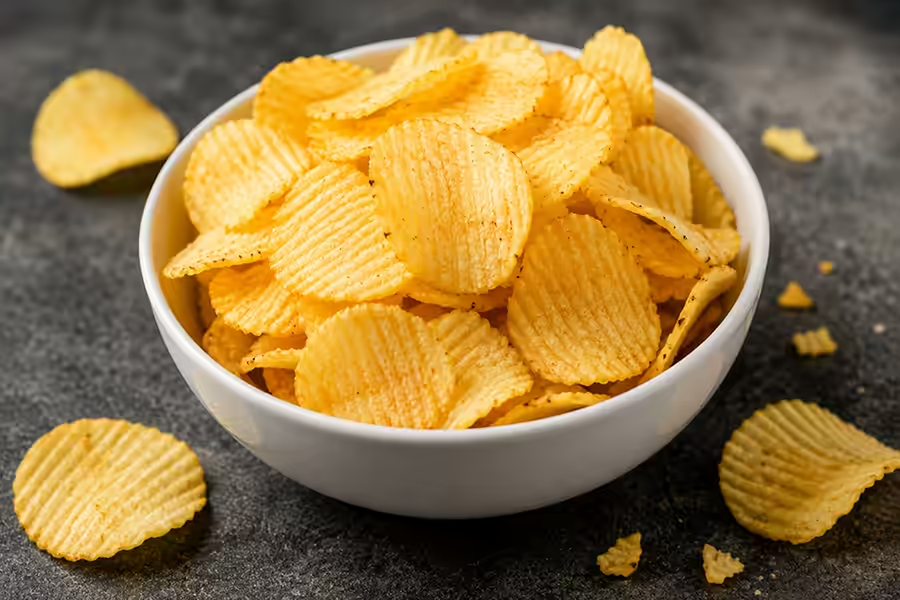
Potato chips contain a lot of:
- salt;
- fat;
- flavoring agents;
- flavor enhancers.
That’s why it’s easy to overeat them. You might not even realize you’ve eaten the whole bag.
Salt causes water retention, so after eating salty snacks, you often experience:
- swelling;
- severe thirst;
- heaviness;
- feeling tired in the morning.
It’s especially dangerous to snack while watching TV shows or using your phone. In this state, the brain has almost no control over how much you eat.
What to substitute for snacks
If you feel like munching on something:
- a small amount of nuts;
- carrots;
- cucumbers;
- homemade popcorn;
- humus;
- apples;
- yogurt.
Here’s a simple rule that works well: don’t eat snacks straight from the bag. When you transfer a portion to a plate, it’s much easier to control how much you eat.
5. Spicy food
Spicy foods have many fans, but they can cause problems in the evening.
Eating large amounts of peppers, hot sauces, or pickled foods can sometimes cause:
- heartburn;
- stomach irritation;
- discomfort;
- nighttime thirst;
- sleep disturbances.
This is especially noticeable in people with sensitive stomachs.
Eating very spicy food can also cause your body temperature to rise, which sometimes makes it difficult to fall asleep.
This doesn’t mean you have to give up spices entirely. But in the evening, it’s best to make your meals a little milder.
What can be used instead of hot sauces
For added flavor, you can add:
- greens;
- lemon juice;
- dried garlic;
- pepper;
- herbs;
- yogurt-based sauces.
The flavor will remain vibrant, but it will be easier on the stomach.
6. Coffee and energy drinks
Many people underestimate the effect of caffeine on sleep.
Even if you feel like you fall asleep just fine after drinking coffee, the quality of your sleep may still be lower.
Caffeine can:
- make it harder to fall asleep;
- make sleep shallow;
- increase the number of nighttime awakenings;
- hinder the body’s recovery.
This is especially noticeable after the power plants.
They often combine:
- caffeine;
- a large amount of sugar;
- stimulants.
As a result, the body remains in a “stressed” state for a long time.
What’s the best thing to drink in the evening?
Good options:
- herbal tea;
- chamomile tea;
- hot water;
- milk;
- cocoa without a lot of sugar.
Sometimes an evening craving for coffee is just a result of fatigue caused by a lack of sleep.
7. Alcohol
Alcohol often seems like a way to unwind after a hard day. But for the body, it’s an extra burden.
Many people think that alcohol helps them sleep better. In reality, it may help you fall asleep faster, but the quality of sleep itself often suffers.
Alcohol can:
- disrupt sleep cycles;
- cause nighttime awakenings;
- cause thirst;
- aggravate swelling;
- increase appetite.
In addition, alcohol is often accompanied by high-calorie snacks.
For example:
- pizza;
- snacks;
- potato chips;
- burgers;
- smoked meats.
As a result, the strain on the body becomes even greater.
What Makes a Good Dinner
A normal dinner isn’t just a “leaf of lettuce.” You should feel full, but not heavy.
A good evening meal usually includes:
- protein;
- vegetables;
- some complex carbohydrates;
- a moderate amount of fat.
For example:
- omelet with vegetables;
- fish with salad;
- buckwheat and chicken;
- cheese with berries;
- simmered vegetables;
- turkey;
- eggs.
These dishes are filling and don’t cause any major discomfort.
Is it okay to eat after 6:00 p.m.?
This is one of the most common myths about nutrition.
If you go to bed at 11:00 p.m. or later, not eating after 6:00 p.m. isn’t the best idea.
Prolonged starvation often results in:
- overeating;
- late-night snacks;
- a strong craving for sweets.
What’s far more important is:
- what exactly you eat;
- how big the portion is;
- How often do you overeat in the evening?
How many hours before bedtime is it best to have dinner?
Most people feel comfortable eating 2–3 hours before bedtime.
If you eat dinner right before going to bed, it’s harder for your body to digest the food.
This is especially noticeable after:
- fatty foods;
- large amounts of meat;
- fast food;
- desserts.
But you shouldn’t go to bed hungry either.
Who should pay special attention to their evening meals
People who fall into the following categories should pay particular attention to their evening meals:
- have stomach problems;
- suffer from heartburn;
- have trouble sleeping;
- have a sedentary job;
- want to manage their weight;
- are prone to swelling.
Even small changes in your evening meals can have a big impact on how you feel.
Common mistakes in the evening
Skipping dinner
A person goes hungry all evening and then overeats before bed.
A large serving for the evening
Even healthy food can cause a feeling of heaviness if eaten in very large quantities.
Snacks “on autopilot”
We often don’t pay attention to what we eat while watching TV or using our phones.
Not enough protein
As a result, hunger returns quickly.
Too much sugar
This could trigger new bouts of hunger.
What can you eat in the evening without putting too much strain on your body?
Here are a few good options:
- omelet;
- fish;
- turkey;
- secret
- vegetable salads;
- buckwheat;
- plain yogurt;
- simmered vegetables;
- berries;
- eggs.
The key is moderation.
FAQ — Frequently Asked Questions
Is it okay to eat fruit in the evening?
Yes. But it’s best not to overeat or make fruit your main dinner.
Is it true that dinner affects sleep?
Yes. Especially fatty, sweet, or very salty foods.
Is it okay to eat cottage cheese at night?
Yes, in moderation. Cheese is very filling.
What’s the worst thing to eat in the evening?
Fast food, chips, sausage, lots of sweets, and greasy fried foods.
Is it okay to drink tea before bed?
Yes, but preferably decaf.
Is it bad to eat late at night?
Not always. What matters more is the composition of the meal and the portion size.
Why do I crave sweets so much in the evening?
Often due to fatigue, stress, or a lack of proper meals during the day.
Conclusion
What you eat in the evening has a significant impact not only on your weight but also on your sleep, how you feel, and your energy levels in the morning. The biggest problems usually come from fatty, sugary, very salty, and highly processed foods.
Sausage, snacks, fast food, desserts, or alcohol may seem like “just a little something to eat,” but they are often the very things that cause bloating, swelling, and overeating.
That said, a good dinner doesn’t have to be austere or “diet-friendly.” It’s enough to make it simpler, lighter, and more balanced.
Sometimes even small changes—fewer snacks, more protein and vegetables—can help you sleep better and feel more energized in the morning.