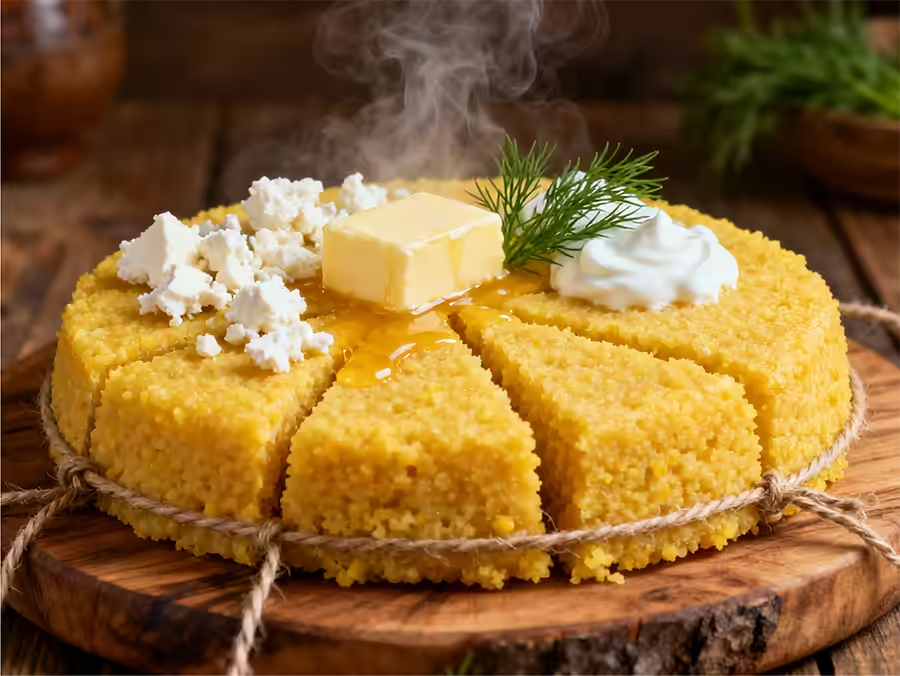
Mamaliga is more than just cornmeal porridge. It is a symbol of warmth, tradition, and home comfort, a dish that combines history, culture, and incredible taste. Today, mamaliga is gaining popularity not only in the Carpathians and Bessarabia, but is also becoming a fashionable dish in modern Ukrainian cuisine.
Content
What is mamaliga: history and popularity
Origin and historical roots
Mamaliga (other names — corn porridge, tokan, mamaliga) is an ancient dish made from corn grits, traditionally prepared in Moldova, Romania, Transcarpathia, Bukovina, and Odessa. With the arrival of corn in Europe in the 16th-17th centuries, mamaliga became one of the main components of folk cuisine, especially in mountainous regions.
For several centuries, mamaliga was the main source of nutrients for peasants and mountain dwellers. It was cheap, easy to prepare, filling, and stored well. Over time, the dish acquired symbolic meaning—it is the bread of the priest, his family shrine, a symbol of hospitality and warmth.
Cultural significance and traditions
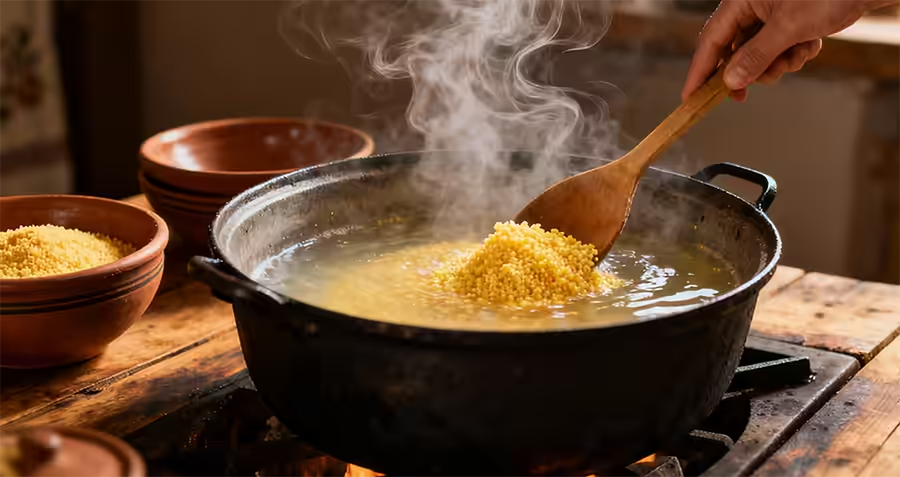
In the mountain villages of the Carpathians, mamaliga was the staple of the daily diet. Traditionally, it was cooked in large cast-iron cauldrons over a fire and placed on the table as the central dish around which the whole family gathered. These were times of unity, when stories were told, farm work was planned, and the harvest was celebrated around a hot bowl of mamaliga.
The current popularity of mamaliga is explained not only by nostalgia for authenticity, but also by its simplicity, health benefits, excellent taste, and versatility. Thanks to its composition, the dish is perfect for gluten-free or vegetarian diets and can be a nutritious breakfast, a hearty dinner, or even a festive dish.
The benefits of mamaliga: A comprehensive analysis
Nutritional composition
Corn grits are a source of B vitamins (especially B1, B2, and B5), magnesium, phosphorus, iron, selenium, zinc, manganese, and dietary fiber. Polenta is rich in antioxidants (lutein and zeaxanthin), gluten-free, easily digestible, provides a long-lasting feeling of fullness, and is suitable even for children and people with sensitive digestion.
Health and disease prevention
Regular consumption of mamaliga lowers cholesterol levels thanks to the presence of phytosterols, helps normalize blood pressure, and improves cardiovascular function. Dietary fiber in corn grits normalizes bowel function, promotes proper digestion, and prevents constipation. The magnesium in mamaliga helps relieve stress, normalizes sleep, and improves mood.
Mamaliga for different categories of people
For children: Gluten-free and easily digestible, mamaliga is ideal for introducing complementary foods. It does not cause allergic reactions and contains essential micronutrients for growth and development.
For athletes: Slow carbohydrates in the cereal provide a sustained supply of energy without sudden spikes in blood sugar.
For weight loss: Despite the strange claim, mamaliga can be useful for dieting. It is filling, keeps you feeling full longer, and has a medium glycemic index.
For seniors: Its easily digestible, soft consistency makes mamaliga ideal for people with dental or digestive problems.
Classic Mamaliga Recipe: Step-by-Step Guide
Ingredients for the classic version
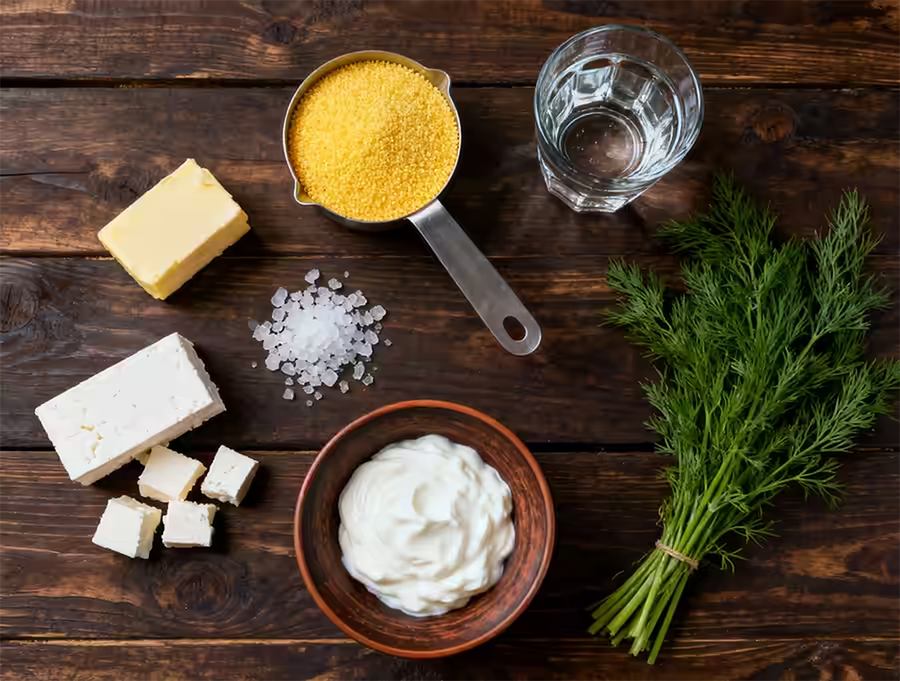
- Coarsely ground corn grits — 300 g (about 2 cups)
- Water — 1 liter (for thick polenta) or 1.4 liters (for a soft consistency)
- Salt — 1–1.5 teaspoons
- Butter — 30–40 g (optional)
- Brynza or feta cheese — 100–150 g (optional)
- Sour cream — 100 g (optional)
- Black pepper — to taste (optional)
Detailed step-by-step preparation
Step 1: Preparing the grains
Corn grits should be carefully sorted, paying attention to the presence of foreign objects, stones, or damaged grains. You can rinse them under cold running water in a sieve to remove dust and debris. Some chefs advise against doing this so as not to lose beneficial components, but rinsing ensures cleanliness.
Step 2: Preparing the water and salting
Bring water to a boil in a saucepan or pot. It is better to use thick-walled cookware (a pot or saucepan with a non-stick coating) — this way the heat is distributed evenly and the mamaliga does not stick. Add salt to the boiling water. The water should be well salted — corn absorbs salt, and without it, the dish will be bland.
Step 3: Pouring in the grains
This is a critical moment! Pour the groats into boiling water in a thin stream, stirring vigorously with a wooden spoon or spatula to prevent lumps from forming. If you pour all the groats in at once, they will definitely clump together. The pouring process should take 2-3 minutes.
Step 4: Cooking over high heat
Once all the cornmeal has been added, continue stirring vigorously over high heat. At this stage, the polenta will “boil” and “bubble” — this is normal. Stirring should prevent lumps from forming and burning on the bottom of the pot.
Step 5: Reduce heat to low
After 5-10 minutes, when the polenta becomes more homogeneous and fewer bubbles are visible, reduce the heat to a minimum. Cover the pot with a lid, leaving a small gap for steam to escape.
Step 6: Cooking under a lid
Cook the porridge on low heat for 25–35 minutes. The time depends on the size of the grains and the desired consistency. Stir periodically (about every 5 minutes) to ensure even cooking and prevent sticking.
Step 7: Testing readiness
To check if the mamaliga is ready, take a small spoon and place a small amount on a cold plate. If it hardens and retains its shape after a minute, it is ready. The grains should not “crunch” on your teeth.
Step 8: Finishing cooking and resting
When the mamaliga becomes thick enough, turn the heat to maximum and cover with a lid. Leave on very low heat or even move to the edge of the stove to cook for another 10–15 minutes. This will make the mamaliga more tender.
Step 9: Serving on a board
Carefully turn the finished mamaliga onto a wooden board or ceramic serving plate. The mamaliga should retain its shape.
Step 10: Cutting with thread
This is a real tradition that has practical significance! Take a whole thread. Pull it between two fingers and cut the mamaliga from bottom to top. The thread easily enters the soft mamaliga without damaging its structure. Cut next to each other to get portions.
Step 11: Adding butter and cheese
Place a piece of butter and grated brynza cheese on each serving. The heat from the mamaliga will melt the butter and soften the cheese.
Variations and modern interpretations of mamaliga
Polenta with cheese and egg
A generous layer of brynza cheese is added to the traditionally prepared dish, topped with a poached or fried egg. It is served hot with homemade sour cream and garlic greens. Some regions make a version with a straumpe egg (adding the egg directly to the hot mamaliga and stirring). With this combination, the egg white becomes hot and the yolk remains runny — an amazing combination of textures.
Polenta with meat and mushrooms
Classic mamaliga is prepared and served with thick beef goulash with onions, tomatoes, and red peppers, stewed for 1.5-2 hours. An alternative is stewed mushrooms with onions and garlic. Mushroom versions are especially popular in Transcarpathian restaurants.
Transcarpathian mamaliga-banosh
The traditional Hutsul version is based on corn grits, sour cream, and sheep’s cheese. The grits are not poured with water, but with a mixture of water and thick homemade sour cream (in a ratio of approximately 1:1) and cooked over low heat until a smooth, creamy consistency is achieved. Add sour cream at the end of cooking.
Polenta in the oven
Cut the boiled polenta into cubes, mix with grated cheese, and layer in a baking dish, alternating with additional cheese. Pour over the baked egg mixture (3-4 eggs per 1 liter of milk) and bake at 180°C for 25-30 minutes until golden brown. This dish is convenient to prepare for a large family or celebration.
Polenta made with plant-based or coconut milk
Vegan option: prepare mamaliga with plant-based milk (almond, oat, coconut) instead of water, or with a mixture of milk and water (50/50). Serve with roasted vegetables, hummus, tahini and garlic cream sauce, and tomato sauce.
Polenta with chicken and vegetables
Serve mamaliga with tender boiled or stewed chicken, various vegetables (carrots, onions, celery), seasoned with baked egg and cheese.
Polenta with tomato sauce
Prepare mamaliga as usual and serve with homemade tomato sauce, onion, garlic, olive oil, and fresh basil. Add dry hot oil for a slight sheen. Light, fresh, and perfect for summer dinners.
Polenta with seafood
Prepare mamaliga in fish broth and serve with shrimp or mussels simmered in white wine with garlic and herbs. A refreshing splash of lemon juice on top will add balance.
The finer points and life hacks of making mamaliga
Choosing corn grits
For authentic mamaliga, choose coarse-ground yellow cornmeal. Here are the selection criteria:
- Color: Bright yellow or golden, without gray or dark specks
- Grain size: Uniform, medium grains, free of dust
- Smell: Must have a faint corn smell, without mustiness
- Packaging: Preferably in airtight bags with no moisture
Grain that is too fine or soluble will result in an unstable consistency and will not hold its shape.
Proportions of water and cereal for different consistencies
- For thick polenta (classic serving): 1 part cornmeal to 3–3.5 parts water
- For soft, almost creamy polenta: 1 part cornmeal to 4 parts water
- For medium consistency: 1 to 3.2
A thread instead of a knife
To prevent the dish from sticking and to make it look nice, mamaliga should be cut with ordinary thread (preferably thin synthetic thread) — this is a real tradition! The stretched thread easily penetrates the soft mamaliga, making clean cuts. This also prevents damage to the structure.
Long mixing at the beginning
To avoid lumps and cook evenly, stir vigorously for the first 10 minutes of cooking. Vigorous stirring ensures that the grains absorb water evenly without forming hard lumps.
Butter and cheese to finish
Add at the very end of cooking or just before serving — this will give a richer, creamier taste and preserve the aroma. It also helps to achieve a creamy consistency.
Rest after cooking
Let the mamaliga stand under the lid on very low heat or even just covered for 10-15 minutes — the dish will become even more tender and homogeneous.
Using a cauldron
A cast iron pot distributes heat evenly, prevents burning, and ensures a better final consistency. If you don’t have a pot, use a thick-walled pan with a non-stick coating.
Leftover mamaliga
Leftover polenta can be cut into pieces, sprinkled with breadcrumbs, and fried in oil until golden brown; cut into layers, covered with eggs, and baked; used as a base for a casserole; reheated and turned into a new side dish.
What to serve mamaliga with: A collection of serving ideas
Classic companions for mamaliga
- Homemade brynza, feta, goat or sheep cheese — the most traditional combination
- Butter or sour cream — adds creaminess and richness to the flavor
- Braised mushrooms with onions — wild mushrooms have the best flavor
- Goulash, paprikash, beef stroganoff — meat sauces provide a hearty base
- Homemade sausages and roast meat are excellent sources of protein.
- Light vegetables: eggplant, zucchini, grilled peppers — for summer options
- Salads made from fresh or pickled vegetables — contrast with the warmth of mamaliga
- Salted herring or mackerel — a Carpathian tradition that gives food an original flavor
- Cold sauces based on yogurt or sour cream — with garlic, dill, parsley
Preparation of specific side dishes
Braised mushrooms (the most popular side dish):
- For 500 g of mushrooms, take 2 onions, 3 tablespoons of oil, 200 ml of sour cream.
- Chop the mushrooms, finely chop the onion
- Fry the onion for 5 minutes, add the mushrooms, and cook over high heat for 10 minutes.
- Add sour cream, salt, pepper, garlic, and cook for another 15-20 minutes.
- Serve hot
Beef goulash:
- For 1 kg of beef: 3 onions, 3 tablespoons of paprika, 2 tomatoes, 300 ml of broth
- Cut the beef into cubes and fry in fat.
- Add onion, paprika, tomatoes, and broth.
- Cook for 1.5-2 hours on low heat until tender.
Secrets of the unbeatable taste of mamaliga
- Use freshly ground corn grits: The dish will be more fragrant and flavorful. Old grits lose their aromatic components.
- Don’t skimp on salt: Corn absorbs it, but don’t overdo it. 1-1.5 teaspoons per liter of water is optimal.
- The water should be well salted: Salt should be added at the moment of maximum effectiveness — when the water is boiling.
- If you like a creamy texture: Add a spoonful of cream or full-fat sour cream (at least 20% fat) at the end.
- For a festive look: You can shape the mamaliga into a loaf, top it with cheese/butter, and serve it with greens and vegetables.
- Cook mamaliga over low heat, slowly, without rushing: the dish is worth it.
- Experiment with spices: Add nutmeg (a pinch), black pepper, maybe even paprika for other flavor nuances.
- Fresh herbs to finish: Before serving, season with fresh dill, parsley, or even lemon balm.
FAQ: Answers to the most common questions about mamaliga
How does mamaliga differ from regular corn porridge?
Mamaliga is made from coarser corn grits, has a thicker consistency, and is traditionally cut with a string. It is often served not just as porridge, but as a side dish or even a separate dish with the addition of cheese, butter, sour cream, meat sauces, or mushrooms. The heat and texture of mamaliga make it an independent dish, not just a side dish to meat.
Why is mamaliga cut with a string rather than a knife?
This is not just a tradition — it prevents the dish from sticking together, keeps its shape, and preserves its appetizing appearance. The thread gently enters the hot mamaliga without smearing it. A knife often smears and deforms the structure. This method really creates a more aesthetic result.
Can mamaliga be prepared with milk or vegetable broth?
Yes! Milk will make it creamier, half milk and half water will give you creaminess but preserve the traditional taste, and vegetable broth will add an interesting flavor and aroma. Modified vegetarian and vegan versions use plant-based (oat, almond) or coconut milk.
How long does ready-made mamaliga keep?
In the refrigerator — up to 48 hours, in an airtight container. In the freezer — up to 3 months. Before reuse, reheat on steam or in the microwave, you can add a little water or oil to restore the consistency. It is not recommended to reheat and cool repeatedly.
Is mamaliga suitable for children with allergies?
Yes, provided there is no allergy to corn. Mamaliga is gluten-free, easily digestible, and recommended for children from 6-7 months of age. Start with small portions. If your child is allergic to corn, this is one of the rare cases when the dish is not suitable.
Can you cook mamaliga in a multicooker?
Yes, but with caution. Select the “porridge” or “stew” function, and be sure to stir periodically (every 5-10 minutes) to prevent sticking to the sides. Monitor the consistency, as evaporation varies in a multicooker. In general, traditional cooking in a cauldron gives better results.
What kind of grain should you use for classic mamaliga?
It is preferable to use coarsely ground corn grits that are bright yellow and free of impurities. Check the packaging for the date of manufacture—fresh grits are always better. Some chefs recommend polysal grits, while others recommend extruded grits. Experiment and choose what your family likes best.
Can sugar be added to mamaliga?
Traditionally, mamaliga is a savory dish, but in some modified versions (especially as a dessert), sugar can be added. However, this is more common in other culinary traditions. If you want a sweet version, it is better to prepare a separate dish based on corn.
What is the optimal delivery temperature?
Mamaliga is served hot, at a temperature of 60-70°C. If it cools down, it will harden and lose its appetizing taste. When cold, it can be used as a base for fried mamaliga.
Is butter or cheese necessary for flavor?
Not necessary, but traditionally they add a distinctive flavor. Mamaliga on its own will be bland and tasteless. The minimum is salt and butter. The maximum is cheese, butter, sour cream, and a side dish.
How to properly store leftover mamaliga for the winter?
Place the chopped mamaliga in a container, cool, and put in the freezer. Before use, defrost on the refrigerator shelf or reheat on steam. Some recommend using an ice cube tray — portion and freeze separately for convenience.
Mistakes when cooking mamaliga and how to avoid them
Common mistakes and how to correct them
- If the grains are too fine, the dish will become watery and have a porridge-like, unsatisfying texture. Solution: Always choose coarse grind.
- Not enough time for cooking — the cereal will “squeak” on your teeth. Solution: Cook for at least 25-30 minutes.
- Too much liquid — the polenta does not hold its shape. Solution: Stick to a ratio of 1:3.5.
- Poorly mixed at the beginning — lumps form that cannot be broken up later. Solution: Stir vigorously for the first 10 minutes.
- Cooking on high heat the entire time — the mamaliga burns on the bottom, while the top remains raw. Solution: Switch to low heat after the first 10 minutes.
- If you add the groats too quickly, the dish will become crumbly and fall apart. Solution: Add the groats slowly, in a thin stream.
- Poor choice of cookware — a regular thin-walled pot does not distribute heat evenly. Solution: Use a cauldron or thick-walled pot.
Ideas for serving on a festive table
Presentation of mamaliga for guests
- Mini mamaliga skewers — cut into 5×3 cm pieces, pierce with a skewer, add a piece of cheese and vegetables. Original and convenient.
- Portion molds with baked mushrooms and brynza cheese — place mamaliga in round ceramic molds, add mushrooms and cheese, bake. Serve in molds.
- A unique type of “sandwich” — cut the mamaliga into slices, spread cheese and sour cream between the layers, and sprinkle with herbs.
- Canapés with polenta, brynza cheese, and tomato sauce — cut into cubes, place on a board, garnish with cheese, sauce, and greens.
- Serve hot mamaliga on a separate board with all the ingredients, allowing guests to combine them themselves.
- Fried mamaliga — cool, cut, fry until golden brown, serve hot.
Mamaliga in modern Ukrainian cuisine
The renaissance of a traditional dish
Today, mamaliga is making a comeback as an attribute of a healthy lifestyle: it is chosen for its benefits, simplicity, versatility, and authentic taste. The use of this dish on restaurant menus (especially in the Carpathians and on the Odessa coast) is a popular trend, and modern versions with spices, herbs, various cheeses, and vegetable side dishes are turning this traditional dish into a gastronomic must-have.
Mamaliga in restaurants and cafes
Many gastronomic establishments in Ukraine have included mamaliga on their menus as a status dish, experimenting with ingredients and presentation. From simple Carpathian snack bars to avant-garde restaurants in Kyiv, mamaliga is finding its place.
Homemade mamaliga vs restaurant version
Homemade mamaliga is valued for its authenticity and the love with which it is prepared. The restaurant version is often more refined, with unusual ingredients and creative presentation. Both have a right to exist and are valued by different audiences.
Tips for expanding your culinary repertoire with mamaliga
Experiments in the kitchen
- Specialized variations with spices — add kumai, cumin, and coriander for an oriental flavor.
- Meat versions — prepare mamaliga using animal broth (chicken or beef).
- Vegetable options — add finely chopped bell peppers and zucchini directly during cooking.
- Seafood — cook in fish broth, serve with shrimp or mussels.
- Vegetarian wonder combinations — nettle leaves, blueberries, beans.
Storage and reuse
- Store cooked mamaliga in an airtight container in the refrigerator.
- Can be frozen for 3 months
- Fry, bake, or repurpose leftovers into new dishes
- When defrosting, sprinkle with water or milk
Conclusions: Why you should prepare mamaliga
Mamaliga is an authentic, nutritious, budget-friendly dish that is easy to make even in your own kitchen. It can be adapted to suit your taste and needs, experimented with toppings and fillings, and used as a side dish, main course, or even part of a festive menu.
Try making mamaliga with your children, add your favorite cheese or vegetables, experiment with side dishes, and this dish, full of comfort and tradition, will surely become a favorite in your home!
Final tips for success
- Start with a classic recipe to understand the basics.
- Don’t be afraid to experiment with ingredients and side dishes
- Cook with pleasure — the taste depends on your attitude
- Share the recipe with your loved ones, preserve traditions