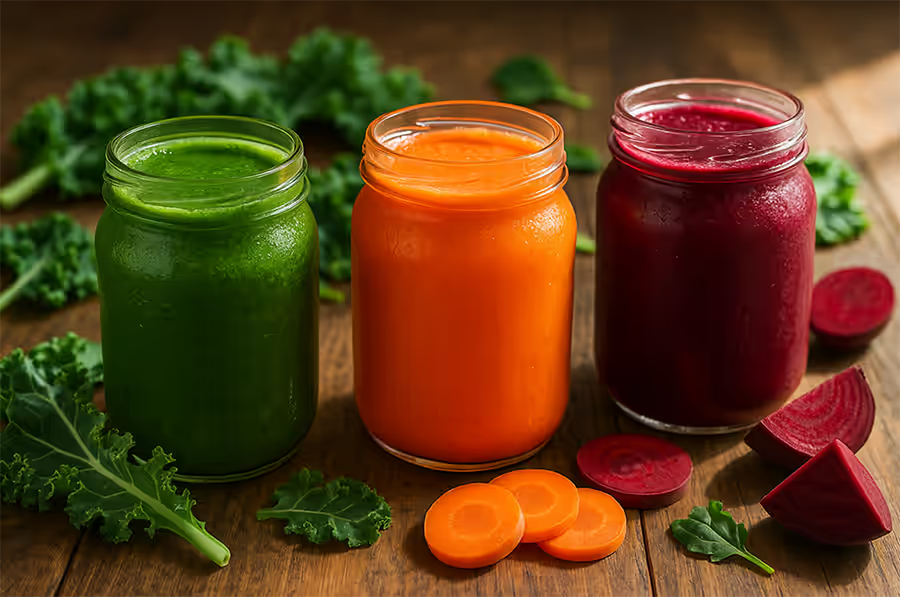
1. Introduction: Why are vegetable smoothies biohacking for modern people?
Content
In a world where chronic stress and time constraints have become the norm, our diet often boils down to fast carbs. A vegetable smoothie is not just a dietary trend, it is a biohacking tool. It is a way to “trick” the system: in 5 minutes, you consume the amount of nutrients that would take half an hour to chew in solid form (imagine a 400-gram bowl of salad for breakfast).
It’s not about losing weight for the sake of the number on the scale. It’s about cognitive clarity, stable energy without coffee “swings,” and the prevention of lifestyle diseases. A vegetable smoothie is your “insurance”: no matter what you eat during the day (pizza or a burger), you’ve already gotten your dose of micronutrients in the morning.
2. Science of Vegetable Smoothies: Bioavailability and Synergy
Understanding the chemistry of processes will help you prepare not just food, but medicine.
Mechanical pre-digestion
A blender does the work for your teeth. By breaking down the tough cell walls of plants (cellulose), it releases nutrients that would otherwise pass through the gastrointestinal tract. For example, the absorption of carotenoids from carrots increases significantly when they are pureed, compared to eating whole carrots.
The law of synergy: 1 + 1 = 3
Nutrients work as a team. If you simply mix vegetables with water, you will lose half of their benefits.
- Fat-soluble vitamins (A, D, E, K): Carrots, pumpkin, spinach, and kale are rich in vitamins A and K. They cannot be absorbed without fat. A carrot smoothie without oil or avocado is just tasty water with fiber.
- Iron + Vitamin C: Plant-based iron (from spinach) is poorly absorbed. But adding lemon juice or a slice of kiwi (vitamin C) converts the iron into a form that the body can easily “take in.”
- Curcumin + Piperine: If you add turmeric for its anti-inflammatory effect, be sure to add a pinch of black pepper. Piperine increases the bioavailability of curcumin by 2000%.
Vegetable Smoothies vs. Juices: Battle of the Titans
Juice is a concentrate of vitamins and sugar without any brakes (fiber). It instantly enters the bloodstream, providing energy but also triggering an insulin response. Vegetable smoothies contain fiber, which acts as a buffer. It slows down the absorption of sugars, nourishes the microbiome, and provides a long-lasting feeling of fullness. For a healthy person, vegetable smoothies are a daily food, while juice is a spot treatment.
3. In-depth analysis of benefits
Liver and detoxification
Bitter greens (arugula, dandelion) and cruciferous vegetables (broccoli, kale) contain sulforaphane and other compounds that stimulate the second phase of liver detoxification. This helps the body eliminate waste hormones (such as excess estrogen) and toxins from the environment.
The “Intestines-Skin” axis
Acne, eczema, and dull complexion often start in the gut. Vegetable smoothies work as a prebiotic. They feed beneficial bacteria (Lactobacillus, Bifidobacteria), reducing overall inflammation in the body. The results appear on the face after 2-3 weeks of regular consumption.
Mitochondria and energy
Green leaves are rich in magnesium, a key element for the production of ATP (energy molecules). Magnesium deficiency is a cause of chronic fatigue. Liquid magnesium with chlorophyll is absorbed faster than tablets.
4. Encyclopedia of Ingredients
Let’s take a closer look at building blocks.
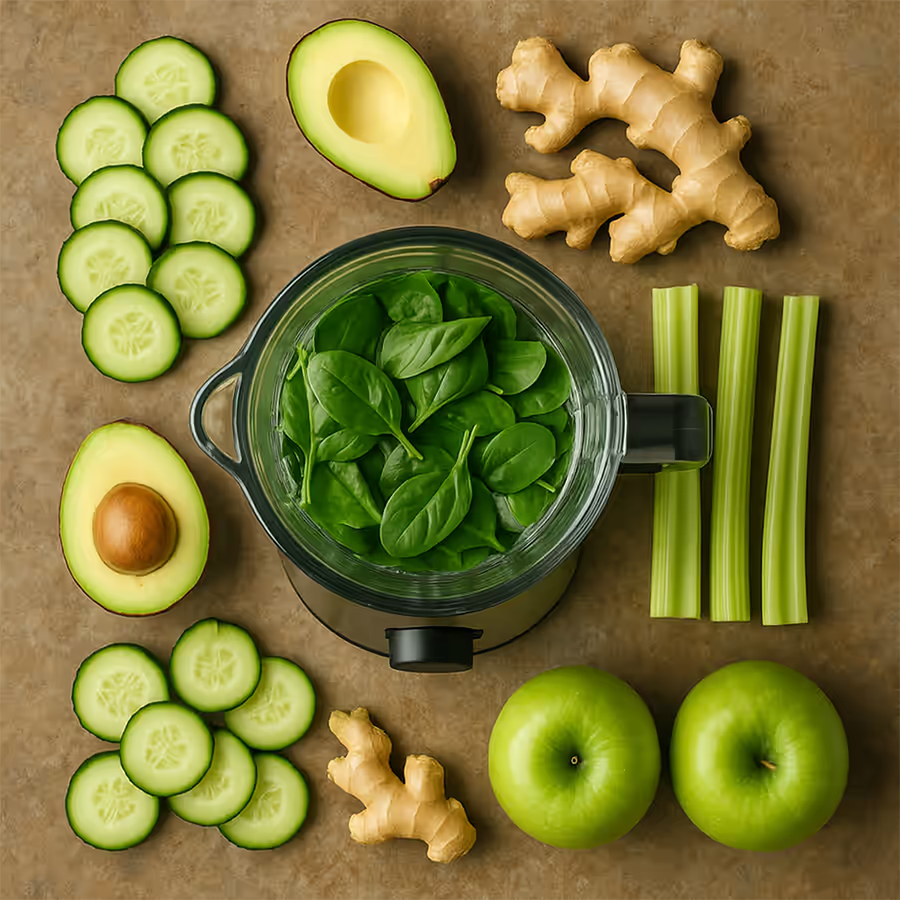
4.1. Green Guard (Foundation)
- Spinach: Neutral taste, easy to blend. Rich in iron and vitamin K. Caution: contains oxalates (not suitable for daily consumption by people with kidney stones).
- Kale (Tuscan cabbage): A nutrient champion. Tough, requires a powerful blender. Has a bitter taste. A source of calcium.
- Arugula: Peppery note, perfect for savory smoothies. Supports liver function.
- Parsley and cilantro: Powerful chelators — help remove heavy metals from the body. They have a specific taste, so add them carefully (one sprig at a time).
- Dandelion leaves: The best tonic for the gallbladder. Very bitter, mask with citrus fruits.
- Mint and Basil: Flavors that relieve nausea and bloating.
4.2. Vegetable base (“Body”)
- Cucumber: 95% water. Provides freshness and volume without calories. Ideal for hydration.
- Zucchini: Raw, it has no taste, but gives a fantastic creamy texture (if frozen in pieces). Hypoallergenic.
- Celery: A natural isotonic drink rich in organic sodium. Lowers blood pressure. Salty, tangy taste.
- Broccoli/Cauliflower: Use only the florets, preferably frozen or blanched (to avoid gas). Cauliflower makes the smoothie white and thick.
4.3. Root crops
- Beetroot: Increases endurance (nitric oxide dilates blood vessels). Its “earthy” taste is well masked by berries.
- Carrots: Sweet, rich in beta-carotene. Requires a powerful blender or grating.
- Ginger: Warms up, speeds up metabolism, kills pathogenic flora.
4.4. Fat activators (Mandatory element!)
- Avocado: The king of texture. Makes smoothies resemble yogurt.
- Flax/chia seeds: Source of omega-3. Flax seeds must be ground before adding, chia seeds can be added whole (they will swell).
- Nuts (walnuts, cashews, almonds): It is best to soak them overnight (“activate”) to remove phytic acid.
- MCT oil or coconut oil: Provides quick energy for the brain.
4.5. Liquid
- Water: Classic. Zero calories.
- Coconut water: Ideal after exercise (electrolytes).
- Plant-based milk: Almond, oat, coconut (adds fullness).
- Green tea/Matcha: Double dose of antioxidants. Cool before adding.
- Tomato juice/Vegetable broth: For savory soup bars.
5. Superfoods and enhancers
This is a “secret weapon” for advanced users.
- Spirulina/Chlorella: Algae with a high protein and iodine content. They have a distinctive taste (“fishy”), so add 0.5 tsp and mask with lemon.
- Peruvian maca: A root for hormone balance and libido. Has a caramel flavor.
- Psyllium (plantain husks): Super fiber for perfect bowel cleansing. Makes smoothies very thick (drink quickly!).
- Collagen: Protein for joints and skin elasticity. Tasteless, dissolves perfectly.
- Nutritional Yeast: Has a cheesy flavor. Ideal for savory smoothies (source of B vitamins).
6. Seasonal calendar for vegetable strips (Ukraine)
We are used to buying cucumbers in winter, but they are “plastic.” Nature gives us what we need at this particular season.
? Spring (Detox and Awakening)
Focus: Delicate young greens.
- What to drink: Spinach, wild garlic (be careful, it tastes like garlic!), young nettles (pour boiling water over them), radishes (including the tops!), sorrel.
- Idea: Cucumber, wild garlic, and kefir/ayran smoothie.
☀️ Summer (Hydration and sun protection)
Focus: Watery vegetables and berries.
- What to drink: Tomatoes, peppers, cucumbers, zucchini, parsley, basil, all kinds of berries.
- Idea: Refreshing gazpacho smoothie with ice.
? Autumn (Immunity and preparation for cold weather)
Focus: Orange vegetables and root vegetables.
- What to drink: Pumpkin (raw or baked), carrots, sea buckthorn, late apples, celery, beets.
- Idea: Pumpkin smoothie with cinnamon and almond milk (“liquid pie”).
❄️ Winter (Warmth and satiety)
Focus: Cabbage, root vegetables, citrus fruits, freezing.
- What to drink: Kale, red cabbage, ginger, frozen spinach/peas, avocado (imported), grapefruit.
- Idea: Warm (not hot!) smoothie made from beetroot, ginger, and cocoa.
7. Technical Guide: Biohacker’s Inventory
Vacuum blending — the future
The main enemy of smoothies is oxygen. When the blender is running at high speed, air is “beaten” into the mixture. This leads to the oxidation of polyphenols (the vegetable smoothie turns brown) and the loss of vitamin C.
- Vacuum blenders pump air out of the bowl before blending.
- Result: brightly colored strips that do not separate, retain 2-3 times more antioxidants, and can be stored in the refrigerator for up to 48 hours without losing quality.
Tips for a regular blender:
- Layering order: Liquid (bottom) -> Soft fruits/greens -> Hard vegetables -> Ice (top). This helps the blades create a vortex.
- Pulsing: If your blender is weak, start with the “Pulse” mode to break up large pieces.
- Do not overheat: Long whisking heats the mixture, killing enzymes. Add a couple of ice cubes to compensate for the motor heating.
8. Ayurveda and digestion: The problem of cold
According to Ayurveda, digestion is fire (Agni). Icy strips, especially in the morning in winter, “extinguish” this fire, leading to the formation of “ama” (toxins), bloating, and lethargy.
How to adapt vegetable smoothies for weak digestion:
- Temperature: Remove ingredients from the refrigerator 20 minutes before cooking. Use warm water (40°C).
- Spices that warm you up: Be sure to add a piece of fresh ginger, a pinch of cinnamon, cardamom, turmeric, or black pepper. They’ll balance out the cold nature of raw veggies.
- “Chew” your drink: Smoothies should be drunk slowly, mixing them with saliva (which contains enzymes for breaking down carbohydrates). Do not drink it through a straw straight down your throat.
9. Taste Designer: Balance of the 5 Elements
Why are smoothies delicious in restaurants but not at home? The secret lies in balance.
- Sweetener: Fruit, carrots, beets, coconut water. (Base).
- Sour: Lemon, lime, berries, apple cider vinegar. (Brightness). Be sure to add acid to earthy vegetables!
- Salty: A pinch of sea salt or celery. (Enhances sweetness).
- Bitter: Greens, grapefruit, cocoa. (Benefits).
- Umami (for vegetables): Tomatoes, sun-dried tomatoes, nori.
Example: Spinach smoothie (bitter) + banana (sweet) + lemon juice (sour) = Perfect balance.
10. Mega collection of recipes
All recipes are for 1 large serving (350-400 ml).
Group 1: Sweet (introduction to vegetable smoothies)
1. “Green Snickers” (Children’s favorite)
- 1 large handful of spinach
- 1 frozen banana
- 1 tablespoon peanut butter (or almond butter)
- 1 teaspoon cocoa powder (unsweetened)
- 200 ml oat milk
- Effect: The taste of dessert, the benefits of salad.
2. “Mint ice cream”
- 1/2 avocado
- 1 handful of spinach
- A few sprigs of fresh mint
- 1/2 frozen pear
- 1 drop of vanilla extract
- 200 ml of water
- Effect: Creamy, refreshing, soothes the stomach.
Group 2: Functional
3. “Anti-Age” (For skin)
- 1/2 long cucumber (with skin)
- 1 stalk of celery
- 1/2 cup pineapple (contains bromelain — anti-inflammatory)
- 1 teaspoon hemp or flax seeds
- 100 ml coconut water + 100 ml regular water
- Juice of 1/2 lime.
4. “Liver Rehab” (After the Party)
- 1 small beetroot (raw, grated)
- 1/2 grapefruit (peeled)
- 1 cm of fresh ginger
- 1 handful of arugula (bitterness for bile)
- 1 tablespoon lemon juice
- 200 ml of water.
5. “Iron Man” (After training)
- 2-3 broccoli florets
- 1 banana
- 1 scoop of protein powder (unflavored or vanilla)
- 1 handful of spinach
- 1 teaspoon spirulina
- 250 ml of almond milk.
Group 3: Savory — “Liquid salads”
This is top notch. Perfect for lunch.
6. “Mexican Fiesta”
- 1 tomato
- 1/2 red bell pepper
- 1/4 avocado
- A few sprigs of cilantro
- A pinch of cayenne pepper (spicy!)
- Lime juice
- 150 ml of water
- Serving: Garnish with pumpkin seeds.
7. “Cucumber Gazpacho”
- 2 cucumbers (peeled if bitter)
- 1 clove of garlic (small!)
- 1 tablespoon olive oil
- Dill
- 100 ml kefir or ayran (or plant-based yogurt)
- A pinch of salt.
8. “Golden Pumpkin” (Warm version)
- 150 g roasted pumpkin (puree)
- 1/2 teaspoon turmeric
- A pinch of black pepper
- 1 teaspoon grated ginger
- 1/2 carrot
- 200 ml warm water or coconut milk.
11. Mistakes that lead to weight gain
Why do some people gain weight on a diet?
- Fruit overdose: 3 oranges, 2 bananas, and a handful of dates in one glass — that’s about 60-80 g of sugar. It’s a bomb for the pancreas. Rule: Maximum 1-2 fruits per serving, the rest — vegetables.
- Calorie trap: Nut butter, seeds, avocado, coconut milk — these are very high in calories. A smoothie can easily “weigh” 800 calories. If it’s a snack, limit the fat. If it’s breakfast, that’s okay.
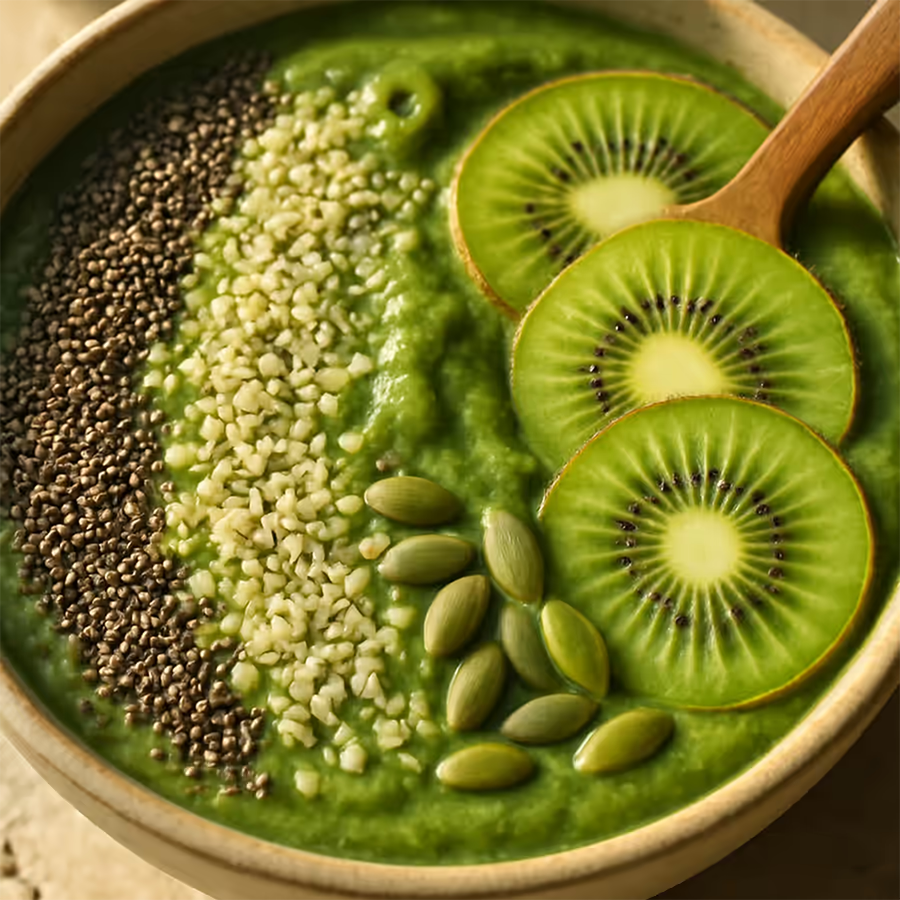
- Drinking instead of eating: The brain does not “count” liquid calories. You drink 500 calories and an hour later you want to eat. Solution: Make a thick smoothie bowl and eat it with a spoon, or add protein for satiety.
12. Logistics and economy
Healthy eating can be expensive if you don’t plan ahead.
- The “Unliquid” Rule: Vegetable strips are an ideal way to salvage limp carrots, browned bananas, or wilting greens.
- Meal Prep: On Sunday, cut vegetables and fruits into 7 bags. Divide them into zip-lock bags: “Green Bag,” “Red Bag.” Put them in the freezer. In the morning, preparation will take 60 seconds: take out the bag -> pour into a blender -> add water -> blend.
- Seasonal shopping: In summer, buy cheap berries, peppers, spinach, and tomatoes by the box and freeze them in portions. In winter, this will save you thousands of hryvnia.
13. FAQ 2.0: Expert Level
Question: Can cucumbers and tomatoes be mixed together?
Answer: There is a belief that the enzyme ascorbinase in cucumbers destroys vitamin C in tomatoes. However, in the acidic environment of the stomach, this is not critical. If you do not experience any discomfort, feel free to mix them together.
Question: What blender should a beginner choose if they don’t have the money for a Vitamix?
Answer: Look for a blender with a minimum power of 1000-1200 W (for example, NutriBullet or similar models). Lower power will leave pieces of greens, which will spoil the texture.
Question: Are vitamins lost when vegetables are frozen?
Answer: On the contrary! Vegetables for industrial freezing are harvested at the peak of ripeness and flash frozen. Fresh spinach in the supermarket in winter traveled for a week in a truck, losing vitamins, while frozen spinach retained them.
Question: Can you drink smoothies if you have gastritis?
Answer: Only during remission and with caution. Avoid sour berries, raw white cabbage, and radishes. Give preference to boiled pumpkin, bananas, avocados, and non-sour apples. Be sure to consult your doctor.
14. Conclusion
Vegetable smoothies are not magic, they are concentrated biology. This is the fastest way to evolve your taste buds: after a month of regular consumption, you will suddenly crave crunchy celery instead of candy.
Don’t overcomplicate things. You don’t need unicorn horn powder or goji berries that cost a fortune. A handful of parsley, half a cucumber, an apple, and water are already an elixir of health. Start small, listen to your body, experiment with spices, and remember: the best smoothie is the one you drank today.
Enjoy your recovery!