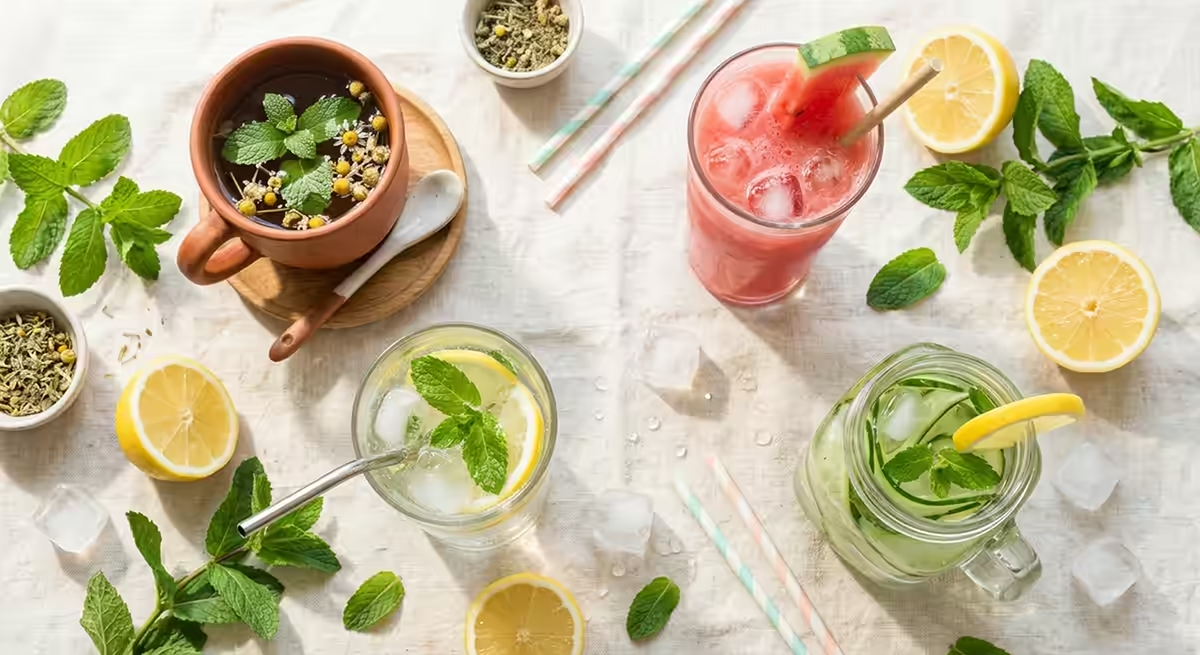
When it’s 35 degrees or hotter outside, the first thing you want is a cold soda straight from the fridge. But within an hour, the thirst returns, and your body feels even heavier. Sugary soda gives you a feeling of refreshment for a few minutes, but then takes more than it gives. In this article, I’ve compiled a list of 12 drinks that really help in the heat: they quench your thirst, maintain hydration, and don’t burden your body with excess sugar or artificial flavor enhancers—so you’ll never have to wonder what to drink in the heat again.
Content
Most recipes take 10–15 minutes to prepare, while some require a few hours of steeping—but the result is well worth it. None of them require special equipment or hard-to-find ingredients.
Why it’s better to avoid soda in hot weather
This isn’t a call for a total ban—sometimes a glass of cold soda is just what the doctor ordered. But if it becomes your main source of fluids in the summer, it’s worth giving it some thought.
First, most sweetened carbonated drinks contain 30–40 grams of sugar per 330 ml. That’s more than a child’s daily recommended intake. Sugar actually increases thirst rather than quenching it.
Second, carbon dioxide temporarily makes your stomach feel full—so you end up drinking less than you actually need. In hot weather, this is dangerous: dehydration sets in faster than you realize.
Third, beverages containing flavor enhancers and preservatives place an additional strain on the kidneys, which are already working harder due to increased sweating.
An alternative doesn’t have to be plain tap water (although that is the best option). There are plenty of delicious drinks that can help you beat the heat while boosting your health.
How much fluid do you need in hot weather?
The standard recommendation—1.5 to 2 liters a day—doesn’t apply in hot weather. When the air temperature exceeds 30 °C and you’re physically active, your fluid needs increase to 2.5 to 3.5 liters. In addition, sweating removes not only water but also electrolytes: sodium, potassium, and magnesium. That’s why simple drinks with mineral salts or natural ingredients (lemon, ginger, herbs) aren’t just about taste—they offer real health benefits.
Pay attention to these physical signs:
- dark urine — you need to drink more fluids;
- headaches, fatigue, and dizziness are signs of mild dehydration;
- The sensation of thirst begins to appear when fluid loss is around 1–2%.
Drink throughout the day in small amounts rather than in large gulps. Cold drinks—no warmer than 10–15 °C—are easier to digest than ice-cold ones.
12 drinks to replace soda on a hot day
1. Water with lemon and mint
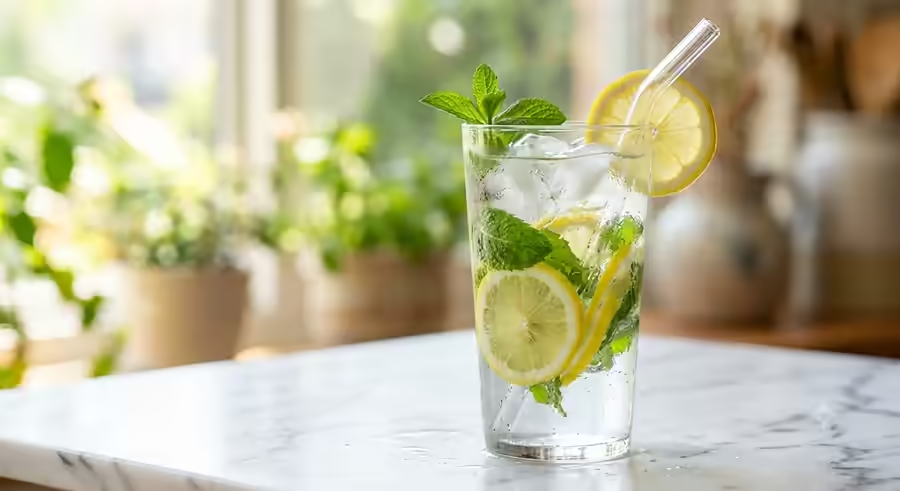
A classic that never disappoints. Lemon water isn’t just pretty—it’s actually good for you: lemons contain vitamin C and citric acid, which aids digestion. Mint is refreshing—thanks to menthol, it gives a feeling of freshness even in a warm drink.
How to prepare:
- Slice 1 lemon into rounds or squeeze the juice from half a lemon into 1 liter of cold water.
- Add 5–7 fresh mint leaves (gently crush them with your hands to release the aroma).
- Optional: a few slices of cucumber or ginger.
- Let it sit in the refrigerator for 30–60 minutes.
Tip: Don’t leave the lemon in the water for more than 8–10 hours—the peel will start to taste bitter. If you want a sweeter flavor, add a teaspoon of honey or 3–4 stevia leaves.
2. Iced herbal tea
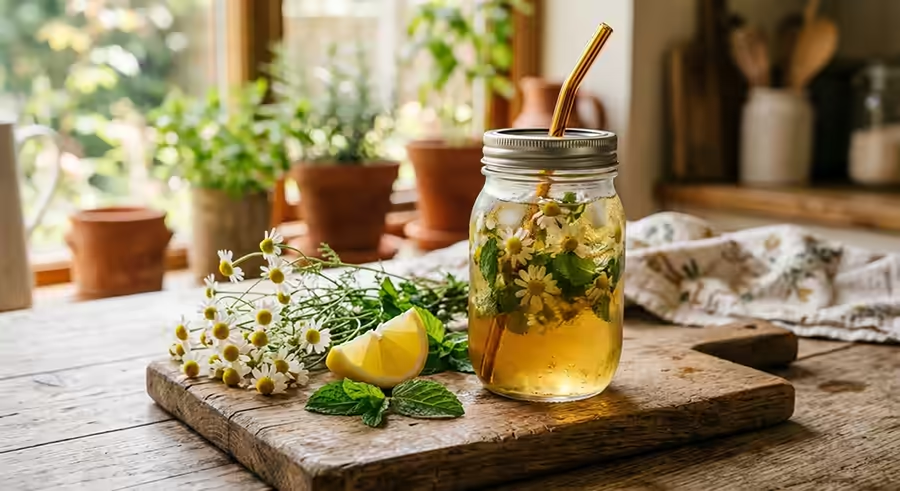
Hot tea in the heat—it sounds strange, but it has actually been used for a long time as a way to regulate body temperature. However, in our climate, iced tea is a more suitable option. It quenches thirst well and allows for a wide variety of flavors.
The best herbs for summer tea:
- Mint — cools and soothes.
- Lemon balm — relieves nervous tension and has a gently cooling effect.
- Chamomile has anti-inflammatory properties and is particularly effective for sunburn.
- Thyme is an antiseptic with a pleasant, spicy aroma.
- Rose hips are rich in vitamin C, tart, and refreshing.
How to make it:
- Steep 2–3 tablespoons of herbs in 1 liter of boiling water.
- Let it sit, covered, for 15–20 minutes.
- Strain and let cool to room temperature.
- Refrigerate for 2–3 hours.
- Serve over ice with a slice of lemon.
Tip: Don’t add sweetener while the tea is hot—wait until it cools down, then add honey to taste. Honey loses some of its health benefits when added to hot liquids.
3. Sugar-free compote
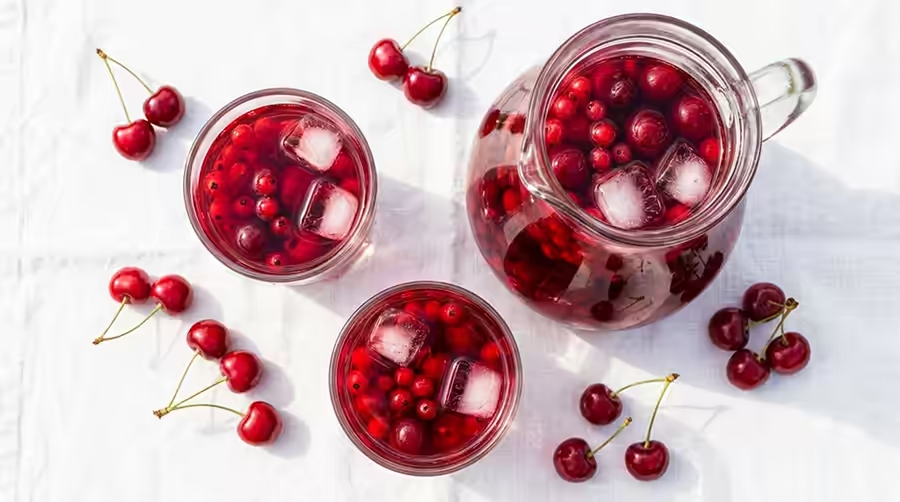
Grandma’s fruit compote is one of the most underrated drinks for hot weather. If you make it without sugar or with just a little, it becomes a real summer treat: rich in flavor, with the natural sweetness of fruit and plenty of nutrients.
The following are best suited for summer compote:
- sweet cherries and sour cherries,
- currants (red or black),
- apricots,
- apples with cinnamon,
- strawberries.
Basic recipe:
- Rinse 400–500 g of berries or fruit.
- Pour in 2 liters of cold water and bring to a boil.
- Cook for 5–7 minutes over low heat.
- Turn off the heat and let it sit for another 30 minutes.
- If desired, add 1–2 tablespoons of sugar or honey.
- Chill and serve cold.
Tip: A compote made with fresh berries—not cooked down to a puree—retains more vitamins. If you want a rich flavor, add the berries to boiling water and turn off the heat immediately.
4. Cucumber Detox Drink
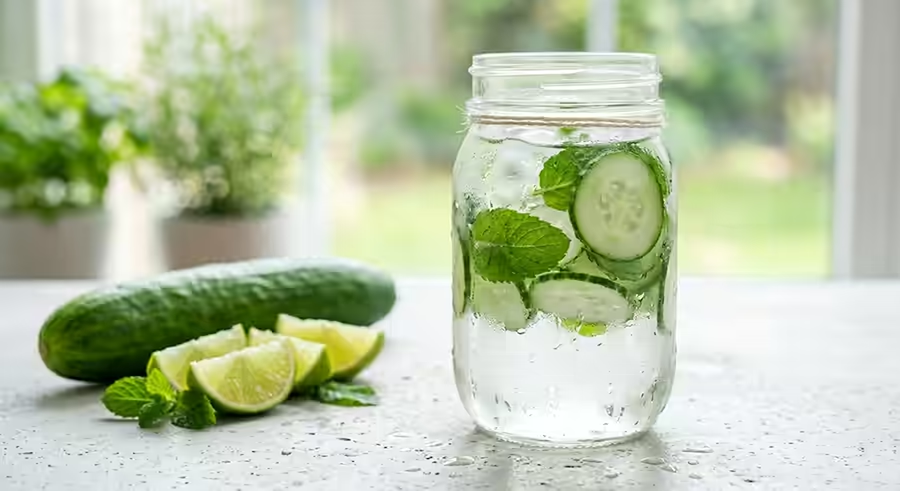
Cucumber water is a favorite among fitness blogs and vacation resorts. But it really does work: cucumbers are 96% water and contain potassium, which helps the body retain fluids. The taste—light, fresh, and slightly vegetal—is wonderfully refreshing.
How to prepare:
- Slice 1 medium cucumber into thin rounds.
- Add 1–1.5 liters of cold water.
- To taste: mint leaves, lime or lemon slices.
- Let it sit in the refrigerator for at least 1–2 hours.
Tip: If the cucumber has a bitter skin, peel it. The drink will keep in the refrigerator for up to 24 hours; after that, it’s best to make a fresh batch.
5. Kefir or ayran
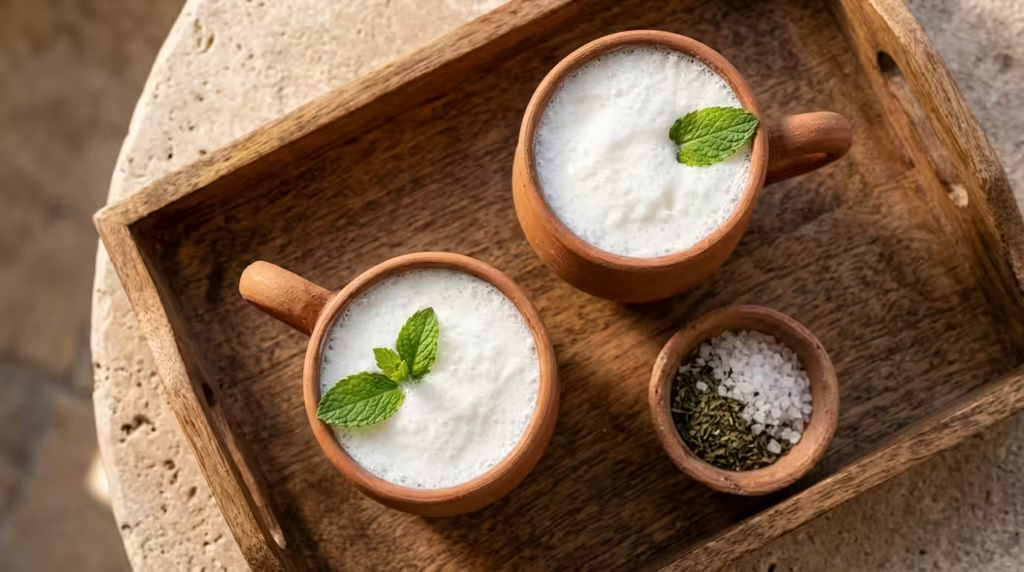
Fermented milk drinks are one of the most effective ways to cool down from the inside. Kefir is filling, restores gut flora, and is easily digested. Ayran—a traditional Turkic drink made from kefir or yogurt mixed with water and salt—is especially popular in hot weather precisely because the salt helps retain fluids and prevents dehydration.
Plain ayran:
- Mix 200 ml of plain yogurt or kefir with 100 ml of cold water.
- Add a pinch of salt and, if desired, some fresh mint or cucumber.
- Whisk or blend until smooth.
- Serve immediately over ice.
Tip: Ayran with a pinch of salt is better at quenching your thirst than plain kefir, especially if you’ve been out in the sun or have been active.
6. Homemade kvass
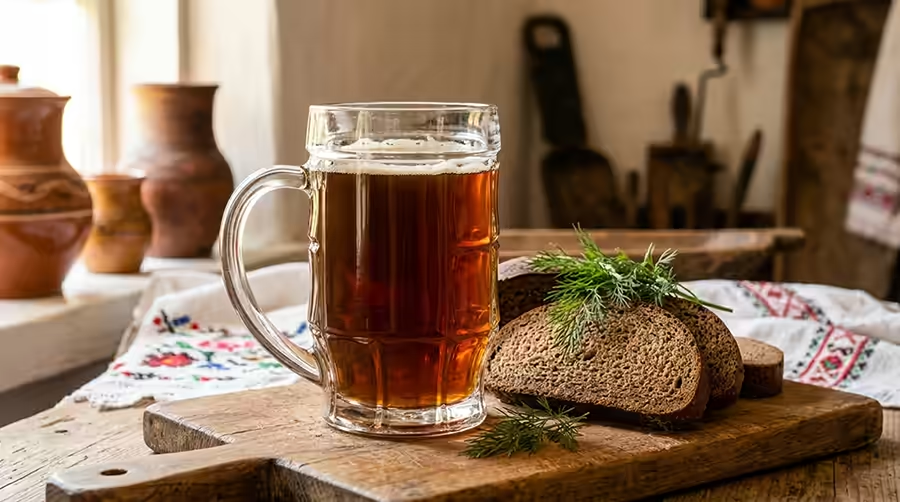
Real kvass isn’t the kind sold in plastic bottles. It is a live fermented beverage containing natural probiotics, a small amount of carbon dioxide, and minimal alcohol content (up to 1.2%). It’s great for quenching thirst and regulating the digestive system.
There is a simpler option—bread-based kvass that doesn’t require a long fermentation process.
Quick bread kvass:
- Slice and toast (or dry in the oven) 200 g of dark bread until golden brown—this is important for the flavor.
- Pour in 2 liters of boiling water, then let it cool to 35–40 °C.
- Add 5 g of dry yeast and 2–3 tablespoons of sugar.
- Cover with cheesecloth and let sit at room temperature for 10–14 hours.
- Strain it and chill it in the refrigerator.
- Store for no more than 3 days.
Tip: The longer the kvass ferments, the more sour and less sweet it becomes. If your first batch turned out weak, next time increase the fermentation time or add 1–2 g more yeast.
7. Iced green tea with lemon
Green tea is one of the healthiest drinks to enjoy in hot weather. It contains antioxidants (catechins) that protect cells from oxidation, and L-theanine—an amino acid that has a mild calming effect without causing drowsiness. Unlike coffee, green tea does not cause dehydration (if consumed in moderation).
Cold brew:
- Place 3–4 teaspoons of loose-leaf green tea in 1 liter of cold water.
- Cover and refrigerate for 6–8 hours or overnight.
- Strain it and add a slice of lemon.
- Don’t add any sweetener, or add a drop of honey.
Tip: Cold brewing produces a milder, less astringent flavor than hot brewing. Tannins (the compounds that cause bitterness) are extracted much less at low temperatures.
8. Berry smoothie with kefir
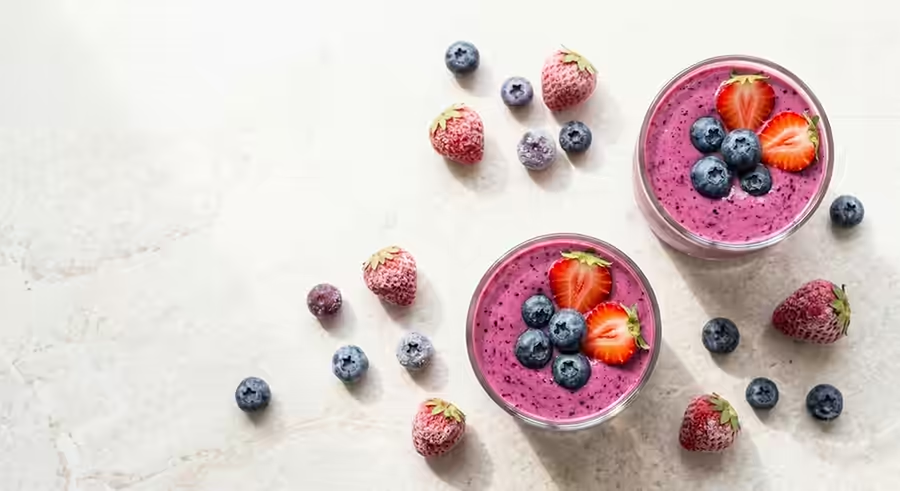
A smoothie isn’t exactly a drink in the traditional sense, but on a hot day it serves a dual purpose: it’s both refreshing and filling. The version with kefir and berries is light, easy on the stomach, and gives you a boost of energy.
Recipe for 2 cups:
Ingredients:
- 200 g frozen or fresh berries (blueberries, strawberries, raspberries—or a mix)
- 300 ml kefir (1% or 2.5%)
- 1 tablespoon of honey (optional)
- 5–6 ice cubes
Preparation:
- Put the berries in a blender.
- Add kefir, honey, and ice.
- Beat until smooth—30–40 seconds.
- Pour into glasses and serve immediately.
Tip: If the mixture is too thick, thin it out with a little cold water or coconut milk. Frozen berries produce a colder and thicker result than fresh ones.
9. Sugar-free ginger lemonade
Ginger is a spice usually associated with warmth. But a cold ginger drink has an interesting effect: it gives your tongue a slight “tingle,” boosts blood circulation, and leaves you feeling refreshed. Plus, ginger has anti-inflammatory properties and helps with nausea, which can sometimes result from overheating.
Recipe for 1 liter:
- Slice 3–4 cm of fresh ginger root into thin slices.
- Pour in 300 ml of boiling water, cover, and let steep for 15–20 minutes.
- Add the juice of 2 lemons and chill.
- Mix with 700 ml of cold water.
- Sweeten to taste—with honey or sugar syrup.
- Serve over ice with a mint leaf.
Tip: If you prefer a spicier flavor, you can grate the ginger instead of slicing it. Adjust the amount to your liking: 2 cm is enough for some people, while others may need more.
10. Rosehip tea
Rose hips are a true record-breaker when it comes to vitamin C content: 100 grams of dried berries contain 50 to 100 times more vitamin C than a lemon. Cold rosehip tea is slightly tart, a bit astringent, and very refreshing in the heat. It is also a natural antioxidant and a tonic for blood vessels.
How to prepare it correctly:
- Rinse 4–5 tablespoons of dried rose hips.
- Pour in 1 liter of cold water and bring to a boil.
- Simmer over low heat for 10 minutes, then turn off the heat.
- Cover with a lid and let it sit for 2–3 hours (or overnight).
- Strain it.
- Sweeten with honey or leave it tart—whichever you prefer.
Tip: Don’t boil rose hips for too long—vitamin C breaks down during prolonged heat treatment. The best option is to use a thermos: pour boiling water over them and let them steep overnight without boiling.
11. Coconut water
Coconut water is a natural isotonic beverage. It contains potassium, magnesium, and sodium in proportions similar to the electrolyte composition of human blood. That is why it is often recommended after workouts or when you sweat heavily.
It’s important to distinguish between coconut water (a clear liquid from young coconuts) and coconut milk (a creamy liquid made from the flesh)—they are completely different products. Here, coconut water is most commonly found in cartons or cans.
How to drink:
- Straight from the package, chilled.
- Mix 50/50 with cold water for a milder flavor.
- Add lime and mint for a refreshing non-alcoholic cocktail.
Tip: Check the ingredients—coconut water should contain no added sugar, preservatives, or artificial flavors. The ideal ingredient list is simply coconut water and nothing else.
12. Water with watermelon and lime
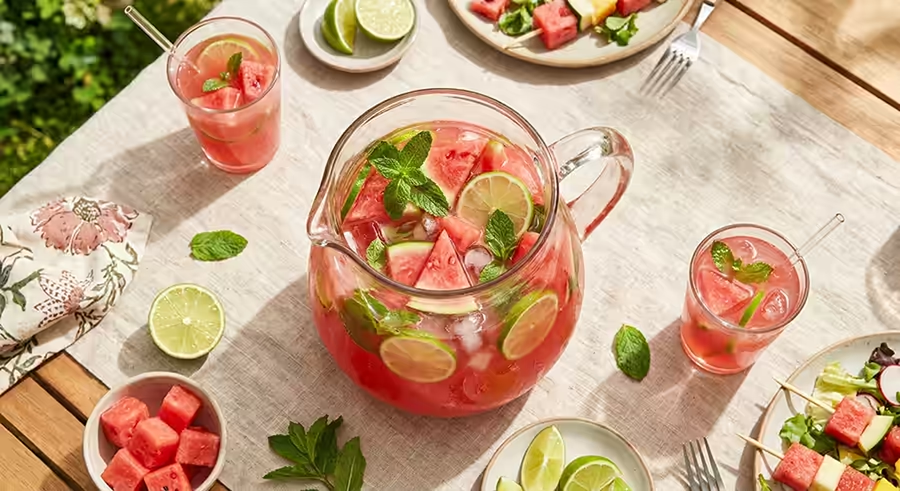
Last but not least—my personal favorite for the whole month of August. Watermelon is 92% water and contains lycopene, an antioxidant that protects the skin from UV rays (though it’s no substitute for SPF sunscreen). Watermelon juice is light, sweet without added sugar, and incredibly refreshing.
Recipe for 1.5 liters:
- Cut 500–600 g of peeled watermelon into large chunks.
- Blend in a blender until smooth.
- Strain through a fine-mesh sieve or cheesecloth (or leave the pulp in—whichever you prefer).
- Add the juice of 1 lime or lemon.
- Mix with 700–800 ml of cold water.
- Add some mint leaves and a few ice cubes.
Tip: Watermelon is already sweet, so there’s no need for sugar. If the watermelon isn’t very ripe, add a little honey. Store the finished drink in the refrigerator for no more than 12 hours.
Comparison of beverages by effect and complexity
| Drink | Cooking time | Cooling effect | Suitable for children |
|---|---|---|---|
| Water with lemon and mint | 5 min + 30–60 min steeping | Medium | So |
| Iced herbal tea | 20 minutes + 2–3 hours cooling | Kind | So |
| Sugar-free fruit compote | 30–40 minutes | Medium | So |
| Cucumber Detox Drink | 5 minutes + 1–2 hours of steeping | Kind | So |
| Kefir / Ayran | 5 min | Medium | Yes (without salt) |
| Homemade kvass | 12–15 years | Kind | With caution |
| Iced green tea | 5 min + 6–8 hours (cold brew) | Kind | From the age of 10 |
| Berry smoothie with kefir | 5 min | Excellent | So |
| Ginger Lemonade | 25–30 minutes | Excellent | With caution |
| Rosehip tea | 20 min + 2–3 hours | Medium | So |
| Coconut water | 0 min (ready) | Kind | So |
| Water with watermelon and lime | 10–15 minutes | Excellent | So |
General tips for hot weather
Drink slowly and steadily, rather than all at once. Drinking 200–300 ml every 30–40 minutes is more effective than drinking a liter all at once. Drinking large amounts of fluid at once dilutes the electrolytes in your blood and puts a strain on your kidneys.
Don’t drink ice-cold beverages. The optimal temperature for a drink is 8–15 °C. Ice-cold beverages constrict the blood vessels in the stomach and can cause a tightness in the throat, especially if you’ve been out in the sun.
Add salt after spending a long time in the sun. A small pinch of salt in water or ayran isn’t for flavor, but to replenish the sodium lost through sweat.
Avoid alcohol and caffeine in hot weather. Both have a diuretic effect and accelerate dehydration. If you drink coffee, add an extra 200–300 ml of water to your daily fluid intake for each cup.
Prepare your drinks in advance. Herbal tea or fruit compote made in the evening will be ready to drink in the morning. Don’t wait until you feel thirsty—by then it’s already too late.
Here are a few sections—feel free to insert them wherever they make sense. I suggest three sections: a situational guide (what to drink, where, and when), hydration-boosting foods, and an expanded section on infused water with different combinations. Together, this comes to about 1,800–2,000 words.
What to drink depending on the situation
It’s one thing to sit at home in the air conditioning, but it’s quite another to spend the whole day outdoors or engage in intense exercise. Your fluid needs and the type of beverage you should choose vary significantly depending on where you are and what you’re doing.
At the beach or on a long walk in the sun
This is the most risky situation in terms of dehydration. The sun, wind, and physical activity accelerate fluid loss—imperceptibly, but rapidly.
What to bring:
- Water with a pinch of salt and lemon. It sounds simple, but it’s the most effective homemade sports drink. For 1 liter, use 0.5 teaspoons of salt and the juice of half a lemon. If you have some, add a little honey for flavor.
- Coconut water in a carton. It won’t need to be refrigerated for several hours if you buy it chilled and put it in a cooler bag.
- Rosehip tea in a thermos. It stays cold for a long time and is rich in vitamin C, which breaks down more quickly when exposed to UV light.
What to avoid: sugary packaged juices, soda, and alcohol—even beer. All of these accelerate dehydration and mask the sensation of thirst until it’s too late.
A practical tip: Bring at least 500 ml of fluids for every hour you spend in the sun. And drink on a schedule, not just when you feel thirsty—the sensation of thirst comes too late once you’ve already overheated.
At the office or at the computer
It might seem like there’s less risk of dehydration indoors. But air conditioning dries out the air—and with it, your mucous membranes. People in the office often don’t drink enough simply because they don’t feel thirsty and forget to drink.
Best options for the office:
- Iced herbal tea in a thermos or a large glass. Brewed in the evening—ready to drink in the morning. Lemon balm and mint soothe the nervous system, which is especially helpful during stressful work.
- A pitcher of water with cucumber or lemon on the table. If the water is right in front of you, you’ll drink it automatically. It’s a psychological trick, but it really works.
- Cold-brewed green tea. Contains L-theanine, which promotes a gentle sense of focus without the jitters that coffee can cause. A great alternative to that second cup of coffee in the afternoon.
Avoid: drinking only coffee. Caffeine has a mild diuretic effect, and if you drink 3–4 cups a day without drinking additional fluids, you’ll end up dehydrated. For every cup of coffee, drink an extra 200 ml of water.
Office tip: Set a reminder on your phone to “drink a glass of water” every 45 minutes. It might feel a bit forced at first, but it will eventually become a habit.
After a workout or outdoor activity
Exercising in the heat results in a double loss: fluids and electrolytes. If you only replenish water without replacing minerals, you may develop hyponatremia—a dangerous condition in which blood sodium levels drop below normal. The symptoms are similar to those of dehydration: nausea, headache, and weakness.
What to drink after a workout:
- Ayran or kefir with a pinch of salt. The protein in dairy products helps muscles recover, while the salt helps replenish sodium.
- Coconut water. A natural isotonic drink containing potassium and magnesium—exactly what gets lost through sweat.
- Homemade sports drink: 1 liter of water + 0.5 teaspoon of salt + juice of 1 lemon + 1 tablespoon of honey + a pinch of magnesium (if available in powder form).
Avoid drinking large amounts at once. After an intense workout in hot weather, drink 150–200 ml every 10 minutes for the first hour.
For children in hot weather
Children overheat more quickly than adults: they have a larger surface area of skin relative to their body weight, and their thermoregulatory system is not yet fully developed. At the same time, they often ignore their thirst while playing and do not ask for a drink.
Safe and delicious options:
- Compote with no sugar or very little sugar. Kids usually like berry or cherry compote.
- Water with watermelon and lime. Naturally sweet without added sugar—one of the few drinks kids can’t resist.
- Berry smoothie with kefir. Nutritious, cold, and free of additives.
- A diluted coconut drink. 50% coconut water + 50% regular water—a good compromise in terms of taste and price.
The recommended daily fluid intake for children in hot weather is about 1–1.5 liters for preschoolers and 1.5–2 liters for school-age children, plus the fluid content in food (fruits, vegetables). Remind them to drink every 30–40 minutes, especially if the child is outdoors.
Infused water: 10 tried-and-true combinations
Infused water is simply water infused with fruits, vegetables, herbs, or spices. No cooking, no additives. It takes just 5 minutes to prepare, sits in the fridge for 1–4 hours—and you have a delicious, healthy, and visually appealing drink.
Here are some combinations that are really delicious (I’ve tried them myself):
Classic:
- Lemon + mint + cucumber — the most popular, refreshing, and light.
- Strawberries + basil — sweet and spicy, unusual, and very pleasant.
- Watermelon + lime + mint — a vibrant flavor and a beautiful color.
Citrus fruits:
- Orange + lemon + ginger — slightly spicy, invigorating, perfect for the morning.
- Grapefruit + rosemary — a slightly bitter but very refreshing, sophisticated flavor.
- Lime + mint + green tea (cold brew) — a double refreshing effect.
Berries:
- Blueberries + lemon — a boost of antioxidants and a beautiful purple color.
- Raspberry + mint — sweet and tart, perfect for kids too.
- Currant + orange — a rich flavor, a great alternative to juice.
Spices:
- Cucumber + dill + lemon—an unusual combination, but very refreshing, like a light brine without salt.
General guidelines for infused water:
- Delicate berries (strawberries, raspberries) — let them steep for 1–2 hours, then remove them so they don’t get mushy.
- Citrus fruits—no more than 4–6 hours with the peel on, otherwise they become bitter.
- Firm ingredients (cucumber, ginger, apple) — can be left in for up to 12 hours.
- Use glass or ceramic dishes—plastic can impart a taste.
- Still mineral water has a slightly richer flavor than filtered water.
Foods that help maintain hydration
Hydration isn’t just about what you drink. Up to 20% of our daily fluid needs come from the food we eat. In hot weather, it’s especially important to include foods with a high water content in your diet.
| Product | Water content | What else is useful |
|---|---|---|
| Watermelon | 92% | Lycopene, potassium |
| Cucumber | 96% | Low in calories, silicon |
| Tomatoes | 94% | Lycopene, vitamin C |
| Strawberries | 91% | Vitamin C, antioxidants |
| Zucchini | 95% | Fiber, easily digestible |
| Peaches | 89% | Potassium, beta-carotene |
| Bell pepper | 92% | Vitamin C (more than in a lemon) |
| Kefir / yogurt | 85–88% | Probiotics, calcium |
| Melons | 90% | Potassium, vitamin A |
| Green salad | 94–96% | Folate, iron |
If your appetite decreases in the heat, that’s normal. Your body redirects its resources toward regulating body temperature. Light salads made with cucumbers, tomatoes, and herbs, a slice of watermelon, or a few peaches provide both nutrition and hydration at the same time.
What to cut back on in hot weather: salty snacks (potato chips, nuts, crackers)—they increase thirst and cause fluid retention in the body. Fatty and heavy foods force the body to expend more energy on digestion, which further raises body temperature.
Common Mistakes When Choosing Beverages in the Summer
Drink only store-bought carbonated beverages. Even “sugar-free” options contain sweeteners that keep your sweet tooth satisfied and do not compensate for electrolyte loss.
Thinking that juice is a substitute for water. Natural juice is a concentrate of sugar and fruit acids. It can be part of your diet, but it shouldn’t be your main source of fluids.
Drink only plain water. If you’re sweating heavily, plain water flushes out electrolytes. Add lemon, a pinch of salt, or vary your fluid sources throughout the day.
Do not store beverages in plastic containers in direct sunlight. When heated, plastic releases chemical compounds into the liquid. For outdoor storage, it is better to use a glass or metal thermos.
Frequently Asked Questions
What should you drink in hot weather to avoid gaining weight? The best options are water, unsweetened herbal tea, cold green tea without sugar, or fruit compote without sweeteners. Avoid packaged juices, even “natural” ones—they’re high in fruit sugar. A berry smoothie with kefir is filling but low in calories, as long as you skip the honey.
Is it okay to drink cold water in hot weather? Yes, but only moderately cold water—8–15 °C. Ice-cold water (0–4 °C) can trigger a vascular spasm in the throat or stomach after being overheated in the sun. If you’ve taken a bottle out of the freezer, let it sit at room temperature for a few minutes.
What should you give children to drink in hot weather? Water with lemon, unsweetened fruit compote, diluted kefir, a berry smoothie, or coconut water. Avoid caffeinated beverages (green and black tea in large quantities), alcohol, and store-bought carbonated drinks. Kvass with yeast is also best avoided until age 12–14 due to its trace amounts of alcohol.
What should you drink if you have heat exhaustion? If you’ve overheated, first of all, go somewhere cool and drink cool (not ice-cold) water or a slightly salty solution—1 teaspoon of salt per liter of water—in small sips. If the condition is severe, seek medical attention.
Is iced tea really more refreshing than cold water? Partly, yes. Mint and lemon balm contain menthol and essential oils that create a cooling sensation at the receptor level. Green tea contains L-theanine, which has a calming effect. But the main cooling effect comes from the amount of fluid, not from the specific beverage.
How long do homemade drinks last in the refrigerator? Herbal tea and fruit-infused water—up to 24 hours. Fruit compote—2–3 days. Homemade kvass — 2–3 days after straining. Smoothies with kefir — up to 12 hours; best consumed immediately. Rosehip tea — up to 2 days.
Hot weather isn’t a reason to suffer from thirst or drink something unhealthy. A few cans of fruit punch, a thermos of mint tea, or a pitcher of watermelon water can make a hot day much more enjoyable. Most of these drinks take just a few minutes to prepare and cost less than a bottle of soda—but they’re much healthier.