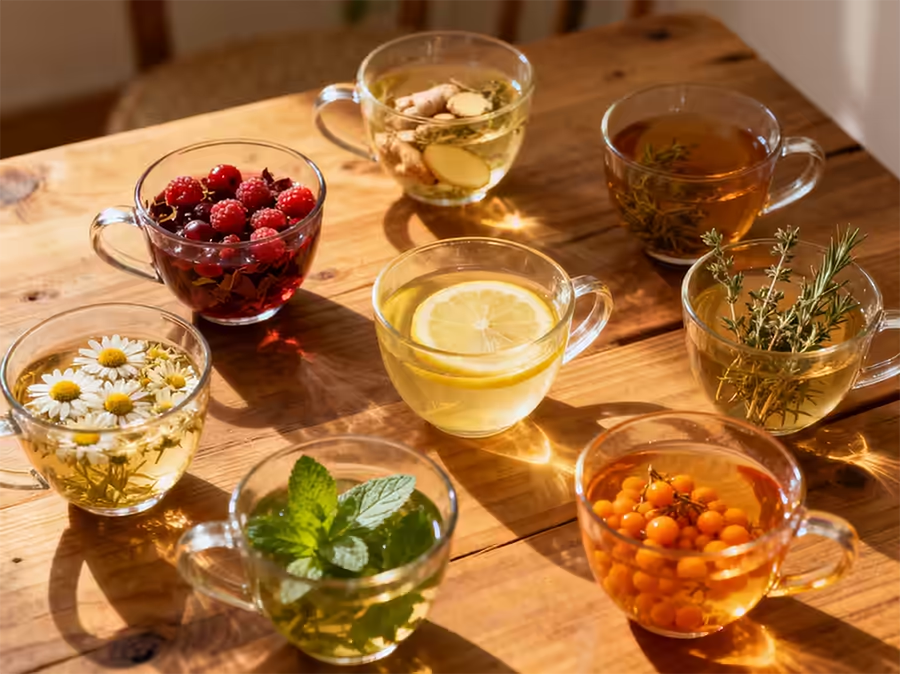
Herbal teas have long been an integral part of Ukrainian culture and folk medicine. These natural drinks not only delight with their unsurpassed taste and aroma, but also provide the body with many beneficial substances, strengthen the immune system, and help fight various ailments. In this article, we will take a detailed look at the most popular types of homemade teas, their composition, medicinal properties, and methods of preparation.
Content
Linden tea: the golden elixir of health
Linden tea is considered a real treasure trove of vitamins and one of the oldest herbal remedies. Its delicate honey flavor and golden amber color make this drink particularly appealing, and its healing properties have been tested over centuries.
Nutritional composition of linden blossom
Linden flowers contain a unique combination of biologically active substances:
- Vitamin C – a powerful antioxidant for immunity
- B vitamins – support the nervous system
- Minerals: potassium, calcium, magnesium
- Flavonoids (quercetin, rutin) – strengthen blood vessels
- Doublin substances – have a beneficial effect on digestion
- Essential oils – create an unbeatable aroma
The healing properties of linden tea
Linden tea is renowned for its wide range of healing properties:
Anti-inflammatory and antipyretic effect. Biologically active substances strengthen the immune system and reduce inflammatory processes in the body. Especially useful for colds, flu, sore throat, and bronchitis.
Respiratory tract support. Has mucolytic properties, thins phlegm, relieves coughing, and promotes mucus secretion. Soothes irritated mucous membranes, facilitating the process of expectoration.
Calming effect. Helps relieve tension, reduces anxiety, improves sleep quality. Antioxidants in linden flowers reduce stress levels.
Normalization of blood pressure. Quercetin and rutin in the composition strengthen the walls of blood vessels and improve their elasticity. Regular consumption helps normalize high blood pressure.
Improved digestion. Polyphenols stimulate the production of gastric juice and activate intestinal peristalsis. It has an antispasmodic effect and relieves spasms in the gastrointestinal tract.
Supports women’s health. Thanks to its phytoestrogen content, which is similar to female sex hormones, linden tea normalizes the menstrual cycle and relieves menstrual pain.
Detoxification of the body. Thins the blood, removes toxins from the liver, activates the gallbladder, kidneys, and intestines.
How to brew linden tea correctly
To preserve maximum vitamins and nutrients, follow these recommendations:
Water temperature: Do not use boiling water! The optimal temperature is 90-95°C.
Proportions:
- Pharmacy crushed flowers: 1 tablespoon per 200 ml of water
- Fresh or whole dried flowers: a handful per 500 ml of water, or 4-6 tablespoons per liter
Method of preparation:
- Rinse the teapot with boiling water.
- Place the linden blossoms in a ceramic or earthenware teapot.
- Pour hot water (90-95°C)
- Cover with a lid, you can wrap it in a towel
- Steep for 7-15 minutes for enjoyment or 20-30 minutes for medicinal purposes.
- Strain through a sieve
- Add honey if desired (after cooling to a warm state)
For the decoction: Add the flowers to cold water, bring to a boil over low heat, simmer for another 5-6 minutes, then let steep for 20 minutes.
Sea buckthorn tea: an orange miracle for immunity
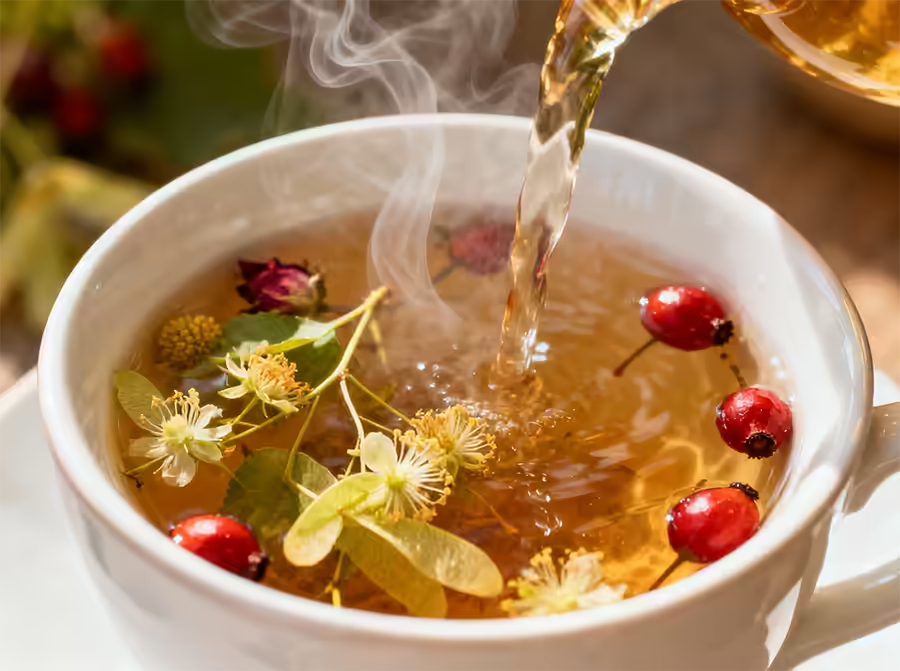
Sea buckthorn is a unique berry that is considered a natural remedy due to its extremely rich vitamin content. Its bright orange fruits contain six times more vitamins than currants and 15 times more than oranges.
The unique composition of sea buckthorn
Sea buckthorn berries are renowned for having the richest content of vitamins and microelements among all known fruits:
Vitamins:
- Vitamin C (54-316 mg) – several times more than in black currants and citrus fruits
- Vitamins A, E, K, PP, H
- Group B (B1, B2, B5, B6, B9)
Minerals:
Sodium, potassium, phosphorus, calcium, iron, magnesium, manganese, molybdenum, zinc.
Biologically active substances:
- Omega-3, omega-6, omega-7, omega-9 fatty acids
- Flavonoids (oleic and linoleic acids)
- Carotenoids – powerful antioxidants
- Doublin substances, phytoncides, rutin, serotonin
The beneficial properties of sea buckthorn tea
Sea buckthorn tea provides comprehensive support for the body:
Strengthening immunity. A large amount of vitamin C helps the immune system cope with the prevention of colds and viral infections.
Anti-inflammatory effect. Tones the body and reduces inflammation thanks to flavonoids and carotenoids.
Supports the cardiovascular system. Tannins stop bleeding, vitamin K improves blood clotting. Antioxidants make blood vessels stronger and more flexible. Lowers blood pressure in the long term.
Improved mood and stress relief. Riboflavin and thiamine slow down the aging process, reduce stress levels, relieve nervous tension, and help you fall asleep.
Lowers cholesterol. Improves metabolism, promotes weight loss.
Vision support. Carotenoids ensure optimal functioning of the visual system.
Improved digestion. Organic acids and tannins are beneficial for the gastrointestinal tract.
Recipes for making sea buckthorn tea
Classic sea buckthorn tea with honey and orange:
Ingredients:
- Sea buckthorn – 100 g
- Water – 500 ml
- Orange – 1 piece
- Honey – 1 tsp.
- Cinnamon – 1 stick (or a pinch of ground cinnamon)
Preparation:
- Wash the sea buckthorn, mash it with a pestle or fork
- Squeeze the juice from half an orange.
- Grate orange zest if desired
- Place the sea buckthorn in a teapot, add the zest and cinnamon stick.
- Pour boiling water over it and let it steep for 10 minutes.
- Pour into cups, add orange slices and honey.
Sea buckthorn tea with ginger for winter:
Ingredients:
- Sea buckthorn – 300 g
- Dried ginger – ½ teaspoon
- Honey – 100 g
- Lemon – 1 piece
- Turmeric – ½ teaspoon
- Cloves – a few pieces
Preparation:
- Blend the sea buckthorn berries in a blender until smooth.
- Add honey, turmeric, ginger, cloves
- Mix thoroughly
- Pour into an ice cube tray and freeze.
- For tea: pour hot water (not boiling water!) over 2-3 cubes.
Raspberry tea: a folk remedy for colds
Raspberries and their leaves have long been used in Ukrainian folk medicine. Interestingly, raspberry leaves even surpass berries in their medicinal properties.
Nutritional composition of raspberry leaves
Raspberry leaves contain a unique combination of beneficial substances:
Vitamins:
- Vitamin C
- Vitamins A, B, E, K, PP
- Folic acid
Minerals:
Potassium, magnesium, iron, manganese, cobalt, copper, zinc, phosphorus, molybdenum, iodine.
Other substances:
- Salicylic acid – natural aspirin
- Flavonoids, antioxidants
- Duplicate substances
- Fiber
- Essential oils
The healing properties of raspberry tea
Raspberry leaf tea provides a variety of benefits for the body:
Strengthening immunity. Vitamin C is a powerful antioxidant that helps the body fight viruses and bacteria.
Fever-reducing effect. Salicylic acid lowers body temperature, which is why raspberry tea is traditionally used to treat colds and flu.
Anti-inflammatory properties. Raspberry components reduce inflammation in the body, especially in respiratory diseases.
Expectorant action. Helps remove phlegm from the respiratory tract.
Support for the cardiovascular system. Flavonoids strengthen blood vessels and prevent the formation of plaques. Potassium lowers blood pressure and protects against atherosclerosis, heart attacks, and strokes.
Improved digestion. Due to its high tannin content, it is beneficial for gastrointestinal disorders.
Calming properties. Has a positive effect on the nervous system and improves sleep.
Supports women’s health. Beneficial for pregnant women, increases fertility, regulates hormones.
How to brew raspberry tea
Classic raspberry leaf tea:
- Rinse the kettle with boiling water.
- Add 2-3 tablespoons of dried leaves.
- Pour in 500 ml of hot water (maximum temperature 85-90°C).
- Cover with a lid and let stand for 15 minutes.
- Strain and drink
Add honey, lemon, mint, or other herbs if desired.
For one cup: 1-2 teaspoons of leaves per 250 ml of hot water.
Raspberry tea with berries and mint:
Ingredients:
- Raspberries (fresh or frozen) – 60 g
- Mint – 2-3 sprigs
- Black tea – 10-15 g
- Water – 600-700 ml
Preparation:
- Place mint leaves and raspberries at the bottom of the teapot.
- Add tea to the brewing compartment
- Pour hot water over it
- Insist for 5 minutes
- Add honey or maple syrup if desired
Rosehip tea: a vitamin bomb for your health
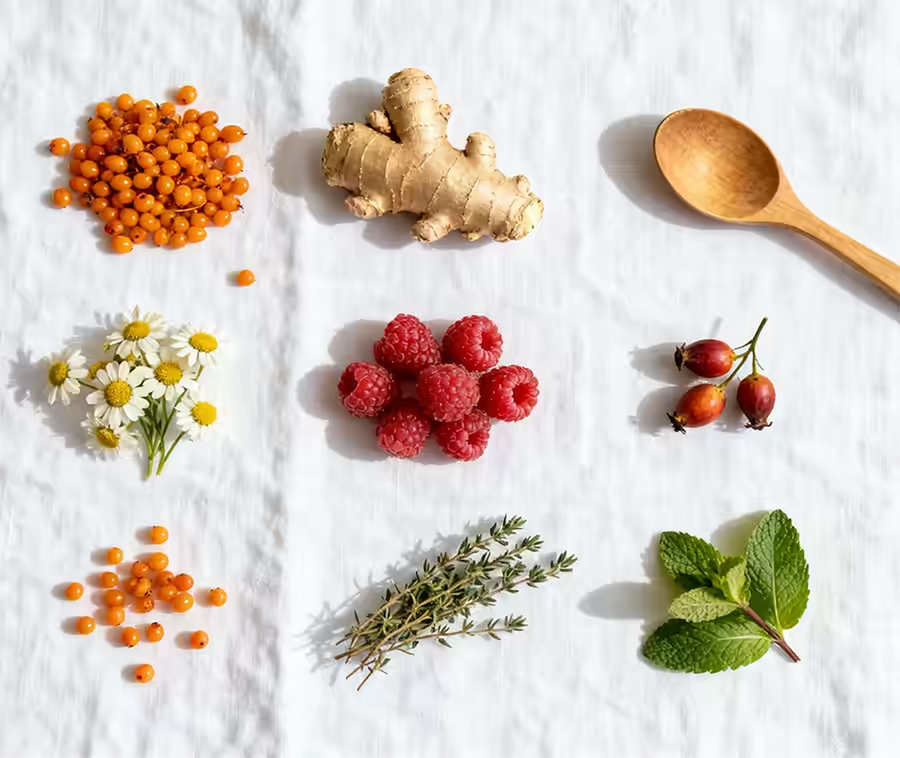
Rosehip is a real source of vitamins, especially vitamin C. Just 2 tablespoons of fruit provide a significant portion of the daily requirement of ascorbic acid.
Composition and benefits of rose hips
Vitamins and minerals:
- Vitamin C – several dozen times more than in lemons
- Vitamins A, K, E, P, PP, group B
- Iron, calcium, magnesium, phosphorus
Medicinal properties:
- Boosting immunity
- Strengthening of blood vessel walls
- Lowering cholesterol levels
- Increased hemoglobin
- Improved metabolism
- Liver and gallbladder health improvement
- Recovery of the body after stress
- Slowing down the aging process
- Reduction of joint pain
Proper brewing of rose hips
Important: Do not pour boiling water over it! The optimal temperature is 70-90°C to preserve vitamin C.
The classic method in a thermos:
- Rinse the fruit under running water.
- If desired, grind (for faster infusion)
- Fill a thermos (with a glass flask) 1/3 full with whole berries or add 3-4 tablespoons of crushed berries per 1 liter of water.
- Pour hot water 70-90°C
- Closed thermos
- Infuse: whole fruits – 8-10 hours (can be left overnight), chopped – 2-4 hours
- Strain, add honey if desired
In a water bath:
- Pour 500 ml of hot water over 2 tablespoons of crushed berries.
- Cover with a lid, place in a pot of boiling water
- Keep in a water bath for 15-20 minutes
- Insist for 30-40 minutes, strain
Recommended intake: For prevention – 250 ml per day, for treatment – up to 1.5 l. Rinse your mouth after consumption, as high concentrations of vitamin C can have a negative effect on tooth enamel.
Mint tea: refreshing freshness and calmness
Mint tea is one of the most popular herbal drinks, known for its calming and refreshing properties.
The beneficial properties of mint tea
Digestive support:
- Relaxes the tissues of the gastrointestinal tract
- Relieves stomach cramps
- Stimulates bile production
- Helps with nausea, flatulence, diarrhea
- Cleanses the liver
- Effective for irritable bowel syndrome
Antioxidant properties:
- Contains rosmarinic acid
- Reduces seasonal allergy symptoms
- Protects cells from damage caused by free radicals
- Reduces the risk of chronic diseases
Calming effect:
- Menthol has relaxing properties.
- Eliminates anxiety and stress
- Improves sleep quality
Airway support:
- Antibacterial and antiviral properties
- Thins thick mucus
- Facilitates expectoration when coughing
- Effective for colds, runny nose, sore throat
Other advantages:
- Promotes weight loss, controls appetite
- Cleanses blood vessels, lowers blood pressure in hypertension
- Refreshes breath, has antiseptic properties
How to brew mint tea
From fresh mint:
- Rinse a handful of fresh leaves under cool water.
- Place in a cup or teapot
- Pour boiling water over
- Cover with a lid and let stand for 5-7 minutes.
- Strain if desired (or leave the leaves in)
For a larger portion: pour 1 liter of boiling water over the increased amount of leaves, steep for up to 7 minutes, then cool.
From dried mint:
Do not brew, just pour boiling water over it and let it steep for a few minutes.
Warning: Mint tea should not be drunk regularly – only 1-2 times a week, as it can cause bile stagnation.
Ginger tea: a spicy boost for your immune system
Ginger tea is a powerful remedy for strengthening the body, especially during the cold season.
The healing properties of ginger tea
Anti-inflammatory and antioxidant effects:
- Gingerol and shogaol – biologically active compounds
- Reduce inflammation in the body
- As effective as ibuprofen for pain
- Useful for rheumatoid arthritis, psoriasis, lupus
Improved digestion:
- Stimulates digestion
- Relieves feelings of heaviness in the stomach
- Accelerates gastric emptying
- Prevents bloating
Strengthening immunity:
- Antibacterial and antiviral properties
- Reduces the duration of colds
- Potagonny effect
- Normalizes body temperature
- Eases breathing when you have a cold
Support for the cardiovascular system:
- Lowers cholesterol levels
- Normalizes blood sugar
- Improves blood circulation
- Expands blood vessels
- Reduces the risk of heart disease
Other advantages:
- Accelerates metabolism
- Helps with weight loss
- Relieves menstrual pain
- Relieves muscle pain after training
Ginger tea recipes
Classic ginger tea with lemon and honey:
Ingredients:
- Ginger root – 15 g (a piece the size of your thumb)
- Water – 200-250 ml
- Lemon – 1-2 slices
- Honey – 1 tsp.
Preparation:
- Peel the ginger, cut it into thin slices, or grate it.
- Cut the lemon into slices.
- Rinse the teapot with boiling water.
- Add ginger and lemon
- Pour boiling water over
- Insist for 10-15 minutes
- Add honey (when the tea has cooled to lukewarm)
Ginger tea with cinnamon and mint:
Ingredients:
- Water – 1 liter
- Ginger root – 15 g
- Cinnamon – 1 stick (or 1.5 teaspoons powdered)
- Mint – 1 sprig
- Lemon – 1/3
- Honey – 1 tbsp.
Preparation:
- Boil water
- Cut the ginger into pieces, chop the lemon
- Stainless steel welding machine
- Add cinnamon, honey, ginger, lemon, mint
- Pour boiling water over
- Cover with a lid and let stand for 15 minutes.
- Strain and drink
Thyme tea: a natural antibiotic
Thyme is a fragrant herb with powerful healing properties.
The beneficial properties of thyme tea
Respiratory system support:
- Improves breathing when coughing
- Stimulates the process of expectoration
- Anti-inflammatory properties
- Effective for bronchitis, tonsillitis, asthma
Effect on mood and nervous system:
- Vitamin B6 affects neurotransmitters
- Improves mood
- Reduces symptoms of stress
- Helps with depression
Strengthening immunity:
- Vitamin C stimulates the production of white blood cells.
- Essential for collagen production
- Restores tissues, blood vessels, muscles, cells
Vision support:
- Rich in carotenoids
- Fights free radicals
- Prevents the onset of cataracts
Other properties:
- Regulates water and salt balance
- Reduces feelings of hunger
- Improves heart muscle function
- Contains luteolin and rosmarinic acid – anti-inflammatory compounds
Chamomile tea: a gentle healer
Chamomile is one of the most researched medicinal plants with a wide range of applications.
The healing properties of chamomile tea
Calming effect:
- Relieves tension and stress
- Reduces anxiety
- Improves sleep quality
- Effective for generalized anxiety disorder
Digestive support:
- Spasmolytic effect
- Helps with intestinal spasms
- Contains bitter compounds (sesquiterpene lactones)
- Helps the pancreas produce digestive enzymes
- Prevents bloating, reduces reflux
Heart support and sugar control:
- Antioxidants and flavonoids support healthy cholesterol levels
- Helps control blood pressure
- Has a positive effect on glycemic control in type 2 diabetes
Strengthening immunity:
- Immunostimulatory compounds
- Helps with runny nose, cough, sore throat
- Increases resistance to seasonal allergens
Anti-inflammatory properties:
- Reduces inflammation of the mucous membranes
- Effective for gargling
- Helps with skin problems
Relief from PMS:
- Spasmolytic properties
- Analgesic effect
- Anti-inflammatory effect
General tips for herbal teas
How to store herbal teas
Basic storage rules:
- Temperature: Cool place, for delicate teas – refrigerator at -16°C in vacuum packaging
- Humidity: As dry a place as possible, tea absorbs water intensively
- Light: Dark place or light-proof packaging
- Smells: Airtight container, tea easily absorbs foreign odors
- Capacity: Glass jar with airtight lid, foil zip bags
Shelf life:
- Herbal tea – up to 1.5 years
- Green tea – 1 year
- Black tea – 1-2 years
- White and yellow teas – when stored correctly, they can last for years
At home: Without airtight packaging at room temperature – no more than 2 months.
Contraindications and precautions
General disclaimers:
- Do not drink if you are hypersensitive to the ingredients.
- Use with caution during pregnancy and breastfeeding (consult your doctor)
- Drink with caution if you have gastrointestinal diseases.
- Do not drink tea that is too hot – it can damage the lining of the esophagus.
- Excessive consumption may lower iron levels
Linden tea:
- As prescribed by a doctor during pregnancy
- Puts increased strain on the kidneys
- Possible allergic reactions
Mint tea:
- Do not drink constantly – maximum 1-2 times a week
- May cause bile stagnation
If you have chronic health conditions, always consult your doctor before regularly consuming herbal teas.
Combination of different herbs
To enhance the therapeutic effect, you can combine different herbs:
Calming blend: mint, lemon balm, valerian, jasmine, chamomile, lavender, oregano, thyme.
Cleansing blend: linden, fireweed, mint, oregano, St. John’s wort, thyme, raspberry. Removes toxins and waste products, improves skin tone, normalizes metabolism.
Frequently Asked Questions (FAQ)
Can herbal teas be consumed daily?
Most herbal teas can be consumed daily in moderate amounts (2-3 cups). However, some herbs (such as mint) are best consumed 1-2 times per week. Take breaks during prolonged use.
Which tea is best for immunity?
The best teas for immunity are sea buckthorn, rosehip, ginger, and echinacea tea. They are all rich in vitamin C and antioxidants.
Can pregnant women drink herbal teas?
Some herbal teas can be drunk by pregnant women (lime blossom, chamomile, mint, ginger) in moderate amounts, but only after consulting a doctor. Raspberry tea is especially beneficial for pregnant women.
How to brew herbal teas correctly?
Basic rules: do not use boiling water (the optimal temperature is 70-95°C depending on the herb), steep for 5-20 minutes, use ceramic or glassware, cover with a lid while steeping.
Do herbal teas lose their beneficial properties when brewed with boiling water?
Yes, boiling water destroys some vitamins, especially vitamin C. Therefore, the recommended water temperature is 70-95°C.
How long can brewed herbal tea be stored?
Freshly brewed tea is most beneficial. It can be stored in the refrigerator for up to 3 days (e.g., mint tea). It is not recommended to drink yesterday’s tea due to toxins and bacteria.
Can honey be added to hot tea? It is better
to add honey to warm tea (not hot), as it loses its beneficial properties at high temperatures.
Which teas help with colds?
The most effective are: linden, raspberry, sea buckthorn, ginger, thyme, and chamomile. All of them have antipyretic, anti-inflammatory, and immunostimulating properties.
Can children drink herbal teas?
Yes, most herbal teas can be given to children, but in smaller quantities and after consulting a pediatrician. Linden tea has a mild effect and is suitable for children.
Which teas help you relax and sleep better?
Calming teas: linden, chamomile, mint, lemon balm, lavender. All contain substances with a sedative effect.
Conclusion
Homemade herbal teas are a real treasure trove of natural healing substances that support the health of the body. Each type of tea has a unique composition and specific healing properties: linden calms and reduces inflammation, sea buckthorn strengthens the immune system, raspberry fights colds, rosehip saturates with vitamins, mint improves digestion, ginger warms and tones, while chamomile gently treats many ailments.
To get the maximum benefit, it is important to brew herbal teas correctly, adhere to the recommended temperatures and steeping times, store the raw materials properly, and be aware of possible contraindications. Remember that herbal teas are a supplement to a healthy lifestyle, not a substitute for medical treatment for serious illnesses.
Regular consumption of high-quality homemade teas in moderate amounts will help strengthen your immune system, improve your well-being, calm your nervous system, and allow you to enjoy the unmatched taste and aroma of natural beverages. Create your own favorite combinations, experiment with herbs, and give your body the healing power of nature!