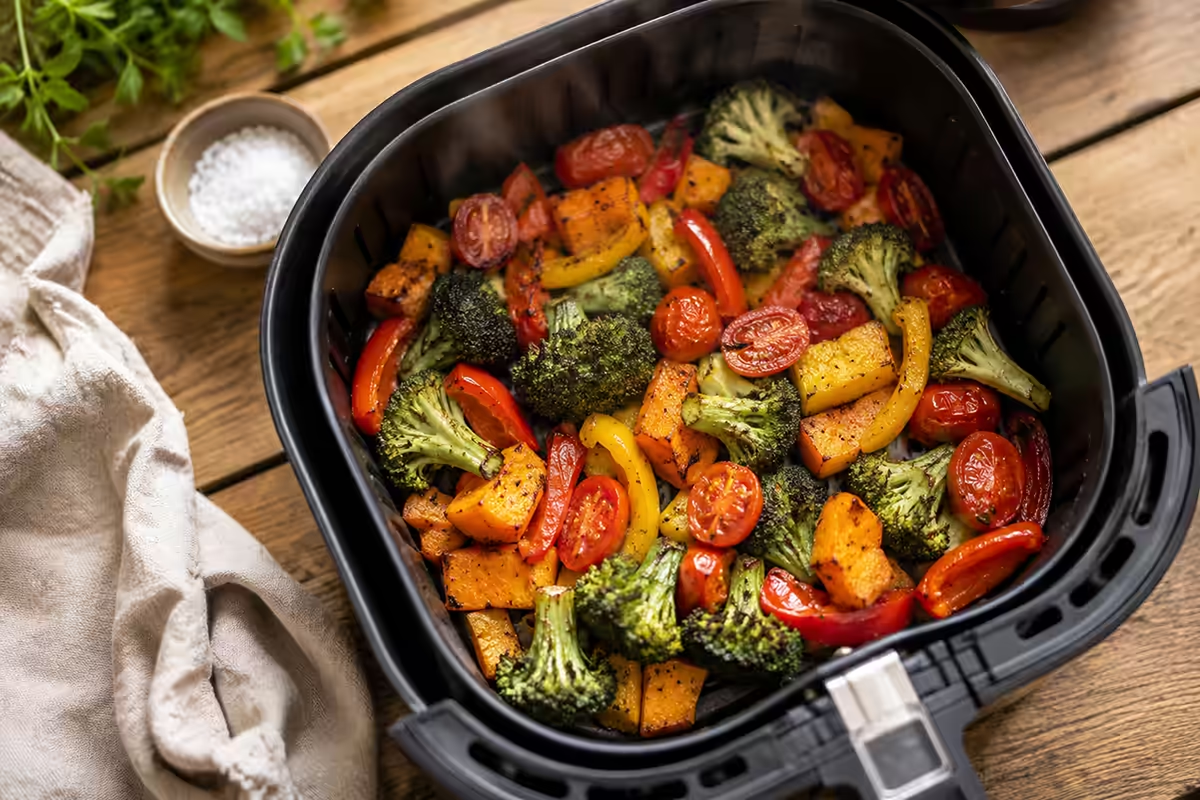
An air fryer is probably the easiest way to cook vegetables so that they come out crispy on the outside and tender on the inside, without excess oil or spending a long time at the stove. But there’s one catch: every vegetable behaves differently, and the same temperature that’s perfect for broccoli will burn garlic in just a couple of minutes. In this article, I’ve put together a handy chart of temperatures and cooking times for the most popular vegetables, and I’ve also explained why these specific numbers work and what to look out for to avoid ruining the result.
Content
Why Do Vegetables Taste Better in an Air Fryer Than in an Oven?
An air fryer is essentially a compact convection oven with a powerful fan that circulates hot air around the food from all sides. As a result, vegetables cook faster than in a conventional oven, and the surface has time to brown and become crispy before the inside gets too soft.
Another advantage is that the vegetables don’t need to “swim” in oil, as they do when pan-frying. A thin layer—literally a teaspoon per serving—is enough to get a nice crust. It’s both healthier and easier—you don’t have to monitor the oil’s temperature or flip each piece by hand.
The third thing I personally appreciated: the air fryer doesn’t heat up the whole kitchen in the summer the way an oven does, and it cooks much faster—instead of 40 minutes in the oven, broccoli will be ready in 12–15.
General Principles for Cooking Vegetables in an Air Fryer
Before moving on to the table, it’s worth going over a few rules that apply to any vegetable.
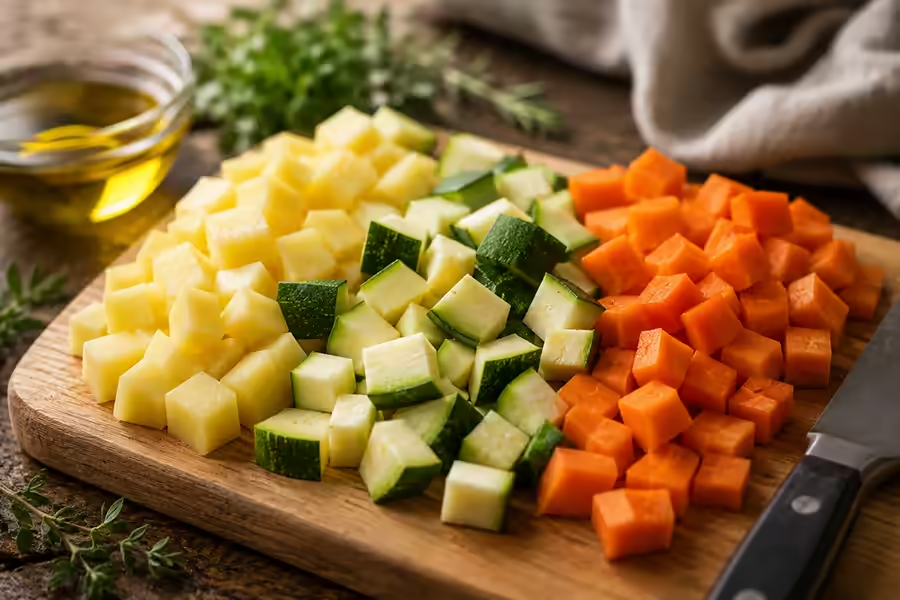
The pieces should be the same size. If you cut the potatoes into pieces of different sizes, the smaller ones will burn while the larger ones are still raw inside. I aim for cubes or slices about 2–3 cm in size—this is a versatile size for most vegetables.
Don’t overload the basket. The vegetables should be arranged in a single layer, with small gaps between the pieces. If you pile them up, the air fryer will simply steam the bottom layer, and you won’t get a crispy crust. If you have a lot of vegetables, it’s better to cook them in two batches.
Use oil in a thin layer, not a deep pour. Ideally, use 1–2 tablespoons of oil per 500 g of vegetables, thoroughly mixed by hand or in a bowl. The oil helps the heat transfer more evenly to the surface and creates that crispy crust.
Shake the basket or turn the vegetables over about halfway through the cooking time. This is the key to even results—without doing this, one side will brown while the other will remain pale.
Don’t salt vegetables with a high water content in advance. Zucchini, eggplant, and tomatoes immediately start to release juice when salted, and instead of a crisp texture, you’ll end up with a stewed effect. It’s best to salt these vegetables either at the very end or right before placing them in the basket.
Table of Temperatures and Cooking Times for Vegetables in an Air Fryer
This table is for reference only, since air fryer models vary in power, and the size of the pieces also affects the cooking time. But it serves as a reliable starting point.
| Vegetable | Temperature | Time | Notes |
|---|---|---|---|
| Broccoli (flower heads) | 190–200 °C | 10–12 min | Stir halfway through |
| Cauliflower (flower heads) | 190–200 °C | 12–15 min | Larger flower clusters — longer |
| Potatoes (cut into 2–3 cm cubes) | 200 °C | 18–22 min | Stir twice during cooking |
| French Fries (Homemade) | 200 °C | 15–20 min | Soak in water for 20–30 minutes before slicing |
| Sweet potato (diced) | 190–200 °C | 15–18 min | Because of its high sugar content, it caramelizes quickly, so be careful not to let it burn |
| Zucchini (slices) | 180–190 °C | 10–12 min | Do not salt it in advance |
| Eggplant (diced) | 190–200 °C | 15–18 min | Let it sit with the salt for 10 minutes, then blot it dry with a paper towel |
| Bell peppers (strips) | 190–200 °C | 10–12 min | It’s ready when the edges are slightly browned |
| Carrots (slices or sticks) | 190–200 °C | 15–18 min | Young carrots cook faster |
| Cherry tomatoes (whole) | 180 °C | 8–10 min | They break easily, so don’t overload the basket |
| Mushrooms (sliced or whole) | 180–190 °C | 10–12 min | They produce a lot of fluid; keep them in a single layer |
| Green beans | 190–200 °C | 8–10 min | Do not substitute fresh ice cream without adjusting the time |
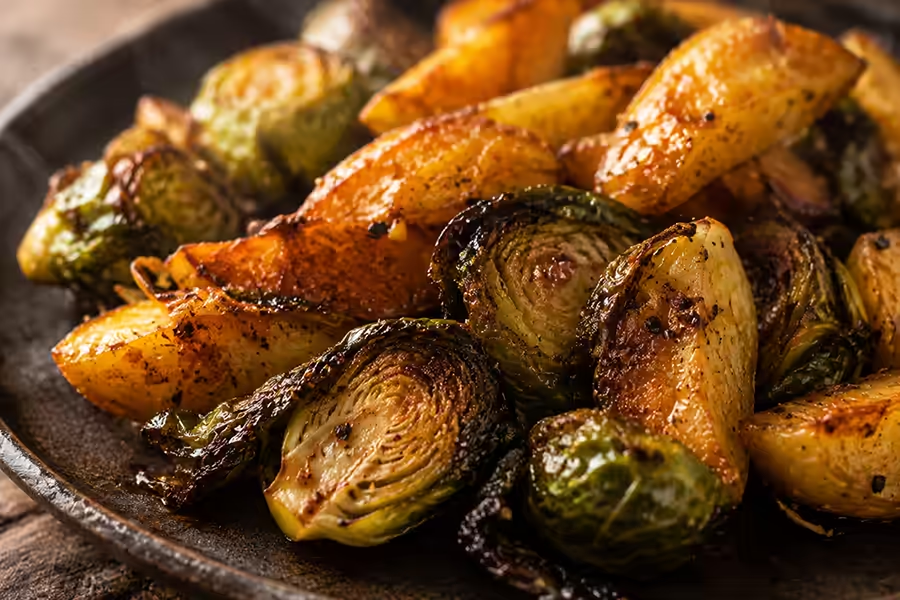
| Brussels sprouts (halves) | 190–200 °C | 15–18 min | Cut in half, place with the cut side down |
| Asparagus | 190–200 °C | 8–10 min | Thin stems cook faster than thick ones |
| Onion (rings or wedges) | 190 °C | 12–15 min | It caramelizes well; make sure it doesn’t dry out |
| Pumpkin / Muscat squash (diced) | 190–200 °C | 18–20 min | The flesh should be easy to pierce with a fork |
If you’re cooking several types of vegetables together, use the longest cooking time on the list as a guide and add the vegetables with shorter cooking times later—for example, you can add broccoli and potatoes at the same time, and add the cherry tomatoes 8 minutes before the end.
How to Prepare Vegetables for the Air Fryer
Preparation takes just a few minutes, but it’s what determines the outcome.
- Wash the vegetables and pat them dry with a towel or paper towel—excess moisture prevents a crust from forming.
- Cut the vegetables into uniform pieces—cubes, slices, or florets—about 2–3 cm in size.
- Place the vegetables in a bowl, add oil (1–2 tablespoons per 500 g) and spices.
- Mix with your hands so that the oil coats each piece evenly, without leaving any puddles at the bottom of the bowl.
- Arrange the vegetables in a single layer in the air fryer basket, leaving small gaps between them.
- Cook according to the temperature and time in the table above, stirring or turning halfway through.
- About 2–3 minutes before it’s done, check if it’s ready with a fork or knife, and add a few more minutes if needed.
Spices and marinades that work well with vegetables in an air fryer
An air fryer enhances the flavor of spices thanks to the dry, hot air, so even simple salt and pepper produce great results. But there are a few combinations that I personally use most often.
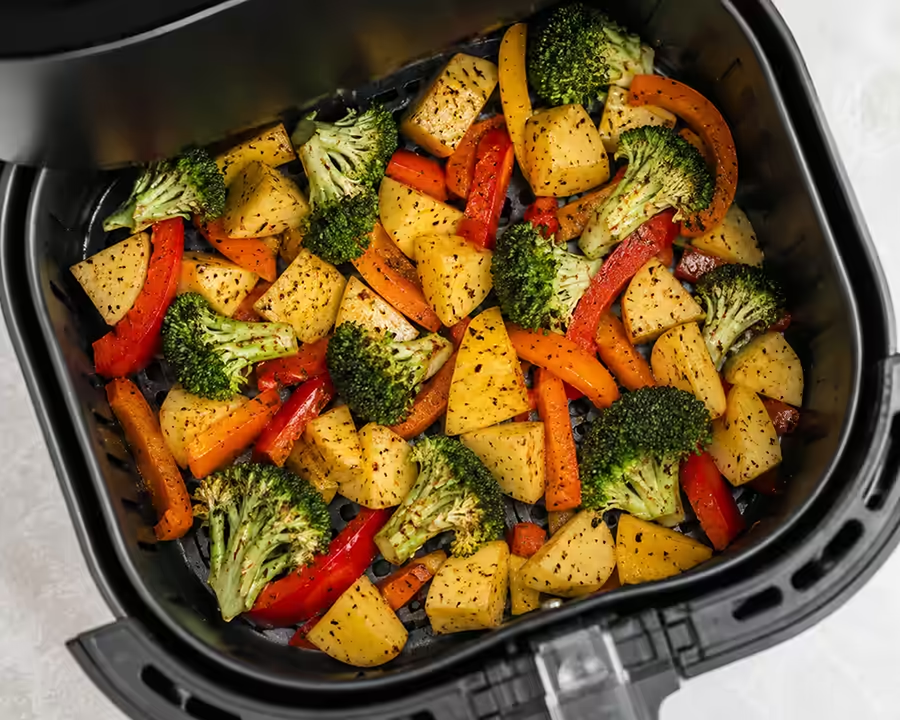
A mixture of paprika, garlic powder, and dried rosemary works well with potatoes and sweet potatoes. For broccoli and cauliflower, try lemon juice or lemon zest added after cooking, plus a little garlic. Zucchini and eggplant pair well with oregano, basil, and a splash of balsamic vinegar at the end. For carrots and pumpkin, a combination of honey or maple syrup with cinnamon works wonderfully—it creates a light caramelization without added sugar.
The main rule: Add powdered spices (paprika, garlic powder, turmeric) before cooking, along with the oil, but add fresh herbs, lemon juice, or raw garlic afterward, because the air fryer’s powerful fan can blow away small particles or dry out the fresh herbs.
Tips for Cooking Vegetables to Perfection
Don’t be afraid to use high temperatures for dense vegetables. Potatoes, sweet potatoes, and pumpkin need 200 °C to cook through on the inside while browning on the outside. At a lower temperature, they’ll simply steam, remaining pale.
For watery vegetables, the temperature should be slightly lower. I cook zucchini, eggplant, and mushrooms at 180–190 °C—they lose moisture quickly anyway, and a temperature that’s too high will dry out the surface before the inside has a chance to cook through.
Check for doneness visually and by taste, not just by the timer. Each air fryer model heats slightly differently, so the times in the table are a guideline, not an exact rule. The first few times, it’s a good idea to check the vegetables 2–3 minutes before the indicated time.
Don’t combine vegetables with very different cooking times in a single dish without adjusting the cooking time. If you’re cooking potatoes with cherry tomatoes, you should start the potatoes first and add the tomatoes only for the last 8–10 minutes.
Use parchment paper or perforated silicone liners for finely chopped vegetables. This applies, for example, to finely chopped onions or garlic—without a liner, the small pieces will fall through the basket’s mesh and burn.
Common Mistakes When Cooking Vegetables in an Air Fryer
Too much oil. If there’s too much oil, it pools at the bottom of the basket, causes the oil to smoke, and gives the vegetables an unpleasant burnt taste. The rule is simple: the vegetables should look slightly glossy, not wet.
The vegetables are piled up instead of being arranged in a single layer. This is the most common reason why vegetables turn out soft and overcooked instead of crisp. An air fryer needs hot air to circulate freely around each piece.
The pieces are cut too small. Small pieces dry out and burn faster than they have time to cook through. For most vegetables, the optimal size is 2–3 cm.
Salt is added too early to juicy vegetables. Zucchini, eggplant, and tomatoes lose moisture from being salted too early, even before cooking, and instead of a crispy crust, they end up with a soft, almost stewed texture.
No stirring during cooking. Even the best air fryer doesn’t distribute heat 100% evenly, so one side always cooks a little faster than the other. Stirring halfway through evens out the results.
Ways to Serve Vegetables from an Air Fryer
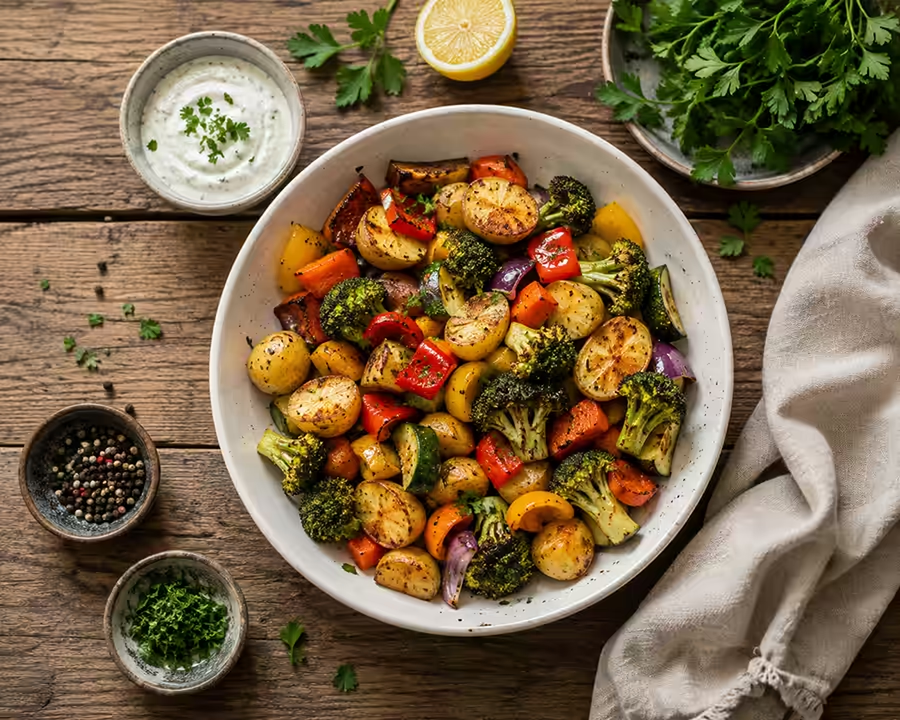
Vegetables cooked in an air fryer make a wonderful meal on their own, a side dish, or a base for other recipes.
They can be served as a side dish with meat, fish, or tofu, seasoned with fresh herbs and a drizzle of olive oil. To make a bowl, mix several types of vegetables with grains (quinoa, bulgur, rice), add a yogurt- or tahini-based sauce, and a few crunchy seeds or nuts. Vegetables from the air fryer also work well in warm salads—just add them to leafy greens, feta or brynza cheese, and dress with lemon juice and oil.
Another option is to use vegetables as a filling for pita bread, lavash, or burritos. The crunchy texture of the vegetables contrasts beautifully with the soft base, and the dish turns out to be much more interesting in flavor than one made with fresh or boiled vegetables.
For kids or those who aren’t big fans of vegetables, a dipping sauce works well—plain yogurt with garlic and herbs, or homemade ketchup. Crunchy vegetable sticks with sauce feel more like a snack than “healthy food you’re forced to eat.”
Can you cook frozen vegetables in an air fryer?
Yes, and this is one of the most convenient options for a weekday. You don’t need to thaw frozen vegetables—just place them directly into the air fryer basket. Cooking time is usually a little longer than for fresh vegetables—about 3–5 minutes—since the heat is initially used to melt the ice on the surface.
The temperature for frozen vegetables should be set the same as for fresh ones, but you should stir them more often—two or three times throughout the cooking process—because the moisture from melting ice prevents them from browning evenly. You can add oil either before or immediately after cooking—frozen vegetables are often already coated with a light layer of moisture, and the oil will distribute evenly either way when you stir them.
Frequently Asked Questions
Should you preheat the air fryer before adding the vegetables? It’s recommended that you do. Preheating for 2–3 minutes at the desired temperature helps the vegetables start browning right away, rather than just gradually heating up along with the appliance.
Why do vegetables turn out soft instead of crispy? The most common reasons are using too much oil, not arranging the vegetables in a single layer, or setting the temperature too low for dense vegetables like potatoes or squash.
How many vegetables can you cook at one time? Aim for a basket that’s filled to no more than 70–80% capacity, with the vegetables arranged in a single layer. If you have more than that, it’s better to cook in two batches than to overload the air fryer.
Is it possible to cook vegetables in an air fryer without any oil at all? Yes, it is, especially if the vegetables are already juicy—like zucchini, tomatoes, and mushrooms. The crust won’t be as crispy, but the dish will still be cooked through and delicious, just with a slightly different texture.
Should you turn the vegetables while cooking? Yes, it’s best to stir the basket or turn the vegetables about halfway through the cooking time—this is the key to ensuring they brown evenly on all sides.
Is the same cooking time suitable for different models of air fryers? The times in the table are approximate. Compact air fryers with powerful fans may cook slightly faster, so for the first few times, it’s a good idea to check if the food is ready 2–3 minutes before the stated time.The article came out shorter than the target of 3,000 words (about 1,400). I’ll expand several sections for greater depth and SEO weight.Here is the expanded version—I’ve added sections on factors affecting cooking time, a more detailed breakdown by vegetable category, storage and reheating of cooked vegetables, and expanded the FAQ.
What factors affect the actual cooking time, aside from the table?
The table above is a good starting point, but several factors can shift the time by 3–5 minutes in either direction, and it’s better to be aware of them in advance than to rely solely on the timer.
Power rating of a specific model. Air fryers with a power rating of 1,700–2,000 watts cook faster than compact models rated at 1,000–1,200 watts. If you’ve bought a new appliance, for the first few times, check to see if the vegetables are done 3–4 minutes before the indicated time—and then go by your own observations from there on.
The initial temperature of the vegetables. Vegetables straight from the refrigerator take a little longer to cook than those that have been left at room temperature for 15–20 minutes. The difference is small, but for dense vegetables like potatoes or squash, it can be 2–3 minutes.
The moisture content of the vegetable itself. New potatoes contain more moisture than older ones, so they take a little longer to cook through while the moisture evaporates. The same applies to carrots—early summer carrots cook faster than winter carrots, which have had time to dry out during storage.
Material and shape of the basket. Baskets with a wire mesh allow air to circulate better than solid baking sheets, so vegetables brown more evenly and slightly faster in a wire mesh basket. If you’re cooking on a baking sheet or a solid wire rack, add 2–3 minutes to the specified time.
Veggie Beginners: Where to Start If You’re Just Getting Started with an Air Fryer
If you’re just starting to cook vegetables in an air fryer, it makes sense to start with ones that are forgiving of minor mistakes and almost always turn out well.
Potatoes are the safest option. They can handle slight variations in cooking time and temperature, and the result is almost always crispy and delicious, even if you don’t quite manage to stir them in time.
Carrots are also very forgiving when it comes to beginners—even if you overcook them a little, they’ll just become more caramelized rather than ruined.
Broccoli and cauliflower are a bit more finicky, since the florets can burn at the edges faster than they cook through in the center of the stem, so it’s important to pay attention to the size of the pieces here.
As for the eggplants and zucchini, I’d recommend saving them for later—they’re the most sensitive to the amount of oil, salt, and moisture, and they’re the ones where it’s easiest to tell the difference between “it turned out just right” and “it turned out mushy.”
More about vegetable categories
Root vegetables (potatoes, sweet potatoes, carrots, beets) require the highest temperature on the list—190–200 °C—and the longest cooking time, since they need to be cooked through until tender inside. Beets, by the way, take about 5–7 minutes longer to cook than potatoes due to their denser texture—aim for 25–30 minutes for 2–3 cm cubes.
Cruciferous vegetables (broccoli, cauliflower, Brussels sprouts) respond well to high heat for a short time—this allows them to brown around the edges while remaining crisp on the inside. Overcooked cruciferous vegetables become bitter, so it’s best to check for doneness 2 minutes before the recommended time.
Squashes (summer squash, zucchini, pumpkin, pattypan squash) — the most diverse category in terms of density. Due to their high water content, squash and zucchini cook quickly at lower temperatures, whereas dense pumpkin or butternut squash flesh behaves more like root vegetables and requires higher temperatures and longer cooking times.
Nightshade vegetables (eggplant, bell peppers, tomatoes) share a sensitivity to salt and moisture. It’s best to salt the eggplants in advance and let them sit for 10–15 minutes to draw out the bitter liquid, then pat them dry with a paper towel before cooking—this removes the bitterness and excess moisture.
Allium vegetables (onions, garlic, leeks) caramelize very quickly due to their natural sugars, so you should check them more often than other vegetables—what still looks pale at the 10-minute mark might burn by the 13th minute.
Storing and Reheating Pre-cooked Vegetables from an Air Fryer
Vegetables cooked in an air fryer can be stored in the refrigerator in a sealed container for 3–4 days. The key is to let them cool completely before closing the lid; otherwise, condensation will make the vegetables mushy in just a few hours.
It’s best to reheat vegetables in an air fryer rather than in the microwave—3–4 minutes at 180 °C restores almost all of their original crispness. A microwave heats up faster, but the vegetables end up soggy and lose the texture that was so hard to achieve in the first place.
I wouldn’t recommend freezing vegetables that have already been cooked in an air fryer—after thawing, they become watery and lose most of the benefits of their crispy crust. If you need to prepare vegetables in advance, it’s better to freeze them raw and cook them right before serving.
FAQ (continued)
Is it possible to cook vegetables in an air fryer without cutting them up first—leaving them whole? Small vegetables like cherry tomatoes or Brussels sprouts can be cooked whole or cut in half. Larger vegetables—such as potatoes, pumpkin, and beets—are best cut into pieces; otherwise, cooking will take an hour or more.
Why are the potatoes still raw on the inside even though they’re already browned on the outside? Most often, this is because the pieces are too large or the temperature is too high, causing the surface to brown faster than the center has time to cook through. Cut the potatoes into 2-cm pieces and lower the temperature slightly if this happens regularly.
Should you cover vegetables with foil in an air fryer? No, on the contrary—foil blocks the circulation of hot air, which is what makes the vegetables crispy. If you want to prevent a certain part from burning, it’s best to stir them more often or lower the temperature slightly.