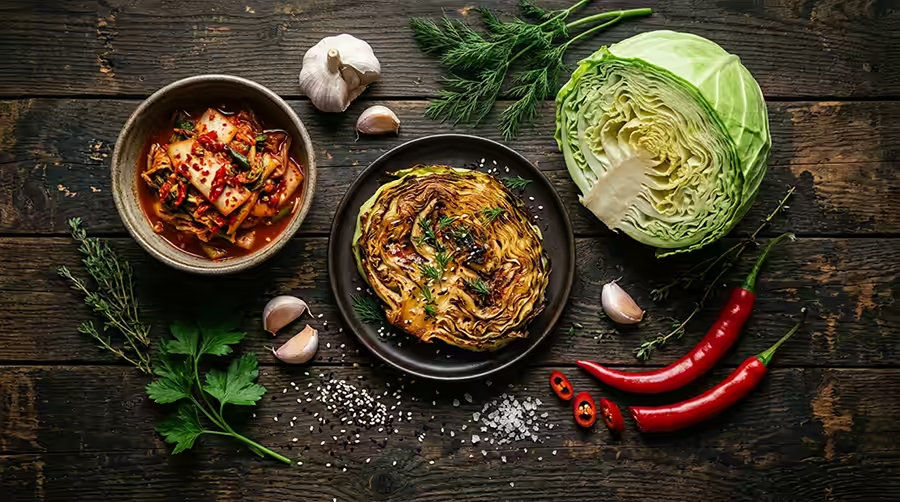
Cabbage has always been a staple in our kitchen. Borscht, coleslaw with mayonnaise, braised with potatoes—that’s pretty much the extent of its “repertoire” in most homes. But what if I told you that this familiar vegetable can be transformed into something completely unexpected? Something you’ll serve to guests—and they’ll ask, “What’s this made of?”
Content
2026 has officially declared cabbage the vegetable of the year. According to the Pinterest Trend Report, search queries for “cabbage dishes” have increased by 95–110%, and chefs around the world are featuring it on restaurant menus not as a side dish, but as the star of the plate. Cabbage is cheap, accessible, good for the gut, packed with fiber and antioxidants—and incredibly versatile in the kitchen.
In this article, I’ve put together 10 recipes that will make you never look at cabbage as a “boring” vegetable again. Each one comes with detailed instructions, tips, and flavor secrets.
Dish No. 1: Cabbage steaks with miso sauce and charred edges
This is probably the most impressive dish you’ve ever made using ordinary white cabbage or pointed cabbage. The idea comes from Japanese and Scandinavian cuisine, where searing vegetables is a true art form.
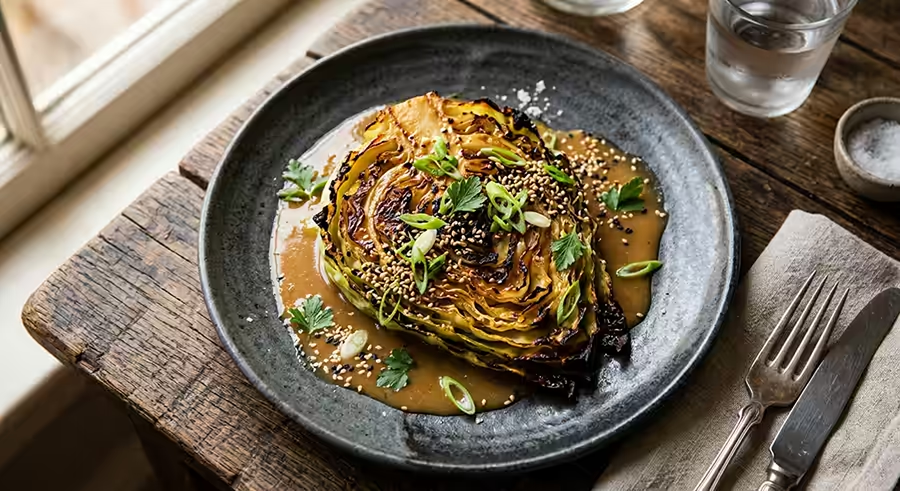
Why it tastes so good: When cooked over high heat, the cabbage caramelizes, turning its sugars into a golden crust while keeping the center soft and juicy. The miso butter adds a deep umami flavor that resembles meat.
Ingredients (serves 2):
- 1 small pointed-head or white cabbage
- 3 tbsp butter
- 2 tbsp white or red miso paste
- 1 tbsp soy sauce
- 1 tsp rice vinegar
- 1 tsp honey
- Sesame seeds for garnish
- Green onions
Preparation:
- Preheat the oven to 220 °C. Cut the cabbage lengthwise into thick slices (about 2–2.5 cm thick). Try to cut it so that the leaves stay together thanks to the core.
- Mix the softened butter with the miso paste, soy sauce, honey, and rice vinegar until smooth.
- Place the steaks on a baking sheet lined with parchment paper. Generously brush both sides with miso butter.
- Bake for 20 minutes, then flip it over and bake for another 15–20 minutes until it has a deep golden crust with slightly charred edges.
- Serve with sesame seeds, green onions, and a drizzle of miso oil on top.
Tip: If you want an even crispier crust, transfer the steaks from the oven to a hot grill pan and cook for 1–2 minutes on each side.
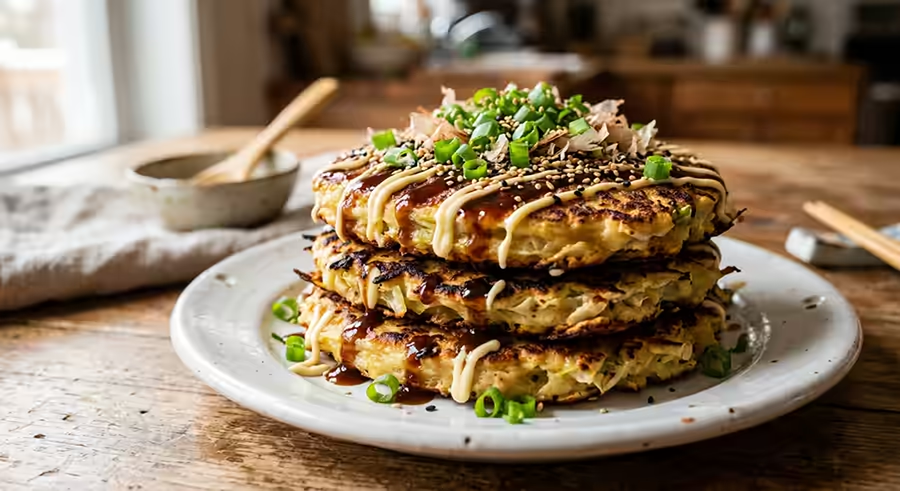
Dish No. 2: Okonomiyaki — Japanese cabbage pancakes
Okonomiyaki (お好み焼き) is a Japanese street food whose name literally means “cook what you like.” The base consists of a batter made with eggs and cabbage, and the rest is up to your imagination.
Why it’s delicious: The cabbage adds both a crisp texture and juiciness. The okonomiyaki sauce and Japanese mayonnaise transform a simple pancake into a true culinary adventure.
Ingredients (for 4 pancakes):
- 300 g white cabbage (finely shredded)
- 3 eggs
- 100 ml of cold water
- 120 g flour
- 1 tsp baking powder
- Salt — a pinch
- 100 g of bacon or shrimp (optional)
- Cooking oil
For the okonomiyaki sauce:
- 2 tbsp ketchup
- 1 tbsp soy sauce
- 1 tbsp Worcestershire sauce (or substitute with an extra tablespoon of soy sauce)
- 1 tsp honey
To serve:
- Japanese mayonnaise or regular mayonnaise
- Green onions
- Nori flakes or sesame seeds
Preparation:
- Mix the flour, baking powder, water, and eggs until you have a smooth batter. Add a pinch of salt.
- Add the shredded cabbage to the dough and mix—the cabbage should be evenly coated with the dough.
- Heat a skillet over medium-high heat and add the oil. Spoon in a portion of batter (about the thickness of a pancake, with a diameter of about 15 cm), and press it down with a spatula.
- If you’re using bacon, arrange the strips on top.
- Cook for 4–5 minutes until golden brown on the bottom, then carefully flip it over and cook for another 4 minutes.
- Mix all the sauce ingredients together and spread the mixture over the cooked pancake. Pipe mayonnaise in a zigzag pattern, then sprinkle with green onions and sesame seeds.
Tip: Cold water is the secret to a fluffy batter. Don’t move the pancake while it’s cooking—let it set first.
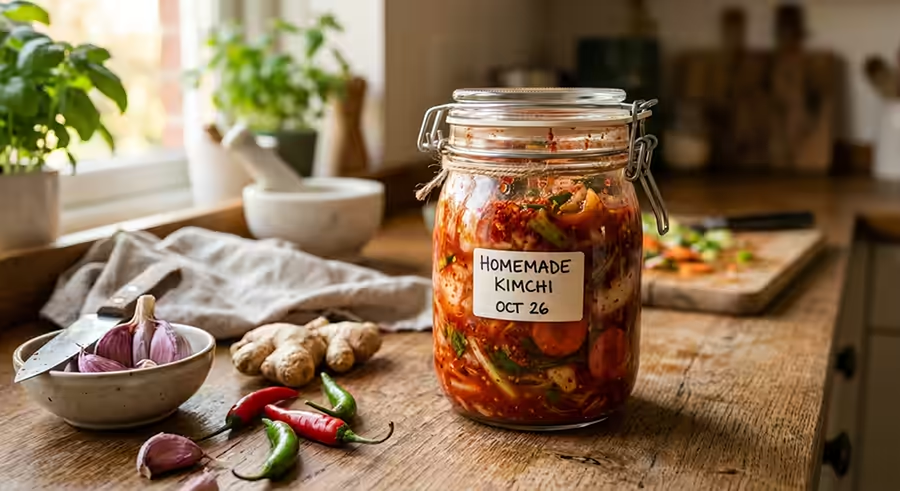
Dish No. 3: Homemade kimchi made from regular cabbage
Kimchi—fermented Korean cabbage—isn’t just a trendy food; it’s a superfood for your gut. And making it at home is much easier than it seems.
Why it’s good for you: During fermentation, probiotics are produced that support a healthy gut microbiome. Kimchi is a natural prebiotic and a source of vitamins C and K.
Ingredients:
- 1 medium head of Napa cabbage (about 1.5 kg)
- 3 tbsp coarse salt (non-iodized)
- 1 tbsp fish sauce or soy sauce (for the vegetarian version)
- 3–4 tbsp gochujang paste or a mixture of chili flakes and garlic
- 4 cloves of garlic (minced)
- 1 tsp grated ginger
- 1 tsp sugar
- 3–4 green onion stalks
- 1 small carrot (cut into thin strips)
Preparation:
- Cut the cabbage into large pieces or separate it into leaves. Season generously with salt, toss to coat, and let sit for 1–2 hours, turning every 30 minutes. The cabbage should release its juices and soften slightly.
- Rinse the cabbage under cold water 2–3 times to remove excess salt. Squeeze out the excess water thoroughly.
- Mix the gochujang (or chili paste), garlic, ginger, sugar, and fish sauce into a paste.
- Add the carrots and green onions to the cabbage. Using your hands (preferably while wearing gloves!), rub the paste evenly into each leaf.
- Pack it tightly into a glass jar. Let it sit at room temperature for 1–2 days, then transfer it to the refrigerator.
Tip: After 24 hours, open the jar and press down on the cabbage to release the bubbles. The kimchi will be ready in 3–5 days—but the longer it sits, the tangier and tastier it becomes.
Dish No. 4: Sichuan-style stir-fried cabbage with chili and garlic
This dish is an explosion of flavor in just 7 minutes. The technique originates from Sichuan Province (China): the cabbage is tossed into a pan heated to the maximum and stir-fried instantly.
Why it tastes so good: High heat creates a light char and an incredible aroma. The cabbage stays crisp, and the flavor is sharp, tangy, and addictive.
Ingredients (serves 2):
- 500 g white cabbage (cut into large pieces; do not chop the leaves)
- 4 cloves of garlic (sliced)
- 2–3 dried red chilies (or 1 tsp flakes)
- 2 tbsp soy sauce
- 1 tbsp rice vinegar
- 1 tsp sugar
- 1 tsp sesame oil
- Vegetable oil for frying
Preparation:
- Cut the cabbage into large pieces—don’t chop it too finely; larger pieces brown better.
- Heat a wok or a large, heavy-bottomed skillet over high heat until very hot. Add 2 tablespoons of vegetable oil.
- Add the cabbage to the hot oil—it should sizzle and “sizzle.” Don’t stir for the first minute—let it brown.
- Add the chili and garlic, and stir. Cook for another 2–3 minutes, stirring constantly.
- Add the soy sauce, vinegar, and sugar. Stir and cook for another 1–2 minutes.
- Drizzle with sesame oil before serving.
Tip: The secret is to use cabbage that’s completely dry and a pan that’s as hot as possible. Water is the enemy of a crispy crust.
Dish No. 5: Cabbage rolls with a surprising filling—mushrooms and melted cheese
Everyone knows stuffed cabbage rolls. But instead of meat, they’re filled with wild mushrooms, onions, and melted hard cheese—a combination that transforms this dish into something entirely different.
Ingredients (for 8–10 stuffed cabbage rolls):
- 1 large head of white cabbage
- 400 g mushrooms (button mushrooms, oyster mushrooms, or wild mushrooms)
- 1 large onion
- 150 g hard cheese (grated)
- 2 cloves of garlic
- 50 g butter
- Salt, pepper, thyme
For the sauce:
- 400 ml tomato puree
- 1 tsp sugar
- Salt, pepper, bay leaf
Preparation:
- Submerge the whole head of cabbage in a large pot of boiling water for 3–5 minutes. Remove the softened outer leaves. Repeat several times until you have 10–12 leaves.
- Finely chop the mushrooms and dice the onion. Sauté in butter until golden brown. Add the garlic and thyme. Let cool.
- Mix the mushroom filling with the grated cheese. Season with salt and pepper.
- Place the filling on each cabbage leaf and fold it into an envelope shape.
- Place the stuffed cabbage rolls in a baking dish and pour the tomato sauce (puree + sugar + salt + bay leaf) over them.
- Cover with foil and bake at 180 °C for 40 minutes. Remove the foil and bake for another 10 minutes until golden brown.
Tip: Instead of tomato sauce, try a creamy sauce made with sour cream and dill—it makes for a milder, “wintery” version.
Dish No. 6: Cabbage soup with peanut butter and coconut milk
Sounds unusual? Of course it does! But it’s one of the most delicious cream soups you can make with cabbage. It’s inspired by African and South Asian cuisine.
Ingredients (serves 4):
- 500 g white cabbage or Savoy cabbage
- 1 large onion
- 3 cloves of garlic
- 1 tsp grated ginger
- 400 ml coconut milk
- 600 ml vegetable or chicken broth
- 3 tbsp. natural peanut butter (sugar-free)
- 1 tbsp soy sauce
- 1 tsp turmeric
- The juice of half a lemon
- Oil, salt, pepper
- Cilantro or parsley for garnish
Preparation:
- Sauté the onion in oil until golden brown. Add the garlic, ginger, and turmeric, and cook for 1 minute.
- Add the chopped cabbage and stir. Cook for 3–4 minutes.
- Pour in the broth and coconut milk. Bring to a boil, then cook for 15 minutes until the cabbage is tender.
- Add the peanut butter and soy sauce, and stir well. Cook for another 5 minutes.
- Partially purée the soup with an immersion blender (or purée it completely to make a cream soup).
- Add lemon juice and taste for salt. Serve topped with cilantro and a handful of toasted nuts.
Tip: If you like it spicy, add gochujang or chili paste along with the peanut butter.
Dish No. 7: Cabbage “tacos” wrapped in cabbage leaves instead of tortillas
Perfect for those who avoid gluten or just want something light and fresh. Large cabbage leaves serve as tortillas and become edible “plates.”
Ingredients (for 10–12 tacos):
- 12 large leaves of white cabbage or iceberg lettuce
- 300 g ground meat (chicken or beef) or roasted chickpeas (vegetarian version)
- 1 onion
- 2 cloves of garlic
- 1 tsp cumin
- 1 tsp smoked paprika
- Salt, pepper
For toppings:
- Avocado or guacamole
- Pickled cucumbers or radishes
- Sour cream or Greek yogurt
- Lime juice
- Cilantro or scallions
Preparation:
- Sauté the onion and garlic. Add the ground meat and cook until done, seasoning with cumin, paprika, salt, and pepper. (For the chickpea version, simply sauté the chickpeas with the spices until crispy.)
- Rinse and dry the cabbage leaves—they should be cool and crisp.
- Place a portion of ground meat on each leaf, then add your choice of toppings.
- Drizzle with lime juice and serve immediately.
Tip: For a sturdier “cup,” use two cabbage leaves nested inside each other.
Dish No. 8: Fermented cabbage kvass — a probiotic drink
Yes, you can make a drink out of cabbage! Cabbage brine and kvass are traditional beverages that are currently enjoying a resurgence in popularity thanks to growing interest in gut health.
Why it’s good for you: Cabbage kvass is a natural source of vitamin C, lactic acid bacteria, and enzymes. It aids digestion, boosts immunity, and is a completely natural probiotic.
Ingredients (per 1 liter):
- 300 g white cabbage (finely shredded)
- 1 liter of filtered water
- 1 tbsp coarse salt (non-iodized)
- Optional: cumin, bay leaf, a few black peppercorns
Preparation:
- Pack the shredded cabbage tightly into a glass jar. Add the spices.
- Dissolve the salt in room-temperature water. Pour the brine over the cabbage so that it is completely covered.
- Cover the jar with cheesecloth or a lid with a small hole. Leave it at room temperature for 2–4 days.
- Check the cabbage daily and press it down into the brine. If bubbles appear, it means fermentation is underway.
- After 3–4 days, strain the liquid—that’s your cabbage kvass.
Tip: Taste it every day—the acidity will increase. Once you’re satisfied with the taste, pour the kvass into a bottle and store it in the refrigerator for up to 2 weeks.
Dish No. 9: Cabbage pasta (cabbage instead of sauce)
No, this isn’t pasta with cabbage in a sauce. It’s a dish where the cabbage itself turns into a thick, creamy sauce—almost like Alfredo, but lighter and healthier.
Ingredients (serves 2):
- 250 g pasta (rigatoni, penne, or any other type)
- 400 g Savoy or white cabbage
- 3 cloves of garlic
- 100 ml of heavy cream (20–30% fat)
- 50 g hard cheese (Parmesan or Grana Padano)
- 2 tbsp butter
- Nutmeg — a pinch
- Salt, black pepper
- Pancetta or bacon (optional)
Preparation:
- Cut the cabbage into thin strips. Melt the butter in a deep skillet and sauté the garlic for 30 seconds.
- Add the cabbage and season with salt. Cover and simmer over low heat for 20–25 minutes, until the cabbage is very tender and slightly caramelized.
- Cook the pasta until al dente, reserving 100 ml of the cooking water.
- Add the cream, nutmeg, and pepper to the cabbage. Simmer for another 3 minutes.
- Blend half of the cabbage in a blender until smooth, then mix it with the rest—the mixture will be creamy but still have some texture.
- Add the pasta and the cooking water, then stir. Serve with grated cheese.
Tip: If you’re using pancetta, fry it until crispy first, set it aside, and then sprinkle it on top before serving.
Dish No. 10: Meatless Cabbage “Lasagna”
The final dish is the most surprising. Cabbage leaves take the place of lasagna sheets, with layers of cheese, vegetables, and béchamel in between. It looks impressive and tastes even better.
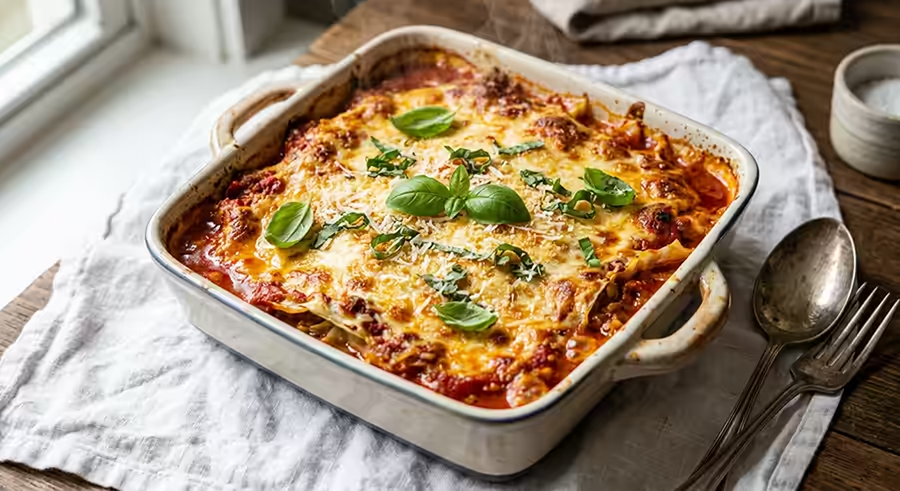
Ingredients (20 x 30 cm pan):
- 1 large head of cabbage
- 400 g ricotta or cottage cheese
- 200 g mozzarella (grated)
- 100 g of hard cheese
- 2 eggs
- 400 g tomato sauce (store-bought or homemade)
- 1 clove of garlic
- Salt, pepper, basil
For the béchamel sauce:
- 2 tbsp butter
- 2 tbsp. flour
- 400 ml of milk
- Nutmeg, salt
Preparation:
- Blanch the large cabbage leaves in salted boiling water for 2–3 minutes. Let them cool, then pat them dry thoroughly with a towel—this is important to prevent the cake from becoming soggy.
- Make the béchamel sauce: melt the butter, add the flour, and cook for 1 minute. Gradually pour in the milk, stirring until the sauce thickens. Add nutmeg and salt.
- Mix the ricotta with the eggs, basil, salt, and pepper.
- Assemble the cake in layers in the dish: tomato sauce → cabbage leaves → ricotta → cabbage leaves → béchamel sauce → mozzarella → repeat. Top with grated hard cheese.
- Cover with foil and bake at 180°C for 35 minutes. Remove the foil and bake for another 15 minutes until golden brown.
- Let it sit for 10 minutes before slicing—that way, the layers will hold together better.
Tip: Try adding sautéed mushrooms or spinach between the layers—it will give the dish an even richer flavor.
Why cabbage is a superfood, not “poor people’s food”
It’s important to understand that cabbage isn’t just “poor man’s food.” It’s one of the most nutritious and healthy vegetables in the world. It contains:
- Vitamin C — 100 g of raw cabbage provides up to 60% of the daily recommended intake
- Vitamin K is essential for bone health and blood clotting
- Fiber — supports the gut microbiome
- Antioxidants—especially in red cabbage, which contains anthocyanins
- Sulforaphane is a compound with anti-inflammatory properties found in all cruciferous vegetables
In addition, cabbage is one of the cheapest seasonal vegetables in Ukraine and can be stored for months without losing its nutritional value. This makes it an ideal ingredient for both everyday meals and festive dishes.
The Health Benefits of Cabbage: What Science Says
Cabbage isn’t just tasty and affordable. It’s a veritable natural pharmacy that we underestimate every day.
Protection of the cardiovascular system
Cabbage contains significant amounts of potassium, which helps regulate blood pressure and reduces the strain on the heart. The anthocyanins found in red and purple cabbage are linked to a reduced risk of cardiovascular disease—they protect blood vessel walls from oxidative damage and inflammation. Regular consumption of cruciferous vegetables, which include cabbage, lowers levels of “bad” cholesterol (LDL) and maintains vascular elasticity.
Gut Health and Digestion
Cabbage is rich in insoluble fiber, which stimulates intestinal peristalsis and prevents constipation. Fermented cabbage (sauerkraut, kimchi) also contains live probiotic cultures that improve the composition of the gut microbiome. A healthy gut microbiome, in turn, is linked not only to better digestion but also to a stronger immune system, a good mood, and even better sleep quality.
Anticancer properties
Cabbage, like all cruciferous vegetables, contains glucosinolates—compounds that are converted in the body into sulforaphane and indole-3-carbinol. These substances are being actively studied by scientists as potential agents that inhibit the growth of cancer cells, particularly in breast, prostate, and colon cancer. Important: the highest levels of these compounds are found in raw or lightly cooked cabbage—prolonged cooking reduces their content.
Immune system support
Just 150 grams of fresh cabbage provides an adult’s daily requirement of vitamin C—a powerful antioxidant that supports immune cell function, stimulates collagen production, and protects the body from free radicals. Unlike citrus fruits, cabbage is available year-round in Ukraine and costs significantly less.
Bones and joints
Vitamin K, which is abundant in cabbage (especially Savoy and Brussels sprouts), plays a key role in bone mineralization—it helps the body properly utilize calcium and reduces the risk of osteoporosis. Regular consumption of cabbage, combined with adequate vitamin D levels, can be a powerful preventive measure against joint problems in later life.
Weight and Metabolism
Cabbage is a true ally for those watching their weight. A 100-gram serving of fresh white cabbage contains only 25–27 calories, yet it leaves you feeling full thanks to its fiber content and high volume. It also contains tartronic acid—a substance that, according to some studies, slows down the conversion of carbohydrates into fat. That’s why cabbage is often included in detox diets and weight-loss programs.
Skin and Beauty from Within
Vitamin C stimulates the production of collagen—the skin’s primary protein, which is responsible for its elasticity and youthful appearance. Antioxidants neutralize free radicals, which accelerate cellular aging. Traditional medicine has long recommended regular consumption of fresh cabbage or cabbage juice to improve the condition of the skin, nails, and hair—and modern science partially confirms this.
Stress and the Nervous System
Cabbage contains B vitamins (especially B6 and folic acid), which play a role in the synthesis of the neurotransmitters serotonin and dopamine. Adequate levels of these substances help maintain a stable mood, reduce anxiety, and improve concentration. This is especially important given the chronic stress that most Ukrainians face today.
Tips for Choosing and Storing Cabbage
Before heading to the market, there are a few simple rules you should know:
- Choose a firm head—it should feel heavy for its size
- The leaves should be crisp and free of blemishes—yellowed outer leaves are fine as long as the cabbage underneath is good and fresh
- Young cabbage (May–June) — tender, perfect for fresh salads and pancakes
- Winter cabbage (grown in the fall) is denser, holds its shape better when cooked, and is ideal for braising and fermentation
- Storage: A whole head of cabbage will keep for up to 2–3 months in the refrigerator or in a cool place. Wrap cut cabbage in plastic wrap and use within a week.
Final Thoughts
So, cabbage isn’t just a boring side dish, an “old-fashioned” dish, or a vegetable reserved solely for borscht. It’s a true culinary building block that works equally well in Japanese, Korean, and modern European cuisine. The key is not to be afraid to experiment and give it a chance to shine in a new light.
Try at least one of these 10 dishes, and I’m sure cabbage will always hold a special place in your culinary repertoire.
Which dish would you make first? Let me know in the comments—I’m really curious!