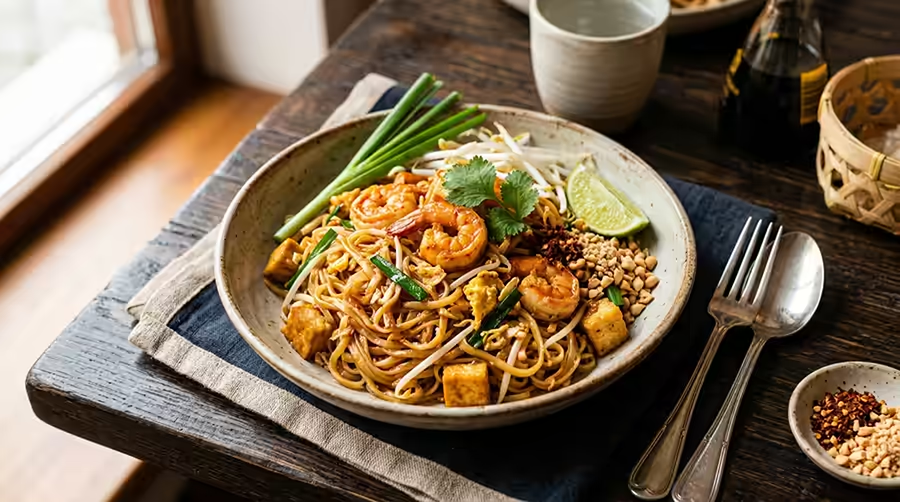
Pad Thai is one of the most famous dishes in Thai cuisine, prized for its distinctive flavor, quick preparation, and the perfect combination of soft noodles, aromatic sauce, and crispy toppings. A good pad thai offers a balance of salty, sour, sweet, and mildly spicy notes, while the dish’s texture combines tenderness, juiciness, and a pleasant crunch.
Content
Pad Thai is particularly convenient for home cooking because it can be prepared faster than many other noodle dishes, yet it turns out to be very flavorful and impressive. The main secret isn’t in the complexity of the recipe, but in the correct sequence of steps: prepare the ingredients in advance, don’t overcook the noodles, mix the sauce beforehand, and cook everything in a well-heated pan.
At first glance, pad thai seems like just stir-fried noodles with an egg, but in reality, it’s a dish where every detail matters. If the noodles are too soft, they’ll stick together; if the sauce isn’t balanced, the dish will be either too salty or bland and flat; if you don’t add lime, peanuts, and sprouts at the end, the flavor won’t have that characteristic depth and contrast that pad thai is so loved for.
It’s also a very versatile dish. You can make it with chicken, shrimp, tofu, vegetables, or even in a simplified homemade version if you can’t find all the authentic ingredients. That’s exactly why pad thai is perfect both for a first taste of Thai cuisine and for a regular home-cooked meal when you’re craving something special but don’t want to spend too much time in the kitchen.
What is Pad Thai?
Pad Thai is a Thai dish made with rice noodles that are quickly stir-fried over high heat with sauce, egg, tofu, meat, or seafood. It is usually topped with chopped peanuts, bean sprouts, and lime wedges, which add freshness, texture, and a final balance of flavor.
Pad Thai’s popularity can largely be attributed to its simple yet carefully crafted flavor profile. It’s a dish with no unnecessary elements: the noodles provide the base, the sauce defines its character, the egg rounds out the flavor, the tofu or meat adds substance, and the lime, peanuts, and bean sprouts bring it all together.
Another reason for its popularity is speed. Once the ingredients are prepped, the stir-frying itself takes just a few minutes, so pad thai is perfect for both a weeknight dinner and a dish you want to impress guests with without the hassle of extensive prep. Plus, the dish looks vibrant and appetizing, and the flavor is rich and complex even when made at home.
What does authentic pad thai taste like?
The best way to understand pad thai is to imagine a flavor profile where no single note overpowers the others. The acidity should be refreshing, not overpowering; the saltiness should bring out the other flavors; the sweetness shouldn’t turn the dish into a dessert; and the spiciness should remain in the background, not take center stage.
Tamarind paste is usually what gives pad thai that distinctive tangy depth that sets it apart from simple noodles with lime. Fish sauce adds saltiness and richness, sugar balances the sour and salty notes, and finally, lime refreshes the dish and brings out the flavors.
It’s also very important to note that the flavor of pad thai isn’t determined by the sauce alone. Peanuts add a light, nutty richness, bean sprouts bring a juicy freshness, the egg rounds out the flavor, and cooking over high heat creates a sense of quick stir-frying, which makes the dish more distinctive.
What ingredients do you need?
To make a good pad thai at home, you don’t need dozens of ingredients, but it’s best to choose the basic ones carefully. They’re what give this dish the flavor that makes you want to make it again and again.
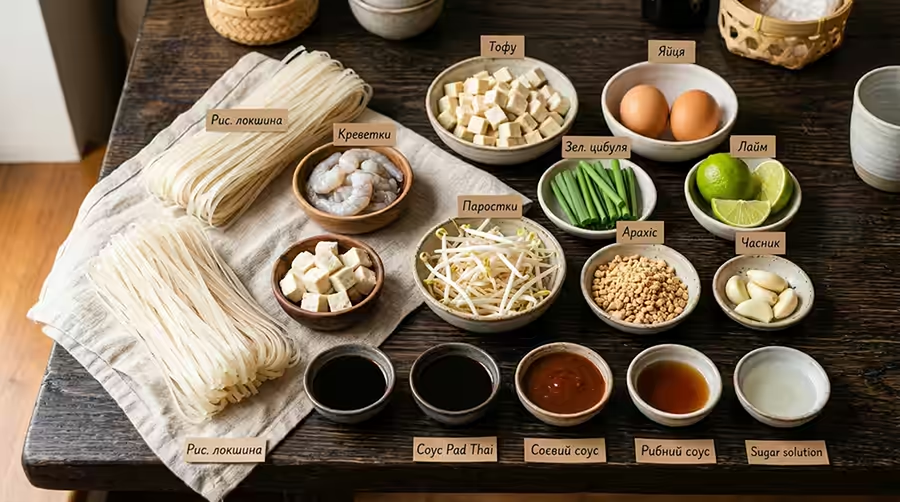
The basis of the dish
- Medium-width rice noodles are the classic base for pad thai.
- Eggs add tenderness and softness and help bind the ingredients together.
- Tofu, chicken, or shrimp—a source of satiety and the main source of protein.
- Garlic — provides a fragrant base.
- Green onions — add a fresh, zesty kick.
- Soybean or mung bean sprouts—they’re what give it its freshness and crunch.
- Roasted peanuts — add a nutty flavor and a contrast in textures.
- Lime adds the finishing touch to the dish and makes it more vibrant.
For a classic sauce
- Tamarind paste — 2 tbsp.
- Fish sauce — 2–3 tbsp.
- Palm sugar or brown sugar — 1–2 tbsp.
- Lime juice — 1 tbsp
- Chili or chili flakes—optional.
This combination creates the flavor profile typical of pad thai. If you remove one of the key ingredients, such as tamarind, the dish may still be tasty, but the flavor will be less distinctive.
How to Choose Noodles
Medium-width rice noodles are typically used for pad thai; when cooked properly, they become chewy, don’t break, and absorb the sauce well. Noodles that are too thin tend to get soggy quickly and may lose their shape, while those that are too thick don’t always cook through properly during the brief stir-frying process.
One of the biggest mistakes is overcooking the noodles before adding them to the pan. In most recipes, the noodles aren’t cooked all the way through in the first step; instead, they’re just blanched until they’re soft enough to be fried later. That’s why the final texture turns out springy rather than sticky.
If this is your first time making pad thai, it’s best to check the noodles with your hands. They should already be pliable and elastic, but still retain a slight firmness inside, as they will finish cooking in the pan under the heat and sauce.
Why Sauce Is Everything
In pad thai, it is the sauce that brings the dish together. Without a properly balanced sauce, the noodles, egg, and filling would simply be separate components, failing to create that distinctive flavor that makes pad thai so special.
It’s a good idea to mix the sauce in a bowl beforehand rather than adding the ingredients one by one to the pan. This ensures the flavors are distributed more evenly, and you won’t lose momentum while stir-frying, which is really important for pad thai.
When made properly, the sauce may seem a little sharp or intense if tasted on its own. This is normal, because once combined with the noodles, egg, and protein ingredients, the flavor becomes milder and more rounded.
Classic Pad Thai Recipe
Ingredients for 2–3 servings
- Rice noodles — 180–200 g
- Chicken breast, shrimp, or another source of protein — 200 g
- Firm tofu — 100 g
- Eggs — 2
- Garlic — 2–3 cloves
- Green onions — 2–3 stalks
- Sprouts — 1 large handful
- Roasted peanuts — 3–4 tbsp.
- Lime — 1
- Oil — 2 tbsp.
For the sauce
- Tamarind paste — 2 tbsp.
- Fish sauce — 2–3 tbsp.
- Sugar — 1–2 tbsp
- Lime juice — 1 tbsp.
- Chili — to taste.
Preparing the noodles
Soak the rice noodles in water until they become pliable but not quite cooked through. Then drain them thoroughly to prevent excess liquid from accumulating in the pan, which would prevent them from browning quickly.
Preparing the other ingredients
Cut the tofu into small cubes, the chicken into thin strips, and the green onions into pieces a few centimeters long. Finely chop the garlic, chop the peanuts with a knife or lightly crush them in a mortar, and cut the lime into wedges.
How to make the sauce
In a small bowl, combine the tamarind paste, fish sauce, sugar, lime juice, and chili. Stir until smooth, so the sugar dissolves and the flavors blend together.
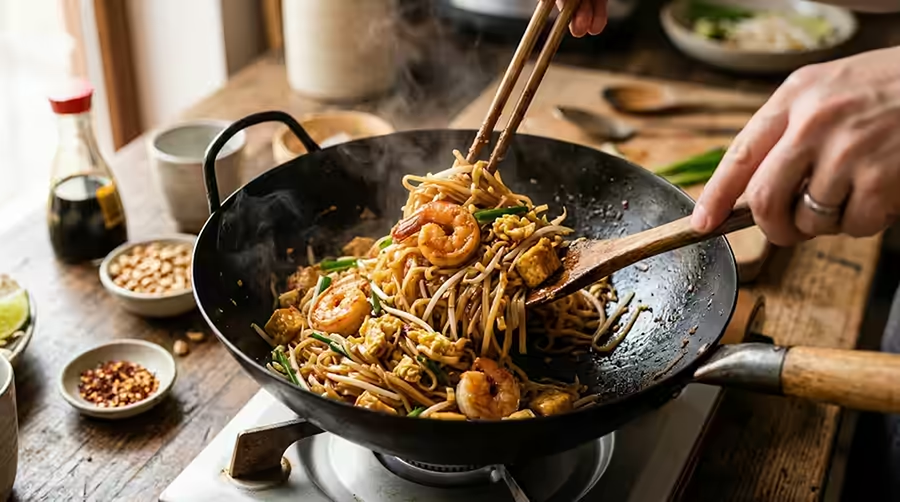
Step-by-step instructions
- Heat a wok or a large skillet thoroughly.
- Add the oil and quickly sauté the chicken, shrimp, or tofu until lightly golden.
- Add the garlic and cook for a few seconds, just until it becomes fragrant.
- Push the filling to the edge of the pan, crack the eggs into the center, and quickly stir them until they form a soft scramble.
- Add the noodles, pour in the sauce, and stir vigorously so that the noodles are evenly coated with the sauce.
- When the noodles are glossy and almost done, add the green onions and sprouts.
- Remove the dish from the heat and serve with peanuts, lime, and chili, if desired.
What should the result be?
The finished pad thai shouldn’t be swimming in sauce or be dry. The noodles should be tender yet firm, the ingredients should stand out, and the flavor should be complex: slightly salty, with a hint of sweetness, a characteristic tang, and a fresh lime finish.
Detailed cooking instructions
Pad Thai is all about timing. Once you’ve started cooking, you shouldn’t stop to chop anything or look for ingredients, because the dish is ready in just a few minutes. That’s why a professional result doesn’t start with the pan, but with having your kitchen organized properly before you begin.
The easiest way is to divide all the ingredients into small portions and place them in separate bowls. Keep the noodles, sauce, protein, herbs, and garnishes separate—this approach significantly reduces the risk of overcooking or forgetting something.
Another important detail is portion size. If you put too much noodles and filling in the pan at once, the ingredients won’t fry but will start to simmer in their own juices. That’s why it’s better to cook 2–3 servings at most at a time at home, or to divide a large batch into two portions.
Pad Thai with Chicken
Pad Thai with chicken is one of the most convenient options for home cooking, since chicken breast is affordable, cooks quickly, and has a mild flavor that absorbs the sauce well. This version is filling but not too heavy, making it perfect for both dinner and lunch.
Ingredients
- Rice noodles — 200 g
- Chicken breast — 220–250 g
- Tofu — 80–100 g, optional
- Eggs — 2
- Garlic — 2 cloves
- Green onions — 2–3 stalks
- Sprouts — 1 large handful
- Peanuts — 3 tbsp.
- Oil — 2 tbsp.
- Pad Thai sauce — 1 full serving
How to cook
Cut the chicken into thin strips so it cooks quickly and doesn’t dry out. Cook the chicken first, then add the garlic, egg, noodles, and sauce, and finish with the bean sprouts, green onions, peanuts, and lime.
What’s important
The chicken shouldn’t be overcooked until it becomes tough. In pad thai, it should remain juicy, so it’s best to cook it quickly over high heat rather than simmering it for a long time over medium heat.
Pad Thai with Shrimp
Pad Thai with shrimp is one of the most popular and well-known variations of this dish, especially when you’re in the mood for a more festive or restaurant-style version. The shrimp add a light, natural sweetness and pair perfectly with the sweet-and-sour sauce and lime.
Ingredients
- Rice noodles — 180–200 g
- Peeled shrimp — 200–250 g
- Eggs — 2
- Tofu — 80–100 g, optional
- Garlic — 2 cloves
- Green onions — 2 stalks
- Sprouts — 1 large handful
- Peanuts — 3–4 tablespoons
- Lime — 1
- Pad Thai sauce — 1 serving
How to cook
Shrimp cook very quickly, so just sauté them for 1–2 minutes until they change color and become firm. Then add the garlic, egg, noodles, and sauce, and finish with the herbs, sprouts, and peanuts.
What’s important
The most common mistake with this version is overcooking the shrimp, which makes them rubbery. It’s better to take them off the pan a little early than to let them get too dry, since they’ll still be in contact with the hot noodles for a few more seconds.
Vegetarian Pad Thai with Tofu
Vegetarian pad thai can be just as delicious and satisfying as the version with meat or seafood, as long as you get the texture and sauce right. Tofu is especially important here, as it’s what gives the dish its heartiness and substance.
Ingredients
- Rice noodles — 200 g
- Firm tofu — 180–200 g
- Eggs — 2, or omit for a stricter plant-based version
- Carrot — 1 small
- Champignons or other mushrooms — 100 g (optional)
- Garlic — 2–3 cloves
- Green onions — 2–3 stalks
- Sprouts — a large handful
- Peanuts — 3–4 tablespoons
- The sauce has been adapted to exclude fish sauce if necessary
How to cook
Pat the tofu dry thoroughly and cut it into cubes so that it browns rather than stewing in its own juices. First, fry the tofu until golden brown, then add the carrots, mushrooms, garlic, noodles, and sauce, and finish with the sprouts and peanuts.
What’s important
In this version, it’s especially important to maintain a contrast in textures. If everything is too soft, the dish will seem monotonous, so the crunchy sprouts, peanuts, and slightly firmer tofu work particularly well here.
Easy Homemade Pad Thai
It’s not always possible to find tamarind paste, bean sprouts, or other specialty ingredients, but even without them, you can still make a delicious homemade version of this dish. Sure, it won’t be completely authentic, but it will capture the essence of pad thai: rice noodles, quick stir-frying, a well-balanced sauce, and a crispy finishing touch.
Ingredients
- Rice noodles — 200 g
- Chicken or shrimp — 200 g
- Eggs — 2
- Garlic — 2 cloves
- Soy sauce — a little, to taste
- Lime juice — 1–2 tbsp.
- Sugar — 1–2 tsp
- Peanuts — 3 tbsp.
- Green onions — 2 stalks
How to cook
Prepare the noodles, sauté the main protein, add the egg, then the noodles and a simple sauce made with vinegar, salt, and sugar. Finish by adding peanuts, herbs, and lime to give the dish a fresh flavor and textural contrast.
What can you add to pad thai?
Although the recipe follows a fairly set structure, homemade pad thai allows for some flexibility. Thinly sliced carrots, a few mushrooms, extra green onions, or more chili peppers often go well with it if you’re looking for a bolder flavor.
At the same time, it’s important not to overload the dish. If you add too many vegetables, sauces, or different toppings all at once, pad thai will lose its signature simplicity and may turn into a chaotic mix where no single ingredient stands out.
A simple rule works well: one base, one or two additional accents, but not a whole assortment of everything in the fridge. Pad Thai thrives on balance—not just in the sauce, but in the ingredients as well.
Common Mistakes
The noodles turned mushy
This usually happens when the noodles are left in the water too long or cooked in the pan for too long. For pad thai, the noodles should be slightly undercooked until they are mixed with the sauce.
The dish turned out watery
This is often caused by a pan that isn’t hot enough or by adding too much food at once. In this situation, the ingredients start to release moisture instead of browning quickly.
It doesn’t have a strong flavor
This usually means that the sauce is unbalanced or lacks acidity and depth. Tamarind paste is essential in the classic version precisely because it provides that distinctive tangy note, which is difficult to replicate accurately using just lime.
The dish is too salty
This happens when there’s too much fish sauce, or when soy sauce is added without adjusting the other flavors. In this case, you should balance the flavor with extra noodles, lime, or a small amount of sugar.
Dry filling
Chicken dries out if you cook it for too long, and shrimp do the same if you leave them in the pan even a minute longer than necessary. For pad thai, a quick stir-fry is almost always better than a long one.
Tips for Perfect Results
- Have all the ingredients ready before you start cooking, because pad thai cooks very quickly.
- Mix the sauce in advance so you don’t lose your rhythm while cooking.
- Don’t overload the pan, especially if you’re cooking for 3–4 people.
- Add the sprouts at the end so they stay fresh and crisp.
- Serve with lime on the side so everyone can adjust the acidity to their liking.
- It’s best to add the peanuts right before serving so they don’t get soggy and retain their texture.
What can be used as substitutes for the ingredients?
If you don’t have tamarind paste, you can make a homemade version using lime and sugar, although the flavor won’t be quite the same as in the classic version. If you don’t have fish sauce, vegetarian or simplified versions use alternatives or soy sauce, but this is an interpretation rather than an exact reproduction of the traditional flavor profile.
If you don’t have the traditional sprouts on hand, you can partially substitute them with thinly sliced cabbage or young greens. However, it is the sprouts that provide that characteristic fresh juiciness, which contrasts beautifully with the hot noodles.
If you don’t like peanuts, you can reduce the amount, but you shouldn’t leave them out entirely, as they have a significant impact on the final flavor and texture of the dish.
How to serve pad thai
Pad Thai tastes best right after it’s made, when the noodles are still hot, glossy, and springy. Before serving, sprinkle it with chopped peanuts, add fresh sprouts, green onions, and a few lime wedges.
For an attractive presentation at home, instead of spreading the noodles out in a flat layer, arrange them in a loose mound in a deep plate or wide bowl. A few whole shrimp, strips of chicken, or golden tofu cubes look great on top, with a lime wedge and a sprinkle of chili on the side for a touch of spice.
If you’re serving this dish to guests, don’t squeeze the whole lime into the pan at once. It’s better to set some aside for the table so that the flavor can be adjusted right at the plate.
Storage and reheating
Pad Thai is best enjoyed fresh, right after it’s made, because that’s when the noodles have the right texture and the bean sprouts and peanuts retain their flavor. The dish is still edible once it cools, but the noodles become denser and lose some of their texture.
If you want to save leftovers, it’s best to put them in a container and keep them in the fridge for a short time. Reheat them quickly in a pan with a few drops of water or a small amount of sauce to restore the noodles’ softness without turning them into mush.
It’s best to add finishing touches like peanuts, lime, and fresh sprouts after reheating. This way, the flavor will remain more vibrant, and the texture will be more pronounced.
Why you should make pad thai at home
Homemade pad thai is a great example of a dish that looks more complicated than it actually is. Once you understand the basic concept, the recipe is easy to adapt to the ingredients you have on hand, your taste preferences, and even your daily routine.
This is also a great dish for those who like to customize the flavor to their liking. You can make it tangier, milder, or spicier, add more peanuts, or choose your favorite protein—all without compromising the essence of the recipe.
Pad Thai is also perfect for creating an eye-catching post on a blog because it looks so striking: glossy noodles, fresh herbs, nuts, lime, and golden pieces of tofu or shrimp. It’s one of those dishes that’s both photogenic, popular in search results, and truly delicious.
Frequently Asked Questions
What is pad thai?
Pad thai is a Thai dish made with rice noodles that are quickly stir-fried with sauce, egg, tofu, meat, or seafood, and served with lime, peanuts, and bean sprouts.
What kind of noodles are used for pad thai?
Usually, medium-width rice noodles are used, which are first soaked and then cooked in a pan until done.
Is it necessary to add tamarind?
For the most distinctive flavor—yes, because it’s the tamarind paste that gives it its characteristic tartness.
Can you make this dish without shrimp?
Yes, recipes using chicken, tofu, or a combination of several protein sources are very common.
Why do noodles stick together?
Most often, it’s because they were left in the water too long or cooked over low heat for too long.
When should you add the sprouts?
At the end of cooking or right before serving, so they stay crisp.
Can you make a vegetarian version?
Yes, a version made with firm tofu and a modified sauce is a common homemade variation.
Can you make pad thai ahead of time?
Yes, you can, but it tastes and has the best texture right after it’s made.