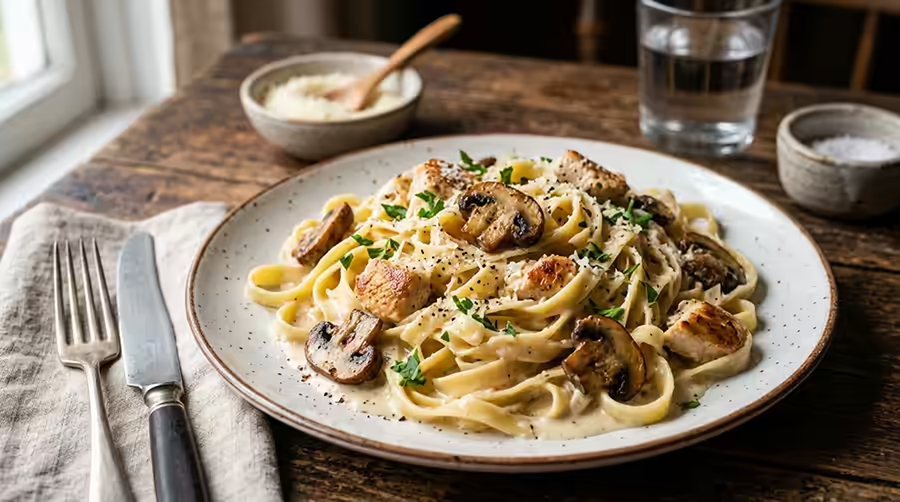
Fettuccine is one of those dishes that combines simplicity, elegance, and a very distinctive flavor. At first glance, it’s just a long, flat pasta, but it’s precisely its shape that makes fettuccine particularly well-suited for thick, creamy, cheesy, mushroom, and meat sauces. The wide ribbons are well-coated with sauce, don’t get lost on the plate, and deliver that “restaurant-style pasta” effect that many people want to recreate at home.
Content
In home cooking, fettuccine is prized not only for its taste but also for its versatility. It can be prepared very simply—with butter, cheese, and pepper—or transformed into a full-fledged festive dish with chicken, mushrooms, shrimp, salmon, or vegetables.
Fettuccine is often associated with creamy sauces, but in reality, it’s a much broader culinary theme. There’s homemade fettuccine made from egg dough, there are dry store-bought varieties, there are classic Italian preparations, and there are more modern homemade versions. Some recipes are as simple as possible, while others are hearty, rich, and complex in flavor. That’s exactly why pasta is perfect for a blog: it’s easy to build a comprehensive, informative, and search-engine-optimized article around it that answers most of users’ common questions.
What is fettuccine, and why is this pasta so popular?
Fettuccine is an Italian pasta shaped like long, flat ribbons of medium width. In a finished dish, it looks more substantial than thin spaghetti, yet not as bulky as very wide ribbon-style pastas. It is this balance that makes fettuccine exceptionally convenient for home cooking. It is delicate enough to pair well with light creamy sauces, yet substantial enough to hold up when combined with meat, mushrooms, or seafood.
The name of this pasta is associated with Italian culinary tradition, but its global popularity has long extended beyond Italy. In many countries, fettuccine has become synonymous with “creamy homemade pasta,” especially when it comes to fettuccine Alfredo. However, the real advantage of this pasta shape is that it easily adapts to local ingredients and tastes. Some people make fettuccine with cream and cheese, others with chicken and mushrooms, and still others prepare lighter versions—with vegetables, herbs, lemon, and olive oil.
In culinary terms, this is a very “versatile” pasta. It looks beautiful in photos, holds its shape well, winds easily onto a fork, pairs effortlessly with various textures, and gives the impression of a complete meal even when there are very few ingredients. That’s why fettuccine is often one of the best choices for home cooking when you want to prepare something delicious, straightforward, impressive, and not overly complicated.
Another reason for its popularity is the flexibility in choosing the pasta itself. You can buy ready-made dry fettuccine and have dinner ready in 20 minutes. You can make fresh pasta at home if you want a more authentic result. You can choose classic wheat fettuccine, spinach, whole-grain, or even gluten-free varieties if that’s important for your diet. Either way, the dish will remain recognizable and very appetizing.
To put it simply, fettuccine is a pasta that really loves sauce. Its shape is designed to hold creamy, cheesy, or mushroom-based sauces on its surface. That’s why fettuccine is perfect for recipes where it’s not just the pasta itself that matters, but also how the sauce gently coats each strand. This is a case where texture contributes to the flavor just as much as the selection of ingredients.
How does fettuccine differ from tagliatelle, pappardelle, and noodles?
In practice, many people confuse fettuccine with tagliatelle. And that’s not surprising, since both types of pasta are ribbon-shaped. But in culinary terms, fettuccine usually looks a bit narrower and “smoother,” making it ideal for creamy sauces, while tagliatelle is often associated with slightly wider ribbons and heartier meat ragouts. In home cooking, this difference isn’t critical, but it’s worth understanding for accuracy’s sake.
Pappardelle is an even wider ribbon-shaped pasta. It works best with rich, hearty sauces, especially those with plenty of meat or slow-cooked ingredients. If you’re looking for a creamy pasta with a delicate texture, fettuccine usually yields a more refined result.
Regular noodles may look similar on the outside, but in terms of texture, recipe, and culinary tradition, they are not the same. Fettuccine is not just “any long strips of dough,” but a specific type of pasta with its own culinary logic and established pairings with sauces.
Why is this pasta a good choice for home cooking?
Fettuccine is easy to handle at every stage. It’s convenient to cook, easy to toss with sauce, and simple to plate. Unlike smaller pasta shapes, you can immediately tell whether the texture is right, if there’s enough sauce, or if the dish has overcooked. This is important for those who want consistent results without any unpleasant surprises.
In addition, fettuccine is quite forgiving when it comes to certain practical adjustments. If you don’t have the perfect Italian cheese, you can use a good, hard, aged cheese instead. If you don’t have a special pasta machine, you can easily cut homemade fettuccine by hand. If you’re looking for a heartier dinner, simply add chicken or mushrooms—and the dish takes on a whole new character without losing its essence.
That’s exactly why fettuccine is a great choice for both beginners and experienced home cooks. You can prepare it the “classic” way, or you can create your own variations. And in almost every case, the result will be straightforward, delicious, and very easy to replicate.
How to cook fettuccine properly so that it doesn’t stick together and is al dente
The success of a dish doesn’t start with the sauce, but rather with cooking the pasta just right. Many people consider this step a minor detail, but in practice, it is often what determines whether the dish will be silky and well-balanced or turn into a heavy mass of overly soft pasta. No matter how high-quality the ingredients you use for the sauce, overcooked pasta will not deliver the result expected from a good recipe.
The first rule is to use enough water. Pasta should cook in a spacious pot, not a cramped one. If there isn’t enough water, the strands start to stick together, the starch becomes too concentrated, and it becomes harder to control the cooking process. For home cooking, the simple rule is this: a large pot with plenty of water is almost always better than a small pot packed to the brim.
The second rule is to salt the water well. It is during the cooking process that the pasta develops its basic flavor. If the water isn’t salty enough, the dish will lack depth, and you’ll end up having to over-salt the sauce, which doesn’t always help the overall balance. You should salt the water after it comes to a boil, and add the pasta once the boil has stabilized.
The third rule is not to overcook it. The fettuccine should be al dente, meaning slightly firm in the center. This doesn’t mean it’s undercooked, but it also doesn’t mean it’s completely soft. If the pasta will continue cooking in the sauce for a few more minutes, it’s best to remove it a little earlier. This will give it a better texture and help the sauce coat the pasta rather than just sitting on top.
Rule number four: don’t rinse the pasta after cooking if you’re making a hot dish with sauce. The starch on the surface helps the sauce cling to the pasta better. Rinsing washes away this layer and often makes the dish less cohesive in texture.
Rule number five: save some of the pasta cooking water. This is one of the most useful habits when making pasta. The water contains starch, which helps regulate the sauce’s consistency. If a cream or cheese-based sauce turns out too thick, a few spoonfuls of this water can literally save the dish and make it smooth and glossy.
How long to cook
The exact cooking time depends on the type of fettuccine you’re using. Dry store-bought fettuccine takes longer to cook, while fresh fettuccine cooks much faster. The best approach is to follow the instructions on the package and check if it’s done 1–2 minutes before the indicated time. Don’t rely solely on the time listed. It’s better to taste a strand and assess the texture.
If you’re using fresh homemade fettuccine, it can cook in just a few minutes. It’s especially important not to get distracted here, because the line between “perfect” and “overcooked” is very fine. Fresh pasta cooks very quickly.
Why does fettuccine stick together?
Most often, the cause is one of several:
- not enough water;
- The mixture was rarely stirred at the beginning;
- they had her;
- they drained all the water from it, but didn’t add the sauce right away;
- They left the prepared paste sitting out for too long.
It is especially important to stir the fettuccine in the first few minutes after adding it to the water. That is when the strands are most likely to stick together. After that, the process goes much more smoothly.
How to tell if the pasta is cooked properly
Proper fettuccine won’t fall apart, turn to mush, or have a raw, floury center. They’re soft on the outside but still slightly firm on the inside. If the texture remains pleasant after mixing with hot sauce, you’ve hit the sweet spot.
A classic recipe for fettuccine in cream sauce: step-by-step instructions
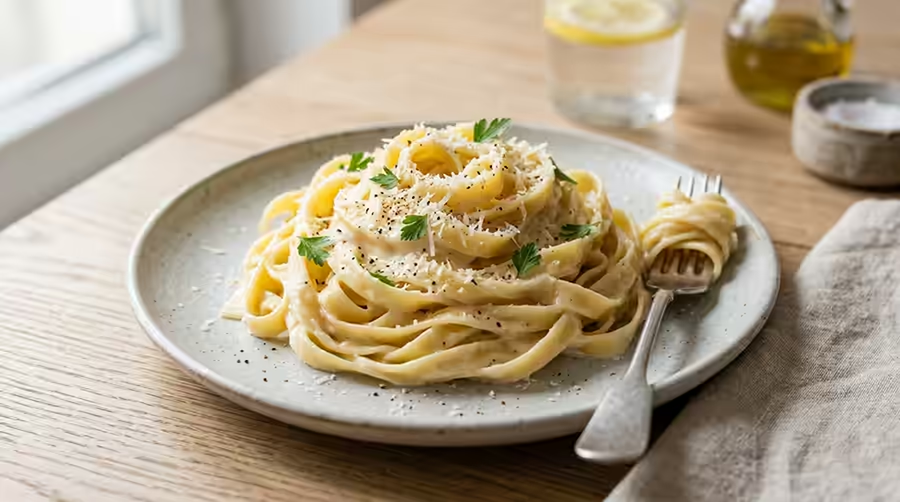
When it comes to the most popular home recipe, it’s definitely fettuccine in a creamy sauce. This is the best way to get started with this pasta. It illustrates the basic principle: good fettuccine doesn’t require a dozen complicated ingredients. All you need is the right pasta, high-quality butter, cream, cheese, and a few basic seasonings to create a rich, comforting, and yet elegant dish.
This recipe is convenient because it’s easy to scale up. You can make two servings for a quick dinner, or increase the quantities to serve the whole family. Plus, this recipe serves as a great base for other variations—you can add chicken, mushrooms, spinach, bacon, or seafood.
Ingredients for 2–3 servings
- fettuccine — 250 g;
- butter — 40 g;
- 20–30% heavy cream — 180–200 ml;
- Parmesan or another hard, aged cheese — 90–100 g;
- salt — to taste;
- ground black pepper — to taste;
- nutmeg — a pinch, if desired;
- water used to cook the pasta — 2–4 tbsp, as needed.
What to prepare before the start
The pasta cooks quickly, so it’s important to have everything ready in advance. Grate the cheese beforehand, because you won’t have time to do it once the sauce is hot. It’s best to measure out the cream right away, take the butter out of the fridge, and put a pot of water on the stove before you even start making the sauce.
This kind of organization may seem like a small thing, but it’s often what makes the difference between a smooth cooking experience and chaos in the kitchen. The dish is technically simple, but it thrives on a steady rhythm.
Step-by-step recipe
- Pour water into a large pot and bring it to a boil. Season generously with salt.
- Drop the fettuccine into the boiling water and stir gently right away.
- Cook the pasta until it’s al dente. Check the texture a minute before it’s done.
- Before draining the water, set aside a few spoonfuls.
- At the same time, melt the butter in a large skillet or saucepan over low heat.
- Add the cream and heat it, without bringing it to a rolling boil.
- Add some black pepper and, if you like, a tiny pinch of nutmeg.
- Add the grated cheese in batches, stirring constantly.
- Once the sauce is smooth, add the cooked fettuccine to it.
- Stir well with tongs or a spatula so that each strip is coated with sauce.
- If the sauce is too thick, add a little of the pasta cooking water.
- Serve immediately, while the texture is still as creamy as possible.
What makes the perfect cream sauce
The right sauce for fettuccine shouldn’t be watery like soup, but it shouldn’t be a thick, heavy mass either. Its purpose is to coat the pasta, not just sit on top of it. When you toss the fettuccine with the sauce, the strands should glisten, separate easily, and not look dry.
If the sauce seems too thin, don’t rush to add more cheese. Let it sit for a minute on the hot pasta first. Often, the pasta absorbs some of the liquid on its own, and the consistency becomes perfect. If the sauce turns out too thick, a few spoonfuls of starchy water from the pasta cooking will help restore its proper silkiness.
What does the cheese add to the recipe?
The cheese here isn’t just “for flavor.” It adds depth, saltiness, texture, and character to the dish. It is the combination of cream and aged hard cheese that gives fettuccine in cream sauce its signature flavor. Therefore, it’s best not to substitute it with random soft cheeses, which melt differently and yield a completely different result.
How to present a dish beautifully
The easiest way is to place the pasta in the center of a warm plate using tongs, forming a tall mound. Top with a little freshly grated cheese and a few turns of the pepper mill. You can garnish with a sprig of parsley or very finely chopped herbs, but don’t overload this delicate dish with unnecessary details.
Homemade fettuccine from scratch: how to make the dough, roll it out, and cut it into strips
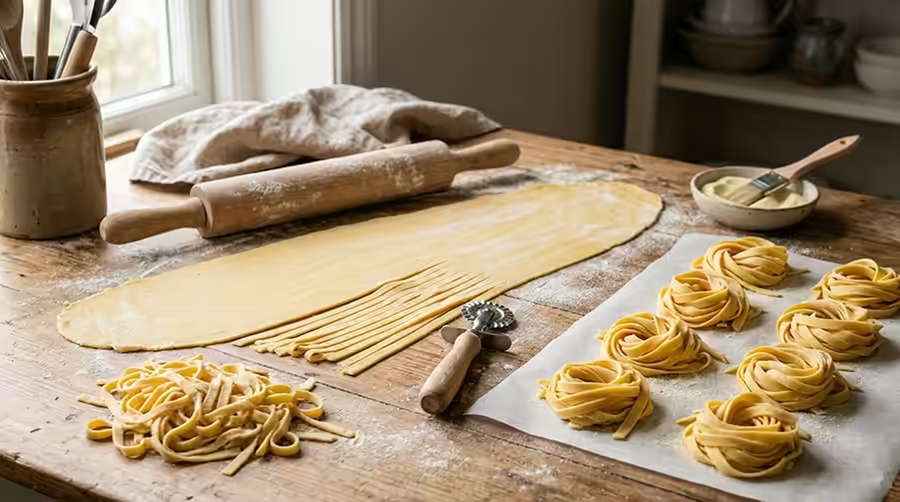
Ready-made dried fettuccine is quick and convenient. But homemade pasta offers a completely different dining experience. It’s softer, silkier, has a more delicate flavor, and looks much more appealing. If you make fettuccine from scratch even once, you’ll understand exactly why fresh pasta is so highly prized.
Homemade fettuccine doesn’t have to be difficult. Sure, it takes a little more time than opening a package of dried pasta, but the process itself is entirely doable even without special equipment. The key is to understand how the dough works, take your time, and organize the steps properly.
Ingredients for homemade pasta
- flour — 300 g;
- eggs — 3;
- a pinch of salt;
- olive oil — 1 tsp (optional);
- water — 1–2 tsp, only if needed;
- extra flour for dusting.
What the dough should be like
The dough for fettuccine should be firm, elastic, and smooth. It shouldn’t stick to your hands, but it also shouldn’t be dry, crumbly, or “rock-hard.” At first, the dough may seem too dry, but after a few minutes of kneading, the eggs begin to bind the flour well, and the texture changes.
The biggest mistake is adding too much water too quickly. This makes the dough sticky, and then you have to add more flour to compensate, which throws off the balance. It’s better to take your time kneading and only then, if absolutely necessary, add just a little bit of liquid.
How to knead dough
Pile the flour onto the work surface, make a well in the center, and crack the eggs into it. Add a pinch of salt. Then, using a fork or your fingers, gradually incorporate the flour from the edges toward the center. Once the dough comes together, switch to kneading by hand.
Knead the dough slowly but surely. At first, the dough will be lumpy, then it will start to become more elastic, and eventually smooth. This usually takes 8–12 minutes. It is at this stage that the pasta’s final texture is formed.
Why does dough need to rest?
After kneading, wrap the dough in plastic wrap or cover it with a bowl and let it rest for at least 30 minutes. This is absolutely essential. During this time, the dough’s structure stabilizes, the gluten relaxes, and the dough becomes much easier to roll out.
If you skip this step, the dough will “shrink back,” become springy, and make the process more difficult. After resting, it becomes much more manageable.
How to roll out
After the dough has rested, divide it into 2–4 portions. This makes the process easier. Leave one portion on the counter; keep the rest covered so they don’t dry out. Roll out each portion gradually, working from the center toward the edges. If you have a pasta machine, that’s great—it will make the process more precise. If not, a rolling pin works just as well.
The sheet should be thin, but not so thin that it tears. The dish doesn’t require a transparent sheet. It’s more important that the strips are uniform.
How to slice
Lightly dust the dough with flour, roll it into a loose log, and cut it into strips of roughly equal width. Then carefully unroll the strips and arrange them on the surface. You can dust them lightly with flour to prevent them from sticking together.
Cut carefully, without pressing too hard, so as not to distort the layers. If you have a pasta knife, that’s even better, but a regular sharp kitchen knife will work too.
How to cook
Fresh pasta cooks much faster than dry pasta. Sometimes it only takes 2–4 minutes after the water returns to a boil. It’s important not to walk away from the stove. As soon as the pasta is tender but still holds its shape, you can toss it in the sauce.
Can this dish be prepared in advance?
Yes, you can. You can let them dry out a bit and cook them later that same day. You can lightly dust them with flour, shape them into small nests, and chill them for a short while. You can also freeze homemade fettuccine, as long as you do it carefully and prevent them from sticking together.
The tastiest variations: with chicken, mushrooms, shrimp, salmon, vegetables, and cheese
One of the main reasons fettuccine is so popular is that it’s so versatile. Just change a few ingredients, and you end up with a completely different dish. The base remains the same, but the vibe, aroma, and depth of flavor can change dramatically. Below are the best variations that are definitely worth trying.
Fettuccine with Chicken and Mushrooms
This is probably the most popular homemade version after the classic cream sauce. It has everything people love about comfort food: tender chicken breast, sautéed mushrooms, onions, a creamy sauce, and pasta that brings all the flavors together.
For this recipe, you’ll typically need:
- 300 g fettuccine;
- 350–400 g chicken breast;
- 250 g button mushrooms;
- 1 onion;
- 200 ml of heavy cream;
- 50–70 g of hard cheese;
- oil for frying;
- salt, pepper, and garlic (optional).
First, brown the chicken until lightly golden. Then add the onions and mushrooms, cook off any excess moisture, pour in the cream, season the sauce to taste, and mix everything with the pasta. This is a great recipe for a family dinner because it’s hearty, easy to make, and appeals to most people.
Fettuccine with Shrimp
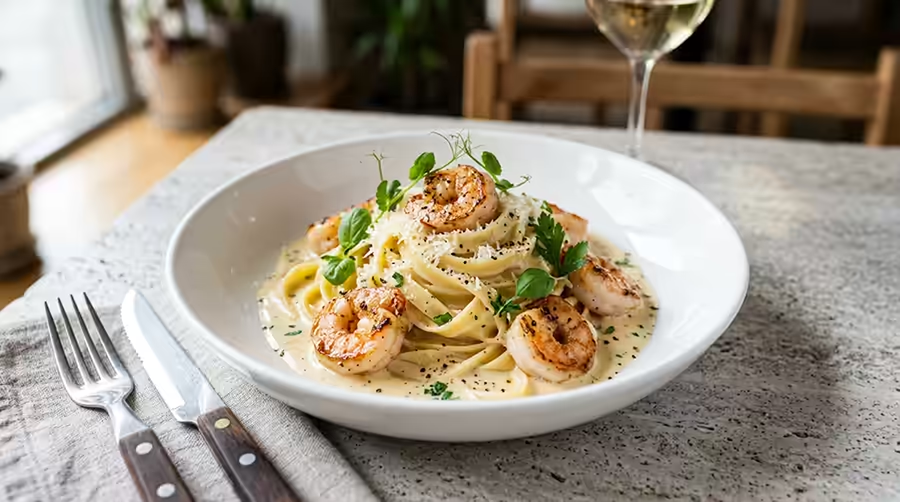
This version has a lighter yet festive feel. The shrimp don’t take long to cook, so the dish comes together quickly. A creamy garlic sauce with a little lemon zest or juice works best here.
It’s important not to overcook the shrimp. They should be added at the very end or cooked separately for just a few seconds. Otherwise, they’ll become rubbery, and the whole point of the delicate pasta will be lost.
Fettuccine with Salmon
Salmon pairs well with a creamy sauce, fresh herbs, and a light citrusy zest. This dish looks more expensive than it actually is and is perfect for dinner when you’re in the mood for something a little more elegant.
You can use either fresh, pan-seared salmon in chunks or lightly salted salmon for a more delicate version. However, in the latter case, you need to be especially careful with the salt, as the fish already has its own saltiness.
Fettuccine with bacon or ham
This version is richer, saltier, and has a hearty, home-cooked flavor. The bacon adds the aroma of rendered fat, which pairs well with the cream and cheese. The ham makes the flavor milder and more subtle.
It’s important not to overdo it with this dish. Since there’s already bacon, it’s best not to make the sauce too rich. Otherwise, the fettuccine might turn out too heavy.
Fettuccine with vegetables
Not all recipes have to be creamy and meat-based. Fettuccine works wonderfully in lighter versions too—with zucchini, spinach, broccoli, green peas, roasted peppers, sun-dried tomatoes, or asparagus. This dish turns out fresher, more vibrant, and is better suited for the warmer months.
A particularly delicious combination is fettuccine with spinach, garlic, and a little cream—or even just with olive oil and cheese. It’s a different flavor profile, but it works wonderfully.
Meatless fettuccine with mushrooms
If you’re looking for a lighter or more vegetarian option, mushrooms can take center stage even without chicken. The best combination here is button mushrooms or a mixed assortment of mushrooms with onions, cream, pepper, garlic, and cheese.
To bring out a deeper flavor, don’t simmer the mushrooms right away; first, sauté them well so they absorb the pan’s aroma and release excess moisture. This step often determines whether the dish will be rich and flavorful or “watery.”
Fettuccine in cheese sauce
This is an option for those who prefer a richer flavor. In addition to the basic hard cheese, you can add a little Gorgonzola, Pecorino, or another strong-flavored cheese. But it’s important to maintain a balance: the fettuccine should remain the main ingredient, not just a vehicle for an overpowering cheese flavor.
It’s best to use two types of cheese with different characteristics: one that melts easily and is milder, and the other that’s saltier and more aged. This way, the sauce turns out richer but not one-dimensional.
Fettuccine in a tomato and cream sauce
If you’d like a lighter texture than the all-cream version, you can replace some of the cream with tomato sauce. This results in a brighter color, a fresher aroma, and a slightly more pronounced tang. It’s a good compromise for those who find classic Alfredo sauce too rich.
Fettuccine with Chicken and Spinach
Here’s another really great modern combination. Spinach adds freshness and color, and helps lighten up the creamy base a bit. This recipe works especially well if you don’t want the dish to be too heavy.
Which version should I choose?
If you want a classic dish, go for a creamy cheese sauce.
If you’re looking for a hearty family dinner, try chicken and mushrooms.
If you want a more festive vibe, go for shrimp or salmon.
If you prefer a lighter option, try vegetables, spinach, garlic, and herbs.
If you love rich flavors, try bacon or a cheese sauce.
Tips, Common Mistakes, Serving, Storage, and FAQs
Even if the recipe itself is simple, it’s the small details that make all the difference. Fettuccine is a dish that doesn’t tolerate carelessness, but it doesn’t require a lot of effort either. If you understand a few key principles, you can make it truly delicious even without much cooking experience.
Top Tips
- Use a large pot to cook the pasta.
- Don’t be stingy with the salt in the water, but be careful when salting the sauce itself.
- Save a little of the pasta cooking water.
- Don’t let the cream boil after adding the cheese.
- Add the cheese gradually, not all at once.
- Always pay attention to the texture, not just the numbers in the recipe.
- Serve the fettuccine immediately after cooking.
- If you’re cooking with mushrooms, sauté them well first.
- If you’re cooking with shrimp, don’t leave them on the heat for too long.
- If you’re making homemade pasta, don’t skip the resting step.
Common mistakes
The sauce is too runny
This happens when the cream hasn’t had time to thicken a bit or when the paste was added while still too wet. Sometimes the problem is that there isn’t enough cheese. You can fix this by heating it briefly and adding the cheese very gradually.
The sauce is too thick
This is a common problem, especially if the dish has been sitting for a while. The solution is simple: add a little of the pasta cooking water and stir gently.
An overly salty dish
Most often, the reason is that the cook forgot about the saltiness of the cheese. If you’re using Parmesan or another aged cheese, you need to be very careful when adding salt to the cream base.
The pasta stuck together
Reasons: not enough water, insufficient mixing, or leaving the pasta to sit too long without sauce. It’s best to mix the pasta with the sauce right away.
The sauce has separated
This usually happens because the heat is too high. Cream-based sauces prefer gentle heating rather than vigorous boiling.
The dish turned out to be heavy
Perhaps there was too much fat, cream, or cheese. Or maybe you added meat that was too fatty to the creamy base. In that case, next time you should reduce the fat content and add more balance—herbs, vegetables, pepper, or a touch of lemon.
How to make fettuccine even more appetizing
Presentation has a huge impact on how this dish is perceived. Even simple fettuccine can look “upscale” if you don’t just spoon it onto the plate but carefully shape it with tongs. A tall mound in the center of the plate works best. This way, the strands, the sheen of the sauce, and all the garnishes are clearly visible.
You can add the following at the top:
- grated cheese;
- a few slices of cheese;
- freshly ground pepper;
- finely chopped parsley;
- microgreens;
- a drop of high-quality olive oil;
- finely grated lemon zest, if you’re making the version with fish or shrimp.
Don’t overload your plate with everything at once. It’s better to have one or two standout elements that enhance the main flavor.
What to serve with fettuccine
Fettuccine is a complete meal on its own. But if you want a more substantial meal, the following pair well with it:
- green salad;
- arugula with lemon dressing;
- a light vegetable salad;
- roasted vegetables;
- ciabatta or crusty bread;
- tomatoes with olive oil;
- a few pickled vegetables for contrast.
If the pasta itself is very rich, it’s best to serve it with a fresh, light side dish. This helps create a good balance.
How to store the dish
Fettuccine tastes best when freshly made. This is especially true for cream-based and cheese-based sauces. Once cooled, the dish thickens and the pasta absorbs the liquid. However, leftovers can still be stored in the refrigerator in a sealed container for a short time.
To reheat, it’s best to use a skillet or saucepan over low heat, adding a little water, cream, or milk. You can also use a microwave, but it’s harder to control the texture, and the pasta often heats unevenly.
Can pasta be prepared in advance?
Yes, but it’s best to prepare the ingredients in advance rather than the whole dish. For example:
- grate the cheese;
- cut up the chicken;
- sauté the mushrooms;
- make homemade dough;
- make fresh fettuccine;
- measure out the cream and seasonings.
Then, all that’s left before serving is to quickly cook the pasta and put everything together. It’s the perfect option for a stress-free dinner.
Frequently Asked Questions
What is fettuccine, in simple terms?
Fettuccine is a long, flat Italian pasta shaped like ribbons, which pairs particularly well with creamy, cheesy, and mushroom sauces.
How long should I cook fettuccine?
Cook the dried fettuccine according to the manufacturer’s instructions until al dente. Fresh homemade fettuccine cooks much faster—usually in just a few minutes.
Can this dish be made without cream?
Yes. You can make it with butter, cheese, olive oil, vegetables, mushrooms, or a tomato base. But the cream-based version remains the most popular.
Which cheese is best?
A firm, aged cheese with a distinct flavor works best. It’s important that it grates easily and holds up well in a hot sauce.
Can fettuccine be substituted with another type of pasta?
Yes, but the result will be slightly different. If you want the closest possible texture, it’s better to use another type of ribbon pasta rather than thin spaghetti.
Why does the sauce turn out grainy?
This is usually caused by high heat or adding a large amount of cheese all at once. The sauce should be prepared gradually and without overheating.
Is this dish suitable for a festive meal?
Yes, especially in versions with shrimp, salmon, mushrooms, or homemade fresh pasta. It’s a dish that really shines when presented beautifully.
Can you make fettuccine with chicken?
Yes, this is one of the most popular home-style recipes. Chicken goes especially well with mushrooms and a creamy sauce.
Is it possible to make homemade fettuccine without a pasta machine?
Yes, it’s perfectly possible to roll them out with a rolling pin and cut them with a knife. A pasta machine is convenient, but not essential.
How can I make pasta less caloric?
You can reduce the amount of cream and cheese, replace some of the cream base with vegetables, add spinach, zucchini, or broccoli, or use a lighter olive oil-based sauce.
Can I use frozen shrimp?
Yes, but you have to thaw them properly and not overcook them in the pan.
Why does my fettuccine come out dry?
Either there wasn’t enough sauce, or the pasta was left to sit too long after mixing, or the cooking water wasn’t used to adjust the texture.