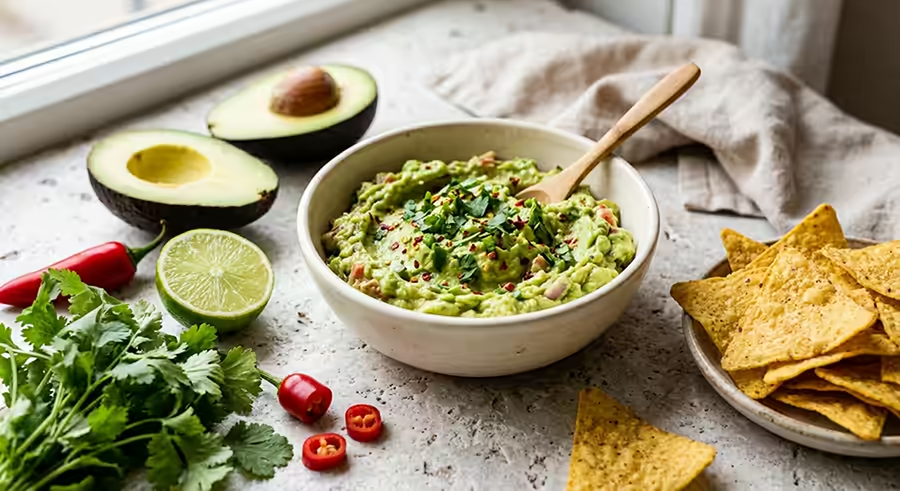
Guacamole is one of the most famous dishes in Mexican cuisine, having long since spread beyond its homeland to become popular around the world. It is loved for its fresh taste, smooth, creamy texture, simple ingredients, and versatility. Guacamole is served as a sauce, dip, appetizer, spread, or accompaniment to main dishes. It can be prepared in just a few minutes, and the result is always vibrant, aromatic, and very appetizing.
Content
The classic sauce is made with avocado, lime, salt, onion, cilantro, and pepper. It might seem like there aren’t many ingredients, but its main appeal lies precisely in this simplicity. If you choose a ripe avocado and balance the flavor with lime juice, salt, and fresh herbs, you’ll end up with a truly perfect sauce.
In this article, we’ll explore how to make guacamole at home, which version is considered the classic, how to enhance the basic recipe, how to avoid common mistakes, and how to present this dish beautifully. You’ll also find several delicious variations of the sauce with recipes, storage tips, and answers to the most frequently asked questions.
What is guacamole?
Guacamole is a traditional Mexican appetizer made with avocados. It is most often classified as a dip—that is, a thick sauce that’s perfect for dipping chips, vegetables, or pieces of bread into. The base of the dish is the flesh of a ripe avocado, mashed with a fork or a potato masher until it reaches a creamy but not completely smooth consistency.
Unlike many store-bought sauces, homemade guacamole has natural ingredients and a fresh taste. It doesn’t require complicated techniques or lengthy preparation. That’s why people often look for guacamole recipes when they want to quickly whip up something delicious, healthy, and impressive for a snack, a festive meal, or a Mexican-style dinner.
The classic flavor combines the creamy smoothness of avocado, the subtle tartness of lime, the savory notes of onion, the freshness of herbs, and the mild heat of pepper. The result is a dish that is well-balanced, rich, yet light.
Why is guacamole so popular?
There are several reasons why guacamole is so popular. First, it’s very easy to make. Second, it goes well with a wide variety of dishes. Third, it’s a versatile recipe that’s easy to adapt to your own taste.
Here’s why homemade guacamole is so highly valued:
- Cooking time: On average, it takes 10–15 minutes.
- A simple set of ingredients.
- A fresh and vibrant taste.
- The ability to adjust the spiciness, acidity, and texture.
- Pairs well with meat, fish, vegetables, chips, toast, and lavash.
- Nutritious thanks to avocados.
- It looks great on the table.
Plus, the sauce fits perfectly into a modern home menu. You can serve it for breakfast with eggs and toast, for lunch with chicken or rice, and in the evening as an appetizer when entertaining guests.
What ingredients are needed for classic guacamole?
You don’t need many ingredients to make authentic, classic guacamole. What matters most is their quality and ripeness.
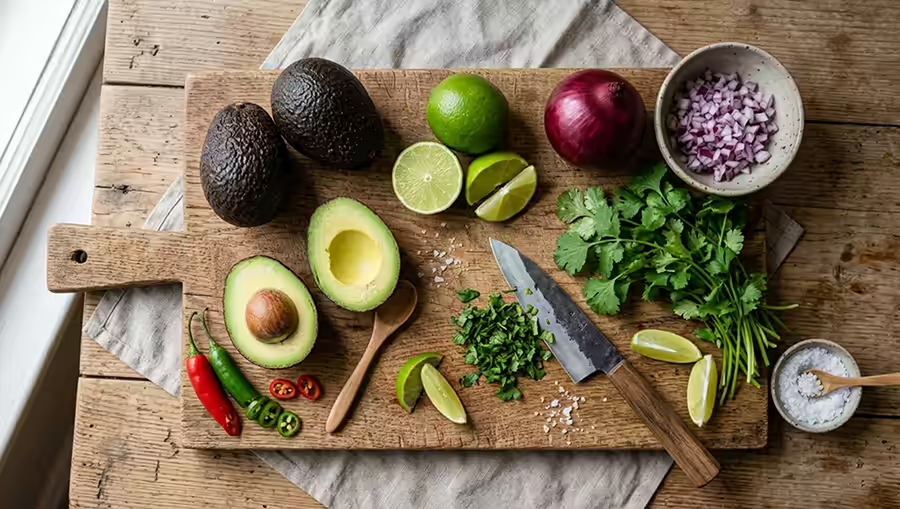
Main ingredients:
- Avocados — 2–3 ripe fruits.
- 1 lime.
- Red or white onion — 1/4 to 1/2 of a small onion.
- Fresh cilantro — a small bunch.
- Chili pepper or jalapeño — to taste.
- Salt — to taste.
In addition, depending on the recipe, the following ingredients are often added:
- Tomatoes.
- Garlic.
- Black pepper.
- Olive oil.
- Cumin.
- Lemon juice, if you don’t have lime.
It’s important to understand that in the authentic Mexican version, the avocado plays the starring role. All the other ingredients simply enhance its flavor rather than overpower it.
How to choose a ripe avocado for guacamole
If you want to make delicious guacamole with avocados, don’t start with a knife—start by choosing the right fruit. The texture and flavor of the finished dish depend entirely on how ripe the avocados are.
Signs of a ripe avocado:
- The fruit gives slightly when pressed, but isn’t too soft.
- The skin is smooth, with no large dents or dark, wet spots.
- If you carefully remove the small tail, the area underneath should be green or yellowish, not brown.
- An avocado does not have a sour or musty smell.
If the avocado is hard, leave it at room temperature for 1–3 days. To speed up the ripening process, you can place it in a paper bag along with a banana or an apple.
Overripe avocados with dark, stringy flesh and an unpleasant aftertaste are not suitable for guacamole. Such avocados can ruin the entire sauce.
Classic Guacamole: Recipe
This is the basic and most popular version, which can be considered a starting point. It’s the best place to begin your introduction to this dish.
Ingredients:
- Avocados — 3 ripe fruits.
- 1 lime.
- Red onion — 1/2 small onion.
- Cilantro — 2–3 tablespoons of chopped cilantro.
- Chili pepper or jalapeño — 1/2 to 1.
- Salt — 1/2 teaspoon or to taste.
How to Make Classic Guacamole, Step by Step
- Prepare all the ingredients. Finely chop the onion. Wash the cilantro, pat it dry, and chop it finely. Remove the seeds from the chili pepper if you prefer a milder flavor, then finely chop it.
- Cut the avocado in half, remove the pit, and scoop the flesh into a bowl with a spoon.
- Immediately drizzle the avocado with lime juice. This will not only add a fresh flavor but also help slow down the browning process a bit.
- Mash the flesh with a fork. Don’t mash it into a completely smooth puree if you want an authentic texture. The best guacamole should be creamy but still have small chunks.
- Add the chopped onion, cilantro, pepper, and salt. Mix well.
- Taste it. Add more lime juice, salt, or pepper if needed.
- Serve immediately after preparation.
What should the texture of guacamole be like?
One of the key characteristics of good guacamole is the right texture. If you’re making the classic version, don’t blend it until it’s perfectly smooth. Otherwise, the sauce will become too smooth and lose its character.
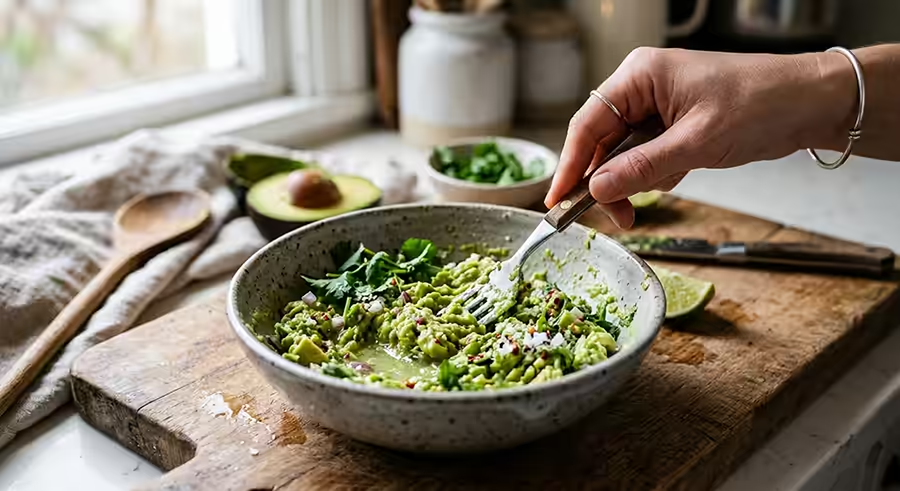
Authentic Homemade Guacamole:
- Delicate and creamy.
- It contains small pieces of avocado.
- It is not watery.
- It doesn’t taste like baby food.
- It sticks well to a chip or a piece of bread.
If you prefer a very smooth texture, you can mash the avocado a little longer, but it’s still best to leave at least a little bit of texture.
Secrets to Delicious Guacamole
Even a simple recipe has its own nuances. If you know a few culinary secrets, your guacamole will turn out much tastier.
- Use only ripe avocados. An unripe avocado will be hard, have a grassy taste, and won’t have the desired creaminess.
- Add the lime juice right away. This will make the flavor more vibrant and help the color stay green longer.
- Chop the onion very finely. Large pieces will be too noticeable.
- Don’t overdo it with the pepper. The heat should enhance the flavor, not overpower it.
- Add the salt gradually. Avocados need salt, but it’s easy to add too much.
- Prepare it right before serving. Guacamole tastes best when it’s fresh.
- If you like, lightly mash the onion with salt and lime juice before adding it to the avocado—this will make the flavor milder and more balanced.
Guacamole with tomatoes
One of the most popular variations is guacamole with tomatoes. It turns out juicier, a bit lighter, and very vibrant in appearance. Firm tomatoes without too much juice work especially well.
Ingredients:
- Avocados — 3.
- 1 lime.
- Tomato — 1 large or 2 small.
- Red onion — 1/3 of one.
- Cilantro — 2 tablespoons.
- Chili peppers — to taste.
- Salt — to taste.
Preparation:
- Wash the tomatoes, cut them in half, and remove the seeds and excess juice.
- Cut the flesh into very small cubes.
- Mash the avocado with lime juice.
- Add the onion, cilantro, chili peppers, tomatoes, and salt.
- Gently stir so that the tomato pieces retain their shape.
This recipe pairs perfectly with corn chips, tortillas, and grilled chicken. It’s important not to use tomatoes that are too watery, or the sauce will become too runny.
Spicy guacamole with jalapeños
If you love bold and spicy flavors, try making spicy guacamole. It goes perfectly with Mexican dishes, nachos, burritos, and tacos.
Ingredients:
- Avocados — 3.
- 1 lime.
- Jalapeño peppers — 1–2.
- White onion — 1/2 small onion.
- Cilantro — 2 tablespoons.
- Salt — to taste.
- A pinch of cumin — if desired.
Preparation:
- Finely chop the onion, cilantro, and jalapeño.
- Mash the avocado with a fork.
- Add lime juice, salt, herbs, onion, pepper, and, if you like, a little cumin.
- Stir well and let it sit for 5 minutes so the flavors can blend.
For a particularly spicy flavor, you can leave some of the seeds in the pepper. If you prefer a milder version, it’s best to remove all the seeds and inner membranes.
Guacamole with Garlic and Lime
This isn’t exactly the classic Mexican version, but it’s a very popular homemade variation. This sauce has a more pronounced flavor and works well as a spread on croutons or as a side dish with baked potatoes.
Ingredients:
- Avocados — 2 large ones.
- Lemon juice — 1–1.5 tablespoons.
- Garlic — 1 small clove.
- Olive oil — 1 teaspoon.
- Salt — to taste.
- Black pepper — to taste.
- Parsley or cilantro — 1 tablespoon.
Preparation:
- Scoop the avocado flesh into a bowl.
- Add the lemon juice and mash with a fork.
- Grate the garlic on a fine grater or press it through a garlic press.
- Add the oil, herbs, salt, and black pepper.
- Stir until you reach the desired consistency.
This guacamole recipe is perfect for those who aren’t big fans of cilantro or prefer a more familiar European flavor.
Mango guacamole
This variation combines a creamy avocado base with sweet fruity notes. Mango sauce is especially delicious in the summer, and also pairs well with fish, shrimp, or chicken.
Ingredients:
- Avocados — 2–3.
- Mango — 1 ripe fruit.
- 1 lime.
- Red onion — 1/4.
- Chili — to taste.
- Cilantro — 1–2 tablespoons.
- Salt — to taste.
Preparation:
- Peel the mango and cut it into small cubes.
- Mash the avocado with lime juice.
- Add the onion, chili, cilantro, salt, and mango.
- Stir very gently so the mango cubes don’t turn into a puree.
This version turns out very fresh, vibrant, and a bit festive. If you want to enhance the flavor contrast, add a pinch of chili flakes.
Guacamole with corn and roasted peppers
This is a heartier, more substantial version that can even be served as a standalone appetizer. The flavor is rich, with a subtle smoky note.
Ingredients:
- Avocados — 3.
- 1 lime.
- 1 roasted sweet pepper.
- Corn — 3–4 tablespoons.
- Red onion — 1/4.
- Cilantro — 2 tablespoons.
- Salt — to taste.
- Black pepper — to taste.
Preparation:
- Roast the peppers until tender, peel them, and chop them finely.
- Mash the avocado with lime juice.
- Add the corn, bell peppers, onion, herbs, salt, and black pepper.
- Stir gently.
This sauce goes well with meat dishes, sandwiches, burgers, and pita bread.
Creamy guacamole with yogurt
If you prefer a lighter, creamier sauce, you can add a little thick plain yogurt. This is a modern twist, but many people enjoy it.
Ingredients:
- Avocados — 2.
- Thick plain yogurt — 2 tablespoons.
- 1 lime or lemon.
- Garlic — 1/2 clove.
- Salt — to taste.
- Pepper — to taste.
- Garnish with herbs, if desired.
Preparation:
- Mash the avocado until creamy.
- Add the yogurt, lime juice, garlic, salt, and pepper.
- Stir well until smooth.
- Add herbs if desired.
This sauce is perfect for sandwiches, wraps, vegetable bowls, and homemade shawarma.
What is guacamole served with?
Guacamole is so versatile that it can be served in dozens of ways. It’s not just a dip for chips, as many people tend to think.
The most popular serving options:
- With corn chips and nachos.
- With tortillas, tacos, quesadillas, or burritos.
- Served with toasted bread, a baguette, or bruschetta.
- Like a spread on toast.
- To serve with roasted chicken or turkey.
- To accompany fish and seafood.
- Served with vegetable sticks: carrots, celery, cucumber, and bell peppers.
- Serve with country-style potatoes or baked sweet potatoes.
- As a sauce for burgers and sandwiches.
- In bowls with rice, beans, corn, and vegetables.
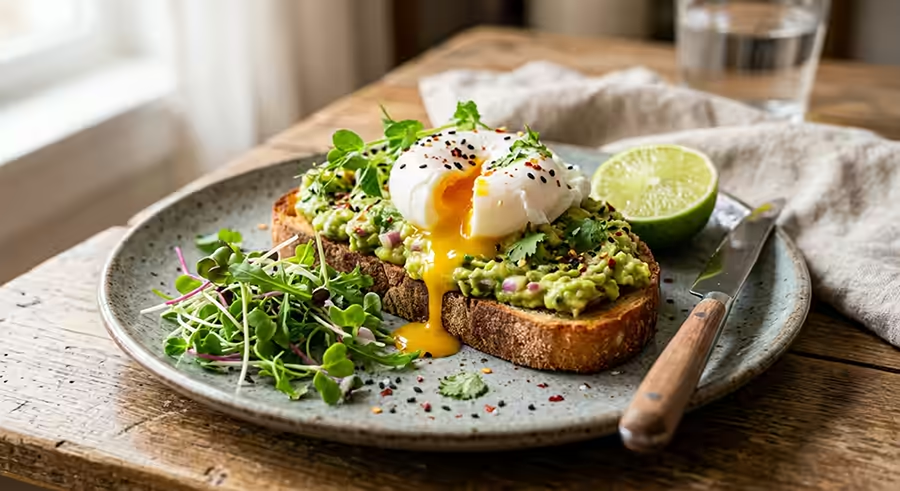
Guacamole pairs wonderfully with poached eggs, omelets, or scrambled eggs. For breakfast, it’s one of the easiest ways to make a meal more interesting and nutritious.
How to make guacamole even tastier
Sometimes even a good recipe can be taken to the next level with just a few small touches. They aren’t necessary, but they can make the flavor richer and more interesting.
- Add a few drops of high-quality olive oil for softness.
- Add a pinch of ground cumin for a warm, spicy flavor.
- Use sea salt instead of regular salt.
- Rinse some of the onions quickly under cold water if you want to reduce their sharpness.
- Add a little lime zest for a more intense citrus aroma.
- For a smoky flavor, use smoked paprika or roasted peppers.
- If you’re serving this with fish, try adding a little finely chopped cucumber.
The main rule is not to overpower the sauce. The avocado flavor should always remain the star of the dish.
Common mistakes when cooking
Even a dish as simple as this doesn’t always turn out perfectly. Most often, the problem lies in a few common mistakes.
- Using an unripe avocado. The sauce turns out hard, stringy, and unappetizing.
- Too much juice. If you use too much lime or add juicy tomatoes, the guacamole will become watery.
- Blending in a blender. The consistency often becomes too runny and has a “plastic” taste.
- Too much garlic. It quickly overpowers the delicate avocado.
- Not enough salt. Without it, the avocado tastes bland.
- Long-term storage without protection from air. The sauce darkens and loses its freshness.
- Large chunks of onion or bell pepper. They throw off the texture balance.
If the sauce is too sour, try adding a little more avocado. If it’s too spicy, adding some more avocado or a little finely chopped tomato will help.
How to store guacamole so it doesn’t turn brown
One of the most common problems is avocado browning. This is a natural oxidation process that begins when the flesh comes into contact with air. It’s difficult to prevent it entirely, but you can significantly slow it down.
Here’s what will help:
- Add enough lime or lemon juice.
- Transfer the guacamole to a small container so that there is as little air as possible on top.
- Smooth the surface well with a spoon.
- Cover with plastic wrap, pressing it directly against the surface of the sauce.
- Cover the container with a lid and store it in the refrigerator.
It’s best to eat the sauce on the day it’s made. However, if stored properly, it can last in the refrigerator for about 12–24 hours. Before serving, simply stir the top layer. If the top has darkened slightly, you can simply scoop it off with a spoon.
Can guacamole be made in advance?
Yes, but there are a few things to keep in mind. If you’re preparing an appetizer before guests arrive, it’s best to make it no more than a few hours before serving. That way, the flavor will stay fresh and the color will remain appealing.
To get everything ready in advance:
- Chop the onion, herbs, and bell pepper, and set them aside separately.
- Mash the avocado just before serving.
- If you do decide to prepare it in advance, don’t skimp on the lime juice and cover the sauce tightly.
Some people leave the avocado pit in the bowl, thinking it prevents the fruit from turning brown. In reality, the pit only protects the part it physically covers, so it’s much more important to minimize the entire surface’s exposure to air.
What are the benefits of guacamole?
Guacamole is valued not only for its taste but also for its nutritional value. Avocados contain healthy fats, have a creamy texture, and are very filling. That is why this dip is often chosen as part of a balanced diet.
The benefits of guacamole:
- Contains healthy fats from avocados.
- It goes well with vegetables and protein-rich foods.
- It quickly makes you feel full.
- No heat treatment required.
- Perfect for a variety of menu options—from light bites to festive appetizers.
Of course, it all depends on what you serve it with. If it’s vegetables, whole-grain toast, or fish, the meal will be more balanced than if you serve it with a large portion of chips.
Step-by-step guide for a festive table
If you want to serve guacamole in an attractive way, don’t just serve it as a dip in a bowl—present it as a full-fledged restaurant-style appetizer. It looks especially impressive on a large table with a variety of appetizers.
Here’s a simple way to serve it:
- Pour the sauce into a wide, shallow bowl.
- Use a spoon to create light waves on the surface.
- Sprinkle with finely chopped cilantro.
- Add a few thin slices of chili.
- Drizzle with a few drops of lime juice.
- If you like, arrange some diced tomatoes or corn kernels alongside.
- Arrange the nachos, toast, or vegetable sticks around the edges.
This presentation style looks vibrant, appetizing, and very “blog-worthy.” If you run a food blog or a Pinterest page, it’s also a great idea for photos.
Ideas for menu items
Many people think that guacamole is just a dip for nachos. In reality, it has many more uses. If you have some leftover guacamole, it’s easy to add it to other dishes.
Try these ideas:
- Spread it on the toast and place an egg on top.
- Add it to a chicken sandwich.
- Serve as a sauce for shawarma or a wrap.
- Serve with baked potatoes.
- Add it to your burger instead of mayonnaise.
- Serve in a bowl with rice, beans, and vegetables.
- Serve with steak or shrimp.
- Serve as a dip for a vegetable platter.
A particularly great combination is guacamole, an egg, toast, and a little chili. It’s a simple yet very popular modern breakfast option.
What does classic guacamole taste like?
For those who have never made this dish before, it’s often hard to imagine what it tastes like just from the description. The classic sauce isn’t just mashed avocado. It combines several layers of flavor.
Its taste can be described as follows:
- Creamy and smooth, thanks to the avocado.
- Fresh and slightly tart thanks to the lime.
- Slightly spicy and tangy thanks to the pepper.
- It has a slightly sharp taste due to the onions.
- Fragrant and green thanks to the cilantro.
Together, these ingredients create a very harmonious and refreshing flavor that pairs well with both simple and hearty dishes.
Is it necessary to add cilantro?
Cilantro is a traditional ingredient, but not everyone likes it. For some people, it has too strong a flavor. If you’re one of those who don’t care for cilantro, that doesn’t mean you have to give up on the sauce.
What can be used as a substitute for cilantro:
- Parsley.
- Green onions.
- A mixture of parsley and a small amount of mint.
- Or don’t add any herbs at all.
The taste will, of course, be a little different, but the sauce will still turn out delicious. That’s perfectly normal for a homemade recipe.
Guacamole for Kids
If you want to make guacamole for kids, just adjust the recipe. Leave out the hot peppers, use less onion, and make the texture smoother.
For the children’s version:
- Take a ripe avocado.
- Add a little lemon or lime juice.
- Season lightly with salt.
- If desired, add a finely chopped tomato, peeled and seeded.
This light sauce can be served with bread, soft pita bread, or vegetable sticks. It has a delicate, mild flavor.
Frequently Asked Questions
How do you make guacamole at home?
To make guacamole at home, mash a ripe avocado with a fork, then add lime juice, finely chopped onion, cilantro, pepper, and salt. Mix everything well and serve immediately.
Which sauce recipe is considered the classic one?
The classic version is made with avocado, lime, salt, onion, cilantro, and chili pepper. Some versions do not include tomatoes, as they are not part of the simplest, most basic version.
Can I make it without lime?
Yes, you can use lemon juice. The flavor will be slightly different, but still pleasant. The key is to retain that fresh tartness, which balances out the richness of the avocado.
Why does the sauce taste bitter?
The bitterness usually comes from an unripe or spoiled avocado. Sometimes it’s also caused by using too much of the white part of the onion or a stale lime.
Can I use a blender to blend it?
You can, but it’s not the best option for the classic recipe. A fork or a potato masher gives you the right texture—creamy, but with small chunks.
How long does it last?
It’s best to eat it right after it’s made. If stored in the refrigerator in an airtight container with plastic wrap pressed tightly against the surface, it can be kept for up to 24 hours.
Can it be frozen?
Yes, but the texture may change slightly after thawing. It’s best to freeze the basic version without tomatoes, onions, or a large amount of herbs. Add the fresh ingredients after thawing.
Which avocado is best for a dip?
The Hass variety is most commonly used because it has creamy flesh and a rich flavor. But generally, any ripe, soft, but not overripe avocado will work.
What can I use instead of onions?
You can use green onions, shallots, or leave them out entirely. If you prefer a milder flavor, shallots are one of the best options.
Does the sauce go well with the meat?
Yes, and it’s really good. It goes perfectly with chicken, beef, turkey, grilled pork, and even burger patties.
Conclusion
Guacamole is a dish that proves you don’t always need complicated techniques or a long list of ingredients to achieve a vibrant flavor. All it takes is a few high-quality ingredients, a ripe avocado, and the right balance of salt, acidity, and freshness. That’s why classic guacamole remains so popular in the world of home cooking.
If you’re looking for a simple, tried-and-true guacamole recipe, start with the classic version. From there, you can experiment by adding tomatoes, mangoes, jalapeños, corn, garlic, or roasted peppers. No matter what you add, you’ll get a new flavor profile while keeping the best part—the smooth, creamy avocado base.