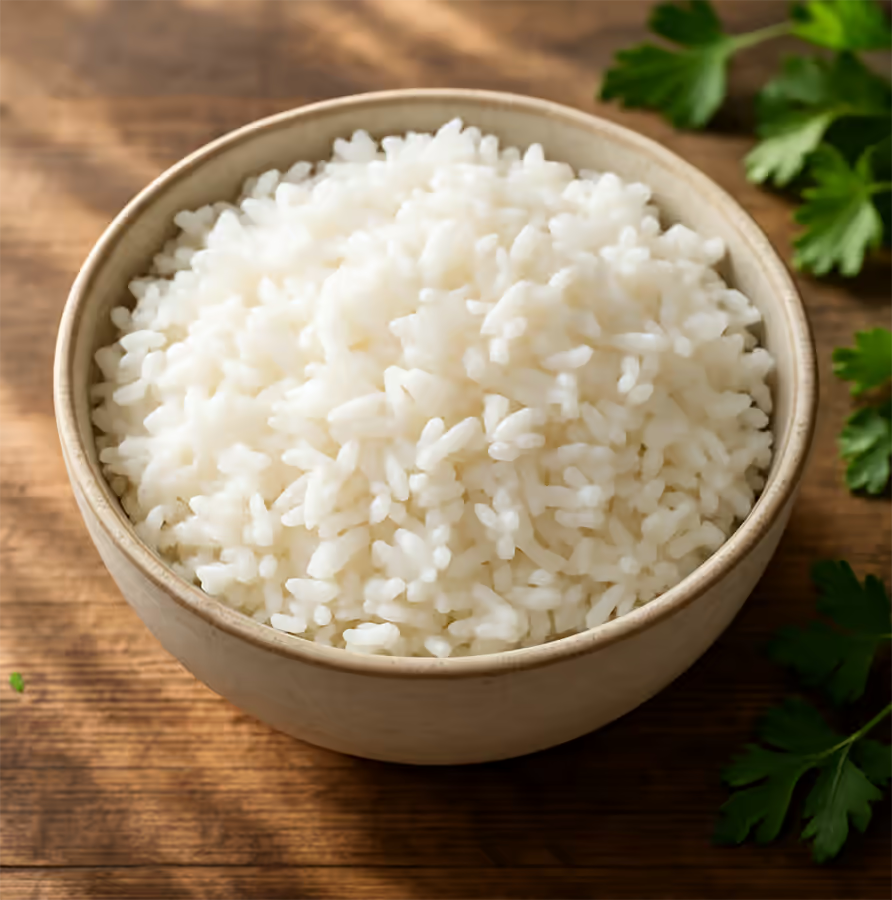
Rice is one of the most common grains in the world, forming the basis of numerous dishes in various cuisines from Asia to Latin America. However, home cooks often face a problem: the dish either boils down to a sticky mass or, conversely, turns out tough and colorless. The secret to cooking perfect rice, however, is simpler than it seems. It lies in combining the right choice of variety, maintaining the correct proportions, and following a few key processing steps.
Content
In this comprehensive guide, we will cover all aspects of cooking this dish: from choosing the right variety to mastering different cooking methods, we will look at tips from professional chefs and answer the most frequently asked questions. Whether you are preparing a simple side dish for lunch or entertaining guests with an exotic plov, this guide will help you achieve perfect results every time.
1. Choosing the Right Variety

The first step to cooking delicious rice is understanding the different types of rice that exist and how each one differs in terms of its properties and intended use.
Long grain rice is the most popular choice for home cooking. Its grains remain separate and fluffy after cooking, making it ideal for side dishes, pilaf, and Asian dishes. This category includes such notable varieties as basmati and jasmine.
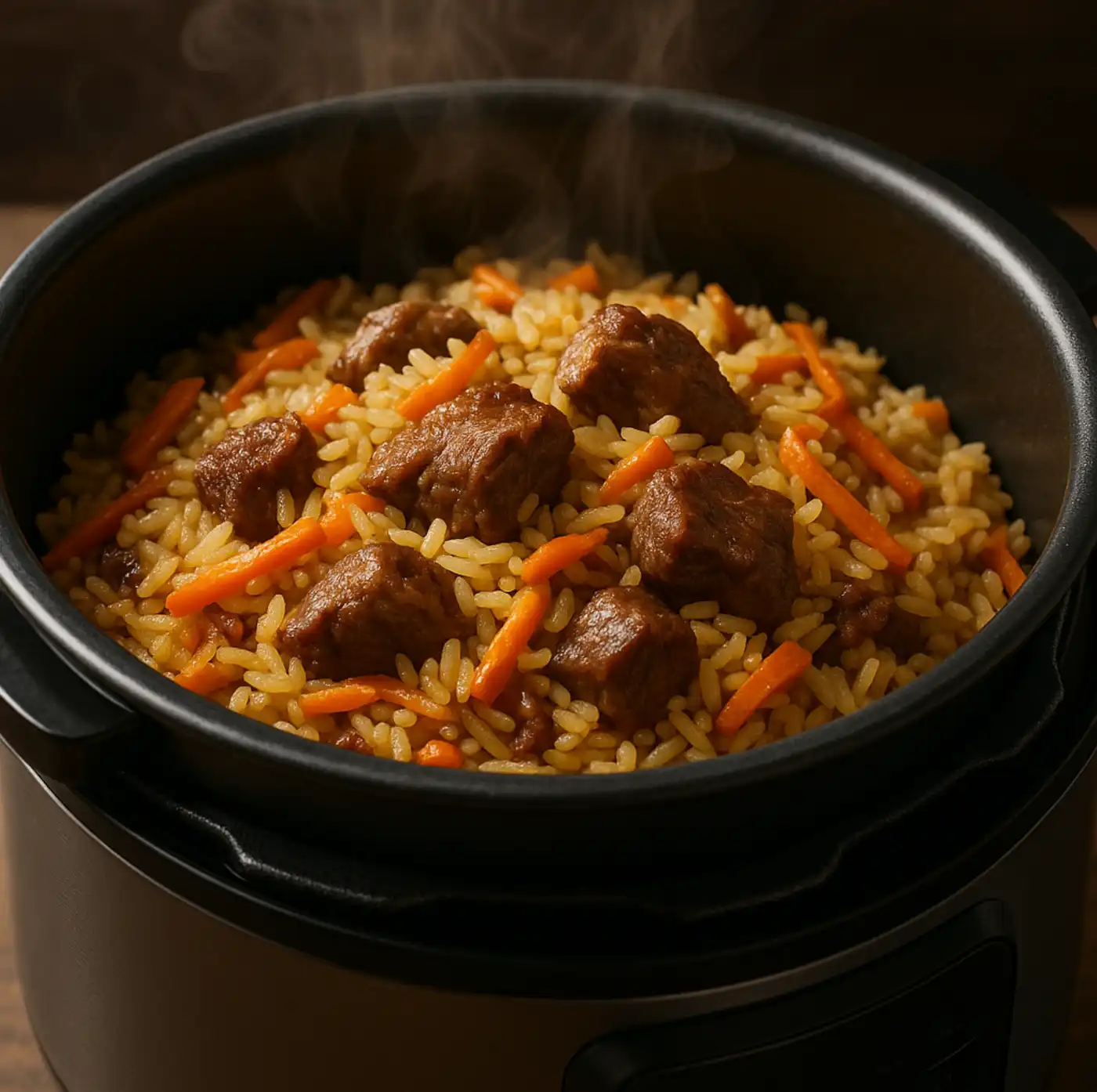
Brown (brown)is a healthier alternative to white rice because it contains more fiber, minerals, and vitamins. Unlike white rice, brown rice retains its husk during processing, which gives it a nutty flavor. However, this variety takes longer to cook—about 30-40 minutes.
Round grain (short grain)rice is characterized by a high starch content, which causes the grains to stick together naturally. This type is ideal for sushi, risotto, milk porridge, and desserts.
Medium-grain varieties (such as Arborio and Carnaroli) have a creamy texture and moderate starch content. They are ideal for Italian risotto and Spanish paella.
Wild rice actually comes from a different plant (zyzania), but is often mixed with traditional rice. Its grassy, nutty flavor is popular in salads and pairs well with meat and seafood.
Black and redare whole grain varieties with a tough shell and a rich nutty flavor. They are rich in nutrients and ideal for a healthy diet.
Jasmine and basmati deserve special attention as premium long-grain varieties. Jasmine is known for its floral aroma and is used in Thai cuisine. Basmati is characterized by its unique nutty aroma and originates from the Himalayan valleys.
2. Preparation: Key Steps Before Cooking
Successful cooking begins with proper preparation. This stage is often overlooked by home cooks, but it is extremely important.
Rinsing rice is a critical step that should not be skipped. Rinsing helps remove excess starch that accumulates on the surface of the grains. It is this starch that causes the rice to stick together during cooking.
Wash it as follows: place it in a sieve or deep bowl, pour cold water over it, and gently stir with your hands, keeping in mind that you want to hear the water whistling through the grains. Repeat the procedure several times until the water that drains off becomes clear.
Expert advice from professionals: it is essential to rinse the grains, as this not only makes the dish tastier, but also makes it healthier.
Some chefs recommend an additional step—frying the rice in oil before cooking. This process allows the grains to brown and develop a deeper, more intense flavor. Fried for a few minutes (2-3 minutes) in olive or butter, the rice develops a nutmeg aroma, which makes the side dish more interesting.
3. Proportions and Accurate Measurement
One of the most common mistakes when cooking is not measuring the water correctly. Getting the proportions right is key to success.
The classic ratio for most long-grain varieties (including white polished rice) is 1 part rice to 2 parts water. That is, if you use 1 cup of rice, you need 2 cups of water.
However, proportions may vary depending on the variety:
- Basmati: 1:1.5 (less water for a lighter texture)
- Jasmine: 1:1.4 or even 1:1.5 (also requires less water to achieve a soft texture)
- Brown: 1:2.5 (requires more water due to its harshness)
- Round grain rice for sushi: 1:1.4
- Wild: 1:3 (the highest water content of all types)
Important: manufacturers often indicate the recommended proportions on the packaging. Before cooking, it is worth checking this information to achieve the best result for your particular variety.
4. Detailed Instructions for Different Types
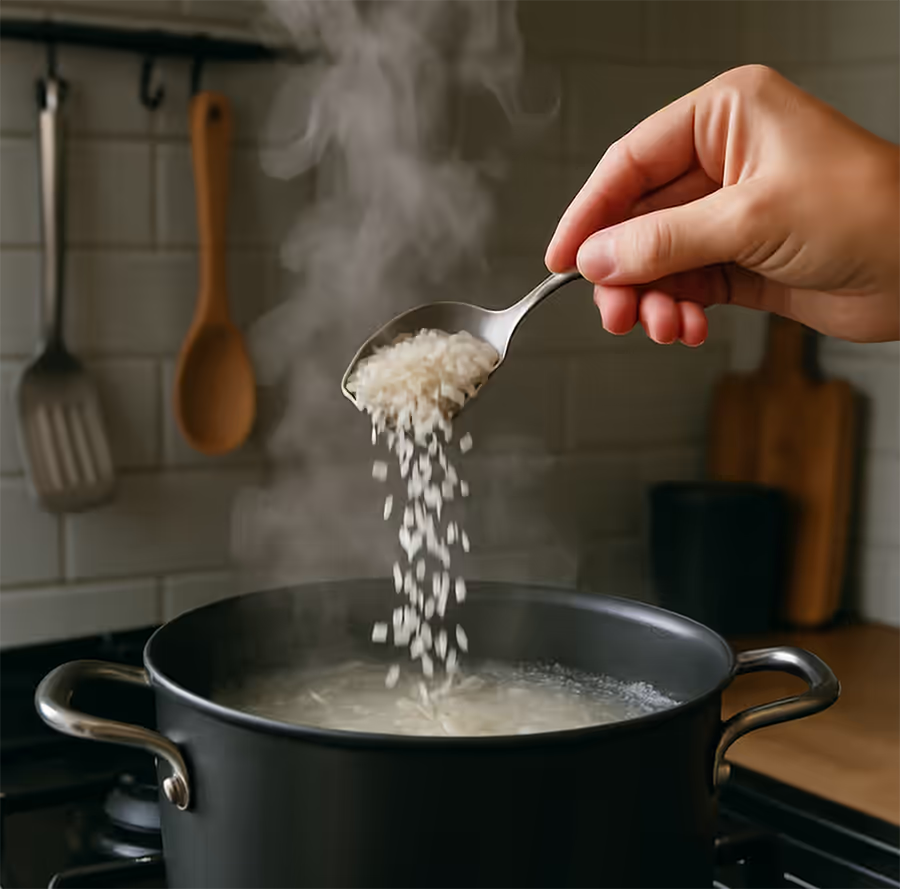
4.1 Long grain White Polished
This is the most versatile variety, suitable for most dishes. Here are the steps to achieve the perfect result:
- Rinse 1 cup of beans under cold running water until the water runs clear (approximately 3-5 rinses).
- Pour cold water in a 1:2 ratio (1 cup of grains, 2 cups of water) into a saucepan.
- Add salt and spices — this not only improves the taste, but also gives the cereal a more interesting texture. You can add a pinch of sea salt, pepper, and for more aroma — a few cardamom pods.
- Bring to a boil over medium-high heat. When it boils, let the grains simmer for 1-2 minutes over visible heat.
- Reduce the heat to low, cover with a lid, and cook for about 15-18 minutes. This allows the grains to absorb the water without overcooking.
- Let it steep — this is crucial! Leave the dish covered for 10 minutes without touching it. During this time, the grains will absorb the remaining water and become softer.
- Fluff with a fork — gently separate the grains with a fork, rubber spatula, or wooden spoon. Avoid stirring to prevent the grains from overcooking.
4.2 Basmati and Jasmine Rice
These premium long-grain varieties require a slightly different approach due to their delicate structure:
- Rinse the rice — this is especially important for these varieties, as they tend to be sticky.
- Use less water: 1:1.5 or even 1:1.4 for basmati. Jasmine rice is also better cooked with less water.
- Cold water method: pour cold water over the washed grains in the correct proportion.
- Cooking on visible heat: bring to a boil and cook over medium heat for 5-7 minutes.
- Reduce the heat and cover with a lid for the remaining time — approximately 5-8 minutes.
- Let it steep for 10 minutes, then fluff it up with a fork.
4.3 Brown Rice
Brown requires more time and more water due to its harshness:
- Rinse the brown rice several times.
- Use a ratio of 1:2.5 — 1 cup of cereal to 2.5 cups of water.
- Fry in oil (optional) to develop the aroma.
- Cooking: bring to a boil, then reduce heat to low and cover with a lid.
- Cooking time: 30-40 minutes depending on the variety.
- Let it steep for 10 minutes under the lid.
4.4 Round grain for sushi and risotto
This variety is naturally sticky, so some steps are different:
- Do not rinse — in some traditions, sushi rice is often not rinsed in order to preserve the starch and natural stickiness.
- The ratio is 1:1.4 for sushi rice.
- Cooking in cold water: pour cold water over the food and bring to a boil.
- Time: cook for 15-20 minutes with the lid closed on low heat.
- Let it steep for 10 minutes — this is especially important for sushi.
- For sushi: after cooking, cool the dish and season with sumashi (a mixture of rice vinegar, sugar, and salt).
4.5 Wild Rice
Wild rice is the most demanding and time-consuming:
- Wash as usual.
- The ratio is 1:3 — for 1 cup of cereal, you need 3 cups of water.
- Cooking: bring to a boil, then reduce heat.
- Time: cook for at least 45-60 minutes, depending on the variety.
- Let it stand for 10 minutes.
5. Alternative Cooking Methods
5.1 Frying and Boiling Method
This classic method develops a deeper, more intense flavor:
- Heat a pan over medium heat and add a little oil.
- Add the washed rice and fry for 2-3 minutes, stirring constantly. The grains should turn a light beige color.
- Pour boiling water or water in the correct proportion.
- Cover with a lid and cook over low heat until done.
- Let it steep for 10 minutes before serving.
5.2 Cooking in Large Quantities of Water (Classic Method)
This method is similar to cooking pasta and is used by some chefs:
- Bring a large amount of water (approximately 6-8 parts) to a boil in a deep pot.
- Add the washed groats and a pinch of salt.
- Cook over medium heat for 12-15 minutes, until the rice is ready.
- Drain through a sieve and determine readiness.
This method is less traditional, but some people like it for its simplicity.
5.3 Cooking in a Microwave Oven
For quick results:
- Pour cold water over the washed grains in the correct proportion into a microwave-safe container.
- Turn it on at maximum power for 10 minutes.
- After that, let it sit in the microwave for another 10 minutes.
- Gently fluff with a fork.
6. Secrets and Tips from Professionals
Secret 1: Always Loosen, Don’t Stir
After cooking, always fluff the rice with a fork rather than stirring it. Stirring causes the grains to overcook and become sticky. Some chefs even recommend fluffing the rice before using it for the first time to ensure that each grain is separate.
Secret 2: Add spices before cooking
Contrary to popular belief that spices are added to a finished dish, experts recommend adding them before cooking begins. This allows the flavors to blend completely with the dish and develop a deeper flavor profile.
Secret 3: Use Butter and Oil
Adding a small amount of butter or olive oil during cooking improves the taste and gives the grains a beautiful appearance. The oil also helps prevent excessive sticking.
Secret 4: Let the Food Steep
This is really important! The resting period under the lid allows the rice to fully absorb the water and develop a softer, more delicate texture. Do not touch the dish during this time.
Secret 5: Always Rinse
Even if the beans appear clean, it is worth rinsing them at least 1-2 times. This is a basic step that is often overlooked, but it makes a huge difference in the end result.
Secret 6: Choose High-Quality Rice
The quality of the raw material matters. Purchase grains from trusted producers and castles before buying. Grains should not contain any foreign impurities or damaged grains.
7. Common Mistakes and How to Avoid Them
| Error | Cause | Solution |
|---|---|---|
| Sticky, overcooked | Too much water, stirring during cooking | Reduce water by 0.25 cups, do not stir during cooking |
| Hard, dry | Too little water, insufficient cooking time | Increase water by 0.25 cups, cook for another 5 minutes |
| Tasteless, colorless | No spices or roasting | Add appropriate spices before cooking, fry |
| Rice that falls apart | Not enough starch retained | Rinse less, use short-grain rice |
| Black or burnt edges | Too high heat, grains stuck to the bottom | Reduce heat to minimum, grease the pot with oil |
8. Eat Healthy: Nutritional Value
Rice is a valuable source of energy due to its high carbohydrate content. Brown rice is significantly richer in fiber, B vitamins, and minerals than white rice. Wild and black rice contain antioxidants and nutrients that make them ideal for a healthy diet.
When choosing grains for a healthy diet, it is best to opt for whole grains such as brown, black, or red, which contain more fiber and nutrients.
9. Frequently Asked Questions (FAQ)
Q: Can I cook without rinsing?
A: Although technically possible, the rice will be stickier and less fluffy. Rinsing removes excess starch and significantly improves the result.
Q: How long does it take to cook?
A: White long-grain rice takes 15-20 minutes, brown rice takes 30-40 minutes, and wild rice takes 45-60 minutes. The time depends on the variety and size of the grains.
Q: Can it be reheated?
A: Yes, leftovers can be stored in the refrigerator for up to 3-4 days. Reheat in the microwave or in a pan with a little water added.
Q: How should it be stored?
A: White can be stored for up to 10 years in a cool, dry place. Brown is less stable due to its oil content and can be stored for 6-8 months.
Q: What is the difference between parboiled and unparboiled?
A: Parboiled rice is treated with steam before milling, which makes it more brittle and crumbly. Unparboiled rice is softer and more prone to stickiness.
Q: Can I add rice halfway through cooking?
A: No, this may result in uneven cooking. Add all the water before cooking.
Q: How do you prepare rice for sushi?
A: Cook short-grain sushi rice, then cool and season with sumashi (a mixture of rice vinegar, sugar, and salt) to achieve the desired stickiness and flavor.
Q: Should salt be added?
A: Yes, salt improves the taste and texture. Add it at the beginning of cooking, not at the end.
Q: How do I make fragrant rice?
A: Add spices and seasonings before cooking—cardamom, bay leaves, cinnamon sticks, black pepper. You can also cook it in broth instead of water.
Conclusion
Cooking perfect rice is a combination of choosing the right variety, following simple proportions, and being patient. Although rice seems like a simple grain, it is these small details that make the difference between a dry, colorless side dish and a sunny, aromatic dish that complements any menu.
Remember the key points: rinse the grains, use the correct proportions of water, add spices before cooking, let the dish steep after cooking, and fluff it with a fork. By doing this over and over again, you will develop the intuition and skill to cook the perfect dish under any conditions.
Whether you’re preparing a simple side dish for your family or entertaining guests with an exotic paella, these tips and techniques will help you achieve professional results in your own kitchen. Experiment with different varieties, spices, and cooking methods—every dish is an opportunity for culinary improvement.