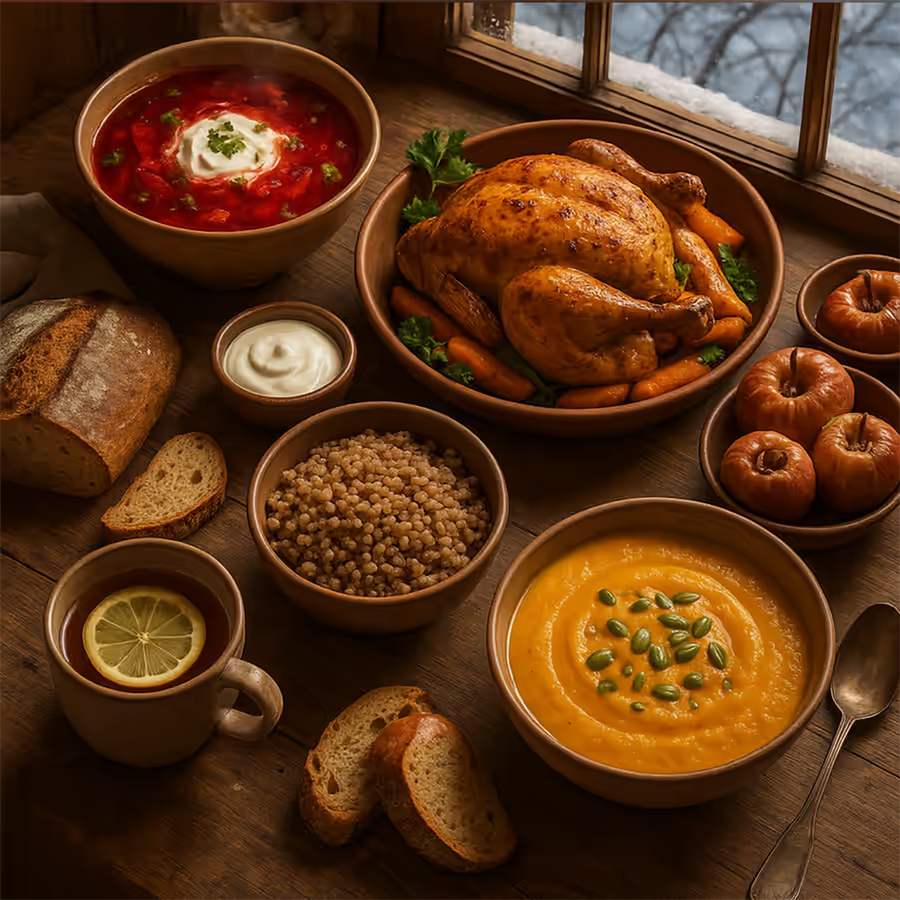
In winter, the body needs more hearty, warming, and nutritious meals, but that doesn’t mean heavy and “unhealthy” food. In this article, you will find the top winter recipes with detailed instructions, tips on what to eat in winter, and a comprehensive FAQ with answers to popular questions.
The article is designed for home cooking, suitable for family menus, and the recipes are easy to adapt to the ingredients you have on hand.
Content
What is best to eat in winter: a brief overview of winter nutrition
In winter, the body expends more energy to maintain warmth, so it is important to:
- Eat warm dishes: soups, porridges, casseroles, stewed vegetables.
- Add high-quality fats: butter, olive oil, nuts, seeds, fatty fish.
- Don’t forget about protein: meat, fish, legumes, eggs, cheese.
- Compensate for the lack of fresh vegetables and fruits: pickled vegetables, baked fruits, frozen berries.
- Drink warm beverages: herbal teas, fruit compotes, rosehip decoctions, ginger tea.
Next up is a selection of convenient, detailed, and adaptable recipes that are perfect for your winter menu.
Top winter recipes
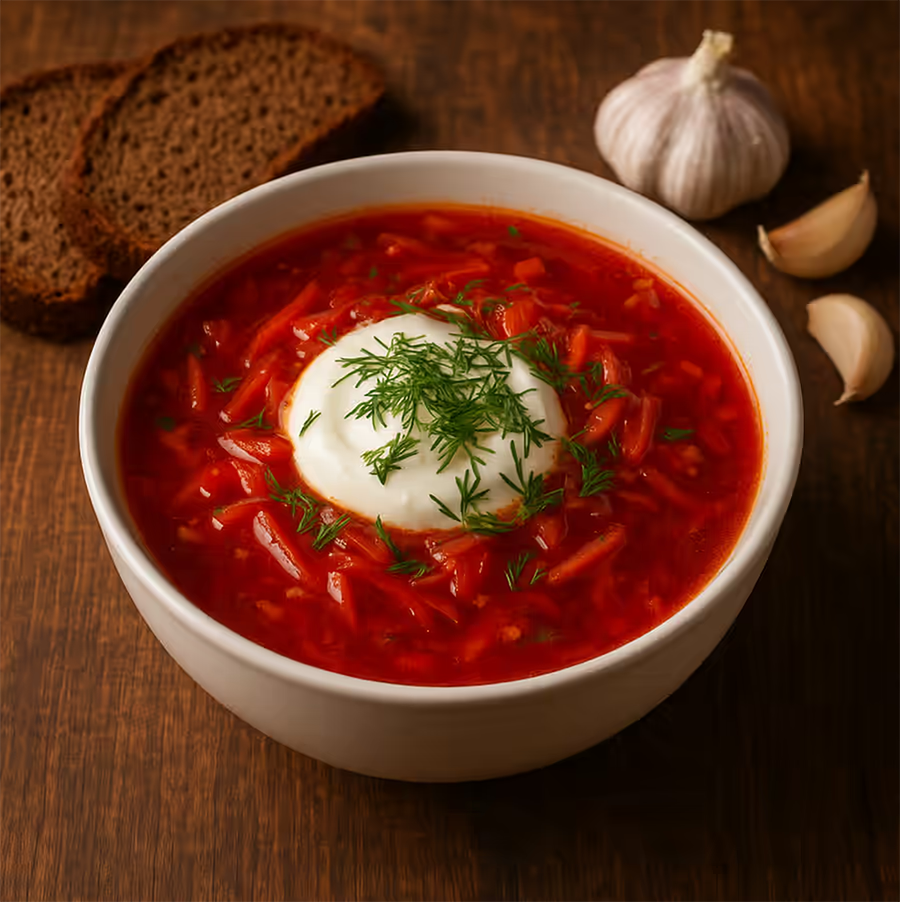
1. Hearty winter borscht with meat and beans
Why it’s the perfect winter soup
Borscht is a classic Ukrainian dish, and it’s especially appropriate in winter: rich broth, vegetables, beans — everything that gives you a feeling of warmth and satiety.
Ingredients (for 6–8 servings)
- Beef on the bone or pork ribs – 700–800 g
- Water – 3 liters
- Beans (boiled or canned) – 1 cup
- White cabbage – 300–400 g
- Potatoes – 4–5 pieces.
- Beets – 2 medium-sized pieces
- Carrots – 1–2 pieces.
- Onions – 1–2 pieces
- Tomato paste – 2–3 tbsp.
- Vegetable oil – 3–4 tablespoons
- Garlic – 3–4 cloves
- Bay leaves – 2–3 pieces
- Salt, ground black pepper – to taste
- 9% vinegar or lemon juice – 1 tbsp (for beetroot color)
- Sugar – 1 teaspoon (optional, to balance the flavor)
- Greens: dill, parsley – to taste
- To serve: sour cream, garlic, black bread, lard (optional)
Step-by-step preparation
- Cook the broth. Wash
the meat, cover with cold water, and bring to a boil. Skim off the foam, reduce the heat to low, and cook for 1.5–2 hours. Add salt and bay leaves 15 minutes before it is ready. - Prepare the vegetables. Cut
the potatoes into cubes. Shred the cabbage. Grate the beetroot on a coarse grater or cut into strips. Grate the carrots and finely chop the onions. - Separate roasting for a rich flavor Heat the
oil in a frying pan, fry the onion until transparent, add the carrots, and fry for a few minutes. Add the beets, tomato paste, vinegar (or lemon juice), a little water, and simmer for 10–15 minutes under a lid. - Assemble the borscht Remove the
meat from the prepared broth, separate it from the bones, and cut it into pieces. Add the potatoes to the boiling broth and cook for 10 minutes. Then add the cabbage, beans, meat, and stewed vegetables (from the pan). - Final touches
Cook for another 10–15 minutes until the vegetables are soft. At the end, add chopped garlic, pepper, and salt if necessary. Remove from heat and let the borscht steep for 20–30 minutes. - Serving
Serve hot with a spoonful of sour cream, fresh herbs, and black bread. Optionally, serve with lard and garlic.
Tip: borscht tastes even better the next day, making it the perfect dish to cook in advance and store for a few days.
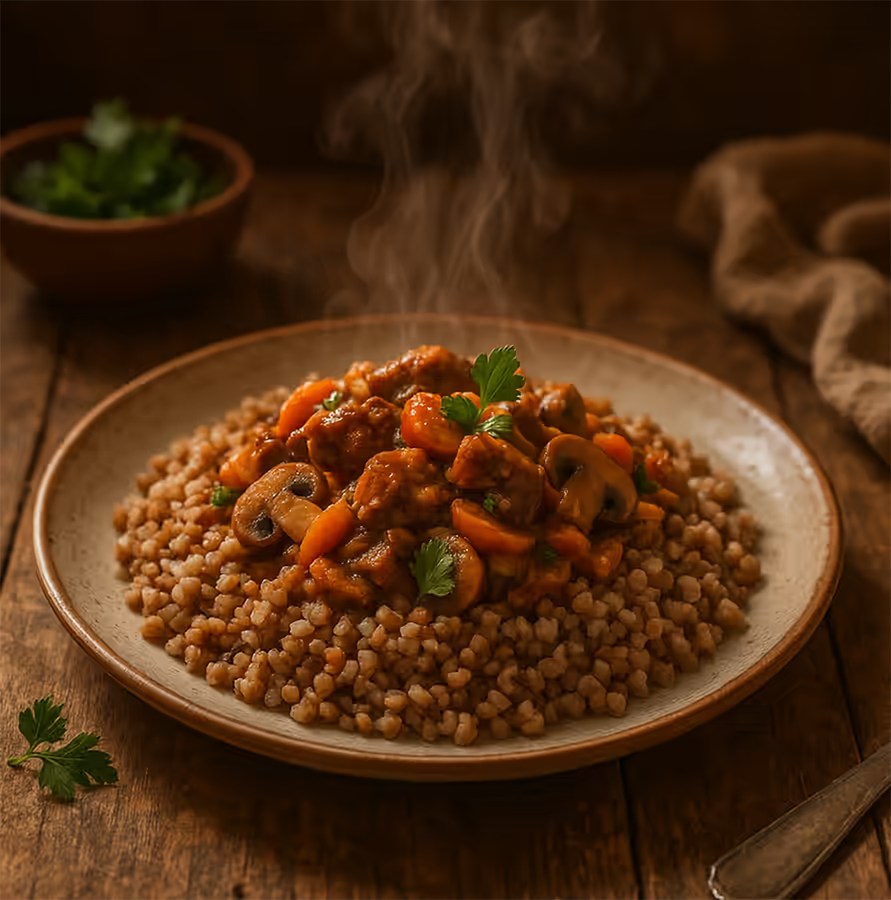
2. Merchant-style buckwheat porridge with meat and vegetables
Why it’s a winter must-have
Buckwheat is a source of slow-release carbohydrates, giving you a feeling of fullness, and when combined with meat and vegetables, it becomes a complete meal.
Ingredients (4 servings)
- Buckwheat – 1 cup
- Water – 2 glasses
- Pork or chicken – 400–500 g
- Onions – 1–2 pieces
- Carrot – 1 piece.
- Bell pepper (frozen is acceptable) – 1 piece.
- Garlic – 2–3 cloves
- Vegetable oil or butter – 2–3 tablespoons
- Salt, pepper, paprika, dried garlic – to taste
- Bay leaves – 1–2 pieces.
Step-by-step preparation
- Preparation of buckwheat
Rinse the buckwheat until the water runs clear. If desired, fry in a dry frying pan for 2–3 minutes for a more pronounced flavor. - Meat Cut
the meat into small pieces and fry in oil until golden brown. Add salt and pepper. - Vegetable base
Add chopped onion to the meat and fry until soft. Then add grated carrots and chopped bell peppers. Cook for another 5–7 minutes. - Stew with buckwheat Add
buckwheat to the meat and vegetables, stir. Pour in hot water, add bay leaf and spices. Bring to a boil, reduce heat to low, cover with a lid. - Cook until ready. Cook
for 20–25 minutes until the buckwheat absorbs all the liquid. At the end, turn off the heat, add chopped garlic and, if desired, a piece of butter. Cover with a lid for another 10 minutes. - Serving
Serve as a separate hot dish. Goes well with pickled cucumbers, sauerkraut, or beet salad.
3. Winter vegetable cream soup made from pumpkin and carrots
Why you should cook
Pumpkin is a source of beta-carotene, beneficial vitamins, and fiber. Warm cream soup not only warms you up, but is also easily digestible.
Ingredients (4 servings)
- Peeled pumpkin – 500–600 g
- Carrots – 2 pieces
- Potatoes – 2–3 pieces.
- Onion – 1 piece
- Garlic – 2 cloves
- 10–20% cream or milk – 150–200 ml (can be replaced with water/vegetable broth)
- Water or broth – 1–1.2 liters
- Butter or olive oil – 1–2 tablespoons
- Salt, pepper, nutmeg – to taste
- To serve: croutons, pumpkin seeds, herbs
Step-by-step preparation
- Prepare the vegetables. Cut
the pumpkin, potatoes, and carrots into cubes. Finely chop the onion and mince the garlic. - Frying for aroma Melt butter
or heat oil in a pan. Fry the onion until soft, add garlic, cook for another minute. - Simmering vegetables
Add pumpkin, carrots, and potatoes. Pour in water or broth so that the vegetables are covered. Bring to a boil, reduce heat, and cook for 20–25 minutes until tender. - Turn into cream
When the vegetables are soft, remove from heat. Blend everything with a blender until smooth. If necessary, add a little more water/broth if the soup is too thick. - Add cream and spices
Return the soup to low heat, pour in cream or milk, add salt, pepper, and a pinch of nutmeg. Do not bring to a boil. - Serving
Serve hot with homemade croutons, roasted pumpkin seeds, and herbs.
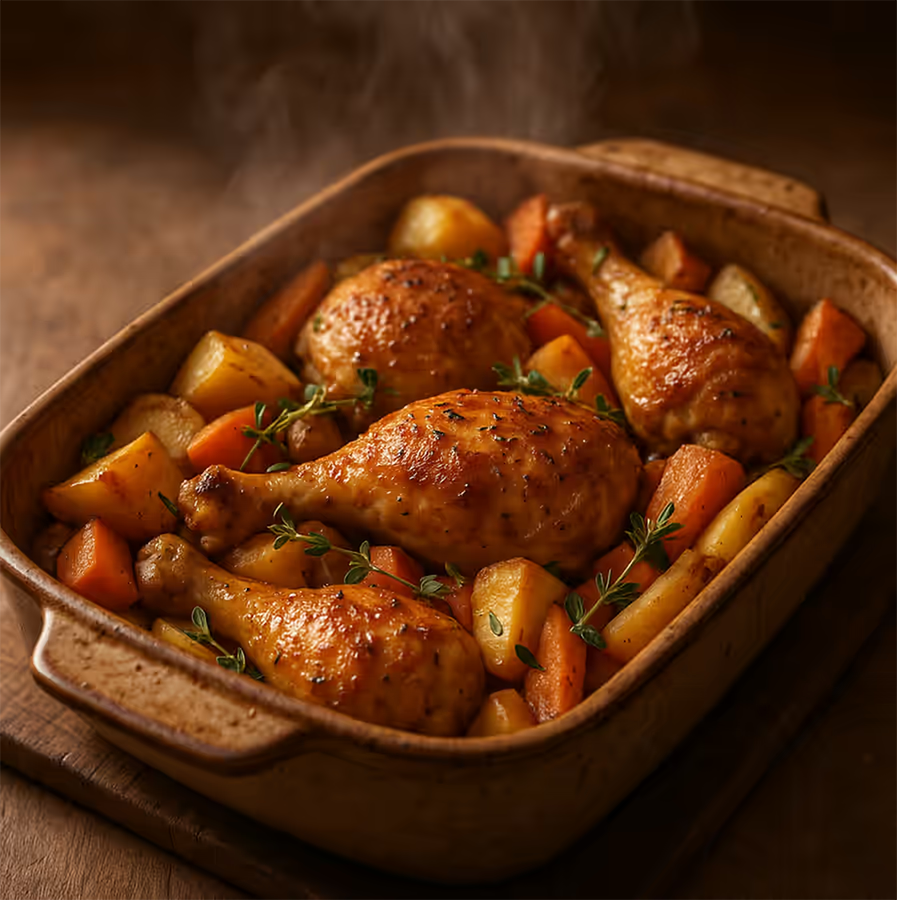
4. Baked chicken with potatoes and root vegetables
Why it’s convenient in winter
One large baking dish in the oven – and a full dinner for the whole family is ready. Minimum effort, maximum taste.
Ingredients (4–6 servings)
- Chicken thighs, drumsticks, or whole chicken – 1.2–1.5 kg
- Potatoes – 800–1000 g
- Carrots – 2–3 pieces.
- Onions – 2 pieces
- Celery root or parsnip (optional) – 1 piece
- Garlic – 4–5 cloves
- Vegetable oil – 3–4 tablespoons
- Salt, pepper, paprika, dried herbs (Provençal, oregano, thyme) – to taste
- Lemon – 0.5 (optional)
Step-by-step preparation
- Chicken marinade
Mix oil, salt, pepper, paprika, dried herbs, and minced garlic. Add a little lemon juice if desired. Coat the chicken with the marinade and leave for at least 30 minutes (or overnight in the refrigerator). - Vegetables Cut
the potatoes, carrots, and celery (or parsnips) into large pieces. Cut the onions into half-rings. Salt the vegetables, lightly sprinkle with oil, and mix. - Assemble the dish Place the vegetables
in a large heatproof dish and top with the chicken. If using chicken pieces, arrange them between the vegetables. - Baking Preheat
the oven to 190–200 °C. Bake for about 60–80 minutes (depending on the size of the chicken and pieces), basting periodically with the juices that are released. The vegetables should become soft and browned. - Serving
Serve hot straight from the mold. Goes well with sauerkraut or a light beet salad.
5. Braised cabbage with meat and prunes
Why it’s a winter dish
Cabbage is a classic winter vegetable that is readily available and inexpensive. Combined with meat and prunes, it has a deep, slightly sweet flavor.
Ingredients (4–5 servings)
- White cabbage – 800–1000 g
- Pork or beef – 400–500 g
- Onions – 1–2 pieces
- Carrot – 1 piece.
- Pitted prunes – 100 g
- Tomato paste – 2 tbsp.
- Vegetable oil – 2–3 tablespoons
- Water – 150–200 ml
- Salt, pepper, bay leaf – to taste
Step-by-step preparation
- Meat
Cut the meat into small pieces and fry in oil until golden brown. - Vegetables
Add chopped onion to the meat and fry until soft. Then add grated carrots and cook for another 3–4 minutes. - Cabbage
Chop the cabbage. Add to the meat and vegetables, pour in a little water, add tomato paste, salt, pepper, and bay leaf. - Prunes Rinse
the prunes and chop them if necessary. Add to the cabbage. - Braising
Cover with a lid and braise over medium/low heat for 40–60 minutes, stirring occasionally and adding a little water if necessary. The cabbage should become soft but not turn into mush. - Serving
Serve as a standalone dish or as a side dish with mashed potatoes or porridge.
6. Baked oatmeal with apples, cinnamon, and nuts
The perfect choice for a winter breakfast
Warm, fragrant, and filling, this oatmeal turns an ordinary morning into a little celebration.
Ingredients (4 servings)
- Oat flakes (not instant) – 2 cups
- Milk or plant-based milk – 2 cups
- Eggs – 2 pcs.
- Apples – 2–3 pieces.
- Honey or sugar – 3–4 tablespoons (to taste)
- Butter – 30 g (for the pan and a little for the dough)
- Cinnamon – 1 teaspoon
- Vanilla sugar – 1 tsp.
- A handful of nuts, raisins, or dried apricots – to taste
- A pinch of salt
Step-by-step preparation
- Prepare the baking dish. Preheat
the oven to 180 °C. Grease the baking dish with butter. - Fruit base Cut
the apples into cubes or slices. You can lightly sprinkle them with cinnamon and a small amount of sugar directly in the pan. - Oat mixture
In a bowl, mix oat flakes, milk, eggs, honey (or sugar), vanilla sugar, a pinch of salt, and cinnamon. Add nuts and dried fruit. - Assemble the casserole
Pour the oat mixture into the dish on top of the apples and smooth it out slightly. Place a few small pieces of butter on top. - Baking
Bake for 30–40 minutes until golden brown. The mixture should set but remain slightly moist inside. - Serving
Serve warm, with sour cream, Greek yogurt, or an extra spoonful of honey.
7. Baked apples with cheese, honey, and nuts
A light and healthy winter dessert dish
Ingredients (2–4 servings)
- Apples (preferably firm varieties) – 4 pcs.
- Cottage cheese – 200 g
- Honey – 2–3 tablespoons
- Nuts (walnuts, almonds, hazelnuts) – 50–70 g
- Cinnamon – 0.5–1 tsp.
- Vanilla sugar – 1 tsp (optional)
Step-by-step preparation
- Preparing the
apples Wash the apples, cut off the tops, carefully cut out the core, leaving the “walls” and bottom. - Filling
Mix the cheese, honey, chopped nuts, cinnamon, and vanilla sugar. The filling should be sweet, but not overly so. - Filling
Fill the apples with the cheese mixture and place them in a baking dish. - Baking
Bake at 180 °C for about 20–30 minutes, until the apples are soft but not falling apart. - Serving
Serve warm. You can add honey or sprinkle with nuts.
8. Winter drink: ginger and lemon tea with honey
Why you should drink it in winter
It warms you up, supports your immune system, and helps you warm up after a walk in the cold.
Ingredients (for a 1–1.5 liter teapot)
- Water – 1–1.5 liters
- Fresh ginger – 3–4 cm of root
- Lemon – 0.5–1 piece
- Honey – 2–3 tablespoons (add to warm, not boiling drink)
- Optional: cinnamon stick, a few cloves
Preparation
- Peel the ginger and cut it into thin slices or grate it.
- Pour water into a saucepan or kettle, add ginger (and spices), bring to a boil.
- Cook for 5–10 minutes over low heat.
- Remove from heat, add lemon slices, and let steep for 10 minutes.
- When the drink has cooled slightly (to a temperature no higher than 40–45 °C), add honey and stir.
- Drink warm throughout the day.
What else is good to eat in winter: ideas without specific recipes
- Sauerkraut, cucumbers, tomatoes – a source of vitamin C and beneficial bacteria.
- Frozen berries – add to porridge, yogurt, smoothies.
- Fatty fish (salmon, mackerel, herring) – omega-3, supports heart and blood vessels.
- Nuts, seeds, dried fruit – healthy fats and natural “sweets.”
- Legumes (beans, lentils, chickpeas) are an excellent source of protein and are perfect for soups and stews.
- Whole grains—buckwheat, barley, millet, oats—keep you feeling full for longer.
Frequently asked questions about winter nutrition (FAQ)
Do you need to eat more in winter than in other seasons?
The body does indeed expend more energy on thermoregulation, especially if you spend a lot of time outdoors. But that doesn’t mean you should overeat. It’s better to focus on:
- more substantial breakfasts (porridge, casseroles, scrambled eggs with vegetables);
- hot meals (soups, stews);
- Light dinners, but also warm (baked vegetables, fish, light stews).
The main thing is not to increase portions excessively, but to shift the emphasis towards warmth and nutrition.
Is it necessary to eat meat in winter?
No, it’s not necessary, but protein is very important. If you don’t eat meat, you can replace it with:
- fish and seafood;
- eggs;
- cheese and fermented milk products;
- legumes (beans, lentils, chickpeas);
- tofu and other plant-based protein products.
Recipes such as borscht or stewed cabbage can easily be adapted to a vegetarian version: simply replace the meat with beans, lentils, or other legumes.
Should you limit your sugar intake in winter?
In winter, we especially crave sweets—this is a normal reaction of the body to cold weather and lack of sunlight. However, it is better to choose the “right” sweets:
- baked fruit (apples, pears);
- cheese casseroles, baked oatmeal;
- dried fruit in small quantities;
- desserts based on fruit, yogurt, cheese.
This type of sweet treat provides energy and nutrients, rather than just “empty” calories.
Which soups are best suited for a winter menu?
In winter, the best places to visit are:
- rich soups and borscht made with meat or bone broth;
- cream soups made from pumpkin, carrots, cauliflower, broccoli;
- Soups with legumes (beans, lentils, chickpeas), as they provide additional protein and satiety.
The main thing is that soups are warm, not too fatty, and contain vegetables.
What to drink in winter besides tea and coffee?
Well suited:
- dried fruit compote;
- rosehip decoction;
- herbal teas (chamomile, mint, lemon balm, linden);
- ginger and lemon drink;
- Warm water with lemon and honey.
It is best to limit sweet carbonated drinks and heavily sweetened juices in winter, as they do not warm you up and contain a lot of sugar.
Is it possible to eat “light” in winter and still stay warm?
You can, but then you need to plan your diet very carefully:
- Do not completely give up fats (oil, nuts, seeds, fish).
- Add warm dishes – soups, stewed vegetables, casseroles.
- Don’t live on salads and raw vegetables alone – in winter, this often leads to feeling cold and constantly hungry.
Are frozen vegetables and berries suitable for a winter menu?
Yes, frozen vegetables and berries are a great solution for winter. They are frozen during the season, preserving most of their vitamins. You can use them to prepare:
- soups and stews;
- casseroles and vegetable side dishes;
- compotes and fruit drinks;
- Add berries to porridge, cottage cheese, yogurt.
How to put together a simple winter menu for the day?
Approximate version:
- Breakfast: baked oatmeal with apples and nuts or porridge with fruit.
- Snack: a handful of nuts, an apple, a tangerine, or yogurt.
- Lunch: a bowl of hot borscht and a slice of whole grain bread.
- Afternoon snack: baked apple with cheese.
- Dinner: baked chicken with root vegetables or stewed cabbage with meat/beans.
Conclusion
Winter meals can be tasty, healthy, and filling if you focus on:
- hot dishes (borscht, soups, stewed vegetables);
- a balanced combination of proteins, fats, and slow carbohydrates;
- seasonal and affordable products (cabbage, beets, carrots, potatoes, apples, pickled vegetables);
- simple but well-thought-out recipes.
The recipes in this collection can easily be incorporated into your daily winter menu by combining them with each other: borscht for lunch, buckwheat with meat or stewed cabbage for dinner, baked oatmeal and apples for breakfast and dessert. This diet will help you feel energetic even on the coldest days.