
A steak is not just a dish, but a true philosophy of taste that combines knowledge of meat breeds, cooking techniques, and craftsmanship. This guide will help you understand all aspects of choosing, preparing, and cooking the perfect steak, as well as answer the most common questions.
Зміст
Introduction: Why steak has become a symbol of gastronomic culture
A steak is not just a piece of meat. It is an idea, a way of life, a sign of haute cuisine, and at the same time a simple, understandable dish for everyone. It is loved for its juiciness, rich taste, and unique aroma. When preparing this dish, it is important to consider many subtleties, from choosing the right cut to the degree of doneness. That is why steak has become a true symbol of European and American cuisine, and is now conquering Ukrainian gourmets.
Choosing the perfect meat for steak
What meat to choose for steak: breeds and aging
The success of a dish begins with the right choice of meat. The best steaks are made from beef. However, not every cow is suitable for this. The main focus is on the breed, age, feeding method, and aging.
The most popular breeds:
- Angus (Black Angus) — famous for its high marbling and tenderness.
- Hereford — has a pronounced flavor, suitable for aging.
- Wagyu (Japanese marbled beef) is a delicacy breed, considered the most expensive and with the highest marbling.
- Local breeds: Ukrainian Red, Simmental, etc. — are also excellent choices if the meat is of sufficient quality.
Meat aging can be dry-aged or wet-aged. Dry-aged meat has a more pronounced flavor and tender texture, although it is more expensive. Wet-aged meat is usually sold in bulk — it is cheaper, but slightly inferior in terms of flavor depth.
Which piece to choose

Classic types of steaks:
| Name of steak | Inventory | Taste qualities |
|---|---|---|
| Ribeye | From the intercostal part, covered with fat streaks | Juicy, very rich |
| New York (Striploin) | From the back, a combination of stiffness and juice | Meaty, moderately juicy |
| T-bone | Two types of meat — fillet and strip loin, on the bone | Complex, rich flavor |
| Tenderloin | The most tender, almost fat-free | Soft, delicate |
| Tomahawk | Rib-eye with long bone, bright presentation | Juicy, impressive |
| Porterhouse | Large T-bone with more fillet | Juicy, complex |
Tip: For home cooking, ribeye, strip loin, and filet mignon are the best choices.
How to cut and prepare meat
- The steak should be 2.5–4 cm thick. Thin pieces overcook quickly, while thick ones are difficult to cook evenly.
- Temperature before frying — meat should be left to rest for 30–60 minutes at room temperature.
- Trimming fat — do not remove all the fat, as its layers give the steak its juiciness.
- Removing the film — there is often a thin white film on the fillet: it must be removed so that the steak remains tender.
Marinades, spices, salt: when and how to use them
Is it necessary to marinate steak?
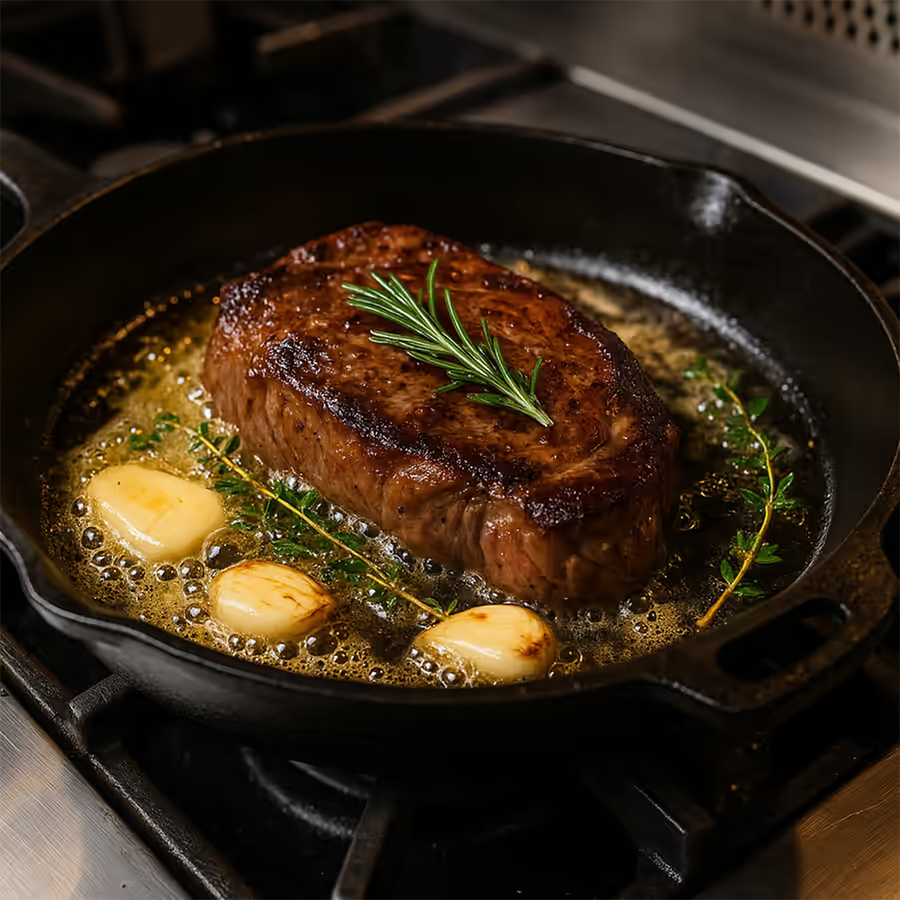
In the classic sense, steak is not marinated. Salt and pepper are enough to bring out the flavor of high-quality meat. Sometimes rosemary, thyme, garlic, or butter are used for aroma—added during frying or while the dish is resting.
However, for tougher cuts or non-traditional options (such as pork or turkey), you can use marinades based on oil, lemon juice, soy sauce, or mustard to tenderize the meat.
When to salt a steak?
- Experienced chefs recommend salting immediately before frying or 40-60 minutes beforehand.
- Premature pickling can draw out moisture, but coarse salt actually “dries” the surface, promoting caramelization.
Oil, butter, or a dry pan?
- Oil with a high smoke point (peanut, grape seed, refined sunflower) is ideal for frying.
- Butter is often added at the end of frying for aroma and extra juiciness.
- The dry cook option (without oil) is used on a well-heated pan with meat that has its own fat layer (for example, ribeye).
Choosing the ideal cooking method
| Method | Pros | Cons |
|---|---|---|
| Frying pan (grill/cast iron) | Accessibility, temperature control | Complicated process for thick pieces |
| Grill | Smoky aroma, crust | Depends on external conditions, requires experience |
| Oven + frying pan | Ideal for thick steaks, uniformity | More time, need for two devices |
| Sous-Vide | Perfect precision, juiciness | Requires special equipment, takes longer |
Step-by-step instructions for the pan
- Heat the pan to the maximum temperature until light smoke appears (cast iron is ideal).
- Dry the meat with a paper towel, lightly brush with oil if necessary, season with salt and pepper.
- Place the dish in the pan. Do not touch it for the first 1.5–2 minutes—this will allow a crust to form.
- Flip and fry for another 1.5–2 minutes. For thick pieces, after the crust is formed, bring the dish to the optimal temperature in the oven (180°C) for another 5–10 minutes.
- If desired, add a knob of butter, rosemary, and garlic at the end.
- Place the meat on a rack/wooden board and cover with foil. Let it “rest” for 5–10 minutes.
Roasting: what it is and how to determine the degree of readiness
Visible flashes
| Name (English/Ukrainian) | Temperature in the center | Characteristics |
|---|---|---|
| Rare / With blood | 48–50°C | Very red, soft |
| Medium rare | 53–56°C | Reddish-pink, very juicy |
| Medium | 57–59°C | Pink, less juicy |
| Medium well / Almost well done | 60–63°C | Light pink in the center |
| Well done | 65°C+ | Gray, dryish |
The most popular degree of doneness in the world is medium rare.
How to check the degree of readiness
- A meat thermometer is the most reliable method.
- The “touch” method: compare the elasticity of the meat with the elasticity of certain areas of the palm (near the thumb – rare, near the little finger – well done), but this method requires practice.
- Approximate frying time for a 2.5-3 cm thick piece in a pan:
- Rare: 1.5-2 minutes on each side
- Medium-rare: 2.5-3 minutes on each side
- Medium: 3-4 minutes on each side
Common mistakes and how to avoid them
- The steak has not been left to rest at room temperature — it may become tough and not cook evenly.
- If the pan is not hot enough, a crust will not form and the meat will “steam.”
- If you flip it too often, you’ll lose the juice and texture.
- Cutting immediately after cooking causes juice to flow out and meat to become drier.
- Using a fork or piercing the meat destroys the meat fibers and causes the juices to flow out.
- Not enough salt — the depth of flavor is lost.
Serving: side dishes, sauces, table setting
The classic way to serve steak — with minimalism! Dunaevsky garnish, but popular options:
- Baked potatoes or French fries.
- Grilled vegetables (peppers, zucchini, asparagus, mushrooms).
- Fresh salads with olives, arugula, and tomatoes.
- Classic sauces: pepper sauce, blue cheese sauce, garlic butter, demi-glace, barbecue, red wine.
How to cut steak?
Always across the grain — this makes the meat as tender as possible.
Frequently asked questions (FAQ)
How long should you let the dish “rest” after frying?
Ideally, 5-10 minutes. During this time, the juice is evenly distributed inside.
Why does meat need to rest before frying?
This allows you to heat the piece evenly, avoiding sudden temperature changes and toughness during cooking.
Do you need a special pan?
The best option is cast iron (grill or classic). It retains heat perfectly and forms a crust.
Should meat be washed before frying?
It is sufficient to blot it with a paper towel. According to state standards, meat for steaks is sufficiently clean, and water only adds unnecessary moisture.
Can you cook steak from frozen meat?
Yes, but defrost it in the refrigerator for 10-12 hours, not at room temperature or in the microwave.
What to do if you don’t have a thermometer?
Use the “touch” method, but practice is the best teacher. You can use the color of the juice that comes out when you press with a fork as a guide: clear — well done, pink — rare/medium.
How to choose the best meat in the store?
Pay attention to the uniformity of the marbling, color (red, even), absence of gray tint, and foreign odors.
Tips that bring your dish closer to perfection
- Always let the steak rest.
- Don’t skimp on meat quality — a good cut is 80% of the success.
- Don’t be afraid to experiment with sauces and side dishes.
- Learn to determine the degree of roasting “by touch.”
- For your first attempt, choose ribeye or strip loin.
- Use minimal seasoning to experience the authentic flavor of beef.
- Aging meat is a great investment in taste.
A quick checklist for cooking the perfect steak
- Select a high-quality cut of beef (ribeye, strip loin, tenderloin).
- Allow to cool to room temperature.
- Dry with a paper towel, season with salt and pepper.
- Heat the pan to the maximum temperature.
- Fry the steak for 2-4 minutes on each side.
- Add butter and spices if desired.
- Let it “rest” on a board/grill under foil for 5-10 minutes.
- Cut across the grain and serve with your favorite side dish or sauce.
Conclusion
The perfect steak is a combination of high-quality meat, precise heat treatment, and simple presentation. Follow these tips, and steak will become your signature dish not only on holidays but also on weekdays!
Don’t be afraid to experiment and improve your culinary skills. And if you still have questions, look for answers in the FAQ section or leave comments below the article!
This article has been prepared based on global best practices, advice from chefs, and the experience of thousands of home cooks. Bon appetit!