
Student life is always associated with a constant lack of time and money, especially when it comes to cooking. However, this does not mean that you have to sacrifice taste or health. In this article, we have compiled the best recipes for students—quick, budget-friendly, and hearty dishes that are easy to prepare even in the most modest dormitory conditions.
Studies show that nearly 60% of students do not understand the principles of healthy eating, and 70% mainly consume fast food. Our goal is to change this by providing students with the tools for healthy and economical eating.
Content
Basics of student nutrition
Principles of economical cooking
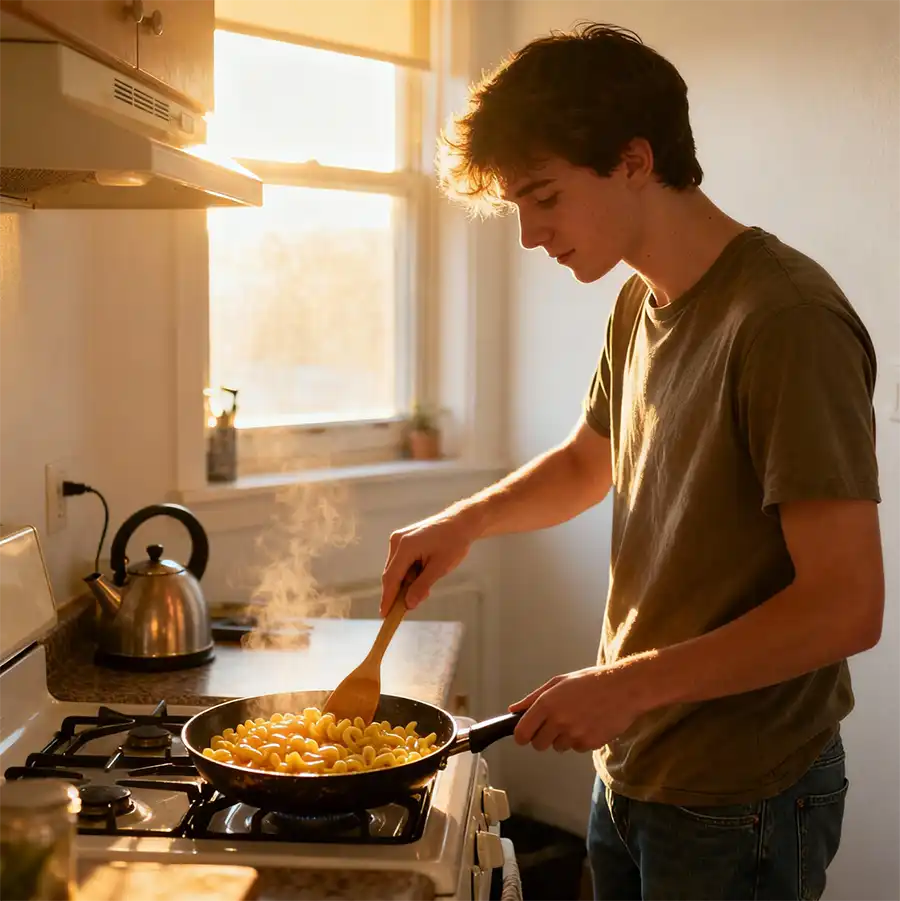
Planning is the key to success. By planning your menu for the week ahead, you save not only money but also time. Shop with a list to avoid impulse purchases.
Students who plan their meals in advance save up to 40% compared to those who buy food every day. This allows them to spend no more than 2,000-3,000 UAH per month on food, even when prices are high.
Seasonality and bulk purchases. Choose seasonal fruits and vegetables—they are cheaper and taste better. Buy long-lasting products such as cereals, pasta, and canned goods in large packages to save up to a third of the cost.
Cook in large portions. Preparing meals for several days in advance not only saves time but also money. Freeze soups, porridges, or stewed vegetables in portions for quick reheating.
Rational nutrition for students
According to experts’ recommendations, a student’s diet should consist of 25-30% of energy value for breakfast, 10-15% for a second breakfast, 35-40% for lunch, and 15-20% for dinner. Carbohydrates should make up 56% of the energy value, fats – 30-33%, and proteins – 12-14%.
The average calorie intake for a student’s daily diet should be 2400-2700 kcal for boys and 2000-2200 kcal for girls. This provides optimal energy for learning and physical development.
Useful food combinations:
- Eggs, grains, legumes – for satiety
- Cabbage, carrots, beets – for color and health benefits
- Dairy products – for breakfast and baking
- Herbs and spices – for aroma even from simple ingredients
Organization of the kitchen in the dormitory
Basic set of dishes: 2-3 liter pot, frying pan, plate, cup, spoon, fork, knife. This is enough to prepare 90% of student meals.
Useful appliances: microwave oven for quick reheating, electric kettle for boiling water, mini-fridge for storing fresh food.
TOP 30 quick recipes for students
First courses and soups – recipes for students
1. Quick borscht
Ingredients:
- Potatoes – 4 pieces
- Carrots – 2 pieces
- Beetroot – 1 piece
- Onion – 1 piece
- Cabbage – 300 g
- Meat – 200 g
- Water – 1.5 l
- Salt, pepper – to taste
Preparation: Wash the meat and cut it into small pieces. Peel and chop the vegetables as you would for regular borscht. Simmer everything together until ready. Unlike the traditional recipe, this borscht takes 30-40 minutes to prepare. The secret is to use pre-baked beets, which retain their bright color and reduce cooking time.
2. Student soup with meatballs
Ingredients:
- Minced meat – 200 g
- Potatoes – 3 pieces
- Carrot – 1 piece
- Onion – 1 piece
- Egg – 1 piece
- Water – 1 liter
Preparation: Form small meatballs from the minced meat and egg. Place the chopped potatoes in boiling water, then add the fried vegetables and meatballs after 10 minutes. Cook for another 15 minutes.
3. Cream soup made from processed cheese
Ingredients:
- Processed cheese – 2 pieces
- Potatoes – 2 pieces
- Carrot – 1 piece
- Water – 800 ml
- Greens – to taste
Preparation: Boil the potatoes and carrots until tender. Add the chopped processed cheese and stir until dissolved. Serve with herbs.
Main dishes – recipes for students
4. “Minute” pizza in a pan
Ingredients:
- Eggs – 2 pieces
- Mayonnaise – 4 tablespoons
- Sour cream – 4 tbsp.
- Flour – 9 tablespoons
- Cheese – 150 g
- Sausage – 100 g
- Tomato – 1 piece
Preparation: Mix the flour, sour cream, mayonnaise, eggs, and salt until it’s like runny sour cream. Pour the batter into a greased pan, top with the filling and grated cheese. Cook for 3 minutes without a lid, then on low heat with a lid until the cheese melts.
5. Pasta with cheese and vegetables
Ingredients:
- Pasta – 250 g
- Vegetables (broccoli, carrots) – 1 cup
- Hard cheese – 0.5 cups
- Milk – 0.5 cups
- Oil – 2 tablespoons
Preparation: Boil the pasta in salted water. Fry the vegetables. Heat the milk and melt the cheese in it. Mix the pasta with the vegetables and pour over the cheese sauce.
6. Student pasta side dish
Ingredients:
- Pasta – 300 g
- Tomato sauce – 5 tablespoons
- Pickled cucumber – 4 pieces
- Onion – 1 piece
- Oil – 3 tablespoons
- Sugar – to taste
Preparation: Cook the pasta al dente. Cut the cucumbers into rounds and dice the onion. Fry the onion, add the cucumbers and tomato sauce. Mix with the pasta.
7. Omelet with cabbage
Ingredients:
- Egg – 1 piece
- Cabbage – 100 g
- Greens, salt, pepper – to taste
Preparation: Beat the egg, finely chop the cabbage, mix and season. Fry in heated oil under a lid for 5 minutes.
8. Buckwheat with scrambled eggs and vegetables
Ingredients:
- Buckwheat – 0.5 cups
- Egg – 1 piece
- Onion – 0.5 pieces
- Carrot – 1 piece
- Soy sauce – to taste
Preparation: Pour boiling water over the buckwheat and cover for 20 minutes. Fry the vegetables, add the egg, and stir. Mix with the cooked buckwheat.
9. Pasta with green peas
Ingredients:
- Pasta – 200 g
- Canned peas – 1 can
- Onion – 0.5 pieces
- Oil – 2 tablespoons
- Salt, pepper – to taste
Preparation: Cook the pasta, reserving 0.5 cups of the cooking water. Fry the onion, add the peas, then the pasta with a little water. Simmer for 2 minutes.
10. Student noodles with sausages
Ingredients:
- Processed cheese – 2 pieces
- Sausages – 5 pieces
- Instant vermicelli – 1 package
- Green onions – to taste
Preparation: Make cuts in the sausages and fry them. Add cubes of processed cheese and cover with a lid. Add the vermicelli, pour in water, and cook for 5 minutes.
Meat dishes – recipes for students
11. Potato casserole with sour cream
Ingredients:
- Potatoes – 700 g
- Sour cream – 200 g
- Eggs – 2 pieces
- Salt – 1 teaspoon
- Oil – 1 tablespoon
- Garlic – 3 cloves
Preparation: Boil the potatoes in their skins, peel them, and cut them into rounds. Whisk together the sour cream, eggs, salt, and garlic. Pour over the potatoes and bake for 20 minutes at 200°C.
12. Braised pollock with vegetables
Ingredients:
- Alaska pollock – 200 g
- Carrot – 1 piece
- Onion – 0.5 pieces
- Oil – 1 tablespoon
- Potato – 1 piece
Preparation: Cut the fish into large pieces, chop the onion, grate the carrots. Place in a frying pan, add a little water, and simmer until cooked.
13. Beef and chicken cutlets
Ingredients:
- Beef fillet – 350 g
- Chicken fillet – 300 g
- Onion – 100 g
- Egg – 1 piece
- White bread – 50 g
- Butter – 50 g
Preparation: Mince the meat with the onion in a meat grinder. Mix with the egg and soaked bread. Form patties with a piece of butter inside and bake for 30 minutes at 200°C.
14. Macaroni casserole with chicken
Ingredients:
- Chicken fillet – 780 g
- Carrot – 1 piece
- Onion – 1 piece
- Boiled pasta – 300 g
- Cheese – 180 g
- Mayonnaise, ketchup – to taste
Preparation: Cut the fillet into cubes and fry with vegetables. Layer the meat, pasta, and meat again. Spread ketchup on top, sprinkle with cheese, and bake for 25 minutes.
15. Chicken legs with potatoes in a sleeve
Ingredients:
- Chicken drumsticks – 2 pieces
- Potatoes – 2 pieces
- Oil – 1 tablespoon
- Garlic – 1 clove
- Salt – 0.5 tsp.
Preparation: Mix the oil, garlic, and salt, and rub the mixture into the drumsticks. Cut the potatoes and place them in the sleeve with the meat. Bake for 40 minutes at 200°C.
Breakfast recipes for students
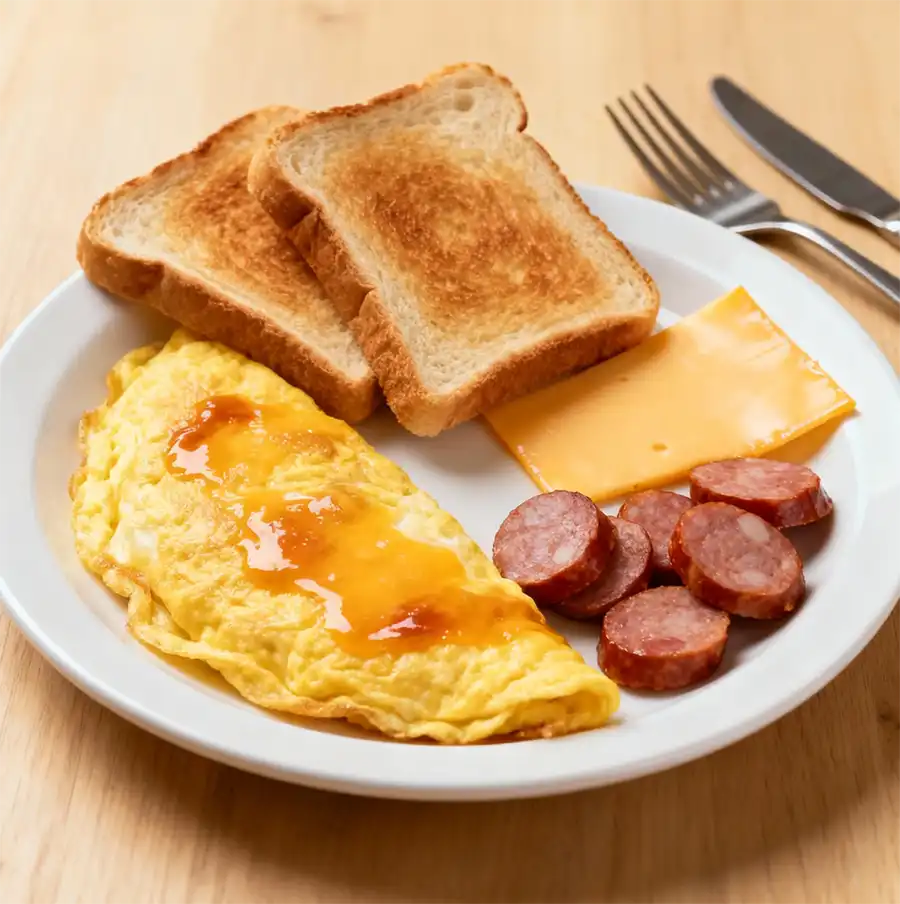
16. Student-style omelet
Ingredients:
- Rye bread – 2 slices
- Eggs – 2 pieces
- Milk – 50 ml
- Sausage – 20 g
- Cheese – 20 g
- Butter – 20 g
Preparation: Beat the eggs with milk and fry an omelet. Spread butter on bread, top with sausage and cheese, and place the omelet, cut in half, on top.
17. Chocolate cake in the microwave
Ingredients:
- Flour – 4 tablespoons
- Egg – 1 piece
- Milk – 5 tablespoons
- Cocoa – 2 tablespoons
- Sugar – 4 tablespoons
- Oil – 3 tablespoons
- Baking powder – 0.5 tsp.
Preparation: Mix all ingredients until smooth. Pour into silicone molds and cook in the microwave for 3-5 minutes at maximum power.
18. Oatmeal and banana smoothie
Ingredients:
- Natural yogurt – 250 ml
- Banana – 1 piece
- Oat flakes – 0.5 cups
- Sugar – 1 tsp.
Preparation: Mix all ingredients in a blender until smooth. Serve chilled.
19. Banana pancakes
Ingredients:
- Banana – 1 piece
- Egg – 1 piece
- Flour – 2 tablespoons
- Milk – 2 tablespoons
- Sugar – 1 tsp.
Preparation: Mash the banana with a fork and mix with the other ingredients. Fry the pancakes in a heated pan for 2-3 minutes on each side.
20. Toast with scrambled eggs
Ingredients:
- Bread – 2 slices
- Egg – 1 piece
- Sausage – 50 g
- Butter – 1 tablespoon
Preparation: Spread butter on bread and toast. Fry eggs and sausage separately. Assemble sandwich.
Salads and appetizers – recipes for students
21. Swiss salad
Ingredients:
- Green salad – 150 g
- Cheese – 150 g
- Sausage – 150 g
- Green onions – 2 tablespoons
- Mayonnaise – 2 tablespoons
Preparation: Cut the sausage, cheese, and lettuce into strips. Add the onion, mix, and season with mayonnaise.
22. Student salad with noodles
Ingredients:
- Instant vermicelli – 1 package
- Canned corn – 1 can
- Fresh cucumber – 1 piece
- Chicken breast – 200 g
- Yogurt – 3 tablespoons
- Mustard – 1 tsp.
Preparation: Cook the noodles according to the instructions. Cut the chicken and cucumber. Mix all the ingredients with the yogurt and mustard dressing.
23. Simple Salad
Ingredients:
- Fresh cabbage – 300 g
- Korean carrots – 100 g
Preparation: Finely chop the cabbage and mix with Korean carrots in a ratio of 3:1. Mix thoroughly without adding any additional seasonings.
24. Quick snack “Student”
Ingredients:
- Carrot – 1 piece
- Processed cheese sticks – 2 pieces
- Garlic – 2 cloves
- Mayonnaise – 2 tablespoons
Preparation: Grate the carrots and cheese on a fine grater, add the minced garlic. Season with mayonnaise and shape into balls.
25. Tuna salad
Ingredients:
- Canned tuna – 1 can
- Lettuce leaves – 1 bunch
- Tomatoes – 2 pieces
- Cucumber – 1 piece
- Onion – 1 piece
- Oil, lemon juice – to taste
Preparation: Mix all chopped ingredients, season with oil and lemon juice.
Side dishes and vegetable dishes – recipes for students
26. Baked potatoes with herbs
Ingredients:
- Potatoes – 4 pieces
- Olive oil – 2 tablespoons
- Rosemary – 1 sprig
- Garlic – 2 cloves
- Salt, pepper – to taste
Preparation: Cut the potatoes into wedges, mix with oil and spices. Bake for 25-30 minutes at 200°C.
27. Braised cabbage with vegetables
Ingredients:
- Cabbage – 500 g
- Carrot – 1 piece
- Onion – 1 piece
- Tomato paste – 2 tablespoons
- Oil – 2 tablespoons
Preparation: Fry the onions and carrots, add the shredded cabbage and tomato paste. Simmer under a lid for 20 minutes.
28. Rice with vegetables
Ingredients:
- Rice – 1 cup
- Frozen vegetable mix – 200 g
- Onion – 1 piece
- Oil – 2 tablespoons
- Salt, pepper – to taste
Preparation: Cook the rice until done. Fry the onion, add the vegetables, and simmer for 10 minutes. Mix with the rice.
Desserts and drinks – recipes for students
29. No-bake “Student” cake
Ingredients:
- Crackers – 3 packs
- Waffles – 1 pack
- Condensed milk – 500 g
- Sour cream – 500 g
- Sugar – 250 g
Preparation: Whip the sour cream with sugar and condensed milk. Layer the crackers and cream. Decorate with crushed wafers.
30. Fruit smoothie
Ingredients:
- Raspberry – 100 g
- Banana – 1 piece
- Yogurt – 200 ml
- Honey – 1 tablespoon
Preparation: Mix all ingredients in a blender until smooth. Serve with ice.
Tips for organizing cooking
Basic products for a student kitchen
Long-term products: rice, buckwheat, pasta, canned food, flour, sugar, salt, oil. These products can be stored for months and serve as the basis for most dishes.
Quick snacks: eggs, bread, cheese, sausage, mayonnaise. Always have these foods on hand for quick breakfasts and snacks.
Vegetables and fruits: potatoes, carrots, onions, cabbage, apples. Buy seasonal vegetables—they are cheaper and healthier.
Frozen foods: vegetable mixes, meat, fish. They can be stored for a long time and allow you to prepare full meals even when fresh produce is not available.
Saving time and money
Cooking for several days: cook soups and porridges in large portions, freeze in portions. This saves up to 60% of cooking time during the week.
Use leftovers: make potato pancakes from boiled potatoes, salads and sandwiches from leftover meat. This reduces food waste by 30-40%.
Giving up bad habits: coffee and snacks in cafes significantly increase expenses. Home-cooked meals are 3-4 times cheaper than ready-made meals.
Collective cooking: cook together with your dorm neighbors. This allows you to buy food in bulk and share the costs.
Useful life hacks
- Buy a whole chicken – it’s cheaper than buying individual parts.
- Buy milk in large packages – save up to 20%
- Keep an eye out for promotions in supermarkets and wholesale outlets.
- Use loyalty programs for additional discounts
- Cook at home instead of ordering in – save up to 300%
- Prepare preserves for winter – pickled cucumbers, cabbage, jam
- Buy semi-finished products of your own preparation – pelmeni, vareniki, cutlets
Organization of food storage
In the refrigerator: store meat, fish, and dairy products at a temperature of 0-4°C. Keep vegetables in special compartments.
At room temperature: cereals, pasta, canned goods, onions, potatoes. Store in a dry, dark place.
In the freezer: frozen vegetables, meat, fish, bread. When stored correctly, products retain their beneficial properties for up to 6 months.
Healthy eating on a student budget
Balanced menu
Breakfast: porridge with fruit or nuts, omelet, sandwiches. Hot dishes containing starch—porridge, potatoes, pasta—are recommended for breakfast. This provides energy for the first hours of the day and improves concentration during lectures.
Lunch: soup, main course with side dish, salad. This should make up the largest part of your daily diet. The ideal ratio is 40% of your total daily calorie intake.
Dinner: light meals – salads, cheese cakes, casseroles. It is beneficial to drink a glass of kefir before bedtime. Dinner should be 3-4 hours before bedtime for normal digestion.
Vitaminization of the diet
Artificial vitamin supplementation is especially important in spring due to the reduced vitamin content in vegetables. Increase the amount of salads and vegetable dishes, include dairy products, fish, fruits, and berries.
Sources of important vitamins:
- Vitamin C: cabbage, citrus fruits, potatoes
- Vitamin D: fish, eggs, dairy products
- B vitamins: grains, meat, legumes
- Iron: beef, buckwheat, apples
Diet
Number of meals: optimally 4-5 times a day at intervals of 3-4 hours. This maintains stable blood sugar levels and improves nutrient absorption.
Water intake: 1.5-2 liters of water per day. Limit your consumption of sweet carbonated drinks and energy drinks.
Weekly menu for students
Monday
- Breakfast: cheese pancakes with honey (250 kcal)
- Lunch: borscht with meat, pasta with cheese (650 kcal)
- Dinner: vegetable salad, omelet (350 kcal)
Total calories: 1250 kcal
Tuesday
- Breakfast: oatmeal with banana (280 kcal)
- Lunch: soup with meatballs, potato casserole (700 kcal)
- Dinner: Student salad (400 kcal)
Total calories: 1380 kcal
Wednesday
- Breakfast: sandwich with sausage and cheese (320 kcal)
- Lunch: pan-fried pizza, cabbage salad (600 kcal)
- Dinner: buckwheat with stewed vegetables (450 kcal)
Total calories: 1370 kcal
Thursday
- Breakfast: omelet with vegetables (250 kcal)
- Lunch: pasta with meat, stewed cabbage (750 kcal)
- Dinner: tuna salad (300 kcal)
Total calories: 1300 kcal
Friday
- Breakfast: cheese pancakes with jam (300 kcal)
- Lunch: cream soup, cutlets with potatoes (800 kcal)
- Dinner: vegetable stew (350 kcal)
Total calories: 1450 kcal
Saturday
- Breakfast: pancakes with honey (350 kcal)
- Lunch: chicken breast with rice, salad (700 kcal)
- Dinner: vegetable casserole (400 kcal)
Total calories: 1450 kcal
Sunday
- Breakfast: yogurt with fruit (200 kcal)
- Lunch: borscht, potato pancakes with sour cream (650 kcal)
- Dinner: Swiss salad (450 kcal)
Total calories: 1300 kcal
Average calorie intake per week: 1357 kcal/day, which meets the needs of a student with moderate physical activity.
Seasonal nutrition for students
Fall-Winter
The basis of the diet: warm, high-calorie dishes – soups, porridges, stewed vegetables. Increase your intake of vitamin C through citrus fruits and sauerkraut.
Recommended foods: cabbage, carrots, beets, potatoes, apples, onions. These vegetables store well and contain essential vitamins.
Spring-Summer
The basis of the diet: fresh salads, cold soups, light dishes. Increase the amount of raw vegetables and fruits.
Recommended foods: tomatoes, cucumbers, bell peppers, greens, berries. Use seasonal foods for maximum benefit and savings.
FAQ: answers to frequently asked questions
Is it possible to cook tasty and cheap meals in a dormitory?
Absolutely! The main thing is proper planning and basic cooking skills. Even in modest conditions, you can cook a variety of hearty dishes. 90% of the recipes on our list are adapted for dormitory conditions.
How much money does a student need for food?
With proper planning, you can eat a balanced diet while spending 2,000-3,000 UAH per month. The key to saving money is cooking at home and buying in bulk. The average savings compared to cafes and restaurants is 60-70%.
What to cook when you have no time at all?
Ideal options: scrambled eggs with vegetables (5-7 minutes), oatmeal with fruit (3-5 minutes), toast with filling. Homemade semi-finished products are also useful—you can prepare them on the weekend.
How to store food in a dormitory?
Buy foods with a long shelf life: cereals, pasta, canned goods. Buy fresh foods in small quantities and use them quickly. Invest in a mini-fridge—it will pay for itself in 2-3 months.
Is it possible to eat healthily on a limited budget?
Yes, healthy eating is not always expensive. Seasonal vegetables, grains, eggs, and dairy products provide a complete diet at affordable prices. The main thing is to avoid ready-made foods and fast food.
What to do if you are tired of eating the same dishes?
Experiment with spices and seasonings—they can radically change the taste of familiar dishes. Try to add one new recipe to your menu every week. Cook with friends—it will diversify your culinary experience.
How to organize meals for the week?
Make a menu for the week, write a shopping list, and buy everything in one trip. Cook basic dishes in large portions—soups, porridges, stewed vegetables. Use the meal prep technique—preparing meals for several days.
Is it worth buying ready-made semi-finished products?
Homemade semi-finished products – yes, store-bought ones – it’s better to limit them. Make pelmeni or cutlets on the weekend and freeze them in portions. This saves time and money, and also ensures product quality.
How to eat during exam season?
Increase your intake of foods that improve memory: nuts, fish, dark chocolate. Eat often, but in small portions. Don’t forget about hot meals, even when you’re short on time.
Is it possible to lose weight on a student diet?
Yes, if you follow the principles of healthy eating. Reduce portion sizes, increase the amount of vegetables, and avoid fried and sweet foods. Replace pasta with buckwheat and add more protein-rich foods.
Useful apps and resources
Mobile apps for planning
- Menu planning: Week Menu, Mealime
- Shopping lists: Bring!, AnyList
- Calorie content of foods: MyFitnessPal, FatSecret
- Cooking timers: Kitchen Timer, MultiTimer
Budget stores for students
- Wholesale bases: 20-30% savings on cereals and canned goods
- Markets: seasonal vegetables and fruits at low prices
- Special offers: keep an eye out for discounts in supermarkets
- Cooperative purchasing: organize joint purchases with your neighbors
Online resources
- Cooking websites: simpler recipes adapted for students
- YouTube channels: video tutorials on preparing basic dishes
- Telegram bots: for tracking sales in stores
- Cooking forums: sharing experiences with other students
Conclusions
Student life should not mean sacrificing the quality of food. With the right approach, you can cook tasty, healthy, and economical meals even in the most modest conditions. The main rules for success are: planning your menu, buying seasonal products in bulk, cooking in large portions, and using basic ingredients for different dishes.
Studies show that students who cook for themselves save up to 1,500 UAH per month compared to those who eat at cafes. What’s more, home-cooked meals are 40% healthier than fast food and contain half as many harmful additives.
The 30 recipes provided will help diversify your student diet, and the helpful tips will save you time and money in the kitchen. Remember: the skills of economical cooking acquired during your student years will be useful for the rest of your life.
Key principles for successful student nutrition:
- Planning is the key to saving time and money
- Variety is the key to health and good mood
- Simplicity – even complex dishes can be simplified
- Community – cook with friends to save money and have fun
- Experiment – don’t be afraid to try new food combinations
Start with simple recipes and gradually expand your culinary repertoire. In a few months, you will be surprised at how much the quality of your diet has improved while spending the same amount of money or even less. Enjoy a delicious and healthy student life!