
What is the Flexitarian Diet and Why is it So Popular?
Flexitarianism (flexitarian diet) is a flexible approach to nutrition that combines a predominantly plant-based diet with the option of consuming meat and fish in moderate amounts. The word “flexitarian” comes from the English words “flexible” and “vegetarian,” which perfectly reflects the essence of this approach.
Unlike strict vegetarianism, flexitarianism does not prohibit meat, but only limits its consumption. It is recommended to consume between 255 and 800 grams of meat per week, depending on personal goals. This allows people to flexibly adapt their diet to their needs without feeling restricted.
Content
Key Benefits of the Flexitarian Diet
The flexitarian diet is gaining popularity in Europe and around the world thanks to its numerous benefits:
For Health:
- Lower cholesterol and saturated fat levels, reducing the risk of cardiovascular disease
- Improvement in overall health
- Successful weight loss and weight control
- More energy and improved metabolism
Practical Advantages:
- Easier to follow than vegetarianism
- Does not require giving up some favorite foods in favor of others
- Flexibility in product selection
- Cost-effectiveness through increased use of inexpensive plant proteins
Ecological and Ethical:
- Reducing environmental impact
- Helping the planet by reducing meat consumption
- Adherence to moral principles without extremes
Top 10 Delicious and Quick Recipes for a Flexitarian Diet
1. Risotto with Mushrooms (30 minutes)
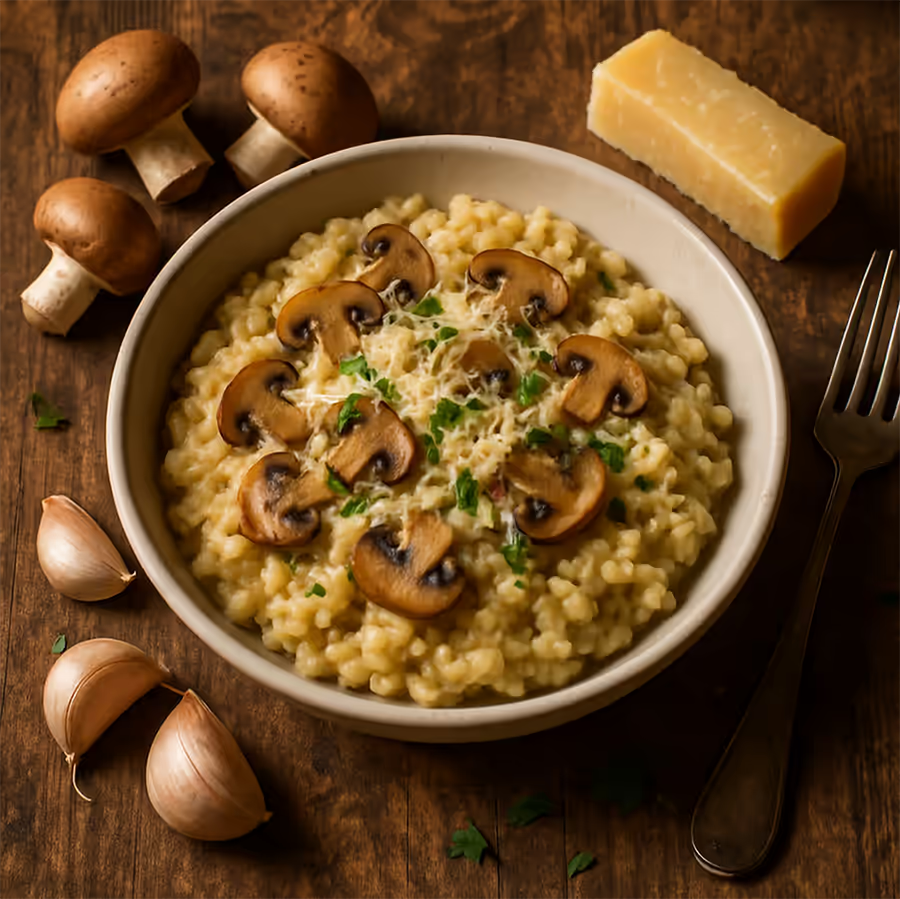
This classic Italian dish is perfect for a flexitarian diet. The creamy texture of risotto makes it a real hot favorite.
Ingredients:
- 1 cup risotto rice (Arborio)
- 200 g mushrooms
- 1 onion
- 3-4 cups of vegetable broth
- 50 g grated cheese
- 2 tablespoons olive oil
- Salt and pepper to taste
Preparation:
- Fry the chopped onion in olive oil until translucent.
- Add the chopped mushrooms and cook for 5 minutes.
- Add the rice and fry for 2-3 minutes, stirring constantly.
- Gradually add hot vegetable broth, waiting until each portion is absorbed before adding the next.
- Cook for 18-20 minutes until the rice is tender.
- Add cheese and salt and pepper to taste.
2. Lentils in Curry Sauce (35 minutes)
This Indian dish is rich in protein and easy to prepare. One serving contains about 12 grams of protein.
Ingredients:
- 1 cup brown lentils
- 1 onion, diced
- 2 cloves of garlic, minced
- 1 tbsp curry powder
- 1 can of tomatoes in their own juice
- 1 cup vegetable broth
- 2 tablespoons olive oil
- Salt and pepper
Preparation:
- Rinse the lentils with cold water.
- In a large saucepan, sauté the onion and garlic in olive oil.
- Add the curry powder and cook for 1 minute.
- Add tomatoes, vegetable broth, and lentils.
- Bring to a boil and reduce heat
- Cover with a lid and cook for 20-25 minutes.
- Season with salt and pepper
3. Baked Vegetables with Feta Cheese (45 minutes)
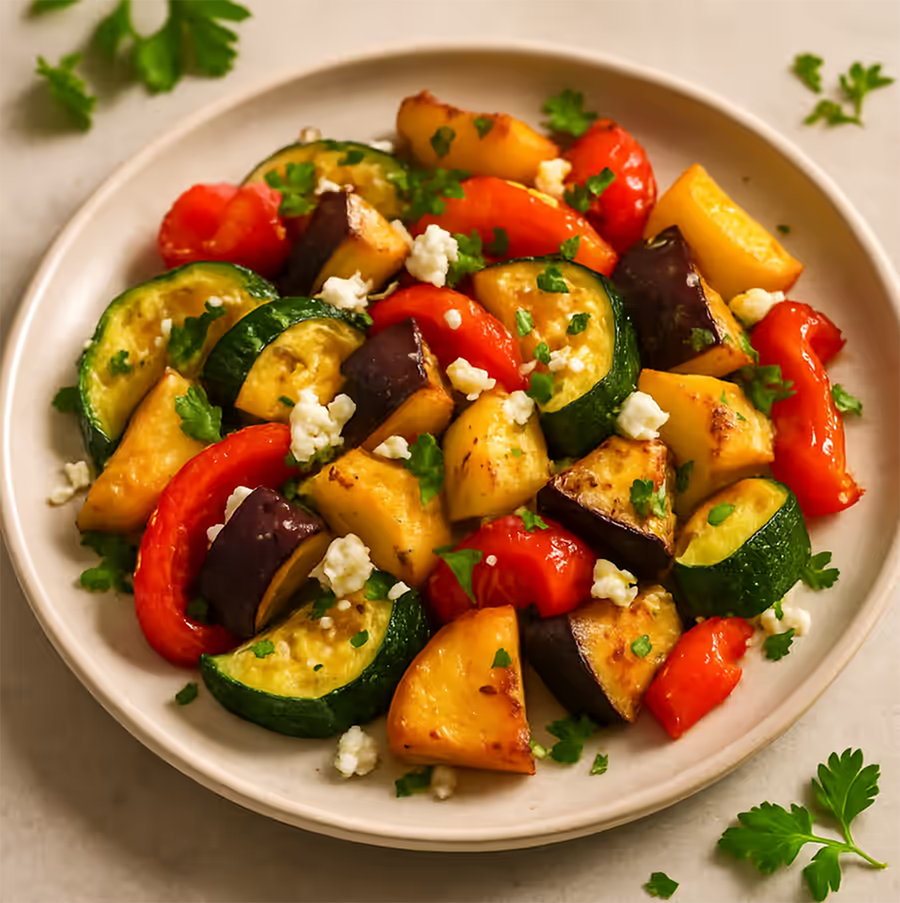
The simplest but very impressive dish that will amaze you with its taste.
Ingredients:
- 2 potatoes
- 1 eggplant
- 1 zucchini
- 1 bell pepper
- 200 g feta cheese
- 4 tablespoons olive oil
- Salt, pepper, and oregano to taste
Preparation:
- Cut all vegetables into cubes.
- Spread out on a baking sheet greased with oil
- Drizzle with olive oil and season with salt, pepper, and oregano.
- Bake at 200°C for 30 minutes.
- Break the feta cheese into large pieces and add to the vegetables.
- Bake for another 10-15 minutes until golden brown.
4. Braised Zucchini with Rice and Vegetables (30 minutes)
A light, low-calorie dish that is ideal for dinner.
Ingredients:
- Rice (boiled) – 100 g
- Zucchini – 150 g
- Carrot – 60 g
- Onion – 1 piece
- Green beans – 60 g
- 2 tomatoes
- 1 tablespoon olive oil
Preparation:
- Chop the onion and fry in oil.
- Add the chopped carrots and cook for 3 minutes.
- Add chopped zucchini and green beans
- Cook for 10 minutes under a lid.
- Add chopped tomatoes and rice
- Simmer for another 10 minutes until ready.
5. Greek Salad (15 minutes)
A classic Mediterranean dish that takes 15 minutes to prepare.
Ingredients:
- 3 lettuce leaves
- 4-5 tomatoes
- 1 cucumber
- ½ red onion
- 6-8 olives
- 1 bell pepper
- 50 g feta cheese
- 1 tablespoon olive oil
- 1 teaspoon lemon juice
- Dried mint, oregano, salt, and pepper to taste
Preparation:
- Cut all the vegetables into pieces.
- Arrange on a nice plate and add olives.
- Break the feta cheese into large pieces and add to the salad.
- Drizzle with olive oil and lemon juice
- Season with oregano, dried mint, salt, and black pepper.
6. Broccoli and Cauliflower Casserole (75 minutes)
A low-calorie casserole with a wonderful taste.
Ingredients:
- 250 g broccoli
- 250 g cauliflower
- 80 g of hard cheese
- 80 ml of milk
- 40 g sour cream
- 4 eggs
- 1 tbsp sunflower oil
Preparation:
- Divide the broccoli and cauliflower into florets.
- Boil in salted water until half cooked (5-7 minutes).
- Mix milk, sour cream, and eggs in a separate bowl.
- Grease the baking dish with oil and arrange the vegetables.
- Pour over the egg mixture
- Sprinkle with grated cheese
- Bake at 180°C for 40-50 minutes.
7. Quinoa with Black Beans and Vegetables (30 minutes)
A super nutritious salad with complete protein.
Ingredients:
- 1 cup of quinoa
- 1 can of black beans, rinsed
- 1 bell pepper, diced
- 1 carrot, diced
- 1 stalk of celery, diced
- 2 tablespoons olive oil
- 1 tablespoon lemon juice
- Salt and pepper
Preparation:
- Rinse the quinoa
- Bring 2 cups of water to a boil in a medium saucepan.
- Add the quinoa and reduce the heat.
- Cover with a lid and cook for 15 minutes.
- Add beans, bell peppers, carrots, and celery.
- Cooking time: 5 minutes
- Cool and season with oil and lemon juice.
8. Tofu Scramble (15 minutes)
A quick protein breakfast that even meat eaters will enjoy.
Ingredients:
- 1 block of tofu
- ¼ cup of baker’s yeast
- ¼ cup chopped vegetables
- Salt and pepper to taste
- 1 tablespoon olive oil
Preparation:
- Mash the tofu with a fork.
- Fry chopped vegetables (bell peppers, tomatoes, onions) in oil.
- Add the crumbled tofu
- Add nutritional yeast, salt, and pepper.
- Cook over medium heat, stirring constantly, for 5-7 minutes until done.
9. Vegan Meatballs (35 minutes)
An alternative to regular meatballs that will surprise you with its taste.
Ingredients:
- 1 cup of cooked beans
- ½ cup oatmeal
- ¼ cup of baker’s yeast
- ¼ cup flour
- ¼ cup soy sauce
- 1 tsp garlic paste
- Salt and pepper
Preparation:
- Mash the beans with a fork.
- Add oat flakes, yeast, flour, and soy sauce.
- Mix well.
- Form meatballs
- Spread out on a baking sheet lined with parchment paper.
- Bake at 180°C for 20-25 minutes.
10. Vegetable and Wild Rice Stew (40 minutes)
A hearty, delicious dish that is easy to prepare.
Ingredients:
- 200 g wild rice
- 250 g eggplant
- 250 g zucchini
- 300 g onions
- 3 cloves of garlic
- 1 green pepper
- 300 g tomatoes
- 4 tablespoons olive oil
- Salt and pepper
Preparation:
- Boil wild rice until cooked (30-35 minutes).
- Fry chopped onion and garlic in oil
- Add chopped vegetables (eggplant, zucchini, peppers)
- Cook for 10 minutes
- Add tomatoes and cook for another 15 minutes under the lid.
- Season with salt and pepper
- Serve with wild rice
Weekly Menu for Flexitarian Diet
Monday
Breakfast: Oatmeal with banana, honey, and flax seeds (prunes may be added)
Snack: Green apple and a handful of almonds
Lunch: Lentils in curry sauce with brown rice
Afternoon snack: Yogurt with berries
Dinner: Baked vegetables with feta cheese and warm bread
Tuesday
Breakfast: Pancakes with protein powder and berries
Snack: Cheese platter and whole grain crackers
Lunch: Greek salad with chicken breast (100-120 g)
Afternoon snack: Fresh orange
Dinner: Braised zucchini with rice and vegetables
Wednesday
Breakfast: Tofu scramble with fresh tomatoes and greens
Snack: Banana and plant-based milk smoothie
Lunch: Quinoa with black beans and vegetables
Afternoon snack: Carrots and a handful of walnuts
Dinner: Mushroom risotto
Thursday
Breakfast: Whole grain muesli with yogurt and berries
Snack: Assorted chopped vegetables with hummus
Lunch: Broccoli and cauliflower casserole
Afternoon: Pear and almond cake
Dinner: Bombs with fresh vegetables and hot bread
Friday
Breakfast: Scrambled eggs with vegetables and whole grain bread
Snack: Strawberry and plant-based milk smoothie
Lunch: Rice noodles with tomato sauce and fresh basil
Afternoon snack: Sliced apple with cinnamon
Dinner: Vegetable and wild rice stew
Saturday
Breakfast: Oatmeal with apple and cinnamon
Snack: Pomegranate and a handful of raisins
Lunch: Vegan meatballs with lentil side dish
Afternoon snack: Vegetable cocktail made from fresh juice
Dinner: Greek salad with baked halloumi cheese
Sunday
Breakfast: Oatmeal with berries and chia seeds
Snack: Cassia with nuts
Lunch: Pearl barley fricassee with feta cheese, spinach, and sun-dried tomatoes
Afternoon snack: Mango and coconut milk smoothie
Dinner: Baked vegetables with wild rice side dish
Practical Tips for Successfully Following a Flexitarian Diet
1. Planning the Menu in Advance
Planning your diet in advance will help you save time and money. Write a shopping list for the whole week to avoid impulse purchases of unnecessary items. This will also help you stick to your goals.
2. Investing in Basic Ingredients
Stock up on basic legumes (beans, lentils, chickpeas), whole grains (brown rice, quinoa, buckwheat), and frozen vegetables. They are inexpensive, have a long shelf life, and are very healthy.
3. Protein Combination
To obtain all the necessary amino acids, combine different plant sources of protein: legumes with grains, seeds with nuts. For example, rice with beans or lentils with pumpkin.
4. Enough Protein in Every Meal
Include high-protein foods in every meal. This will help you stay full longer and maintain muscle mass.
5. Flexibility in Meat Selection
When you decide to include meat, choose high-quality options—organic chicken, fish, eggs. Quality is better than quantity.
6. Meal Prep
Prepare rice, grains, and lentils in the evening. That’s 80% of the work done! In the morning or at lunchtime, all you have to do is add fresh vegetables and a source of protein.
7. Increase the Amount of Vegetables
Fill half of your plate with a variety of vegetables. They are low in calories, rich in micronutrients, and help you feel full.
8. Replenishment with Plant Milk
Include plant-based milk (almond, oat, coconut) in your diet as an alternative to cow’s milk.
9. Use of Spices and Herbs
Spices and herbs make plant-based food very aromatic and tasty. Don’t be afraid to experiment with curry, cumin, paprika, oregano, and basil.
10. Motivation and Realistic Goals
You don’t have to be perfect. If you’ve decided to reduce your meat consumption, that’s already a big win. Set realistic goals and stick to them gradually.
Frequently Asked Questions (FAQ)
1. Is there enough protein in a flexitarian diet?
Yes, with proper menu planning, you can get enough protein. Plant sources such as beans, lentils, chickpeas, tofu, and seeds contain about 12-25 grams of protein per serving. Combining them with grains provides a full spectrum of amino acids.
2. Can you lose weight on a flexitarian diet?
Yes, people successfully lose weight on this diet thanks to increased fiber, reduced saturated fat, and lower energy density of food. However, weight loss depends on an overall calorie deficit.
3. How to start a flexitarian diet?
Start by eating plant-based foods one or two days a week, then gradually increase. There is no need to do it instantly. The body adapts gradually.
4. What are the cheapest plant proteins?
The cheapest and most nutritious foods are dried beans, lentils, chickpeas, and whole grains (rice, buckwheat, oatmeal). They are really cheap and last a long time.
5. Do you need to take supplements on a flexitarian diet?
In most cases, no, but you may need vitamin B12 if you cut back on meat significantly. Consult a nutritionist for personalized recommendations.
6. Is the flexitarian diet suitable for athletes?
Yes, many athletes successfully follow this diet. The key is to consume enough protein and carbohydrates to maintain athletic performance.
7. How to maintain diversity in your diet?
Experiment with different cuisines (Indian, Italian, Mexican), use different vegetables, grains, and legumes. This makes food interesting.
8. Do you need special kitchen appliances?
No, a regular kitchen is perfectly adequate. However, a blender, multicooker, or slow cooker will help you save time when preparing large batches.
9. Is it expensive to be a flexitarian?
No, it can be very economical if you buy dried beans, grains, and seasonal vegetables. Meat is often more expensive than plant-based alternatives.
10. Is the flexitarian diet safe for children?
Yes, it is a safe diet for children, but you should make sure they get enough protein, iron, calcium, and other important nutrients. Consult your pediatrician.
Conclusion
The flexitarian diet is a practical and flexible approach to healthy eating that suits the vast majority of people. It allows you to eat more plant-based foods without completely giving up meat and fish. This style of eating has a positive impact on your health, the environment, and your wallet.
The recipes we have suggested are easy to prepare, delicious, and rich in nutrients. The weekly menu will help you plan your meals, and practical tips will make the transition to flexitarianism easy and enjoyable.
Don’t be afraid to experiment, plan ahead, and try new recipes. In a few weeks, you will notice positive changes in your health and well-being. Remember that a diet should be enjoyable, not something you hate. Bon appetit!