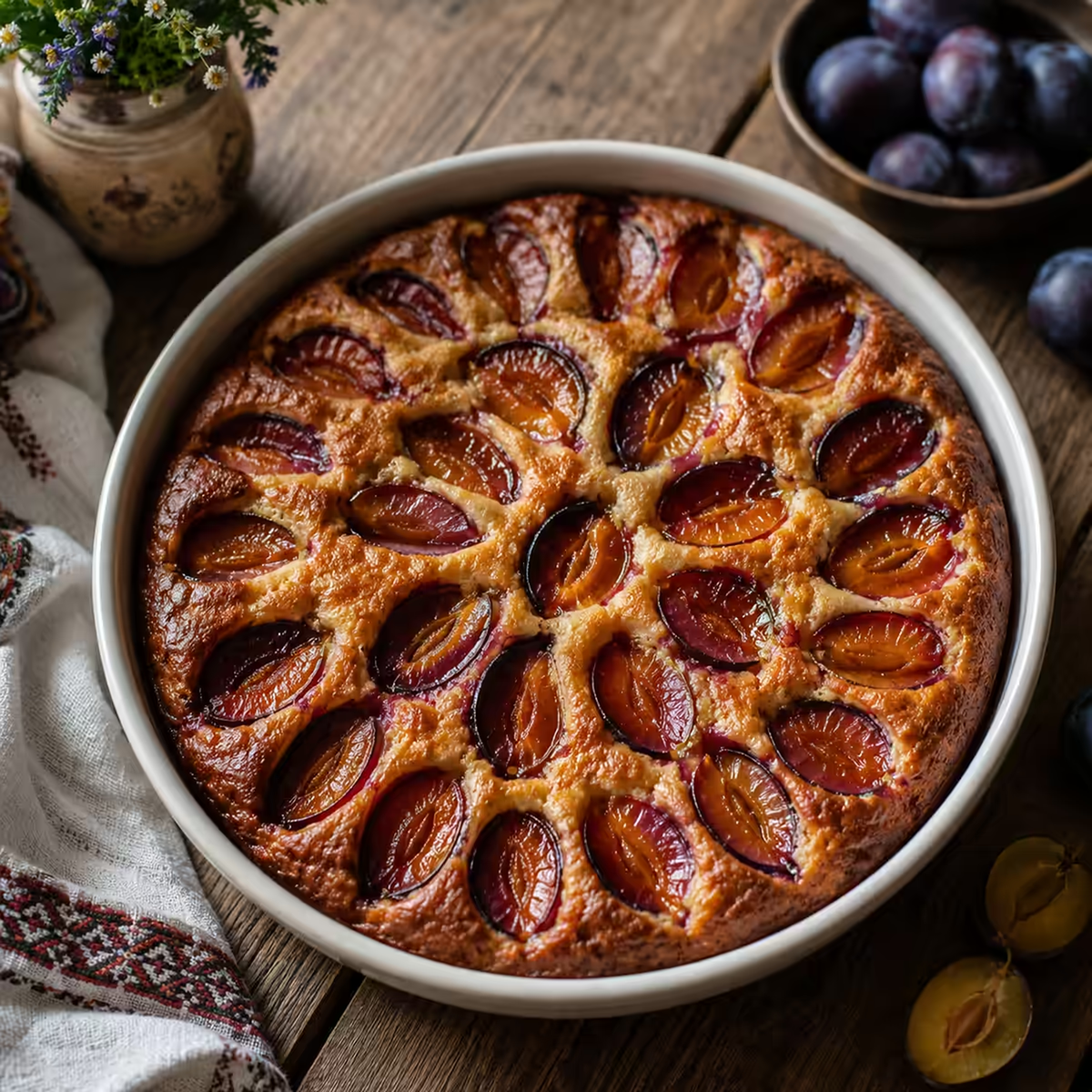
Kefir cake with plums is a treat I bake every summer when the first ripe, slightly tart plums appear at the market. The kefir dough turns out soft and fluffy without yeast or a long rising time, and the sweet-and-sour plums make for a juicy filling that doesn’t need any extra sauces or creams. This recipe is perfect for both a quick family tea party and for guests—it takes no more than an hour to prepare, and the result looks festive. I’ll walk you through step by step how I make this cake at home, what mistakes I’ve encountered, and how to ensure the dough turns out fluffy even if you have no baking experience.
About the Dish
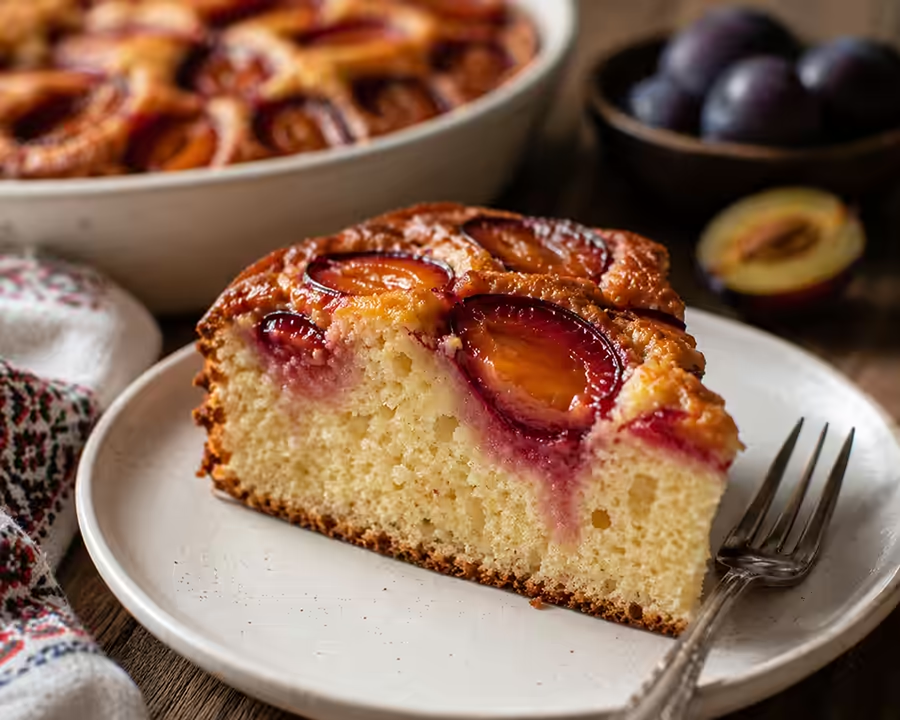
Kefir pies are a classic of Soviet and Ukrainian home cooking, and for good reason: kefir makes the dough tender, while baking soda or baking powder, when neutralized by the kefir’s acidity, create an even, airy texture without a yeasty taste. Unlike sponge cake, this type of base is less finicky—the dough is forgiving of minor measurement errors and doesn’t collapse from drafts or suddenly opening the oven door.
Content
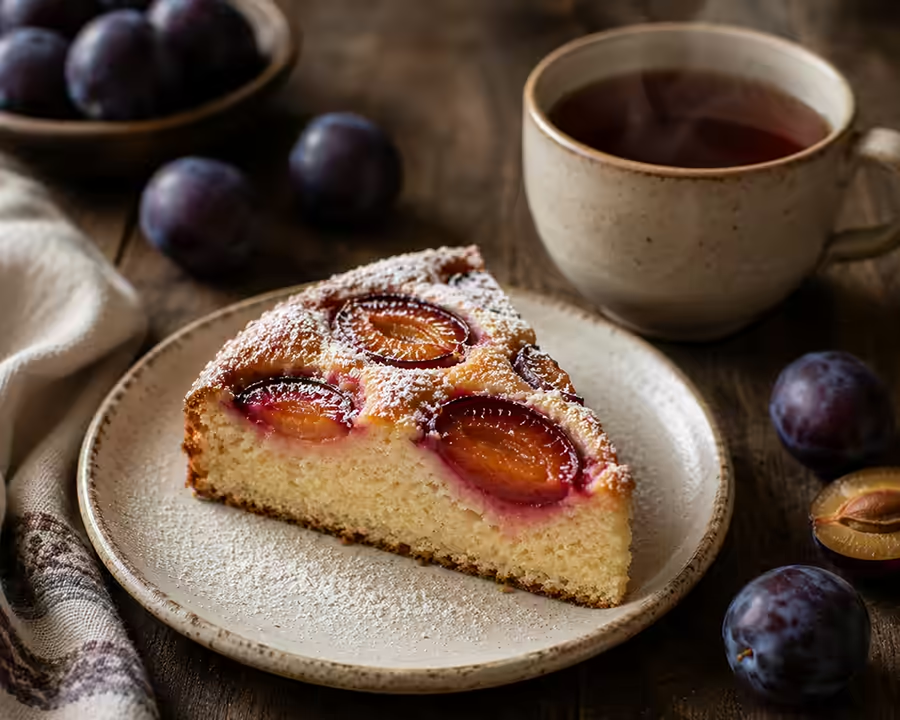
The plums in this pie aren’t just for decoration—they’re a key part of the flavor. As they bake, they release juice that soaks into the dough from below, while on top they caramelize and dry out slightly, forming a light, slightly tart crust. That’s why I recommend using plums with a moderate tartness—Hungarian plums, renklods, or regular home-grown plums—rather than overly sweet varieties, otherwise the pie will turn out cloying.
I usually bake this pie in late summer and early fall, when plums are cheap and available at every market. But it also turns out well with frozen plums in the winter—the key is not to thaw them beforehand, but to place them on the dough while still partially frozen so they don’t release excess liquid.
Another reason this cake is a staple in my repertoire is its simplicity. You don’t need a mixer to beat the eggs until frothy, you don’t have to weigh dozens of ingredients down to the gram, and the batter comes together in 10 minutes using a regular spatula or whisk. It’s the kind of recipe you can even trust a teenager to make in the kitchen.
A bit of history and context. Pies made with fermented milk products—kefir, ryazhenka, and whey—didn’t appear in Ukrainian and, more broadly, Slavic households by chance: fermented milk products were always on hand, and baking soda, used as a leavening agent, became available much earlier than industrially produced baking powder. Housewives noticed that sour milk or kefir, when mixed with baking soda, produced a vigorous reaction—and it is precisely this reaction that makes the dough airy and light without the need for lengthy kneading or rising.
Seasonality also plays a role. Plums in Ukraine ripen in waves—first the early yellow varieties in late July, then the Hungarian and Renklod varieties in August and September, and the season concludes with late varieties that last into October. This means you can make this pie with fresh fruit practically all summer and half of fall, and for the rest of the year, with frozen preserves. That’s exactly what I do: at the end of the season, I freeze the plums in portions, already cut in half and pitted, so I don’t have to bother with thawing whole fruits in the winter.
As for difficulty, I’d rate this recipe as “confident beginner.” There aren’t any steps here that are easy to mess up: you don’t have to monitor the caramel’s temperature, whip the egg whites to stiff peaks, or roll out the dough into an even layer. The main thing is to stick to the proportions of wet and dry ingredients and not to mix up the amounts of baking soda and baking powder. Even if the batter turns out a little thinner or thicker than expected, the cake will still bake—it just might take a few minutes longer in the oven.
Ingredients
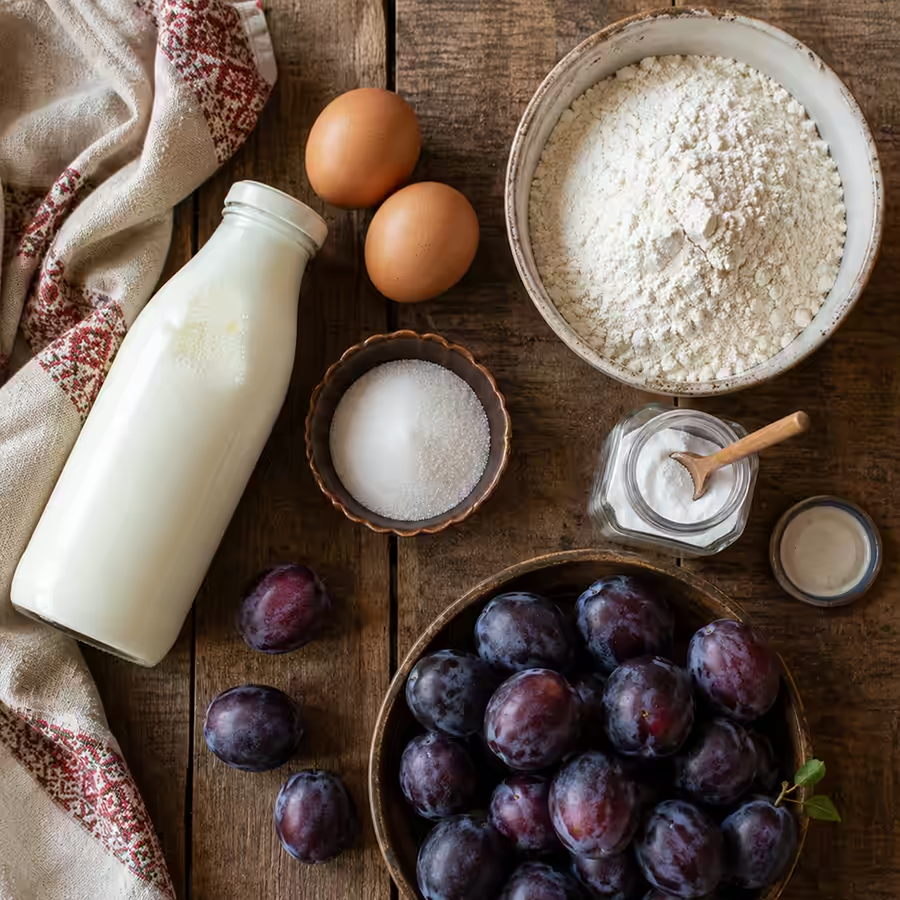
For the dough:
- kefir (any fat content) — 250 ml
- eggs — 2
- sugar — 150 g
- odorless refined oil — 60 ml
- wheat flour — 300 g
- baking soda — 1 tsp (or baking powder — 1.5 tsp)
- salt — a pinch
- vanilla sugar — 8 g (optional)
For the filling:
- ripe plums — 500–600 g (about 15–18 medium-sized plums)
- sugar for sprinkling — 2–3 tablespoons
- ground cinnamon — a pinch (optional)
For the topping (optional, but highly recommended):
- flour — 3 tbsp.
- sugar — 3 tbsp.
- cold butter — 40 g
A few words about substitutions. You can substitute kefir with ryazhenka or plain, unsweetened yogurt—the batter will be slightly denser, but just as fluffy. You can substitute vegetable oil with melted and cooled butter—this will give the cake a buttery flavor, although the texture will be slightly denser. If you don’t have baking soda, baking powder will work too; just increase the amount by one and a half times, since it has a weaker leavening effect.
Sugar deserves a special mention. If your plums are very tart, you can increase the amount of sugar in the dough to 180 g; if, on the other hand, they’re a sweet variety, reduce it to 120 g so the pie doesn’t taste cloying against the sweet filling. I also sometimes replace some of the white sugar with brown cane sugar—it adds a subtle caramel note that pairs well with plums.
As for the flour, use regular premium or first-grade wheat flour with a protein content of approximately 10–11%. Flour with a lower protein content (such as pastry flour for sponge cakes) will give the dough less structure, and the cake may turn out too tender and crumbly, to the point that it won’t hold its shape well when sliced. If you only have pancake flour or another lighter variety, add 20–30 g more than specified in the recipe.
It’s best to use C1-grade eggs (medium-sized, about 55–60 g each). If you have large eggs (C0 grade), one large egg instead of two medium ones may not be enough to achieve the desired volume of liquid—in that case, add 1–2 tablespoons of kefir.
Vanilla sugar isn’t a required ingredient, but it does a good job of masking the distinctive smell of kefir, which some people don’t like in baked goods. If you don’t have vanilla sugar, a few drops of vanilla extract or a pinch of natural vanilla on the tip of a knife will work just as well.
Step-by-Step Recipe
- Preheat the oven to 180 °C. Line a baking pan (24–26 cm in diameter) with parchment paper or grease it with oil and dust it with flour.
- In a deep bowl, beat the eggs with the sugar and vanilla sugar using a regular whisk until light and frothy—this will take about 2 minutes; a mixer is not necessary.
- Pour in the kefir at room temperature and the oil, then stir until smooth.
- Mix the flour with the baking soda (you can neutralize the baking soda beforehand with a drop of vinegar or lemon juice if you’re not sure how fresh the kefir is) and sift it directly into the wet mixture.
- Stir the batter with a spatula until there are no lumps left—the batter should have the consistency of thick sour cream, neither runny nor too thick.
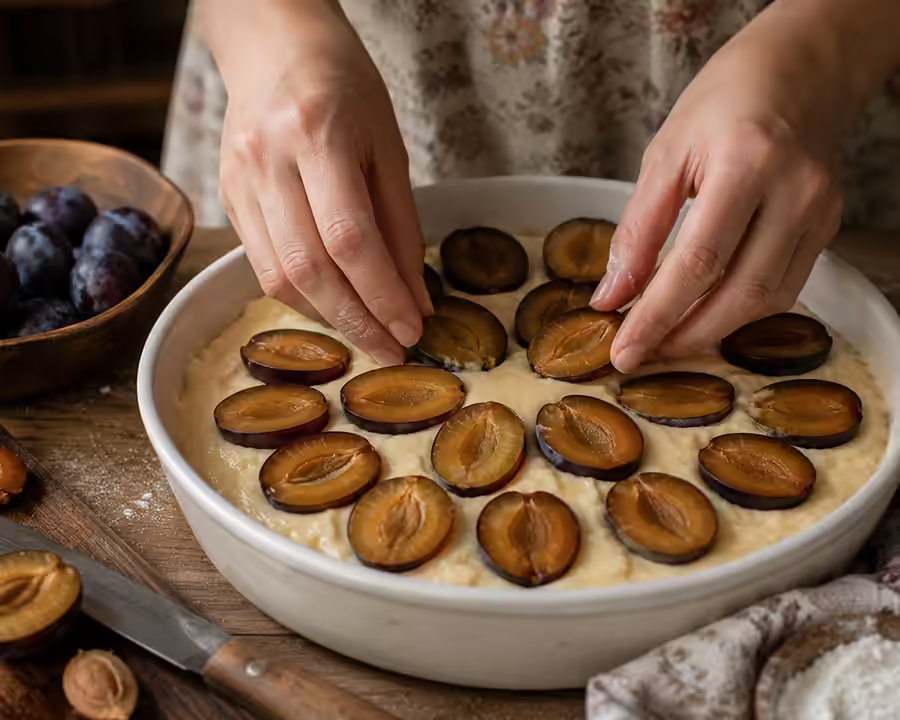
- Wash the plums, pat them dry, cut them in half, and remove the pits.
- Pour the batter into the prepared pan and smooth it out with a spatula.
- Place the plum halves on the dough with the cut side facing up, pressing them in slightly—they’ll sink into the dough on their own while baking, so there’s no need to press them all the way in.
- Sprinkle the plums with 2–3 tablespoons of sugar and, if desired, a pinch of cinnamon—this will help them caramelize and balance out the tartness.
- If you’re making the crumble topping: rub the chilled butter into the flour and sugar with your fingers until it resembles crumbs, then sprinkle it evenly over the surface of the pie.
- Bake for 40–45 minutes, until a wooden skewer inserted into the center of the dough comes out clean—use your own oven as a guide, as the baking time may vary by 5–10 minutes.
- Let the finished cake cool in the pan for at least 15–20 minutes, then carefully transfer it to a cooling rack or serve it right away in the pan.
Tips and Common Mistakes
The most common mistake is having a runny batter due to cold kefir or too much liquid. The kefir and eggs should be at room temperature; otherwise, the batter won’t rise properly. If you’ve taken the kefir out of the refrigerator, let it sit on the counter for at least 30 minutes beforehand.
The second mistake is using too much baking soda. It might seem that the more baking soda you use, the fluffier the cake will be, but in reality, too much baking soda gives the cake a bitter aftertaste and even a yellowish tint to the crumb. Stick to the specified amount and don’t add more “just in case.”
The third mistake is using wet plums. If you wash the plums right before arranging them and don’t pat them dry with a towel, excess moisture seeps into the dough, and it won’t bake through properly in the center. Always let the plums dry for at least a few minutes on a paper towel.
The fourth mistake is cutting the cake too soon. A hot cake may seem undercooked inside even if it’s fully baked, because kefir-based dough continues to rise and set as it cools. Let it sit for at least 15 minutes before cutting.
And here’s another tip I’ve tested myself: if the pan is too wide in diameter, the batter spreads out into a thin layer and dries out quickly around the edges while the center is still raw. The optimal pan diameter is 24–26 cm for the specified amount of ingredients. If your pan is smaller, reduce the number of plums or increase the baking time by 5–7 minutes, covering the top with foil to prevent it from burning.
The fifth mistake is mixing the dough too vigorously after adding the flour. When you knead the dough with flour for too long and too vigorously, the gluten begins to develop rapidly, and the cake will turn out dense, like bread, rather than a tender pastry. Mix the dough with a spatula or whisk just until the ingredients are combined—literally 15–20 strokes—any remaining flour lumps will dissolve on their own during baking.
The sixth mistake concerns choosing a baking pan based on the material. Thin metal pans bake the dough faster from the bottom than silicone or glass pans, so the baking time may vary by 5–10 minutes depending on which pan you use. If you’re baking in a particular pan for the first time, don’t rely solely on the time listed in the recipe—be sure to check for doneness with a toothpick.
Another thing to keep in mind is where to place the pan in the oven. It’s best to bake this cake on the middle rack, where the heat is distributed evenly from above and below. If you place the pan too low, the bottom will burn before the center is done; if you place it too high, the top and the plums will burn, while the bottom will remain moist.
Finally, here’s how to check if it’s done. In addition to using a wooden skewer, pay attention to the edges of the cake: they should pull away slightly from the sides of the pan and have an even golden color. If the center of the cake springs back when pressed lightly with a finger and immediately returns to its original position, the cake is done.
Variations and Presentation
Nut Cake. Add 50–70 g of chopped walnuts or almonds to the batter before baking—they add a pleasant crunch and pair well with the tartness of the plums.
A cake with cinnamon and nutmeg. If you like bolder spices, add a quarter teaspoon of nutmeg to the batter along with the cinnamon—it’ll taste a bit like fall baking.
Substituting other fruits for plums. This dough recipe also works well with apples, peaches, apricots, or pitted cherries. If using apples, I recommend cutting them into thin slices rather than halves so they have time to bake through.
Layered version. If you want a thicker filling, you can divide the plums into two layers: place some of them in the center of the dough, cover with another layer of dough, and top with the remaining plums.
A cake made with honey instead of some of the sugar. Replace 50 g of sugar in the batter with 2–3 tablespoons of liquid honey—this will give the cake a light honey aroma. At the same time, reduce the amount of kefir slightly, since the honey adds moisture to the batter.
Chocolate version. Add 2–3 tablespoons of cocoa to the batter (and reduce the amount of flour by the same weight)—the result will be a chocolate-plum cake similar to a brownie with a fruit filling.
A citrus note. Add the zest of one lemon or orange to the dough—citrus fruits nicely balance the sweetness of the plums and make the flavor fresher.
Cake in individual molds. If you want to serve it beautifully to your guests, divide the batter among small individual molds or muffin cups, and place one or two plum halves on top of each portion. Baking time will be reduced to 20–25 minutes.
Vegan version. Replace the eggs with 4 tablespoons of applesauce, and the kefir with plant-based yogurt mixed with a teaspoon of lemon juice to achieve the desired acidity. The texture will be slightly thicker, but perfectly acceptable.
Storage. The pie can be stored covered with plastic wrap or in a sealed container at room temperature for up to 2 days, and in the refrigerator for up to 4–5 days. Before serving, a cold slice can be lightly warmed in the microwave for 15–20 seconds to make the dough soft again.
What supplies will you need?
You don’t need any special equipment for this recipe. The tools you’ll need are: a deep bowl for mixing the dough, a whisk or a regular fork, a silicone or wooden spatula for stirring, a 24–26 cm baking pan (a springform pan is especially convenient, since it makes it easy to remove the cake without damaging the edges), and a wooden skewer or toothpick to check for doneness.
If you have a kitchen scale—great—weigh the flour and sugar for accuracy. If you don’t have a scale, use a measuring cup as a guide: one cup of flour (250 ml) weighs about 130–140 g, so you’ll need a little more than two cups for this recipe. One glass of sugar weighs about 200 g, so a little more than half a glass will be enough for the dough and for sprinkling.
What to serve the pie with
A kefir cake with plums pairs well with beverages that don’t overpower its delicate flavor. A classic choice is black tea, either plain or with bergamot. Coffee is also a good choice, especially if the cake is served for breakfast or as a dessert after lunch. For children, a great option is warm fruit compote or uzvar, which complements the flavor of the plums in the cake itself.
If you plan to serve the cake at a festive gathering, try garnishing it with fresh mint, a few halved fresh plums on top, and a light dusting of powdered sugar right before serving — the powdered sugar will dissolve from the pie’s moisture within 15–20 minutes, so sprinkle it on at the very last moment.
A Comparison of Dough Types for Plum Pie
| Dough Type | Texture | Cooking time | Feature |
|---|---|---|---|
| With kefir | Fluffy, soft | 15 minutes to knead | Yeast-free, the easiest way |
| Sponge cake | Light, airy | 20–25 min (whipping) | Requires a mixer; less stable |
| Pisochne | Crumbly, dense | 10 min + cool-down | It takes longer to prepare because the dough has to cool |
| Yeast-based | Soft, with a hint of yeast tang | 1.5–2 hours, including proofing | The longest in terms of time |
As you can see, kefir dough is a winner when it comes to the balance between simplicity and results—which is exactly why I turn to it most often when I need to quickly bake something delicious with seasonal fruit.
Ingredient Substitution Chart
| Ingredient in the recipe | What to use instead | What Will Change |
|---|---|---|
| Kefir | Ryazhenka, natural yogurt | The dough is a little denser, and the flavor is more delicate |
| Oil | Melted butter | A creamy flavor, with a richer texture |
| Baking Soda | Baking powder (1.5 times as much) | The ascent is steady, but slower |
| White sugar | Brown reed | A subtle hint of caramel |
| Eggs | Apple or banana puree | The dough is denser and suitable for vegans |
| Plums | Apples, peaches, apricots, cherries | A different flavor profile, but the baking time is almost the same |
Why kefir, and not milk or sour cream?
People often ask me if milk can be used instead of kefir. Technically, you can, but then you’ll need to add a separate leavening agent, since milk lacks the acidity needed to react with baking soda. Without this reaction, the cake will turn out denser and less fluffy. Sour cream has a similar effect to kefir, but it makes the batter a little heavier and richer—which is fine if you like rich baked goods, but kefir works better for a light summer cake.
One more thing—the fat content of the kefir. I’ve made this cake with both 1% and 3.2% kefir, and I didn’t notice any significant difference in how fluffy it turned out. The only difference is in the taste—the higher-fat kefir gives the dough a slightly creamier flavor.
How to Tell When Plums Are Ripe for Baking
For this pie, plums that are already soft to the touch but not yet overripe to the point of “oozing juice” work best. If the plums are too firm and tart, they won’t have time to bake through completely in 40–45 minutes and will remain slightly firm in the center of the pie. If, on the other hand, the plums are overripe, they’ll release too much juice, and the dough underneath them may not bake through.
The best choice is plums that give slightly when pressed with a finger, with skin that is free of damage and mold. Varieties such as Ungary or Renklod usually have the right balance of tartness and sweetness for this recipe.
If you happen to have very hard plums and don’t have time to wait for them to ripen, you can prepare them in advance: cut them in half, sprinkle them with a small amount of sugar, and let them sit for 15–20 minutes at room temperature. During this time, the plums will release a little juice and soften, and the sugar will partially dissolve, forming a light syrup that will further moisten the dough during baking.
Conversely, if the plums are already very soft and juicy, reduce the amount of sugar used to sprinkle over the filling—otherwise, the pie may turn out too sweet and soggy in the areas where the fruit is located.
Can I make the pie ahead of time?
Yes, and that’s one of the advantages of this recipe. You can knead the dough in the evening and keep it in the fridge until morning, although I recommend baking it right after kneading, while the baking soda is still actively reacting with the acid in the kefir—that way, the cake will turn out fluffier. The finished cake keeps very well and actually tastes even better the next day, when the plums have had time to release all their juice into the dough.
Frequently Asked Questions
Can you make a plum cake with kefir without eggs? Yes, you can replace the eggs with 2 tablespoons of applesauce or mashed banana for each egg. The texture will be a little denser, but the cake will still rise thanks to the baking soda and kefir.
Why didn’t the cake rise, even though I followed the recipe exactly? The most common reason is expired baking soda or kefir that’s too cold, which causes the leavening reaction to be weak. Check the baking soda’s freshness by sprinkling a little water on it: if it fizzes vigorously, it’s still good.
Can I use frozen plums instead of fresh ones? Yes, but arrange them on the dough while they’re still partially frozen—don’t let them thaw completely—otherwise they’ll release too much liquid and the dough will sink in the center.
How long does a plum cake made with kefir keep? At room temperature, it will keep for up to 2 days covered with plastic wrap; in the refrigerator, it will keep for up to 4–5 days in a sealed container.
Can I substitute whole-wheat flour for all-purpose flour? You can substitute some of the flour—about one-third of the total amount—with whole-wheat flour. The cake will turn out a little denser and with a nutty flavor, but it will still be quite good.
Can this cake be baked in a multicooker? Yes, the “Baking” setting will work; it usually takes 50–60 minutes on one side, then you should flip the cake and bake it for another 10–15 minutes on the other side until it has a golden-brown crust, since a multicooker doesn’t brown the top like an oven does.
Why did the cake turn out moist on the bottom after cooling? This usually happens if the plums were too juicy or if the cake was left to cool in a covered pan without air circulation. Let the cake sit in an uncovered pan for the first 15–20 minutes, then transfer it to a cooling rack so that steam can escape from the bottom instead of condensing back into the dough.