
Kidney diseases require a special approach to nutrition, and this is where diet number 7 comes in handy — a scientifically based system of therapeutic nutrition developed by the outstanding Soviet nutritionist Manuil Pevzner in the 1920s. This diet helps reduce the load on the kidneys, reduce swelling, and normalize blood pressure, creating optimal conditions for recovery.
Content
What is diet number 7 and who is it intended for?
Diet No. 7, also known as “Table No. 7” or “renal diet,” is a therapeutic nutrition system aimed at restoring normal kidney function. The main goal of this diet is to remove excess fluid from the body along with nitrogenous substances and other metabolic products, eliminate edema, and normalize blood pressure.
Indications for the use of diet number 7
Therapeutic table No. 7 is prescribed for the following conditions:
- Chronic glomerulonephritis during recovery (no earlier than 3-4 weeks of treatment)
- Acute nephritis in remission
- Chronic nephritis without renal failure
- Nephropathy in pregnant women
- Arterial hypertension
- Prone to swelling
- Metabolic disorders related to kidney function
This is a low-salt diet with moderate protein restriction and a balanced fat and carbohydrate content. Although the diet is quite strict, it is possible to stick to it thanks to the variety of permitted foods and the possibility of preparing delicious meals.
The basic principles of diet number 7
Chemical composition and caloric content
Basic diet number 7 provides for the following daily diet:
- Protein: 60-80 g (50-60% of animal origin)
- Fats: 80-100 g (25% plant-based)
- Carbohydrates: 350-450 g (including 80-90 g of sugar)
- Liquid: 800-1200 ml
- Salt: 2-6 g or completely excluded (as prescribed by a doctor)
- Calorie content: 2700-3200 kcal per day
Methods of food preparation
All dishes on diet No. 7 are prepared according to certain rules:
- Meat and fish must first be boiled, then they can be baked, stewed, or lightly fried.
- The first broths are drained, as they contain about half of the extractive substances.
- Food is prepared without salt; if necessary, dishes are salted at the table within the permitted limits.
- The temperature at which dishes are served is not regulated — both hot and cold dishes can be consumed.
- Additional food grinding is not mandatory
Diet
It is recommended to eat 4-6 times a day in small portions. This fractional eating pattern helps reduce the load on the kidneys and maintain a stable energy level throughout the day.
Variations of diet number 7
Depending on the severity of the disease and the stage of treatment, doctors may prescribe different versions of diet number 7.
Diet number 7A (table 7A)
This is the most severe option, which is prescribed for acute glomerulonephritis in severe form or for chronic nephritis with renal failure.
Features:
- Protein is strictly limited to 20 g per day.
- Complete elimination of salt
- Liquid limited to 600-800 ml
- Calorie content: 2100-2200 kcal
- The basis of the diet is plant-based foods, fruits, and porridge without milk.
- Prescribed for a short period (several days or weeks)
Diet number 7B (table 7B)
A transitional option between diet 7A and the main diet 7 is prescribed when the acute process subsides.
Features:
- Protein intake increases to 40-50 g per day
- 2-3 g of salt is allowed (provided for seasoning dishes)
- Liquid up to 1000 ml
- Calorie content approx. 2400-2600 kcal
- You can add more meat, fish, and dairy products.
Diet 7B (table 7B)
It is prescribed for nephrotic syndrome against the background of chronic kidney disease to compensate for protein loss in urine.
Features:
- High protein content: 120-125 g per day
- Fat: 80 g
- Carbohydrates: 400 g
- Calorie content: 2800-3000 kcal
- The goal is to replenish lost protein, normalize fat metabolism, and reduce swelling.
Diet number 7G (table 7G)
Special diet for patients undergoing hemodialysis (renal replacement therapy).
Features:
- Protein: 60 g per day
- Fats: 90-110 g
- Carbohydrates: 400-450 g
- Calorie content: 2700-3000 kcal
- Water and salt are adjusted individually depending on diuresis.
Permitted foods: detailed list
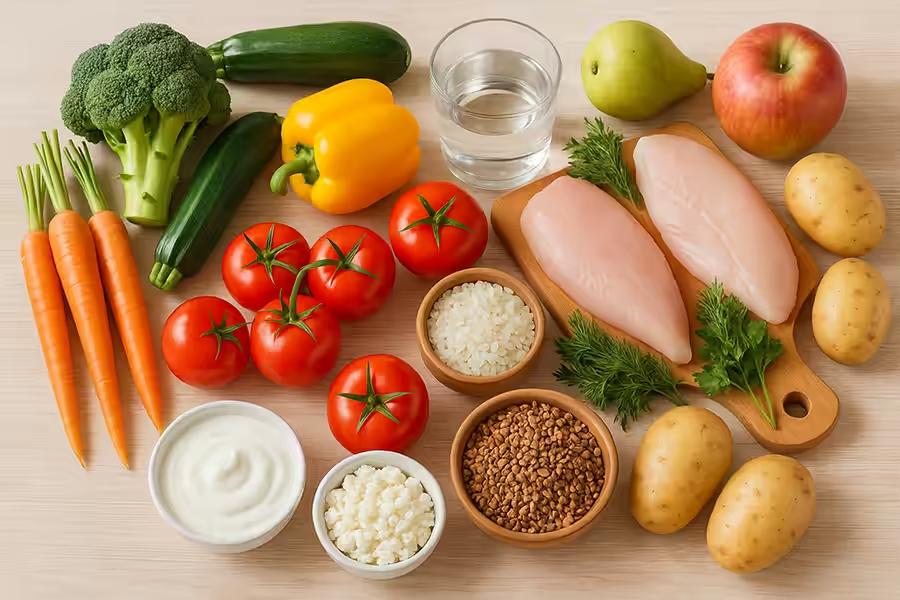
Meat and poultry
Lean meat up to 150 g per day is allowed:
- Veal
- Beef
- Rabbit meat
- Chicken (skinless)
- Turkey
Important: The meat is first boiled, then it can be baked or lightly fried.
Fish
Permitted lean fish varieties:
- Chip
- Alaska pollock
- Heck
- Zander
- Pike
Fish is prepared in the same way as meat — first boiled, then baked.
Dairy products
- Milk (up to 200 ml)
- Kefir
- Low-fat cheese (up to 200 g)
- Sour cream in dishes
- Low-fat yogurt without additives
Important: Avoid fatty dairy products, cream, salty and hard cheeses.
Cereals and grains
All grains are permitted in various forms of preparation:
- Buckwheat porridge
- Rice porridge
- Oatmeal
- Pearl barley porridge
- Manna porridge
- Pasta (preferably made from durum wheat)
Vegetables
Vegetables are the basis of diet No. 7 and can be consumed in large quantities:
- Potatoes (200-250 g per day)
- Carrots
- Beetroot
- Cabbage (white cabbage, cauliflower, broccoli)
- Cucumbers
- Tomatoes (moderately)
- Zucchini
- Pumpkin
- Greens (dill, parsley in limited quantities)
Prohibited vegetables: sorrel, spinach, radish, radishes, garlic in large quantities.
Fruits and berries
Almost all fruits and berries are allowed:
- Apples (preferably baked)
- Pears
- Apricots
- Peaches
- Strawberries
- Raspberry
- Blueberry
- Watermelon
- Watermelon
Limit: bananas, avocados, grapes, citrus fruits in excess.
Bread and baked goods
- Salt-free bread (the main type of bread in the diet)
- Pancakes and fritters without salt
- Salt-free sponge cake
- Shortbread cookies
Regular bread from the bakery contains salt, so it should be avoided.
Beverages
- Weak tea (black, green)
- Herbal teas
- Rosehip decoction
- Compotes made from permitted fruits
- Kissels
- Freshly squeezed juices (diluted with water)
- Water (within permissible limits)
Prohibited foods: what to avoid
Strictly prohibited
Salty foods:
- Smoked meats (sausages, frankfurters, ham)
- Salted and smoked fish
- Caviar
- Canned goods of any kind
- Pickles and marinades
- Pickled vegetables
- Salted nuts and chips
Foods high in purines:
- Offal (liver, kidneys, heart, brains)
- Fatty cuts of meat
- Fatty fish (herring, sardines)
- Meat and fish broths (first broth)
Vegetables with high oxalic acid content:
- Sorrel
- Spinach
- Rhubarb
- Mushrooms in any form
Other prohibited products:
- Legumes (beans, peas, lentils, chickpeas)
- Chocolate and cocoa
- Strong coffee
- Alcoholic beverages
- Carbonated beverages
- Hot spices and seasonings
- Mustard, horseradish, pepper
Limit consumption
- Eggs (no more than 1-2 per day)
- Tomatoes and tomato paste
- Onions and garlic
- Dairy products with high fat content
- Fresh pastries with lots of sugar
Detailed menu for the week
Day 1
Breakfast: Buckwheat porridge cooked in water with a small piece of butter, weak tea with lemon
Second breakfast: Baked apples with honey (1-2 pieces)
Lunch: Vegetarian borscht with sour cream (½ portion), boiled veal (100 g) with stewed potatoes, dried fruit compote
Afternoon snack: Rosehip broth with biscuits
Dinner: Baked carrot and apple cutlets, noodles with cheese, weak tea
Day 2
Breakfast: Oatmeal porridge with milk (diluted with water), protein omelet made with 1 egg, tea
Second breakfast: Fresh berries or fruit salad
Lunch: Vegetable puree soup made from zucchini, baked chicken (100 g), carrot and cabbage salad, jelly
Afternoon snack: Low-fat kefir
Dinner: Rice porridge with butter, steamed fish meatballs, cucumber
Day 3
Breakfast: Semolina porridge with diluted milk, unsalted bread with butter, tea
Second breakfast: Cheese soufflé with fruit
Lunch: Milk soup with vermicelli (moderate), boiled turkey with vegetable stew, apple juice
Afternoon snack: Baked pear
Dinner: Vegetable casserole, low-fat yogurt
Day 4
Breakfast: Rice pudding with apples, tea with milk
Second breakfast: Grated carrots with sugar or honey
Lunch: Potato soup with vegetable broth, boiled fish (100 g) with a side dish of boiled potatoes, compote
Afternoon snack: Fresh fruit
Dinner: Buckwheat cutlets with sour cream sauce, cucumber salad
Day 5
Breakfast: One-egg omelet, unsalted bread with cucumber, tea
Second breakfast: Apple or pear
Lunch: Milk soup with vermicelli, chicken fillet with stewed carrots, fresh vegetable salad
Afternoon snack: Low-fat kefir with crackers
Dinner: Durum wheat pasta, seafood (if allowed), carrot and cabbage salad
Day 6
Breakfast: Barley porridge, low-fat cottage cheese with fruit, tea
Second breakfast: Berry jelly
Lunch: Vegetarian sviklyannik, steamed veal cutlets, stewed vegetables, rosehip broth
Afternoon snack: Baked apple
Dinner: Vegetable stew, baked fish, weak tea
Day 7
Breakfast: Cheese and pasta casserole, tea
Second breakfast: Pear or peach
Lunch: Zucchini puree soup, carrot and cabbage salad, salt-free bread, compote
Afternoon snack: Dried fruit compote, sponge cake
Dinner: Rice porridge, fish meatballs, cucumber
Recipes for delicious dishes for diet number 7
Vegetable casserole

Ingredients:
- Cauliflower — 200 g
- Broccoli — 200 g
- Zucchini — 200 g
- Carrots — 1-2 pieces
- Bulgarian pepper — 1 piece.
- Eggs — 2 pcs.
- Sour cream — 2 tbsp.
- Hard cheese — 50 g (optional)
- Vegetable oil for greasing the mold
Preparation:
- Cut broccoli and cauliflower into florets, boil for 3-5 minutes in salted water.
- Cut the zucchini, carrots, and peppers into cubes.
- Lightly fry the vegetables in oil (without salt) or bake them.
- Mix the eggs with sour cream and grated cheese.
- Place the vegetables in a baking dish and pour the egg mixture over them.
- Bake at 180°C for 25-30 minutes.
Rice pudding
Ingredients:
- Round grain rice — 180 g
- Water — 500 ml
- Milk — 250 ml
- Cream — 250 ml (or substitute with milk)
- Butter — 50 g
- Eggs — 2 pcs.
- Egg yolks — 2 pcs.
- Sugar — 50-100 g (to taste)
- Vanilla sugar — 1 teaspoon
Preparation:
- Boil the washed rice in water for 15-20 minutes.
- Add heated milk with cream and butter
- Cook for another 20-30 minutes, stirring constantly.
- Beat the eggs, egg yolks, and sugar with the cream.
- Gradually add the egg mixture to the rice and cook for 2-3 minutes.
- Let it steep under the lid for 15-20 minutes.
Buckwheat cutlets
Ingredients:
- Boiled buckwheat — 300 g
- Onion — 1 piece
- Carrot — 1 piece
- Eggs — 2-3 pieces.
- Garlic — 1 clove (optional)
- Breadcrumbs
- Sour cream for the sauce — 3-4 tablespoons
- Dill
- Vegetable oil for frying
Preparation:
- Finely chop the onion and fry until golden brown.
- Grate the carrots, add to the onions
- Mix boiled buckwheat with vegetables and eggs.
- Add spices, mix well
- Form patties, roll in breadcrumbs
- Fry on both sides until golden brown.
- Serve with sour cream sauce (sour cream + dill)
Salt-free bread
Ingredients:
- Buckwheat or rice flour — 200 g
- Corn flour — 100 g
- Baking powder — 1 tsp.
- Eggs — 2 pcs.
- Warm water or plant-based milk — 200 ml
- Olive oil — 2 tablespoons
- Sunflower or flax seeds (optional)
Preparation:
- Mix all dry ingredients
- Separately combine the eggs, water, and oil.
- Gradually pour the liquid into the dry mixture.
- Place the dough in a baking pan lined with parchment paper.
- Bake for 40-45 minutes at 180°C.
Vegetarian borscht
Ingredients:
- Beetroot — 1 piece
- Carrot — 1 piece
- Cabbage — 200 g
- Potatoes — 2-3 pieces.
- Onion — 1 piece
- Tomato — 1 piece (or tomato paste — 1 tablespoon)
- Bay leaf
- Parsley, dill
- Sour cream for serving
Preparation:
- Boil the beets until half cooked, then grate them.
- Cut the potatoes into cubes and boil them in vegetable broth.
- Chop the onion, carrot, and cabbage, add to the potatoes
- Add beetroot and tomato (or paste)
- Cook until all vegetables are tender.
- Serve with sour cream and herbs (without salt or with minimal salt).
What to replace prohibited foods with
Salt substitutes
Salt can be replaced with natural flavor enhancers:
- Herbs and spices: dill, parsley, basil, thyme, paprika (without salt)
- Lemon juice: adds freshness and tartness
- Garlic (moderately)
- Ginger (fresh or dried)
- Bay leaf
- Apple cider vinegar
- Seaweed (kelp) — contains a natural salty taste without any harm
Important: Do not use potassium-based salt substitutes without consulting your doctor.
Animal protein substitutes
If necessary, animal protein can be partially replaced with plant protein:
- Soy products (tofu) — limited
- Quinoa — contains complete protein
- Nuts and seeds — in small quantities
Important: Plant protein also contains purines, so any substitutions should be agreed with your doctor.
Sugar substitutes
If you need to limit sugar:
- Stevia — a natural sweetener
- Erythritol — a sugar alcohol with no calories
- Honey — in limited quantities (has higher biological value)
Tips for successfully following diet number 7

Practical recommendations
- Prepare in advance: Make salt-free bread for several days, freeze portions of soups and main dishes.
- Use spices: Experiment with herbs and spices to make food tastier without salt.
- Drink water properly: Distribute the allowed amount of fluid evenly throughout the day, do not drink a lot before bedtime.
- Control meat portions: Weigh meat and fish portions — maximum 150 g per day.
- Keep a food diary: Write down what you ate, how much you drank, and how your body feels.
- Boil meat correctly: Always drain the first broth after 5-10 minutes of boiling, use only the second broth or water.
How to reduce swelling
If the swelling worsens, the following foods may help:
- Cucumbers — remove excess fluid
- Pumpkin — has a diuretic effect
- Watermelon — a natural diuretic
- Cranberry juice is safe even for pregnant women.
- Buckwheat (boiled without salt) — reduces swelling, especially useful in the evening
- Baked apples — remove toxins
- Rosehip tea — vitamin C and diuretic effect
How to get used to eating without salt
Switching to a salt-free diet can be difficult, but here are a few tips:
- Gradual reduction: Reduce salt intake gradually over 2-3 weeks.
- Read labels: Check the sodium content in processed foods.
- Cook at home: Avoid restaurant food and semi-prepared meals
- Use acid: Lemon juice and vinegar add brightness to the flavor.
- Experiment with textures: Add crunchy vegetables and nuts for variety.
Frequently asked questions (FAQ)
How long should you stick to diet number 7?
The duration of the diet is determined by the doctor on an individual basis. For chronic kidney disease, the diet may be prescribed for several months or even long-term. For acute conditions, it may be prescribed for 2-3 weeks to several months. Diet 7A is usually prescribed for a short period (several days or weeks), then patients transition to diets 7B and 7.
Is it possible to completely eliminate protein from your diet?
No, it is impossible to completely exclude protein. Proteins are the basis of the body’s cells. Even the strictest 7A diet provides for a minimum of 20 g of protein per day. It is important to obtain high-quality animal protein within the permitted limits.
Can you drink alcohol on diet number 7?
Alcoholic beverages are strictly prohibited in cases of kidney disease. Alcohol puts additional strain on the kidneys, disrupts the water-salt balance, and can worsen the patient’s condition.
What to do if you really crave something salty?
The body’s attempt to compensate for salt deficiency often indicates addiction. After 1-2 weeks, the taste buds adapt. The following will help:
- Herbs and spices to enhance flavor
- Lemon juice
- A small amount of seaweed
- Vegetable broth (natural glutamate)
Can you eat in cafes and restaurants?
It is best to avoid eating out, as almost all restaurant food contains a lot of salt. If you have no choice, ask for your meal to be prepared without salt and choose simple dishes (boiled chicken, steamed vegetables, salads without dressing).
What side effects might occur?
In the early days, the following may occur:
- Headache (due to salt reduction)
- Weakness
- Decreased appetite
- Change in taste sensations
These symptoms usually go away after a few days. If the symptoms get worse, see your doctor.
Is the diet suitable for pregnant women?
Diet No. 7 may be prescribed to pregnant women with nephropathy, but only under medical supervision. Pregnant women should not adhere to strict protein restrictions for long periods of time, as protein is essential for fetal development.
How to combine diet with medication?
Be sure to tell your doctor about all the medications you are taking. Some medications may interact with your diet (for example, diuretics increase potassium excretion, so you may need to adjust your diet).
Can you exercise while on diet number 7?
Moderate physical activity is beneficial, but intense exercise may be contraindicated in severe kidney disease. Recommended:
- Walks in the fresh air
- Swimming (if there are no contraindications)
- Yoga
- Light therapeutic physical training
Consult your doctor before starting exercise.
Is it possible to lose weight on diet number 7?
Although Diet No. 7 is a therapeutic rather than a weight loss diet, many patients report weight loss. This is due to:
- Removal of excess fluid (up to 2-3 kg)
- Restricting salt and simple carbohydrates
- A balanced diet without overeating
However, the main goal of the diet is to improve kidney health, not to lose weight.
Are additional vitamins necessary?
If you stick to Diet 7 for a long time, you might need to take vitamin supplements:
- Vitamin C (up to 100 mg/day)
- Folic acid (1 mg/day)
- B vitamins (thiamine, pyridoxine)
Important: Avoid high doses of vitamin A and multivitamins containing potassium without a doctor’s prescription.
Advantages and limitations of diet number 7
Advantages
- Scientifically proven: Developed by professional nutritionists and proven by decades of use
- Reduces stress on the kidneys: Helps organs recover
- Reduces swelling: Restricting salt and fluid intake removes excess water.
- Normalizes blood pressure: Important for patients with hypertension
- Varied: Despite the restrictions, you can cook delicious meals.
Limitations and challenges
- Time is needed to adapt: The body takes 1-2 weeks to get used to food without salt.
- Limited choices in cafes: It’s difficult to eat out
- Need to prepare separately: If the family eats differently
- Requires discipline: It is important to follow all the rules.
- Possible deficiency of certain elements: Long-term use requires monitoring.
Conclusions
Diet No. 7 is an effective therapeutic nutrition system that helps restore kidney function, reduce swelling, and normalize blood pressure. Although the diet has certain restrictions, especially regarding salt and protein, the variety of permitted foods makes it possible to create a delicious and balanced menu.
The key to success is strict adherence to your doctor’s recommendations, proper food preparation, and regular health monitoring. Remember that diet number 7 is prescribed individually and should only be followed under the supervision of a medical professional. Self-medication can be dangerous to your health.
With the right approach, therapeutic nutrition becomes not a burden, but a tool for recovery that helps you return to a full life. Use the recipes provided, experiment with flavors, find your favorite dishes — and your diet will cease to be a restriction and become a way to take care of your health.
Important: This article is for informational purposes only and does not replace medical advice. Before starting any diet, be sure to consult your doctor or nutritionist.