
Today’s coffee culture is a veritable universe of flavors, aromas, and preparation techniques. From classic espresso to avant-garde coffee cocktails, the world of coffee is constantly evolving, offering us countless opportunities for experimentation and gastronomic discoveries. In this article, we will take a detailed look at a wide variety of coffee drinks, share the secrets of their preparation, and help you create your own collection of favorite recipes.
Content
Basic classic coffee drinks
Espresso — the foundation of all foundations
Espresso remains an integral part of modern coffee culture. This concentrated drink is prepared by passing hot water under high pressure through finely ground coffee. For the perfect espresso, you need 18-20 g of freshly ground coffee and 30 ml of water. The extraction process should last 25-30 seconds, resulting in a drink with a rich flavor and characteristic creamy foam.
Ristretto is an even more concentrated version of espresso, made with the same amount of coffee but using half the amount of water. This drink has an intense flavor but, paradoxically, contains less caffeine due to the shorter extraction time.
Doppio — a double shot of espresso for those who need more of a coffee kick. Lungo is prepared with more water, making it milder in taste compared to classic espresso.
American — democratic option
An Americano is an espresso diluted with hot water in a ratio of approximately 100-120 ml of water per serving of coffee. This drink is suitable for those who want to enjoy the taste of coffee but are not ready for the intensity of espresso.
Milk coffee drinks
Cappuccino — the perfect balance
Cappuccino consists of equal parts espresso, steamed milk, and milk foam. The classic recipe calls for 30 ml of espresso, 100 ml of steamed milk, and 100 ml of milk foam. The secret to the perfect cappuccino lies in whipping the milk correctly—it should have a creamy, velvety texture.
Latte — the tenderness of milk
Latte is characterized by a higher proportion of milk compared to cappuccino. The standard recipe includes 30 ml of espresso, 200 ml of steamed milk, and only 1-2 cm of milk foam on top. This makes the drink softer and creamier.
Flat white is an Australian invention, which is a double espresso with heated milk and fine foam. The main difference from latte is less milk and foam relative to the amount of coffee.
Macchiato — emphasis on coffee
A macchiato is an espresso with a small amount of frothed milk that literally “stains” the surface of the coffee. There should be a minimum amount of milk foam — just a few millimeters to emphasize the coffee flavor.
Cold coffee drinks
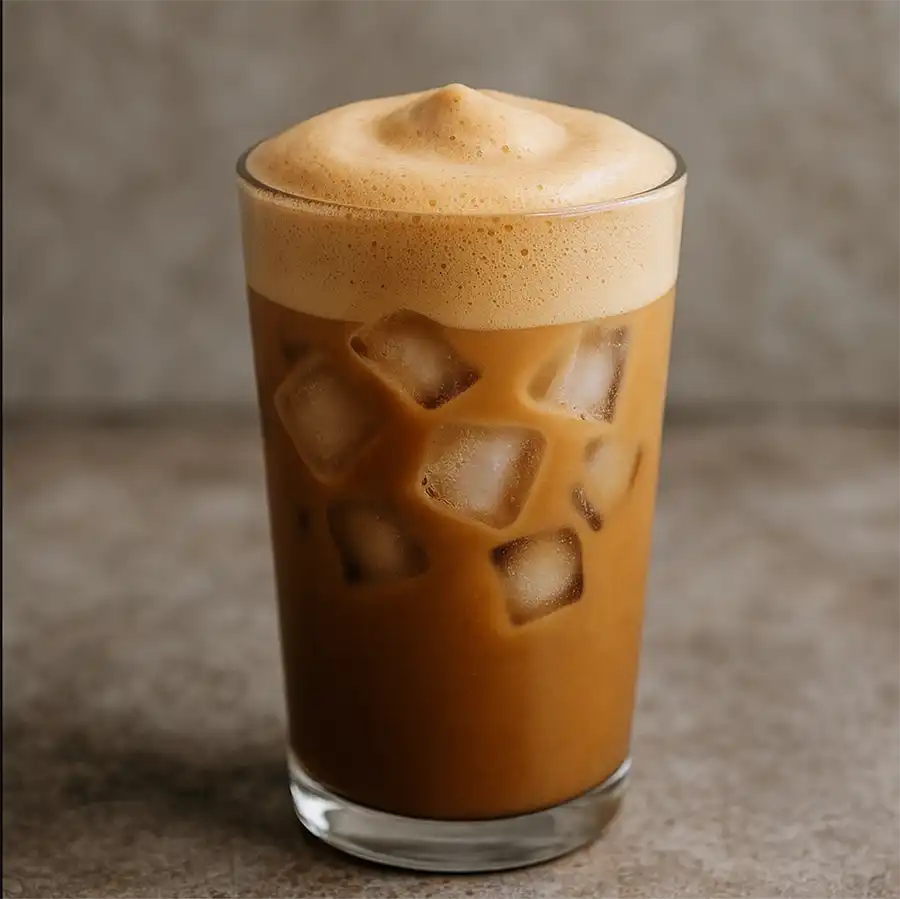
Iced latte — a summer classic
Iced latte is one of the most popular cold coffee drinks in the world. The recipe includes 60 ml of strong espresso, 150 ml of cold milk, and ice cubes. To prepare, mix chilled espresso with ice and milk.
Greek frappe — a refreshing classic
Traditional Greek frappe is made from instant coffee and is a real lifesaver in hot weather. Ingredients: 2 teaspoons of granulated instant coffee, 100 ml of milk, 2 teaspoons of sugar, 100 ml of cold mineral water, and 7-8 ice cubes.
The preparation process involves mixing coffee with sugar, adding a small amount of water, and blending until a thick foam forms. The foam is then poured into an ice-filled glass, and chilled milk, water, and ice are added.
Exotic and regional coffee drinks
Turkish coffee — an ancient tradition
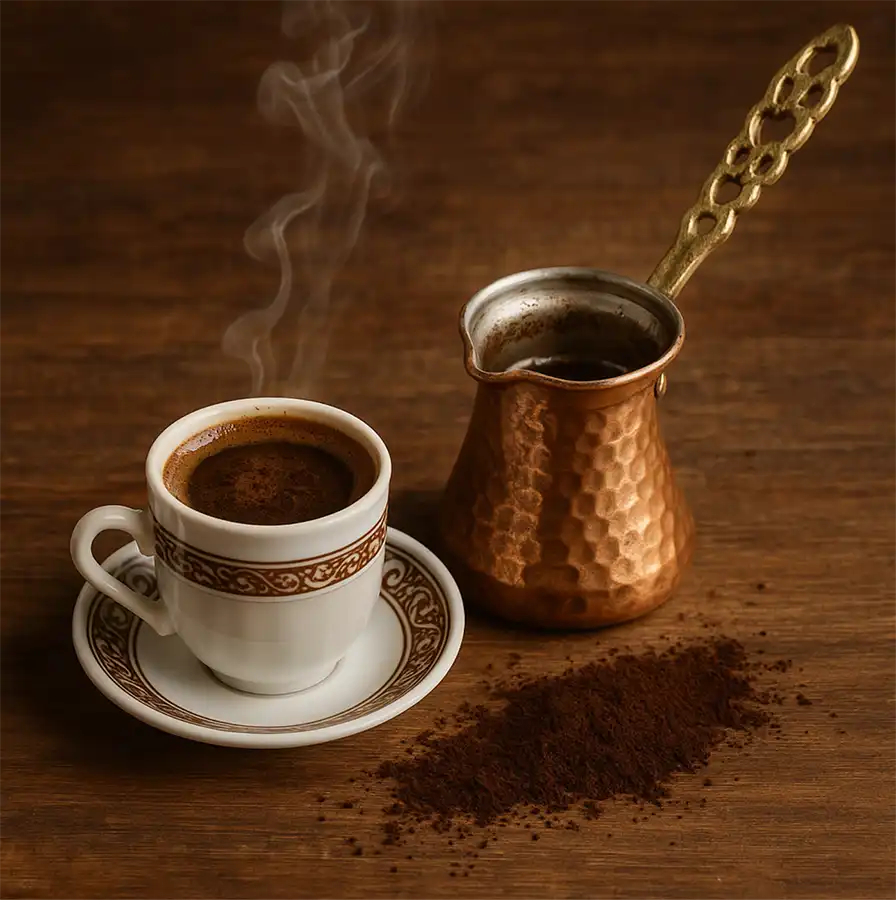
Turkish coffee is one of the oldest ways of making coffee, requiring special utensils — a cezve or cezve. Coffee is served hot and strong, without adding spices, except for a little sugar.
To prepare, you will need 8 g of finely ground coffee (almost powder) and 100 g of water. Pour the coffee into a cold Turkish coffee pot, add room temperature water, and place over medium heat, then reduce to low heat.
Vietnamese iced coffee
Ca Phe Da is a traditional Vietnamese coffee drink that combines sweetened condensed milk with dark roasted coffee. The coffee is brewed using a special metal French drip filter and poured over ice and condensed milk.
Irish coffee — a cocktail with character
Irish coffee was invented in the early 1940s to help American travelers warm up in cold Irish cities. The classic recipe includes 150 ml of strong black coffee, 50 ml of Irish whiskey, brown sugar, and a generous spoonful of cream.
Alcoholic coffee cocktails
Espresso Martini — an elegant classic
Espresso martini is one of the most popular cocktails in the world today. Created in the 1980s in a London club, it combines 40 ml of vodka, 20 ml of coffee liqueur, 30 ml of chilled espresso, and 10 ml of sugar syrup.
The secret to the frothy top—the hallmark of an espresso martini—lies in using freshly brewed (but chilled) espresso and vigorous shaking in a cocktail shaker. The cocktail is garnished with three coffee beans.
Experimental and modern coffee drinks
Coffee lemonade — an unexpected combination
Bumble Coffee is an original cocktail combining 125 ml of orange juice, 2 teaspoons of coffee, 150 ml of water, 30 ml of caramel syrup, and ice. The citrus note gives the drink a refreshing freshness.
Coffee smoothies — a modern trend
To make a coffee smoothie, brew 200-250 ml of black coffee, blend it with 200 ml of yogurt, 1 banana, fresh berries, cocoa, and cinnamon. Serve the finished drink in a tall glass decorated with whipped cream.
Milk and coffee cocktail with donuts
This unusual drink is made with chilled coffee with ice, 1 scoop of vanilla ice cream, 2 scoops of coffee ice cream, and doughnuts. All ingredients are blended together in a blender.
Spices and additives for coffee
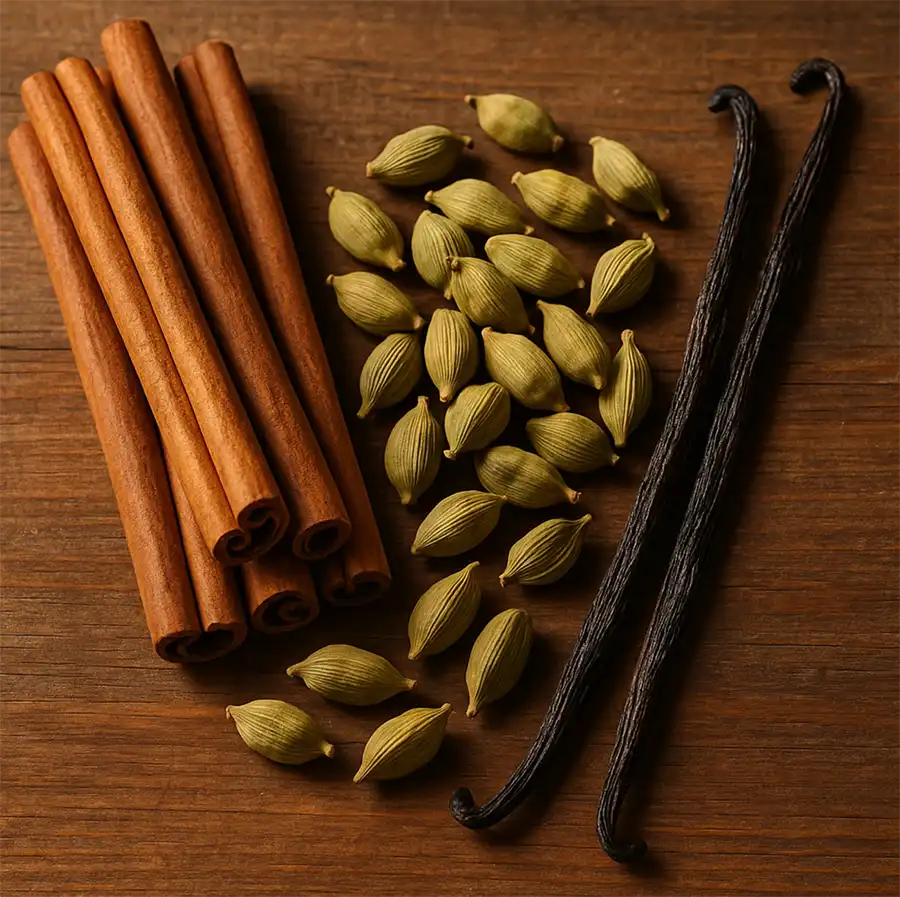
Traditional Eastern spices
Cardamom has a tonic effect and neutralizes the harmful properties of coffee, giving the drink a tartness. Cloves help with blood pressure problems, have an analgesic effect, and improve blood circulation. Cinnamon has an anti-inflammatory effect, purifies the blood, and gives coffee warm bittersweet notes.
Vanilla makes the drink aromatic and mellow, blending perfectly with other spices. Nutmeg has a powerful tonic effect and a bitter taste. Ginger makes coffee warming and spicy and stimulates digestion.
Modern additives
Coconut oil adds a creamy texture and a light tropical flavor, and is a source of healthy fats. Vanilla extract or vanilla syrup adds a sweet note. Some spices are added directly during cooking (cardamom, cumin, cloves), others are added to the finished coffee (vanilla, nutmeg, cinnamon).
Ways to make coffee at home
Brewing in a cup
The simplest method is Polish coffee. Pour 6-7 g of finely ground coffee into a cup and add 100 ml of hot water (95°C). Brew for 2-4 minutes, then remove the larger particles with a spoon and pour the drink into another container.
French press
Put 1-2 teaspoons of coarsely ground coffee per cup into a French press. Pour hot water (not boiling water) over the coffee, stir, and leave to infuse for a few minutes. Lower the plunger before pouring.
Geyser coffee maker
Pour water into the lower part up to the level of the safety valve, fill the funnel with medium-fine ground coffee to the brim. Place on low heat and remove when steam begins to come out instead of water.
Kemex
This method requires 30 g of coarsely ground coffee per 540 ml of water (ratio 1:18). Insert a paper filter into the Chemex, moisten it with water at 95°C, add the coffee, and first moisten it with 60-100 ml of water to remove CO2. After 30 seconds, slowly pour the rest of the water in a circular motion.
Tips for making the perfect coffee
Choosing coffee and grinding
Arabica is considered the best variety for most brewing methods. The most aromatic drink is made from freshly ground beans, so it is better to grind roasted beans immediately before brewing. Different brewing methods require different grinds: fine (like dust) for a Turkish coffee pot, medium for a geyser, and coarse for a French press.
Water quality and temperature
The quality of water significantly affects the taste of the finished drink. The optimal water temperature for brewing is 90-95°C. After boiling, simply open the lid for 2-3 minutes to allow the water to cool slightly.
Proportions
The standard ratio of coffee to water is 6 g of coffee per 100 ml of water. For a Turkish coffee pot, use a ratio of 1:10 (20 g of coffee per 200 ml of water). For a French press, 1-2 teaspoons per cup is suitable.
Secrets of taste
To speed up the settling of the grounds, you can add a few drops of ice water to the finished coffee. To preserve the aroma of the drink, the cup must be preheated or rinsed with boiling water. For a richer flavor, the coffee can be brought to a boil 2-3 times.
Cold Brew — cold brewing
Cold Brew is a method that involves brewing coffee in cold water for 12-24 hours. This method produces a less acidic and sweeter drink. Ground coffee is mixed with cold water, steeped for 6-12 hours, then filtered.
Regional characteristics of coffee consumption
Scandinavian egg coffee
In Norway and Scandinavia, a popular method of preparing coffee involves adding a fresh egg to ground coffee to reduce bitterness and acidity. This drink is also known as “church basement coffee.”
Kopi Yu Yu from Asian countries
In Asian countries, coffee is roasted, brewed, and consumed with oil. It is believed that oil helps to create a more dynamic and rich flavor.
Moroccan coffee with spices
In Morocco, sesame seeds, black pepper, and nutmeg are ground together with coffee beans to produce a unique and strong beverage.
Seasonal and holiday variations
Spiced coffee with pumpkin
The autumn version includes 1 cup of espresso, 200 ml of milk, 1 tablespoon of pumpkin puree, and a pinch of cinnamon, nutmeg, and ginger. Mix the pumpkin puree with milk and spices, heat it up, and add espresso.
Coffee with orange and cinnamon
The winter version combines black coffee with cream, sugar, orange zest, and a strong alcoholic beverage. The citrus note gives the drink a freshness.
Coffee trends and innovations
Fermentation of coffee beans
Modern experiments include changing the grain fermentation process—extending the time or adding natural enzymes to obtain new flavor nuances. Some manufacturers store roasted grains together with spices to impart unique aromas.
The “coffee cube” method
Freezing coffee in ice cube form for later use in cold drinks allows you to preserve its intense flavor without diluting it.
Aeropress as a platform for experiments
The AeroPress allows you to adjust the pressure, temperature, and brewing time, creating both rich and mild beverages.
Coffee bar culture and mixology
Modern coffee bars combine the art of coffee and cocktail making. Baristas and bartenders experiment with different bean varieties, extraction techniques, spices, herbs, fruits, and premium alcohol. The use of seasonal and local ingredients has become an integral part of coffee bar culture.
Modern technologies—from state-of-the-art coffee machines to specialized cocktail equipment—open up opportunities for creating new flavors. Vacuum extraction, cold brewing methods, and other innovative approaches allow us to reach new heights of mastery.
Conclusion
The world of coffee drinks is a boundless space for creativity and experimentation. From classic espresso to the most daring modern blends, everyone can find their perfect drink. The main thing is not to be afraid to experiment, stick to the basic principles of preparation, and always use high-quality ingredients. Coffee is not just a drink, it is a culture, an art, and a source of inspiration that unites people around the world in their love for this wonderful elixir of life.