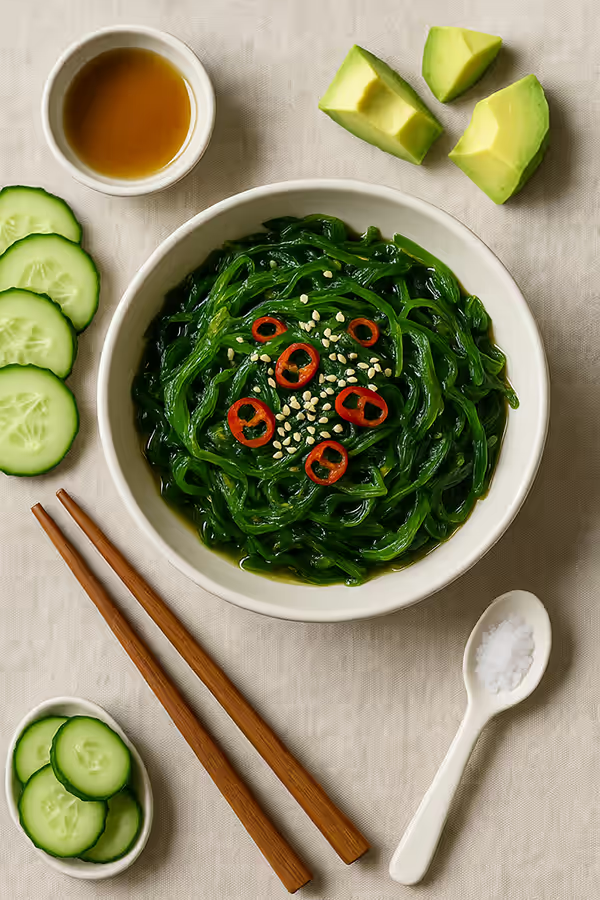
Chuka is a popular Japanese seaweed dish that has gained worldwide recognition. Unlike traditional sea kale, Chuka has mWhat texture, pleasant taste and does not require difficult cooking. This product is ideal for those who are watching their healthYam and is looking for nutritious alternatives to regular salads.
Зміст
What Is Chuka: Definition and Origin
Chuka is a salad made from seaweed Wakame (Undaria pinnatifida), also known as unarya perista. The traditional name in Japanese is “Hiyashi Wakame”, although the general term “Chuka” is used. These algae grow in coastal areas of Japan, China and Korea, where they have been used in traditional Asian cuisine for hundreds of years.
Chuka itself is not just dried algae, but a finished product where marinade and spices are added to wakame. The main composition includes soy sauce, rice vinegar, sugar, sesame oil, sesame seeds and peppers. This balance of components creates a characteristic taste of Chuka – at the same time salty, slightly sweet, with a deep touch of “umami”.
The texture of the choucas is crispy and resilient, which makes it enjoyable in eating. Unlike seaweed, chuka does not have a pungent, recognizable iodine odor, which makes it attractive to people who are usually careful about seafood.
The composition and nutritional value of Chuka
Wakame seaweed is a real treasure trove of nutrients. The analysis of the composition shows that chuka contains a large number of minerals, vitamins and biologically active substances.
Mineral composition for 100 grams of finished salad:
- Iodine is critical for thyroid function
- Calcium is essential for bone and tooth strength
- magnesium – helps to relax Mgerms and nervous system
- Iron – provides a healthy hemoglobin level
- Zinc is important for the immune system
- Selenium is a powerful antioxidant
- Phosphorus – supports healthI’m bones
- Copper and manganese – promote metabolism
Vitamin composition:
- Vitamin A – for healthI Eyes and Skin
- Vitamin C – for the immune system and collagen
- Vitamin E is a powerful antioxidant
- Vitamin K is important for blood clotting
- B vitamins (thiamine, riboflavin, folate) – for energy and CNS
Other useful components:
- Omega-3 unsaturated fatty acids
- Vegetable protein
- Dietary fiber
- Natural Enzymes and Hormones
Caloric content and energy value:
It is pure wakame algae contain about 40 calories per 100 grams. However, the finished choucat salad, with the addition of marinade and oil, contains about 150-190 calories per 100 grams, depending on the specific recipe and the amount of added oil. Per 100 grams of ready-made chuca has:
- Proteins: about 6 grams
- fats: about 8 grams
- carbohydrates: about 18 grams
Two grams of dry wakame contain only 5 calories, but provide 7% of the daily norm of manganese, 5% folate, 4% sodium, 3% magnesium and 2% calcium.
The benefits of huka for healthI
Chuka is not just a delicious snack, but a really therapeutic product that the evidence of science supports from many sides.
HealthyI’m a thyroid gland
Wakame is one of the largest natural sources of iodine. One gram of wakame contains about 42 micrograms of iodine, which is about 28% of the daily norm. Iodine is a critical trace element needed for the synthesis of thyroid hormones, which regulate metabolism, body temperature and energy production.
For people who live far from the sea and do not eat enough seafood, chuka can be an ideal source of iodine without having to use iodized salt.
body weight control
Chuka is ideal for people who are watching weight. The product is low in calories, contains almost no fat and is rich in dietary fiber, which give a feeling of satiety. Regular consumption of choucas can help reduce the appetite and avoid overeating.
Fibers in Wakame promote slower absorption of food in the intestines, which stabilizes energy levels and prevents sudden jumps in blood sugar.
Blood glucose control
The low-glycemic index of Chuki makes it ideal for people with prediabetes or type 2 diabetes. Studies have shown that daily consumption of 48 grams of algae significantly reduced blood sugar levels in 20 people with diabetes. Wakame can improve insulin sensitivity and prevent sudden jumps in blood sugar.
HealthyI heart and blood vessels
Some components of Wakame show a positive effect on the cardiovascular system. Animal studies show that algae can lower blood pressure and “bad” cholesterol (LDL). One study involving 417 children showed that the highest level of algae intakeassociated with lower blood pressure.
Strengthening the immune system
The combination of vitamins and minerals in Chuca makes it a powerful tool for strengthening the immune system. Zinc, selenium, vitamin C and other antioxidants help fight free radicals and protect the body from infections and inflammation.
Regular consumption of chuks can help the body better resist seasonal diseases, especially during autumn and winter.
HealthyI skin and hair
Iodine and vitamins, especially vitamins E and C, promote collagen synthesis and improve skin elasticity. Regular consumption of chuka can help reduce the symptoms of aging, overcome acne and improve the overall condition of hair and nails.
Antioxidants in Chutz also protect the skin from UV damage and environmental factors, which slows down the aging process.
Antioxidant action
Wakame contains a unique substance fucoxanthin, which is a powerful antioxidant. This component helps protect cells from oxidative stress and may have anti-inflammatory properties.
Fucoxanthin also shows the potential for weight loss due to the activation of brown adipose tissue, although additional studies are still being conducted.
Improving digestion
Dietary fiber in Chuca promotes healthIn the intestines, stimulate the growth of beneficial bacteria and help prevent constipation and dysbiosis.
Some people also report improved orientation and brain activity after regular use of algae, which may beDue to the improvement of blood circulation and delivery of oxygen to the brain.
Types of Chuka: differences and features
Although the basic chuka is prepared from Wakame, there are several variations depending on the additional ingredients and method of preparation.
Classical chuka
This is the simplest version – only Wakame with a basic dressing of soy sauce, rice vinegar, sugar and sesame oil. It has a distinct sea Taste and crispy texture. Ideal for those who want to try cheuk for the first time and appreciate the true taste of algae.
Chuka with ginger
Adding fresh or pickled ginger gives the salad warmth, sharpness and nutritious aroma. Ginger also helps with digestion and reduces inflammation. This version is popular in Japan and is especially recommended in the cold season.
Chuka with carrots
Carrots add sweetness, color and additional antioxidants. This option is popular in ready-made sets in supermarkets and usually contains finely chopped carrots for a contrasting texture.
Chuka with celery
The celery adds a crispy texture, minerals and a slight bitterness that creates a perfect balance of flavors. Some people consider this option the most refreshing and favorite for summer use.
Chuka from Wasabi
For fans of spicy – the addition of Japanese horseradish (wasabi) creates a sharp, cleansing sharpness. This option is especially popular when serving sushi and other Japanese dishes.
Chuka with nut sauce
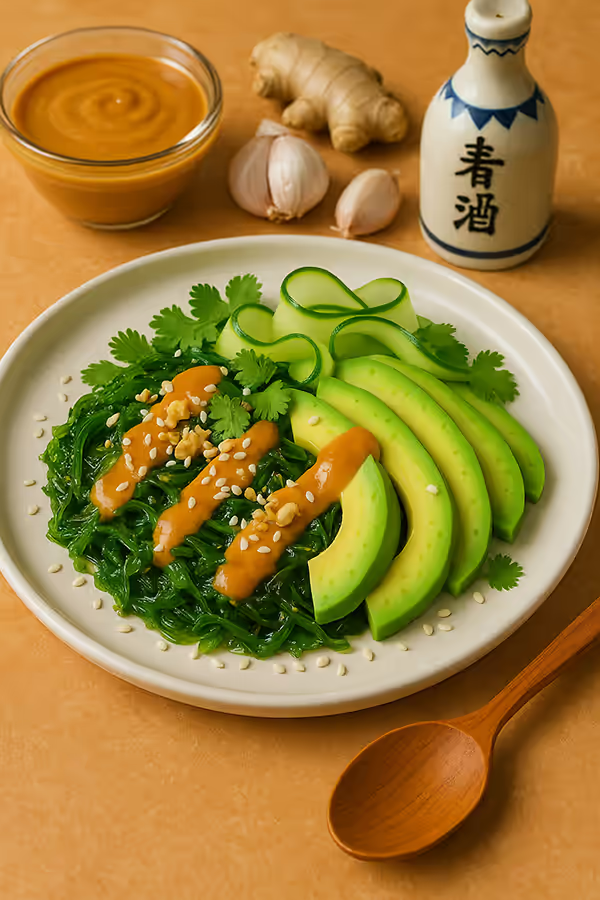
One of the most popular modern options. Nutty sauce (usually peanuts or walnuts) adds a creamy texture and rich, rich taste. Perfectly combined with avocado and cucumber.
Chuka with black mushrooms (Black Fungus)
Some manufacturers add black mushrooms for extra texture and mineral and vitamin supplements. This option is valued for additional prose properties.
Recipes with Chuka: how to cook at home
Recipe 1: Classic Chuka with umami sauce
Ingredients:
- 200 g of wakame seaweed (in the form of dry chuki)
- 3 tablespoons light soy sauce
- 1 teaspoon of rice vinegar (can be replaced with regular white vinegar)
- 1 tablespoon brown sugar
- 2 tablespoons sesame oil
- 1 tablespoon roasted sesame seeds
- ½ teaspoon sea salt
- ¼ teaspoon fresh ginger (grated)
- 1 clove of garlic (grated)
- Fresh chili peppers to taste (optional)
The cooking process:
- Soak dry wakame in cold filtered water for 20-30 minutes. Water will help to expand algae and restore their consistency. It is important to use filtered water, as chlorinated tap water can cause digestive problems.
- Drain the water and squeeze the algae well from excess moisture. Put in a bowl.
- In a separate bowl, prepare the sauce: mix soy sauce, rice vinegar, sugar, grated ginger and garlic. Stir until the sugar is completely dissolved.
- Add sesame oil to the sauce and mix well again. This will create a smooth, homogeneous dressing.
- Pour the dressing on the wakame and mix thoroughly, making sure that each particle of algae is covered with sauce.
- Leave 30 minutes salad at room temperature (or in the refrigerator for 1-2 hours) so that the tastes are fully combined.
- Before serving, sprinkle with fried sesame seeds and, if desired, add finely chopped fresh chili peppers for sharpness.
Tips: This salad is best consumed within 1-2 days, as over time Wakame becomes mas much as it loses some crispy texture.
Recipe 2: Chuka with cucumber, avocado and nut sauce
Ingredients:
- 150 g of ready-made choucas (purchased or prepared according to the previous recipe)
- 1 medium fresh cucumber
- 1 ripe avocado
- 4 tablespoons of nut sauce (peanut or walnut)
- 1 tablespoon sesame seeds
- 1 tablespoon of soy sauce (optional)
- 1 teaspoon of rice vinegar
- Salt and pepper to taste
- several leaves myat or coriander (for freshness)
The cooking process:
- Prepare the vegetables: cut the cucumber into thin strips (or leave whole with notches for more mwhat texture), cut the avocado in half, remove the bone and cut mAs for the slices.
- If you use a ready-made chuka from the supermarket, transfer it to a salad bowl. If you cook with dry wakame, follow the steps of soaking and preparing the sauce from the previous recipe.
- In a small bowl, mix the nut sauce with one tablespoon of soy sauce and rice vinegar. Dilute the sauce with hot water (2-3 tablespoons) to the consistency you want – from thickened to liquid.
- Gently mix the choucas with the cucumber, but add the avocado last (so that it does not crumple) and pour the nut sauce.
- Sprinkle with sesame seeds and garnish with leavesyati.
- Serve immediately until the avocado has darkened.
Tips: Avocado can be replaced with other ingredients: cottage cheese, smoked fish, shrimp or ripe tomato for the vegetable salad version.
Recipe 3: Hot Rice Chuka with Ginger and Pepper

Ingredients:
- 200 g of ready-made chukers
- 200 g of cooked rice (ordinary or short-grained)
- 2 tablespoons sesame oil
- 1 tablespoon of fresh ginger (finely chopped)
- 2 cloves of garlic (crushed)
- 1 red bell pepper (diced)
- 100 g of green vegetables (greens, broccoli or green beans)
- 2 tablespoons soy sauce
- 1 teaspoon of rice wine (mirin) or regular wine
- Spanish pepper to taste
The cooking process:
- Heat a wok or a large frying pan over medium-high heat, add sesame oil.
- Add chopped ginger and garlic, fry for 30 seconds until flavor appears.
- Add pepper cubes, fry for 2-3 minutes.
- Add cooked rice, break the lumps, stir and fry for 2-3 minutes.
- Add cheucus, green vegetables, soy sauce and mirin. Mix thoroughly.
- Fry everything together for 2-3 minutes until the rice turns bright golden.
- Sprinkle with Spanish pepper and serve hot.
Tips: This rice goes well with eggs, shrimp or chicken mYasom for a more nutritious option. You can also add cashews or peanuts for an extra crispy texture.
What to combine chukuu with: harmonious combinations
Chuka is universal and goes well with many products. Let’s learn the best combinations for various decorations and snacks.
Protein components
- Fish and seafood: shrimp, tuna, smoked salmon, mussels, octopus
- MYasya: Chicken, beef (especially marinated), hide
- Dairy products: MWhich cheese (cressir, mascarpone), hard cheese
- Vegetable protein: Tofu, Tempe
Vegetables
- raw: Tomatoes, radishes, carrots, celery, cucumber, onion (especially young)
- Varev: Broccoli, Brussels sprouts, zucchini, eggplant
Cereals and carbohydrates
- rice (white, brown, wild, black)
- Buckwheat
- Quinoa
- Pasta (thin Asian noodles)
- Cereals
Fatty acids and sauces
- Sesame Oil (seat oil with seeds gives a more intense taste)
- Olive oil
- Peanut sauce
- Mayo
- Tahini
Complex combinations for snacks and salads
- Classic Asian combination: Chuka + steam varega + soy sauce + sesame + garlic + ginger
- Mediterranean Mix: Chuka + Fettuccine + MYata + olive oil + lemon juice
- Southeast combination: Chuka + avocado + warm chicken + nut sauce + coriander
- Summer snack: Chuka + cucumber + tomato + cream cheese + fresh coriander + seeds
- Vegan Combination: Chuka + chickpeas + baked vegetables + nahim sauce + seeds
Frequently Asked Questions about Chuu (FAQ)
How to choose a quality chuka?
When choosing a Chuka, pay attention to:
- the color: The bright green-brown color indicates freshness
- Smell: Must be a nice sea smell without putrefaction nuance
- Texture: The pieces should be whole, crispy, not mwhich
- Packaging: Check the expiration date (usually 12-24 months)
- Composition: Choose options without excessive amounts of salt and artificial additives
Is Chuka safe for pregnant women?
Chuka in moderation (1-2 times a week) is considered safe during pregnancy. However, keep in mind that Wakame is rich in iodine, and excess iodine can, on the contrary, affect healthI am a mother and a fetus. Consult a doctor before taking regular use.
How to properly store chuku?
- Dry Wakame: Store in a dark, dry place at 15-20°C
- Ready Chuka: in the refrigerator (at 0–4°C) for 3–5 days or in the freezer for up to 3 months
- Avoid direct sunlight and moisture that can cause mold
Can you eat chuku every day?
Theoretically, chuka is quite nutritious and useful for daily use. However, experts recommend 2-3 servings a week in order to maintain the balance of minerals (especially iodine) and not exceed the daily norm of sodium, which is high in pickled choucas.
What are the main reasons for refusing Chuka?
- Allergy to seafood
- Thyrotoxicosis or other thyroid problems (due to high iodine content)
- Hypertension (due to high sodium content in the marinated version)
- Individual intolerance to seaweed
How to get rid of iodine flavor if you don’t like it?
Soak dry wakame in hot (not boiling water) water for 5-10 minutes, then drain the water. Repeat the process 2-3 times. This will remove some iodine and reduce the taste.
Is it possible to make chuka at home from scratch, or is it better to buy ready-made?
Both options have advantages. Ready-made chuka is convenient and fast to use, but often contains an excess of salt and preservatives. The home version from the dry wakame allows you to control the complexity of breakfasts and use the freshest ingredients.
Is Chuka good for people on a diet?
Yes, Chuka is a great choice for diet. It is low in calories (150-190 kcal per 100 g in the finished form), rich in protein, fiber and minerals, which helps to keep the feeling of satiety for longer.
What is the difference between Chuka and Wakame?
Technically, Wakame is a species of algae (in its original form), and Chuka is a ready dish of these algae with marinade. Chuka is always prepared from Wakame, but not every wakame is immediately called Chuka.
How does Chuka affect cholesterol levels?
Animal studies have shown that Wakame can reduce “bad” cholesterol (LDL). However, human research on this topic is not enough. However, due to its low caloric content and unlimited fat content, chuka can be part of a healthy cholesterol control diet.
Does Chuka contain allergens?
The main allergic component in Chutz is seafood (algae). Some manufacturers also add sesame seeds, which are a common allergen. Always check the ingredients list if you have a known allergy.
How often is it recommended to eat choew for maximum benefit?
For optimal benefits, it is recommended to eat chuku 2-3 times a week in a portion of 100-150 grams. This will allow you to get all the benefits of algae without excessive intake of iodine and sodium. People with thyroid problems or hypertension should limit their use and consult a doctor.
Conclusion
Chuka is a truly amazing dish that combines traditional Japanese wisdom with modern knowledge of healthI’m. Its versatility allows you to use chuku in both simple snacks and complex culinary creations. Try some of the suggested recipes, experiment with components, and find your favorite version of this healthy and tasty dish. Chuka not only tastes great, but also provides your body with the necessary nutrients for healthme and longevity.