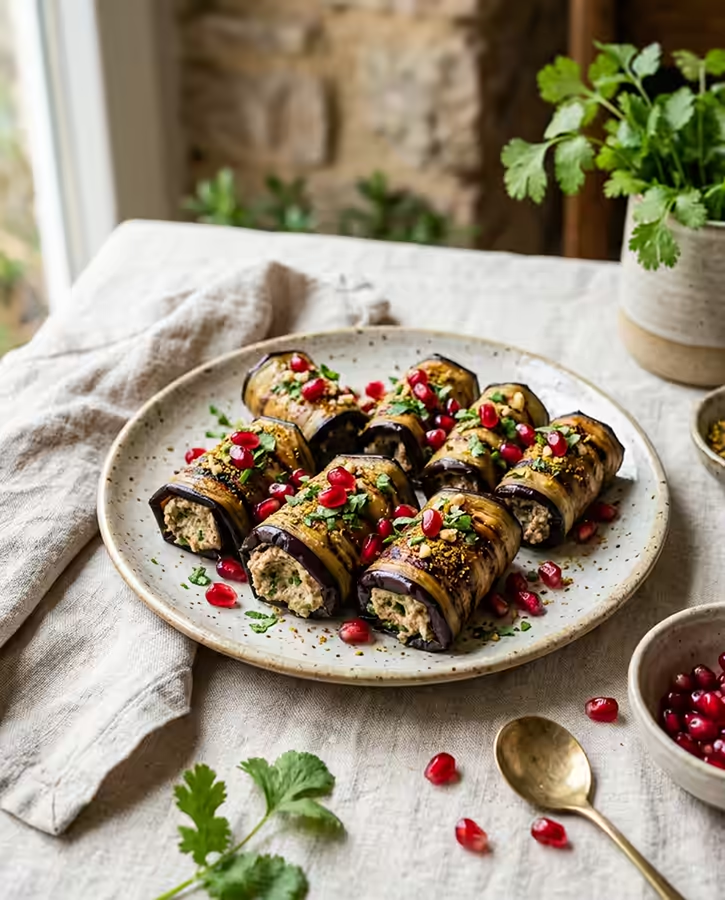
Badrijani is one of the most famous dishes in Georgian cuisine, particularly prized for its rich flavor, striking presentation, and simple yet perfectly balanced ingredients. Most often, it refers to delicate eggplant rolls filled with a spicy nut mixture, served as a cold appetizer. This dish has long been popular far beyond Georgia’s borders, as the combination of eggplant, walnuts, garlic, herbs, and spices truly works perfectly.
Content
At first glance, badrijani might seem like just another variation on eggplant rolls, but this appetizer actually has a character all its own. There are no random components here: each ingredient contributes to a rich, slightly spicy, slightly creamy, and slightly savory flavor. That’s exactly why badrijani are perfect for both an everyday lunch and a festive table, when you want to prepare something elegant without overly complicated techniques.
Another advantage of this dish is its versatility. You can make it more traditional or adapt it to your own tastes: bake the eggplant instead of frying it, adjust the level of spiciness, add more herbs, or make the filling milder. In any case, as long as you follow the basic principles, the dish turns out great.
What are badrijani?
Badryjani is an appetizer made from thinly sliced eggplant that is fried or baked and then stuffed with a nutty filling. In the classic version, the filling is made with walnuts, garlic, onions, herbs, and spices. The finished dish is often garnished with pomegranate seeds, which add a vibrant touch and a light, fresh note.
The main feature of badrijans is the contrast in textures and flavors. The eggplants should be soft and tender, the filling should be thick, aromatic, and rich, and the presentation should be neat and appetizing. The result is an appetizer that looks festive but is made with readily available ingredients.
This dish is perfect for those who enjoy hearty vegetable appetizers. It’s filling and flavorful, yet not too heavy—especially if you bake it instead of frying it. Plus, eggplant dishes are easy to prepare in advance, making them especially convenient when entertaining guests.
Ingredients for classic badrijans
To make the classic version, you’ll need simple ingredients that are easy to find at the store or the market.
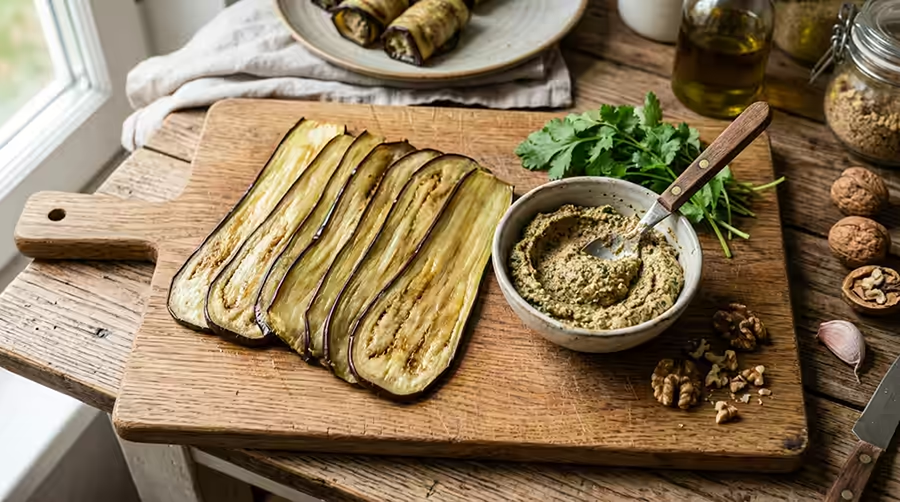
For the eggplant base:
- 4 medium eggplants
- Salt to taste
- Oil for frying or greasing before baking
For the filling:
- 250 g of walnuts
- 1 medium onion
- 3 cloves of garlic
- A small bunch of cilantro
- 2 tablespoons of wine vinegar
- 1 teaspoon ground coriander
- 1 teaspoon of ucho-suneli
- A pinch of hot red pepper
- Salt to taste
- A little water if needed
To serve:
- Pomegranate seeds
- Fresh herbs
If you don’t have all the traditional Georgian spices, that’s no reason to skip this recipe. The most important thing is to stick to the basics: eggplant, nuts, garlic, herbs, and a spicy flavor. That’s all you need to make a delicious dish.
How to Choose Eggplants for Badrijan
To make sure this appetizer turns out perfectly, it’s important to start with the right eggplants. It’s best to choose young, medium-sized eggplants with firm skin and no blemishes. They usually have a more tender texture, fewer coarse seeds, and hold their shape better after cooking.
You can also use eggplants that are too large, but they can sometimes be stringier or watery. If the eggplants aren’t firm enough, the slices may tear when rolled up. Therefore, it’s best to choose even, elongated eggplants of roughly the same size for these rolls.
Also, pay attention to the weight. A good eggplant should be fairly firm and heavy for its size. If the vegetable feels suspiciously light or too soft, it’s best to look for another one.
Food preparation
Before you start cooking, make sure all the ingredients are properly prepared. This makes the process much easier and helps you avoid mistakes that can happen when some ingredients are ready while others aren’t.
Wash the eggplants, trim the ends, and slice them lengthwise into thin strips. The ideal thickness is about 4–5 mm. These strips bend easily but won’t fall apart after cooking.
After slicing the eggplant, it’s best to sprinkle it with a little salt and let it sit for 15–20 minutes. This helps it release some of the excess moisture. Then pat the slices dry with a paper towel or a clean kitchen towel.
You can sort through the nuts and, if desired, lightly toast them in a dry skillet or in the oven. This will enhance the filling’s aroma and make the flavor more pronounced. Prepare the onion, garlic, and herbs in advance so you can assemble the filling later without rushing.
A Classic Eggplant Recipe: Step by Step
Step 1. Slice the eggplants
Slice the eggplants lengthwise into thin slices of uniform thickness. Don’t make them too thick, or they’ll be difficult to roll up. Slices that are too thin aren’t ideal either, because they can easily tear after frying or baking.
After slicing, lightly salt the slices and let them sit on the counter for about 15–20 minutes. Then be sure to pat them dry to remove any moisture. This step is important not only for texture but also to prevent the eggplant from absorbing too much oil.
Step 2. Prepare the eggplants
There are two main methods: frying and baking.
For a classic flavor, sauté the eggplant in a skillet with a small amount of oil until tender and lightly golden on both sides. Place the cooked slices on paper towels to remove excess oil.
For a lighter version, you can bake the eggplants. To do this, brush them with oil on both sides, place them on a baking sheet, and bake in the oven until tender. The baked version is less greasy, but just as delicious.
No matter how you cook them, the eggplants should remain tender. If they become too dry, they will start to break apart when you roll them up.
Step 3. Make the filling
Place the walnuts, onion, garlic, and herbs in a blender or meat grinder. Process until a thick paste forms. Then add salt, coriander, ucho-suneli, hot pepper, and wine vinegar.
After mixing, check the consistency. The filling should be soft, pliable, and easy to spread. If it’s too thick, add a little water—just a teaspoon at a time—so it doesn’t become too runny.
At this stage, it’s very important to taste the mixture. Now is the time to adjust the flavor balance: add more salt, a little garlic, another pinch of spices, or just a touch of acidity. The filling should have a bold flavor, because it will mellow slightly once combined with the eggplant.
Step 4. Shape the eggplant
Place a small portion of the nut filling on each eggplant slice. Spread it closer to one edge and gently roll it up. Don’t use too much filling, or it will spill out the sides.
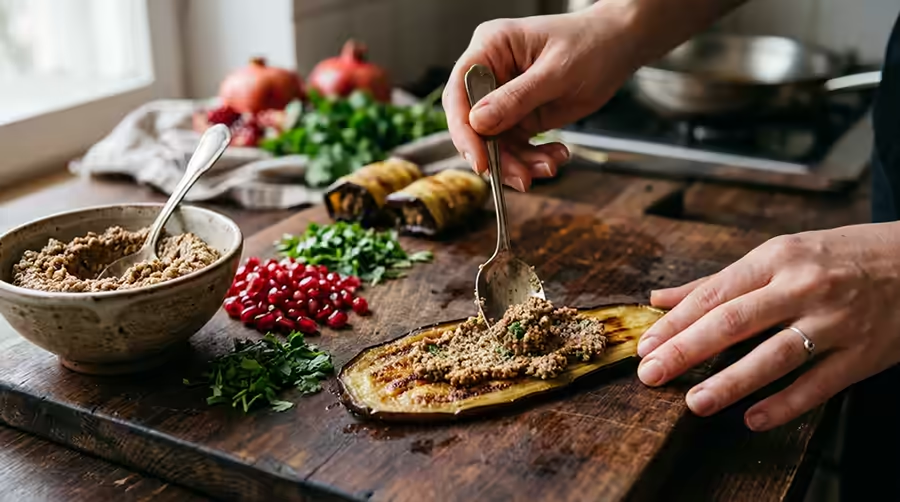
Place the finished rolls on a plate with the seam facing down. This helps them hold their shape better and look neater. If you want a festive presentation, arrange them in a circle or in neat rows.
Step 5. Let it cool and decorate
Once the badrijana are shaped, it’s best to refrigerate them for at least 30–60 minutes. During this time, the filling will set, and the flavors will blend better. Before serving, garnish the appetizer with pomegranate seeds and fresh herbs.
Chilled eggplants usually taste best. They develop a more rounded, deeper flavor, and their texture becomes more pleasant.
Detailed preparation: the finer points that affect the outcome
Many people underestimate the little details, yet it is often these that determine whether a dish will be merely average or truly impressive. For example, it is very important to slice the eggplant correctly. If the slices are of varying thicknesses, some will burn while others will remain undercooked.
The consistency of the filling is just as important. If the nut mixture is too dry, it won’t spread well and will make the appetizer coarse. If it’s too runny, it will leak out and ruin the presentation. Therefore, the ideal filling should be thick yet creamy, so it can be easily spread in a thin layer.
Another important point is the balance of spices. The flavor of badrijan should be spicy but not overpowering. If you use too much garlic or vinegar, the dish will lose its harmony. On the other hand, if you’re too cautious, the flavor will be bland.
It’s also worth remembering that this appetizer benefits from time. It’s delicious right after it’s assembled, but it gets much better once it’s cooled. That’s why badrijani is the perfect choice for a holiday menu, when you want to prepare some of the dishes in advance.
Variations of badrijans
The classic recipe is just a starting point. From there, you can move on to other variations that don’t contradict the dish’s core concept but simply alter its character.
Eggplant in the oven
This is a lighter option, perfect for those who want to cut back on oil. The eggplant turns out tender but not as greasy as when fried. For many, this is the ideal choice for everyday meals.
Spicy eggplant
If you like bold flavors, add more hot peppers and garlic. This version is perfect for a festive meal and pairs well with milder dishes.
Tender eggplants
For a milder version, you can reduce the amount of vinegar, garlic, and cilantro slightly. You can substitute some of the cilantro with parsley. The filling will be more delicate this way and will appeal even to those who don’t like overly strong flavors.
Eggplant with a creamier filling
To make the filling creamier, chop the nuts more finely and add a little more water. The key is not to overdo it. This filling pairs well with the eggplant and gives the appetizer a more refined flavor.
Mini eggplant bites for a cocktail party
If you’re preparing an appetizer for a large gathering, you can make small individual rolls. To do this, simply cut the sheets into shorter pieces or cut them in half after cooking. These miniature appetizers are very convenient to serve.
Recipe variation: Eggplant in the oven
Here’s a separate recipe for those who want a lighter version of the dish.
Ingredients:
- 4 eggplants
- 250 g of walnuts
- 1 onion
- 3 cloves of garlic
- A bunch of cilantro or mixed greens
- 2 tablespoons of wine vinegar
- 1 teaspoon ground coriander
- 1 teaspoon of utsho-suneli
- Salt
- Hot peppers to taste
- Lubricating oil
- Pomegranate seeds for serving
Directions:
- Slice the eggplants lengthwise into thin strips.
- Season them with salt, let them sit for 15 minutes, and then pat them dry.
- Brush the slices with oil and place them on a baking sheet.
- Bake until tender and lightly browned.
- For the filling, chop the nuts, onion, garlic, and herbs.
- Add the spices, vinegar, salt, and a little water until the mixture reaches a creamy consistency.
- Spread the filling on the cooled eggplant slices and roll them up.
- Garnish with pomegranate seeds and chill before serving.
This version is especially good for those who want to keep the flavor of the traditional appetizer but make it lighter.
What to serve with eggplant
Eggplants go well with many dishes. They can be served as a standalone appetizer or as part of a larger meal. They pair well with lavash, homemade bread, fresh vegetables, cheeses, potato dishes, and meat appetizers.
Badrijani look especially impressive on a festive table because of their vibrant appearance. If you arrange them on a nice plate and garnish them with pomegranate seeds and fresh herbs, even a simple homemade appetizer will look quite stunning.
For an everyday meal, you can serve the eggplant with warm bread and a light salad. Served this way, they make a perfect base for a light dinner or snack.
Helpful Tips
To ensure your eggplant dishes always turn out delicious, there are a few simple rules to keep in mind.
- Don’t cut the eggplants too thick.
- Always dry them thoroughly after pickling.
- Don’t let the filling get dry.
- Add the water to the nut mixture gradually.
- Be sure to taste the filling before rolling up the rolls.
- Don’t overload the eggplant slices with filling.
- Let the dish cool before serving.
- Garnish with pomegranate seeds just before serving to keep it looking fresh.
These tips are simple, but they are often the ones that make the biggest difference in the final result.
Common Mistakes
One of the most common mistakes is using eggplant that’s too oily. This happens if you don’t pat the slices dry or fry them in too much oil. As a result, the appetizer turns out to be heavy.
The second mistake is using a dry filling. It doesn’t provide that creamy texture that people love about eggplant rolls. Plus, a dry filling often crumbles and doesn’t hold together well inside the rolls.
The third problem is an imbalance in flavor. If you add too much vinegar or garlic, the dish will lose its tenderness. If there aren’t enough spices, the appetizer will taste bland. It’s important not to rush and to adjust the flavor gradually.
How to store eggplants
Store the prepared eggplant in the refrigerator in a sealed container or covered with plastic wrap. They taste best within the first 24 hours after preparation, when they have had time to marinate but are still as fresh as possible.
This is a very convenient dish to prepare in advance. You can make it a few hours before serving, and just garnish it with herbs and pomegranate seeds right before serving. This makes the eggplant dish perfect for holidays, family dinners, and entertaining guests.
Frequently Asked Questions
Can you make eggplant without cilantro?
Yes, you can. If you don’t like cilantro, use parsley or mix both herbs. But keep in mind that it’s the cilantro that gives the dish its distinctive flavor.
Can I bake it instead of frying it?
Yes, and this is one of the best options for a lighter version. Baked eggplant is less greasy, but it still goes well with the nut filling.
Can the filling be made in advance?
Yes, in fact, it’s even better that way. If the filling sits in the fridge for a while, its flavor will become more concentrated and rich. The main thing is to check the consistency again before using it.
Are eggplants suitable for a festive meal?
Absolutely. This is one of those appetizers that looks vibrant, tastes bold, and doesn’t get lost among the other dishes. Plus, you can prepare them ahead of time.
Conclusion
Eggplant rolls are a dish that combines simple ingredients with a truly exquisite result. Tender eggplant, a fragrant nutty filling, spices, herbs, and pomegranate seeds come together to create an appetizer that is sure to become a favorite on your family’s menu.
This recipe is worth trying not only for its taste but also for its versatility. You can make the classic version, prepare a lighter oven-baked version, adjust the spiciness, or customize the filling to suit your own preferences. In any case, eggplant remains exactly the kind of dish that looks impressive, is quite easy to prepare, and is almost always a hit with guests.