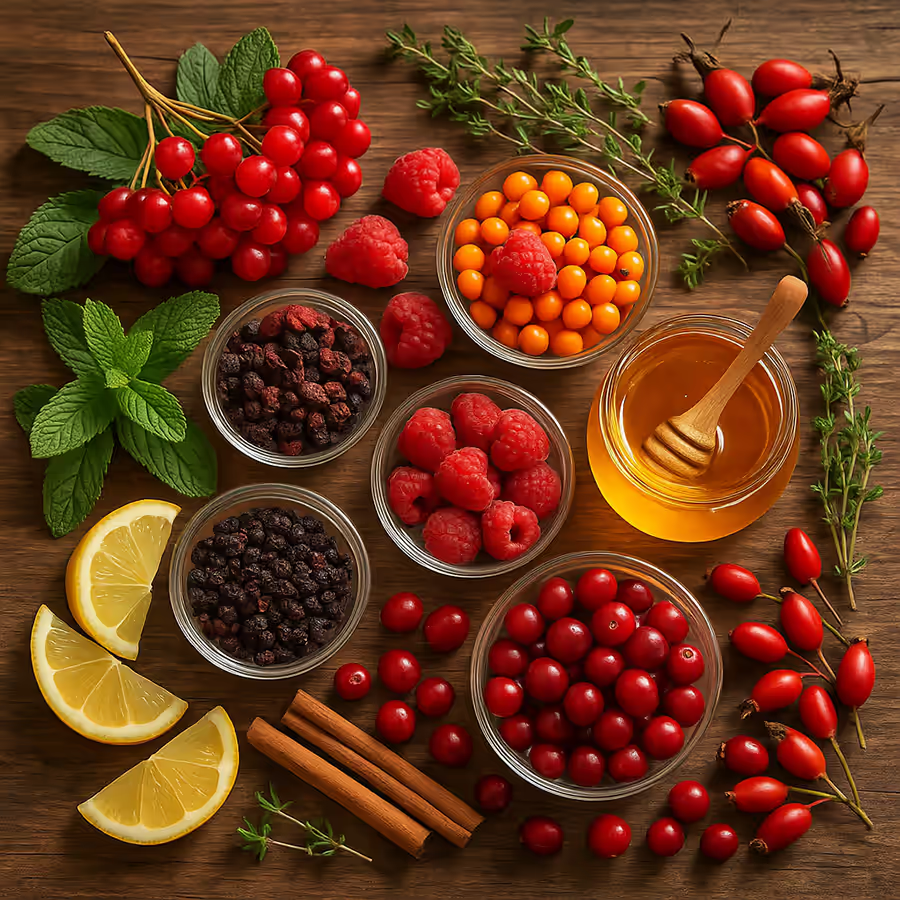
During the season of colds and viral infections, natural drinks become real helpers in supporting the immune system. Antiviral teas, decoctions, and infusions based on healing ingredients help the body fight pathogens, relieve symptoms of acute respiratory viral infections, and speed up recovery. In this article, we will discuss the most effective antiviral drinks, their beneficial properties, detailed recipes, and important precautions.
Why antiviral drinks are important for immunity
Зміст
The immune system is a complex mechanism that requires constant support. Vitamins, minerals, antioxidants, and phytoncides contained in natural ingredients activate the body’s defenses and help it cope with viral attacks more quickly.
Studies show that regular consumption of beverages enriched with vitamin C can reduce the duration of colds in adults by 8% and in children by 14%. Prevention with antiviral drinks has proven to be particularly effective for people with high levels of physical stress—athletes and military personnel experience a 50% reduction in the frequency of colds when taking vitamin C daily.
Antiviral drinks work in several ways: they strengthen the immune system, have anti-inflammatory effects, increase the production of interferons (natural proteins with antiviral activity), and help remove toxins from the body thanks to their diaphoretic properties.
The most effective antiviral drinks: a complete list
1. Ginger tea with honey and lemon
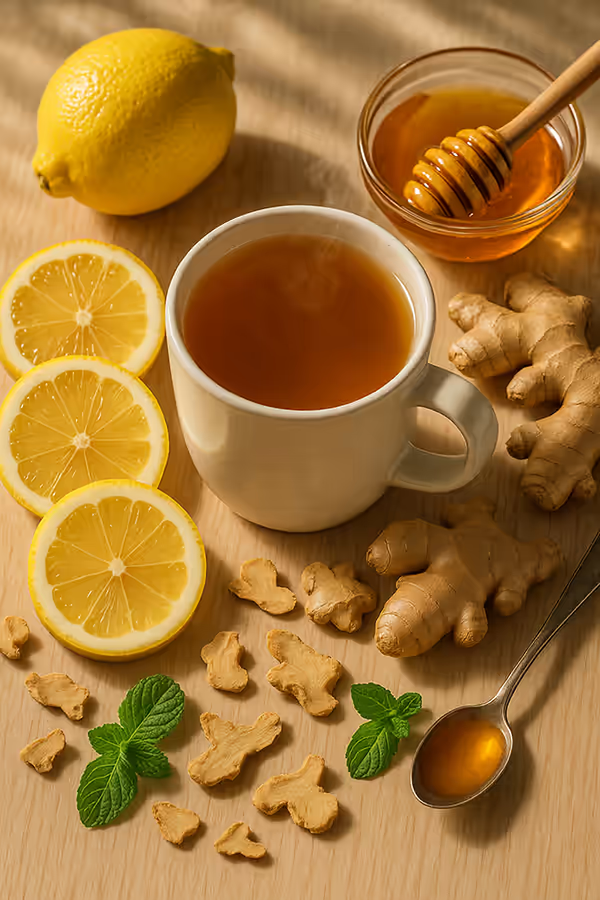
Ginger tea is one of the most popular antiviral drinks, combining powerful anti-inflammatory and antibacterial properties. Ginger contains gingerol, an active ingredient with proven antiviral properties that stimulates blood circulation, warms the body, and has an expectorant effect.
Detailed recipe:
- Fresh ginger root – 1 tablespoon (or a 2.5 cm piece), grated on a fine grater
- Green or black tea – 1 teaspoon
- Water – 800 ml
- Lemon – 1 (slices or juice)
- Honey – 1 teaspoon (add to warm, not hot tea)
Preparation:
- Bring the water to a boil.
- Add grated ginger and tea to the teapot.
- Pour hot water (not boiling water – temperature around 80-90°C)
- Insist for 5-7 minutes
- Strain, add lemon juice
- After cooling to 40-45°C, add honey (at higher temperatures, honey loses its beneficial properties).
How often to drink: Healthy people are recommended to drink 2-3 cups of ginger tea per day. It is better to drink it in the morning and in the first half of the day, as ginger has a tonic effect. The course of preventive treatment is 10-14 days.
2. Ginger tea with turmeric
The combination of ginger and turmeric creates a synergistic effect, enhancing the anti-inflammatory and antiviral properties of the drink. Curcumin, the active ingredient in turmeric, can reduce inflammation markers in the body by 20-30%.
Recipe:
- Fresh ginger – 1 tablespoon
- Turmeric (powder) – 1 tablespoon (or fresh root)
- Green tea – 1 teaspoon
- Water – 800 ml
- Lemon – 1 piece
- Honey – 1 teaspoon
- Black pepper – a pinch (increases curcumin absorption)
Preparation:
- Grate the ginger on a fine grater.
- Place ginger, turmeric, and green tea in the teapot.
- Pour in water at a temperature of 80-85°C.
- Insist for 7-10 minutes
- Add lemon juice, a pinch of black pepper
- After cooling, add honey
Turmeric has powerful antioxidant properties and supports joint and digestive health. This drink is especially beneficial at the first signs of a cold.
3. Viburnum tea
Viburnum is a real treasure trove of vitamins A, C, E, P, K, organic acids, and minerals. Viburnum berries have antibacterial, antipyretic, and restorative properties.
Recipe for classic viburnum tea:
- Fresh or frozen viburnum berries – 100 g (or 2-3 tablespoons)
- Water – 800 ml
- Black tea – 1 teaspoon (optional)
- Honey – 1 teaspoon
Preparation:
- Wash the cranberries thoroughly.
- Crush them with a pestle or fork in a teapot.
- Add black tea if desired
- Pour boiling water over it
- Let it steep for 3-4 hours under a lid.
- Strain, add honey to the warm drink
Dosage: For colds, drink 1/3 cup three times a day. Viburnum is effective for sore throat, laryngitis, cough, and bronchitis. Ten fresh viburnum berries eaten throughout the day, along with the seeds, help relieve coughing fits.
4. Raspberry tea
Raspberries contain salicylic acid, which has a natural antipyretic effect similar to aspirin. Because of this, raspberry tea is traditionally used to treat fever and flu.
Recipe:
- Dried raspberries – 2-3 tablespoons (or fresh jam – 2 tablespoons)
- Dried raspberry leaves – 1 tablespoon (optional)
- Water – 400 ml
- Honey – for taste
Preparation:
- Place the berries and leaves in a teapot.
- Pour boiling water over it
- Insist for 10-15 minutes
- Strain, add honey after cooling
Raspberries have antimicrobial, anti-inflammatory, and expectorant properties. Raspberry leaves also contain beneficial substances and can be used as a separate tea.
5. Sea buckthorn tea
Sea buckthorn is a source of phytoncides (natural antibiotics), large amounts of vitamin C, and other nutrients. Sea buckthorn tea stimulates the immune system, supports metabolism, and promotes healthy skin.
Recipe:
- Fresh or frozen sea buckthorn berries – 100 g
- Water – 500 ml
- Orange – 1 (slices and juice)
- Cinnamon stick – 1 piece
- Honey – 1 teaspoon
Preparation:
- If using frozen sea buckthorn, let it stand for 15-30 minutes.
- Place the berries in a teapot and mash them with a pestle.
- Add a cinnamon stick
- Squeeze the juice from half an orange into the teapot.
- Pour boiling water over it, cover with a lid
- Insist for 10 minutes
- Add orange slices and honey to the warm drink.
Sea buckthorn tea is especially useful during the flu and cold season, as it has powerful restorative properties.
6. Cranberry tea
Cranberries are rich in vitamin C, antioxidants, and organic acids. Cranberry tea supports the immune system, tones the body, and helps fight viruses and bacteria.
Recipe:
- Fresh or frozen cranberries – 100 g
- Water – 800 ml
- Sugar or honey – 1 tablespoon
- Dried mint – 8 leaves
- Cinnamon stick – 1 piece
Preparation:
- Mash the cranberries with sugar
- Add mint and cinnamon
- Pour boiling water over it
- Insist for 10-15 minutes
- Strain, add honey if desired
7. Rosehip tea
Rosehip is a record holder in terms of vitamin C content: 100 g of the edible part can contain up to 650-1800 mg of ascorbic acid. This makes it indispensable for strengthening the immune system.
Recipe:
- Dried rose hips – 14 pieces (or 2 tablespoons)
- Water – 400 ml
- Lemon – 1 piece
- Honey – 1 teaspoon
Preparation:
- Crush or grind the rosehip fruits.
- Pour boiling water into a thermos
- Let it steep for 2-3 hours (or leave it overnight).
- Strain through double gauze
- Add lemon juice and honey
Regular consumption of rosehip tea supports the body’s protective functions during the cold season and helps speed up recovery after illness.
8. Green tea
Green tea contains polyphenols and catechins, compounds with powerful antibacterial and antiviral properties. Studies have shown that components of green tea can inhibit the binding of viral proteins to human cells.
How to brew correctly:
- Green tea – 1 teaspoon
- Water – 200 ml (temperature 70-80°C, not boiling water!)
- Insist for 2-3 minutes
Green tea can be combined with lemon, honey, ginger, or mint to enhance its antiviral effect.
Important: Green tea contains caffeine, so limit your intake to 2-3 cups per day. Pregnant women should be cautious, as green tea may reduce the absorption of folic acid.
9. Elderberry tea
Elderberry has traditionally been used to treat colds and flu. A 2016 study found that air travelers who took elderberry extract had fewer colds and milder symptoms.
Recipe for elderberry infusion:
- Dried elderberry flowers – 2 tablespoons
- Water – 200 ml
Preparation:
- Pour the elderflowers into a saucepan.
- Pour boiling water over it
- Place in a boiling water bath for 15 minutes.
- Insist for 45 minutes
- Strain
Dosage: 100 ml 15 minutes before meals 3-4 times a day. You can dilute half a glass of infusion with boiling water and drink it as tea.
Elderberry has powerful anti-inflammatory, antiviral, and immunomodulatory properties thanks to anthocyanins and flavonoids.
10. Tea with echinacea
Echinacea is one of the most popular plant-based immunomodulators. It stimulates the activity of macrophages and neutrophils, increases interleukin-1 synthesis, and improves T-lymphocyte function.
How to take:
- Dried echinacea flowers and leaves – 1 teaspoon
- Water – 200 ml
- Insist for 10-15 minutes
Taking echinacea in the early stages of illness helps reduce the duration of a cold by 1-2 days and alleviate symptoms. For prevention, echinacea is taken in courses: 10 days of intake, 20-21 days of pause, from September to May.
11. Oxymel – a forgotten elixir for immunity
Oxymel is an ancient drink made from apple cider vinegar and honey, which has pronounced antibacterial and antiviral properties.
Recipe:
- Apple cider vinegar – 100 ml
- Natural honey – 100 ml
- Mix in equal proportions
How to take: 1-2 tablespoons per day, diluted with water or added to herbal tea. Oxymel has powerful anti-inflammatory properties, warms the body, has an expectorant effect, and helps remove phlegm.
12. Water with lemon and honey
The simplest but very effective antiviral drink is warm water with lemon and honey.
Recipe:
- Warm water (room temperature or slightly warmed) – 200 ml
- Lemon – 1/4 fresh lemon (squeeze the juice)
- Honey – 1 teaspoon
How to cook it right:
- Squeeze a quarter of a freshly cut lemon into a glass of room temperature water.
- Drink immediately on an empty stomach.
- Do not use hot water (vitamin C is destroyed by high temperatures).
- Do not insist for several hours (vitamin C oxidizes in the air).
Benefits: This drink strengthens the immune system, balances the body’s acid-alkaline balance, stimulates digestion, has a diuretic effect, helps thin the blood, and improves mood.
13. Garlic, lemon, and honey – a powerful combination for immunity
The combination of garlic, lemon, and honey creates a powerful immune booster.
Recipe:
- Lemons – 5 medium-sized
- Garlic – 5 cloves
- Liquid honey – 200-300 g
Preparation:
- Wash the lemons thoroughly and cut them into pieces with the peel on.
- Peel the garlic
- Pass both ingredients through a meat grinder or chop in a blender.
- Add liquid honey and mix thoroughly.
- Transfer to a glass jar and store in the refrigerator.
How to take: 1 teaspoon diluted in a glass of water, twice a day.
Important: Although garlic contains phytoncides with antibacterial properties, its effect is limited to a very small area, and it has no proven antiviral efficacy in clinical settings. However, when combined with lemon and honey, it can contribute to overall health.
Useful properties of the main ingredients
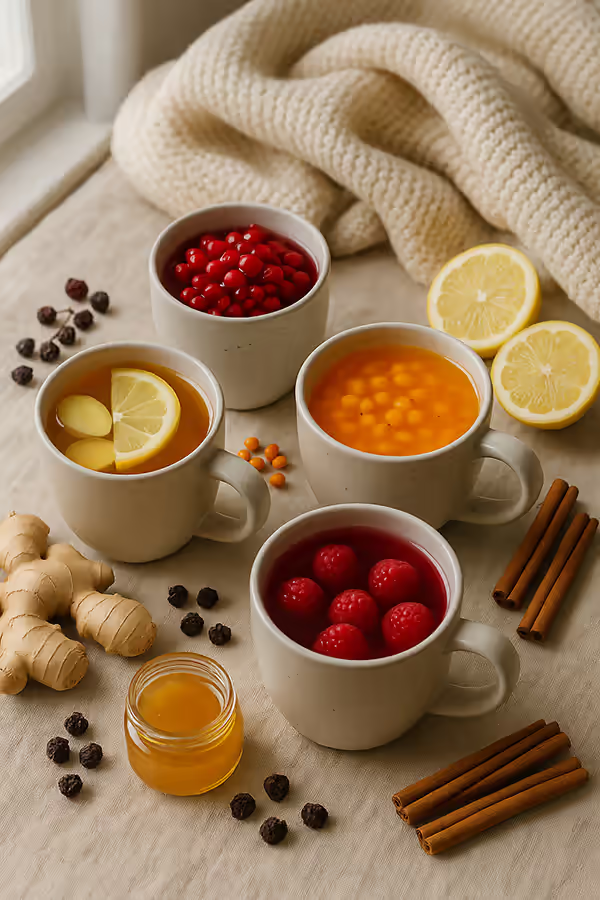
Vitamin C
Ascorbic acid is a key element for immunity. It protects the cells of the immune system (leukocytes and phagocytes) from self-damage thanks to its antioxidant properties. Vitamin C increases the production of interferons, special proteins with antiviral and antibacterial activity.
Daily rate:
- Women: 75 mg
- Men: 90 mg
- Children aged 1-2 years: 15 mg
- Children aged 4-8 years: 25 mg
- Children aged 9-13 years: 45 mg
For colds or smokers, it is recommended to increase the dose by 35 mg. Studies show that taking 2000 mg of vitamin C per day can shorten the duration of a cold, although it does not prevent it completely.
Honey
Honey has powerful antibacterial and antiviral properties. It strengthens the immune system, dilates blood vessels thanks to glucose, increases hemoglobin levels, and lowers cholesterol. Honey normalizes heart rhythm, accelerates metabolism, and promotes the elimination of toxins.
Important tip: Do not heat honey above 40-45°C! At higher temperatures, honey loses its enzymes and beneficial properties. Only add honey to warm, not hot, tea.
Ginger
Fresh ginger root contains gingerol, a biologically active substance with anti-inflammatory, antiviral, and antibacterial properties. Ginger warms, stimulates blood circulation, has a diaphoretic effect, and helps remove phlegm.
Recommended dose: 3-5 grams of ginger per day for adults, no more than 1 gram for pregnant women.
Turmeric
Curcumin, the active ingredient in turmeric, has powerful anti-inflammatory properties and can reduce inflammation markers in the body by 20-30%. Turmeric supports joint health, stimulates bile production, and aids digestion.
Kalina
Viburnum berries are rich in vitamins A, C, E, P, K, tannins, and organic acids. Viburnum has antiseptic, wound-healing, antipyretic, and bactericidal properties. Regular consumption of viburnum improves well-being and supports immunity.
Raspberry
Raspberries contain salicylic acid (a natural analogue of aspirin), anthocyanins, vitamin C, and folic acid. They have antipyretic, anti-inflammatory, antimicrobial, and expectorant properties.
Sea buckthorn
Sea buckthorn contains phytoncides (natural antibiotics), vitamins C, E, A, B, K, minerals, and antioxidants. This superfood supports immunity, stimulates metabolism, and improves skin condition.
Important warnings and contraindications
Ginger
Contraindications:
- Acute gastritis, stomach ulcer, or duodenal ulcer
- Hepatitis, liver disease
- Stones in the kidneys or gallbladder
- Hemorrhoids
- High temperature (ginger can raise it even more)
- Third trimester of pregnancy (ginger thins the blood, which can cause bleeding during childbirth)
- High blood pressure (but ginger can be beneficial for low blood pressure)
- Blood clotting disorders
For pregnant women: During the first and second trimesters of pregnancy, ginger can be consumed in limited quantities (up to 1 g per day) after consulting a doctor. Ginger helps with morning sickness, nausea, and improves digestion.
Honey
Disclaimer:
- Do not heat above 40-45°C (enzymes are lost)
- Allergy to bee products
- Diabetes (due to high sugar content)
Garlic
The phytoncides contained in garlic act for a very short period of time in a limited area. Excessive consumption of garlic can irritate the mucous membranes of the gastrointestinal tract. Lubricating the nose with garlic juice can cause chemical burns.
Turmeric
Contraindications:
- Diseases of the bile ducts (turmeric stimulates bile production)
- Taking blood-thinning medications (turmeric enhances their effect)
- Hyperacid gastritis
Kalina
Caution:
- Hypotension (low blood pressure) – viburnum lowers blood pressure
- Increased stomach acidity
- Pregnancy (may increase uterine tone)
Green tea
Restrictions:
- Pregnancy (may reduce folic acid absorption)
- Hypertension (contains caffeine)
- Insomnia (do not drink in the evening)
For pregnant and breastfeeding women
During pregnancy, many common antiviral drugs may be contraindicated. The following are considered safe:
- Raspberry tea (in moderation)
- Viburnum tea (caution, consult your doctor)
- Water with lemon (without excessive doses)
- Sea buckthorn tea
- Rosehip
Strictly contraindicated:
- Ginger in the third trimester
- Echinacea (insufficient safety studies)
- Green tea in large quantities
Always consult your doctor before consuming any antiviral drinks during pregnancy and breastfeeding.
For children
Most antiviral drinks are safe for children, but with limited dosage:
- Ginger tea: with caution, in small portions
- Raspberry tea: from 1 year old
- Viburnum tea: from 1 year old
- Sea buckthorn tea: from 1 year old
- Rosehip: from 1 year old
- Honey: do not give to children under 1 year of age (risk of botulism)
The dosage of vitamin C for children should be reduced according to their age.
How to store antiviral drinks correctly
Brewed tea
The shelf life of brewed tea is only 10-30 minutes after brewing. After 2 hours, the beneficial substances are destroyed and begin to turn into toxins.
Recommendations:
- Black tea can be stored for no more than 30 minutes.
- Green tea – 20-25 minutes
- Do not drink yesterday’s brewed tea
- If you need to store the tea leaves, place them in the refrigerator, but their beneficial properties and aroma will not be preserved.
Beverage temperature
The optimal temperature for drinking tea is 50-60°C. Hot tea with a temperature above 60°C can damage the mucous membrane of the esophagus and increase the risk of developing esophageal cancer.
Important: Do not pour boiling water over the tea! The optimal brewing temperature for green tea is 70-80°C, and for black tea, 90-95°C. Excessively high temperatures destroy vitamins, especially vitamin C.
Honey and vitamins
Do not add honey to hot tea – temperatures above 40-45°C destroy the enzymes and beneficial properties of honey. Wait until the drink has cooled to a comfortable warm temperature, and only then add honey.
Frequently Asked Questions (FAQ)
1. Can antiviral drinks replace medication?
No, antiviral drinks are not a substitute for medication. They are an adjunct to supporting the immune system and alleviating symptoms. In case of serious illness, high fever, or worsening condition, be sure to consult a doctor.
2. How many antiviral drinks can you have per day?
- Ginger tea: 2-3 cups per day
- Water with lemon: 1-2 glasses (in the morning on an empty stomach and throughout the day)
- Raspberry, viburnum, sea buckthorn tea: 2-4 cups
- Herbal teas during pregnancy: no more than 1-2 cups (or as recommended by your doctor)
3. How quickly do antiviral drinks work?
Antiviral drinks do not have an immediate effect. With regular intake for 3-5 days, you may experience relief from symptoms. For prevention, drinks should be consumed in courses throughout the cold season.
4. Can different antiviral drinks be combined?
Yes, you can alternate different drinks throughout the day. For example, water with lemon in the morning, ginger tea in the afternoon, and raspberry tea in the evening. This will ensure a variety of beneficial substances.
5. Should I drink antiviral beverages if I am already sick?
Yes, antiviral drinks help relieve symptoms, support immunity, and speed up recovery. But they should complement, not replace, the treatment prescribed by your doctor.
6. When is the best time to drink antiviral beverages?
- Water with lemon – in the morning on an empty stomach, 20-30 minutes before breakfast
- Ginger tea – in the morning and in the first half of the day (has a tonic effect)
- Raspberry and viburnum tea – can be drunk in the evening before bedtime (has a calming effect)
- Warm drinks for colds – small sips throughout the day
7. Can antiviral drinks be consumed for prevention?
Yes, regular consumption of antiviral drinks during the cold season (from fall to spring) helps strengthen the immune system and reduce the risk of illness. Vitamin C prophylaxis is especially effective for people with high levels of physical stress.
8. Do beverages lose their beneficial properties during prolonged storage?
Yes, brewed tea loses its beneficial properties after 10-30 minutes. Prepare fresh drinks each time. Store dry ingredients (tea, dried berries, herbs) in airtight containers in a cool, dark place.
9. Can antiviral drinks be consumed in cases of chronic diseases?
It depends on the specific disease. If you have gastritis, ulcers, liver, kidney, or heart disease, be sure to consult your doctor before regularly consuming antiviral drinks, especially those containing ginger, garlic, or turmeric.
10. Are antiviral drinks effective against COVID-19 and influenza?
Antiviral drinks can support immunity and alleviate general symptoms, but they are not a specific treatment for COVID-19 or influenza. If you suspect you have these diseases, be sure to consult a doctor. Studies have shown that some components of green tea may have an inhibitory effect on the coronavirus in a test tube, but this does not mean that they are effective in clinical practice.
Conclusion
Antiviral drinks are an affordable, tasty, and healthy way to support your immune system and help your body fight viral infections. Ginger tea, raspberries, viburnum, sea buckthorn, rose hips, green tea, and other natural ingredients contain vitamins, antioxidants, phytoncides, and other biologically active substances that strengthen the body’s defenses.
It is important to remember to prepare drinks correctly: do not overheat honey, do not pour boiling water over tea, drink freshly brewed drinks. Follow the recommended dosages and take into account contraindications, especially during pregnancy, breastfeeding, or chronic diseases.
Antiviral drinks are most effective when taken regularly as a preventive measure during the cold season. But remember: they are an adjunct and do not replace medical treatment for serious illnesses. If your condition worsens, always consult a doctor.
Take care of your health, support your immune system with natural remedies, and stay healthy!