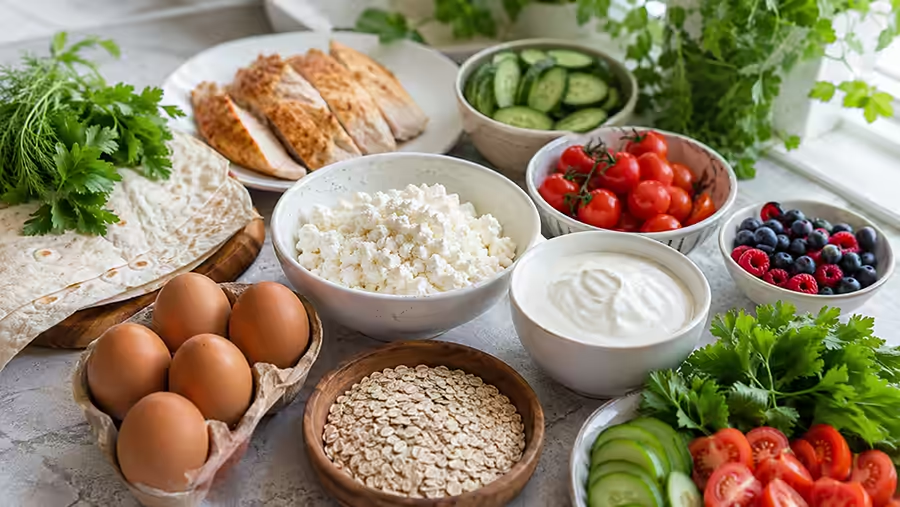
Breakfast often sets the tone for the rest of the morning. If you start your day with just a sweet roll, a cookie, or a quick cup of coffee, you may feel hungry, tired, and craving another snack within an hour or two. High-protein breakfasts, on the other hand, work differently: they keep you fuller longer, help maintain energy for longer, and don’t require any expensive ingredients.
When people search for “protein breakfast,” “high-protein breakfast,” or “healthy quick breakfast,” it often seems like they’re talking about protein powders, bars, quinoa, chia seeds, and other foods that aren’t always on hand. But for a normal protein-rich breakfast, ordinary home-cooked foods are more than enough: eggs, cottage cheese, yogurt, oatmeal, chicken, turkey, fish, flatbread, herbs, and vegetables.
Content
The main idea is simple: a protein-packed breakfast doesn’t have to be complicated. You can whip it up in 5–15 minutes or prepare it the night before. It’s perfect for work, school, kids, travel, and those mornings when you’re short on time but still want a proper meal.
This article features 10 quick, protein-rich breakfasts that don’t require protein powder. All the ideas are tailored to everyday Ukrainian cuisine: no expensive superfoods, no complicated techniques, and no strange ingredients that end up sitting in the cupboard for months.
Why protein for breakfast is really convenient
Protein isn’t just for athletes. It helps repair tissues, supports muscle health, keeps you feeling full longer, and makes breakfast more satisfying. If your plate includes protein, you’re usually less likely to crave something sweet an hour later.
Of course, protein alone doesn’t make for a perfect breakfast. It’s important to include healthy carbohydrates, a little fat, and some vegetables or fruit. For example, an omelet with herbs and a slice of whole-grain bread is a better choice than just three eggs on their own. Cottage cheese with berries and a spoonful of nuts is more filling than sweet store-bought cheese.
A protein-rich breakfast is especially helpful on busy days. If you have to drive to work in the morning, take the kids to school, go to class, walk a lot, or go a long time without a proper meal, a hearty breakfast really helps. It doesn’t guarantee “perfect nutrition,” but it gives you a good start to the day.
Another plus is that these breakfasts are easy to tailor to your own tastes. Some people prefer eggs, while others like cottage cheese better. Some people love savory breakfasts, while others can’t imagine a morning without oatmeal or yogurt. A protein-rich breakfast can take many forms, and that’s a good thing.
How much protein should be in breakfast
You don’t have to count every gram. For most people, it’s enough to include one substantial protein source in their breakfast: 2 eggs, 150–200 g of cottage cheese, a serving of Greek yogurt, a piece of chicken or turkey, fish, legumes, or a combination of several foods.
Simply put, a good protein-rich breakfast should leave you feeling properly full for 3–4 hours. Not sluggish or sleepy, but full. If you feel hungry very soon after breakfast, it may not contain enough protein, fat, or fiber.
For example, plain oatmeal cooked in water is quick to make, but it’s not always filling. If you add Greek yogurt, cottage cheese, an egg to the pancake batter, or nuts, it works much better. Similarly, pita bread with just vegetables can be a light snack, but if you add an egg, cheese, or chicken, it becomes a proper breakfast.
What foods are good for a protein-rich breakfast?
The simplest base is eggs. They cook quickly and pair well with vegetables, herbs, cheese, flatbread, and grains. You can use eggs to make omelets, scrambled eggs, poached eggs, egg muffins, or a flatbread roll, or add them to cheese pancakes and crepes.
Another convenient option is cottage cheese. It works well for both savory and sweet breakfasts. You can mix it with herbs, cucumber, and salt, or with berries, banana, honey, and nuts. It can be used to make cheese pancakes, casseroles, spreads, and fillings for lavash.
Yogurt or matsoni is a good option when you’re really short on time. The key is to choose an unsweetened version and add your own sweetness: berries, fruit, a little honey, or homemade granola. That way, you have better control over what goes into it and avoid getting an extra dose of sugar first thing in the morning.
Chicken and turkey are also great for breakfast, especially if you have leftovers from dinner. There’s no need to go out of your way to fry a fillet in the morning. You can roast a piece of meat in the evening and add it to a wrap, toast, salad, or omelet in the morning.
Another underrated option is fish. Tuna in its own juice, lightly salted salmon, leftover baked fish from dinner, sardines, or mackerel can all be part of a hearty breakfast. It’s important not to overdo it with salty foods, but sometimes a breakfast like this really comes in handy.
10 Quick and Protein-Packed Breakfasts Without Protein Powder
1. Omelet with cottage cheese, herbs, and tomatoes

This is one of the simplest protein-rich breakfasts, ready in just 10 minutes. An omelet is already a good source of protein on its own, but adding a little cottage cheese makes it creamier and more filling. This version is great for both adults and children, as long as you don’t add too many spices.
For one serving, use 2 eggs, 2–3 tablespoons of cottage cheese, a little milk or water, herbs, a tomato, and salt. Beat the eggs with a fork, then add the cottage cheese, a pinch of salt, and the herbs. Pour the mixture into a skillet with a small amount of oil or butter, and top with tomato slices. Cook over low heat, covered.
The secret to a good omelet is to take your time. If you cook it over high heat, the bottom will burn quickly while the inside remains runny. It’s better to let the omelet cook for a few minutes and remove it from the heat while it’s still soft.
You can serve this breakfast with a cucumber, some lettuce, a slice of whole-grain bread, or toast. If you want something more filling, add an avocado or a few olives, but the dish is perfectly satisfying even without them.
2. Lavash with egg, cheese, and herbs
Pita bread is a very convenient base for a quick breakfast. You can wrap almost anything you have in the fridge in it. If you make a filling with eggs, cottage cheese, and herbs, you’ll have a protein-packed breakfast that’s easy to take with you to work or school.
For the filling, mix a hard-boiled egg, 100–150 g of cottage cheese, herbs, a pinch of salt, pepper to taste, and a spoonful of yogurt or sour cream. Spread the filling on the lavash, add a cucumber or tomato, roll it up, and lightly toast it on both sides in a dry skillet.
The great thing about this breakfast is that you can prepare it the night before. In the morning, all you have to do is reheat the roll or eat it cold. For kids, it’s best to make a milder filling without hot spices and serve it in a convenient format—small rolls.
If you want more protein, you can add pieces of roasted chicken or turkey. If you prefer a lighter version, stick to just the egg, cheese, and vegetables. It’s best to use thin lavash without any unnecessary additives.
3. Greek yogurt or matsoni with homemade granola and berries
This is a breakfast for those who have a sweet tooth in the morning but don’t want to start the day with cookies or a roll. Greek yogurt or matsoni provide protein, granola adds a pleasant crunch and carbohydrates, and berries bring a touch of freshness.
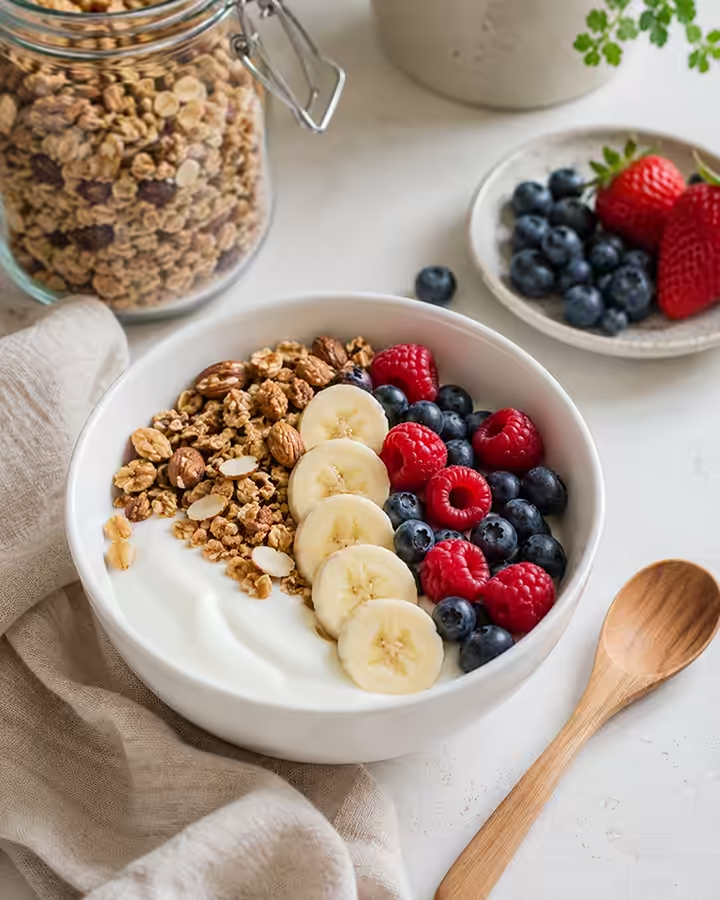
It’s best to choose unsweetened yogurt. Store-bought “fruit” yogurts often contain a lot of sugar but not that much protein. It’s better to add berries, a banana, an apple, cinnamon, or a teaspoon of honey yourself.
For one serving, you’ll need 200 g of Greek yogurt, 2–3 tablespoons of granola, a handful of berries, and a few nuts. If you want a heartier breakfast, add a spoonful of cottage cheese or flaxseeds.
You can make homemade granola ahead of time: mix together rolled oats, nuts, a little honey, and oil, then bake until lightly golden. Store it in a jar and add it to yogurt. That way, breakfast will be ready in 2 minutes.
This option is great for the office. You can bring the yogurt in a container and the granola separately so it doesn’t get soggy. Just mix them together when you get there for a quick and easy breakfast or snack.
4. Oatmeal with egg and cheese
Oatmeal can be a good source of protein if you don’t just cook it in water. One of the easiest ways is to add an egg while cooking. It won’t turn the porridge into an omelet if you do it right. On the contrary, the oatmeal will become creamier and more filling.
Cook the rolled oats in water or milk. When the porridge is almost done, reduce the heat, beat the egg with a fork, and pour it into the porridge in a thin stream, stirring constantly. In a minute or two, the egg will be fully cooked, and the texture will become creamy.
For a sweet version, add a banana, an apple, cinnamon, berries, or a spoonful of yogurt. For a savory version, add hard cheese, herbs, tomatoes, chicken pieces, or a raw egg on top. Savory oatmeal might sound unusual, but it’s actually very filling.
If you often eat oatmeal and get hungry soon after, try this version. The problem may not be the oatmeal itself, but rather that it lacks protein and fat. Oatmeal cooked in water with sugar is one thing, but oatmeal with an egg, cheese, and berries is something else entirely.
5. Cheese pancakes without added sugar
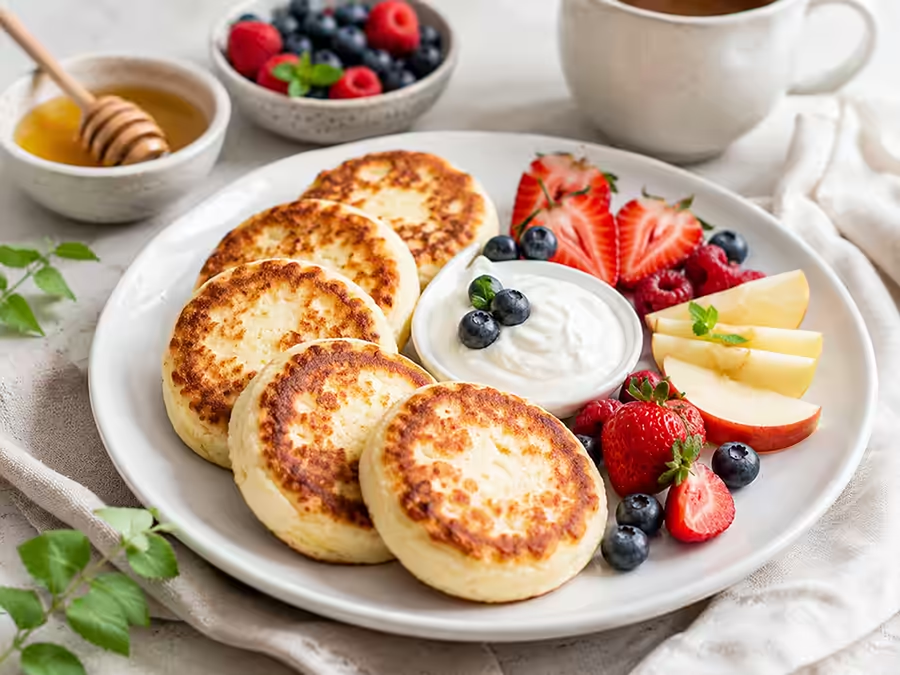
Cheesecakes are a familiar home-cooked dish that’s easy to make more nutritious. For a protein-rich breakfast, it’s important not to turn them into a dessert loaded with sugar, flour, and sweet sour cream.
For every 300 g of cottage cheese, use 1 egg, 1–2 tablespoons of flour or semolina, a pinch of salt, and a little sugar or a banana for sweetness. Mix well, shape into small patties, and fry in a pan or bake in the oven.
If the cottage cheese is too wet, the syrniki may fall apart. In that case, it’s best to squeeze the cottage cheese through cheesecloth or add a little more semolina and let the mixture sit for 10 minutes. But don’t add too much flour, or the syrniki will become heavy and lose their cheesy flavor.
It’s best to serve syrniki with yogurt, berries, applesauce, or a little honey. Jam is also an option, but it shouldn’t be the main ingredient. When serving breakfast to children, syrniki are often a better choice than just cottage cheese on a plate.
You can make these cheese pancakes ahead of time and store them in the fridge for 2–3 days. In the morning, just warm them up in a skillet or in the microwave. This is really convenient when everyone is in a rush in the morning.
6. Egg muffins with chicken and vegetables
Egg muffins are small omelets baked in muffin tins. They’re convenient because you can make enough to last for several days. It’s easy to add chicken, turkey, cheese, broccoli, bell peppers, spinach, tomatoes, or leftovers from dinner to the mixture.
Beat 5–6 eggs, then add a little milk, salt, herbs, and the filling. Spoon the mixture into silicone cups or a muffin tin and bake for about 15–20 minutes at 180 degrees. When the muffins have risen and feel springy to the touch, they’re done.
For a protein-rich option, a combination of eggs, baked chicken, hard cheese, and broccoli works well. But you don’t have to stick to this exact combination. You can add turkey, cottage cheese, mushrooms, or even a little tuna.
These muffins are great for taking on the go. They don’t leak or crumble, and you can enjoy them warm or cold. Whether you’re at work, on the road, or in school, they’re one of the most practical options.
The main mistake is adding too many watery vegetables. If you add a lot of tomatoes or zucchini, the muffins may turn out soggy. It’s better to chop the vegetables finely and not go overboard with the amount.
7. Toast with egg, turkey, and vegetables
A toast can be more than just a quick sandwich “to fill you up”—it can be a proper protein-packed breakfast. To make it, you’ll need a good base, a protein source, and vegetables.

Take a slice of whole-grain bread and toast it in a pan or toaster. Top it with lettuce leaves, slices of roasted turkey or chicken, an egg, and a cucumber or tomato. You can add a little Greek yogurt mixed with mustard as a sauce.
This breakfast is perfect for anyone who doesn’t feel like having porridge or sweet yogurt. It’s filling but not heavy. If you make two small pieces of toast, you’ll easily make it until lunchtime.
It’s best to prepare roast turkey in advance. Store-bought sausages and ham can also be convenient, but they shouldn’t be a daily staple. They often contain a lot of salt and additives. Homemade roast meat is simpler in composition and easier to control.
For kids, you can make this toast as a sandwich, cut it in half, and pack it for them to take along. The key is not to add too much sauce, so the bread doesn’t get soggy.
8. Protein pancakes made with everyday ingredients
The word “protein” doesn’t mean you have to buy powder. You can make protein pancakes using eggs, cottage cheese, oats, and a banana. They’re delicious, easy to make, and don’t require any complicated ingredients.
For the basic version, use 2 eggs, 100–150 g of cottage cheese, half a banana, and 3–4 tablespoons of rolled oats. Blend everything together and let it sit for 5 minutes. Cook small pancakes in a nonstick skillet.
It’s best to make these pancakes small, because larger ones can be difficult to flip. If the batter is too runny, add a little more oatmeal. If it’s too thick, add a spoonful of yogurt or milk.
Serve with yogurt, berries, an apple, peanut butter, or a little honey. This is a great option for kids who aren’t big fans of plain cottage cheese. You can hardly taste it in the pancakes, but you still get the protein.
You can also make these pancakes without banana, creating a savory version with herbs and cheese. In that case, they can be served with cucumber, tomato, or yogurt sauce.
9. Cottage cheese with herbs, cucumber, and bread
Not all breakfasts have to be complicated. Sometimes the best option is a bowl of cottage cheese with herbs, a cucumber, a pinch of salt, and a slice of bread. It’s quick, filling, and feels just like home.
Take 200 g of cottage cheese, add chopped cucumber, dill, green onions, a pinch of salt, and a spoonful of yogurt or sour cream. Mix well and serve with toast or pita bread. You can add a hard-boiled egg if you like.
This breakfast is especially good during the warmer months, when you’re craving something fresh. It’s light but filling. If the cottage cheese is dry, don’t drown it in sour cream—it’s better to add yogurt or a little kefir.
You can use this cheese as a spread. Spread it on toast and top with a slice of tomato, some radishes, or fresh herbs. The result is a simple, protein-packed sandwich without any sausage.
If you’re making a takeout version, it’s best not to add too much cucumber, as it will release juice. You can mix the greens and cheese at home and pack the vegetables separately.
10. Bowl with chicken, egg, and grains
A bowl is simply a dish containing a variety of foods: protein, grains, vegetables, and sauce. It can be a very convenient option for breakfast, especially if you have leftovers from dinner.
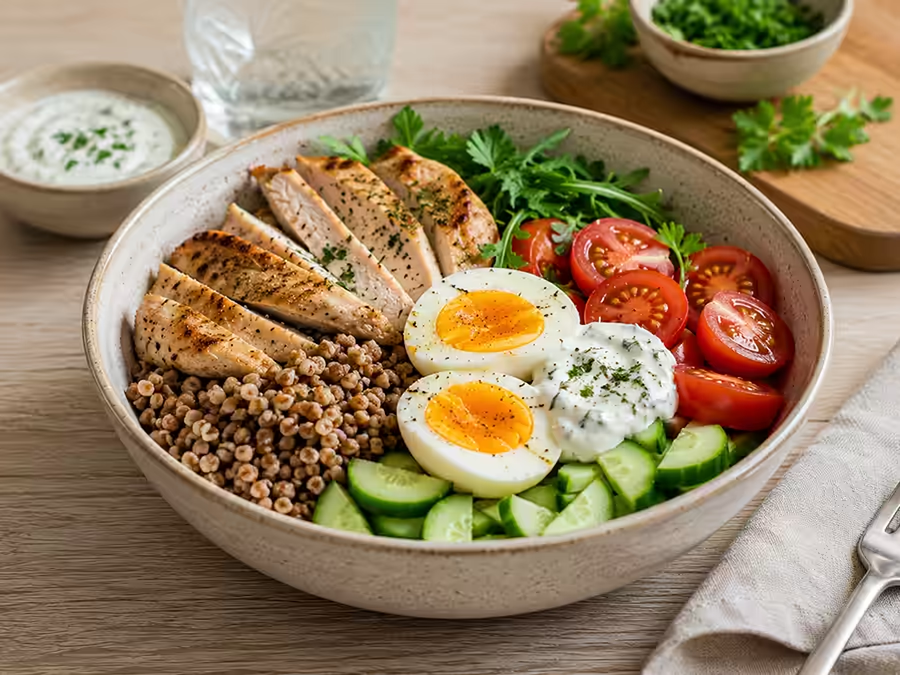
For example, take some buckwheat or bulgur, add a hard-boiled egg, some chicken pieces, cucumber, tomato, herbs, and a spoonful of yogurt sauce. It’s ready in just a few minutes if you already have the grains and meat in the fridge.
This kind of breakfast is more like a light lunch, but for many people, that’s exactly what they need in the morning. Not everyone likes sweet porridge or cottage cheese pancakes. If you find yourself getting hungry soon after a sweet breakfast, try a savory bowl.
You can make the sauce using Greek yogurt, mustard, lemon juice, salt, and herbs. It’s lighter than mayonnaise and pairs well with chicken and eggs. If you want it to be more filling, add a little avocado or seeds.
A bowl is easy to adapt for kids: make a smaller portion, skip the spicy sauces, and cut the vegetables into bite-sized pieces. You can pack it in a container and take it with you to work.
How to make a protein-packed breakfast with what you have at home
You don’t have to cook a new meal from scratch every morning. All you need to know is this simple formula: protein + slow-release carbs + vegetables or fruit + a little fat.
Protein sources include eggs, cheese, yogurt, chicken, turkey, and fish. Carbohydrates include oatmeal, buckwheat, bread, pita bread, bulgur, potatoes, and fruit. Vegetables and fruit add freshness and fiber. Fats can come from nuts, olive oil, avocados, cheese, and seeds.
For example, if you have eggs, flatbread, and herbs, you can make a wrap. If you have cheese and berries, you can have a sweet breakfast. If you have leftover chicken from dinner, you can add it to a toast, an omelet, or a bowl. If you have oatmeal, you can make porridge with an egg or pancakes.
This approach saves time and money. Instead of buying specific foods “for a healthy diet,” you simply make better use of what’s already in your fridge.
What to prepare the night before to make for a more peaceful morning
The biggest problem with breakfast isn’t a lack of ideas, but a lack of time. In the morning, you want to get ready quickly, not wash a pan, chop vegetables, and figure out what to cook. That’s why you can do some of the work the night before.
Hard-boil a few eggs. They’ll keep in the fridge and are great for flatbread, toast, salads, and bowls. Roast some chicken breast or turkey. Chop some herbs, wash the vegetables, and make some granola or a cucumber-free cream cheese spread.
Prepared mixtures for cheesecakes or pancakes also work well. For example, you can mix the cheese batter the night before, then just shape and fry them in the morning. Or, conversely, you can make the cheesecakes from scratch and let them sit for 2–3 days.
If you like yogurt with granola, keep the granola in a jar and the berries frozen. In the morning, just pour everything into a bowl. It takes less time than waiting for your coffee to be delivered.
Protein-rich breakfasts for work
The best options for travel are foods that don’t leak, don’t have a strong odor, and hold up well during the trip. Lavash with egg and cheese, egg muffins, cheese pancakes, toast, and yogurt with granola in separate containers are all good choices.
It’s best to avoid breakfasts that get soggy quickly. For example, if you’re having yogurt with granola, don’t mix them together right away. Keep the granola separate and add it just before eating. That way, it’ll stay crunchy.
If you’re using lavash, don’t add too many juicy tomatoes or too much sauce. It’s better to add cucumber, herbs, egg, cheese, and chicken, and spread the sauce in a thin layer. That way, the roll will hold its shape.
It’s handy to have a small set for the office: a container, a spoon, napkins, and a small sauce jar. It’s a small thing, but it makes having breakfast at home feel much more realistic.
Protein-rich breakfasts for school
Students and schoolchildren need breakfasts that are easy to eat and don’t take long to prepare. Good options include cheese pancakes, pancakes with cottage cheese and oatmeal, wraps, yogurt with granola, and toast with an egg.
It’s important for children that their food is not only healthy but also appealing. If a child doesn’t like herbs, don’t immediately stuff half a bunch of dill into a flatbread. It’s better to start with a small amount and gradually increase it. If they don’t like cheese, you can make pancakes or a casserole, where the cheese has a milder flavor.
It’s nice when you can eat breakfast with your hands. Small cheese pancakes, mini lavash rolls, and egg muffins are more convenient than a big bowl of porridge before you head out.
You shouldn’t eat overly sweet breakfasts before class. They may give you a quick energy boost, but you’ll crash just as quickly. It’s better to combine sweets with protein: yogurt with berries, cottage cheese pancakes with fruit, or pancakes with cottage cheese.
Protein-rich breakfasts for children: what to look for
A child’s breakfast should be simple, familiar, and not too complicated. Not every child will be thrilled by a bowl of buckwheat, chicken, eggs, and herbs at seven in the morning. But cheese pancakes, omelets, crepes, yogurt with berries, or flatbread with a soft filling are often well-received.
There’s no need to make a big deal out of protein. If your child eats a balanced diet throughout the day, breakfast doesn’t have to be packed with protein. But adding an egg, some cheese, yogurt, or a piece of chicken is a good idea.
Pay attention to texture. Children often reject not the food itself, but how it looks or feels. You can blend cottage cheese with yogurt, make an omelet fluffier, chop herbs very finely, and serve vegetables on the side.
And another important point: don’t force them. If a child doesn’t want a big breakfast, it’s better to give them a smaller portion that’s nutritionally balanced. For example, two small cheese pancakes and yogurt instead of a big plateful that they won’t finish anyway.
The Benefits of High-Protein Breakfasts
The main benefit of a protein-rich breakfast is that it keeps you full. Protein takes longer to digest than simple carbohydrates, so after eating an omelet, cottage cheese, or yogurt with granola, it’s usually easier to make it to lunch without constantly snacking.
Breakfasts like these can help you better control your appetite throughout the day. This doesn’t mean they automatically “burn fat” or guarantee weight loss. But if you snack less haphazardly on cookies, candy, and pastries, your diet will already be more balanced.
Protein is also important for muscles. This applies not only to those who exercise. As we age, maintaining muscle mass becomes even more important, and a regular intake of protein through food helps the body recover properly.
Another benefit is more stable energy levels. If breakfast consists only of sweet coffee and a croissant, you might experience a sharp spike followed by a crash. If you add protein, healthy fats, and fiber, your energy levels will be more evenly distributed.
Possible downsides: when to be careful
Protein-rich breakfasts aren’t equally beneficial for everyone. If you have kidney or liver disease, metabolic issues, or specific medical restrictions, it’s best to consult your doctor about your diet. This is especially true if you plan to significantly increase your protein intake.
You also shouldn’t have a breakfast consisting solely of protein. Three eggs without vegetables, cheese, bread, or cereal may fill you up, but your diet will be lacking. Your body needs not only protein, but also carbohydrates, fats, fiber, and vitamins.
You should also be cautious about store-bought “fitness foods.” Yogurts labeled “protein,” bars, cereals, and ready-to-eat breakfasts may contain a lot of sugar, sweeteners, or additives. Not everything with the word “protein” on the package is automatically better.
Another mistake is consuming too much salt. If you frequently eat salted fish, sausages, ham, processed cheeses, and sauces, your breakfast may seem high in protein but actually be loaded with salt. It’s better to opt more often for home-cooked meat, eggs, cheese, yogurt, and fresh vegetables.
Who benefits most from protein-rich breakfasts
These breakfasts are ideal for people who get hungry quickly after eating a typical bowl of cereal or a sandwich. If you eat breakfast at 8 a.m. and are already looking for a cookie by 10 a.m., try adding some protein.
They’re great for people who do physical work or walk a lot. They’re also ideal for people who work out, are trying to maintain their weight, want to cut back on sugary snacks, or simply want to eat more filling meals.
Protein-rich breakfasts can be beneficial for schoolchildren and college students if served in a normal, non-“diet” form. Omelets, cottage cheese pancakes, yogurt with berries, and pita bread with egg—these don’t look like strict healthy eating, but they work better than sugary cereal.
They’re also perfect for those who don’t like to cook in the morning. Many options can be prepared in advance: eggs, cheese pancakes, muffins, baked meat, and granola.
Who should be careful
People with medical restrictions regarding protein, salt, or fat should exercise caution. For example, if your doctor has advised you to limit your protein intake, you shouldn’t switch to high-protein breakfasts every day on your own.
People with lactose intolerance may not be able to tolerate cheese, milk, or regular yogurt. In that case, you can look for lactose-free options or focus on eggs, meat, fish, and legumes.
If you have an egg allergy, you’ll need to adapt your breakfasts as well. You can get protein from cottage cheese, yogurt, chicken, turkey, fish, tofu, or legumes. The key is not to follow a recipe to the letter if a particular ingredient doesn’t agree with you.
Children shouldn’t be given overly large portions of protein “just because it’s healthy.” Portion sizes should be appropriate for their age, appetite, and activity level. It’s better to give them smaller amounts, but regularly and without pressure.
Common Mistakes in Protein-Rich Breakfasts
The first mistake is thinking that a protein-rich breakfast has to be expensive. In reality, eggs, cheese, yogurt, chicken, and oatmeal are all staple foods. You don’t need powders, bars, or exotic ingredients to put together a decent meal.
The second mistake is forgetting about vegetables and fiber. An omelet with cheese is fine, but if you add a tomato, cucumber, herbs, or lettuce, your breakfast will be even better. Yogurt with granola is also better if you add berries or fruit.
The third mistake is making breakfast too sweet. Cheesecakes loaded with sugar, sweet yogurt, granola with syrup, and honey on top—that’s more like a dessert. You can keep the sweet taste, but it’s better to keep it moderate.
The fourth mistake is making meals that are too complicated. If a recipe calls for 12 ingredients and 40 minutes in the morning, you’ll quickly get tired of it. For everyday life, it’s better to have a few simple options that you can actually make on a regular basis.
The fifth mistake is eating the same thing every day. Even the best omelet can get boring. Switch it up with eggs, cheese, yogurt, porridge, flatbread, pancakes, and bowls. That way, it’s easier to avoid giving in to random snacks.
How to Make Protein-Rich Breakfasts More Delicious
It’s often the little things that make all the difference in taste. Herbs, spices, the right sauce, texture, and presentation—all of these elements make even simple food more enjoyable. Cottage cheese with a pinch of salt, dill, and cucumber isn’t just “cheese from a package” anymore—it’s a proper spread.
For savory breakfasts, green onions, dill, parsley, paprika, black pepper, mustard, and lemon juice work well. For sweet breakfasts, try cinnamon, vanilla, berries, bananas, apples, and nuts.
Don’t be afraid to mix hot and cold foods. For example, a warm omelet and a fresh salad, hot cheese pancakes and cold yogurt, or toasted bread and soft cream cheese. This makes breakfast more interesting.
And here’s another simple tip: don’t make your portions too large. A protein-rich breakfast should leave you feeling full, not weighed down. After eating it, you should feel comfortable moving around, working, and thinking.
FAQ:
Is it okay to eat a protein-rich breakfast every day?
Yes, as long as it’s varied and suitable for your health. It’s best to alternate your protein sources: eggs, cottage cheese, yogurt, chicken, turkey, and fish. You don’t have to eat the same three-egg omelet every day.
Do you need protein powder for a protein-rich breakfast?
No, you don’t need to. It’s easy to make a protein-rich breakfast using everyday ingredients: eggs, cottage cheese, yogurt, oatmeal, chicken, or fish. Protein powder might be convenient for some people, but it’s not a must-have.
Which is better in the morning: eggs or cheese?
Both options are good. Eggs are great for omelets, toast, and flatbread. Cheese is perfect for cheese pancakes, spreads, casseroles, and sweet breakfasts. It’s best to alternate between them so your diet doesn’t get boring.
Are high-protein breakfasts good for weight loss?
They can help you better control your appetite, but they don’t guarantee weight loss on their own. What matters is what you eat throughout the day, the portion sizes you choose, and how much you move. A protein-rich breakfast is a helpful tool, not a magic solution.
What can you make if you only have 5 minutes in the morning?
Quick options: Greek yogurt with granola and berries, cottage cheese with herbs, pita bread with a hard-boiled egg and cheese, or toast with an egg or leftover chicken. If you prep these the night before, 5 minutes is all it takes.
Is it okay to give children these kinds of breakfasts?
Yes, but the portion sizes and ingredients should be appropriate for the child’s age and tastes. Good options include omelets, cottage cheese pancakes, pancakes with cottage cheese, yogurt with berries, and flatbread with a mild filling. It’s best to avoid adding spicy sauces or too much salt.
What’s the best protein-rich breakfast to take with you?
The most convenient options are egg muffins, pita bread with egg and cheese, cheese pancakes, toast, yogurt, and granola in separate containers. They hold up well during travel and don’t require any special preparation.
Conclusion
Protein-rich breakfasts aren’t about complicated diets or powdered mixes. They’re about simple, home-cooked meals that keep you full longer and help you start your day on a calmer note. Eggs, cheese, yogurt, oatmeal, chicken, turkey, herbs, and vegetables—you can put together dozens of simple breakfasts using these ingredients.
The best options are the ones you can actually stick to. You don’t have to come up with something new every morning. It’s enough to have 5–6 favorite combinations and a few ready-made items in the fridge.
If you get hungry quickly after a typical breakfast, try adding more protein. Not drastically, not obsessively, but simply: an egg in your oatmeal, cheese in a wrap, yogurt with granola, or chicken on toast. Often, it’s these small changes that make eating more convenient and delicious.