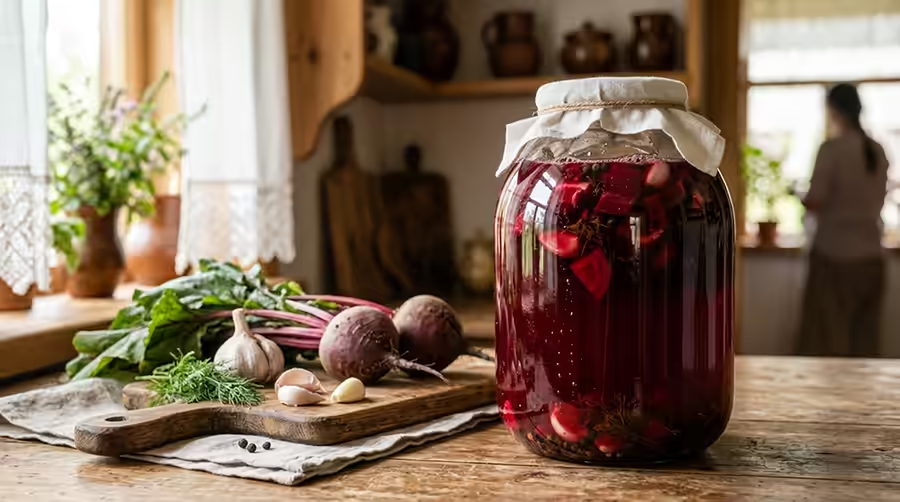
Beet kvass is a simple homemade fermented drink made from beets, water, and a few basic ingredients. It’s prepared not only as a beverage but also for borscht, cold soups, marinades, and other dishes that call for a rich beet flavor and a pleasant tang.
Content
If you want to learn how to make beet kvass at home without any hassle, this article will walk you through the process step by step. Below you’ll find a basic recipe, step-by-step instructions, tips on fermentation, common mistakes, variations, and answers to frequently asked questions.
What is beet kvass?
Beet kvass is a beverage made by steeping and naturally fermenting beets in water. Unlike traditional bread kvass, it is made not from bread or malt, but from fresh beets.
It is the beets that give the drink its characteristic ruby or dark red color, mild vegetable aroma, and slightly tart taste. Homemade beet kvass can vary greatly depending on the recipe, so the final result depends on the proportions, temperature, and steeping time.
Beet kvass is most often prepared as a base for other dishes. It is added to borscht, used in cold dishes, or served chilled as a homemade beverage.
In a nutshell: how to make beet kvass
If you need a quick overview, here’s how it looks:
- Wash and prepare the beets.
- Cut it into pieces or cubes.
- Place it in a clean jar.
- Add water and, depending on the recipe, salt, a little sugar, garlic, or breadcrumbs.
- Leave it in a warm place to ferment for a few days.
- Taste it, strain it, and put it in the fridge.
But to ensure the best possible result, it’s important to know the details: which beets to choose, how to cover the jar, when the kvass is ready, and in which cases it’s best not to use it.
Ingredients for beet kvass
The basic recipe for beet kvass doesn’t require a long list of ingredients. Most homemade versions call for just beets, water, and one or two additional ingredients to add flavor and kick-start the fermentation process.
Here is a handy basic cooking kit:
- 2–3 medium-sized beets
- about 1.5–2 liters of water
- 1 tsp salt
- 1–2 tsp sugar (optional)
- 1–2 cloves of garlic (optional)
- a piece of rye bread or breadcrumbs — in recipes where you want to promote more active fermentation
This isn’t the only correct recipe. Homemade beet kvass is often made without yeast, without bread, and even without sugar. It all depends on the flavor you’re aiming for and the purpose for which you’re making the drink.
Which beets should I choose?
The best beets for kvass are firm, juicy, and ripe, with no signs of spoilage. The beets should be firm, with no soft spots, mold, or significant damage.
Please note the following points:
- The beets should be fresh, not wilted.
- The flesh should ideally be a deep color; that way, the kvass will be brighter.
- Beets that are too large and old may have coarser fibers and a less pronounced flavor.
- If the skin is very dirty, it should be thoroughly scrubbed with a brush.
Whether or not to peel beets depends on the recipe and the quality of the vegetables. If the beets are fresh and well-washed, they are sometimes used with the skin on. If you have any doubts about their cleanliness or if the surface is damaged, it’s best to peel them.
What kind of dishes are suitable?
The easiest way to make beet kvass is in a glass jar. A 2- or 3-liter jar will work, depending on the amount of ingredients.
It’s also important to keep a few rules in mind:
- The jar must be very clean.
- Do not seal the lid tightly during active fermentation.
- The jar is often covered with gauze, a clean cloth, or a lid that doesn’t seal tightly.
- It’s best to use a clean spoon for stirring.
- It’s handy to have a strainer or cheesecloth for straining.
The cleanliness of the containers is no small matter here; it is one of the key factors for proper fermentation. If a jar isn’t clean enough, there is an increased risk of off-odors, unpleasant flavors, or spoilage.
Basic recipe for beet kvass
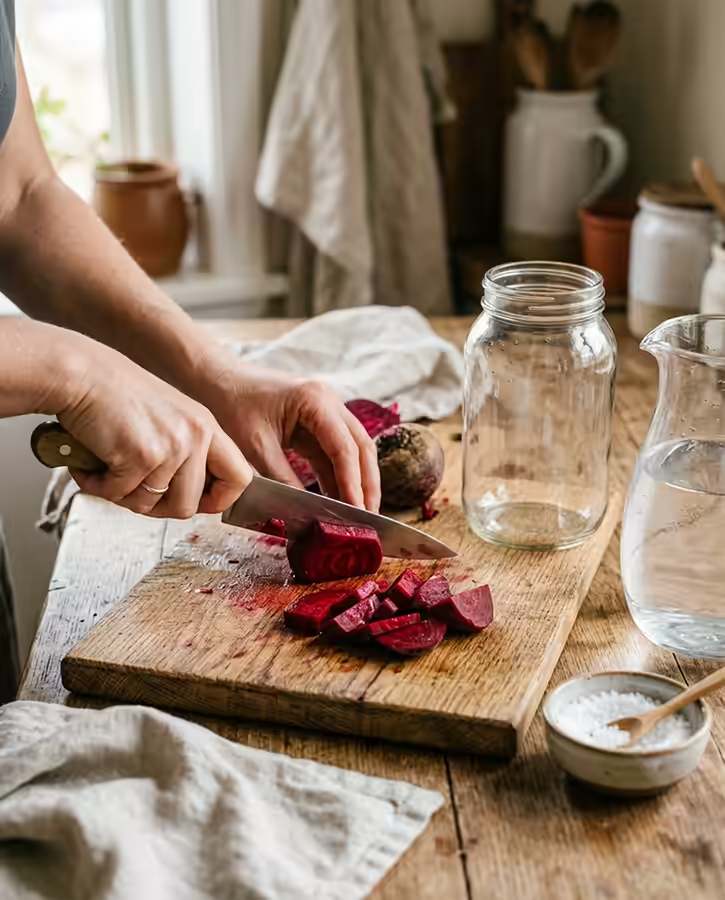
Below is a simple homemade recipe that’s a great place to start. It’s perfect both for those who want to try kvass as a drink and for those who plan to use it in borscht.
Ingredients:
- 2–3 medium-sized beets
- 1.5–2 liters of clean drinking water
- 1 tsp salt
- 1 tsp sugar (optional)
- 1 clove of garlic (optional)
Sugar isn’t necessary here, but some recipes call for a small amount to mellow the flavor and promote more active fermentation. If you want the most neutral and simple version of borscht, you can leave it out.
Step-by-step instructions for making beet kvass
Step 1. Prepare the beets
Wash the beets thoroughly under running water. If necessary, peel them with a knife or vegetable peeler. Remove any damaged parts.
Cut the beets into medium-sized pieces, cubes, or chunks. There’s no need to cut them too small: larger pieces work just as well for pickling, and they’re easier to remove from the jar later.
Step 2. Prepare the jar
Wash the jar thoroughly with hot water. It must be clean and free of any odors from detergents or previous preserves.
Place the beets in the jar so that they take up about a third of the volume, or slightly more. There’s no need to pack the jar all the way to the top: the drink needs room for the liquid and proper fermentation.
Step 3. Add the remaining ingredients
Add the salt. If using sugar, add a small amount. If desired, add a clove of garlic or a piece of rye breadcrumb if you’re making the version with a hint of bread.
Fill the container with clean water, but not all the way to the top. Leave a little space at the top, as bubbles and foam may form during fermentation.
Step 4. Cover and let it ferment
Do not seal the jar tightly at this stage. Cover it with several layers of cheesecloth, a clean cloth, or a lid that is not tightly screwed on.
Place the jar in a spot at room temperature, away from direct sunlight. The exact fermentation time depends on the conditions, but usually the first changes are noticeable after 1–2 days, and the kvass often develops its full flavor after 2–5 days.
Step 5. Watch the process
It is normal for the following to appear during fermentation:
- tiny bubbles
- a light foam on the surface
- a more pronounced sour smell
- a gradually deeper color of the liquid
You can gently check the drink once a day. If a film or foam forms on the surface, it can sometimes be skimmed off with a clean spoon. However, it’s important to distinguish between natural changes and signs of spoilage.
Step 6. Taste it
After a few days, taste a little of the liquid. The finished beet kvass should have a slightly sour, fresh, fermented beet flavor without any sharp, rotten, or musty odor.
If the flavor is still too mild, let it sit a little longer. If it’s already tart enough, strain the drink into a clean bottle or jar and refrigerate it.
Step 7. Strain and store
Strain the kvass through a sieve or cheesecloth. Then pour it into a clean container and store it in the refrigerator.
In the cold, fermentation slows down and the flavor stabilizes. You can chill the drink even further before serving. If you’ve prepared it for cooking, take out only the amount you need right before using it.
How long should beet kvass steep?
This is one of the most frequently asked questions. There’s no one-size-fits-all answer, because fermentation speed depends on temperature, the recipe’s ingredients, the amount of beets, and even the water.
The general logic is as follows:
- The process goes faster in a warmer room.
- If you add a little sugar or breadcrumbs, the flavor may develop more intensely.
- If you prefer a milder taste, you can strain the kvass earlier.
- If you want a more pronounced sour taste in your borscht, it is often left to simmer a little longer.
For most homemade recipes, the general guideline is 2–5 days. But the best way to tell if something is ready isn’t the calendar—it’s the taste, smell, and appearance.
How to tell when beet kvass is ready
The readiness of beet kvass is determined by a combination of factors:
- The liquid takes on a deep beetroot color.
- A distinctive sour aroma emerges.
- The taste becomes distinct, but not unpleasant.
- The drink shows no signs of spoilage.
- Fermentation becomes noticeable, but not overly vigorous.
If you’re making kvass for the first time, it’s best to taste a small amount of it every day. That way, you’ll be able to figure out at which stage the flavor suits your taste.
Tips for making beet kvass right the first time
Even a simple recipe can yield very different results. Here are some practical tips that really help.
Use clean water
The taste of the water directly affects the taste of the finished drink. If the water has an off-odor, this is often noticeable in the kvass as well.
If the tap water in your area is heavily chlorinated, it’s better to use filtered or boiled and cooled water for making kvass at home. This isn’t a strict rule that applies in every situation, but this approach often yields more consistent results.
Don’t fill the jar to the top
During fermentation, the contents of the jar come to life: bubbles form, and foam may rise to the surface. If the liquid is poured right to the brim, there is a risk that it will start to spill over.
It’s best to leave a little space at the top. It’s a small detail that saves you a lot of trouble.
Don’t jump to conclusions on the first day
The first few hours after preparation won’t show any results yet. The taste won’t turn sour right away, and a slight cloudiness or the appearance of bubbles later on is a normal part of the process.
Fermentation takes time. So don’t rush to add a lot of sugar or other ingredients just because it tastes too raw after a few hours.
Try it regularly
The best way to gauge progress at home is by tasting it. If you’re making beet kvass to drink, you might want to stop the process a little earlier. If you’re making it for borscht, you can wait until it becomes more tangy.
The same recipe yields slightly different results in different cuisines. That’s why tasting the drink in stages is the right approach.
Keep an eye on the temperature
A room that is too cold can slow down fermentation. Excessive heat is also undesirable, as it can make the flavor more harsh and the process itself less predictable.
Ideally, a cool room temperature without direct sunlight, near a radiator, and without sudden temperature fluctuations.
Common mistakes when cooking
Homemade beet kvass seems simple, but it is precisely because of this simplicity that it is easy to make basic mistakes. Let’s take a look at the most common ones.
A dirty jar or sloppy preparation
One of the main reasons for a poor result is that the glassware isn’t clean enough. If there are lingering odors, grease, or dirt in the jar, the drink may develop a strange aftertaste.
When it comes to fermented foods, cleanliness isn’t just a matter of striving for perfection—it’s a practical necessity.
Too much sugar
Sometimes you want to speed up the process or make the flavor milder, but too much sugar can throw off the balance. Then the beet kvass doesn’t turn out the way people usually expect.
It’s best to start with a minimal amount or skip the sugar altogether.
Sealing the jar
During active fermentation, the gases need to escape. If you screw the lid on too tightly right away, it can create excess pressure and disrupt the normal process.
Therefore, during the fermentation stage, the jar is covered but not sealed. However, after straining and transferring it to the refrigerator, the container can be sealed more tightly.
Over-retention
If you leave kvass sitting for too long, it can become too sour, sharp, or simply unpleasant to drink. For some people, this isn’t a problem, especially if they use it in borscht.
But if you plan to drink it chilled, you might not like the excessive acidity. Here, a simple rule applies: it’s better to start checking sooner rather than later.
Ignoring signs of spoilage
Sometimes people mistake any changes on the surface for signs of fermentation. In reality, it’s important to distinguish between natural signs of fermentation and product spoilage.
Normal fermentation produces a light foam, bubbles, and a slightly sour aroma. However, if mold, a sharp unpleasant odor, a slimy consistency, or other obvious signs of spoilage appear, such kvass should not be consumed.
Which symptoms are normal, and which are not
This is a particularly important step for those making beet kvass for the first time.
The following are most often considered normal:
- tiny bubbles
- light foam
- a slightly sour, but not sharply putrid, odor
- natural turbidity
- sediment after steeping
Warning signs:
- the appearance of fluffy mold
- a sharp, unpleasant odor reminiscent of rot or spoiled food
- a distinct slipperiness that doesn’t resemble the usual thickness of the drink
- suspicious color of the coating on the surface
- a taste that clearly indicates spoilage
If you have any doubts about safety, it’s better not to take the risk.
Variations on the beetroot kvass recipe
There are many variations of homemade beet kvass. This is convenient because you can choose a flavor that suits your kitchen and a specific dish.
Beet kvass without yeast
This is one of the most popular options. Most homemade recipes rely precisely on natural fermentation without adding baker’s yeast.
This approach appeals to those who prefer simple ingredients and a more traditional flavor. In this case, the key is high-quality beets, clean containers, and patience.
Beet kvass with garlic
A small amount of garlic adds a subtle spicy note. This variation is particularly suitable if the kvass is intended for borscht or for a savory daily meal.
Don’t use too much garlic, or it will overpower the beets.
Beet kvass with breadcrumbs
Some home cooks add a piece of rye cracker or dried bread. This can make the aroma more pronounced and bring the drink a little closer to the traditional idea of kvass.
But this is no longer a plain beetroot version—it’s a variation. If you want the purest possible beetroot base, you can leave out the breadcrumbs.
Beet kvass for borscht
This version is often made more concentrated and tart. In that case, the drink doesn’t necessarily have to be perfect on its own—the main thing is that it works well in the dish.
The following ingredients are particularly prized for borscht:
- rich color
- pleasant beetroot acid
- a clean taste without excessive sweetness
- no foreign odors
A mild version for drinking
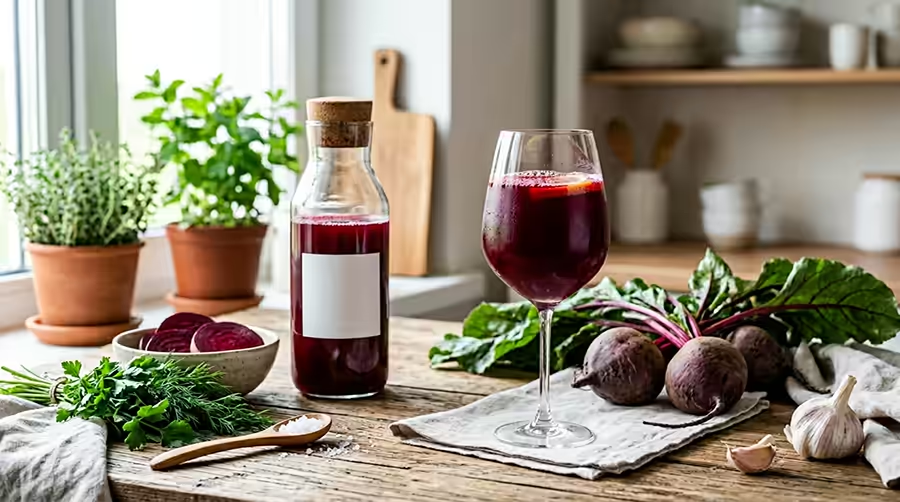
If you want to serve beet kvass as a beverage, aim for a milder flavor. Don’t let it ferment too long, chill it before serving, and start with small portions if this is your first time making it.
This will help you figure out if you like this particular type of drink.
Where to use beet kvass
One reason this recipe is so popular is its versatility. Beet kvass is beneficial not only as a standalone drink.
For borscht
This is probably its most well-known culinary use. Beet kvass is added to borscht to enhance the color, give the dish a deeper beet flavor, and add a pleasant tang.
This works especially well in recipes where you want to preserve the distinctive flavor of borscht without making it overly sweet.
For cold soups
This kvass can be a great addition to cold beet soups and summer dishes. It adds a refreshing tang and a natural beet flavor.
As a homemade drink
Chilled beet kvass is sometimes served as a simple homemade drink. In this case, it is important that the flavor be balanced and not too sharp.
For marinades and culinary experiments
Some people use it as an ingredient in vegetable marinades or as an acidic base in certain dishes. It all depends on your cooking habits, but in any case, the kvass should be of high quality and show no signs of spoilage.
The Benefits of Beet Kvass: What to Say
When it comes to fermented foods, there’s often a lot of hype surrounding them. That’s why it’s important to speak cautiously and avoid making medical claims.
It would be accurate to say that beet kvass is valued as a homemade fermented beverage and a culinary ingredient with a distinctive flavor. It is prepared at home for borscht, cold dishes, and everyday meals.
It’s also fair to say that this is a drink made from natural ingredients, provided you prepare it yourself and control the ingredients. However, you shouldn’t present it as a cure or claim that it has guaranteed medical benefits.
Disclaimer
Although the recipe for beet kvass is quite simple, there are a few important points to keep in mind.
- If a product shows signs of spoilage, do not consume it.
- If you’re not sure whether the ingredients or containers are clean, it’s best to start over.
- People with specific dietary restrictions should follow their own diet and a specialist’s recommendations.
- If this is your first time making beet kvass, it’s best to start with a small batch.
These tips are simple, but they really do help you avoid disappointment.
How to store beet kvass
Once the kvass has reached the desired flavor, strain it and store it in the refrigerator. It is the cold that helps slow down further fermentation.
The following are suitable for storage:
- clean glass jar
- bottle
- a container with a tight-fitting lid
When storing the product, pay attention to its smell, taste, and appearance. If anything seems off, it’s best not to use it.
Don’t make too much at once if you’re not sure how quickly you’ll use up the finished kvass in your kitchen.
Why beet kvass might not turn out right
Sometimes, even when following the recipe correctly, the result isn’t what you hoped for. The most common reasons are as follows:
- poor-quality or old beets
- dirty containers
- bad water
- a place that is too cold or too hot
- an improper balance of ingredients
- steeping for too long or too short a time
That’s normal. Home fermentation doesn’t always turn out the same way. If the taste isn’t perfect the first time around, it’s usually enough to adjust one or two things: use a different type of beet, reduce the fermentation time, use cleaner containers, or simplify the recipe.
Practical example: how to use beet kvass in borscht
Let’s say you’ve made a classic homemade borscht and want to deepen the flavor. In that case, don’t add a large amount of beet kvass all at once.
It’s better to proceed step by step:
- Cook the borscht until it is almost done.
- Add a small amount of kvass.
- Try this dish.
- Add a little more if needed.
This approach helps maintain the balance. If you add too much at once, the dish may become too sour.
Frequently Asked Questions
How do you make beet kvass at home?
Prepare the beets, place them in a clean jar, cover with water, add salt, a little sugar, or garlic to taste, cover the jar, and let it ferment for a few days. Then taste the kvass, strain it, and store it in the refrigerator.
Do you need yeast to make beet kvass?
Many homemade recipes do not require yeast. Beet kvass is often made through natural fermentation without baker’s yeast.
How many days does beet kvass ferment?
It usually takes 2–5 days, but the exact time depends on the temperature, the recipe, and the desired flavor. The best way to check if it’s ready is by taste and smell.
Is beet kvass made from raw or cooked beets?
Most often, it’s made with raw beets. This is the most common version in home recipes.
Why is beet kvass cloudy?
A slight cloudiness during or after fermentation may be normal. A natural sediment may also form. However, if the cloudiness is accompanied by an unpleasant odor or other suspicious signs, it is best not to consume the product.
Why is beetroot kvass too sour?
Most often, the reason is that it was left to ferment too long. Another possibility is that it was kept in a place that was too warm, causing the fermentation to proceed more quickly.
Is it possible to make beet kvass without sugar?
Yes, you can. Many homemade versions are prepared exactly this way. Sugar is just an optional ingredient in some recipes.
How should beetroot kvass be stored after preparation?
After straining, store it in the refrigerator in a clean, sealed container. While storing it, be sure to check the smell, taste, and condition of the beverage.
Is beet kvass suitable for borscht?
Yes, this is one of the most common ways to use it. It adds a tangy flavor and depth to borscht and helps enhance the beetroot color.
When should beet kvass be poured out?
If mold, a strong unpleasant odor, a strange coating, a slimy texture, or other obvious signs of spoilage are present, do not use the product.
Conclusion
Making beet kvass at home isn’t a complicated process—it’s more about paying close attention to the details. It doesn’t require expensive ingredients, but it does need a clean environment, a steady temperature, and a little patience.
It’s best to start with a simple recipe: beets, water, a pinch of salt, and, if desired, just a few additional ingredients. This way, you’ll get a sense of kvass’s natural flavor and can decide which version you prefer—a milder one for drinking or a richer one for borscht.
In short, the main rules are very simple: use high-quality beets, use a clean jar, don’t seal it tightly during fermentation, taste the drink regularly, and don’t ignore signs of spoilage. With this approach, homemade beet kvass becomes a reliable and practical addition to your daily menu.