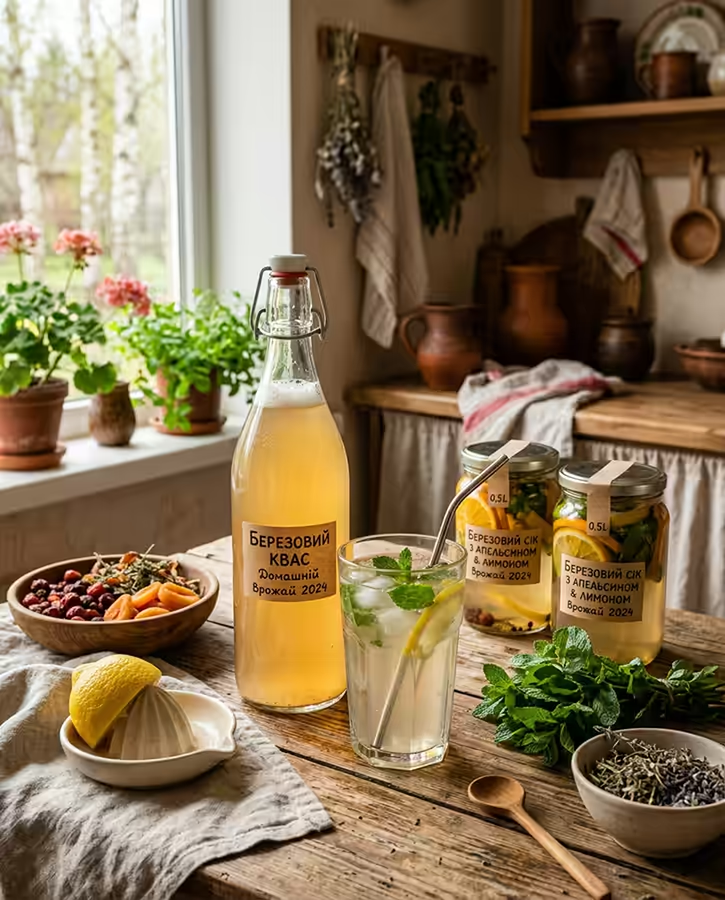
Birch sap is one of the oldest natural beverages, enjoyed by Ukrainians since ancient times. This clear, slightly sweet liquid, which birch trees produce every spring, is considered a true natural treasure. In this article, you’ll learn when and how to collect birch sap without harming the tree, the benefits of “raw” freshly collected sap, what delicious drinks you can make with it, and you’ll also get practical tips and answers to the most common questions.
Content
What is birch sap and how is it produced?
Birch sap is a clear, slightly sweet liquid that forms inside the trunk of a birch tree in early spring. It rises from the roots to the branches under natural pressure. After winter dormancy, the tree “wakes up” and begins actively pumping water—rich in dissolved nutrients—upward to nourish the buds, support leaf growth, and kickstart vital life processes.
People often referred to this drink as “birch sap.” It was consumed fresh and used to make kvass, syrups, homemade beverages, and even light fermented drinks. Today, birch sap has regained popularity among those who appreciate natural products, seasonal eating, and traditional wellness practices.
When to collect birch sap
Choosing the right time to harvest is just as important as making the cut correctly. Most often, sap collection begins in the second half of March and continues until early or mid-April, depending on the weather and region. You should look for signs of the ground thawing, warmer daytime temperatures, and buds beginning to swell.
The harvesting season is usually short—about 2 to 5 weeks. Once the leaves begin to unfurl actively, the juice loses its delicacy, may become less pleasant to the taste, and no longer has the freshness for which it is prized.
To check if sap is flowing, you can make a small, careful puncture with an awl or a thin tool. If droplets appear on the surface, it’s time to harvest. If no sap is flowing, you should wait a few more days.
How to properly harvest birch sap
Tapping birch trees requires care. If you go about it carelessly, you can severely weaken the tree or even make it susceptible to disease. That is why the tapping process must be done carefully and thoughtfully.
Which tree should I choose?
Only mature, healthy birch trees with sturdy trunks are suitable for tapping. Do not collect sap from young trees, thin birch saplings, or trees with damaged bark. The trunk should be at least 25–30 cm in diameter.
It is best to choose a tree with a well-developed crown. Such birch trees are usually stronger, tolerate pruning better, and can produce high-quality sap. It is believed that sap from more mature trees is often sweeter and has a richer flavor.
It is also not advisable to tap the same tree for sap every year. Birch trees need time to recover.
What you need to bring
To collect safely, you will need:
- A drill, a small-diameter drill bit, or a sharp knife.
- A straw, a small channel, or a silicone tube.
- A glass jar, bottle, or food container.
- Cheesecloth or a strainer.
- A wooden plug, garden wax, wax, clay, or moss to seal the hole after harvesting.
Step-by-step instructions
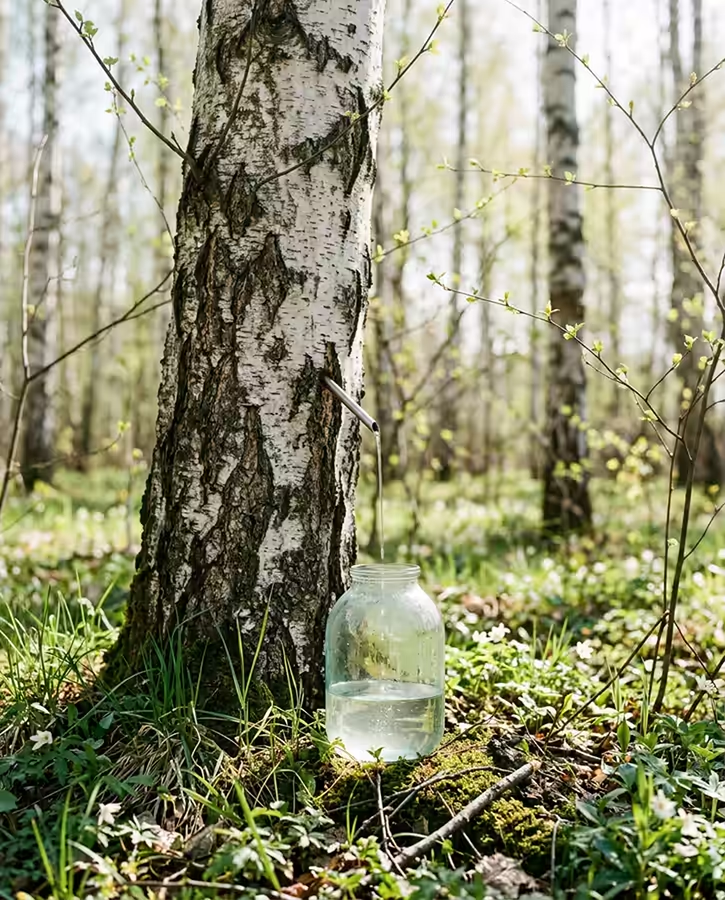
- Choose a spot on the trunk about a meter above the ground.
- Make a small hole 2–3 cm deep, preferably at a slight angle from bottom to top.
- Insert a tube or a channel into the hole.
- Place a container under the spout to catch the juice.
- Cover the container with cheesecloth to keep insects and debris out.
- Check the amount of juice collected throughout the day.
- Be sure to close the opening once you have finished collecting.
It is very important not to make too many holes in a single tree. For most birch trees, a single neat cut or hole is sufficient. The less damage the tree sustains, the better it will recover.
How much juice can you take?
There’s no need to try to collect as much as possible. If the tree is of average size, it’s best to limit yourself to 1–2 liters a day. Sometimes more sap is collected from large, sturdy birch trees, but excessive sap collection weakens the plant.
The main rule is simple: take only as much as you need without causing harm. The birch tree uses this sap to develop its buds, leaves, and all its spring growth processes.
Why should the hole be closed?
Once the hole has been drilled, do not leave it open. Bacteria, fungi, moisture, and pests can enter through it. This increases the risk of rot and disease in the tree.
The easiest way is to plug the hole with a wooden plug. People also use garden pitch, wax, clay, or natural moss. It may seem like a small detail, but it’s actually an essential part of proper harvesting.
Composition and Calorie Content of Birch Sap
Birch sap is valued not only for its taste but also for its very simple, natural composition. It is a low-calorie beverage that contains less sugar than many fruit juices, yet is rich in essential micronutrients and bioactive compounds.
Birch sap may contain:
- Glucose, fructose, and sucrose in small amounts.
- Potassium, calcium, magnesium, manganese, zinc.
- Organic acids.
- Amino acids.
- Phytoncides.
- Polyphenolic compounds.
- Vitamin C.
- Other natural elements characteristic of the spring sap flow.
Birch sap is very low in calories—about 3–4 kcal per 100 ml. That is why it is often seen as a light seasonal drink that refreshes, cleanses, and gently supports the body after winter.
It has a delicate, slightly sweet, very mellow flavor, sometimes with a faint hint of wood or forest. Fresh juice is clear, light, and has almost no overpowering aroma. If left unrefrigerated, it begins to ferment after a while and takes on a slightly sour taste.
The Benefits of Raw Birch Sap
Fresh, “raw” birch sap—that is, sap that has not been boiled, pasteurized, or stored for too long—is the most valuable. It is in this form that it retains the maximum amount of natural substances.
Post-winter care
After the cold season, the body often feels tired, lacks fresh produce, and experiences a drop in energy and overall vitality. At this time, birch sap is seen as a light, natural seasonal drink that is refreshing and helps restore a sense of vitality.
It is often consumed in the spring as part of a simple at-home recovery routine: more fresh air, seasonal foods, plenty of water, and light, natural beverages.
Gentle detoxification
Birch sap is traditionally considered a beverage that supports the body’s natural cleansing processes. It has a mild diuretic effect, which is why it is often consumed in the spring as part of a light seasonal diet.
This drink can help maintain hydration and support the proper functioning of the excretory system. That is why it is often included in spring wellness routines.
Benefits for the skin
Thanks to its content of antioxidants, minerals, and vitamin C, birch sap is often mentioned in the context of skincare. It can be beneficial as part of a hydration regimen and is also sometimes used in homemade beauty treatments.
The skin is highly sensitive to hydration levels, nutrition, and overall health. When a person drinks enough water, gets a good night’s sleep, and includes light, natural beverages in their diet, this often has a positive effect on their appearance.
Hair Care
Birch sap is often associated with traditional hair care. It was used not only internally but also externally—as a rinse. It was believed to help make hair shinier, lighter, and fresher.
Of course, juice alone isn’t a magic cure, but as part of a healthy lifestyle, it can be beneficial—especially when combined with good sleep, a balanced diet, stress management, and proper micronutrient balance.
For overall well-being
Birch sap is, above all, a light, natural drink that’s great for quenching your thirst. It’s often chosen by people who want to swap sugary sodas for something natural.
It’s easy on the stomach, goes down smoothly, and is perfect for times when you’re craving something refreshing, simple, and seasonal. It’s especially enjoyable when chilled.
How and how much birch sap to drink
It’s best to drink fresh birch sap in the morning. Many people like to drink it in the morning or between meals. That’s when it tastes especially light and refreshing.
For an adult, 1–3 glasses a day is usually enough. There’s no need to drink it by the liter just because the season is short. Excess isn’t always beneficial, especially when it comes to natural products.
Birch sap should be given to children with caution and in small amounts. If there is a tendency toward allergies or individual sensitivity, start with a very small amount.
It is not recommended to drink it at night, especially in large quantities, due to its mild diuretic effect.
Possible side effects and contraindications
Despite being a natural product, birch sap is not suitable for everyone. Like any natural product, it can cause adverse reactions in some people.
Caution is advised in the following situations:
- Allergy to birch pollen.
- Individual intolerance.
- Certain kidney or liver diseases.
- A condition in which a doctor recommends limiting fluid intake or monitoring trace elements.
- Exercise caution if you have diabetes due to the natural sugar content.
- Caution with young children.
If you have a chronic condition or are undergoing medical treatment, it is best to consult your doctor before regularly consuming birch sap. This is especially true for pregnant women, young children, people with allergies, and those with metabolic disorders.
How to store birch sap
Fresh birch sap spoils very quickly. This is one of its main drawbacks. Without refrigeration, it begins to lose its freshness almost immediately and then starts to ferment naturally.
Main storage methods
- In the refrigerator — 2–3 days.
- When pasteurized and stored in jars, it lasts for several months.
- In the freezer — up to several months.
- As kvass or a fermented beverage—depending on the recipe and conditions.
For short-term storage, clean glass containers are best. Strain the juice, seal the container, and place it in the refrigerator. If you don’t plan to drink it right away, it’s best to use some of it immediately for recipes or canning.
Freezing is also a good option. You can pour the juice into small containers or even ice cube trays. That way, it’s easy to use in single servings.
Recipes with birch sap
Below is a collection of detailed recipes with descriptions of their flavors. They can be used for home cooking, as well as for seasonal articles, blogs, or culinary collections.
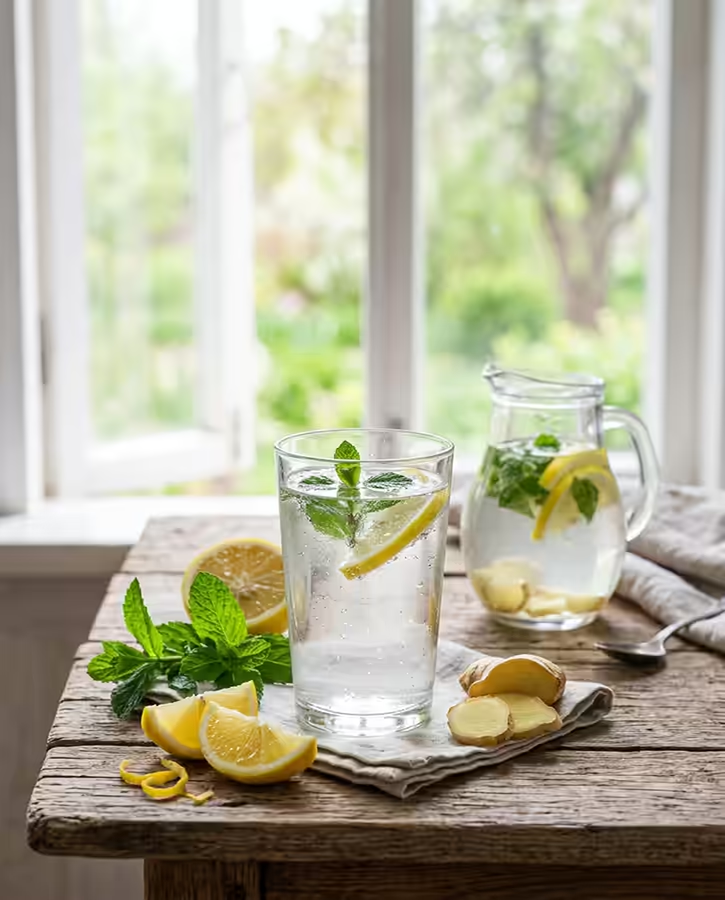
1. Raw birch sap with lemon and ginger
This is a simple option for those who want to preserve as much of the natural flavor as possible. The drink isn’t boiled, so it has a very fresh character and a lively taste.
Ingredients:
- 1 liter of fresh birch sap
- 3–4 cm of ginger root
- 1 tablespoon of lemon juice
- 1 teaspoon of honey (optional)
Preparation:
- Strain the fresh birch sap through cheesecloth.
- Peel the ginger and grate it or chop it very finely.
- Add the ginger to the juice.
- Pour in the lemon juice.
- If desired, add honey and stir.
- Refrigerate for 1–2 hours.
- Serve well chilled.
Taste:
The drink is very refreshing, light, and invigorating. The base is smooth and slightly sweet, the lemon adds a bright tang, and the ginger provides a pleasant, warm spiciness. It’s a great choice for the morning or after lunch.
2. Birch kvass with raisins and black bread
This is a classic home method for using birch sap. The result is a naturally fermented drink with a distinctive character.
Ingredients:
- 2.5 liters of birch sap
- 100 g of raisins
- 0.5 cups of sugar
- 2–3 slices of rye bread
Preparation:
- Strain the juice and pour it into a large jar.
- Add the sugar, raisins, and bread crusts.
- Cover the jar with cheesecloth or use a fermentation glove.
- Leave it at room temperature for 2–3 days.
- Once the drink starts to fizz, strain it.
- Pour into bottles.
- Let it chill in the refrigerator for another 1–2 days.
Taste:
The kvass is refreshing, slightly tart, with a subtle sweetness and a light fizz. The bread adds depth and a distinctive homemade aroma. It’s a flavor that evokes traditional cuisine and warm days.
3. Canned birch sap with orange
This recipe is perfect for making a batch that will last several months. The citrus adds a more distinct flavor, and the drink itself will feel familiar to those who enjoy fruit compotes and homemade preserves.
Ingredients:
- 5 liters of birch sap
- 1 orange
- 1 cup of sugar
- 3 tablespoons of lemon juice or a little citric acid
Preparation:
- Strain the birch sap.
- Wash the orange thoroughly and slice it into rounds.
- Place the orange slices in sterilized jars.
- Pour the juice into a saucepan, then add the sugar and lemon juice.
- Bring to a near boil or bring to a brief boil.
- Pour the hot juice into jars immediately.
- Roll it up, turn it over, and wrap it tightly until it has cooled completely.
Taste:
The flavor is delicate and sweet, with a subtle citrus note. The orange brightens the aroma without overpowering the base. The drink is light, comforting, and perfect for the colder months.
4. Birch kvass with dried fruit
This is a richer version of the homemade drink. It has a deeper flavor and is perfect for those who prefer not just refreshing, but more robust fermented beverages.
Ingredients:
- 10 liters of birch sap
- 300 g dried fruit
- 3 tablespoons of raisins
Preparation:
- Strain the juice and pour it into a large, clean container.
- Rinse the dried fruit thoroughly.
- Add the dried fruit and raisins to the juice.
- Cover the container with cheesecloth.
- Leave it in a dark place at room temperature for 5–7 days.
- Check the aroma and taste every day.
- Once it develops a pleasant tartness, strain it and pour it into bottles.
- Store in a cool place.
Taste:
This drink has a richer aroma and a more mature character. If you use dried apples and pears, the flavor will be mellow, fruity, and warm. If you add prunes, deeper, darker, and even slightly smoky notes will emerge.
5. Birch sap and mint lemonade
This recipe is perfect for the summer season. It’s simple, delicious, and even appeals to those who haven’t been interested in birch sap before.
Ingredients:
- 7 liters of birch sap
- 3–4 sprigs of mint
- 100–150 g sugar
- a little citric acid or lemon juice
Preparation:
- Strain the juice.
- Pour it into a saucepan.
- Add sugar, mint, and a little acid.
- Heat until hot or bring to a brief boil.
- Pour into sterilized jars or bottles.
- Cover and let cool.
Taste:
The taste is light and refreshing, with a cool minty note. It’s the perfect drink for hot weather. It’s reminiscent of homemade lemonade, but with a more delicate and natural flavor profile.
6. Birch sap with barberry
This is a great option for those who love the familiar flavors of their childhood. The drink takes on a pleasant sweet-and-sour flavor and a brighter color or aroma, depending on the ingredient added.
Ingredients:
- 3 liters of birch sap
- 2–3 barberry candies
- 250 g sugar
- a little citric acid
- 2 slices of lemon or orange (optional)
Preparation:
- Place the candies and citrus fruit at the bottom of a sterilized jar.
- Heat the juice, then add the sugar and citric acid.
- Stir well until dissolved.
- Pour the hot juice into the jar.
- Roll it up, flip it over, and wrap it up.
Taste:
The drink has a sweet-and-sour taste, with a slightly “candy-like” flavor—but in a good way. It’s an interesting homemade option that’s especially popular with those who enjoy unique flavors.
More ideas for what to make with birch sap
In addition to traditional recipes, birch sap can be used in a variety of other ways:
- As a base for homemade smoothies.
- For making jelly.
- For light marinades.
- In spring drinks with berries.
- For ice in your drink.
- As a base for homemade syrup.
- For fermented seasonal beverages.
Its appeal lies in its delicate flavor. That’s why birch sap pairs well with lemon, orange, mint, ginger, dried fruit, honey, and even spices.
Practical Tips
- Collect sap only in clean areas, away from roads and industrial zones.
- Do not use dirty containers or questionable plastic containers.
- Always strain the juice after collecting it.
- Don’t leave fresh juice in a warm place for too long.
- If you notice a sour smell, the juice has already started to ferment.
- For raw consumption, use only the freshest juice.
- Don’t drill large holes in the wood.
- Do not break branches or peel off the bark.
- Always close the opening after collection.
- Don’t try to pick too many from a single tree.
- If you have any doubts about the quality of the juice, it’s best not to drink it raw.
- For children and people with allergies, introduce the product gradually.
Frequently Asked Questions
Is it okay to drink birch sap every day?
Yes, during the season, you can drink it every day in moderation. The main thing is not to overdo it and to pay attention to how you feel.
Is raw birch sap actually beneficial?
Yes, fresh raw juice is considered the most nutritious because it retains the maximum amount of natural nutrients. However, it should only be consumed when fresh and properly harvested.
How long does fresh birch sap last?
It usually lasts 2–3 days in the refrigerator. After that, it starts to change flavor and gradually ferment.
Can birch sap be frozen?
Yes, this is one of the best ways to keep it fresh longer. It’s best to freeze it in portions.
Is it okay to give birch sap to children?
Yes, but with caution, in small portions, and only if there are no allergies or other contraindications.
Can pregnant women drink birch sap?
In small amounts, this is sometimes acceptable, but it’s best to consult your doctor first.
Is it suitable for people with diabetes?
Because of the natural sugars, caution is advised. In this case, it’s best to consult your doctor before consuming it.
What is the difference between fresh juice and canned juice?
Fresh produce is softer, more vibrant, and has a more delicate flavor. Canned produce lasts longer, but loses some of its freshness and some of the heat-sensitive components.
How can you tell if juice has gone bad?
A sour smell, cloudiness, sediment, fermentation, or a sharp taste may develop. It is best not to drink this juice raw.
Can you buy good birch sap at the store?
Yes, but you need to read the ingredients carefully. The shorter and simpler the list, the better.
Conclusion
Birch sap is a seasonal natural beverage prized for its lightness, freshness, mild flavor, and traditional spring benefits. If harvested properly, treated with care, and consumed in moderation, it can be a wonderful addition to your spring diet.
Fresh birch sap is best enjoyed straight, but for longer storage, it can be turned into kvass, lemonade, or homemade preserves. The key is to remember that the true value of birch sap lies not only in its composition, but also in its seasonality, freshness, and the proper method of harvesting.