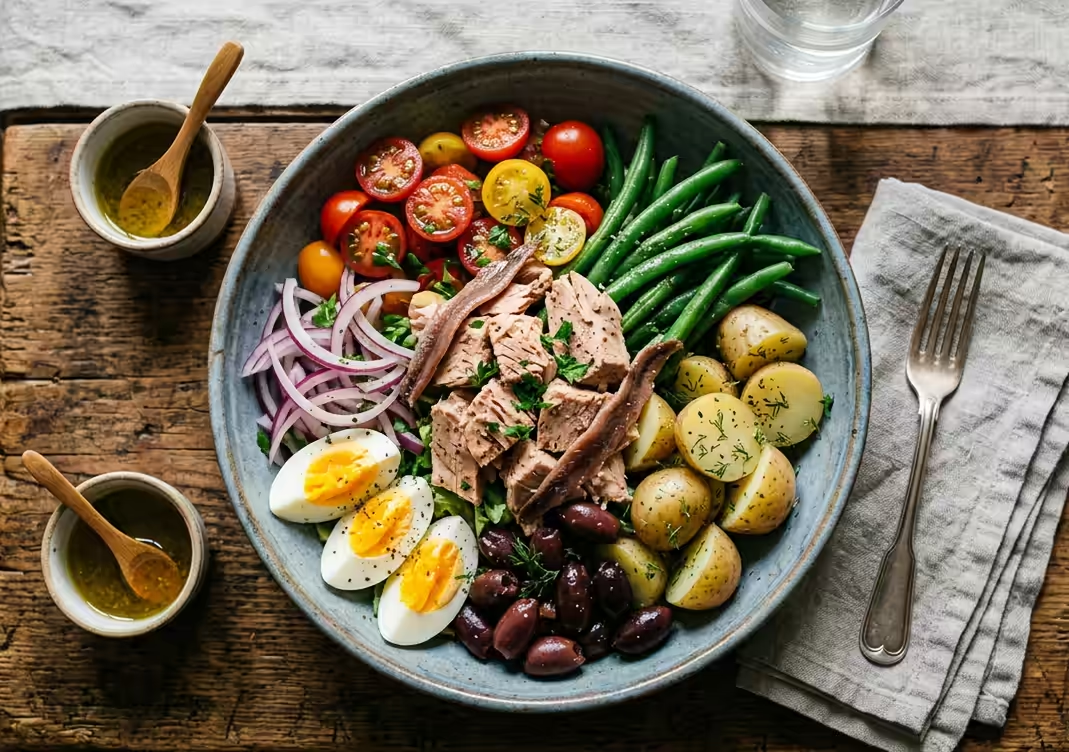
What is Niçoise salad?
Niçoise salad is a famous French dish that originates from the city of Nice on the French Riviera. Its main idea is based on the use of fresh vegetables, olive oil, eggs, and fish dressed lightly with olive oil. In the world, Niçoise salad is most commonly made with tuna, eggs, tomatoes, green beans, potatoes, and olives, although you can also find the “authentic” composition of this dish prepared seriously.
Content
Traditional Niçoise versions were definitely simpler: the base consisted of tomatoes, anchovies, and olive oil, and over time they began to include other mainly raw vegetables. Currently, two popular approaches to this dish exist. The first is maximally close to the Niçoise tradition with seasonal vegetables like tomatoes, anchovies, or tuna, eggs, black olives, and olive oil. The second is a modern ‘restaurant’ or home version that is well-known to most people: with potatoes, green beans, tuna, eggs, tomatoes, lettuce leaves, and classic vinaigrette dressing.
For a home menu, the most advisable is to prepare the modern version, as it combines freshness, balance, and a clearer taste. At the same time, knowing about the authentic composition of the dish is essential if you want to serve the dish in a French style or explain to readers why there are different recipes of the same dish.
To put it simply, Niçoise salad is a dish where the complexity is not very important, but the quality of certain products is. Ripe tomatoes, good tuna, fresh eggs, crisp green beans, quality olive oil, and properly assembled presentation make this salad truly restaurant-worthy.
Ingredients for Niçoise salad
For a large domestic portion for 4 people, it is convenient to take the following products: 500–700 g of finely chopped potatoes, 200–300 g of green cabbage, 4 eggs, 200–250 g of tuna, 250–300 g of tomatoes, 1 small red onion or a bunch of green onions, 80–100 g of black olives, 1 small can of salad or 120–150 g of salad mix. This combination suits a modern home recipe, where potatoes, cabbage, eggs, tuna, tomatoes, and greens form a substantial base dish, rather than just a light snack.
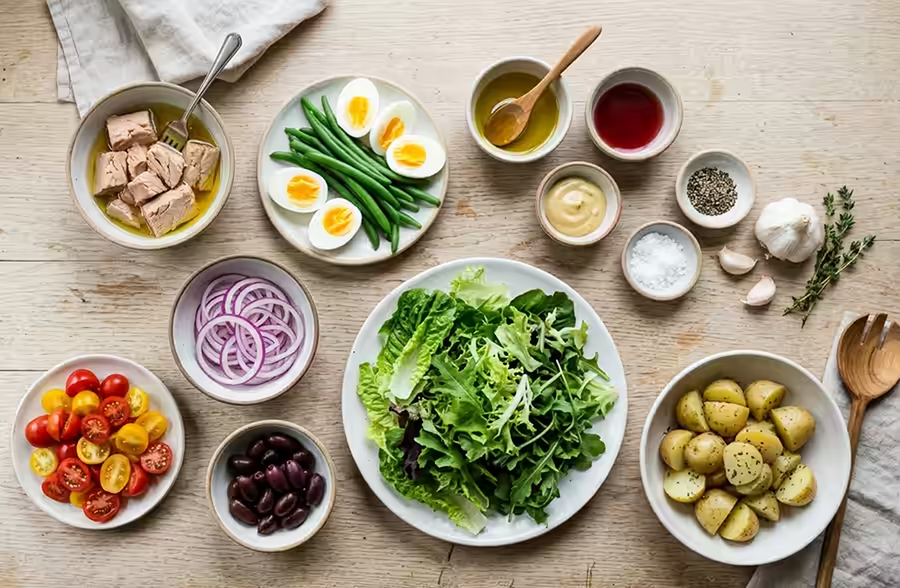
For the dressing, the most commonly used ingredients are olive oil, vinegar, salt, pepper, mustard, garlic, and basil. You can choose as simple a version as just olive oil, or a brighter vinaigrette with additional aromatic ingredients.
Below is a convenient set of ingredients for a homemade tuna salad that can be easily recreated without rare products.
Ingredients
- Finely chopped potatoes – 600 g
- Green cabbage – 250 g
- Eggs – 4 pcs.
- Canned tuna in own juice or oil – 2 small cans, approximately 220–250 g without liquid
- Tomatoes, cherry or regular, standard – 250–300 g
- Salad leaves, romaine, Boston or mixed – 1 large bunch
- Red onion – 1 small or 4–5 green onions
- Black olives – 80–100 g
- Capers – 4–6 pieces, to taste
- For garnish
Olive oil extra virgin – 5–6 tbsp.
- Red wine vinegar or white wine vinegar – 1.5–2 tbsp.
- Dijon mustard – 1 tsp., to taste
- Garlic – 1 small clove
- Basil or parsley – 1–2 tbsp. of finely chopped greens
- Salt and black pepper – to taste
- To ensure the salad turns out really tasty, pay special attention to the three ingredients: tomatoes, tuna, and olive oil. These will form the base of the flavor, so it is better not to economize on these specific items.
To make the salad really tasty, pay special attention to three ingredients: tomatoes, tuna and olive oil. They form the basis of taste, so it is better not to save on the whole list of products, but on these positions.
If you have the opportunity, take a small plate with thin skin, a thin green kvass, sweet tomatoes, and good black olives. Such ingredients provide a pure, fresh taste, and therefore a simple dressing works better than “heavier” sauces.
Below is a brief comparison between two popular approaches to the dish.
| Version | What’s included |
|---|---|
| Authentic salad | Tomatoes, olive oil, anchovies or tuna, eggs, black olives, and other mainly raw vegetables |
| Modern homemade salad | Tuna, eggs, potato, green kvass, tomatoes, lettuce leaves, onion, olives, and some nut dressing |
Packaged recipe
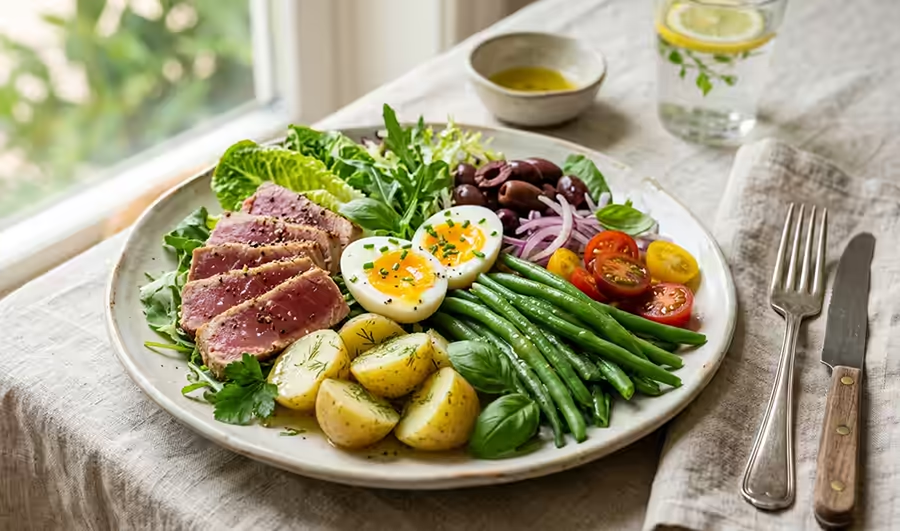
Below is a detailed, balanced, and very convenient recipe for tuna salad for homemade preparation. It is not a strict rule, but rather the variant that most families prefer, it looks good in the photo and works well for lunch and dinner.
Step 1. Prepare the plate
Wash the plate, if necessary cut large bulbs into smaller pieces, and drain in a colander to avoid excess water, but not to the dry state. The plate should be smaller, but still retain its shape in the salad.
After draining the water, discard the plate. If you want a richer taste, you can mix it while warm with a spoonful of olive oil, a small amount of salt and a little dressing — such a plate better retains aroma.
Step 2. Drain the green kvass
Trim the ends of the kvass, immerse it in a cup of cold water or in a bowl with ice. Usually, allow 5-7 minutes.
In time, translate kvass into very cold water or in a bowl with ice. This simple step helps retain the beautiful green tint so that the salad looks more appetizing and professional.
Step 3. Boil the eggs
Boil the eggs in the pot of water for about 9–10 minutes. After this, cool them in cold water so that they clean more easily.
Peeled eggs can be sliced or quartered. For presentation, quarters look more effective, while halves are better if you want to make a salad more ‘homemade’.
Step 4. Prepare the vegetables
Cut the salad leaves and politely discuss, slice the tomatoes into halves or large strips, and the cucumber into thin rounds. The freshness of the vegetables is key here, thus the moisture in the leaves or under ripe tomatoes can significantly ruin the result.
Leave the olives whole or cut them in halves. If you’re using anchovies, drain them from the jar beforehand and give extra oil so that the salad isn’t too salty and oily.
Step 5. Prepare the tuna
If you have canned tuna, simply drain the liquid and break the fish into large chunks. If you want a more gourmet presentation, you can take fresh tuna and quickly sear it on high heat, but for most home kitchens, canned versions will be more practical and stable in results.
Step 6. Make the dressing
In a small bowl, mix the vinegar, salt, pepper, mustard, finely chopped or very finely grated garlic, then gradually mix in the olive oil and good whisk into the mixture. If desired, add finely chopped basil or parsley.
Try the dressing on a piece of the salad to see how it combines. It should be bright, but not overpowering: when there is the carrot, egg and tuna, three larger types generally work better than any minced.
Step 7. Assemble the salad
On a large plate or in a wide bowl, place the salad leaves, top with chopped carrots, cucumbers, tomatoes, onions, olives, eggs and tuna. It looks best when every ingredient is visible separately.
Pour some of the dressing over the dish before serving, while keeping the rest separate. If you mix the whole salad too soon, the leaves may lose their structure, and the tomatoes will give a lot of juice, making it better to assemble the dish right before serving.
Step 8. Add the flavor
Before serving, mix a tablespoon of the sauce with diced vegetables, croutons, and tomato separately with the dressing. If something is missing, usually just add some ground pepper, a few capers, or three black peppercorns.
Brief sequence of actions
- Drain the vegetables to the softness.
- Drain the green bell pepper for 5–7 minutes and quickly cool.
- Boil the eggs for 9–10 minutes and clean them.
- Prepare the salad leaves, tomatoes, onions, and olives.
- Take the tuna in a jar, and if desired, prepare the anchovies.
- Mix the dressing with olive oil, vinegar, salt, pepper, garlic, and mustard.
- Beautifully arrange all ingredients on the plate and pour some sauce.
This salad variant has a bright, rich, and photogenic appearance. It’s also very convenient for blogging, as it allows for a variety of appetizing textures on a single plate: juicy tomatoes, tender lettuce, crunchy bell pepper, soft eggs, and pieces of tuna.
Variants, substitutions, and suggestions
Niçoise salad — is one of those dishes where instead of using a recipe, create different presentation styles. It’s especially popular in home kitchens: ingredients can be easily adapted depending on the season, budget, or personal taste.
What variant of Niçoise salad exists
The oldest and most important variant is the choice between authentic and contemporary formats. Authentic Nicoise is heavy on raw vegetables, tomatoes, olives, eggs, anchovies, or tuna and simply olive oil dressing, while a more modern variant usually includes lettuce and green bell pepper.
You can also use recipes with capers, cucumbers, radishes, artichokes, sweet peppers, fennel, and various types of greens. Some make a salad with salmon, shrimp, nuts, or sometimes serve it in a salad leaf as a light snack.
How else can you replace
| Ingredient | How to substitute |
|---|---|
| Tuna | Anchovies for a more traditional flavor or salmon in a modern interpretation |
| Nicoise olives | Regular black olives or Kalamata |
| Green bell pepper | Young garlic, beans, edamame, or simply add greens |
| Artichokes or beans | Cucumber, radishes, or additional tomatoes |
| Red onion | Green onion, shallot or thinly sliced sweet onion |
| Salad leaves | Roma, Boston, Bibb or mixed salad leaves |
| Red wine vinegar | White wine vinegar or milder homemade vinegar |
For Ukrainian cuisine, such adaptation is very convenient: sliced in the salad bowl, finely chopped young carrots, chopped radish, tomato, black olives, and a light mustard dressing. This is not a strict culinary canon, but it is really tasty, accessible, and easy without extra hassle.
Helpful tips to make the salad look appealing from the start
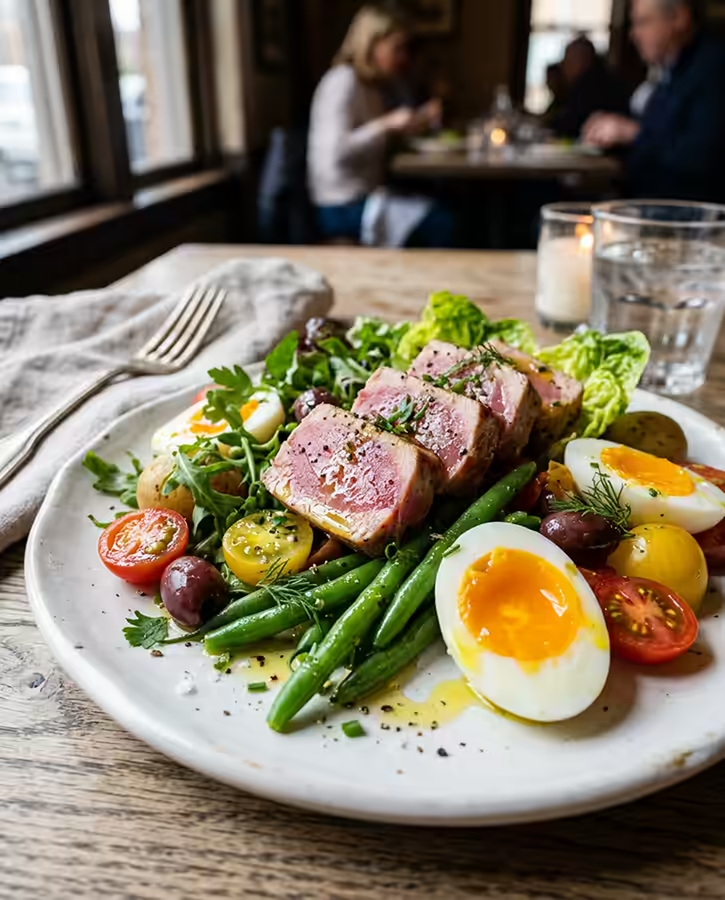
- Do not overmix the carrots, otherwise they will break during the assembling of the salad.
- Do not keep the radish in oil for too long, as it can lose colors and becomes mushy.
- If the eggs chill after boiling, they will be easier to clean.
- Use a portion of tomatoes, as they naturally form more of the fresh taste.
- Do not pour the entire dressing at once, especially when preparing the salad beforehand.
- Serve the ingredients separately in sections if you want a beautiful restaurant presentation for photos or for guests.
- Pay attention to the salt, because the sliced carrots, anchos, olives, and capers can already give enough saltiness.
- For a better taste, serve the greens and the vinegar separately before mixing, so the salad leaves do not wilt too early.
How to serve the Niçoise salad
Niçoise salad can be served as a standalone dish for lunch or a light dinner, as it already contains protein, vegetables, and a decent grain base. For family serving, use a wide flat plate instead of a deep bowl. This way, the color and structure of each ingredient will be well visible.
For a more festive presentation, you can decorate the salad with whole anchos, some basil leaves, capers or additional peppered croutons. And if you prepare a salad for photos, arrange the ingredients in sections — this is the most visually appealing variant.
Can you prepare beforehand
So, most components can be prepared in advance: prepare the tart, vinaigrette, and eggs, make the dressing, arrange the vegetables, and store everything separately in the refrigerator. It’s best to dress the salad closer to serving time to maintain freshness and structure.
For food blogging, this is a very convenient recipe, as it is also easy to shoot step by step. You can photograph the ingredients separately, the process of layering, the final dish, and each shot will look appetizing.
FAQ
Is the salad always made with tuna?
No, not always. There are variations with beans, and there are also recipes where the main focus is on tomatoes, olives, eggs, and fresh vegetables.
Should anchovies be added to the tart?
No, the tart does not need anchovies for the authentic variant. But in modern homemade recipes, they are often added, which is why it makes the salad more salty.
Is green celery necessary?
In modern salad recipes, green celery has become almost standard as it adds freshness, color, and texture. However, if you prefer a simpler or traditional version, it can be omitted.
Which tuna is better to use?
For a homemade recipe, the best choice is a quality canned tuna. It’s better to opt for tuna in its own juice or a good tuna in olive oil if you prefer a richer taste.
Which olives are best to use?
Ideally – small black olives, but in home conditions, you can also use larger black olives or Kalamata. The main thing is that they should be good quality and not overly watery.
Can I make a tuna salad without anchovies?
Yes, it is possible. Many modern versions are made only with tuna, without anchovies.
What dressing to choose?
If you want something light and closer to the classic taste, use olive oil, salt, freshly chopped garlic, and herbs. If you prefer something more vibrant and restaurant-style, choose wine vinegar, olive oil, and a small amount of mustard.
Can cucumber, radish, or capers be added?
Yes, these are very popular additions. They make the salad even fresher, crunchy, and interesting in taste.
Can salad be served warm?
Most often, salad is served cold or at room temperature. Even in today’s home versions, warm toppings or pre-prepared components can also be appropriate if you assemble the salad just before serving.
How long can salad be stored?
The best flavor it has on the day of preparation. If you prepare in advance, keep the ingredients separate and combine them with the dressing just before serving.
Why is salad so popular?
This is because it is simultaneously light, fresh, bright, and very adaptable in preparation. It’s easy to adjust to different flavors, but it always looks appealing.