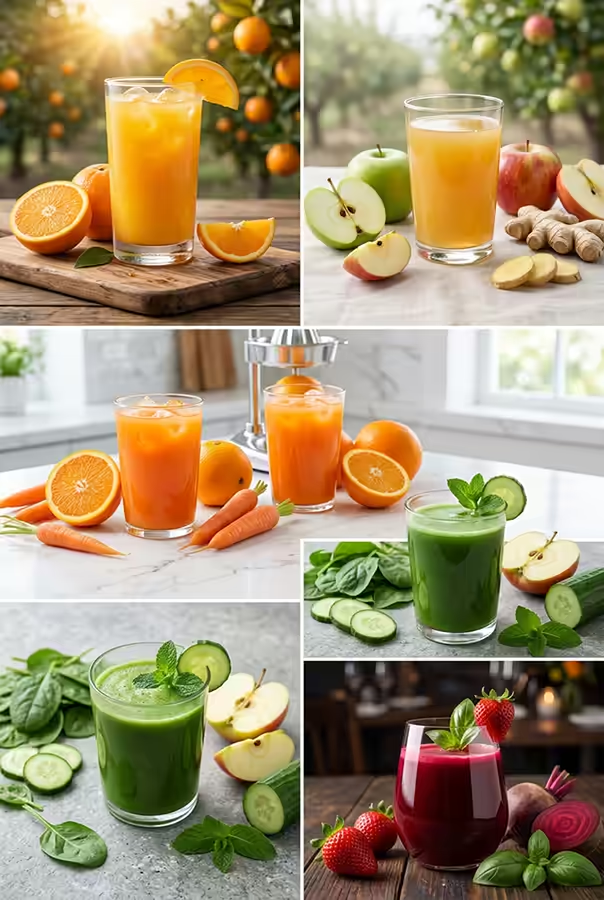
Fresheners have long been a symbol of freshness, lightness, and bright flavor. They are preserved in cafes, prepared in salads, served with brunch, included in the summer menu, and used as a large part of a healthy diet. But the real popularity of fresheners extends beyond just being trendy. They are very aromatic, are quickly prepared, allow for the combination of fruits, berries, vegetables, and greens, and further help diversify the daily menu.
Content
Under the term “fresh” in culinary contexts, it usually means freshly processed juice from fruits, vegetables, berries, or their combinations. Most commonly, it is prepared without preservatives before serving to retain the bright flavor, aroma, and natural freshness. This is why homemade fresh often stands out in the store for its natural taste.
At the same time, it is important to understand the simple truth: fresh is not a “magic” product in itself, while fresh juice is no more useful for fruit and vegetables, as during heat treatment it loses more cells. The very cell juice helps better experience the taste, supports digestion, and softens the impact of natural sugars on blood glucose levels. Thus, fresh is best perceived as a tasty supplement to a meal, rather than as a complete substitute for vegetables, fruits, or other nutrients.
Does this mean that fresheners have no benefits? No. Some of the fresh fruits and vegetables can provide portions of vitamins, minerals, antioxidants, and other plant compounds, while 100% juice can help increase the consumption of beneficial nutrients. However, excessive consumption of juice is not recommended, especially given the differences in its composition from the whole product.
To truly master the art of making fresh juices, one must understand the basic principles. First, for fruit juices, it’s better to base them on a bright centerpiece like an aromatic base and balancing acidity. Second, vegetable juices become significantly tastier if you add apples, lemon, lime, ginger, or mint. Third, the best juice is not necessarily the one with the highest number of ingredients. Often, an ideal result is achieved from a combination of two or three products.
Before delving into recipes, it’s worth breaking down which juices exist. Conventionally, they can be divided into several groups:
- Citrus juices: apple, grapefruit, lemon mixers, mandarin.
- Apple and pear juices: soft, sweet, and versatile.
- Vegetable juices: carrot, beet, celery, cucumber, tomato.
- Green juices: made from green apples, spinach, cucumber, celery, parsley.
- Berry and mix-fruit juices: plums, cherries, blackcurrants, strawberries in blends.
- Tropical juices: pineapple, mango, maracuja, kiwi.
- Unusual juices: made with fennel, basil, ginger, turmeric, beet, and berries.
Another important rule: juice must be prepared immediately before consumption, because freshly squeezed juice is not worth storing for a long time. Non-pasteurized juices can quickly become a growth medium for bacteria. This is especially important for children, pregnant women, and those with weakened immune systems — non-pasteurized juices are not recommended.
Now let’s move on to the most exquisite — to elaborate, detailed juice recipes that can be prepared at home.
Apple juice
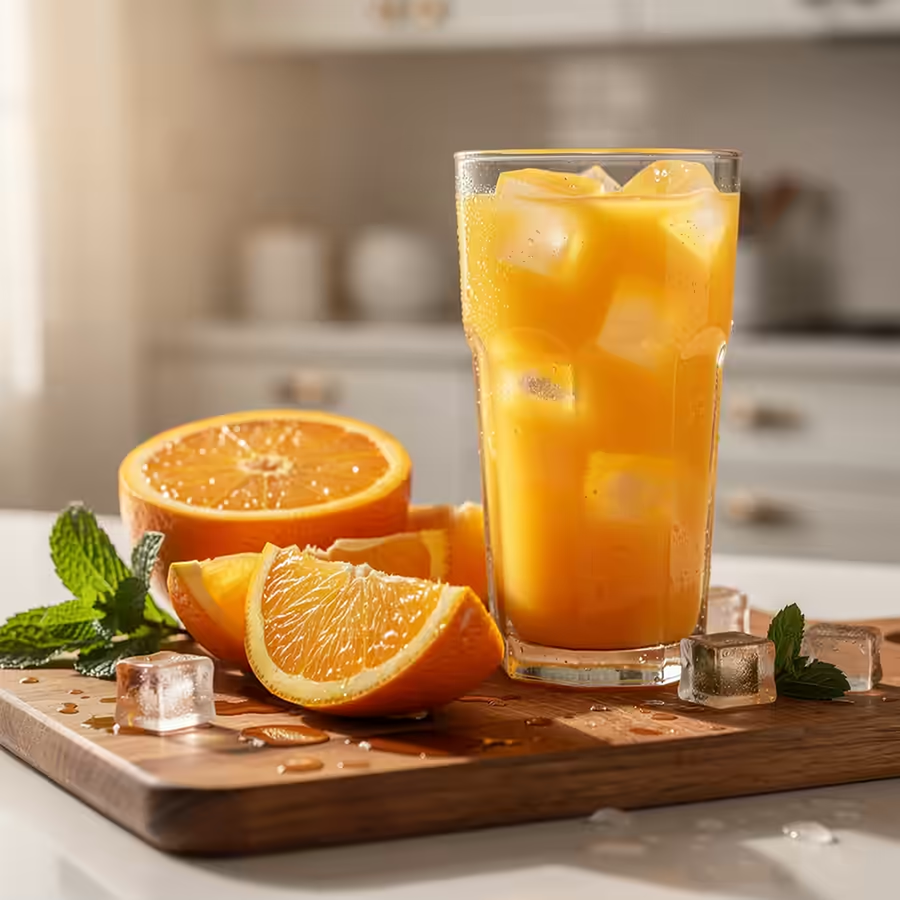
Apple juice is a classic, with which many are familiar due to its refreshing taste. It has a pure citrus aroma, a sweet-sour flavor, a bright color, and is a highly refreshing drink. It is loved for its simplicity, versatility, and the fact that it’s suitable at any time of the day.
Ingredients:
- 4–5 ripe apples
- To taste, 1 tsp of lemon juice
- Ice cubes for serving
To prepare:
Peel the apples, discuss and chop the filling. If you are making a fresh citrus press, just squeeze the juice and proceed according to your preferences. If using a juicer, clean the apples of their skins and white membranes, then strain through a sieve. Serve in a glass, possibly with some ice cubes.
What it tastes like:
This fresh juice is bright, sunny, and has a distinct citrus acidity, but without any aggressive sourness. If the apples are very sweet, the output will be syrupy and more dessert-like. If the fruits are cold and aromatic, the juice will be richer and ‘smoother’ in taste.
How useful it is:
Apple juice is particularly high in vitamin C, and in one recent study, the daily intake of apple juice increased the concentration of vitamin C in plasma. Like other juices, apple fresh is worth drinking moderately, as it can take the place of whole fruit.
Tip:
For a more ‘expensive’ taste, add a bit of grapefruit lime. For a softer version, mix the apples with mandarin.
Grapefruit Juice
Grapefruit juice is a choice for those who prefer more sour, tart flavors rather than sweet ones. It is less overpowering than apple juice but refreshes very well and goes wonderfully with mint, lime, and sweet fruits.
Ingredients:
- 2 large pink or red grapefruits
- 1 small apple for balance
- 2-3 mint leaves
How to prepare:
Peel the grapefruits and apples, remove any bitter white parts, and strain through a juicer. Mint can be torn into smaller pieces and added directly to the ready juice. Serve chilled.
What it tastes like:
Grapefruit gives a characteristic citrus bitterness, acidity, and a long aftertaste. Apple provides sweetness, while mint makes the juice ‘colder’ in perception.
How useful it is:
Citrus juices can be a source of vitamins and antioxidants, but it’s better to consider their part of a balanced menu, rather than as a separate ‘detox course.’
Tip:
If grapefruit is not too bitter, add half of an apple or some pieces of mandarin juice.
Apple Fresh
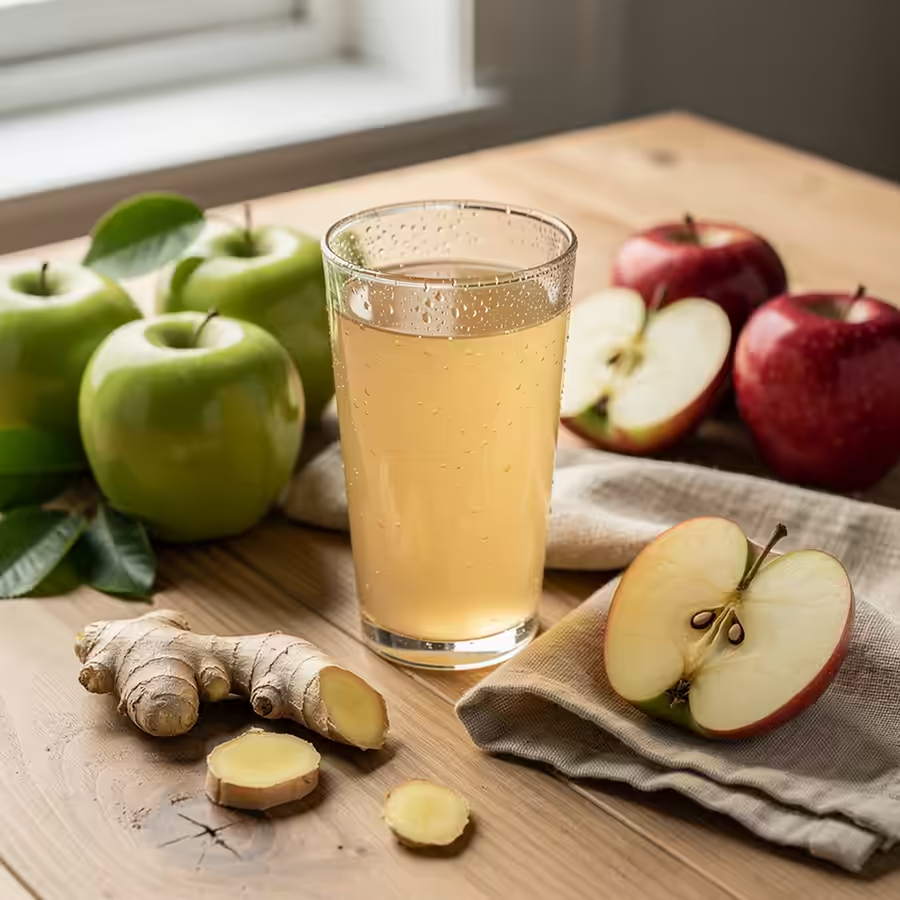
Apple Fresh — one of the simplest for everyday use. It is sweet, juicy, aromatic, and very universal. The apple itself often serves as a base for vegetable and green fresh, as it goes well with celery, beets, cucumbers, or radishes.
Ingredients:
- 4 large apples
- 1 tbsp. lemon juice
- To taste a piece of ginger
How to prepare:
Peel the apples, remove the cores, chop into pieces. Pass through the juicer. Add lemon juice for a brighter taste, and the color will remain light.
What taste:
The taste depends on the variety of apples. Green ones give more acidity, while red ones provide more honey sweetness. If you add ginger, a light spicy accent will appear.
How useful:
Apple fresh is useful as a base for mixes, but it is important to remember that in juice, natural sugars oxidize faster than in whole apples, as over time they lose their cellular structure.
Advice:
For a blended taste, mix apple with celery or carrot in a ratio of 2:1.
Carrot Fresh
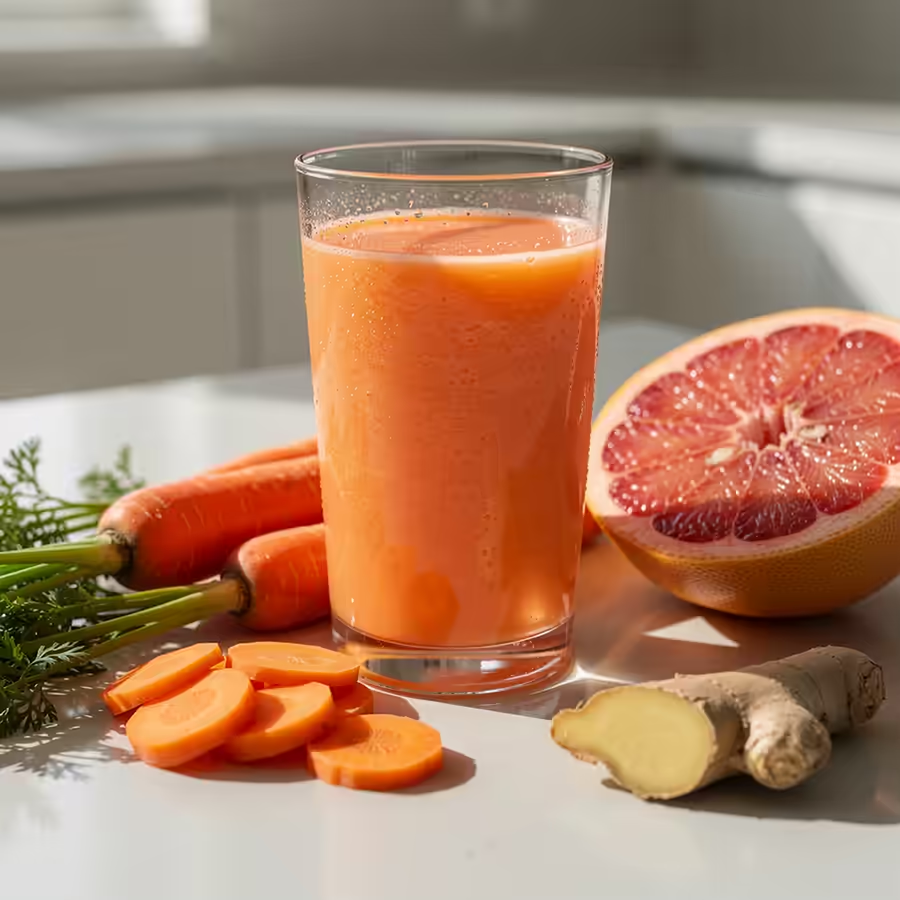
Carrot fresh has a thicker taste, a sweet vegetable character and a bright orange color. It appeals to those who usually do not like vegetable juices, especially if you add apple, carrot or lemon slices.
Ingredients:
- 5-6 medium carrots
- 1 apple or 1 small apple
- 1-2 cm of fresh ginger
- To taste a pinch of lemon juice
How to prepare:
Choose good carrots, wash them, chop with small pieces. For apple, clean it from the skin. Pass everything through a juicer. If you want a softer taste, proceed.
What taste:
Carrot fresh is sweet, warm without harsh notes, with a soft vegetable base. Apple adds freshness, while ginger — a spicy direct punch in the finish.
What’s useful:
Vegetable purees often consist of combinations that help to enrich the flavor and add more beneficial items from plant products. To make such a mixture more balanced, it is convenient to combine a vegetable base with a small amount of fruits, rather than relying solely on sweet fruits.
Recommendation:
A very tasty combination—beet, apple, and carrot. This is one of the best winter purees for storage.
Beetroot puree
Beetroot puree does not belong to the easiest in terms of cooking, however, it is very distinctive, earthy, rich, and beautifully works in mixes. In its pure form, it doesn’t appeal to everyone, hence it is most often combined with apple, carrot, lemon, or apple.
Ingredients:
- 1 small beet
- 3 carrots
- 2 apples
- 1 tbsp lemon juice
How to prepare:
All ingredients should be thoroughly washed. Clean the beet, and prepare the carrot accordingly. Cut the apple into quarters and remove the core. Pass through a juicer, mix and serve immediately.
What flavors:
Beet provides depth and earthiness, carrot—natural sweetness, apple—freshness. As a result, you get a balanced vegetable-fruit puree with a very bright ruby tint.
What’s useful:
The combination of beet, carrot, and apple is popular for the fact that one ingredient softens the other and makes vegetable puree more suitable for the daily menu. Any type of puree is better not to consider as a substitute for whole vegetables and fruits.
Recommendation:
Do not prepare beet puree too concentrated. For most people, the preferable ratio is 1 part beet to 3-4 parts other ingredients.
Celery puree
Celery puree is very trendy, but its taste is quite specific. It is fresh, herbaceous, and has traces of saltiness and sweetness from the juices. In its pure form, not everyone likes it, but among the green mixes, it shines beautifully.
Ingredients:
- 4-5 stalks of celery
- 2 apples
- 1 cucumber
- 1/2 lime
To prepare:
Remove the seller apple and cucumber. If using the apple, prepare it similarly. Pass everything through the juicer, and at the end, add a few drops of lime.
What it tastes like:
The seller creates a fresh green juice, the apple adds sweetness, while the cucumber provides a light watery touch, and the lime combines the taste into one composition.
How useful:
The seller itself is not a ‘kid’s drink’, but the seller’s juice does not have additional magic cleansing properties; however, it may be a normal part of the ration for those who enjoy its taste. For balance, it’s better not to make such a fresh juice over concentrated and add other vegetables or fruits.
Advice:
If you are only getting to know the seller, start not with pure juice, but with a mixture of the seller + apple + cucumber.
Cucumber-apple green juice
This is one of the freshest options for spring and summer. It is light, refreshing, invigorating, and has a very good feeling of spring.
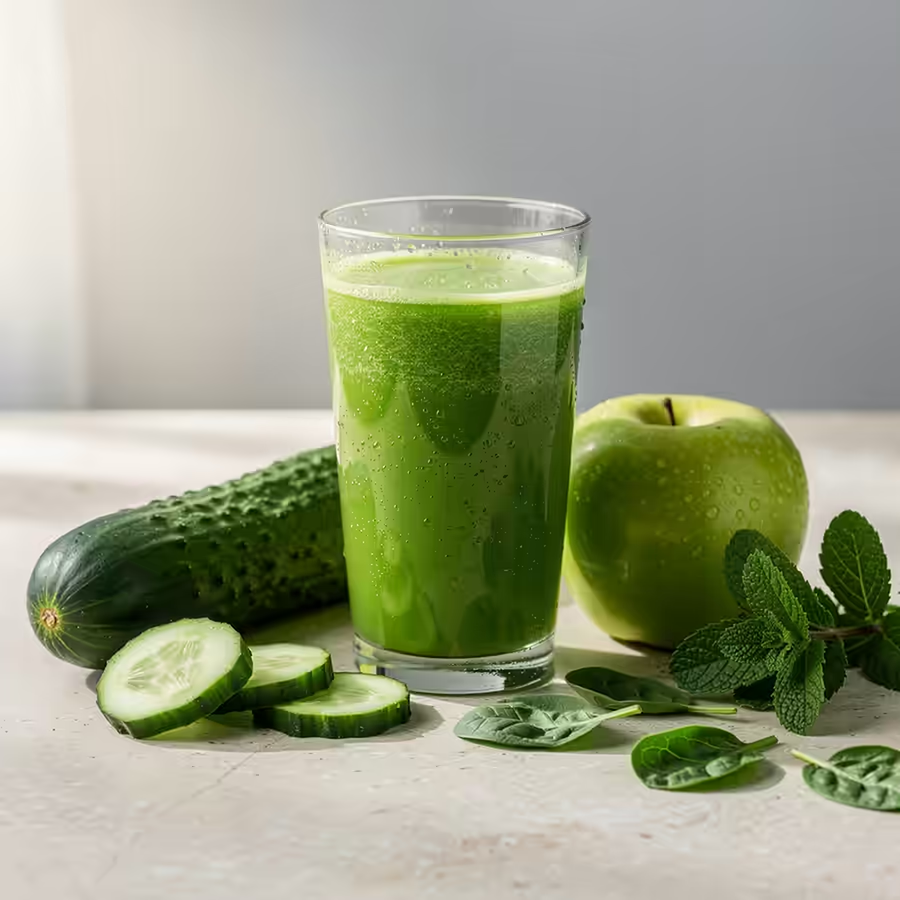
Ingredients:
- 2 large cucumbers
- 2 green apples
- 1/2 lemon
- A handful of fresh parsley or spinach
To prepare:
Wash and cut the cucumbers and apples, and slice them. Squeeze the lemon and add it at the end.
What it tastes like:
The cucumber gives a refreshing taste, the apple adds a sweet-sour base, while the green creates a ‘live’ impression.
How useful:
Green juices with a higher portion of vegetables are often considered a better option if you want to reduce the sweetness of the juice. Dietitians recommend including not only fruits in juices but also vegetables to reduce sugar load.
Advice:
If you want a restaurant-style serving, add a few mint leaves and serve cold with ice.
Carrot-apple ginger juice
This is one of the most popular homemade juices in terms of overall taste. It appeals to those who love sweet juices and those seeking something more nutritious.
Ingredients:
- 4 carrots
- 2 apples
- 1–2 cm ginger
- 1/2 lemon
How to prepare:
Prepare the ingredients, cut the beets and apples into slices, add the lemon juice. Ginger is optional along with the beet or can add all three and mix.
What taste:
Sweet beet, bright apple, spicy ginger, and tart lemon freshness — this is a very distinct, “energetic” flavor.
How nutritious:
This fresh blend harmonizes vegetable and fruit bases, while not adding extra calories. The apple adds vitamin C, and the apple juice, according to clinical studies, may boost its content in plasma.
Tip:
Do not overdo the ginger — its task is to accentuate the taste, not completely overshadow other ingredients.
Beetroot-Apple Fresh
This is a softer version of beetroot fresh, which works well for those who want to know the compromise between vegetable and fruit flavors.
Ingredients:
- 1 small beet
- 3 apples
- 1/2 lemon
- 1 small piece of ginger
How to prepare:
Peel the beet, apple, and slice through a juicer. Optionally add lemon juice. Good mix.
What taste:
Apple pulls beet into a lighter, juicier side. Lemon “is chosen” extreme juiciness, while ginger adds a natural rounded flavor.
Tip:
This fresh is best with small varieties, approximately around 150–200 ml.
Spring Almond Fresh
Spring almond fresh — this is a tropical twist in pure form. It is sweet, bright, juicy, and very fragrant. It is often served at celebrations, in the summer menu or as a base for non-alcoholic cocktails.
Ingredients:
- 1 small ripe almond
- 1/2 lime
- A bunch of mint leaves
How to prepare:
Peel the almond, remove the core, cut into pieces. Pass through a juicer, mix with lime juice. Serve with mint.
What taste:
This is an intensely sweet, exotic, creamy honey flavor with a slightly acidic touch. Lime makes it not overly sweet, but fresh and vibrant.
Note:
Tropical fruits work well as a dessert alternative to sweeteners, but due to their natural sweetness, it’s better to consume them in moderation.
Tip:
It’s very tasty to mix pineapple with apple or grapefruit — then the flavor becomes “cleaner”.
Grapefruit fresh
Grapefruit fresh is a juicy, deep, sour-sweet drink made from bright pink color. It is most enjoyable and requires preparation, but in moderation it can be very refreshing.
Ingredients:
- 2 large grapefruits
- 1/2 apple (optional)
How to prepare:
Peel the grapefruit into segments, removing the white pith. If the juicer allows, push the segments through it. If not, use a blender and process well. If desired, add three apple segments.
What is the flavor:
The flavor is complex, rich, tangy, made with a specific sourness. This drink is not “to go”, but rather for refined tasting.
Tip:
Grapefruit fresh wonderfully suits serving in small glasses. Don’t make very large portions — the flavor should be concentrated.
Mint coffee fresh
Mint coffee fresh is an absolute hit of summer. It’s the lightest, refreshingly aromatic, and is the smallest “heavy” feeling among most fruity variations.
Ingredients:
- 500 g mint leaves without stems
- 1/2 lime
- 5-6 mint leaves
How to prepare:
Cut the mint into large pieces, pushing through the juicer or blend it into a smoothie. Add lime and mint.
What is the flavor:
Very watery, juicy, fresh, sweet, but not heavy. Lime and mint transform its ideal summery freshness.
Tip:
Serve very cold, but without adding excessive ice so as not to dilute the natural flavor.
Pear-ginger fresh
This fresh is softer, slightly sweet, and seasonal in character. It is well suited for combining during cooking when lighter flavors are desired.
Ingredients:
- 4 juicy pears
- 1 apple
- 1 sm ginger
- 1 tsp lemon juice
How to prepare:
Prepare pears and apples, pass them through a juicer, add ginger and lime juice.
What is the taste:
Pear provides honey-like softness, the apple brings freshness, and the ginger adds a slight warmth. The final outcome is delicate, aromatic, and quite homely.
Recommendation:
This fresh is good to pair with cheeses, be it soft or hard cheese.
Green fresh with spinach, apple, and cucumber
This is one of the most popular “healthy” options for a home menu. It looks vibrant, has a beautiful color, and is well described in the modern format of light smoothies.
Ingredients:
- 2 green apples
- 1 cucumber
- 1 handful of spinach
- 2 stalks of celery
- 1/2 lime
How to prepare:
Mix spinach well, cucumber, and apple are cut, all pass through a juicer. Add lime juice for finishing touch.
What is the taste:
The taste is fresh, green, with earthy tones, but not overwhelming. The apple softens the green, while the lime adds an energetic kick.
How useful:
Vegetable and green fresh often value their ability to include more vegetables in the drink and not make it too sweet. This is one of the best formats for those who want a fresh drink with a lighter taste profile.
Recommendation:
For a brighter aroma, add a handful of basil leaves or mint.
Unusual fresh with kiwi, cucumber, and lime
If you want to go outside the classics, try combining kiwi, cucumber, and lime. It’s very fresh, has a sourness, and an unusual combination.
Ingredients:
- 3 kiwis
- 1 large cucumber
- 1 lime
- 1 green apple
How to prepare:
Clean kiwis, cucumber, and apple prepare, extract the juice, lime add at the end.
What is the taste:
The fresh comes out bright, sour-sweet, with tropical tones and very refreshing. The cucumber gives it a refreshing state rather than a spicy sharpness.
Recommendation:
This is a colorful option for a summer menu, especially if served in chilled glasses.
Unusual fresh with beetroot, greens, and basil
Yes, it sounds daring, but the taste is really worth experimenting. Beetroot suggests earthiness, while basil gives a more restaurant-like aroma.
Ingredients:
- 1 small beet
- 200 g of pulp
- 2 apples
- 3–4 basil leaves
How to prepare:
Prepare all ingredients, squeeze the juice, add finely chopped basil, and let it infuse for 2–3 minutes.
What is the taste like:
The taste is rich: sweetness of the berries, depth of the beet, freshness of the apple, and aromatic direct infusion of basil.
Recommendation:
This fresh is well suited to small varieties, such as a special seasonal mix.
Fresh with fennel, apple, and lemon
This is one of the most popular “gastroenterology” variations. It suits people who love complex aromas and are not afraid of new combinations.
Ingredients:
- 1 small fennel
- 2 apples
- 1/2 lemon
- 1 cucumber
How to prepare:
Chop the fennel, peel the apple and cucumber, all through a juicer, and add lemon at the end.
What is the taste like:
The fennel gives a light aniseed note, the apple provides a usual juiciness, while the lemon and cucumber contribute to a fresh and not overly sharp composition.
Recommendation:
This is not a fresh “for every day”, but rather a variation for those who enjoy new flavors.
How to choose the best fresh for yourself? It really all depends on what you want today:
- For classics: an apple-based fresh.
- For a soft everyday taste: apple or pear.
- For a vegetable base: carrot or cucumber-apple.
- For vibrant combinations: carrot + apple + ginger.
- For unusual mixes: beet + pulp + basil.
- For summer freshness: mint + lime + mint.
- For a “green” menu: apple + cucumber + spinach + celery.
Top freshes most commonly liked by most people:
- Apple-based.
- Carrot-apple.
- Apple.
- Cucumber-apple.
- Pineapple-based.
- Carrot-based.
- Green fresh with apple and spinach.
Separately, it is worth mentioning flavor pairings. If briefly, there are several proven combinations that almost always work:
- Sweet base + acidity: apple + lemon, pear + lime, carrot + apple.
- Vegetable base + fruit balance: beet + apple, celery + apple, cucumber + kiwi.
- Vibrant sweetness + fresh green: pineapple + mint, pulp + basil, carrot + mint.
- Classic smoothie + direct accent: carrot + ginger, beetroot + lemon, apple + cinnamon.
What is important for a truly tasty fresh? Not just a good recipe, but the right approach to the ingredients. Fruits and vegetables should be ripe, but not overripe. Often, softer fruits give less pure flavor. Additionally, greens – give extra acidity or herbaceousness. If you want a sweeter fresh without bitterness, choose seasonal products. Seasonality most often provides the best results both in taste and aroma.
Another common tip – try to improve fresh with citrus or honey. In most cases, this is not necessary. If it turned out sour, it’s better to balance it with apple, pear, or a small amount of carrot.
It’s also not worth making overly large portions. If it’s easy to drink quickly, it can unintentionally result in more bitterness than intended. That’s why specialists often recommend smaller portions and minimalist design. They also recommend not making it a main course with fruits and vegetables in a ration.
Recommendations
Here are the most important tips that help make fresh more delicious, colorful, and vibrant:
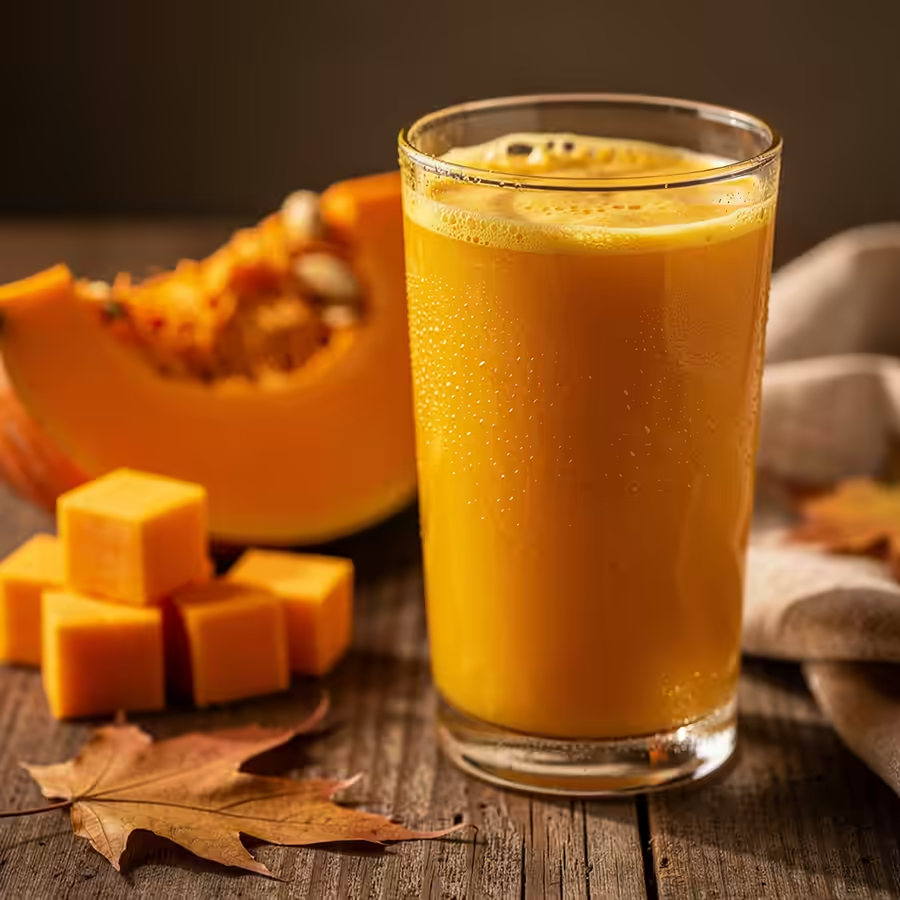
- Drink fresh immediately after preparation, because fresh, non-pasteurized juice should not be stored for a long time.
- For balance, add more vegetables and not just sweet fruits. This way, you can reduce overall sweetness significantly.
- If smoothie is overly concentrated, dilute fresh with water in a softer ratio, for example, close to 1:1 – this approach is also recommended for better portion control.
- Do not substitute fresh with a smoothie, lunch, or dinner on a regular basis, because juices do not provide the same nutritional fullness that regular food gives.
- When choosing between a juicer and a blender, remember: blending retains more pulp than classic juicing.
- For children, pregnant women, and people with weakened immunity, it is better to avoid non-pasteurized juices.
- For fruit and vegetable fresheners, always use a “soft” balancing ingredient – apple, pear, cucumber, or peach.
- Do not try to mix too many components together. The best fresheners typically have 2–4 ingredients, not 8–10.
- For an attractive presentation, use clear high glasses, ice, mint, a piece of citrus, or a thin slice of cucumber.
- For a culinary blog, it’s good to work with seasonal fresheners: summer, autumn, winter, green, festive, children’s, and unusual.
FAQ
What is a fresh?
A fresh is a revitalizing juice made from fruits, vegetables, berries, or their combinations, usually prepared without preservatives before serving.
Which fresheners are the most popular?
The most popular are apple, blueberry, strawberry, grapefruit, pineapple, green apple-peach, and strawberry-apple fresheners.
Is it useful to drink fresh every day?
Fresh can be part of a diet, but it is not as useful for whole fruits and vegetables, and it should not replace their consumption since the time of consumption can lead to nutrient loss. The best approach is to combine small portions with a focus on fruits, while not only on vegetables.
Which fresh is best for beginners?
For beginners, the best choices are apple, blueberry, or strawberry-apple fresh. They are simple, easily understood flavors, and are often preferred by most people.
Which fresh can be made without a juicer?
Without a juicer, it’s easiest to prepare a coffee, granola, citrus, or berry fresh. A part of the mixture can also be blended in a blender and strained.
How to make vegetable fresh taste better?
The simplest way is to add apple, pear, peach, lemon, lime, or ginger pieces. This flavor becomes more balanced and pleasant.
Can fresh be stored in the refrigerator?
It’s better to consume it right after preparation, as fresh juice shouldn’t be kept long-term, and unpasteurized variants have a higher risk of bacterial contamination.
Which fresh is the sweetest?
For less sweet varieties of produce, consider green and vegetable combinations: cucumber + apple, celery + cucumber + lime, spinach + apple + lemon. Adding more vegetable portions helps to make the juice less sweet.
How does fresh juice differ from smoothie?
The main difference is that smoothies are prepared in a blender and typically have more fiber, whereas when juicing, less fiber is retained.