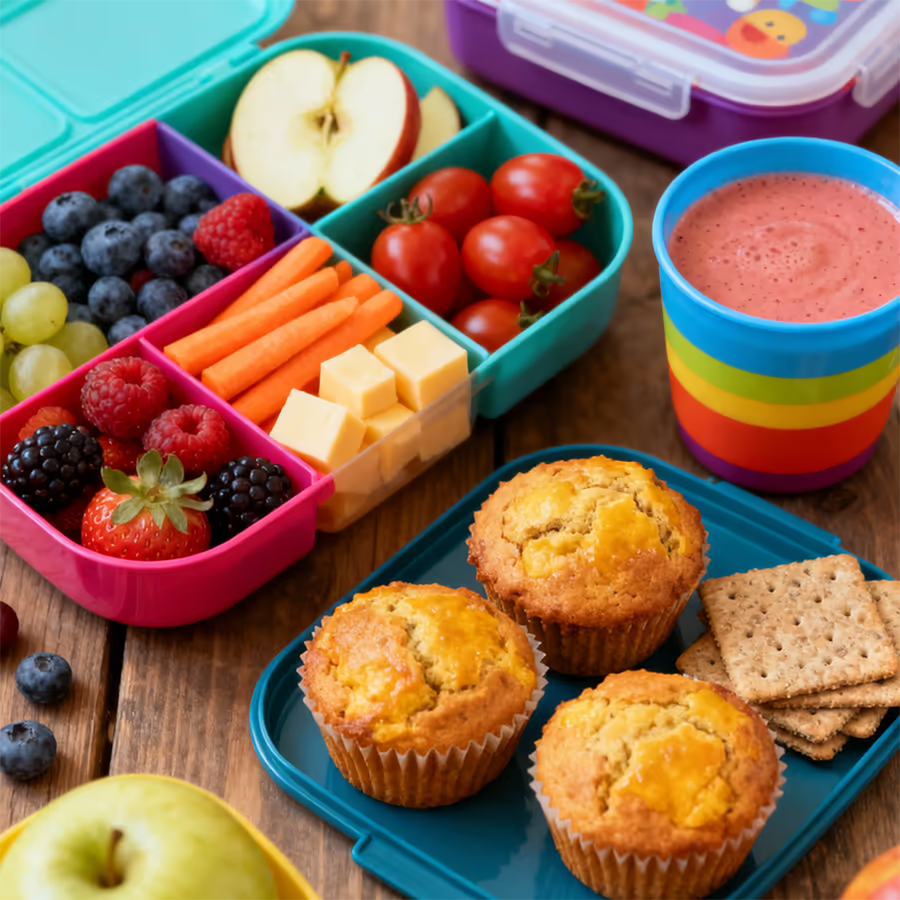
The most important information about children’s snacks
Snacks are an integral part of a modern child’s diet. They help maintain energy levels, provide the body with nutrients, and keep children in a good mood at school, on walks, or at home. This article takes a balanced look at children’s snacks: detailed recipes, preparation tips, health benefits, selection rules, and answers to popular questions from parents.
Content
Why are snacks important for children?
Children grow and develop quickly, so it is important for them to get energy not only from their main meals, but also from snacks. Healthy snacks between meals:
- They maintain energy balance – the child does not feel very hungry and overeats less at lunch or dinner.
- Provide additional nutrients – snacks can contain vitamins, minerals, proteins, and complex carbohydrates.
- Develop healthy eating habits – your child will learn to eat healthy food and discover new flavors.
Top 7 principles of the perfect children’s snack
- Naturalness: the basis of the snack is fresh, high-quality products.
- Balance: it is advisable to combine proteins, carbohydrates, and healthy fats.
- Safety: no harmful preservatives, minimal sugar, salt, and coloring.
- Age and needs: consider allergies, developmental characteristics, and physical activity of the child.
- Convenience: the snack should be easy to eat with your hands and not leave many traces.
- Variety: combine ingredients, try new dishes.
- Seasonality: use products that are available right now.
The benefits of children’s snacks
- Immune support: fruits, vegetables, and nuts provide the body with antioxidants and vitamins.
- Brain development: Protein foods and whole-grain snacks stimulate cognitive function.
- Strengthening bones and muscles: calcium and magnesium in cheese, yogurt, and nuts promote skeletal health.
- Digestive health: fiber from grains, vegetables, and fruits helps the intestines function properly.
- Maintaining mood and activity: snacking prevents fatigue and mood swings caused by hunger.
Main groups of children’s snacks
- Fruits and berries
- Vegetables
- Dairy products
- Nuts, seeds, dried fruit
- Cereals (bread, cookies, bars)
- Eggs
- Home baking
- Light salads
- Snacks and drinks
- Cheesecakes, casseroles, muffins
10 detailed recipes for healthy snacks for children
1. Fruit skewers

Ingredients:
- apple
- pear
- grapes
- banana
- kiwi
Preparation:
- Cut the fruit into cubes.
- Thread the pieces onto a children’s skewer, alternating between them.
- For better taste, you can sprinkle with lemon juice.
Tip: These skewers are convenient to take on a walk or to school, as well as to serve at a children’s party.
2. Smoothie with banana, yogurt, and berries

Ingredients:
- banana – 1 piece
- natural yogurt – 150 g
- berries (raspberries, blueberries, strawberries) – 1/2 cup
Preparation:
- Mix all ingredients in a blender.
- Pour into a bottle or glass with a straw.
Benefits: ensures gentle absorption of nutrients, provides an additional source of calcium and antioxidants.
3. Cheesecakes with raisins
Ingredients:
- homemade cheese – 200 g
- egg – 1 pc.
- raisins – 30 g
- sugar – 1 tbsp.
- flour – 1.5 tbsp.
Preparation:
- Mix all ingredients together.
- Form the cheese pancakes and fry on both sides until golden brown.
- Serve with yogurt or sour cream.
4. Vegetable sticks with hummus
Ingredients:
- carrot, cucumber, celery – 1 each
- hummus – 2-3 tablespoons
Preparation:
- Cut the vegetables into strips.
- Serve with hummus for dipping.
Tip: Vegetable sticks are ideal for small children and schoolchildren.
5. Homemade croutons made from whole grain bread
Ingredients:
- whole grain bread – 2 slices
- olive oil – 1 tsp.
- spices (oregano, basil) – to taste
Preparation:
- Cut the bread into strips.
- Sprinkle with oil and seasoning.
- Bake in the oven at 180°C for 7-8 minutes.
6. Muesli and dried fruit bar

Ingredients:
- oat flakes – 1 cup
- nuts – 2 tablespoons
- dried fruit (apricots, raisins) – 2 tablespoons
- honey – 1 tbsp.
Preparation:
- Mix everything together, place in a mold, and press down.
- Bake at 180°C for 15 minutes, cool, and slice.
7. Carrot and apple muffins
Ingredients:
- grated carrots – 1/2 cup
- grated apple – 1/2 cup
- egg – 1 pc.
- flour – 1 cup
- sugar – 2 tablespoons
- baking powder – 1 tsp.
Preparation:
- Mix all ingredients together.
- Place in molds.
- Bake for 20 minutes at 180°C.
8. Cottage cheese spread with herbs on bread
Ingredients:
- cheese – 100 g
- fresh herbs – 1 tsp.
- cream – 1 tbsp.
Preparation:
- Mix all ingredients together.
- Spread on bread.
9. Dried fruit and nut balls
Ingredients:
- dates – 50 g
- dried apricots – 40 g
- walnuts – 20 g
- cocoa – 1 tsp.
Preparation:
- Blend everything in a blender.
- Form balls, roll them in cocoa powder.
10. Poached eggs on toast
Ingredients:
- egg – 1 pc.
- water – 1 liter
- vinegar – 1 tsp.
- toast – 1 piece
Preparation:
- Boil water with vinegar.
- Make a well with a spoon and carefully pour in the egg.
- Cook for 3 minutes, remove, place on toast.
How to make snacks appealing to children
- Presentation: interesting serving (skewers, vegetable figures, colorful lunch boxes).
- Play with flavors and colors: combine different colors and textures.
- Involve your child in the preparation: let them help wash the fruit, slice the banana, and arrange the bars.
- Mini portions: it is better to have several small snacks than one large one – children do not get tired and eat with pleasure.
- Elements of surprise: a new dish or make something unusual together.
Tips for choosing and storing snacks
- Seasonal products – choose fruits and vegetables that are typical for a particular season.
- Eco-bags and containers – buy a high-quality thermos, container, or lunch box for convenient school delivery.
- Consider the temperature conditions – take yogurt or cottage cheese in a thermos, and bars or muffins in a lunch box.
- Plan your snacks for the week – make a menu to avoid spontaneous unhealthy choices.
- Cook at home – homemade snacks are always healthier than store-bought ones.
- Keep an eye on the shelf life – especially in hot weather, do not leave snacks out of the refrigerator.
What snacks to take to school or on a walk

- fruit (apples, bananas, grapes, pears)
- chopped vegetables (carrots, cucumber, tomato)
- homemade bars, muffins, cookies
- cheese cakes, cottage cheese spread, bread rolls
- yogurt in thermo packaging
- nuts (unprocessed, finely chopped if the child is younger)
- dried fruit, date balls or dried apricots
Prohibited and undesirable snacks for children
- store-bought chips, crackers, and crackers with many additives
- chocolate bars with high sugar and fat content
- carbonated drinks
- sweet cookies with palm oil, colorants, flavorings
- sausages, frankfurters, products made from poor-quality meat
Frequently asked questions about children’s snacks (FAQ)
What foods are suitable for children under 3 years of age to snack on?
- The best options are boiled eggs, boiled vegetables, cheese, bananas, homemade cookies, and muffins without nuts or dried fruit.
Can you give nuts?
- Nuts are healthy, but for children under 5 years of age, it is better to grind them or mix them into pastes or muffins to avoid the risk of choking.
Are store-bought cookies and chocolate harmful?
- Most factory-made cookies are not very healthy: they contain a lot of sugar, artificial additives, and fats. Chocolate is a source of sugar and fat, so it should only be eaten as an occasional dessert.
How to make your snack as healthy as possible?
- Always focus on natural, seasonal foods, minimize sugar, and add fiber, protein, and healthy fats.
How many snacks should you have per day?
- 2–3 depending on daily routine, physical activity, age, and appetite.
What are some alternatives to store-bought snacks?
- Homemade bars, hummus with vegetables, muffins, fruit, cottage cheese with berries.
Can you salt snacks?
- Use salt for children as sparingly as possible. Cook with natural spices and herbs.
List of ideas for quick and healthy snacks
- fruit/berries, cut into pieces
- vegetable mix in a container
- cheese cakes, muffins
- whole grain bread with spread/cheese
- homemade cereal bars with dried fruit
- cottage cheese with berries
- yogurt in a bottle
- avocado, egg, and herb spread
The benefits of homemade snacks for your child’s health
Homemade snacks are low in harmful additives, high in nutritional value, and maximally fresh. They allow you to control the quality of ingredients, sugar and salt levels, create unique dishes, involve your child in the cooking process, and instill healthy eating habits.
Conclusion
Children’s snacks are an important part of their diet, affecting their energy levels, health, and mood. Variety and balance in recipes, natural ingredients, and high-quality presentation help make snacks not only healthy but also appealing to children. By following recommendations and using detailed recipes, parents can provide their children with proper, tasty, and safe nutrition every day.
Results
- Prepare snacks mainly at home — it’s cheaper, healthier, and safer.
- Use a variety of snack formats: fruit, vegetable, protein, and cereal.
- Stock up on a high-quality lunch box and thermos for school snacks.
- Consider your child’s allergies, age, and preferences.
- Plan your menu a few days in advance.
- Add decorative elements or surprises — children love them!