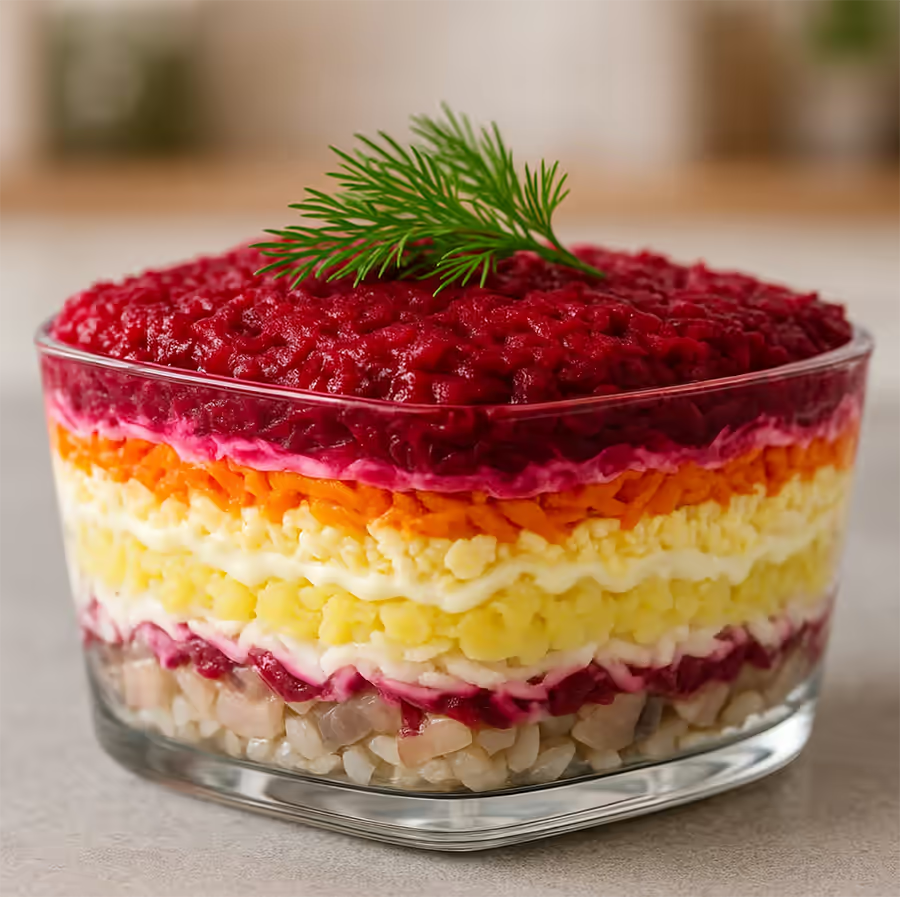
Shuba salad is a cult dish that is recognizable not only in Ukraine and Russia, but also travels the world under different names. The unruly combination of salted herring with bright beetroot, soft eggs, and crunchy vegetables has become synonymous with festive tables and New Year’s traditions. However, most people do not know that the real history of this salad began in Scandinavia in the 19th century, and not in the Soviet Union, as is often said.
In this article, we will delve into the history of this appetizer, analyze the classic recipe step by step, share practical tips for perfect results, explore creative variations, and answer the most common questions asked by fans of this legendary dish.
Content
The History of Shuba Salad: From Scandinavia to the Soviet Table
One of the most interesting features of the Herring Under a Fur Coat salad is that it has been at the heart of various European culinary traditions for many years. Researchers have found that recipes with a similar set of ingredients appear in English cookbooks from the 18th and 19th centuries, including the 1845 edition of Modern Cookery for Private Families.
The earliest records of herring salad come from Scandinavia and Northern Germany, where it was known as Sillsallad, Sildesalat, or Heringssalat. Norwegian cookbooks from 1851 already described the preparation of a dish where herring was placed on the bottom of a plate and topped with layers of beets, carrots, and eggs, without mixing.
Interesting fact: Back then, these salads were dressed not with mayonnaise, but with a light dressing made from oil and an acidic ingredient (vinegar or lemon juice). Mayonnaise only became a popular accompaniment to this dish in the second half of the 20th century.
The Soviet Union, however, decided to claim this dish as its own. Although the exact origin of “Shuba” in the USSR remains somewhat legendary, the popular version tells of a merchant and owner of Moscow canteens. The symbolism he proposed — herring as “proletarian food,“ mayonnaise as a symbol of bourgeois life, and a red “fur coat” of grated beets as a reminder of the red proletarian flag — made this dish a favorite of the masses.
In Soviet Union cookbooks, the salad “Herring under a fur coat” appeared en masse in the late 1960s and became an integral part of the New Year’s menu. Since then, it has remained one of the most popular holiday salads in the post-Soviet space.
Nutritional Value and Health: Why Shuba is Not Only Delicious but Also Healthy
Before moving on to the recipe, it is important to understand that each component of Shuba has significant nutritional value. It is not just a festive luxury, but also a dish with an interesting composition of vitamins, minerals, and nutrients.
Nutritional value per 100 grams of salad
| Indicator | Amount |
|---|---|
| Calorie content | 180-220 kcal |
| Protein | 3.5-5.0 g |
| Fats | 13.0-16.0 g |
| Carbohydrates | 11.0-15.0 g |
| Dietary fiber | ~1.5 g |
Vitamins and Minerals (% of Daily Value)
| Vitamin/Mineral | Content |
|---|---|
| Vitamin B12 | 12-18 |
| Folic acid (B9) | 5-7 |
| Vitamin C | 6 |
| Vitamin E | 8-10 |
| Sodium | 20-28 |
| Potassium | 8-12 |
| Phosphorus | 8-12 |
| Iron | 4 |
Herring: Queen of the Seas and Treasure Trove of Omega-3
Herring is a fatty fish, but “fatty” in this case means a gold mine for health. It is rich in polyunsaturated omega-3 fatty acids, which play a critical role in the functioning of the body.
The main advantages of herring:
- Cardiovascular system: Omega-3 fatty acids lower “bad” cholesterol (LDL) and raise “good” cholesterol (HDL). Studies have shown that regular consumption of herring reduces the risk of coronary heart disease by 25-30%.
- Brain activity: Omega-3 acids are building blocks for the brain. They improve memory, perception, and learning ability. Dutch scientists recommend eating herring in winter precisely because it helps fight depression and chronic fatigue syndrome.
- Vitamin D and bone health: Herring is rich in vitamin D, which is essential for the normal absorption of calcium and phosphorus. This is especially important for children (prevention of rickets) and the elderly (prevention of osteoporosis).
- B vitamins: B1, B2, B5, B6, B12 — the entire spectrum supports energy, the nervous system, and metabolism.
- Minerals: Iodine, selenium, potassium, magnesium — all of these are essential for normal functioning of the thyroid gland, immune system, and muscular system.
Important note: Herring is a salted fish. Although salt is necessary for preservation, excessive consumption can lead to fluid retention, increased blood pressure, and strain on the heart. People with hypertension and kidney disease are advised to limit their consumption of herring to 70-100 grams per day.
Beetroot: Red Gold with Antioxidants
Beets are not just a tasty salad garnish, they are a mix of antioxidants and minerals that have a proven positive effect on health.
Key components of beets:
- Betalains: These pigments give beets their bright red color. They have powerful antioxidant and anti-inflammatory properties. Betalains reduce oxidative stress in the body, which helps prevent premature aging and the development of chronic diseases.
- Folic acid (B9): Necessary for DNA and RNA synthesis, especially important for pregnant women. Folic acid deficiency can lead to anemia and fetal development disorders.
- Potassium: Regulates water and salt balance, supports heart health, and normalizes blood pressure.
- Iron and vitamin C: Beets contain both iron and vitamin C, which promotes better iron absorption. This makes beets an effective food for preventing anemia.
- Intestinal pruritus: The fiber in beets stimulates bowel function, promotes the growth of beneficial microflora, and helps with constipation.
- Nitrates: Natural nitrates in beets are converted into nitric oxide, which dilates blood vessels and increases oxygen delivery to muscles. This increases endurance and athletic performance.
Fact: Research has shown that consuming beets 2-3 hours before physical activity can increase performance by 2-3%.
Eggs: Complete Protein Complex
Eggs are one of the most complete sources of protein. One egg contains all nine essential amino acids necessary for building muscle and synthesizing enzymes and hormones.
The benefits of eggs in Shuba salad:
- Choline: Important for brain function and memory. Especially recommended for children.
- Lutein and zeaxanthin: Carotenoids that protect the eyes from macular degeneration.
- Vitamin D: Improves calcium absorption and keeps bones strong.
- High-quality protein: Unlike fats, protein from eggs is easier to digest.
Carrots: Beta-Carotene and Pro-Vitamin A
Carrots not only add color to the salad, but also pro-vitamin A (beta-carotene), which the body converts into vitamin A as needed.
Benefits of carrots:
- Eye health: Vitamin A is critical for normal vision, especially night vision.
- Immunity: Carotenoids support a healthy immune system.
- Skin and hair: Vitamin A promotes collagen synthesis and supports skin health.
Potatoes: Potassium and Carbohydrates for Energy
Although potatoes are often blamed for contributing to weight gain, the boiled potatoes in Shuba provide the salad with essential carbohydrates and potassium.
Important: Boiled potatoes are low in calories (about 80 kcal per 100 g), but in Shuba they are mixed with mayonnaise, which significantly increases the overall calorie content.
Classic Shuba Salad Recipe
To prepare a classic Herring Under a Fur Coat salad, you need to choose high-quality ingredients and follow the sequence of layers. This is really important, because it is the structure of the dish that makes it recognizable.
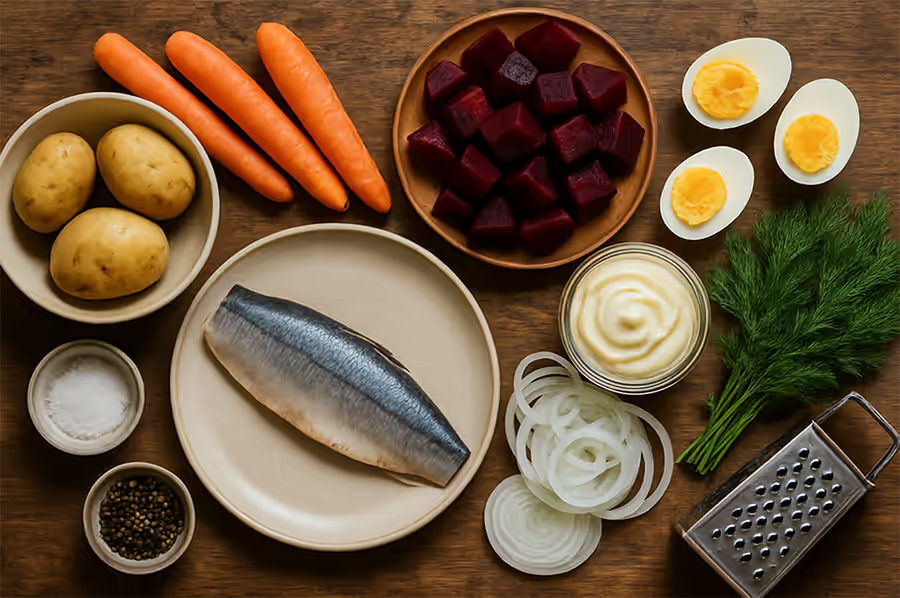
Ingredients (for a large salad bowl serving 8-10 people):
- 1 large herring fillet (approximately 400-500 g) — preferably high-quality salted herring
- 4-5 medium-sized potatoes
- 2-3 medium-sized carrots
- 2-3 medium-sized beets
- 1 onion (large)
- 5 chicken eggs
- 200-250 g of high-quality mayonnaise (homemade is better than store-bought)
- Salt, ground black pepper to taste
- 2 tablespoons apple cider vinegar (for marinating onions)
- 1 tbsp sugar (for marinating onions)
- Cold boiled water (for marinating onions)
- Fresh dill or parsley for garnish
Step-by-step preparation process:
Step 1: Preparing the Vegetables and Eggs
For a classic “Shuba” salad, all vegetables must be boiled so that the salad has a soft texture and is not too hard. Key point: boil each vegetable separately, as they have different cooking times.
Wash the potatoes, carrots, and beets in cold water. Place them in separate pots (beets in a separate pot!) and cover with cold water so that it is 2-3 cm above the vegetables.
Cooking times:
- Potatoes: 20-25 minutes (depending on size)
- Carrots: 15-20 minutes (they cook faster than potatoes)
- Beets: 30-40 minutes (the longest, as they are the densest)
- Eggs: 10 minutes for hard-boiled eggs
Pro tip: To check if the veggies are ready, poke them with a sharp knife or fork. It should go in easily, but the veggie shouldn’t fall apart.
Step 2: Cooling and Cleaning
After cooking, immediately transfer the vegetables to ice water or under cold running water. This is done for two reasons:
- Stopping cooking: The temperature drops instantly, preventing overcooking.
- Color preservation: Cold water stops oxidation, which is especially important for beets and carrots.
Let the vegetables cool for at least 15-20 minutes. Then carefully peel them. This is especially important for beets — beet skins contain a lot of pigment that easily stains everything around them. Use gloves or plastic bags for your hands.
Step 3: Preparing the Herring and Onions
Herring:
Carefully trim the herring, removing the smallest bones and dark fillets (which may be bitter or have an unpleasant taste). Cut the fillets into small cubes about 1-1.5 cm in size. Herring that is too small will smear when mixed, while herring that is too large is difficult to eat. The size should be just right.
Onions:
Peel the onion and chop it into small cubes, about 3-5 mm. Then place the onion in a small bowl, add apple cider vinegar, sugar, and a pinch of salt. Pour in cold boiled water (about 100-150 ml).
Leave to marinate for 15-20 minutes. This is done for a reason — the marinating process softens the sharpness of the onion and makes it more harmonious. Vinegar and sugar neutralize the aggressiveness of the onion, and water dilutes its taste. The result is that the onion becomes tastier and more integrated into the salad.
Step 4: Grate Vegetables and Eggs
Grate the potatoes, carrots, beets, and eggs separately using a coarse grater. This is critical for achieving the desired result.
Place the grated ingredients in separate containers so that they do not mix. Put the grated vegetables in the refrigerator for 10-15 minutes — this will help them stay together when layering.
Important tip: Grate the beetroot last or in a separate bowl so that its color does not stain the other vegetables. If you do not have a separate grater, rinse the grater with cold water after processing the beetroot before processing other vegetables.
Step 5: Assembling the Salad — The Art of Layering
This is the most important step. Choose a wide, shallow dish (preferably transparent so that the layers are visible). A transparent dish makes the presentation more attractive and allows guests to fully appreciate the work.
Sequence of layers (from left to right):
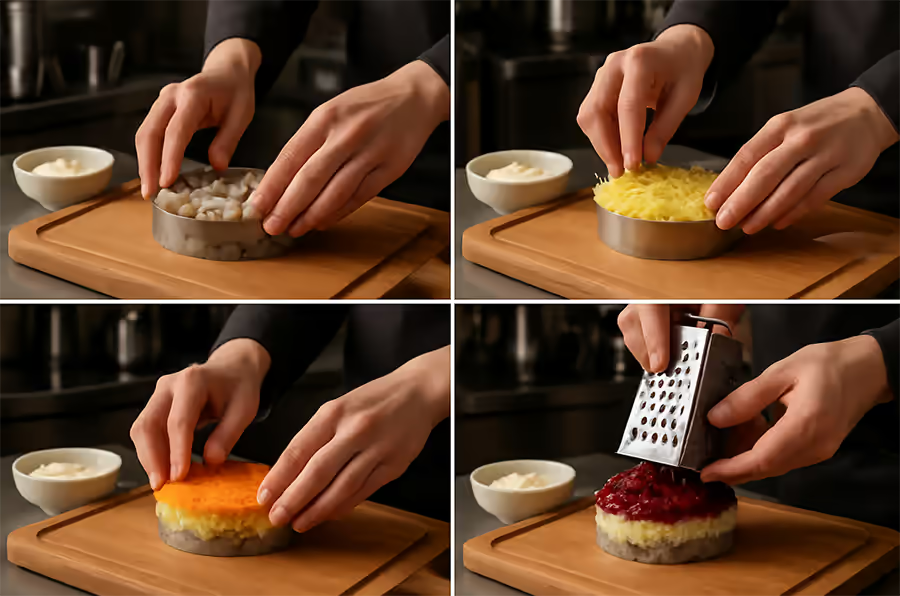
- First layer — Herring with onions (thickness ~1 cm): Spread the herring cubes evenly over the bottom of the dish. Top with drained pickled onions (drain the liquid before use). This layer serves as the base and gives the salad its famous herring flavor. Remember that herring is a salty product, so do not add any seasonings to this layer.
- Second layer — Potatoes (thickness ~1-1.5 cm): Spread the grated potatoes evenly over the herring. Press down lightly with a spoon to compact. Season with salt and pepper. Then spread a thin layer of mayonnaise (about 2-3 tablespoons). The mayonnaise acts as a “cement” between the layers and spreads the flavor.
- Third layer — Carrots (thickness ~1 cm): Spread the grated carrots evenly. Press down firmly. Season with salt and pepper and spread with mayonnaise (approx. 2 tablespoons).
- Fourth layer — Eggs (thickness ~0.8-1 cm): Spread the grated eggs evenly. Press down, season with salt and pepper, and spread with mayonnaise (about 2 tablespoons).
- Fifth layer — Beetroot (thickness ~1.5-2 cm): This is the most important decorative layer. Spread the grated beetroot evenly over the entire surface, press down and coat with mayonnaise (about 3-4 tablespoons). The beetroot should be generously coated, as its dryness slows down the soaking process.
Step 6: Cooling and Soaking
Place the salad in the refrigerator for at least 2-3 hours (preferably overnight). This allows the layers to soak into each other and develop a deeper, richer flavor. The mayonnaise slowly seeps through the layers, while the herring imparts its flavor and salt, slowing down all the components into a harmonious mixture.
Professional Tips for the Perfect Shuba Salad
Choosing Herring: Quality at First Sight
The quality of herring is the basis of everything. There are several types of herring on the market, but the best are considered to be:
Atlantic herring is the most common species. It has firm flesh, good fat content, and a pleasant taste.
Norwegian herring has a reputation for being of the highest quality. Norwegians adhere to strict standards for fishing and processing.
Icelandic herring is also known for its quality and environmental friendliness.
How to choose high-quality herring:
- Smell: Should have a clear sea smell, not a metallic or musty aroma.
- Color: Meat should be light, gray-silver, not yellow or dirty.
- Consistency: When pressed with a finger, the meat should be firm, not soft.
- Packaging: If the herring is tightly packed in thick glass with liquid, this is a positive sign.
- Packaging date: Choose the freshest product possible
Storage:
- Open herring in the refrigerator: up to 3 days (keep it tightly closed to prevent drying out)
- Frozen herring: up to 3 months at -18°C
Mayonnaise — Homemade, not store-bought
It is preferable to make the mayonnaise for Shuba at home. Store-bought mayonnaise often contains preservatives and stabilizers, which can have an unpleasant taste. Homemade mayonnaise has a better flavor and a creamier consistency.
Recipe for simple homemade mayonnaise:
You will need:
- 1 egg (at room temperature — this is critical!)
- 200 ml neutral oil (grape seed oil, sunflower oil, or hazelnut oil)
- 1 tsp Dijon mustard (recommended, but not essential)
- 1 teaspoon lemon juice or white wine vinegar
- pinch of salt
Process:
- Place the egg in a bowl and start beating it with a blender on low speed.
- Add the oil very slowly, drop by drop, continuing to beat.
- When the mixture begins to thicken (after adding about half of the oil), you can add the oil more quickly (in a stream).
- If the mayonnaise starts to separate, stop adding oil and beat the fresh egg yolk separately, then slowly add the separated mayonnaise to it.
- Finish with mustard and lemon juice to taste.
Tip: If you use an egg straight from the refrigerator, there is a risk that the emulsion will break down. Always warm the egg to room temperature before use.
No Fresh Vegetables
Unlike other salads, Shuba requires only cooked vegetables. This creates a uniform texture and soft bite, and also allows the salad to soak better. Fresh vegetables would be hard, tough, and leave the salad bland.
Compaction of each layer
Don’t forget to tamp down each layer after placing it. This has several advantages:
- More compact structure — the salad will not “fall apart”
- Better absorption — dense layers allow mayonnaise and flavors to penetrate deeper
- Aesthetics — a packed salad looks neater and more professional.
Serving and Decorating Temperature
Always serve salad cold. Remove it from the refrigerator 5-10 minutes before serving. This allows the flavors to “mellow” and become more noticeable, while the salad remains cold.
Decoration:
You can add the following to the top of the salad:
- Finely chopped fresh dill (the most popular choice)
- Parsley (adds a more piquant flavor)
- Finely chopped green onion
- A light sprinkling of black pepper
- A few leaves of tarragon for refinement
Contemporary Variations and Creative Modifications
Although the classic recipe remains unchanged, modern chefs are getting creative and developing interesting variations. Here are some of them:
Shuba Salad with Crab Sticks
Instead of traditional herring, use crab sticks or real crab meat. This gives a more delicate flavor and appeals to those who don’t like the strong taste of herring.
Advantages of this variation:
- Lighter and more refined taste
- Lower salinity
- A more elegant presentation for a sophisticated breakfast
The process remains the same, but the result is lighter and more refined.
Vegetarian Version Without Herring
For vegetarians, you can replace herring with:
Pickled mushrooms (champignons or straw mushrooms): Cut into small pieces and marinate in a mixture of vinegar, oil, and spices. This adds saltiness and flavor.
Pickled sprouted chickpeas: Contains protein and adds an interesting texture.
Soy sauce and pickled sauerkraut: For a more assertive flavor.
Fur coat with fur trim or salmon
Instead of herring, use cold smoked trout or salmon, cut into thin strips. This gives the salad a more refined appearance and a deeper smoked flavor. This salad looks more luxurious and is often served at high-end festive tables.
Modern Minimalist Version
Following the trend toward minimalism in presentation, some restaurants serve Shuba as an individual portion in the form of a tower or in a transparent glass, where the layers are clearly visible. This makes the presentation more modern and photogenic for social media.
How it’s done:
- Use a mold (cylinder or ring) to shape it.
- Lay the balls gradually, tamping each one down.
- Carefully remove the mold
- Place on a square plate for a modern look
Fur coat with poached egg
Instead of grated eggs, some fancy variations use a poached egg on top of the salad. Cracking the egg releases a creamy yolk, which serves as a natural dressing and adds a softer texture to the salad.
Modern Version with Yogurt Dressing
For a lighter version, use Greek yogurt (150-200 g) mixed with:
- 1 tbsp mustard (with egg or Dijon)
- 1 teaspoon lemon juice
- Salt and pepper to taste
This reduces the calorie content (yogurt has about 60 kcal per 100 g compared to 700 kcal for mayonnaise) and makes the dish less heavy. However, you need to be careful — yogurt is more liquid than mayonnaise, so the salad will have a “wetter” taste.
Avocado and Apple Coat
Innovative domestic chefs add thinly sliced avocado and tart apple greens to the classic recipe. This gives the salad freshness and a more interesting texture. Avocado also adds healthy fats, while apple adds tartness and freshness.
Mix Version with Marine Components
The combination of herring with shrimp, mussels, and other seafood ingredients creates a luxurious version for the festive table. Each ingredient retains its uniqueness, but together they complement each other harmoniously.
Spicy Variation with Asian Fdar
Replace some of the mayonnaise with guacamole with lime and chili, or use speed mayo (mayonnaise with a kick). Add ginger, garlic, and seaweed for a more Asian flavor.
FAQ (Frequently Asked Questions about Shuba Salad)
Can Shuba be prepared in advance?
Yes, Shuba actually tastes better if it is prepared a day before serving. The salad marinates, the flavors blend and harmonize. However, do not prepare it more than 2-3 days in advance, as the herring may lose its freshness and start to oxidize.
Can mayonnaise be replaced with something else?
So, you can use:
- Sour cream (less caloric, but more sour in taste)
- Greek yogurt (easier to digest)
- Even a light dressing based on mustard and vinegar (for those watching their weight)
However, the classic Shuba contains mayonnaise, which gives it its authentic taste.
What to do if herring is too salty?
Soak the herring in cold water for 30-60 minutes before cooking. This will remove excess salt. You can change the water several times for better results. Some people soak herring in milk — milk removes salt more effectively due to the interaction of milk proteins.
Can you freeze Shuba?
Not recommended. Freezing will soften the vegetables, destroy the structure, and change the consistency of the mayonnaise. It is better to prepare the salad fresh or store it in the refrigerator rather than the freezer.
How long can you store a ready-made fur coat?
Shuba can be stored in the refrigerator for up to 3 days. After that, the vegetables may begin to ferment, and the flavors may mix in a negative way. The herring may also become too soft.
Is it possible to prepare Shuba without cooking vegetables?
Technically, it is possible, but it will not be a classic Shuba. Raw vegetables will have a completely different taste and texture—they will be hard and crunchy instead of soft and smooth. The classic version requires cooked vegetables.
What is the difference between Shuba and Olivier?
The main difference lies in the components:
| Parameter | Fur coat | Olivier |
|---|---|---|
| Fish | Herring | None |
| Meat | None | Boiled chicken or turkey |
| Beet | Yes (main ingredient) | No |
| Peas | No | Yes (often) |
| Cucumber | No | Yes (canned) |
| Potatoes | Yes | Yes |
| Eggs | Yes | Yes |
Both salads are combined with mayonnaise, but the taste is completely different.
How best to serve Shuba?
- Temperature: Serve cold, straight from the refrigerator or 5-10 minutes after removing it from the refrigerator.
- Tableware: Use a transparent salad bowl so that the layers are visible.
- Garnish: Decorate with greens and serve with round bread or croutons.
- Portioning: Serve in neat portions using a large spoon to preserve the layers.
What is the calorie content of one serving of Shuba?
One serving (approximately 150 g) of Shuba contains approximately 250-300 calories, depending on:
- Amount of mayonnaise used
- Fat content of herring
- Portion size
100 g of salad contains approximately 180-220 kcal.
Is it possible to make Shuba in smaller quantities?
Absolutely. Just reduce the amount of each ingredient proportionally. The recipe is easily scalable for different serving sizes:
- For 4 people: Half of all ingredients
- For 2 people: A quarter of all ingredients
- Per person: One-eighth
How to prevent beetroot from coloring mayonnaise?
Use these methods:
- Pressure on beets: Place a layer of paper on top of the beets before placing them in the refrigerator.
- Separate beets: Some people cook beets separately, then place them on top before serving.
- Color separation: Use a thin layer of gelatin or another separating layer before the beets.
Who started the tradition of wearing fur coats on New Year’s Eve?
Although its exact origins remain legendary, the popular version tells of the Soviet 1960s, when the salad became a symbol of celebration and prosperity. At that time, herring, caviar, and mayonnaise were expensive, so the salad was considered a delicacy.
Conclusion
Herring under a fur coat salad is not just an appetizer, it is part of our cultural heritage, even though it travels across continents. Whether you are preparing the classic version or experimenting with creative modifications, the key to success lies in the quality of the ingredients and a love for the cooking process.
The most important thing to remember is:
- Quality ingredients: Good herring, fresh eggs, and high-quality mayonnaise are the basis for success.
- Cooking technique: Properly cooked vegetables and careful layering make all the difference.
- Marinating time: Give the salad time to develop its flavor — a night in the refrigerator is not a waste of time.
- Nutritional value: Although Shuba is not a diet food, it contains many substances that are beneficial to health.
- Creativity: Don’t be afraid to experiment with variations — old traditions live on thanks to new ideas.
Enjoy cooking, savor, and share this legendary dish with your loved ones! Shuba salad awaits you in the kitchen.