Beans, lentils, and chickpeas have long since ceased to be “food for a pinch.” Today, they form a solid foundation for a home-cooked diet, helping you prepare meals that are affordable, nutritious, and truly delicious. If you know how to properly soak legumes, how long to cook them, which spices to pair them with, and what dishes to prepare each day, you can easily create a meat-free menu that offers protein, satisfaction, and variety.
Content
Using legumes instead of meat isn’t about strict restrictions—it’s about a convenient culinary strategy. They store well, are affordable, and pair perfectly with grains, vegetables, herbs, mushrooms, tomatoes, coconut milk, and even roasted pumpkin. And most importantly, they provide that feeling of fullness that we value so much in hearty home-cooked meals. This is especially important for families: a single pot of thick stew or soup made with beans or lentils often replaces several separate dishes.
In this article, you’ll find a practical guide to beans, lentils, and chickpeas: how to prepare them, whether soaking is necessary, how long each type takes to cook, which spices enhance flavor and aid digestion, and what you should keep on hand as a basic supply. And at the end—10 legume recipes that truly provide protein and satisfaction for the family table. These aren’t abstract ideas, but real dishes that are easy to fit into your regular week.
Why legumes are a good alternative to meat
Legumes are valued primarily for their plant-based protein. Beans, lentils, and chickpeas contain enough protein to make a dish not just a “side dish,” but the main course of lunch or dinner. Yes, protein in plant-based foods has its own characteristics, but it works wonderfully in an everyday diet, especially when legumes are combined with grains, seeds, nuts, or whole-grain bread.
Another major benefit is that they’re filling. Legumes contain not only protein but also complex carbohydrates and fiber. That’s why lentil soup or bean stew keep you full for a long time, without those sudden hunger pangs an hour after eating. For a family, this means one thing: fewer constant snacks, more sustained energy, and easier meal planning.
The third reason is versatility. From a single package of chickpeas, you can make creamy hummus, a thick curry, baked patties, a warm salad, or a vegetable stew. Chickpeas can easily be turned into soup, pasta sauce, a spread, or a casserole filling. Beans work wonderfully in soups, borscht, chili, lobio, salads, and stews.
Another advantage is affordability. At a time when meat prices are often unpredictable, legumes make it possible to cook nutritious meals without breaking the bank. It’s especially cost-effective to buy dried beans, chickpeas, and lentils in bulk and cook a large batch to keep on hand. You can freeze some of them in portions and use them throughout the week.
Which legumes should you keep on hand?
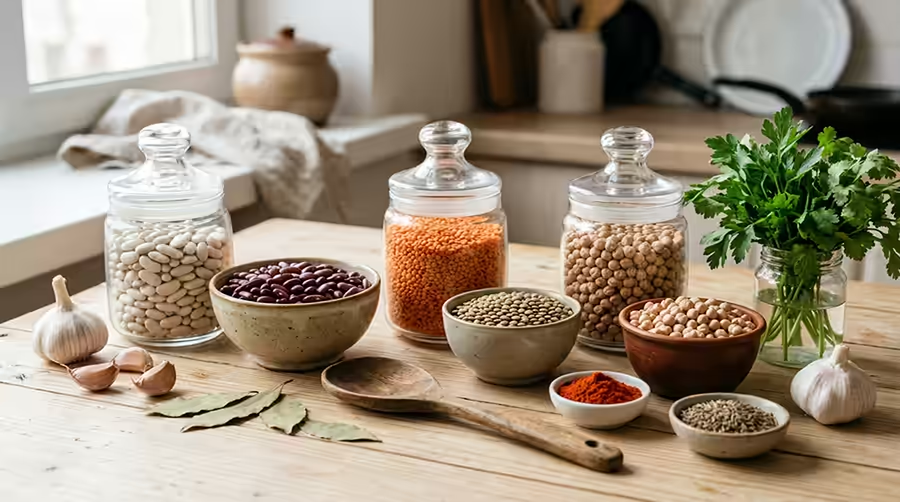
To cook quickly and stress-free, all you need is a few basic types of legumes. There’s no need to buy everything on the shelf right away. It’s better to put together a “starter kit” that will cover most of your home-cooked meals.
- Red lentils cook the fastest, break down easily, and are perfect for cream soups, dal, sauces, and purees.
- Green or brown lentils — hold their shape well and are perfect for salads, stews, fillings, and hearty soups.
- Chickpeas are firm and nutty in flavor; they’re great for curries, hummus, salads, stews, and patties.
- White beans—tender, creamy, and perfect for soups, spreads, and vegetable stews.
- Red beans have a rich flavor and are perfect for lobio, chili, thick sauces, and salads.
- Black beans, if you can find them, are great for Mexican dishes, bowls, and fillings.
If you’re just starting to cook legumes more often instead of meat, begin with these three: red lentils, chickpeas, and white or red beans. That’s more than enough to make dozens of different dishes each week.
Soaking: When It’s Necessary and When It’s Not
Almost everyone wonders whether to soak legumes. The answer is simple: lentils often don’t need soaking, but it’s best to soak beans and chickpeas. This isn’t a strict culinary rule, but it’s a practical way to make cooking faster and more predictable.
Lentils, especially red ones, usually don’t need to be soaked. It’s enough to rinse them until the water runs clear. Green and brown lentils also cook perfectly well without soaking, although soaking them in water for 1–2 hours can slightly reduce the cooking time.
It is best to soak the chickpeas for 8–12 hours. The easiest time to do this is in the evening. During this time, the chickpeas absorb moisture, become softer, and cook more evenly. After soaking, it’s best to drain the water, rinse the chickpeas, and cover them with fresh water.
It’s also best to soak beans for 8–12 hours. If you’re short on time, you can use a quick method: cover the beans with water, bring to a boil, boil for 2–3 minutes, turn off the heat, and let them sit covered for 1 hour. Then drain the water and cook them in fresh water.
Why is soaking necessary in the first place? It helps:
- reduce cooking time;
- achieve a softer and more evenly cooked texture;
- partially reduce the substances that cause bloating or gas in some people;
- to simplify the preparation of large portions for several dishes.
There’s one more thing to keep in mind: don’t add salt to the beans at the start of cooking if you want them to soften faster. Salt and the acid from tomatoes, lemon juice, or vinegar work best toward the end, when the beans are almost done.
Cooking times for beans, lentils, and chickpeas
Cooking times for legumes depend on the variety, the freshness of the product, water hardness, and whether they were soaked. But for planning at home, there are guidelines you can follow.
- Red lentils — about 12–20 minutes.
- Green or brown lentils — about 25–40 minutes.
- Chickpeas after soaking—about 60–90 minutes.
- White or red beans after soaking—about 60–90 minutes, sometimes longer.
- Chickpeas and beans cook much faster in a pressure cooker or a pressure cooker-multicooker.
The best strategy for a busy family is to cook legumes in batches. For example, on Sunday you can cook a large pot of chickpeas and beans, divide them into containers, and freeze some of them. Then, on weekdays, you can simply grab a ready-made base for soup, salad, stew, or meatballs.
If you use canned beans, that’s perfectly fine too. Just rinse them to remove excess salt and liquid. For quick weekday meals, this is a real time-saver, not a “lazy” compromise.
Which spices go best with legumes?
One of the main reasons why some people don’t care for legumes is their bland taste. In fact, beans, chickpeas, and lentils really come into their own when paired with spices. They need flavor and acidity; that’s when the dish becomes not just nutritious, but truly appetizing.
For everyday cooking, the following work best:
- Garlic — adds depth and character.
- Onions — provide a sweet flavor base.
- Sweet or smoked paprika makes a dish warmer and richer.
- Cumin goes particularly well with chickpeas, beans, chili, and curry.
- Ground coriander — mellows the flavor and adds an oriental touch.
- Turmeric works well in soups, dal, and curries.
- Bay leaves are a classic ingredient for cooking beans.
- Thyme, rosemary, and oregano are great for European stews and soups.
- Black pepper and chili — add heat and balance.
- Lemon juice or tomatoes—they add a refreshing touch and really bring out the flavor of the dish.
To aid digestion, it’s often recommended to add cumin, fennel, ginger, or asafoetida. The latter is particularly popular in Indian cuisine, where legumes are prepared very frequently. If you don’t want to buy specialty spices, all you need is garlic, cumin, paprika, bay leaves, and black pepper—that’s already a solid foundation.
A basic selection of ingredients for hearty bean dishes
For legumes to truly work as a meat substitute in your daily diet, it’s important to have not only the legumes themselves on hand, but also ingredients that make them convenient, tasty, and versatile.
Here is a basic set that can be used to create dozens of combinations:
- Dried beans, chickpeas, red and green lentils.
- Canned beans “just in case” for quick dinners.
- Onions, carrots, celery, garlic.
- Tomato paste, tomatoes in their own juice, or passata.
- Coconut milk for curries and creamy dishes.
- Rice, bulgur, couscous, buckwheat, pasta, or barley.
- Potatoes, pumpkin, zucchini, broccoli, spinach, mushrooms.
- Olive oil or another high-quality vegetable oil.
- Paprika, cumin, turmeric, oregano, bay leaf, chili pepper.
- Lemons, herbs, pumpkin seeds, or sunflower seeds.
This meal plan doesn’t require any exotic ingredients. Most of the items are available at any supermarket. And if you also have cheese, plain yogurt, or eggs at home, you can easily add some variety to your meals, though the bean-based dishes work perfectly well on their own.
How to make legumes easier to digest
Many people avoid legumes because they feel heavy. But often the problem isn’t the foods themselves, but rather how they’re prepared and the sudden increase in their portion size.
To make legumes easier to digest:
- Soak the chickpeas and beans before cooking.
- Drain the water after soaking and rinse the grains.
- Don’t overcook the beans until they turn to mush if you prefer a lighter texture.
- Add digestive spices such as cumin, ginger, and fennel.
- Start with small portions and gradually increase them.
- Pair legumes with vegetables, not just with pasta or lots of fried foods.
- Be sure to cook the food thoroughly, especially the beans.
Red lentils are generally the easiest to digest, so they’re the best choice for introducing legumes into your diet. Chickpeas and beans can be introduced gradually, combined with vegetables, grains, and sauces.
How to incorporate protein and satiety into your family’s meal plan
When people talk about legumes as a meat substitute, they’re often thinking not just about taste, but also about whether the family will get enough to eat. The answer is yes—if you put together a meal thoughtfully rather than haphazardly.
Here’s the simplest recipe for a hearty meal:
- legumes as a source of protein;
- grains or potatoes as a source of energy;
- vegetables for volume, flavor, and fiber;
- fat in moderate amounts to promote satiety;
- acid or herbs to balance the flavor.
For example, lentil soup is good on its own, but with a slice of whole-grain bread or a crouton, it’s even more satisfying. Chickpea curry with rice provides a very satisfying feeling of fullness. A bean stew with potatoes or bulgur is a complete dinner without any sense that “something is missing.”
If you have an active family, you can make your meals higher in protein by increasing the proportion of legumes, adding seeds, tahini, mushrooms, or grains with higher nutritional density, such as buckwheat or quinoa. But for most families, the standard home-cooked combination of “legumes plus vegetables plus grains” already works perfectly well.
10 Bean Recipes for the Family
Below are ten tried-and-true ideas to help you cook beans, lentils, and chickpeas on a regular basis. These are hearty, meat-free dishes that are perfect for lunch, dinner, and even meal prep for several days.
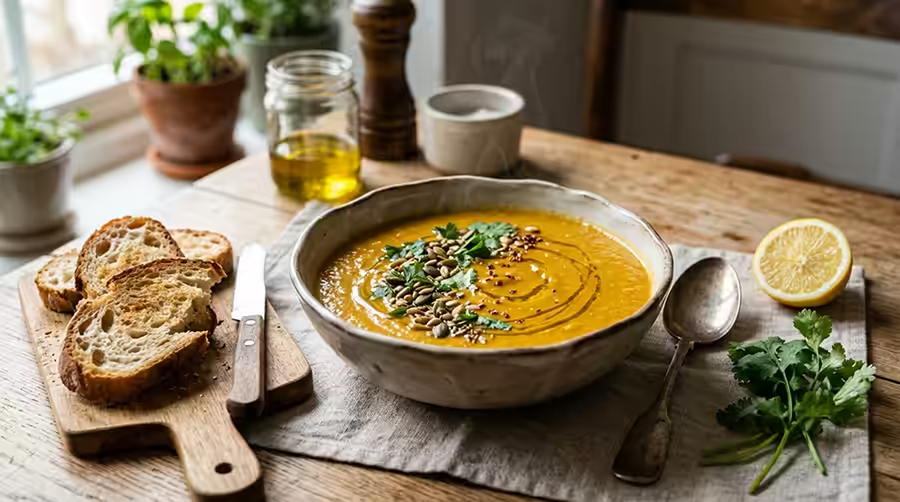
1. Cream of red lentil soup
This is one of the best recipes to start with. Red lentils cook quickly, break down easily, and have a smooth texture even without a blender, though using one will make the soup even creamier. This soup is warming, filling, and easy to adapt for children if you don’t add too much spice.
Ingredients:
- 1 cup of red lentils.
- 1 large onion.
- 1 carrot.
- 2 cloves of garlic.
- 1 tablespoon of tomato paste.
- 1 teaspoon of turmeric.
- 1 teaspoon of ground cumin.
- 1 teaspoon of sweet paprika.
- 1.5 liters of water or vegetable broth.
- 2 tablespoons of oil.
- Salt, black pepper, and lemon juice to taste.
Directions:
- Chop the onion and carrot, then sauté them in oil until tender.
- Add the garlic, tomato paste, and spices, and cook for 1 minute.
- Add the rinsed lentils and pour in the broth or water.
- Cook for 15–20 minutes until completely tender.
- Blend it in a blender or simply stir it well.
- Add salt, pepper, and a few drops of lemon juice.
Serve with croutons, pumpkin seeds, or a spoonful of yogurt. A bowl of this with bread is very filling and makes for a great light yet nutritious family lunch.
2. Hearty white bean and vegetable stew
White beans have a creamy texture, which makes them particularly good in stews. This dish is a cross between a soup, stewed vegetables, and a sauce. It’s perfect for the colder months, but it’s also delicious in the summer if you add more herbs and tomatoes.
Ingredients:
- 2 cups of cooked white beans.
- 1 onion.
- 2 carrots.
- 2 celery stalks.
- 2 potatoes.
- 2 cloves of garlic.
- 400 grams of tomatoes in their own juice.
- 1 tablespoon of tomato paste.
- 1 teaspoon of paprika.
- 1 teaspoon of dried thyme.
- 2 bay leaves.
- 2 tablespoons of oil.
- Salt, pepper, and herbs.
Directions:
- Sauté the onions, carrots, and celery until tender.
- Add the garlic, tomato paste, paprika, and thyme.
- Add the diced potatoes, tomatoes, and bay leaf.
- Add a little water or broth, and simmer for 15 minutes.
- Add the cooked beans and cook for another 10–15 minutes.
- Finally, season with salt and pepper and add the herbs.
To make the dish even more filling, serve it with polenta, bulgur, or simply with crusty bread. If you mash some of the beans with a spoon, the stew will become thicker and have a heartier texture.
3. Chickpea curry with tomatoes and coconut milk
Chickpea curry is one of the best answers to the question, “What can I make with chickpeas that will fill everyone up?” Chickpeas hold their shape well, and the tomato and coconut milk sauce creates a rich, creamy texture. It’s a dish that even people who aren’t big fans of legumes will enjoy.
Ingredients:
- 2 cups of cooked chickpeas.
- 1 onion.
- 3 cloves of garlic.
- A small piece of ginger.
- 400 grams of chopped tomatoes.
- 250 milliliters of coconut milk.
- 1 teaspoon of cumin.
- 1 teaspoon of coriander.
- 1 teaspoon of turmeric.
- 0.5 teaspoon of chili powder, or to taste.
- 2 tablespoons of oil.
- Salt, spinach, or cilantro, if desired.
Directions:
- Sauté the onions until golden brown.
- Add the minced garlic and ginger, then the spices.
- Add the tomatoes and simmer for 5–7 minutes.
- Add the chickpeas and coconut milk.
- Cook for another 10–12 minutes over low heat.
- If desired, top with a handful of spinach or fresh cilantro.
Serve with basmati rice, bulgur, or flatbread. If you want to boost the protein content and make it more filling, add green peas to the curry or serve it with rice and coleslaw.
4. Red Bean Lobio
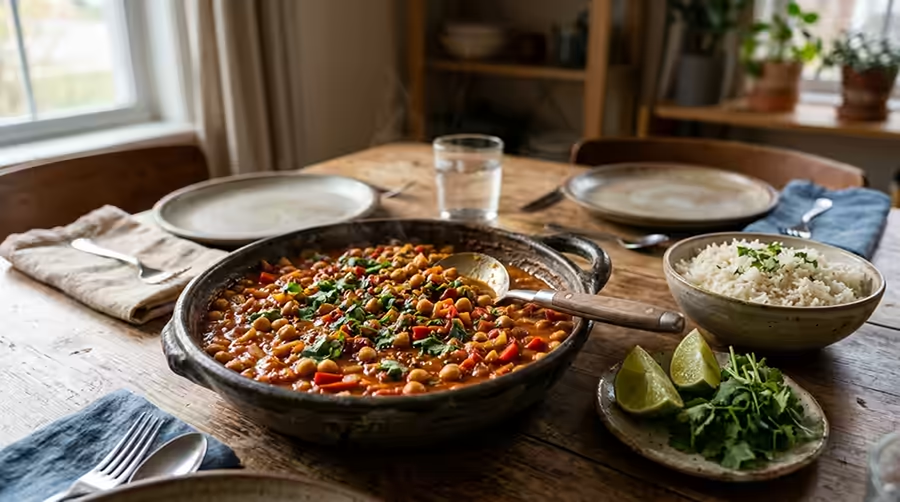
Lobio is a classic dish that perfectly demonstrates how beans can be vibrant, flavorful, and anything but boring. When made at home, it’s easy to adapt to whatever ingredients you have on hand. The basics are simple: beans, onions, garlic, spices, and herbs.
Ingredients:
- 3 cups of cooked red beans.
- 2 onions.
- 3 cloves of garlic.
- 1 teaspoon of ground coriander.
- 1 teaspoon of khmeli-suneli.
- 0.5 teaspoon of hot pepper.
- 2 tablespoons of tomato paste, if desired.
- 2 tablespoons of oil.
- A bunch of cilantro or parsley.
- Salt, black pepper.
Directions:
- Sauté the onions until they are soft and lightly caramelized.
- Add the garlic, spices, and tomato paste.
- Add the beans and pour in a little of the cooking liquid.
- Mash some of the beans with a spoon to thicken the mixture.
- Simmer for 10–15 minutes.
- Add plenty of fresh herbs at the end.
Lobio can be served hot or warm. It goes well with lavash, baked potatoes, vegetable salad, or rice. It’s a great choice for a family dinner because it’s hearty, flavorful, and keeps well until the next day.
5. Chickpea and Oat Patties
If your family loves the “cutlet and side dish” combo, this recipe will be a real find. These chickpea cutlets turn out dense, golden brown, and filling. They’re also convenient because they’re perfect for lunchboxes, burgers, pies, or simply a dinner with a salad.
Ingredients:
- 2 cups of cooked chickpeas.
- 1 small onion.
- 2 cloves of garlic.
- 1 carrot.
- 4–5 tablespoons of finely ground rolled oats.
- 1 teaspoon of cumin.
- 1 teaspoon of paprika.
- 2 tablespoons of chopped herbs.
- Salt, pepper.
- Oil for frying or baking.
Directions:
- Blend the chickpeas in a blender or mash them with a fork.
- Add the finely chopped onion, grated carrot, garlic, spices, and oats.
- Stir and let the mixture sit for 10 minutes.
- Shape the patties.
- Fry until golden brown on both sides, or bake in the oven.
Serve with mashed potatoes, a salad, rice, or in a bun with sauce. Add some vegetables and a tahini or yogurt sauce to the plate for a complete, nutritious dinner. For children, you can make it milder by omitting the chili and using minimal spices.
6. Lentil Bolognese for Pasta
This is a great way to use green or brown lentils. The dish feels like a classic thick tomato sauce for pasta, but instead of ground meat, it uses lentils. They add body and texture, making the sauce truly satisfying.
Ingredients:
- 1 cup of green or brown lentils.
- 1 onion.
- 1 carrot.
- 1 stalk of celery.
- 2 cloves of garlic.
- 400 grams of tomatoes in their own juice.
- 1 tablespoon of tomato paste.
- 1 teaspoon of oregano.
- 2 tablespoons of oil.
- Salt, pepper.
- Serving sauce.
Directions:
- Boil the lentils until tender, but make sure they retain their shape.
- Sauté the onions, carrots, and celery.
- Add the garlic, tomato paste, and oregano.
- Add the tomatoes and simmer for 5 minutes.
- Add the lentils and cook for another 10–15 minutes.
- Season with salt and pepper, then mix in the pasta or serve on top.
The secret to this dish is letting the sauce simmer a bit. This makes it rich, flavorful, and truly reminiscent of Bolognese. For extra heartiness, you can add mushrooms, and when serving, top it with grated hard cheese or a plant-based alternative.
7. Chili sin carne with beans and corn
Meatless chili is one of the best one-pot meals. It’s vibrant, spicy, very filling, and easy to scale up for any number of people. This recipe is perfect for making two days in advance, as the flavor becomes even richer the next day.
Ingredients:
- 2 cups of cooked red beans.
- 1 cup of cooked or canned corn.
- 1 onion.
- 1 bell pepper.
- 2 cloves of garlic.
- 400 grams of tomatoes.
- 1 tablespoon of tomato paste.
- 1 teaspoon of cumin.
- 1 teaspoon of smoked paprika.
- Chili pepper to taste.
- 2 tablespoons of oil.
- Salt, herbs, lime, or lemon.
Directions:
- Sauté the onion and bell pepper.
- Add the garlic, tomato paste, and spices.
- Add the tomatoes and simmer for a few minutes.
- Add the beans and corn.
- Cook for 15 minutes until thickened.
- Before serving, squeeze some lime juice over it and sprinkle with herbs.
Serve with rice, tortillas, baked potatoes, or simply with bread. If you want to make it more filling, you can also add black beans, pumpkin chunks, or a little cocoa for a richer flavor, as is sometimes done in classic chili recipes.
8. Warm salad with chickpeas, bulgur, and roasted vegetables
Not all hearty bean dishes have to be soups or stews. A warm salad is a wonderful option for spring, summer, and early fall, when you’re craving something lighter but not “empty.” Here, chickpeas provide protein, bulgur provides energy, and roasted vegetables add sweetness and flavor.
Ingredients:
- 2 cups of cooked chickpeas.
- 1 cup of cooked bulgur.
- 1 zucchini.
- 1 eggplant.
- 1 sweet pepper.
- 1 red onion.
- 2 tablespoons of oil.
- Salt, pepper.
- A handful of greens.
- 2 tablespoons of lemon juice.
- 1 teaspoon of mustard.
- 1 teaspoon of honey or syrup, if desired.
Directions:
- Chop the vegetables, brush them with oil, and bake until tender.
- Cook the bulgur.
- Mix the chickpeas, bulgur, and warm vegetables.
- Separately, prepare a dressing using lemon juice, mustard, oil, and a small amount of a sweet ingredient.
- Drizzle the salad with the dressing, add the herbs, and serve warm.
This dish works well as a stand-alone dinner. If you want it to be creamier, add a spoonful of hummus or a tahini-based sauce. It’s a convenient option for families when they need something filling but not too heavy.
9. Casserole with beans, mushrooms, and potatoes
Casseroles are often underrated, even though they’re perfect for a hearty home-cooked meal. The combination of beans, mushrooms, and potatoes creates that “comforting” texture that many people look for in a meatless dish. It’s a great way to treat your family to a familiar-style lunch or dinner.
Ingredients:
- 2 cups of cooked green beans.
- 500 grams of potatoes.
- 300 grams of mushrooms.
- 1 onion.
- 2 cloves of garlic.
- 2 tablespoons of oil.
- 150 milliliters of vegetable cream or thick béchamel sauce.
- 1 teaspoon of thyme.
- Salt, pepper.
- A little cheese on top, if desired.
Directions:
- Boil the potatoes until they are half-cooked, then slice them.
- Sauté the onions, mushrooms, and garlic.
- Add the beans, spices, and a little cream sauce or béchamel.
- Layer the potatoes and the green bean and mushroom mixture in the baking dish.
- Pour the remaining sauce over the top.
- Bake until golden brown.
This casserole turns out dense and flavorful, and it holds its shape well once cooled. It’s best served in individual portions alongside a cabbage or cucumber salad. For a more distinctive flavor, you can add smoked paprika or a little mustard to the sauce.
10. Homemade Hummus Bowl with Chickpeas, Vegetables, and Rice
Hummus is often thought of merely as a spread, but it can serve as the basis for a complete, satisfying meal. This is especially convenient when you have cooked chickpeas on hand and some roasted or fresh vegetables. A bowl like this can easily be tailored to suit the tastes of every family member.
Ingredients for hummus:
- 2 cups of cooked chickpeas.
- 2 tablespoons of tahini.
- 1 clove of garlic.
- 2–3 tablespoons of lemon juice.
- 2 tablespoons of olive oil.
- Salt, cumin, and a little water.
Ingredients for the bowl:
- Cooked rice or quinoa.
- Cucumber.
- Tomatoes.
- Carrots.
- Roasted pumpkin or cauliflower.
- Greens.
- Seeds or nuts, if desired.
Directions:
- Blend the chickpeas with tahini, lemon juice, garlic, oil, and a little water until smooth.
- Serve the rice or quinoa on a plate.
- Add a generous serving of hummus.
- Arrange the vegetables, herbs, and a few extra chickpeas next to it.
- Drizzle with olive oil or lemon dressing.
This is a simple yet very nutritious dish. It provides protein from the chickpeas, energy from the grains, and the vegetables make the plate hearty and fresh. For a family meal, you can set out all the ingredients on the table and let everyone put together their own version.
How to plan a weekly menu featuring legumes
To make sure legumes don’t just remain “something to try later,” it’s important to make them part of your routine. The most convenient approach is to prepare a base for several dishes at once, rather than starting from scratch every time.
Here’s a simple weekly schedule:
- On Sunday, cook one serving of chickpeas and one serving of green beans.
- At the same time, keep 1–2 packages of lentils on hand, because they’re the quickest solution.
- Use some of the cooked beans right away in a soup or curry.
- Set some aside for salads, cutlets, hummus, or a casserole.
- Freeze the portions if you won’t be able to use them within 3 days.
For example, with just one pot of chickpeas, you can make hummus, curry, and a warm salad. With green beans, you can make lobio, stew, and chili. And lentils are always a “quick fix” for when you need to feed the family in 25 minutes.
Common mistakes when cooking legumes
Even good ingredients can be disappointing if you make a few common mistakes. To ensure that your dishes made with beans, lentils, and chickpeas turn out truly delicious, keep the following points in mind.
- Don’t use beans that are too old. They may take a very long time to cook and still not become tender.
- Don’t add tomatoes or vinegar right at the start of cooking the beans.
- Don’t forget the spices, onions, garlic, and fat—without them, the flavor will be bland.
- Don’t cook all legumes “by eye,” because cooking times vary significantly depending on the type.
- Don’t make a dish using only legumes without vegetables or sauce if you want a milder flavor and better texture.
- Don’t try to jump straight to very large portions if you haven’t been eating many legumes before.
Another important point is salt. The common advice to “add salt only at the end” is useful for green beans and chickpeas if you want to speed up the softening process. But in the finished dish, don’t be afraid to season it properly. Undersalted legumes almost always taste bland.
Why legumes are truly beneficial for the family
From a practical standpoint in home cooking, legumes offer advantages on several fronts. First, they’re budget-friendly. Second, they have a long shelf life without losing quality. Third, they’re versatile: a single basic purchase can be used for soups, hot dishes, salads, and spreads.
In addition, bean dishes hold up well when reheated. Many of them actually taste even better the next day, as the flavors of the spices and sauces blend together more harmoniously. For a family with a busy schedule, this is a major advantage. You don’t have to come up with a new dinner every time—it’s enough to prepare the base properly just once.
And finally, legumes evoke a sense of home-cooked, wholesome food. They aren’t a “dietary compromise” or a forced substitute for meat, but a whole world of dishes in their own right. If you work with flavor, texture, and combinations the right way, beans, lentils, and chickpeas become not just a fallback option, but a favorite part of the menu.
Conclusion
Legumes instead of meat are delicious, filling, affordable, and very practical in everyday life. Beans, lentils, and chickpeas help you create a nutritious family menu without breaking the bank, and proper soaking, adequate cooking time, a basic set of spices, and a few tried-and-true recipes make the process simple even for beginners.
If you keep the basics in mind, everything becomes easy: it’s best to soak beans and chickpeas, lentils cook quickly, spices and acidity enhance the flavor, and combining legumes with grains and vegetables provides that satisfying fullness we often seek in meat dishes. And then it’s just a matter of practice: one soup, one stew, one curry—and legumes will gradually become a natural part of your cooking.
Start with red lentils if you want a simple and predictable result. Add chickpeas if you like hearty, flavorful dishes. Keep beans on hand if you appreciate versatile recipes that last for several days. And you’ll soon see that legumes aren’t just a “substitute” for your family—they’re a convenient, economical, and delicious staple of your home cooking.