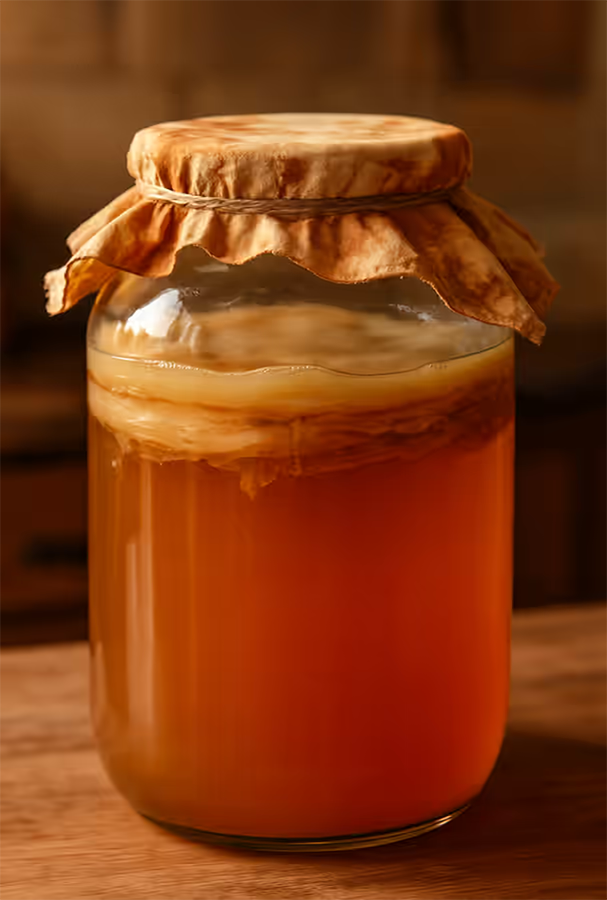
What is Kombucha and Why You Should Make It at Home
Kombucha is a natural carbonated fermented drink based on tea fungus, tea, and sugar, which originated in the Far East. In recent years, this unique drink has won the hearts of millions of people around the world, including Ukraine, thanks to its unique taste and potential health benefits.
Unlike buying ready-made kombucha in coffee shops or stores, where the cost of one glass can reach 50-100 hryvnia, making it at home will cost you much less. What’s more, you’ll have complete control over the quality of the ingredients, the level of sweetness, and the flavor variations of your drink, which will be completely personal and unique.
Many people who have started making kombucha at home find that it is not only economical, but also an exciting hobby that combines elements of meditation and scientific experimentation. The process of making kombucha is similar to caring for a plant — you need to provide the fungus with the right conditions, and it will reward you with a delicious and healthy drink for years, potentially decades.
The process may seem complicated at first glance, but in reality it is quite simple and only requires patience and adherence to basic hygiene rules. With each batch of kombucha, you will gain experience and learn to understand the needs of your culture, recognizing its visual signs and responding to them appropriately.
Content
What is a Tea Fungus (SCOBY) and How Does It Work?
Before moving on to the recipe, it is important to understand what a tea fungus is, scientifically known as SCOBY (Symbiotic Culture Of Bacteria And Yeast).
SCOBY is not a real fungus in the classical sense, but a living symbiosis of microorganisms that form a dense, slimy, elastic mass that looks like a yellowish or brown disc, often with holes and irregularities. The main components of this culture include bacteria (mainly Acetobacter xylinum and other species of the genus Acetobacter) and yeast (Saccharomyces cerevisiae and other species).
How the Fermentation Process Works
When SCOBY is added to sweetened tea, microorganisms begin a wonderful symbiotic dance, where each species plays an important role. First, yeast breaks down sugar, producing alcohol through fermentation. Then, Acetobacter bacteria convert this alcohol into organic acids, primarily acetic acid. It is this process that creates kombucha’s characteristic sour taste and makes it safe for long-term storage.
The fermentation process also leads to the formation of cellulose on the surface of the liquid — this is a new layer of SCOBY that forms with each batch. Over time, you may have several layers of fungus that can be separated and shared with friends or used as a backup culture in case of problems with the main culture.
Why Tea Is So Important
Tea contains tannins and polyphenols, which not only create a favorable environment for fermentation, but also contribute to the potential health benefits of the drink. When you choose black, green, or hibiscus tea for kombucha, you are choosing different flavor profiles and antioxidant activities.
Black tea will give the drink a richer, warmer flavor with light tannic notes and depth. Green tea will create a lighter, more delicate flavor profile with floral nuances and freshness. Hibiscus will give a bright red color and fruity flavor with a slight tartness, making the drink particularly appealing and visually attractive.
Health Benefits of Kombucha: What Science Says
Many people start making kombucha precisely because of its potential health benefits. However, it is important to distinguish between popular claims and those supported by scientific research and clinical trials.
Proven Benefits of Kombucha
Probiotics for gut health
Kombucha contains live beneficial bacteria and yeast similar to those found in yogurt, kefir, pickled cucumbers, and sauerkraut. These probiotics can help improve the gut microbiome and support healthy digestive function. Gut health is the foundation of overall well-being, as it is in the gut that nutrients are absorbed and important compounds for the body, including neurotransmitters and B vitamins, are produced.
To get the maximum benefit from probiotics, it is recommended to consume unpasteurized kombucha that you prepare at home, as commercial processing often destroys live cultures, making the product less beneficial.
Antioxidants for cell protection
Especially when kombucha is made from green tea, it is rich in antioxidants such as polyphenols, flavonoids, and catechins. These substances actively combat the harmful effects of free radicals in your body and support overall health and vitality.
Free radicals are unstable molecules that are constantly formed in our bodies and can accumulate during stress, air pollution, UV exposure, and excessive alcohol consumption, leading to a condition called oxidative stress. This oxidative stress can accelerate aging and contribute to the development of chronic diseases.
Organic acids for detoxification
During fermentation, organic acids are formed, including acetic, glucuronic, and gluconic acids. These acids can support the liver’s detoxification functions, helping the body get rid of unwanted compounds and metabolic products that accumulate over time.
Antimicrobial properties
The organic acids in kombucha, especially acetic acid, have potential antimicrobial activity, which means they can fight the growth of harmful bacteria and microorganisms. This is what makes kombucha beneficial for maintaining healthy microflora and the immune system, especially during the flu and cold season.
Potential effects on the cardiovascular system
Some studies suggest that regular consumption of kombucha may help lower cholesterol, improve vascular function, reduce inflammation in the body, and normalize blood pressure. These effects are achieved through the combined action of antioxidants, organic acids, and probiotics, which work synergistically.
Detailed Recipe for Homemade Kombucha: Step by Step
Required Ingredients
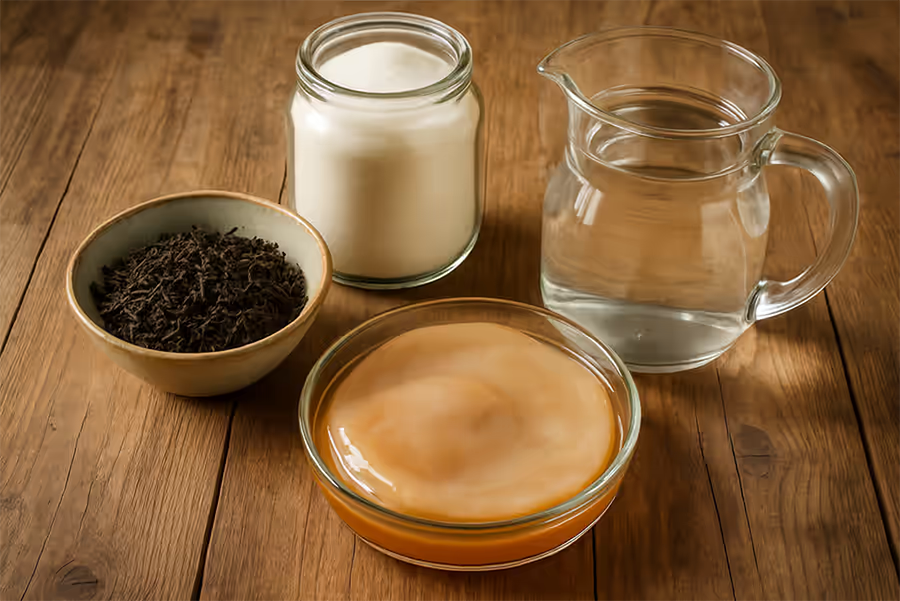
To make 2-2.5 liters of kombucha, you will need the basic ingredients and equipment.
Main ingredients:
- 150 g sugar (white granulated sugar works best)
- 15-20 g of loose leaf tea without flavorings (black, green, oolong, or hibiscus)
- 2 liters of clean water (boiled, filtered, or bottled, but not distilled)
- 1 SCOBY (tea fungus) + 250-300 ml of liquid from it
Equipment:
- Glass jar with a capacity of 3-4 liters
- Gauze in four layers
- Rubber band for fastening
- Tea strainer
- Wooden or plastic spoon (no metal!)
- Thermometer (optional, but recommended)
Steps for Preparing the First Fermentation
Step 1: Preparing the tea
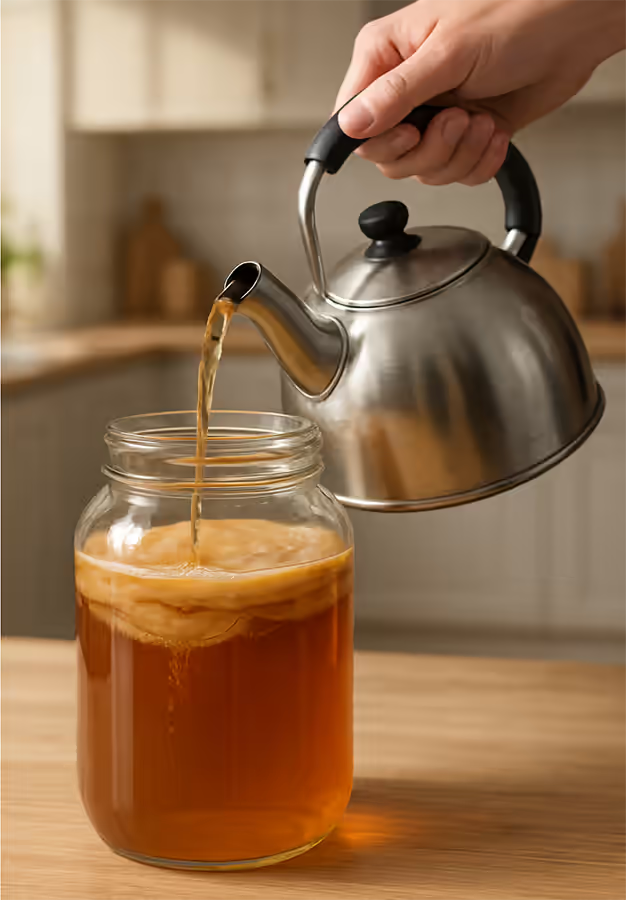
Boil 500 ml of water in a teapot. Add 15-20 g of loose leaf tea and let it steep for 10-15 minutes. Choose high-quality loose leaf tea — black (Ceylon, Indian), green (sencha, matcha), or oolong. Do not use tea bags, as they often contain flavorings and lower-quality tea, which can negatively affect fermentation.
Step 2: Dissolving sugar
Strain the tea through a sieve, removing all tea leaves. Add 150 g of sugar to the hot tea and stir thoroughly until completely dissolved. White sugar works best for fermentation because it is most easily broken down by microorganisms.
Step 3: Cooling the infusion
Allow the tea to cool to room temperature (20-25°C). This is a critical step! Hot tea kills the SCOBY and stops fermentation. It is best to pour the tea into a larger container for faster cooling.
Step 4: Adding liquid from the SCOBY
Pour the cooled tea into a sterilized three-liter jar, then add 250-300 ml of liquid from the SCOBY. This liquid establishes the correct pH and contains the active cultures necessary for successful fermentation.
Step 5: Adding SCOBY
Carefully place the SCOBY in the jar along with the liquid. The fungus may float or sink to the bottom — both options are perfectly normal. The fungus will adapt to its new environment within a few days.
Step 6: Covering the jar
Cover the opening of the jar with four layers of cheesecloth and secure it with a rubber band. The cheesecloth allows air to circulate but prevents insects and dust from getting into your kombucha.
Step 7: Choosing a fermentation site
Place the jar in a dark, warm place away from direct sunlight. The optimal temperature is 22-26°C. At temperatures below 20°C, fermentation slows down significantly, and at temperatures above 30°C, unwanted microorganisms may develop.
Fermentation Time and Readiness
The first fermentation takes 5-14 days depending on the temperature, culture activity, and your preferences. At 22-24°C, it usually takes 7-10 days. At higher temperatures, the process can be accelerated by 2-3 days.
How to determine kombucha readiness:
Try the drink every day after the 5th day. Ready kombucha has:
- Slightly sour taste (like apple juice, but a little more sour)
- A balanced balance between sugar and acidity
- Pale brown shades
- Slight hissing may occur during fermentation
Second Fermentation: Adding Flavor and Carbonation
When the first fermentation is complete, you have basic kombucha. The second fermentation transforms it into a fizzy, flavorful creation similar to craft sodas.
What is secondary fermentation?
Second fermentation is an additional stage that takes place without SCOBY in a sealed container. During this process, sugar residues and remaining microorganisms (yeast) produce carbon dioxide (CO2), which gives kombucha its natural carbonation.
How to Conduct Secondary Fermentation
Step 1: Preparing kombucha and containers
Pour the finished kombucha from the first fermentation into clean glass bottles or jars with tight-fitting lids. Leave the SCOBY and 10-15% of the liquid in the original jar for the next batch of kombucha — this will be your “mother” for future fermentations.
Step 2: Adding aromas and flavors
Add your chosen additives to a 500-750 ml bottle before pouring in the kombucha. Recommended:
- 30-50 ml of fruit juice
- 2-3 slices of fresh fruit
- 1-2 teaspoons of fruit puree
- 1 tsp dried herbs or spices
Step 3: Bottling kombucha
Pour the base kombucha into bottles with additives, leaving 1-2 cm of free space at the top. This space is necessary for carbonation and to prevent the bottle from bursting.
Step 4: Sealing and fermentation
Close the bottles tightly with lids and place them in a dark place at room temperature. The second fermentation takes 1-7 days:
- In warm conditions (24-26°C): 1-3 days
- At moderate temperatures (20-23°C): 3-5 days
- At room temperature (18-20°C): 5-7 days
Step 5: Cooling and storage
When you hear hissing and see bubbles, the carbonation has reached the desired level. Place the bottles in the refrigerator—the cold stops fermentation and preserves the gas in the drink. The chilled kombucha is ready to drink!
Popular Kombucha Variations
1. Classic Lemon Kombucha
Ingredients (per 750 ml bottle):
- 3-4 slices of fresh lemon
- 1 tsp honey (optional)
Preparation: Place lemon slices in a bottle before pouring in the kombucha base. Ferment for 2-3 days.
Result: Refreshing, slightly sweet kombucha with a bright lemon flavor, perfect for summer and hot days.
2. Berry Kombucha
Ingredients (for a 750 ml bottle):
- 50-60 ml of berry juice (strawberry, raspberry, currant, aronia, blueberry)
- 5-6 whole berries
Preparation: Pour the juice into a bottle, add whole berries for flavor, and pour in the kombucha. Ferment for 2-4 days.
Result: Dark, aromatic kombucha with natural sweetness and increased antioxidant content from berries.
3. Ginger Kombucha
Ingredients (per 750 ml bottle):
- 1-2 cm of fresh ginger root, thinly sliced
- 1 slice of lemon
- honeycomb
Preparation: Place ginger and lemon in a bottle, pour kombucha over them. Ferment for 2-3 days.
Result: Warm, spicy kombucha with a slight tingling sensation, excellent for mood and digestive health.
4. Mint Kombucha
Ingredients (per 750 ml bottle):
- 10-12 fresh mint leaves
- 2-3 lemon wedges
- 1 tsp honey (optional)
Preparation: Tear the mint with your hands to release the aroma, add lemon. Pour kombucha over it and ferment for 2-3 days.
Result: A light, refreshing kombucha with a natural mint flavor, perfect for drinking cold in hot weather.
5. Coffee Kombucha
Ingredients (per 750 ml bottle):
- 30-50 ml of chilled coffee (preferably espresso)
- 1-2 teaspoons coconut sugar or honey
Preparation: Add coffee juice as an additive for secondary fermentation. Ferment for 1-2 days.
Result: An energizing kombucha with a mild coffee flavor and natural caffeine.
6. Hibiscus (Karkade) Kombucha
Ingredients (per 750 ml bottle):
- 1-2 teaspoons of dried hibiscus flowers
- honeycomb
- 1 orange slice (optional)
Preparation: In the first stage, you can partially replace regular tea with hibiscus. Ferment for 2-4 days.
Result: Bright red kombucha with a fruity taste and unique beauty.
7. Apple with Cinnamon
Ingredients (per 750 ml bottle):
- 50 ml of natural apple juice
- 1 cinnamon stick
- 2-3 whole cloves
Preparation: Add the spices and pour in the apple juice. Pour in the kombucha and ferment for 2-3 days.
Result: A warm, aromatic drink with warm autumn notes, perfect for fall and winter.
How to Grow a Tea Fungus (SCOBY) From Scratch
If you don’t have access to a ready-made SCOBY, you can grow it yourself in 2-4 weeks.
Method 1: Grow SCOBY from Apple Cider Vinegar
Ingredients:
- 1 liter of natural apple cider vinegar (without preservatives, raw)
- 2 tablespoons black leaf tea
- 100 g sugar
- 1 liter of boiled water
Preparation:
- Boil 1 liter of water, add 2 tablespoons of tea, and let it steep for 10 minutes.
- Strain the tea, add 100 g of sugar, and allow to cool to room temperature.
- Pour the vinegar into a clean glass jar with a capacity of 2-3 liters.
- Add chilled sweet tea
- Cover the jar with gauze and place in a warm place (22-26°C).
- Wait 2-4 weeks until a 5-10 mm thick layer of SCOBY forms on the surface.
Result: Young SCOBY, ready to use!
Method 2: Grow SCOBY from Leaf Tea
Ingredients:
- 5 tablespoons black leaf tea
- 500 ml boiling water
- 7 tablespoons sugar
- 1 clean glass jar (1.5-2 liters)
Preparation:
- Brew 5 tablespoons of tea in 500 ml of boiling water, let it steep for 10 minutes.
- Strain the tea, dissolve 7 tablespoons of sugar in hot tea.
- Allow to cool to room temperature
- Pour into a glass jar, cover with gauze
- Place in a warm place away from direct sunlight.
- Wait 2-4 weeks until a thin film forms on the surface, which will thicken over time.
Practical Tips for Successful Kombucha Brewing
Optimal Amount of Ingredients
The optimal amount of sugar is 80-150 g per 1 liter of water. Don’t be afraid of sugar — more than 90% of it is broken down during fermentation by microorganisms. The minimum amount is necessary to feed the culture and ensure optimal fermentation.
Use white granulated sugar, as it is most easily broken down by microorganisms and has the least impact on the taste of the drink. Brown sugar, honey, and other alternatives may work, but often produce less predictable results.
Tea and Water Quality
Use high-quality loose leaf tea without flavorings. Tea bags often contain flavorings and lower-quality tea, which can negatively affect the fermentation and taste of kombucha.
The water must be clean — if your tap water has a high chlorine content, use filtered or boiled water. Even small amounts of chlorine can harm the culture.
Always cool tea to room temperature before adding it to the mushroom. Hot tea kills the SCOBY and stops fermentation for months or longer.
Hygiene and Cleanliness
Sterilize the entire container with hot water or boiled water before use. Although kombucha is quite resistant to contamination due to its acidity, this does not mean that hygiene can be ignored.
Once a month, gently rinse the mushroom in cool tap water to remove any accumulated fermentation byproducts. This helps the mushroom remain active and healthy.
If dark spots or visible signs of mold (fluffy white, green, or black substance) have formed on the mushroom, remove these layers immediately. A normal SCOBY should look like a dense, uniform film, often with some holes, but without fluffy growths.
Temperature and Environment
The optimal temperature of 22-26°C is the range at which fermentation is most active and reliable. At temperatures below 18°C, fermentation practically stops, and at temperatures above 30°C, undesirable microorganisms may develop.
Avoid direct sunlight. UV rays can negatively affect the culture and destroy some nutrients. Keep the jar in a dark, shaded place, but not in a completely dark room.
Ensure good ventilation through cheesecloth. Cheesecloth allows air to circulate, which is necessary for normal fermentation. Do not cover the jar tightly during the first fermentation — microorganisms need oxygen.
Common Mistakes and How to Avoid Them
Mistake 1: Incorrect Amount of Sugar
Problem: Too little sugar — the culture starves, fermentation is slow, the drink does not develop
Solution: Always use the recommended amount (80-150 g per 1 liter). Remember that sugar does not remain in the finished drink — it breaks down during fermentation and turns into acids and carbon dioxide.
Mistake 2: SCOBY Sinks to the Bottom
Problem: This often scares beginners, but it is often normal.
Reasons: Temperature too low, insufficient sugar, young culture, fungus simply adapts to new environment
Solution: Check the temperature (it should be 22-26°C), make sure there is enough sugar, give the culture time to adapt (young mushrooms can be at the bottom for up to 2 weeks, mature ones — a maximum of several days).
Mistake 3: Too Sour Taste
Problem: Kombucha tastes like vinegar, very tart
Reason: Too long fermentation (more than 10-14 days)
Solution: Reduce the fermentation time next time, and taste the drink every day after the 7th day to find the perfect balance of flavor.
Mistake 4: Kombucha Is Too Sweet
Problem: Kombucha still tastes like sweet tea, like compote.
Reason: Insufficient fermentation, reduced culture activity
Solution: Let it ferment for a few more days, check that the temperature is sufficient (not below 22°C).
Mistake 5: Visible Signs of Mold
Problem: A fluffy white-green or black substance is visible on the surface.
Cause: Contamination, most often due to poor hygiene or excessive moisture
Solution: Discard this batch of kombucha. Start a new one, making sure that all containers are sterile and the environment is clean. A normal SCOBY should look like a dense, uniform film.
Mistake 6: The Mushroom Is Not Growing
Problem: New layers of SCOBY are not forming, the fungus remains thin
Reasons: Low culture activity, incorrect temperature, contamination, poor-quality tea
Solution: Ensure that the temperature is sufficient (22-26°C), use high-quality tea and clean water, try adding a little more sugar, and consider purchasing a new SCOBY if the old one has not been active for over a month.
Storage of Kombucha and Tea Mushroom
Storing Ready-Made Kombucha
At room temperature: Ready kombucha can be stored at room temperature for no more than 4 days. During this time, it may continue to ferment, becoming more acidic and fizzy.
In the refrigerator: Pour the finished kombucha into airtight bottles and place in the refrigerator. It can be stored for up to 6 months. Cold temperatures practically stop fermentation, preserving the taste and properties.
Storing the Tea Fungus (SCOBY)
Active mushroom: If you actively use kombucha, it should be kept in a jar with kombucha at room temperature, covered with gauze, away from direct sunlight.
Spare mushroom: If you have a spare mushroom, place it in a jar with kombucha, cover with gauze, and place on the bottom shelf of the refrigerator. This way, the mushroom can be stored for several months.
Dried mushrooms: If you need to store mushrooms for a long time (6-12 months), dry them on a clean towel at room temperature. Turn them regularly until they are dry and look like crispy paper. Store them in a paper bag in a dark place.
FAQ — Frequently Asked Questions About Kombucha
Q: How long does it take to make kombucha from scratch?
A: If you already have a SCOBY, the first fermentation takes 5-14 days, and the second fermentation takes 1-7 days. In total, it takes about 2-3 weeks from start to finish. If you are growing a SCOBY from scratch using vinegar, it will take 2-4 weeks to form the culture, and then more time for the kombucha to ferment.
Q: How long can a kombucha culture live?
A: With proper care, a SCOBY can live for years, even decades. There are known cases of people using the same culture for over 10-15 years. The key is regular feeding and proper storage conditions.
Q: Can I replace the SCOBY if it has grown too large?
A: Yes, you can remove the excess layers of the culture. For one fermentation, you need a SCOBY thickness of about 0.5-1 cm. You can give the extra layers to friends, sell them, or discard them.
Q: Does kombucha ferment in the refrigerator?
A: Fermentation in the refrigerator slows down significantly due to low temperatures. Although this does not completely stop the process, it is not recommended for primary fermentation. The refrigerator is great for storing finished kombucha.
Q: Is homemade kombucha safe?
A: Yes, homemade kombucha is completely safe when basic hygiene rules are followed. Key points: use clean containers and utensils, use the correct amount of sugar, brew kombucha at the appropriate acidity level, and remove the SCOBY at the first sign of mold.
Q: How much kombucha can you drink per day?
A: It is recommended to start with small amounts (50-100 ml per day) for people who have never drunk kombucha before and see how your body reacts. For most people, 200-300 ml per day is considered safe. Kombucha contains some caffeine (about 10-15 mg per cup).
Q: Does sugar remain in the finished kombucha?
A: More than 90% of the sugar is broken down during fermentation, but some (usually 2-5 g per 100 ml) remains. This does not make kombucha high in calories — a typical cup of kombucha (200 ml) contains about 20-30 calories.
Q: Can kombucha be made without SCOBY?
A: Technically, you can grow SCOBY from scratch using natural apple cider vinegar and sweetened tea, but it’s a longer process (2-4 weeks). It’s easier to buy ready-made SCOBY from friends, online, or at specialty stores.
Q: Can I use other teas?
A: Yes, you can experiment with pu-erh, black tea, green tea, white tea, oolong, and hibiscus. Each tea will add its own flavor to the kombucha. Avoid flavored teas and herbal teas, as they can upset the balance of the culture.
Q: Can kombucha be made without tea?
A: It is not recommended. Tea contains tannin and polyphenols, which are necessary for normal fermentation. Without tea, the culture does not develop properly, and the drink may be unsafe for consumption.
Q: Are there any contraindications to drinking kombucha?
A: In rare cases, people who are sensitive to kombucha may experience side effects such as bloating, headaches, or indigestion. This is due to FODMAP compounds and carbonation. If you have liver disease, diabetes, irritable bowel syndrome, or other serious medical conditions, consult your doctor before consuming kombucha regularly.
Conclusions: The Beginning of Your Journey into the World of Kombucha
Making kombucha at home is more than just a way to save money. It is an exciting process that combines science, creativity, and care. When you make your first batch of kombucha, you are participating in a tradition that dates back hundreds of years into Chinese and Eastern culture.
Start with a simple basic recipe, observe your culture, learn from your mistakes, and gradually develop your skills. Don’t be afraid to experiment with different teas, additives, and fermentation times. Each batch teaches you something new about how your culture reacts to conditions and ingredients.
The most important thing is to maintain cleanliness, maintain the correct temperatures, and listen to your culture. Your SCOBY communicates with you through its appearance and fermentation speed. Over time, you will begin to understand its needs and growth, even without using a pH meter or complex tools.
Thousands of people around the world make kombucha at home—from New York to Sydney, from Europe to Africa—and now you have the knowledge to do the same. Allow yourself to enjoy the process and reap the benefits of this amazing fermented beverage right from your own kitchen.
Start small, follow the rules, and follow your heart. Your homemade kombucha will be unique, delicious, and filled with love and care, because each batch carries your personality and choices. Enjoy this exciting process!