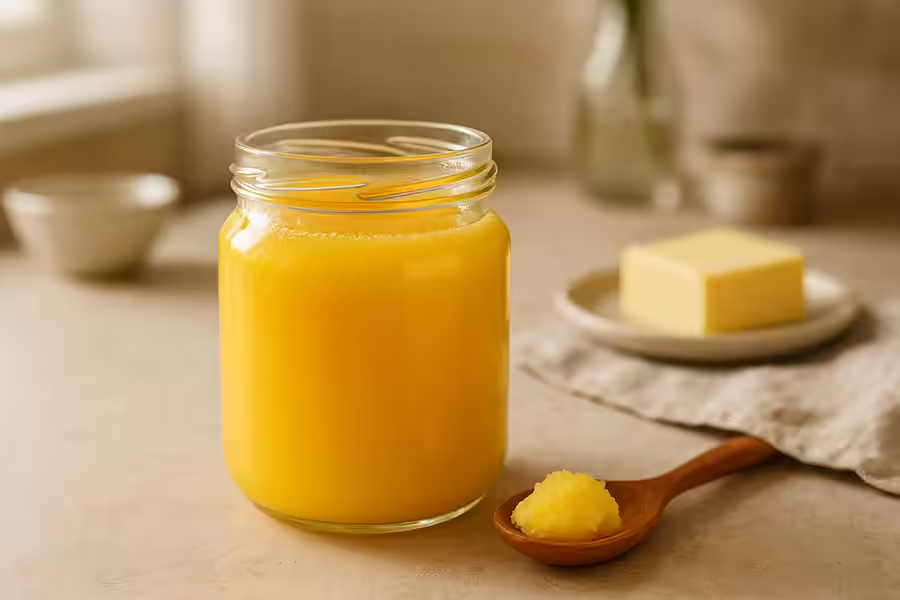
Ghee is a product that has gained immense popularity in recent years beyond the borders of India. It is known as “clarified butter”, a superfood and the most refined alternative to regular butter. But what exactly is its fame based on? In this article, we will detail what ghee is, how it differs from regular clarified butter, what uses it holds, and which people should be cautious when consuming it. You’ll learn how easy it is to prepare ghee at home, what varieties exist, and how to use it – from culinary to cosmetic applications. Examples include practical tips and answers to the most common questions.
Content
What is ghee?
Ghee (from English) is clarified, farm-fresh butter that is obtained through slow heating to separate the milk solids and water from the pure, golden fat. During this process, moisture is removed from the fat (about 20% of the starting mass), leaving behind a clear, golden liquid characterized by a pleasant, nutty aroma.
The word ‘ghee’ originates from the Sanskrit word ‘ghʽ̄ta’ (घृत), which literally means ‘clarified butter’. In Hindi, ‘ghee’ simply means ‘oil’. The product has a thousands of years history: it is believed that its production began nearly 5000-8000 years ago in the region of India, on the territory of modern India and Pakistan.
The unique type of ghee is produced practically through usage — in the specific climate of Southeast Asia, regular ghee melts quickly. The method allows preserving the product significantly longer without refrigeration. Over time, ghee has become an integral part of Indian culture, Ayurvedic medicine, and even certain religious rituals. In ancient texts, Rigveda (around 1500 BCE) mentions ghee as a sacred substance, utilized for sacrifices (offerings).
Today’s ghee is a global trend in healthy eating. Over the last decade, ghee production has increased more than four times. It can be found in health food stores, supermarkets, and can also be prepared at home.
How ghee differs from regular melted butter
Many people mistakenly believe that ghee and regular melted butter are the same. While they truly resemble each other, there are essential differences in both the technology of preparation and the quality of the final product.
Cooking technology
Regular melted butter is typically prepared quite quickly: clarified butter is separated into layers (white sediment, transparent fat, and foam), after which the fat is removed and filtered. The entire process takes 1-2 hours.
Ghee requires significantly more time and attention. In the Ayurvedic tradition, it should be cooked over low heat at a temperature of 80-110°C for 5-6 hours. Considering the prolonged heating:
- The moisture evaporates (it remains less than 5% moisture, in ideal conditions — less than 1%)
- Dairy fats (casein) and lactose content are separated and removed
- The fat has a characteristic golden color and a smoky-caramel flavor
- Contains fat-soluble vitamins A, D, E, and K
Reference table
| Characteristics | Fat g | Regular refined oil | Premium oil |
|---|---|---|---|
| Moisture content | less than 1-5% | 5-10% | 16-20% |
| Lactose | absent | possible residues | present |
| casein | absent | possible residues | present |
| Heating temperature | 250°C (482°F) | 190-210°C | 150-177°C |
| Smoky | smoky-caramel | neutral oil | clarified |
| Storage without refrigeration | up to 12 months | up to 3 months | number of days |
| Calories (100 g) | 885–900 kcal | 850–880 kcal | 660–750 kcal |
Refined oil — this is not simply refined oil, but rather a highly purified fatty product with unique properties, which surpasses regular refined oil in all parameters.
Nutritional value per 100 g
Oil is practically pure fat, but far from being ‘caloric fodder.’ It contains valuable vitamins, fatty acids, and biologically active substances.
Nutritional value per 100 g
| Nutritional value | Quantity |
|---|---|
| Calories | 885–900 kcal |
| Fats | 98–99.8 g |
| — Saturated fats | 61–62 g |
| — Monounsaturated fats | 28–29 g |
| — Polyunsaturated fats | 3–4 g |
| — Omega-3 fatty acids | 0.3 g |
| — Omega-6 fatty acids | 3 g |
| Cholesterol | 0–0.3 g |
| Carbohydrates | 0–0.6 g |
| Cholesterol | 260 mg |
Nutritional value per 1 tablespoon (14 g)
| Nutritional value | Quantity |
|---|---|
| Calories | 120–130 kcal |
| Fats | 13–14 g |
| Saturated fats | 8.5–9 g |
| Cholesterol | 35 mg |
| Vitamin A | 8–13% of daily value |
| Vitamin E | 2% of daily value |
Key nutrients
Essential fatty vitamins:
- Vitamin A — oil is one of the best sources of biologically accessible vitamin A. One tablespoon covers up to 13% of the daily requirement. Vitamin A supports vision, immunity, and healthy skin.
- Vitamin D — plays a role in calcium metabolism, strengthening bones and teeth, supports the immune system.
- Vitamin E — a powerful antioxidant that protects cells from damage by free radicals and slows down aging processes.
- Vitamin K — essential for normal blood clotting and the health of connective tissues. Found in milk from cows that graze on grass, providing increased amounts of vitamin K2.
Fatty acids:
- Butyrate — a short-chain fatty acid that nourishes intestinal cells, supports the integrity of the intestinal lining, and promotes microbial health. Butyrate is known for its protective properties.
- Conjugated Linoleic Acid (CLA) — may help reduce body fat percentage in the body and support healthy lean mass. Some studies associate CLA with reduced risk of developing certain diseases.
- Omega-3 Fatty Acids — essential fats that are beneficial for the cardiovascular system.
Important: Recommended daily dose of oil is 10–15 grams (1 tablespoon). Regardless of all uses, it is a high-calorie product, and exceeding normal limits may lead to weight gain and increased cholesterol levels.
The oil is beneficial for health
Oil has a complete spectrum of beneficial properties, which are confirmed by various extensive research in Ayurvedic medicine, as well as current studies.
1. Support for the digestive system
Butyrate, which is abundant in oil, is the main energy source for intestinal cells (enterocytes). Butyrate helps maintain the integrity of the intestinal barrier, stimulates the growth of beneficial bacteria, and reduces inflammatory processes in the gut. This is why it is commonly recommended in Ayurveda for people with digestive issues.
In addition, oil stimulates the secretion of digestive enzymes, enhancing nutrient absorption from food. Fat-soluble vitamins (A, D, E, K) from other products are considerably better absorbed when consumed with fats — and oil is ideal for this.
2. Absorption issues with lactose intolerance
According to various data, up to 75% of the adult population may have some form of lactose intolerance. Oil is a wonderful alternative for such people: during the process of fermentation, lactose and casein practically disappear. This makes oil a safe option for most individuals with lactose sensitivity.
To prevent follow-up, the minimum amount of adversities can always remain in the game. Therefore, people with severe allergies to protein of cow’s milk must be cautious and consult with a doctor.
3. Protective action
Butter in the stock may provide protective properties. It reduces the activity of pro-inflammatory markers in the organism, which can be useful in chronic inflammatory bowel disease, arthritis, and other states. In Ayurveda, traditionally used for reducing inflammation and calming.
4. Support of the cardiovascular system
Butter may contain monounsaturated fatty acids Omega-3, which positively affect heart and vascular function. With moderate consumption (up to 15 g per day) and within the framework of a balanced diet, it may contribute to lowering the levels of ‘bad’ cholesterol (LDL) and maintaining a healthy lipid balance in the blood.
One should remember that in certain places and excessive consumption may, conversely, raise the level of cholesterol. The key is moderation.
5. Strengthening the immune system
Fatty vitamins A, D, and E in butter play an important role in supporting the immune system. Vitamin A promotes the growth of T-cells (key immune cells), vitamin D regulates immune response, and vitamin E protects cells from oxidative stress.
6. Supporting bone health and sugloids
Vitamin D and K in butter contribute to calcium absorption and strengthen bone tissue. In traditional Ayurvedic medicine, butter is recommended for improving digestion in the sugloids and as a ‘nourishing’ agent for the supportive-muscular apparatus.
7. Supporting central nervous system health
Omega-3 fatty acids are essential for the normal functioning of the brain. They support cognitive functions, improve memory and concentration. Moreover, in Ayurveda, they are considered a ‘sattvic’ product that promotes clarity of thought and tranquility. The product should have a light sedative effect, which can help during stressful and chronic situations.
8. Safe for reducing
Cooking at extremely high temperatures (250°C, or 482°F) can degrade oil quickly and produce harmful compounds during heating. For reference: regular refined oil starts to degrade at 150–177°C, while sunflower oil does so at 170–230°C. This should be done with one of the most durable oils for frying, sautéing, and baking at high temperatures.
9. Heat Control Helper
Normally, high-quality oil can help to control weight due to the conjugated linoleic acid (CLA), which aids in reducing fat accumulation and also helps to maintain a stable feeling of satiety. Of course, this only works if consumed in a balanced manner.
How to prepare high-quality oil at home: a simple recipe
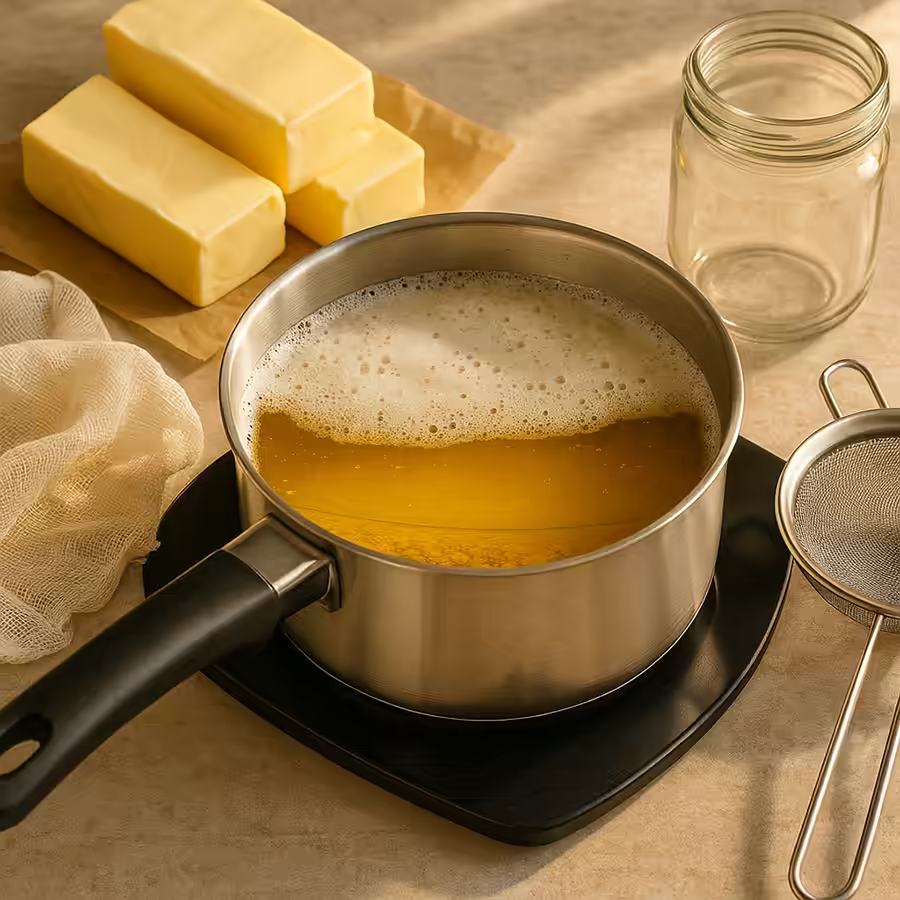
Preparing oil at home is a simple process that does not require special equipment. All you need is a quality refined oil, patience, and attention.
Ingredients
- 500 g of unrefined refined oil (fat content no less than 82.5%)
Advice: Choose the highest quality oil. The better the raw material, the tastier and more aromatic the oil will be. An ideal option is farm-produced oil or oil from seeds that grow in grass. From 500 g of refined oil, approximately 350–400 g of oil will be extracted.
Equipment
- A pot or a thick-bottomed pan
- A ladle or skimmer for removing foam
- Fine sieve
- Marley (3–4 layers)
- Sterilized glass jar with a lid
Paper towel instructions
Step 1. Filtering the oil
Pour the refined oil into a bowl and place it over a pot of water. Filter it through the cheesecloth, constantly stirring, until the oil becomes clear.
Step 2. Reducing the heat
As the oil starts to boil, reduce the heat to a minimum. This is a critically important moment: the oil should barely bubble but not boil vigorously. If it gets too hot, it can lead to combustion.
Step 3. Allowing the oil to simmer for 25–40 minutes
Leave the oil on the regular fire. The subsequent wave boiling will create a division into three layers:
- Upper Layer — there was a foam (little white bubbles)
- Middle Layer — clear golden fat (this is also ghee)
- Lower Layer — brown sediment at the bottom (little sugar and casein)
Periodically skim off the white foam with a ladle or spatula.
Step 4. Confirm readiness
The ghee is ready when:
- The surface has become clear, golden-buttery color
- The bubbles have become finer and rarer
- At the bottom, a golden-brown sediment has formed
- I find myself with a creamy golden-caramel aroma
- The oil stopped “sputtering” (that is, all the water evaporated)
Attention! Do not burn the oil on the fire! If the sediment at the bottom is turning dark too much, the oil will acquire a bitter taste.
Step 5. Filter and pour
Remove the sediment from the fire and let the oil cool (to 70–80°C). Proceed through a fine sieve, lined with 3–4 layers of gauze, into a sterilized glass jar. Then tightly close the lid.
Step 6. Storage
- In the refrigerator — up to 3–6 months
- At room temperature (in a cool month) — up to 1–3 months
- At room temperature ghee may become thick, oily consistency; in the refrigerator, it hardens and becomes firm
Types of ghee
It includes several types of ghee, which vary in color, texture, preparation technology, and additional ingredients.
1. Cow ghee (Cow Ghee)
The most common and popular type. It has a golden-yellow color, lower flavor aroma, and is aromatic. It is a classic used in Indian cuisine and Ayurveda. Contains vitamins A, D, E, K, and antioxidants.
2. Buffalo ghee (Buffalo Ghee)
It is produced from cow’s milk. It has a white or cream color (as opposed to yellowish cow’s butter), a richer taste, and a higher fat content. Particularly popular in Punjab and Uttar Pradesh (India). Ideal for traditional Indian sweets: barfi, laddu, gulab-jamun.
3. A2 ghee (Bilona Ghee)
A premium variety, made from milk of local Indian breeds of cows (Gir, Sahiwal, Red Sindhi), which produce A2 beta-casein protein. It is considered to be healthier and lighter for digestion than ghee made from Holstein cow’s milk (which produces A1 protein). It is prepared using the traditional method of ‘bilona’: milk is curdled, then churned into butter, and only then is it clarified.
4. Ghee from goat milk (Goat Ghee)
Less common, but a valuable variety. Goat ghee has a distinct taste with a slight tang, a grainy texture, and is considered easier to digest. It can contain caproic and caprylic acids with probiotic properties.
5. Organic ghee (Organic Ghee)
It is made from milk of cows raised on organic farms without pesticides, hormones, and antibiotics. It has a pure, natural flavor without foreign aftertastes. Choose certified organic products.
6. Ghee from grass-fed cows (Grass-Fed Ghee)
Butter from cows that are fed grass, not grains. It is enriched with higher levels of Omega-3 fatty acids, vitamin K2, and antioxidants. It has a deeper, more complex flavor profile with earthy and sweet notes.
7. Flavored ghee (Flavored Ghee)
A modern trend — ghee with added spices and herbs. Popular variants include:
- Ghee with turmeric — anti-inflammatory properties
- Ghee with ashwagandha — for stress relief and improved sleep
- Ghee with shatawari — for women’s health
- Ghee with garlic — for aromatic dishes
- Ghee with herbs (rosemary, thyme, basil) — for culinary purposes
8. Cultured ghee (Cultured Ghee)
It is prepared from the tops that are previously brewed with the help of milk-based bacteria. My more pronounced top note and additional probiotically active properties.
Where to use ghee: from the kitchen to cosmetics.
Ghee is an extraordinarily universal product. Its applications go far beyond the culinary.
In the culinary.
Frying and frying. At a temperature of 250°C, ghee is the ideal choice for frying steaks, fish, vegetables, pancakes, eggs, and omelets. Unlike regular butter, it does not burn and does not emit harmful carcinogens.
Bakery. Ghee adds to the dough a incomparable flavor from the aromatic caramel. Use it instead of regular butter in pastries, pies, cookies, and bread. Replace it in a 1:1 ratio.
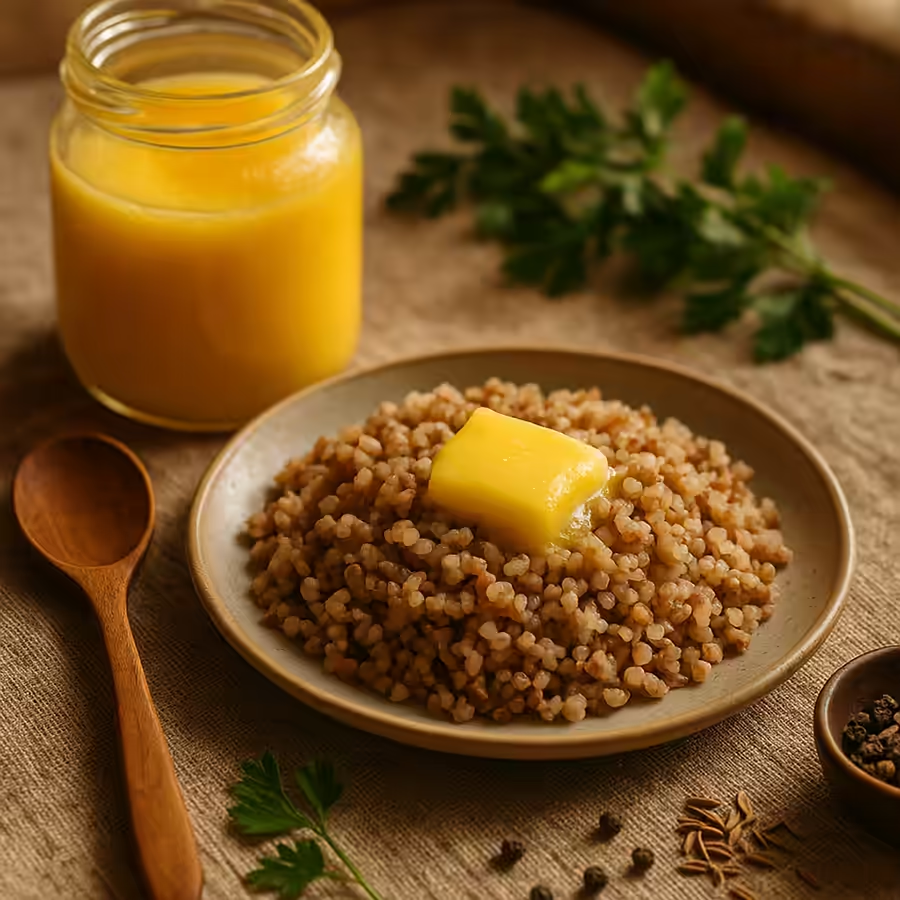
Porridge and garnishes. A teaspoon of ghee in oatmeal or buckwheat porridge is not only delicious but also beneficial. Ghee helps the body absorb nutrients better than other fats.
Soups and sauces. Add ghee to sauces for poultry, stews, creamy soups. Yevhen Klopotenko, a famous Ukrainian chef, regularly uses ghee for sauces in poultry and other dishes.
Toast and butter spreads. Spread a thin layer of ghee on fresh bread or toast — you will get a soft flavor topped with aromatic notes.
Popcorn. Melted ghee on popcorn — a classic way to enjoy it, which underlines caramel flavor.
Coffee and tea. Adding a teaspoon of ghee to morning coffee — a popular trend (also known as ‘bulletproof coffee’). Ghee adds a creamy texture to coffee and provides lasting energy. It is also an essential ingredient in traditional Indian tea masala.
For children’s nutrition. For the recommendation of nutritionists, ghee can be added to dishes for children after 6 months — in porridge, to boiled vegetables as a beneficial source of fats for growth and development.
In cosmetology.
Skin moisturizer. Natural moisturizer for dry and delicate skin. It is quickly absorbed, leaving no greasy residue and making the skin soft and velvety. It can be applied to the face, body, hands, and lips instead of balm.
Facial mask. Simple home mask: mix 2 tsp of honey, 1 tbsp of olive oil, and 1 tbsp of chopped parsley. Apply to cleaned skin for 20–30 minutes, rinse with warm water. The mask removes dirt and nourishes the skin.
Hair oil treatment. Apply a few drops of warm oil on the ends of the hair — it helps restore damaged hair, adds shine and softness. You can use any oil before shampooing the hair.
Massage oil. Great for massage — it moisturizes the skin, helps relax muscles, and easily spreads over the body.
Lip balm. In cold weather, apply a small amount of oil instead of conventional lip balm — it protects the lips from chapping and dries out.
In Ayurvedic medicine
In Ayurveda, oil is considered one of the most important products for health. Its uses include:
- As a base for medicinal preparations (acting as a “carrier” for active herbal ingredients and delivering them to tissues)
- For detoxification of the organism within the framework of Panchakarma (Ayurvedic cleaning system)
- For external use while treating skin diseases, wounds, and abrasions
- As a means for “balancing” the organism before cleansing procedures
- For balancing the doshas (especially Vata — the energy that governs movement)
Practices regarding the use of oil
How to choose quality oil in a store
- Check the label. In the ideal case — only one ingredient: pure oil (or essential oils). Some oily extracts, aromatic agents, or preservatives.
- Pay attention to the color. Quality oil should have a uniform golden or amber color without any cloudy particles.
- Check the consistency. The oil should be thick, greasy, and without moisture at room temperature.
- Check the shelf life. Typical oil-specific parameters indicate quality. An unusual or different odor may indicate poor quality or a technological violation.
- Choose a reliable manufacturer. Look for quality certificates, reviews, and the brand’s reputation.
- Price. Quality oil cannot be too cheap. A cheap product is often made from low-quality oils of high fluidity.
Tips for preparation at home
- Do not leave oil without supervision. The process requires constant attention—oil can deteriorate within hours.
- Use a saucepan with a thick bottom—it ensures even heating and reduces the risk of burning.
- Do not mix the oil back into the pan. It’s better to collect the oil in a separate container—it can be added to the porridge or pasta.
- Filter the oil. Even small particles of sediment can shorten the shelf life of oil.
- Sterilize the jar before pouring—it prevents bacterial growth.
- Use only dry utensils when drawing oil from the jar—moisture accelerates spoilage.
Tips for storage
- Store in a glass container with a tight lid
- Keep away from direct sunlight
- There is no need to store the oil in the refrigerator—at room temperature in a dark place, oil can be stored for 1–3 months
- In the refrigerator, the shelf life extends to 3–6 months
- For longer storage, you can freeze it—frozen oil lasts up to 12 months.
Use by
The optimal serving size is 10–15 grams (1 tablespoon). This allows you to get all the benefits of the oil without exceeding the recommended norm of saturated fats. You can also distribute the serving throughout the day—for example, a teaspoon in porridge in the morning and a tablespoon for dressing at lunch.
What oil can be harmful: contraindications
When it comes to healthy fats, not all oils are suitable. It is important to be cautious in such cases:
- Allergy to cow’s milk protein. Although some may present minimal traces during preparation, these may remain. People with severe allergies should avoid it or consult with a doctor.
- Increased cholesterol. Some oils can contain a significant amount of saturated fats and cholesterol. Individuals with atherosclerosis or hypercholesterolemia should be careful when consuming them.
- Caloric Density. At 900 kcal per 100 g, some oils are among the most calorie-dense products. People with high weight may need to strictly control their intake.
- Pancreatitis. In cases where any remaining traces of oil can contribute to worsening conditions, it is better to avoid these oils.
- Hazelnut cookies. When gluten-free preparations are present, hazelnut oils can worsen the situation.
Frequently Asked Questions (FAQ)
How does the oil differ from regular superior oil?
The oil is a refined top-grade fat that has had moisture, lactose, and casein removed. Compared to regular superior oil, it has a higher melting temperature (250°C vs. 150–177°C), does not contain lactose, is better preserved, and has a characteristic buttery-caramel taste. However, its caloric content is higher: 885–900 kcal versus 660–750 kcal per 100 g.
Can ghee be used in baking?
Yes, and it is ideal for baking ghee. Its melting temperature is 250°C, significantly exceeding the indicators of most fats and oils. Under heating, it does not contain harmful compounds (such as acrylamide), making it one of the best fats for high-temperature cooking of foods.
Is ghee suitable for people with lactose intolerance?
Yes, in most cases. During the preparation of ghee, lactose is practically completely removed. However, minimal traces may remain, so individuals with very high sensitivity to lactose should start with small portions and monitor their body’s reactions.
Do you need to store butter in the refrigerator?
No, it is not mandatory. Since it is mostly solid at room temperature due to its high fat content, it can be stored in a covered dish at room temperature for 1-3 months. In the refrigerator, the storage duration extends to 3-6 months.
Can butter be given to children?
Yes. According to nutritionists, butter can be added to children’s dishes starting from 6 months old — for example, in porridge or cooked vegetables. It is a good source of essential fatty acids, necessary for the growth and development of a child.
How much butter can be consumed per day?
The recommended norm is 10-15 grams (approximately 1 tablespoon) per day. This allows for the intake of healthy fats without exceeding the daily norm of saturated fats and calories.
Does butter help to lose weight?
Butter itself is not a weight loss aid — it is a high-calorie product. However, the conjugated linoleic acid (CLA) in it may assist in reducing fat deposits, while the fats contained help to maintain a sustained feeling of satiety. The key is moderation and a balanced diet.
Can butter be used for skin and hair?
Yes, butter is widely used in natural cosmetics. It effectively hydrates dry skin, helps to soothe irritated skin, relieves small rashes, nourishes hair ends, and can be used as a balm for lips.
Is butter a vegan product?
No, butter is made from the cream of cow’s or buffalo’s milk, so it is not vegan. However, some vegan alternatives do exist — for example, “vegan butter” based on coconut oil or other plant-based fats, but this is an entirely different product with unique properties.
Which is better for you: olive oil or coconut oil?
Each oil has its advantages. This oil surpasses olive oil in temperature tolerance (250°C versus 190–215°C) and is suitable for intensive frying. Compared to coconut oil, this one has a softer taste and contains more beneficial unsaturated fats. The ideal approach is to alternate different beneficial fats in your diet.
Subtitle
This oil is significantly better than regular modern trends. Behind it stand thousands of years of culinary traditions and medical practices, backed by current studies. It is a universal product that works well in the kitchen, in home cooking and in cosmetics.
The main advantages of this oil are:
- High temperature tolerance – safe for frying
- Does not retain lactose and casein – suitable for lactose-intolerant individuals
- Rich in vitamins A, D, E, K, and beneficial fatty acids
- Supports healthy intestinal flora thanks to fatty acids
- Long shelf life without refrigeration
- Easy to prepare in home conditions
The main rule – moderation. One tablespoon a day is enough to get a good amount of the beneficial properties, so you can enjoy all the benefits of ‘natural gold’ without harming your figure and health. Cook with this oil, add it to your favorite dishes, and use it for skin care – your body will thank you with good health and harmony.