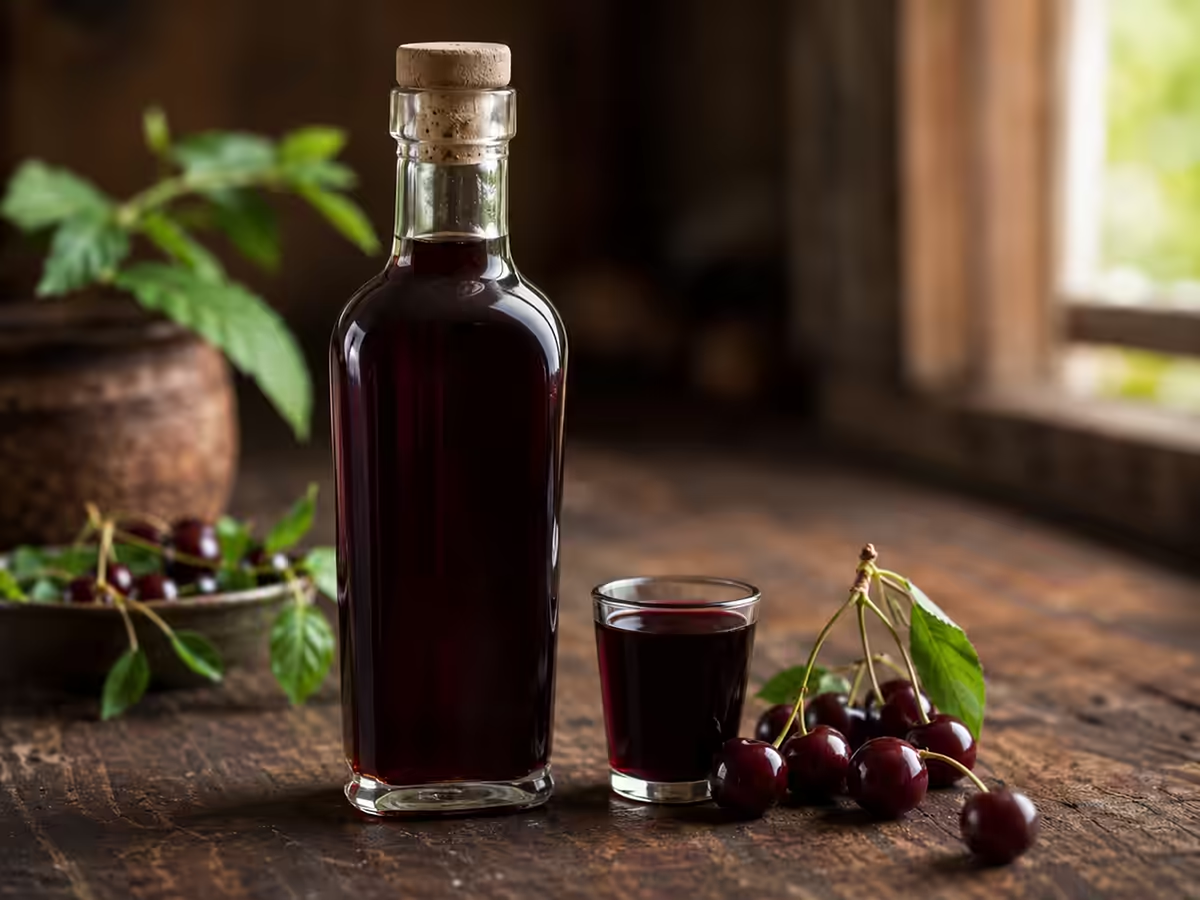
There are drinks whose very names are a story in themselves. “Stotykach” is a perfect example. Thick, dark burgundy, with the aroma of ripe cherries and a slight bitterness from the pits, it has long been prepared in Ukrainian families on the eve of holidays and winter feasts. The recipe for “Stotykach” was passed down from generation to generation with almost no written records—by eye, by taste, “until the color becomes like cherry compote, only thicker.” In this article, I’ll explain where the name comes from, how this drink was traditionally prepared, and how to make it at home today—with realistic proportions, no made-up tricks, and an explanation of why each step works exactly that way.
Content
What is a “Stotykach” and where does the name come from?
Stotykach is a traditional Ukrainian nalivka (classified more closely as a cordial liqueur) made by infusing berries—most often cherries—in a strong alcoholic base—moonshine, spirit, or vodka—with the addition of sugar. During the infusion process, the berries impart their color, aroma, and some of the flavor of the pits to the drink, while the sugar transforms the sharp alcoholic taste into a velvety, almost dessert-like flavor.
The name is related to the verb “to stumble.” The legend is simple and quite realistic: the drink goes down easily and tastes sweet, almost like cherry syrup, so people end up drinking more than they intended—and when they get up from the table, their legs suddenly “stumble.” Unlike vodka, which is hard to mistake for fruit compote, “Spitknutsya” masks its alcohol content with flavor, and that is precisely what makes it unique. It’s not a drink meant to be downed quickly—it’s a drink that deceives your sense of its strength.
In different regions of Ukraine, it was called by slightly different names—in some places “spotikach,” in others simply “vyshnevka” or “nalivka na kostytsi”—but the essence remained the same: berries, sugar, time, and strong alcohol.
The History of the Stotykach: From Rural Cellars to City Feasts
The tradition of infusing berries in alcohol in Ukraine has a centuries-old history, closely linked to gardening. Cherry orchards grew near practically every home, and in the summer there were always more berries than a family could eat fresh or turn into jam. Steeping them in vodka or moonshine was a natural way to “preserve” summer: the berries absorbed the alcohol and didn’t spoil, while the alcohol absorbed the flavor of the berries—and both components benefited from this.
In the 18th and 19th centuries, fruit and berry liqueurs and infusions were a common part of the household of wealthier peasant and town families—alongside mead, varenukha, and various herbal infusions. Spotykach, in particular, was associated with festive gatherings—weddings, christenings, and Christmas and Easter celebrations—when the table was set not only with vodka but also with something “for the soul,” something sweeter and more aromatic, meant for leisurely conversation rather than a quick toast.
During the Soviet era, the tradition of home winemaking and infusions slowed down somewhat due to restrictions on moonshining, but the recipes didn’t disappear—they continued to be passed down orally, “within the family,” and were often prepared in small batches for family celebrations. Today, stotykach is experiencing a renaissance: it’s mentioned in books on Ukrainian cuisine, served to guests as an authentic culinary souvenir, and craft bartenders are experimenting with its recipe, adding spices or honey instead of sugar.
It’s interesting that similar drinks—stone fruit liqueurs—exist in many Slavic cultures (wyszniwka in Poland, višņovača in the Balkans), but it is the Ukrainian name “Stotykach” that most accurately captures the nature of the drink: its deceptively easy-drinking quality.
What Is Used to Make Stotykach: Main Ingredients
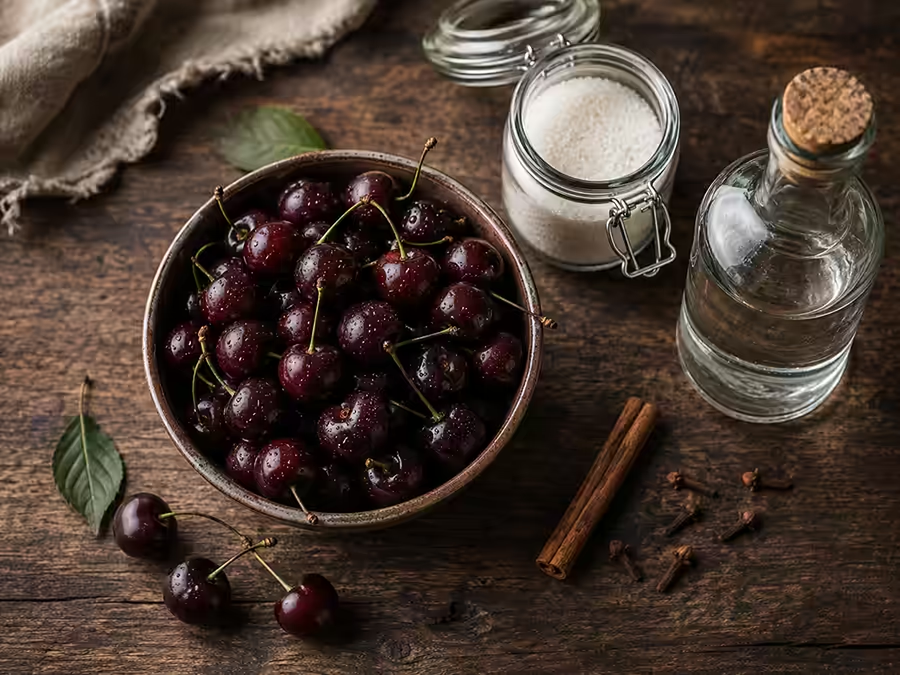
A classic tripwire consists of three basic elements, each of which serves a specific function.
Berries. Most often, cherries—specifically, those that have had time to ripen fully and wilt slightly in the sun: such berries contain more sugar and have a more concentrated flavor. Black currants, sloe berries, and plums will also work—but it’s cherries that give the classic version of this drink its distinctive burgundy color and the slight almond-like bitterness of the pit, which is precisely why people make it this way.
Strong alcohol. Traditionally, this is double-distilled homemade moonshine or drinking alcohol diluted to 40–45%. Vodka is also suitable, as long as it has a neutral taste and no harsh, off-flavors that will overpower the berries.
Sugar. It serves two purposes at once: it softens the sharpness of the alcohol and initiates a mild fermentation of the berry juice, which gives the drink added depth of flavor. In old recipes, sugar was sometimes replaced with honey—and this is truly one of the most delicious variations, which I’ll discuss later.
Sometimes people add a few cloves, a cinnamon stick, or a little vanilla—not to overpower the cherry flavor, but to add a warm, spicy undertone.
How to Choose Ingredients: Cherries and Alcohol
The quality of the dumplings depends 80% on the ingredients, so it’s important to pay attention to your selection before you even start cooking.
Cherries. The best choices are dark, fleshy varieties with a rich sweet-and-sour flavor—Griot, Late Shpanka, and Lotivka. Avoid watery early varieties with light-colored flesh: they result in a pale color and a bland taste. The ideal time to harvest is when the berries have overripened slightly on the branch, almost shriveled at the stem end: that’s when the sugar content is at its peak and the aroma is most concentrated. Frozen cherries will also work if fresh ones aren’t available, but the result will be slightly less aromatic, since freezing destroys some of the volatile essential compounds.
Alcohol. Double-distilled moonshine without fusel notes—the traditional and most authentic option—provides a characteristic “warm” texture. Denatured alcohol diluted to 40–45% provides a cleaner, more neutral base for the berries. Vodka is the most accessible option, but choose a brand without added flavorings or softeners; otherwise, they will clash with the taste of the cherries. It’s best to avoid mild wheat moonshine or cognac spirit for the classic recipe—they add their own flavors, which shift the focus from the berries to the alcoholic base.
A Classic Recipe for Cherry Compote
This is a basic, time-tested recipe that you should master before experimenting with berries and spices.
Ingredients
| Ingredient | Quantity | Note |
|---|---|---|
| Ripe cherries | 1 kg | You can use them with or without the pits—see the explanation below |
| Sugar | 300–400 g | depending on the sweetness of the berries |
| Moonshine or vodka (40–45%) | 1–1.2 L | should completely cover the berry |
| Carnation | 2–3 buttons | optional |
| Cinnamon | 1 stick | optional |
Step-by-Step Recipe
- Sort through the cherries, remove any damaged or unripe berries, and snap off the stems. Whether or not to wash the berries is a matter of principle: the natural yeast on the skin aids in gentle fermentation and deepens the flavor, so traditionally, cherries for kompot aren’t washed—they’re simply wiped with a dry cloth. If you have any doubts about the cleanliness of the berries, rinse them and let them dry.
- You can leave the pits in or remove them. With the pits, the drink takes on a slight almond-like bitterness and a characteristic “stumbling” aftertaste—this is the classic version. Without the pits, the flavor will be a cleaner cherry taste, without any bitterness, and this is the method used if you plan to store the drink for more than a year, since the pits can impart excessive bitterness over time.
- If you’re leaving the pits in, prick each berry several times with a needle or toothpick—this will help the juice come out faster and mix with the sugar and alcohol.
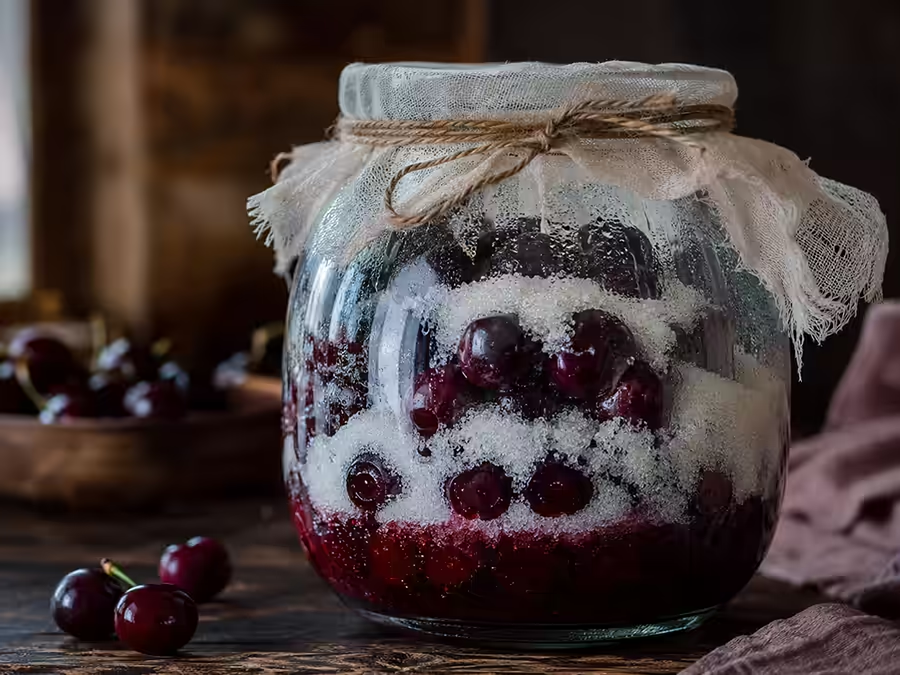
- Layer the cherries in a clean, dry glass jar with a capacity of 2–3 liters, sprinkling each layer with sugar.
- Leave the jar at room temperature for 2–3 days, covered with cheesecloth rather than a lid—this is necessary so that the berries begin to release their juice and ferment easily. During this time, shake or stir the contents a couple of times a day with a wooden spoon.
- When noticeable juice appears and a faint smell of fermentation develops, pour moonshine or vodka over the cherries so that the liquid completely covers the berries—this is important because exposed berries that aren’t in contact with alcohol may develop mold.
- Add cloves and cinnamon, if using. Cover the jar with a tight-fitting lid.
- Store it in a cool, dark place—such as a pantry, basement, or cupboard—away from direct sunlight for 1–2 months. Once a week, gently shake the jar without opening it.
- After 1–2 months, strain the beverage through several layers of cheesecloth, and then through a cotton filter or paper coffee filter to remove any fine sediment.
- Pour the finished spritzer into bottles, seal them tightly, and let them sit for another 2–3 weeks in a dark place—the flavor will become smoother and more balanced during this time.
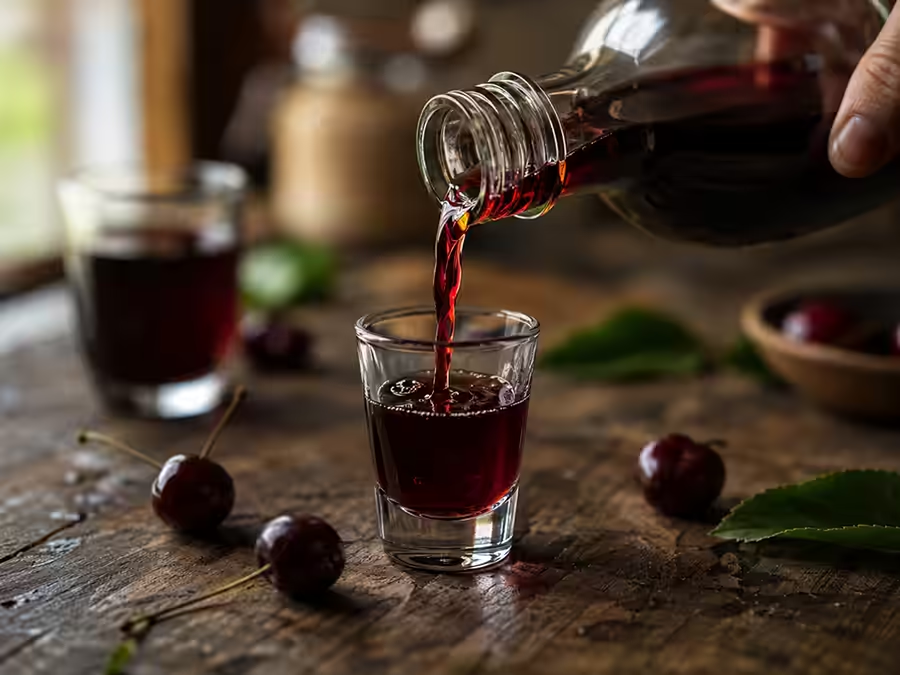
- Serve chilled in small glasses—a “stumbling block” is meant to be sipped slowly, in small sips.
The approximate alcohol content of the finished beverage is 25–30%, depending on the amount of sugar and the steeping time; therefore, despite its sweet taste, it is a full-fledged, strong alcoholic beverage.
Why It Works: A Little Food Science
The process of making jam is a combination of two phenomena: osmosis and maceration. The sugar applied to the berries draws juice out of them through the cell walls—this is a classic osmotic process, the same one that occurs when making jam. Alcohol, on the other hand, acts as a solvent: it penetrates the berry’s structure and extracts aromatic compounds, anthocyanin pigments (which are responsible for the rich burgundy color), and tannins from the seeds, which impart a slight astringency.
Initial fermentation without alcohol (those same 2–3 days under cheesecloth) is important because the natural yeast on the cherry skins has time to partially convert some of the sugar into alcohol and carbon dioxide before you pour the main alcohol over the berries. This gives the drink a light, “lively” tartness and depth of flavor that cannot be achieved by simply pouring vodka over the cherries without prior fermentation.
The steeping time is also no accident: the main extraction of color and aroma takes place during the first two weeks, and the following weeks are needed for the sharp alcoholic notes to “mellow out” and blend into the overall flavor profile—this is the same principle used for aging homemade wines and cognacs, only on a much smaller scale.
Tips and Common Mistakes
Mistake: tasting it too early. A freshly bottled stumper tastes harsh and unpleasant after a week—this is normal, because the alcohol hasn’t had time to “marry” the berries yet. Let the drink go through the full aging process before drawing any conclusions about its taste.
Mistake: The jar is packed too tightly. If there are too many berries and the jar is packed too tightly, the juice won’t circulate properly, and the risk of mold growing increases. Fill the jar 2/3–3/4 full, leaving room for the liquid to move around.
Mistake: Storing it in a bright place. Sunlight breaks down anthocyanins—the pigments that give the drink its color—and the Stikach loses its rich burgundy hue, becoming pale and less appetizing in appearance.
Mistake: cheap, low-quality moonshine. The filter does not mask the alcohol’s off-flavors; rather, it accentuates them due to prolonged contact. Use double-distilled moonshine without a fusel oil odor or high-quality vodka.
Tip: Taste it during the straining process. If the drink seems too strong, you can sweeten the finished drink with a small amount of sugar syrup after straining—it’s easier than starting the whole process over.
Tip: Don’t throw away the cherries after straining. The berries, soaked in the liqueur, are perfect as a cake filling, with ice cream, or simply as a small, alcoholic dessert—just be sure to warn your guests that it’s not suitable for children.
Quick tip: if it hasn’t been two months yet
The traditional method requires patience, but there is also a faster option that housewives used when they needed the drink ready for a specific holiday in just two or three weeks.
- Cover the pitted cherries (1 kg) with sugar (300 g) and heat over low heat until the sugar dissolves, without bringing to a boil—a temperature of 70–80 °C is sufficient for the berries to release their juice, but without losing their fresh flavor.
- Remove from the heat and let cool completely to room temperature.
- Transfer the cherries and their juice to a jar, then pour in moonshine or vodka (1 L).
- Let it steep in a dark place for 10–14 days, shaking the jar every day.
- Strain it and pour it into bottles.
This version will have a slightly less complex flavor compared to the classic two-month infusion, but it will be perfectly ready to serve in just two weeks. It’s a good option if you want to try the recipe without waiting too long for the result.
Variations on Stolichnaya: From Honey to the Modern Craft Approach
The classic recipe is just a starting point. Ukrainian families have always adapted the recipe to whatever was growing in their gardens and to their own taste preferences.
| Variation | Base | A distinctive flavor |
|---|---|---|
| Honey-flavored Stumbling Block | cherries + honey instead of sugar | milder, less cloying, with a light floral note |
| Blackcurrant jam | currants instead of cherries | a more pronounced tartness, a rich dark purple color |
| A thorn bush | field (plum tree) | more tart, with a slight bitterness, closer to traditional steppe recipes |
| Spicy Stumbling Block | cherry + cinnamon, cloves, star anise | warm, wintery, goes well with a Christmas meal |
| Seedless Stumbling Block | pitted cherries | a purer cherry flavor without the bitterness of almonds; it keeps longer |
| Spiced Cherry Cordial (A Modern Take) | cherry + orange zest + vanilla | A craft version for cocktails, less sweet, with an emphasis on aroma |
Honey-flavored stotykach is prepared the same way as the classic version, but the honey isn’t added right away; instead, it’s added when the alcohol is poured over the steeped cherries—this way, the honey dissolves better and doesn’t leave lumps at the bottom of the jar. This version is especially appreciated by those who prefer a less sweet and more “authentic” flavor, since honey was the primary sweetener long before sugar became available in every home.
Modern craft interpretations of the stumper have been a trend in recent years, as bartenders and home enthusiasts reinterpret the traditional recipe through the lens of cocktail culture. Instead of simply infusing the cherries in sugar, they are sometimes caramelized before being steeped in alcohol, citrus zest is added for freshness, or aged brandy is used instead of moonshine to create a deeper, almost sherry-like flavor. This type of “stotkan” is rarely drunk straight from a shot glass—it’s more often used as a base for signature cocktails, mixed with soda water or tonic, or served as a digestif after dessert.
Serving and Pairing
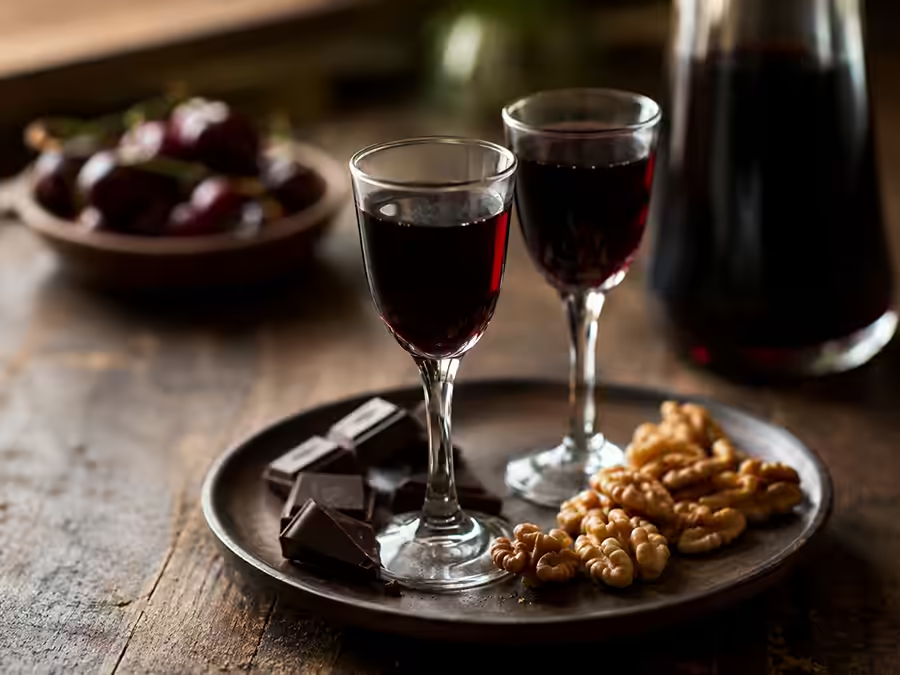
Stotykach is traditionally served chilled in small glasses holding 30–50 ml—it’s not the kind of drink you take in big gulps. Thanks to its rich, sweet flavor, it pairs well with:
- dark chocolate and cocoa-based desserts;
- nut-based baked goods—the nuts bring out the almond flavor of the pit;
- blue-veined cheeses—the contrast between sweet and tangy works really well;
- vanilla ice cream, if you serve the sauce as a topping.
You shouldn’t pair this wine with very sour or spicy dishes—it gets lost among the strong flavors and loses its delicacy.
If you plan to serve this drink at your holiday table, keep the bottle in the refrigerator for at least 2–3 hours before serving: a chilled drink is less cloying and brings out the berry aroma better.
Stotykach and Its Relatives: Similar Beverages from Neighboring Countries
The tradition of infusing cherries in strong alcohol is widespread throughout Central and Eastern Europe, although each culture has its own approach.
| Country | Name of the drink | How is it different from a tripwire? |
|---|---|---|
| Poland | Cherry Liqueur (вишнювка) | It is more commonly made with pure alcohol without first fermenting the berries |
| Romania | Cherry Liqueur | Traditionally, they are left to steep for a longer period—up to half a year—with an emphasis on using as little sugar as possible |
| The Balkans (Serbia, Croatia) | Cherry liqueur | are often made with rakija as a base, with a more pronounced spicy note |
| Ukraine | Stumbling block | It is distinguished by a brief period of natural fermentation of the berries before they are steeped in alcohol—this is what gives it its characteristic “vibrant” depth of flavor |
Despite the similarity of the recipes, it is the Ukrainian tradition—with its mandatory preliminary fermentation under cheesecloth and a name that describes the intoxicating effect rather than the drink itself—that makes stotykach a distinct, recognizable phenomenon among Europe’s fruit liqueurs.
Storage
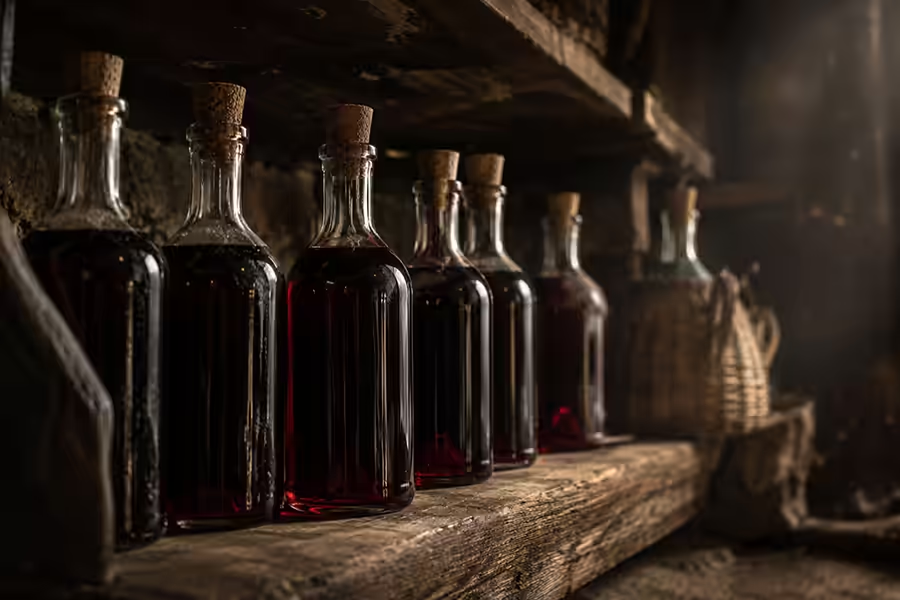
Once strained, the finished liqueur can be stored in a tightly sealed glass bottle in a dark, cool place for up to 2–3 years without losing quality—and often with an improvement in flavor—since, like most liqueurs, it “matures” over time. Avoid plastic containers: the alcohol gradually absorbs the taste of plastic, which spoils the delicate berry bouquet. Once opened, it’s best to keep the bottle in the refrigerator and drink it within a few months, although due to its high sugar and alcohol content, the drink practically doesn’t spoil.
Frequently Asked Questions About the Stotykach
Why is a “spitkan” called that? The name comes from the verb “to stumble.” The drink is light and sweet, reminiscent of fruit compote, so people often end up drinking more than they intended—and then feel the unexpectedly strong alcohol content.
What is the alcohol content of homemade stotch? It’s usually 25–30%, depending on the proportion of sugar, the steeping time, and the alcohol content of the base spirit. It’s a full-fledged, strong drink, despite its sweet, berry-like flavor.
Can you make stotykach without pits? Yes, and it’s actually more practical for long-term storage. Without the pits, the flavor is a purer cherry taste, without the slight almond bitterness that the pits add in the classic recipe.
How long should the drink be left to steep? At least 1–2 months for the main steeping period, plus 2–3 weeks of settling after filtration. The longer the drink is aged, the smoother and more balanced the flavor becomes.
Can sugar be replaced with honey? Yes, honey is a traditional alternative to sugar that has a less cloying taste with a light floral note. It’s best to add the honey when you’re pouring the alcohol over the steeped cherries.
What berries, other than cherries, can be used to make a compote? Black currants, sloes, or plums—each adds its own unique shade of color and flavor, while keeping the basic preparation method the same.
How does “stotkach” differ from regular cherry liqueur? The main difference lies in the process: before adding alcohol, the cherries used for “stotkach” are left to sit under cheesecloth for 2–3 days to initiate a gentle, natural fermentation. This results in a deeper, “livelier” flavor compared to regular liqueur, where the berries are immediately covered with vodka without any prior preparation.
Can I use frozen cherries? Yes, although fresh cherries have a more intense flavor. Be sure to thaw the frozen cherries completely and drain off any excess juice before using them; otherwise, the sugar-to-liquid ratio will be off.
Important: This article is intended for informational and cultural-historical purposes. A “spotykach” is a strong alcoholic beverage, and alcohol consumption is harmful to your health. The information in this article is intended for adult readers (18+) and does not encourage the consumption or production of alcohol by individuals prohibited from doing so by law. The home production of strong liqueurs for personal consumption and the production of moonshine are regulated by Ukrainian law—be sure to familiarize yourself with current regulations before preparing any beverage. Refrain from drinking alcohol if you are pregnant, driving a vehicle, have health conditions that are incompatible with alcohol, or are prone to addiction. If you do drink, do so responsibly and in moderation.