History of Meadovukha
Content
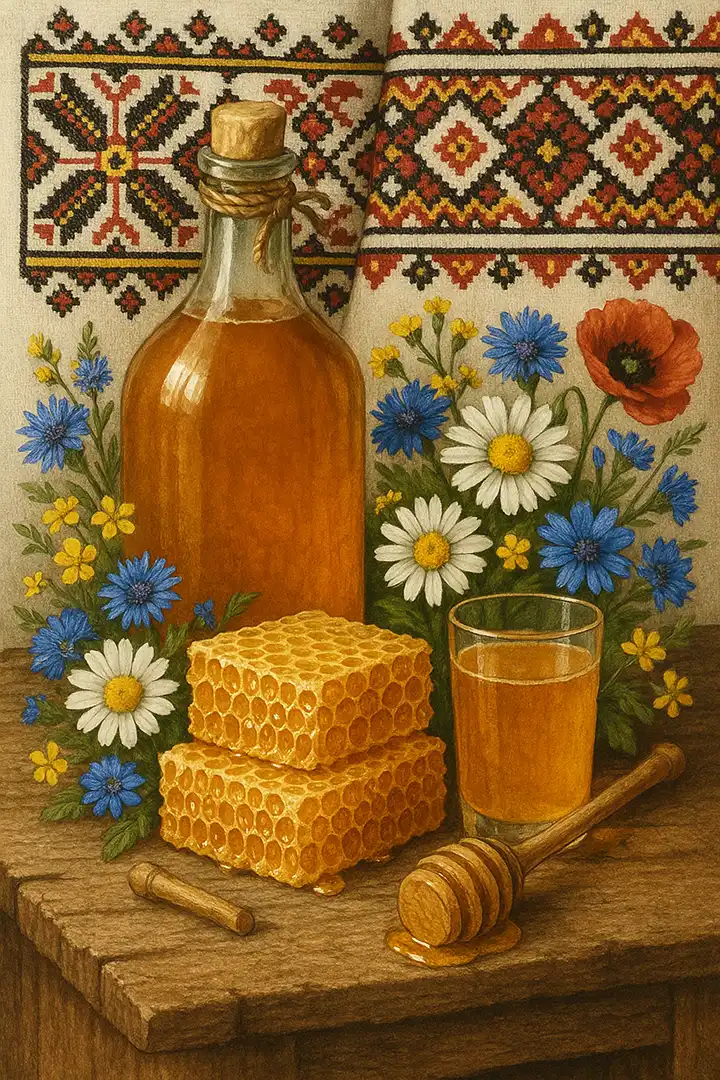
Meadovukha is one of the oldest alcoholic beverages known to humanity, which originated long before the appearance of wine and beer. Archaeological findings testify to the production of mead-like beverages as far back as 7000-6000 years B.C. in China, as well as in ancient Indian cultures where honey was considered a sacred product and a symbol of connection with the gods. In Kyivan Rus, meadovukha was an indelible part of holidays, weddings, feasts, and even burials. Young girls traditionally received jars of meadovukha, which they had to pour out during the first month after the wedding — hence the phrase ‘honey moon’.
In the central European tradition of beekeeping, it is particularly valued. It has been prepared in monasteries and cloisters, and recipes have been passed down from generation to generation. In Ukraine, the development of beekeeping contributes to the popularity of this product, and local masters have added to classic recipes with herbs, berries and spices. However, with the emergence of sweeteners in the 16th-17th centuries, the production of honey gradually declined, and only in the 19th-20th centuries did a revival of interest in traditional beekeeping occur.
Technology of Preparation
Traditionally, honey was prepared through a process lasting 15-20 years involving the boiling of honey with water, sometimes with the addition of fruits, berries, hops, or herbs. In the past, the process could take 15-20 years, but with new technology, it has been simplified, and today it is possible to prepare it in just a few days or weeks.
Classic Honey Recipe
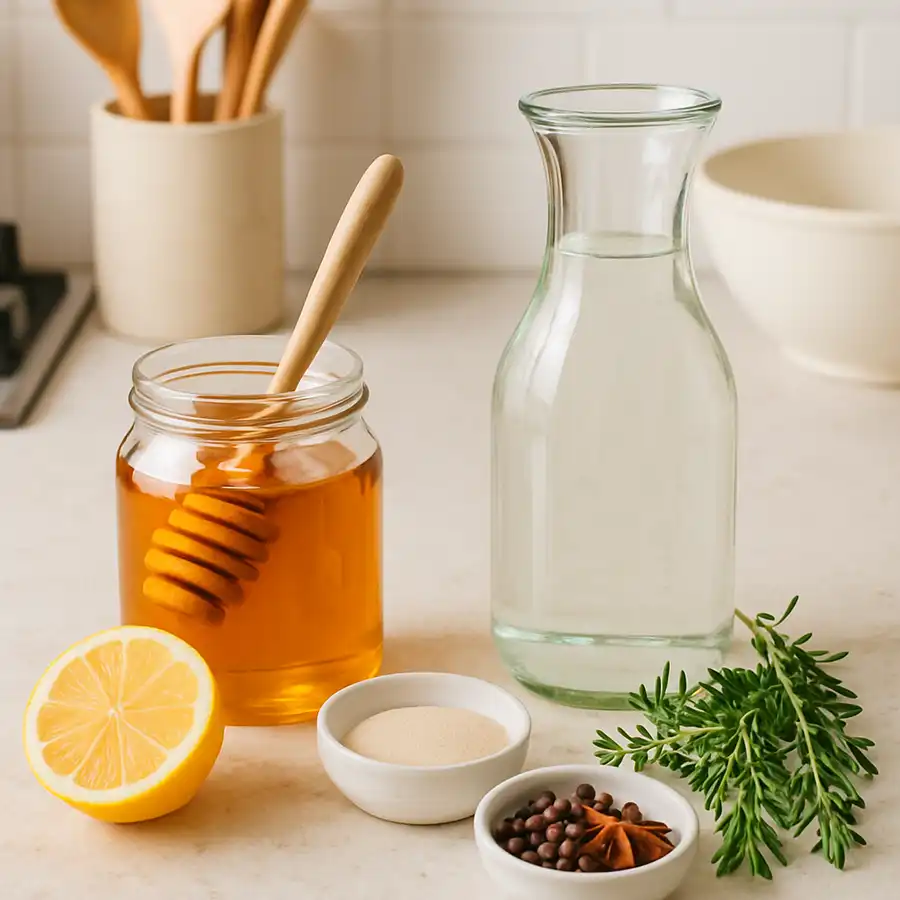
Ingredients:
- Honey — 1.5 kg
- Water — 10 l
- Hops — 10 g
- Dridzhy — 3 g
Preparation:
- Honey is dissolved in hot water, hops are added.
- The temperature is maintained at 30-40°C, and dridzhy are added.
- The mixture is kept in a warm place for 7-10 days.
- After the fermentation process is complete, the mixture is filtered and allowed to settle for another 2-4 days.
Ancient Recipe (Povlynye Brodin)
- Honey and water should be mixed in a ratio of 1:4, add hops and berries.
- They must be aged in oak barrels for 1–3 years, sometimes up to 20 years.
Varieties of Honey
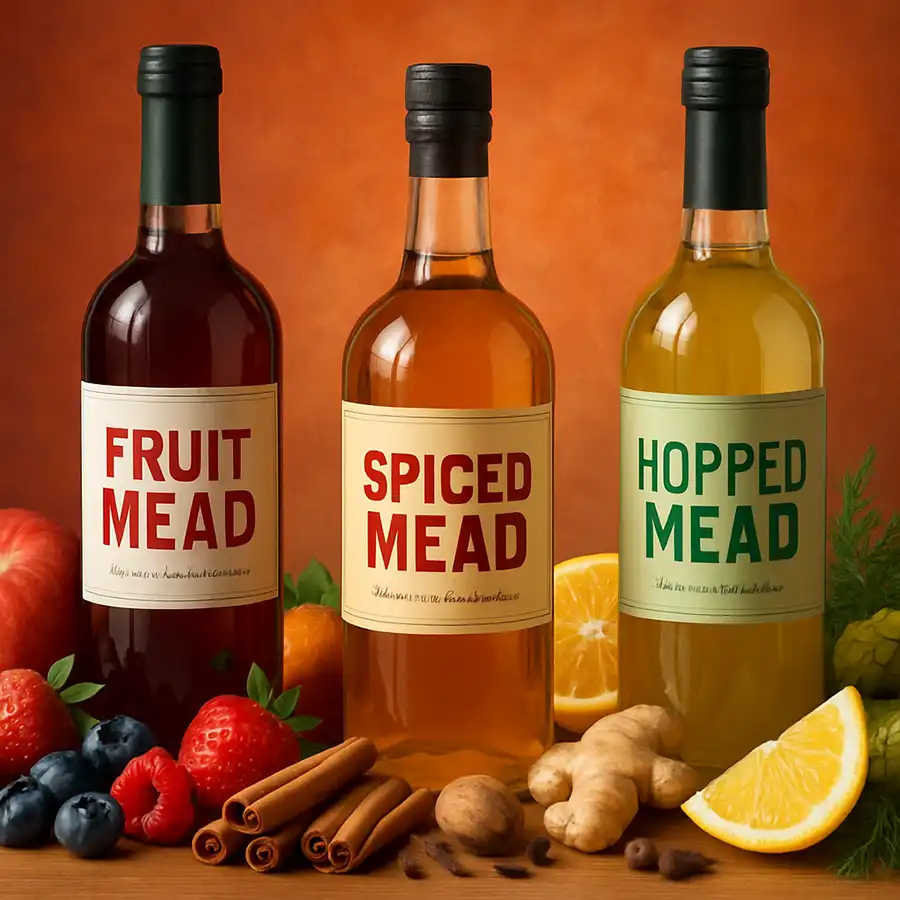
| Variety | Characteristics |
|---|---|
| Without drijdzha | This type replaces drijdzha with various herbs, grapes, apples for natural fermentation. |
| Fruity | Add apples, cherries, raspberries or other berries for a new flavor. |
| Pruna | Use cinnamon, clove, ginger, or cedar for citrusy flavors. |
| Modern (quick) | Add spirits to speed up the process, yielding a drink in 1–2 days. |
| Regional | Add herbs, gourd, berries, or dried fruits depending on the region. |
Tips for Preparation
- Selecting Honey: Use only natural, fresh honey without additives. Flower, linden, or buckwheat honey will provide various flavor nuances.
- Quality of Water: The water should be clean, preferably mineral or filtered.
- Temperature Maintenance: During fermentation maintain a temperature of 25–30°C to avoid spoilage of the drink.
- Stability: All elements must be properly removed and sterilized.
- Addition of spices and fruits: Experiment with proportions to create a unique taste.
- Extraction: The deeper the extraction, the richer and more complex the flavor. Optimal is 1-6 months.
Medovukha in modern culture
Today, medovukha again gains popularity among connoisseurs of traditional beverages and craft alcohol. It is produced both in domestic conditions and in small meaderies. Ukrainian manufacturers experiment with honey varieties, adding herbs, fruits, spices, creating unique author recipes.
Medovukha is a part of gastronomic festivals, tastings, and is also used in the culinary realm – for marinating meat, preparing sauces, desserts. It wonderfully complements traditional Ukrainian dishes: meat, fish, cheese, and various cuts.
Medovukha and health
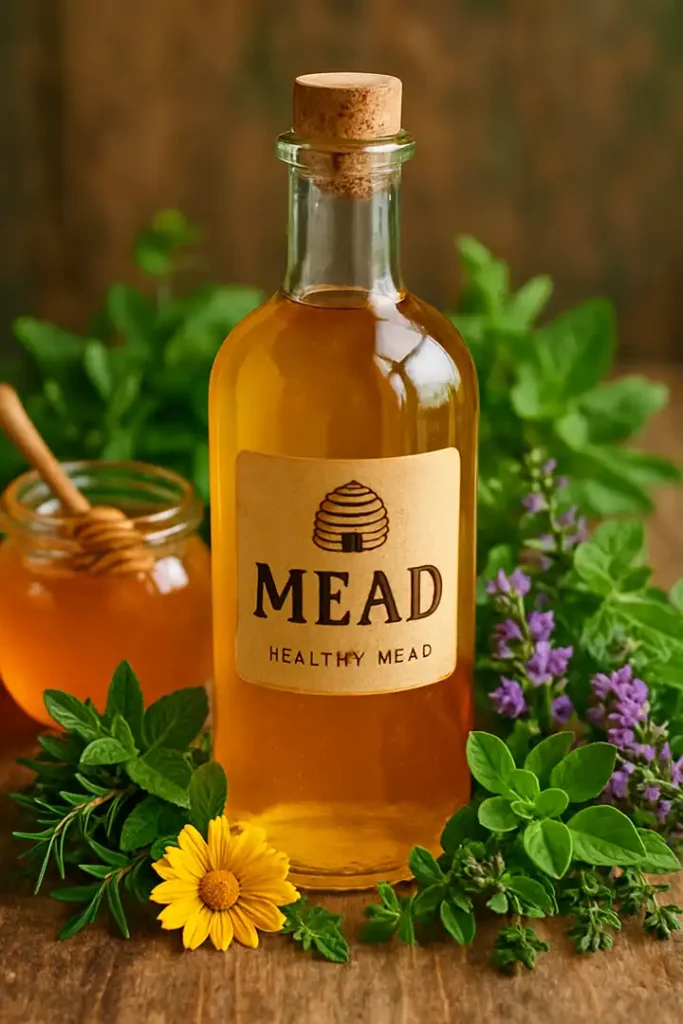
In moderate quantities, medovukha is considered beneficial due to its content of natural honey, which contains vitamins, microelements, and antioxidants. In folk medicine, it has been used to strengthen immunity, enhance tone, and aid in treatment. However, any alcoholic beverage must be consumed responsibly.
Conclusion
Honey is not just a sweet delicacy, but a cultural symbol that unites generations, traditions, and flavors. It embodies a rich history of the Ukrainian people, their hospitality, and love for natural products. Today, anyone can recreate ancient recipes at home, experimenting with flavors and aromas, and feel the true spirit of Ukrainian tradition.
“Honey is not only a delicacy but also a part of the soul of our nation, its history, and sacred traditions.”