
Lemon meringue pie – this is an elegant dessert that combines the traditional British recipe of meringue pie with classic French meringue techniques. This unique dessert is made only from three key ingredients – meringue, citrus, and lemon juice, but it became a real hit of social gatherings in 2025 due to its delightful simplicity and exquisite flavor.
Content
History and Origin of Lemonade
The drink has a rich history that dates back to the 15th century. The term “lemonade” is derived from the Middle English term, which originally referred to a warm beverage made from a blend of diluted honey and lemon.
Traditional lemonade was prepared as a beverage with sugar and lemon, even being mentioned in royal medical records in the year 1620 when King Charles I received lemonade from his physician. This beverage has deep roots in British culture, as William Shakespeare referenced it in three of his plays, including “Macbeth.”
In the 19th century, lemonade transitioned into a cold dessert, which we now recognize today. The modern version uses lemon juice for enhancing the syrup, creating a silky texture without using gelatin or egg yolks.
Detailed Recipe for Lemonade
Ingredients
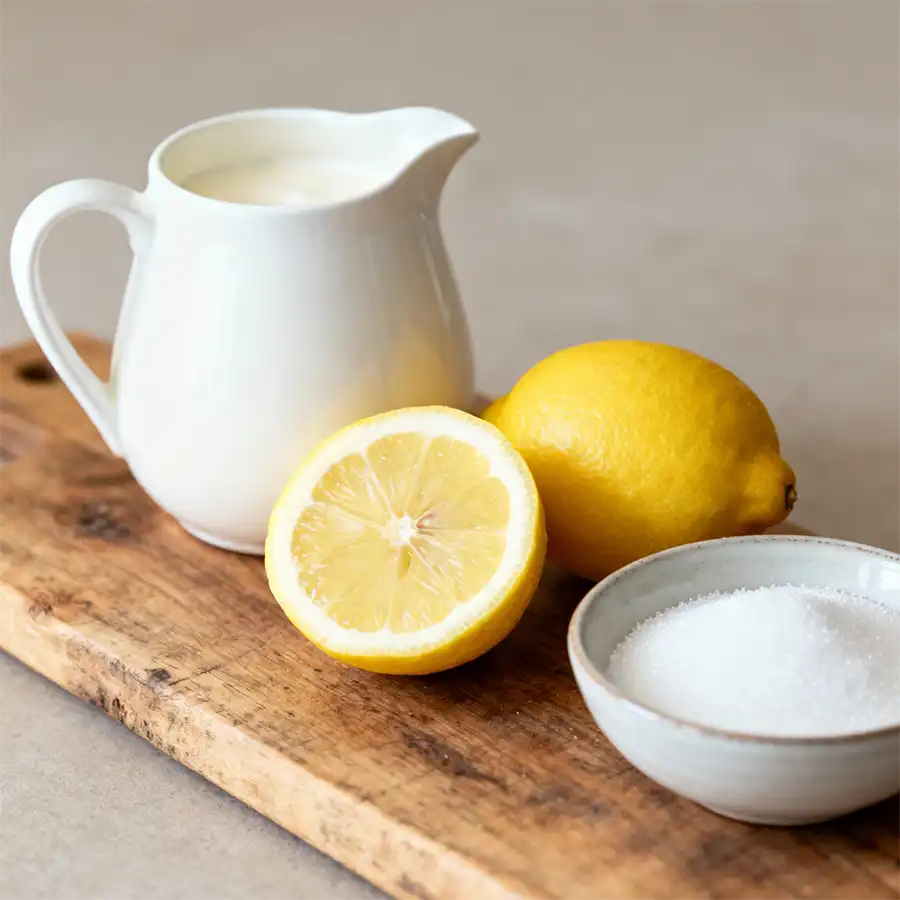
For the lemonade:
- 4 large lemons (for serving and juice)
- 2 cups (480 ml) sugar syrup (35% sugar content)
- 2/3 cup (130 g) citric acid
- 6 tablespoons of fresh lemonade syrup
- 1 lemon zest
- 1 teaspoon of vanilla extract (to taste)
For the syrup preparation:
- A side caramel syrup for caramelization
Preparations for a lemon guest set
Step 1: Preparation of lemon cups
- Cut the lemon lengthwise
- Carefully remove the pulp with a spoon, leaving the whole peel
- Proceed to extract the pulp through a sieve to get 6 tablespoons of juice
- Distribute the lemon peel halves in a mold for cakes or on a plate, so that they are level
Step 2: Preparing the filling mixture
- In a saucepan of medium heat, combine the tops of the lemons, cucumber, and lemon cedar
- Heat over medium heat, constantly stirring, until the mixture thickens
- Add the mixture to light capers and leave for 5 minutes, stirring occasionally
- Combine with the cream and gently mix in lemon zest and vanilla extract
- Let the mixture cool for about 15-20 minutes
Step 3: Straining and pouring
- Strain the mixture through a fine sieve to remove the zest
- Carefully pour the filling mixture into the prepared lemon halves
- Fill almost to the top, but do not overflow
Step 4: Cooling
- Chill without lids in the refrigerator for 4 hours or overnight
- Be sure to reach a uniform consistency and make the cream resemble a smooth texture
Step 5: Brule Topping
- Before serving, evenly sprinkle fine brown sugar on the surface of each portion
- Using a kitchen torch, caramelize the sugar with circular motions until it reaches a golden-brown color
- Allow the caramelized sugar to cool and set for 1-2 minutes
- Refrigerate in the refrigerator for 10-15 minutes before serving
Secrets and Tips from Professionals
Technical Secrets
1. Correct choice of cream
Use cream that contains no less than 35% fat. Cream with less fat will not provide the necessary consistency and will not hold its shape.
2. Temperature control
The upper-sugar layer should ideally be at 5 minutes. Insufficient heating will not allow the dessert to achieve the desired result.
3. Careful addition of lemon juice
Add lemon juice slowly and continuously whisk. If added too quickly, the mixture may curdle.
4. Correct procedure
Always proceed through fine mesh for obtaining ideally smooth texture.
Secrets of Brule Topping
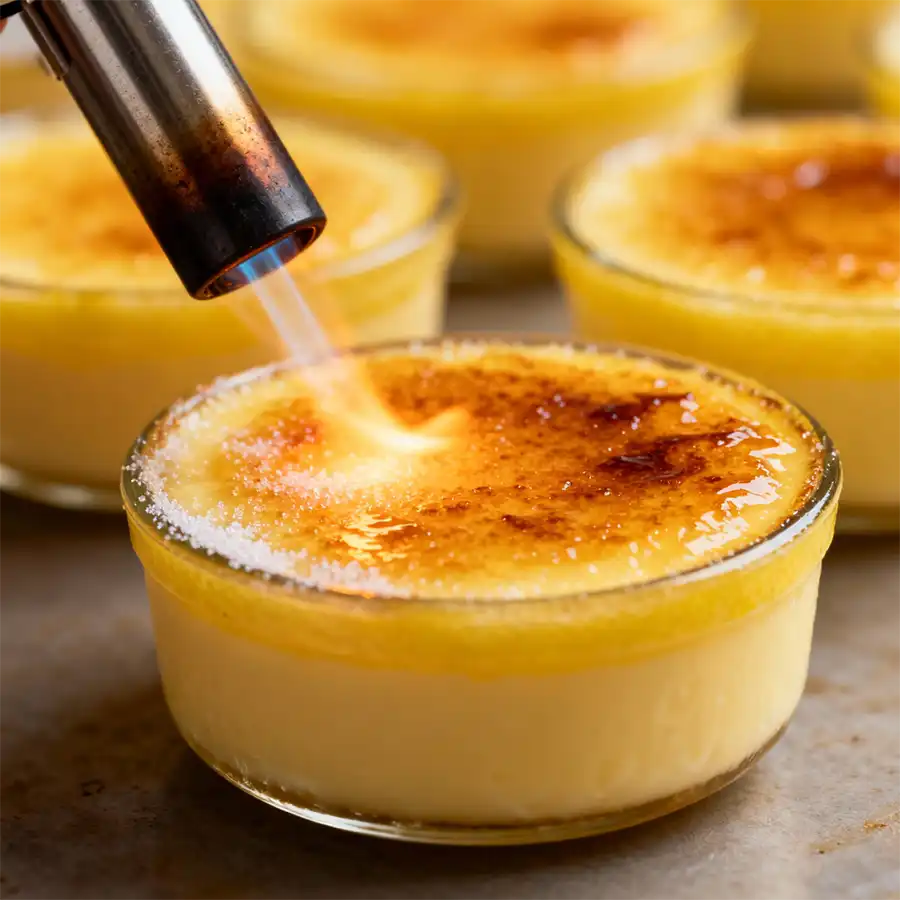
1. Type of sugar for brew
Use caramel sugar demerara or regular white sugar. Do not use fine sugar, as it tends to melt too quickly.
2. Technique for stirring
Hold the spoon at an angle and stir it in circular motions. Do not press the spoon directly against the bottom to avoid scraping the pot.
3. Cooling time
After brewing, let it sit on the counter for 1-2 minutes, then transfer it to the refrigerator for 10-15 minutes for further cooling.
Recipe Variations: Lemon Brew
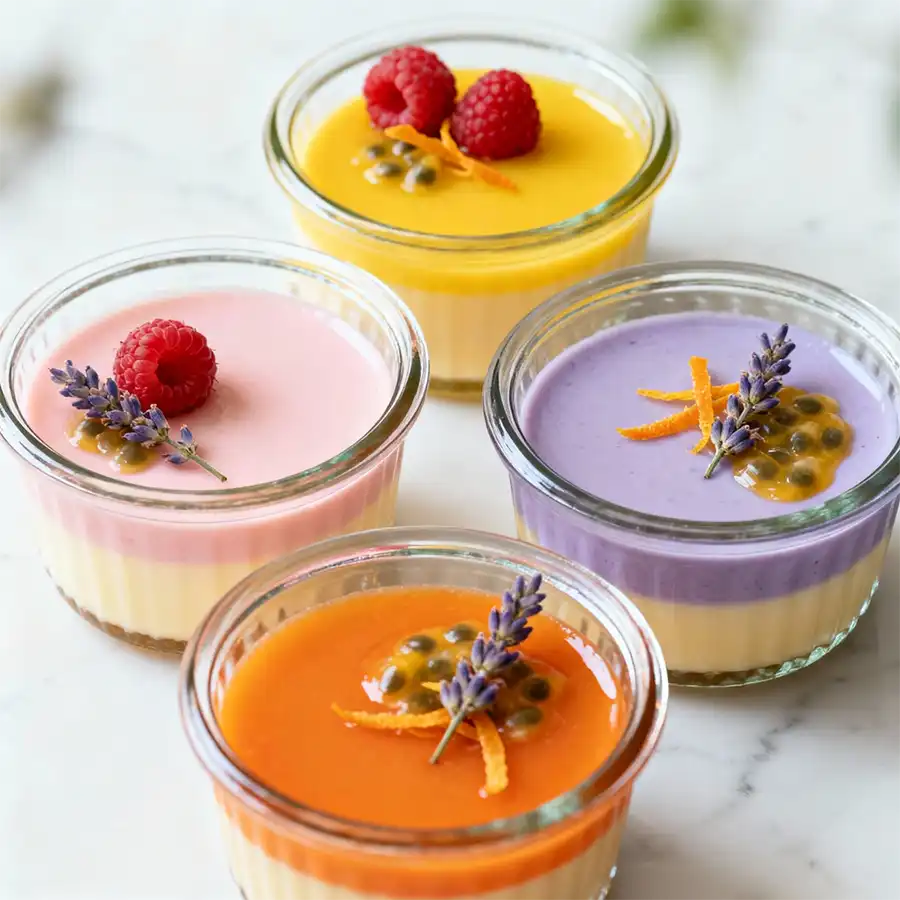
1. Raspberry Brew
Ingredients:
- 400 ml of berry juice
- 100 g of sugar
- 150 g of fresh raspberries
- 3 tablespoons of raspberry syrup
- 1/4 teaspoon of vanilla extract
Preparation:
Blend raspberries with raspberry syrup until smooth. Add to a pot for heating. Optionally, replace lemon juice with this mixture.
2. Passion Fruit Brew
Ingredients:
- 400 ml of berry juice
- 125 g of sugar
- About 4 large passion fruits (approximately 100 ml)
- 1 lime zest and juice
Preparation:
To process the maracuja, add cedar lime and other ingredients. Use the replacement lemon flavored syrup as the main ingredient.
3. Buzkovyy poset
Ingredients:
- 400 ml of fatty tops
- 100 g of cucumber
- 4 tablespoons of buzkovyy cordial
- Juice of half a lemon
Preparation:
Garnish the tops with cucumber, chill and add buzkovyy cordial and lemon juice.
4. Apel’synovyy poset
Ingredients:
- 2 slices of fatty tops
- 2/3 slices of cucumber
- 1/3 slice of fresh apple syrup
- Cedar from 2 apples
- 1 teaspoon of Grand Marnier (to taste)
5. Lavandovyy poset
Ingredients:
- 2 slices of fatty tops
- 2/3 slices of cucumber
- 1/3 slice of lemon syrup
- 1 tablespoon of dried lavender
- Cedar from 1 lemon
Recommendations for serving and presentation
Classic serving lemon poset brule
- In prominent bowls: The most popular serving method that not only looks effective but also adds additional lemony aroma.
- In glass ramekins: An elegant option for formal occasions.
- In vintage cellars: Creates an atmosphere reminiscent of British authenticity.
Gardens and decorations
- Fresh berries: raspberries, blackberries, or blueberries.
- Mint leaves: add freshness and color contrast.
- Detailed pistachios: create a textural contrast.
- Chocolate syrup: a slight addition for elegance.
Seasonal variations of garnishes
- Spring: fillets, young mint leaves.
- Summer: fresh berries, basil.
- Autumn: caramelized pears, hazelnuts.
- Winter: preserved fruits, rosemary.
Storage and preparation ahead
Storage periods for lemony posset
- In the refrigerator: up to 3 days after preparation.
- In the freezer: up to 3 months (defrost for 30 minutes in the refrigerator).
- Posset cream: works best served immediately before serving.
Tips for make-ahead
- Prepare to serve the day: make sure it stays more balanced after night in the fridge
- Cover with plastic wrap: to prevent the plastic from sticking to the surface
- Do not use aluminum foil: it may give a metallic taste
Resolution of issues
Most common mistakes
1. The serving does not reach
- Reason: insufficient fatty topping or not enough time for penetrating
- Solution: use the topping made with at least 35% fat and give it about 5 minutes
2. Spicy taste
- Reason: an unwanted piece of skin (albedo) lemon
- Solution: accurately clean lemon peels from the white part or blanch them in water
3. Citrus bitterness
- Reason: previously added lemon juice too quickly or insufficient hot citrus
- Solution: add the juice gradually, keeping it consistent
4. Turned acidic taste
- Reason: previously too much lemon juice
- Solution: reduce the amount of juice to 5 tablespoons or add three more to balance
5. Turned sweet taste
- Reason: Due to a lot of sugar
- Solutions: Add more lemon juice or reduce the sugar in the initial amount
Suggestions from Feedback
If the recipe seems too watery:
- Put it in the freezer for 30-60 minutes for quicker thickening
- Add more lemon juice and stir
If the recipe seems too thick:
- Add some liquid and add 1-2 tablespoons of water
Nutritional Value and Dietary Attributes
Nutritional Value (per portion out of 8)
- Calories: approximately 280-320 kcal
- Fats: 28-32 g
- Carbohydrates: 18-22 g
- Proteins: 2-3 g
- Sugar: 16-20 g
Dietary Adaptations
For reduced sugar content:
- Use stevia or erythritol (reduce the amount by half)
- Add more lemon zest for enhanced flavor
For vegan versions:
- Replace dairy cream with coconut cream with high fat content
- Use coconut sugar instead of regular sugar
Sugar-free version:
- Use a non-toxic glaze with high-fat content
Seasonal Features of Lemon Dessert
Spring Variations
- Add peels of tangerines for aroma
- Use young mint leaves
- Serve with fresh spring strawberries
Summer Adaptations
- Freeze for 2-3 hours for a refreshing effect
- Add basil or tarragon for an unusual flavor
- Serve with cold tea or lemonade
Autumn Versions
- Add cinnamon and nutmeg
- Serve with caramelized pears
- Use ginger syrup
Winter Variations
- Add ginger for a warm flavor
- Serve with mulled wine
- Use preserved fruits like cherries
Servings for Special Occasions
Festive Events
- Serve on silver trays
- Add golden leaf garnish for decoration
- Use crystal glasses
Romantic Evening
- Surround with lemon candles
- Soft wax candles are perfect
- Serving for two people
Children’s Holidays
- Smaller portions in glasses and bowls
- Colorful garnishes with fruits
- Provide a citrus backbone for “snowy” effect
Pairing with flavors
Spicy flavors
- Earl Grey tea: Classic British pairing
- Lavender tea: Highlights citrus notes
- Ginger tea: Adds pungency
Cool flavors
- Prosecco: A sparkling pairing for celebrations
- Limoncello: Enhances citrus notes
- Mint: Provides a fresh burst
Alcoholic flavors
- Limoncello: Italian accent
- Gin with tonic: British classic
- Champagne: For special occasions
Frequently Asked Questions (FAQ)
Question 1: Can I use lime juice instead of lemon?
Answer: Yes, lime juice works just as well depending on the acidity level. The result will be slightly more zesty and with a different aromatic profile.
Question 2: Why is my cocktail not setting?
Answer: The most common reasons are insufficient fatty top notes (less than 35%), insufficient time in shaking (less than 5 minutes), or insufficient time in the refrigerator (less than 4 hours).
Question 3: Can you prepare a cocktail without lemon peels?
Answer: Absolutely! Use glass ramekins, ceramic cups, or any small containers. The volume should be approximately 100-120 ml per serving.
Question 4: How long can you keep a cocktail?
Answer: In the refrigerator under a cover for up to 3 days. In the freezer up to 3 months, but the texture may change.
Question 5: Is it necessary to make the cocktail without brulee?
Answer: No, it is optional. The cocktail tastes wonderful without brulee; you can add berries, mint, or just leave it without decoration.
Question 6: What to do if the cocktail has become sour?
Answer: In this case, reduce the amount of lemon juice to 4-5 tablespoons or add a little more syrup.
Question 7: Can you make a cocktail with fewer calories?
Answer: You can try mixing oil-free cream with less fat in a 1:1 ratio, but the consistency may not be that ideal. You can also reduce the amount of syrup to 1/4.
Question 8: How to remove bitterness from lemon peels?
Answer: Typically, remove the entire white part (albedo) of the peel using a spoon. You can also quickly wash the peels under cold water to reduce bitterness.
Question 9: Can alcohol be added to the cocktail?
Answer: Yes, a small amount (1-2 tablespoons) of Grand Marnier, limoncello, or rum can add an interesting note. Add it along with the lemon juice.
Question 10: What to do if your sauce burns?
Answer: Try straining it through a very fine sieve and add more lemon juice. If it doesn’t help, start over, but this time add lemon juice more generously.
Question 11: Can you make a sauce without ghee?
Answer: Yes, but the flavor will be less intense. Increase the amount of lemon juice by 1 tablespoon for compensation.
Question 12: What is the optimal serving temperature?
Answer: It is best to serve the sauce cold, straight from the refrigerator. If it was stored, let it sit for 10-15 minutes at room temperature.
A lemon sauce brulee is truly a pearl of British cuisine, reflecting its simplicity in preparation and sophistication in flavor. This dessert is perfect for family dinners as well as festive events, always leaving an unforgettable impression with its creamy texture, vibrant citrus flavor, and hint of caramelized crust.