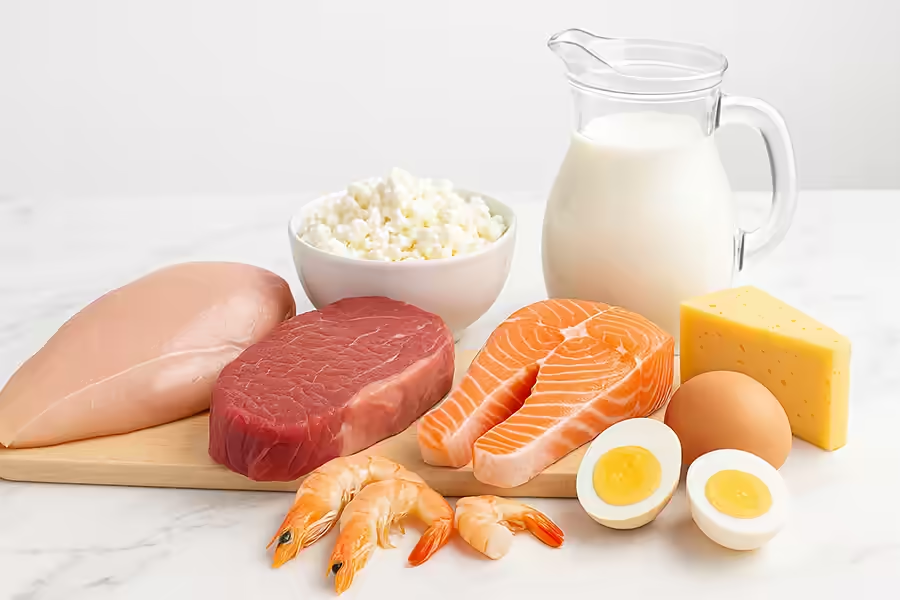
Protein is a fundamental nutrient without which the human body cannot function normally. It is the building block for our muscles, skin, hair, and internal organs. Whether you are trying to lose weight, gain muscle mass, or simply stay healthy, understanding which foods contain protein and in what quantities is the key to a balanced diet.
In this article, you will find comprehensive information about foods with the highest protein content, learn about the benefits of protein for the body, get practical advice on diet planning, and understand how to avoid potential problems from improper consumption of this important nutrient.
Content
What is protein and why is it important for the body?
Protein is a high-molecular organic compound consisting of amino acids. There are about 80 amino acids in total, 25 of which are most commonly found in food. Proteins make up about 20% of our body and are present in every cell of the body.
The main functions of protein in the body
Building function. Proteins are essential for the repair and growth of cells and tissues, especially muscles, skin, hair, and nails. When you exercise, your muscles suffer microdamage, and it is protein that helps them repair and become stronger.
Enzymatic function. Proteins in the form of enzymes participate in chemical reactions that provide energy for life. Without them, the process of digestion and assimilation of food would be impossible.
Protective function. Antibodies, which fight infections and viruses, are also protein compounds. Adequate protein intake keeps the immune system in good working order.
Transport function. Proteins, such as hemoglobin, carry oxygen and nutrients throughout the body. They act as a kind of “postman,” delivering important cargo to every cell.
Hormonal function. Some proteins, such as insulin, act as hormones that regulate metabolic processes in the body.
Energy function. In case of insufficient carbohydrates and fats, the body can use proteins as a reserve source of energy.
Daily protein intake: how much should you consume?
The generally accepted norm for protein consumption for an adult is at least 0.8 g per 1 kg of body weight. However, this figure is only a basic minimum for people with a sedentary lifestyle. Actual needs may vary significantly depending on age, gender, level of physical activity, and individual goals.
| Category of people | Protein requirement per 1 kg of body weight |
|---|---|
| Normal lifestyle | 0.8–1 g |
| Active lifestyle | 1.2–1.5 g |
| Amateur athletes | 1.4–1.7 g |
| Strength training, weight gain | 1.6–2.2 g |
| Weight loss with exercise | 1.6–2.4 g |
| Professional athletes | 2.0–3.0 g |
Practical example: If you weigh 70 kg and lead an active lifestyle, you need to consume between 84 and 105 g of protein per day. For a woman weighing 60 kg with a sedentary lifestyle, the minimum requirement is 48 grams.
On average, this is 55 g for men and 45 g for women, which can be obtained from two palm-sized portions of foods such as meat, fish, tofu, eggs, or legumes.
Animal products with the highest protein content
Animal proteins are considered complete because they contain all essential amino acids in optimal proportions. Their biological value is higher than that of plant proteins, and their digestibility reaches 90–95%.
Meat and poultry
Meat is one of the richest sources of protein. Chicken breast is traditionally considered the “gold standard” among meat products for those who watch their figure.
| Product | Protein per 100 g |
|---|---|
| Chicken breast | 23 years old |
| Turkey | 19.5 g |
| Lean beef | 20–24 years |
| Veal | 19.7 years |
| Rabbit meat | 21 years old |
| Chicken (thigh) | 18.2 g |
| Pork meat | 14.3 g |
| Lamb | 15.6 g |
Chicken meat is an affordable choice with an excellent price-quality ratio. Beef, in addition to protein, is rich in iron and B vitamins. Turkey is a low-fat dietary option.
Fish and seafood
Fish is a unique product that combines high protein content with beneficial omega-3 fatty acids for heart and vascular health.
| Product | Protein per 100 g |
|---|---|
| Tuna | 22–25 years |
| Salmon | 20–22 years old |
| Mackerel | 18 years old |
| Herring | 17.7–19.1 g |
| Zander | 18.4 g |
| Pike | 18.4 g |
| Alaska pollock | 15.9 g |
| Chip | 16 years old |
| Shrimp | 20 g |
| Squid | 18 years old |
| Mussels | 11.5 g |
Tuna is the undisputed champion among fish in terms of protein content. Salmon further enriches the diet with beneficial omega-3 fats. Seafood such as shrimp is also rich in iodine, which is essential for the thyroid gland.
Eggs and dairy products
Chicken eggs are considered the gold standard for amino acid composition. Their biological value (BV) is 100, which means that the body uses up to 94% of the protein they contain.
| Product | Protein per 100 g |
|---|---|
| Chicken egg | 12.7 g |
| Quail egg | 11.9 g |
| Chicken egg yolk | 16.2 g |
| Hard cheese | 25 years |
| Soft cheese (5–9%) | 16–18 years |
| Full-fat cheese (18%) | 15 years |
| Natural yogurt | 4–5 years |
| Kefir | 3.4 g |
| Milk | 3.2 g |
| Dry cream 42% | 19 years old |
Hard cheese is the record holder among dairy products — 25 g of protein per 100 g of product. Soft cheese (cottage cheese) is ideal for a snack, especially for those who are watching their calorie intake. Eggs remain the most affordable and versatile source of protein: omelets, scrambled eggs, boiled eggs — there are countless ways to prepare them.
Offal
Offal is often underestimated, even though it is an excellent source of protein and micronutrients:
| Product | Protein per 100 g |
|---|---|
| Beef liver | 17.9 g |
| Beef kidneys | 15.2 g |
In addition to protein, liver is extremely rich in iron, vitamin A, and B vitamins.
Plant-based protein sources: an alternative to meat

Plant protein is becoming increasingly popular due to its advantages: plant products are rich in fiber, low in saturated fat, and rich in vitamins and antioxidants. Although the digestibility of plant proteins is slightly lower (70–90%), with the right combination of foods, you can provide your body with all the essential amino acids it needs.
Legumes
Legumes are a real lifesaver for vegetarians and anyone looking to diversify their diet.
| Product | Protein per 100 g |
|---|---|
| Soybeans (dry) | 34–36 years old |
| Black beans | 24 years |
| Red lentils (dry) | 25–28 years |
| Nut | 8–22 years |
| Beans | 7–21 years |
| Peas | 5–23 years |
Soybeans are the absolute record holder among plant sources of protein. Lentils are quick to prepare and easy to digest. Chickpeas and beans, in addition to protein, provide the body with fiber and magnesium for a healthy nervous system.
Nuts and seeds
Nuts are not only a source of protein, but also healthy fats, vitamin E, and minerals.
| Product | Protein per 100 g |
|---|---|
| Pumpkin seeds | 33 years old |
| Hemp seeds | 30 g |
| Peanuts | 24–28 years |
| Almonds | 18.6–21 years |
| Cashew | 18.5 g |
| Flax | 18 years old |
| Sesame | 19.4 years |
| Walnut | 16.2 g |
| Hazelnut | 13 years |
| Pine nut | 13.7 g |
Pumpkin seeds are a real superfood — in addition to protein, they contain zinc and omega-3 fatty acids. Peanuts, although technically a legume, are traditionally classified as nuts due to their similar taste and use. Almonds are an ideal snack that satisfies hunger well.
Cereals and grains
Cereals are an important part of the diet, providing the body not only with protein, but also with complex carbohydrates and fiber.
| Product | Protein per 100 g |
|---|---|
| Quinoa | 14 years |
| Amaranth | 14 years |
| Buckwheat | 12–12.6 g |
| Bulgur | 12 years |
| Oatmeal | 11–12.3 g |
| Millet | 11.5 g |
| Brown rice | 8 years |
Quinoa and amaranth are unique pseudo-cereals that contain all essential amino acids, which is rare for plant products. Buckwheat is a traditional Ukrainian product with a high protein and iron content.
Vegetables and greens
Although vegetables are not a major source of protein, some of them can significantly supplement the diet.
| Product | Protein per 100 g |
|---|---|
| Spinach | 5.4 g (per cup) |
| Broccoli | 5.8 g (per cup) |
| Asparagus | 3.2 g |
| Cauliflower | 2.3 g |
| Brussels sprouts | 3.4 g |
Spinach has anti-cancer properties and is beneficial for skin, brain, eye, and bone health. Broccoli is rich in vitamin C and antioxidants.
Superfoods with high protein content
Spirulina stands out among superfoods—it is a blue-green algae that contains up to 60% protein by weight. This makes it a true champion among plant sources. Nutritional yeast contains 50 g of protein per 100 g of product and is an excellent option for vegans.
Essential amino acids: what you need to know
Protein consists of amino acids, some of which are essential — the body cannot synthesize them on its own, so they must be obtained from food.
Essential amino acids include:
- Valine — daily requirement 0.8 g
- Leucine — daily requirement 1.1 g
- Isoleucine — daily requirement 0.7 g
- Lysine — daily requirement 0.8 g
- Methionine — daily requirement 1.1 g
- Threonine — daily requirement 0.5 g
- Tryptophan — daily requirement 0.25 g
- Phenylalanine — daily requirement 1.1 g
Arginine and histidine are also essential for children’s bodies.
Complete proteins contain all essential amino acids in sufficient quantities. These include animal proteins: meat, fish, eggs, dairy products. Among plant products, quinoa, soy, and amaranth are complete proteins.
Incomplete proteins are deficient in one or more amino acids. Most plant proteins are incomplete, so it is important for vegetarians to combine different plant sources (e.g., legumes with grains) to obtain a full spectrum of amino acids.
The absence or insufficiency of essential amino acids can lead to negative nitrogen balance, growth retardation, weight loss, and metabolic disorders.
Protein digestibility: what it depends on and how to improve it
Protein digestibility is a key indicator that determines how much of the protein consumed is actually used by the body. Simply consuming enough protein does not guarantee its complete absorption.
Comparison of the digestibility of different products
| Product | Digestibility |
|---|---|
| Whey protein | >100% (LLC) |
| Chicken egg | 94% |
| Dairy products | 85–90% |
| Meat, fish | 90–95% |
| Plant proteins | 70–90% |
Factors affecting protein absorption
Preparation method. Heat treatment destroys some anti-nutritional substances in plant products, improving protein absorption. Cooked or baked food is better absorbed than raw food.
Presence of anti-nutritional substances. Plants contain protease inhibitors, tannins, phytic acid, and saponins, which reduce protein digestibility. Soaking legumes before cooking helps to reduce their content.
Food combinations. Eating protein together with vegetables improves digestion. Vitamin C promotes the absorption of iron from meat products.
The state of the digestive system. A healthy gastrointestinal tract breaks down and absorbs proteins better.
Tips for improving protein absorption
- Chew your food thoroughly — digestion begins in the mouth.
- Don’t overeat — large portions of protein are absorbed less efficiently.
- Consume protein evenly throughout the day
- Add vegetables and greens to protein dishes
- Support your digestive health
Protein for weight loss: how it works
Protein-rich diets are considered valuable aids in weight loss and body composition control. Their effectiveness can be explained by several physiological mechanisms.
Mechanisms of protein’s effect on weight
Appetite suppression. Protein foods increase the secretion of appetite-suppressing hormones (GLP-1, cholecystokinin) while reducing levels of ghrelin, the “hunger hormone.” This helps you feel full longer and reduces overall calorie intake.
Thermal effect. When consuming protein, the body expends more energy to digest it than when consuming fats or carbohydrates. This difference can be several times greater.
Muscle preservation. When losing weight, the body can lose not only fat but also muscle mass. Adequate protein intake protects muscles, which keeps metabolism high.
Recommendations for protein consumption during weight loss
Studies show that for effective weight loss, the optimal intake is about 1.5 g of protein per kilogram of body weight per day. For those who combine diet with exercise, the dosage can be increased to 2.0–2.4 g.
| Category | Recommended norm |
|---|---|
| Losing weight without exercise | 1.2–1.5 g/kg |
| Weight loss with exercise | 1.6–2.4 g/kg |
| People with obesity | 1.2–1.5 g/kg |
Protein for muscle mass gain
For those who engage in strength training and seek to build muscle, protein is a key element of success. However, it is important to understand that excess protein does not lead to endless muscle growth.
Optimal doses for athletes
| Type of activity | Protein norm |
|---|---|
| Endurance sports | 1.2–2 g/kg |
| Team sports | 1.4–1.7 g/kg |
| Strength training | 1.6–2.2 g/kg |
| Professional bodybuilding | 2.3–3.1 g/kg of lean body mass |
The best time to consume protein
After training — the 30–60 minute window after exercise is ideal for fast-digesting proteins (eggs, whey protein).
Before bedtime — casein protein (cheese, dairy products) slowly releases amino acids throughout the night, supporting muscle recovery.
Even distribution — it is better to consume protein evenly throughout the day rather than in one large portion.
Other important nutrients in protein foods
Foods high in protein are often rich in other beneficial nutrients:
Meat and fish
- Iron — especially in red meat and liver, essential for blood formation
- Zinc — supports immunity and skin health
- B vitamins — B12, B6, niacin for the nervous system and energy
- Omega-3 — in fatty fish for heart and brain health
Eggs
- Choline — for brain and liver health
- Vitamin D — for bones and immunity
- Selenium — antioxidant
Legumes
- Fiber — for digestive health
- Magnesium — for the nervous system and muscles
- Folic acid — especially important for pregnant women
Nuts and seeds
- Vitamin E — a powerful antioxidant
- Magnesium — for the heart and nerves
- Healthy fats — for hormonal balance
Signs of protein deficiency in the body
Protein deficiency affects overall well-being and appearance. The main symptoms of protein deficiency are:
- Constant feeling of hunger and fatigue
- Irritability, drowsiness, apathy
- Dryness and hair loss
- Pale skin and premature wrinkles
- Brittle nails
- Frequent infectious and viral diseases
- Slow wound healing
- Loss of muscle mass
Hair and nails are among the first to suffer, as they are composed of keratin, which is also a protein.
Warning: harm from excessive protein consumption
Although protein is essential for life, excessive consumption can lead to serious health problems.
The main risks of excess protein
Strain on the kidneys. Excessive protein consumption puts additional strain on the kidneys, which excrete waste products (urea). This can contribute to the formation of kidney stones, especially when consuming large amounts of animal protein.
Dehydration. The kidneys work harder to remove excess protein in the urine, which can lead to dehydration.
Digestive problems. Excess protein can cause bloating, constipation, or diarrhea.
Calcium loss. Too much protein can leach calcium from your bones, increasing your risk of osteoporosis.
Weight gain. Excess protein that the body cannot use is converted into fat reserves.
Bad breath. A diet high in protein and low in carbohydrates leads to active fat burning, which causes a characteristic odor.
5 signs that you are eating too much protein
- Kidney problems or lower back pain
- Constant dehydration and thirst
- Bad breath
- Digestive problems (constipation, bloating)
- Headaches and fatigue
Who should be especially careful
- People with kidney or liver disease
- For the elderly
- For those who have problems with gout
- People with cardiovascular diseases
The source of protein is also important: excessive consumption of animal protein is associated with an increased risk of cancer and type 2 diabetes. In contrast, protein from plant-based foods reduces these risks and helps control cholesterol levels.
Practical tips for protein consumption
How to distribute protein correctly throughout the day
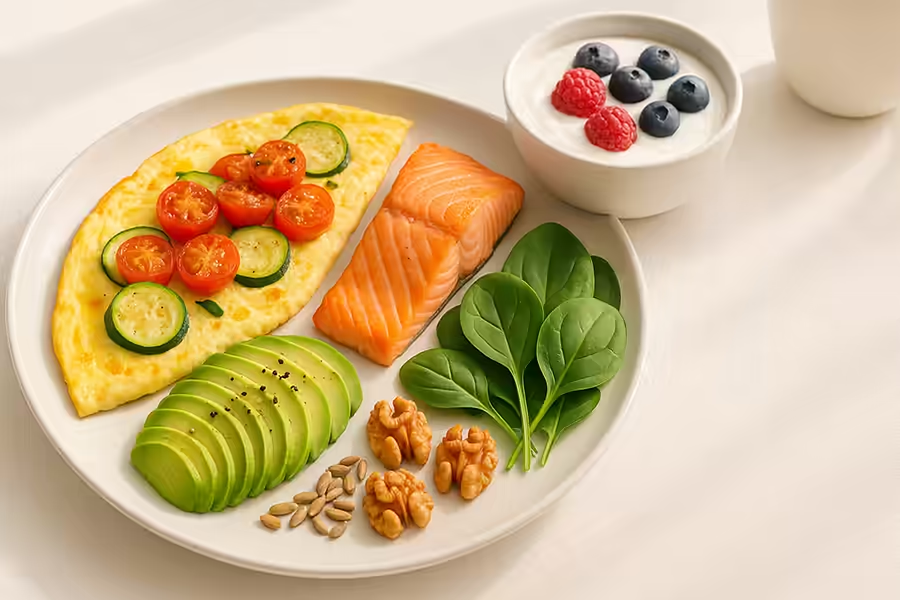
Breakfast. Start your day with protein-rich foods — this breaks your overnight fast and reduces your appetite for the rest of the morning. An omelet with vegetables or oatmeal with nuts is an excellent choice.
Lunch. The main meal should contain a complete source of protein: chicken, fish, or legumes with vegetables.
Snack. Greek yogurt, nuts, or cheese will help maintain your energy levels and prevent overeating in the evening.
Dinner. A protein meal with foods containing casein (cheese, dairy products) will ensure a sustained release of amino acids throughout the night.
Advice for different categories of people
For vegetarians:
- Combine legumes with grains (rice + beans) to obtain a full spectrum of amino acids.
- Include quinoa and soy as complete sources of protein.
- Consume a variety of plant-based foods every day
For athletes:
- Consume protein within 30–60 minutes after training
- Distribute protein evenly throughout the day
- Combine animal and plant sources
For elderly people:
- Maintain adequate protein intake to preserve muscle mass
- Give preference to easily digestible sources (fish, eggs, dairy products)
- Consume protein together with vegetables for better digestion.
How to combine foods for better absorption
- Meat + vegetables = improved digestion and iron absorption
- Legumes + grains = a complete set of amino acids
- Fish + lemon = better absorption of omega-3
- Nuts + fruit = a balanced snack
FAQ: Frequently asked questions about protein
Is it possible to get enough protein without meat?
Yes, absolutely. A combination of legumes, grains, nuts, seeds, and dairy products (for vegetarians) will provide the body with all the necessary amino acids. For vegans, soy, quinoa, amaranth, and spirulina are especially important as sources of complete protein.
How much protein is absorbed in one meal?
The body can absorb 20–40 g of protein per meal, depending on individual characteristics, body weight, and level of physical activity. Therefore, it is better to distribute protein consumption evenly throughout the day rather than eating a large portion at once.
Are protein supplements necessary?
For most people who eat a balanced diet, protein supplements are not necessary. They may be useful for athletes with increased needs or for those who have difficulty getting enough protein from food.
Which protein is better—animal or plant?
Both types have their advantages. Animal protein is more complete in terms of amino acid composition and is better absorbed. Plant protein contains less saturated fat and is rich in fiber and antioxidants. It is best to combine both types in your diet.
Is it harmful to eat eggs every day?
Current research shows that consuming 1–3 eggs per day is safe for most healthy people and does not increase the risk of cardiovascular disease. Eggs are an excellent source of complete protein and important micronutrients.
When is the best time to consume protein—before or after training?
Both options are effective. After training, protein helps muscle recovery (30–60 minute window). Consuming protein before training can also improve results and reduce muscle breakdown during exercise.
Can protein help you lose weight?
Yes, protein foods increase feelings of fullness, speed up metabolism, and help maintain muscle mass during weight loss. It is recommended to consume 1.2–1.5 g of protein per kilogram of body weight when losing weight.
Is there a difference between protein from meat and cheese?
Yes, there is. Cheese (cottage cheese) contains mainly casein, a slow-digesting protein that is ideal for long-lasting satiety and consumption before bedtime. Meat contains a more diverse composition of amino acids and additional trace elements such as iron and zinc.
Conclusion
Protein is an essential component of a healthy diet, providing building material for our muscles, supporting immunity, and regulating numerous processes in the body. The key to getting the most out of protein is to consume it in a balanced way from various sources: combining animal and plant products, distributing it evenly throughout the day, and taking into account individual needs depending on age, gender, and level of physical activity.
Remember: the norm for most adults is 0.8–1 g of protein per kilogram of body weight, increasing to 1.5–2 g for active people and athletes. At the same time, it is important not to exceed reasonable limits, as excess protein can damage the kidneys and cause other health problems.
When planning your diet, pay attention not only to the amount of protein, but also to its quality and source. Variety is the key to ensuring that your body gets all the essential amino acids and related nutrients it needs for health and energy.