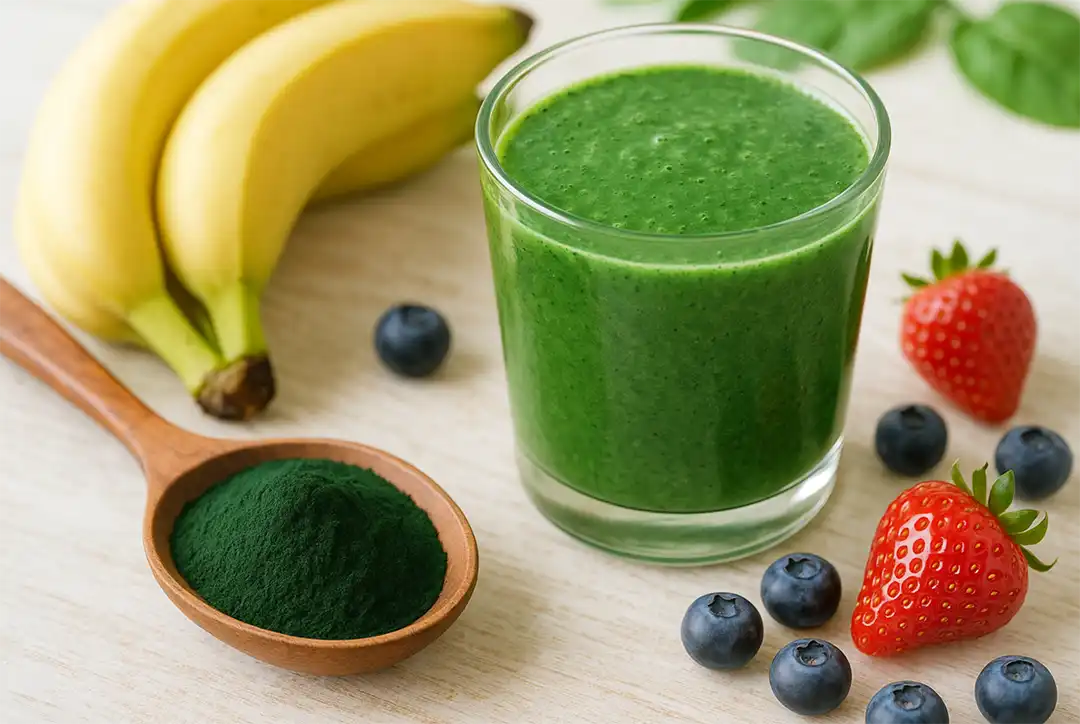
What is spirulina and why has it become a real superfood?
Content
Spirulina is a blue-green microalgae that has existed on our planet for about 3.5 billion years. It got its name “spirulina” due to its spiral shape. This unique cyanobacterium is one of the most nutritious foods on the planet and is considered a true treasure of nature.
Contrary to popular belief, spirulina is a freshwater algae, not a marine one. It grows naturally in only three lakes in the world, located in China, where a special alkaline microclimate is maintained. Today, it is also cultivated on special farms under controlled conditions to ensure high product quality.
The unique composition of spirulina: a concentrate of essential substances
Spirulina is rightly called “green meat” due to its extremely rich composition. It contains about 60-70% easily digestible vegetable protein — more than red meat or eggs. Spirulina’s absorption rate reaches a fantastic 95%, making it the most bioavailable product among all plant and animal food sources.
The main nutritional components of spirulina:
- 18 essential amino acids — a complete set for building the body’s cells
- B vitamins (B1, B2, B3, B6, B9, B12) — 2.5 times more than in beef liver
- Vitamin A — 20 times more than in carrots
- Beta-carotene — 25 times more than in carrots
- Iron — 34 times more than in spinach
- Phycocyanin is a unique pigment with powerful antioxidant properties.
- Chlorophyll — for detoxification and cleansing of the body
- Gamma-linolenic acid (GLA) — a rare fatty acid for cardiovascular health
Scientific research: proven health benefits of spirulina
Immune system and protection against infections
Spirulina is a powerful immune booster due to its high content of antioxidants, vitamins, and minerals. Phycocyanin and vitamin E protect cells from oxidative stress and slow down the aging process. Regular consumption of spirulina increases the body’s resistance to viruses, bacteria, and fungal infections.
Cardiovascular system
Studies show that spirulina effectively lowers “bad” cholesterol levels and improves blood vessel health. Thanks to its high iron content, it prevents the development of anemia and atherosclerosis and is an effective prevention against blood clots. Gamma-linolenic acid helps lower blood pressure and supports healthy heart function.
Detoxification and cleansing of the body
The chlorophyll in spirulina acts as a natural detoxifier, helping to remove toxins, heavy metals, and radionuclides from the body. This is especially important in today’s polluted environment. Spirulina supports liver health and helps normalize gastrointestinal function.
Energy and metabolism
The B vitamins in spirulina accelerate metabolism and promote the efficient conversion of nutrients into energy. The high protein and amino acid content increases the body’s endurance and helps overcome chronic fatigue.
Beauty of skin, hair, and nails
Thanks to its antioxidant properties, spirulina promotes skin rejuvenation, improves its elasticity, and reduces inflammation. Regular consumption leads to improved hair condition — it becomes thicker and grows faster. It also improves the condition of nails, making them stronger and less brittle.
Forms of spirulina: what to choose for maximum benefit

Spirulina powder: versatility and effectiveness
Spirulina powder is considered the most beneficial form because it does not undergo additional processing and retains all its nutrients. The powder is absorbed by the body more quickly, but has a characteristic green color and a slight bitterness.
Recommended dosage: 1-2 teaspoons (3-6 grams) per day. Start with a lower dose and gradually increase it, observing your body’s reaction.
Tablets and capsules: ease of administration
Spirulina tablets have a slight sea smell, but virtually no taste. The tablet form is more convenient to use, especially when traveling, and is ideal for people who dislike the taste of algae.
Recommended dosage: start with 4-5 tablets per day, gradually increasing to 10-20 tablets depending on the weight of the tablet. The absorption rate of tablets is only 4% lower than that of powder.
Detailed recipes and methods of preparation with spirulina
Classic smoothies with spirulina
Green detox smoothie with banana and spirulina
Ingredients:
- 1 banana (preferably frozen)
- 1 cup of plant-based milk or water
- 2 teaspoons of spirulina powder
- 1 handful of spinach
- sweetener to taste (honey, stevia, Jerusalem artichoke syrup)
Preparation: Blend all ingredients in a blender until smooth. Frozen banana will give a thicker consistency and pleasant coolness.
Tropical strip with pineapple and spirulina
Ingredients:
- 1 cup chopped pineapple
- 1 cup coconut milk
- 2 teaspoons of spirulina
- fresh mint to taste
- ice, if desired
Preparation: Blend all ingredients in a blender. Serve garnished with a slice of pineapple and a sprig of mint.
Berry antioxidant smoothie
Ingredients:
- 1 cup mixed berries (frozen is fine)
- 1 cup of yogurt or plant-based milk
- 2 teaspoons of spirulina
- 1 tablespoon of honey
- juice of half a lemon
Preparation: Blend all ingredients until smooth. This smoothie is rich in antioxidants and vitamins.
Special drinks for maximum absorption
Traditional ways to consume spirulina
Preparation: Mix 1 teaspoon of spirulina powder with a glass of room temperature water. Leave for 10 minutes to allow the spirulina to “come to life” and dissolve completely. Drink on an empty stomach 20-30 minutes before meals.
Energy cocktail for athletes
Ingredients:
- 2 teaspoons of spirulina
- 1 cup coconut water
- juice of 1 lemon
- 1 teaspoon of honey
- a pinch of sea salt
Preparation: Mix all ingredients thoroughly. This drink is ideal for recovery after training.
Cooking recipes with spirulina
Green pancakes with spirulina
Ingredients:
- 1 cup of flour
- 2 eggs
- 1 cup of milk
- 2 teaspoons of spirulina
- 1 tablespoon of honey
- salt to taste
Preparation: Mix the dry ingredients, add the liquid ingredients, and beat until smooth. Fry in a nonstick skillet. Serve with fruit or berries.
Energy balls with spirulina
Ingredients:
- 1 cup pitted dates
- 1/2 cup almonds
- 2 tablespoons of spirulina
- 1 tablespoon coconut oil
- coconut flakes for coating
Preparation: Grind dates and almonds in a blender, add spirulina and oil. Form balls and roll them in coconut flakes. Store in the refrigerator.
Rules for taking spirulina: dosage and recommendations
Basic principles of use
Optimal time of intake: it is best to take spirulina in the morning on an empty stomach or 20-30 minutes before meals for better absorption. Thanks to its tonic effect, morning intake will provide energy for the whole day.
Starting dose: begin with 1-2 grams per day (half a teaspoon of powder or 4-5 tablets), gradually increasing to the recommended dose. This will allow your body to adapt and minimize possible side effects.
Dosage depending on the objectives
For general health improvement: 3-5 grams per day
To boost immunity: 5-7 grams per day
For weight loss: 2-3 grams 30 minutes before each meal
For athletes: 5-10 grams per day to improve endurance
For children aged 5 and older: 1-2 grams per day
Course duration and breaks
The recommended course of spirulina intake is 1-2 months. After completing the course, it is necessary to take a break for 3-4 weeks, after which the course can be repeated. This regimen ensures maximum effectiveness and prevents the body from becoming accustomed to it.
Spirulina for weight loss: a scientific approach
Mechanisms of action for weight loss
Research published in the journal Nutrition Research and Practice has confirmed the effectiveness of spirulina for weight loss. Consuming 2 grams of spirulina daily for 8 weeks significantly reduces hunger thanks to its high protein and phenylalanine content, which stimulate the satiety center in the brain.
Comprehensive impact on metabolism
Appetite control: spirulina provides the body with all the necessary nutrients, eliminating “secondary” hunger and the desire to snack. B vitamins have a positive effect on the nervous system, reducing the desire to “eat away” stress.
Accelerated metabolism: a rich complex of nutrients, especially B vitamins, supports active metabolism. This means that the body uses the energy it receives more efficiently instead of storing it as fat.
Detoxification: chlorophyll and antioxidants help cleanse the body, which is important for the normal functioning of all systems and effective weight loss.
Practical tips for losing weight
- Take spirulina 30 minutes before meals — this will help reduce your appetite and control portion sizes.
- Combine with a healthy diet — eliminate trans fats and fast carbohydrates
- Add physical activity — spirulina will speed up the process, but it cannot replace a healthy lifestyle.
- Drink enough water — this will improve absorption and the detoxification effect.
Cosmetic properties of spirulina: recipes for face masks
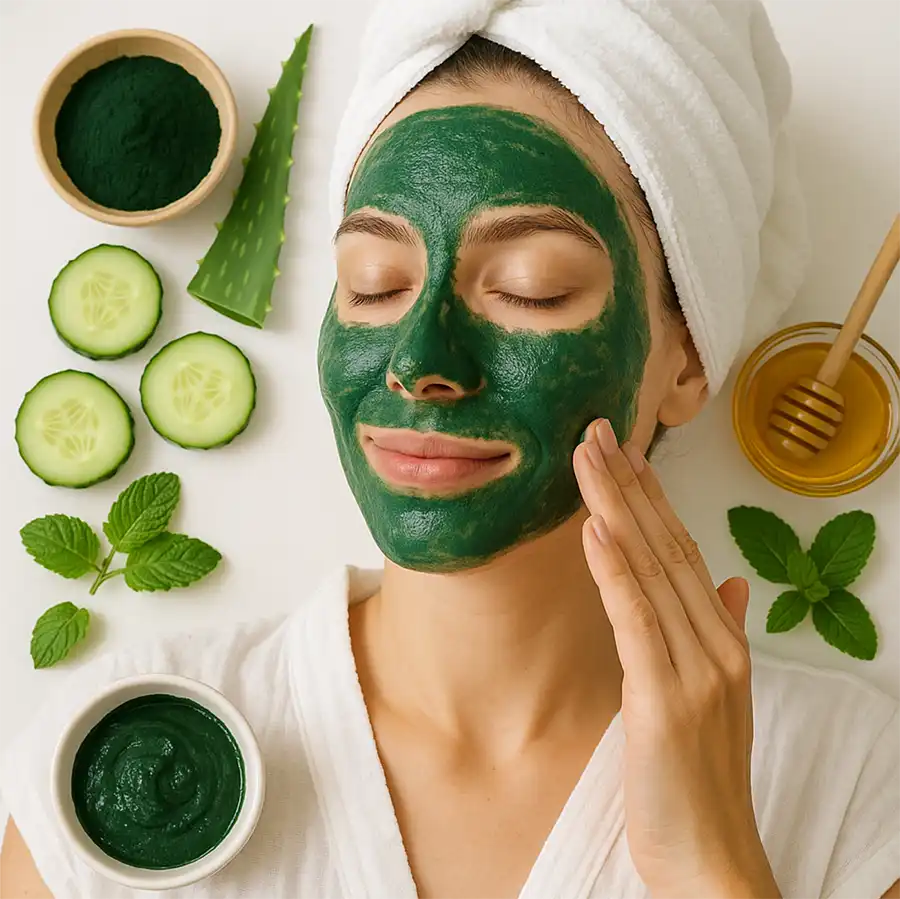
Purifying mask with spirulina and clay
Ingredients:
- 1 teaspoon of spirulina powder
- 1 teaspoon of kaolin clay
- 2-3 teaspoons of freshly brewed chamomile or green tea
- 1-2 drops of tea tree oil (optional)
Preparation: Mix all ingredients until you get a sour cream-like consistency. Apply to cleansed skin for 15-20 minutes, avoiding the area around the eyes. Rinse off with warm water.
Moisturizing mask with spirulina and honey
Ingredients:
- 1 teaspoon of spirulina
- 1 tablespoon of natural honey
- 1 teaspoon olive oil
Preparation: Mix the ingredients thoroughly. Apply to the face and neck for 20 minutes. This mask nourishes, moisturizes, and gives the skin a healthy glow.
Anti-aging mask with spirulina and avocado
Ingredients:
- 1 teaspoon of spirulina
- 1/2 ripe avocado
- 1 teaspoon of honey
- a few drops of lemon juice
Preparation: Mash the avocado, add spirulina, honey, and lemon juice. Apply for 15-20 minutes to nourish and rejuvenate the skin.
Spirulina in sports and fitness
Improvement of athletic performance
Scientific studies confirm that spirulina can significantly improve athletic performance. Consuming this algae improves oxygen uptake during training, acting as an ergogenic aid to increase endurance.
Impact on strength and endurance
Studies of cyclists have shown that taking spirulina for 21 days helped reduce lactate levels and heart rate while increasing peak and average power. The antioxidant properties of algae help reduce oxidative damage to muscles after training.
Combination with other additives
For maximum effect, spirulina can be combined with:
- Creatine — to increase physical performance during intense training
- Caffeine — for stimulation before training
- Arginine and citrulline — to prepare muscles for exercise
- Beta-alanine — for regulating muscle acidity
Spirulina for special population groups
Pregnancy and breastfeeding
Spirulina is safe and beneficial for pregnant women when taken in the correct dosage. A safe dosage is considered to be 3-6 tablets per day or 5-6 grams of powder.
Benefits for pregnant women:
- Absorbs harmful substances (dioxins, mercury, heavy metals)
- Supports healthy blood formation and prevents anemia
- Provides the body with folic acid for proper development of the fetal nervous system
- Reduces nausea thanks to vitamin B6
The best time to start taking it is during the second and third trimesters of pregnancy. During breastfeeding, spirulina enriches milk with nutrients and beta-carotene.
Children and teenagers
Spirulina is safe for children aged 5 and older when taken in the recommended dosage. For preschoolers, 1 gram per day is recommended, and for schoolchildren, 1-2 grams.
Benefits for children:
- Strengthening immunity
- Improved concentration
- Providing the body with essential amino acids for growth
- Increased hemoglobin levels
Contraindications and side effects
Absolute contraindications
Spirulina should not be consumed in the following cases:
- Autoimmune diseases (rheumatoid arthritis, multiple sclerosis)
- Exacerbation of gastrointestinal diseases (gastritis, cholecystitis, pancreatitis)
- Chronic kidney and heart diseases in the stage of decompensation
- Blood clotting disorders due to anticoagulant effect
- Individual intolerance to components
- Cancer without consulting a doctor
Possible side effects
In case of overdose or individual intolerance, the following may occur:
- Nausea and digestive disorders
- Headaches and dizziness
- Allergic reactions (itching, hives)
- Insomnia when taken in the evening
- Bloating at the initial stage of treatment
Interaction with medicinal products
Use with caution when combined with:
- Immunosuppressants — spirulina can counteract their effects
- Anticoagulants — increases the risk of bleeding
- Antidiabetic drugs — may enhance their effect
How to choose high-quality spirulina: expert advice
Quality criteria
Origin and growing conditions: choose spirulina from controlled farms, especially Japanese products. Japanese spirulina is grown in closed sterile pools with purified water.
Processing methods: high-quality spirulina is dried at low temperatures using a spray-drying method that preserves all the beneficial substances. Avoid products that have been dried at high temperatures.
External signs of quality:
- Mild taste without harsh bitterness
- No foreign odors
- Uniform color without impurities
- Quality and safety certificates
Differences between manufacturers
Premium quality (Japan): maximum bioavailability, strict quality control, high content of active ingredients
Mid-range segment (Europe, USA): acceptable quality at a reasonable price
Budget options (China, India, Egypt): potential issues with cleanliness and efficiency
Storage and shelf life
Proper storage conditions
Temperature: +5 to +20°C, avoid refrigerators due to the risk of condensation
Moisture: store in a dry place, use airtight containers
Light: Avoid direct sunlight, which can destroy nutrients.
Packaging: after opening, transfer to an airtight container to preserve properties.
Shelf life
- In original packaging: 2-3 years
- After opening: 6-12 months when stored correctly
- Homemade masks and mixtures: use within 24-48 hours
FAQ: Frequently asked questions about spirulina
Can spirulina be taken continuously? A course of
treatment is recommended: 1-2 months of intake, then a break for 3-4 weeks. This ensures maximum effectiveness.
Is spirulina compatible with vitamin complexes?
Yes, spirulina goes well with most vitamins and minerals. Even mineral-enriched spirulina can increase overall effectiveness.
How many kilograms can you lose with spirulina?
Spirulina is an aid, not a panacea. With proper nutrition and exercise, you can expect to lose an additional 2-5 kg per month.
Does spirulina help with anemia?
Yes, thanks to its high iron content, spirulina effectively increases hemoglobin levels and helps treat iron deficiency anemia.
At what age can spirulina be given to children?
Spirulina can be given to children from 5 years of age at a dose of 1 gram per day. For younger children, consultation with a pediatrician is necessary.
Does spirulina affect sleep?
Spirulina has a mild tonic effect, so it is best taken in the morning or early afternoon. Taking it in the evening may cause sleep problems in some people.
How quickly does spirulina take effect?
The first positive changes (increased energy, improved well-being) can be felt after just 1-2 weeks of regular intake. Noticeable changes in skin, hair, and overall health appear after 4-6 weeks.
Can spirulina be taken if you have diabetes?
Spirulina can help normalize blood sugar levels, but if you have diabetes, you should definitely consult your doctor, especially if you are taking hypoglycemic drugs.
Spirulina is a true gift of nature that can be a valuable addition to a healthy lifestyle. With the right choice of a quality product and adherence to the recommendations for use, this unique algae can significantly improve your health, well-being, and appearance.