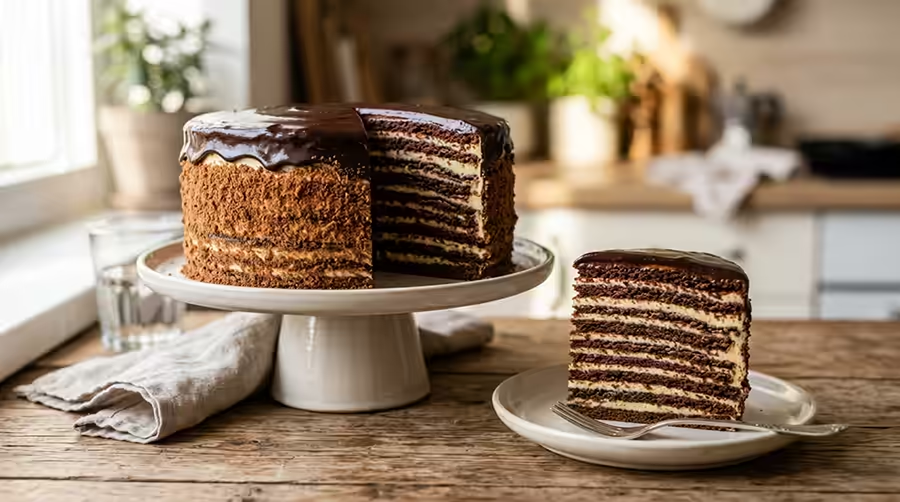
What is the Spartak cake?
The Spartak Cake is one of the most famous homemade layered desserts, combining thin chocolate-honey layers with a delicate cream. It is often called a chocolate honey cake, as its flavor is based on honey-based pastries with added cocoa. It is precisely this combination that gives the dessert its rich flavor, distinctive aroma, and a beautiful, contrasting cross-section.
Content
The popularity of this cake is easy to explain. It looks festive, is perfect for both family gatherings and large events, and tastes even better after sitting in the fridge. Unlike many sponge cakes, Spartak doesn’t feel too light or airy. It’s a dessert with character: rich, multi-layered, aromatic, homemade, and yet very impressive.
Another reason to love this recipe is its versatility. One baker makes it with classic pastry cream, another prefers a sour cream version; some make very thin layers for an elegant cross-section, while others bake a simpler, homemade version without worrying about perfect geometry. In any case, the result is instantly recognizable: dark layers, light cream, and a flavor that unfolds even better a few hours after assembly.
Why is the Spartak cake so popular?
The Spartak cake has one key feature: it combines simple ingredients with a truly refined flavor. Flour, eggs, honey, cocoa, butter, milk, and sugar—this isn’t an exotic combination, but when prepared correctly, these ingredients result in a dessert that looks like a true festive classic. There are no random details in it: honey adds aroma and tenderness, cocoa provides richness, and the cream binds all the layers into a single delicate structure.
The second standout feature of this cake is its texture. Right after baking, the layers seem dense, but once assembled and allowed to rest, they become soft, delicate, and literally melt in your mouth. It is this transformation that makes Spartak so special. It’s as if you’re getting two different desserts: one right out of the oven, and another after it has properly set.
In addition, this cake is easy to prepare in advance. This is a huge advantage for holidays, photo shoots, family gatherings, or large parties. You can bake the cake layers ahead of time, make the frosting separately, and assemble the dessert whenever it’s convenient. The day after assembly, the cake usually tastes even better than on the day it was made.
Classic Spartak Cake Recipe
Below is an easy-to-make home version of the classic Spartak cake, which you can easily recreate in a regular kitchen without any fancy baking equipment.
Ingredients for flatbreads
- 500 g flour
- 5 tablespoons of cocoa
- 1 teaspoon of baking powder
- 150 g butter
- 150 g sugar
- 5 tablespoons of honey
- 3 eggs
- 1 teaspoon of baking soda
Ingredients for the cream
- 8 egg yolks
- 200 g sugar
- 100 g cornstarch
- 1 liter of milk
- 360 g butter
- 100 g powdered sugar
Ingredients for the glaze
- 50 g butter
- 100 g dark chocolate
What else will you need?
- Parchment
- Hanger
- Baking sheet
- A ring or plate for cutting out cake layers
- Fork
- A bowl or pot for a steam bath
- Mixer
- Spatula or smoothing knife
How to make dough for Spartak
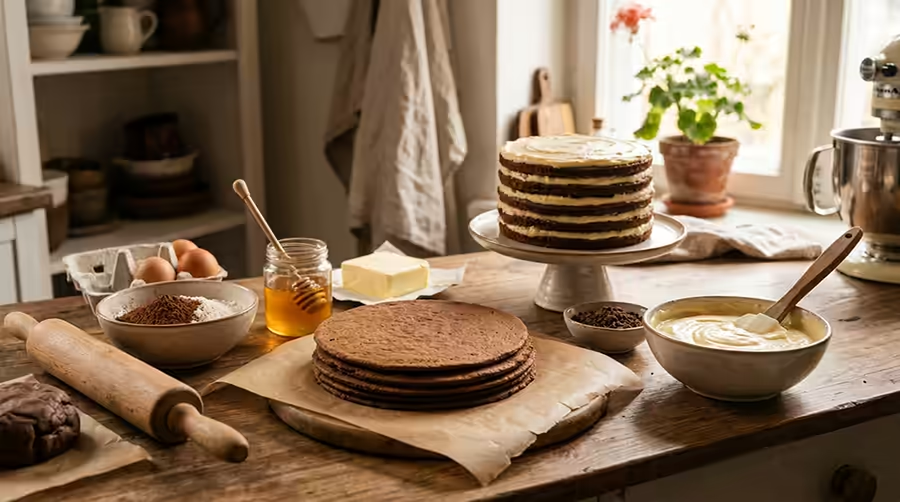
The easiest way to start is with the dry ingredients. Sift the flour, add the cocoa and baking powder, and mix well. Don’t skip this step, because evenly mixed dry ingredients help prevent lumps and ensure that all the layers have the same flavor.
Next, in a separate heatproof bowl or saucepan, combine the butter, sugar, and honey. Heat the mixture over a double boiler, stirring constantly, until it becomes smooth. There’s no need to bring the mixture to a rolling boil. Your goal is to dissolve the sugar, combine the butter with the honey, and create a smooth base for the dough.
Separately, lightly beat the eggs with the baking soda. Then pour them into the warm honey mixture and continue heating, stirring constantly. At this stage, the mixture increases slightly in volume, becomes fluffier, and takes on a characteristic softness. This is when the structure of the future cakes begins to form.
Once the base is ready, remove it from the heat and let it cool for a few minutes. Then gradually add the dry mixture and knead the dough. It should be soft, elastic, warm, and easy to work with. Don’t overwork it with extra flour. If the dough is too stiff, the flatbreads may turn out coarse and less tender after soaking.
Divide the prepared dough into equal portions. For a homemade version, people usually make 11–12 pieces. It’s best to weigh each piece so that the cake layers are uniform. This isn’t necessary, but it results in a more even cake and a more attractive cross-section.
After dividing the dough, cover it with plastic wrap or a kitchen towel to prevent it from drying out. If it feels too soft, you can place it in the refrigerator for 10–15 minutes. Chilling it slightly makes it much easier to roll out.
How to properly roll out and bake flatbreads
Rolling out the dough is a step that many people dread, but it’s actually quite straightforward. The easiest way is to roll out each piece of dough directly on parchment paper. That way, you won’t have to handle the thin sheet with your hands, and the risk of it losing its shape will be much lower.
Roll out the dough into a thin circle. Then place a plate, lid, or pastry ring of the desired diameter on top and trim the edges. Don’t throw away the scraps. You’ll need them to make crumbs to sprinkle on the sides of the cake.
Prick each cake layer with a fork before baking. This helps prevent large bubbles and makes the surface smoother. Bake the cake layers in a well-preheated oven until done. It’s important not to overbake them. Even if they seem a little dense after baking, they will become much softer once you add the filling and let them rest.
It’s convenient to bake the flatbreads in batches. If you have enough space, prepare several sheets of parchment paper with rolled-out dough at once. This speeds up the process and keeps the kitchen tidy. While one flatbread is in the oven, the next one should already be waiting its turn.
Place the finished wafers on a flat surface and let them cool completely. Do not stack the hot wafers on top of each other, or they may become soggy or lose their shape. If done correctly, you’ll end up with a stack of thin, fragrant chocolate-honey wafers with a delightful aroma of cocoa and honey.
How to Make the Frosting for the Spartak Cake
The cream is the heart of this dessert. It’s what makes the layers soft, blends the flavors, and creates that signature tenderness that Spartak is so beloved for.
To make classic custard, mix the egg yolks with sugar, add the cornstarch, and then gradually pour in the milk. Heat the mixture on the stove until it thickens, stirring constantly. The most important thing here is not to rush. If the heat is too high or you don’t stir vigorously enough with a whisk, lumps may form or the cream may thicken unevenly.
Once the cream base has thickened sufficiently, remove it from the heat and let it cool completely. It’s best to cover the surface tightly with plastic wrap to prevent a skin from forming. Many people overlook this small detail, but then wonder why the cream is lumpy.
Separately, beat the softened butter with the powdered sugar until light and fluffy. Then gradually add the cooled custard base to the butter, continuing to beat. Don’t pour it all in at once. Adding it gradually helps achieve a silky texture without the mixture separating.
The result should be a thick, smooth, firm, yet delicate cream. It shouldn’t be runny or too heavy. If done right, it spreads easily between the cake layers, holds together well, and doesn’t ooze out the sides.
Once the cream is ready, it’s best to chill it briefly in the refrigerator. This is especially helpful if the kitchen is warm. A slightly firmed-up cream holds its shape better when assembling the cake.
How to assemble the Spartak cake
Assembling a cake is the moment when the individual components come together to form a real dessert. To start, spread a little frosting on the cake stand or plate. This will keep the first cake layer from sliding. Next, place the first layer on top and spread the frosting evenly.
Repeat this step with each subsequent cake layer. It’s important to have enough frosting for all the layers. Don’t be too generous with the first few layers, or you might not have enough left for the top and sides. The easiest way is to divide the frosting into portions equal to the number of cake layers.
When assembling the cake, don’t press the layers together too firmly. The cake should come together naturally under its own weight. Excessive pressure can cause the frosting to ooze out around the edges and make the structure look less neat.
Once all the cake layers are stacked, frost the top and sides. If there are any uneven spots, now is the time to smooth them out with a spatula or a wide knife. Don’t try to make a perfectly smooth cake on the first try. It’s better to work calmly, gradually smoothing out the surface.
Crumble the cake trimmings into crumbs. There’s no need to grind them into a fine powder. A slightly coarse texture is actually better, as it looks more appetizing. You can sprinkle these crumbs over the sides of the cake either completely or partially. This is a classic decoration for the Spartak cake, which effectively hides minor imperfections in the cake’s surface.
Chocolate glaze and decorations
You can leave the top of the cake plain, but the classic version is often finished with a chocolate glaze. To make it, simply melt dark chocolate with butter until smooth. The glaze should be smooth, glossy, and not too hot when applied.
It’s best to pour it over a cake that has already cooled slightly. That way, it spreads more evenly and doesn’t mix with the frosting. You can create a thin, glossy layer or leave a more textured finish if you prefer a homemade look.
In addition to frosting, there are many other decorating options. The top can be decorated with sprinkles, chocolate shavings, cocoa powder, swirls of cream, berries, nuts, or a minimalist design consisting of just a few elements. If the cake is being prepared for a photo shoot, it’s best not to overload it with decorations. The Spartak cake has a very beautiful cross-section on its own, so sometimes a simple design looks more appealing than an elaborate one.
For a festive table, a cake topped with chocolate glaze and sprinkled with crumbs on the sides works well. It’s a classic that almost always looks appropriate. If you’re looking for a more modern presentation, you can create a smooth, even top and leave the sides partially exposed so the layers are visible.
Why does a cake need to rest?
One of the biggest mistakes is trying to serve the Spartak cake immediately after assembling it. This cake doesn’t reveal its full potential right away. It needs time for the cake layers to absorb the moisture from the cream, soften, and come together into a cohesive whole.
It is during this resting period that the dessert develops the very texture that makes it worth baking. If you cut into the cake too soon, the layers may not be soft enough yet, and the flavor may not be as well-balanced. After a few hours in the refrigerator, it becomes much more delicate.
Ideally, the Spartak should sit in the refrigerator overnight. If you’re short on time, give it at least a few hours. This is one of those times when patience really pays off. A cake that’s had time to set is almost always better than one that’s just been assembled.
The Secrets to the Perfect Spartak Cake
There are a few small details that have a significant impact on the outcome.
- Don’t add too much flour to the dough. It should be soft, not stiff.
- Do not overheat the honey mixture after adding the eggs.
- Roll out the dough into rounds of equal thickness.
- Don’t overcook them in the oven.
- Let the custard base cool completely before mixing it with the butter.
- Don’t rush the assembly.
- Always allow time for the product to settle in the refrigerator.
It’s worth mentioning the butter for the cream separately. It should be soft but not runny. If the butter is too cold, the cream will be harder to whip until smooth. If it’s too warm, the texture may turn out less stable. The best guideline is butter at room temperature, which can be easily pressed with a finger but doesn’t run.
Another secret is attention to detail. Evenly divided dough, cakes of uniform diameter, patiently prepared cream, clean sides, and sufficient cooling time all contribute to a result that is evident not only in appearance but also in taste.
Variations on the Spartak Cake
Despite its classic foundation, this cake has many variations. That’s why you can adapt it to your own taste, the ingredients you have on hand, and even your level of culinary experience.
1. Classic Spartak with custard
This is the most common and recognizable variety. It has a mild flavor, dense yet tender layers, and holds its shape well after chilling. It’s the best place to start when trying this dessert for the first time.
2. Spartak with sour cream
This version has a slightly fresher taste and is often perceived as lighter. Sour cream can add a more pronounced tang, which balances the sweetness of the cake layers well. But it’s important to use very thick sour cream or strain it, otherwise the cream will be too runny.
3. High-rise multi-story Spartak
This is a stunning version made with many very thin layers. It looks truly festive, especially when sliced. However, this version requires more time, patience, and precision.
4. The Lazy or Simplified Spartacus
When baking at home, people often look for ways to save time. That’s why there are variations that skip the long, traditional rolling process, where the dough is softened and spread into a thin layer on parchment paper. This doesn’t always result in the exact same appearance, but it significantly simplifies the process.
5. Spartak with additional flavors
Sometimes vanilla, a hint of coffee, or even a small amount of aromatic alcohol is added to the cream. This isn’t necessary, but it can give the flavor a more sophisticated and complex character. The key is not to overpower the distinctive honey-chocolate base.
How to make a cake even more delicious
There are several ways to improve even a good recipe.

The first tip is to give the dessert more time. This is the simplest and most effective tip. Spartak really benefits from being left to rest properly.
Second, don’t skimp on the cocoa. The color, aroma, and overall impression of the cakes all depend on the quality of the cocoa. If you use a low-quality product, the flavor may turn out flat.
Third, pay attention to the sweetness balance. Don’t make the cream too sweet if you’re looking for a more refined flavor. It’s better when the dessert is rich but not heavy.
Fourth, keep an eye on the temperature of the ingredients. This is especially important when making cream. When everything is properly chilled or, conversely, brought to the right consistency, the texture turns out much better.
Fifth, don’t skimp on the decoration. Even a simple crumb topping and a neat finish instantly make the cake look more appetizing. Visual appeal is very important here.
Common mistakes when cooking
Even experienced cooks sometimes run into problems. More often than not, it’s not the recipe that’s at fault, but a few minor mistakes.
The flatbreads come out hard
The most likely causes are dough that’s too stiff or over-drying in the oven. Another reason is not allowing enough time for the dough to rise. Remember that Spartak doesn’t rise during baking, but after shaping and resting.
The cream has separated
This usually happens because the ingredients aren’t at the right temperature. Either the custard base is still warm, or the butter is too cold or too soft. Gradually combining the ingredients almost always saves the day.
The cake is lopsided
Uneven cake layers, too much frosting in some layers, or rushing the assembly are the main causes. Try to work calmly and spread the frosting evenly.
The top looks messy
Often, the problem is that the cake hasn’t set yet. If you apply the frosting or start decorating the dessert too soon, the surface may end up uneven. Let the cake sit in the fridge for a while.
The cookies stick to the parchment paper
Sometimes this happens because of poor-quality paper or because you try to remove the hot cake too soon. Let it cool slightly, and then carefully remove it.
How to make a Spartak cake in advance
This dessert is perfect for preparing in stages. If you don’t want to spend half a day in the kitchen, break the process down into several steps.
On the first day, you can prepare and bake the flatbreads. Once they have cooled completely, stack them, separating each layer with parchment paper or simply covering them to prevent them from absorbing excess moisture.
On the second day, make the cream, let it cool, whip it with the butter, and assemble the cake. Then refrigerate it until the next day or at least overnight.
This approach is ideal for major holidays, family gatherings, or blogging, when you want a relaxed, unhurried process. Plus, a cake prepared in advance usually has an even better texture.
Serving and storage
The Spartak cake is best served chilled, but not ice-cold. If you take it out of the refrigerator 15–20 minutes before serving, the flavor and texture come through better. The cream becomes creamier, and the aroma of honey and chocolate is more pronounced.
A long, sharp knife works best for cutting the cake. To ensure neater slices, you can wipe the blade after each cut. This is especially helpful if the cake is topped with frosting or soft decorations.
Spartak should be stored in the refrigerator. It’s best to keep it in a container or under a lid so it doesn’t absorb outside odors. If the cake is well covered, it will retain its flavor and texture for several days. But more often than not, it gets eaten much faster.
Who will like the Spartak cake?
This dessert is especially popular among those who aren’t keen on overly light mousse cakes and prefer something more traditional, rich, and substantial. It’s perfect for fans of honey cake, chocolate pastries, and layered homemade desserts.
The Spartak cake is often chosen for celebrations because it looks festive even without elaborate decorations. It can be adapted for a casual gathering or dressed up for a special occasion. It’s one of those cakes that evokes the feeling of a true celebration and the warmth of home all at once.
Frequently Asked Questions
What is a Spartak cake?
This is a layered dessert made of chocolate-honey cake layers and a light cream. It is often called a chocolate honey cake.
Which cream is best for Spartak?
The most popular option is a custard made with milk, egg yolks, cornstarch, and butter. It soaks into the cake layers well and creates a classic flavor.
Is it possible to make Spartak without rolling out the dough?
Yes, there are simpler home versions where the dough is spread in a thin layer on parchment paper. This is faster, although the classic version usually looks neater.
Why are the flatbreads hard after baking?
This is typical for many of Spartak’s recipes. After being mixed and left to sit, they become much softer.
How long should the cake sit in the refrigerator?
Ideally, a few hours—or even better, overnight. That’s when the flavor and texture become most harmonious.
Can the flatbreads be baked in advance?
Yes, this is a very convenient dessert to make in stages. You can bake the cake layers ahead of time and save the filling and assembly for the next day.
How should I decorate the Spartak cake?
The most common choices are chocolate glaze, crumbs from cake scraps, chocolate shavings, or minimalist decorations. It all depends on the presentation style.
What size cake should I choose?
For the home version, it’s best to use a medium-sized pan to create a cake that’s tall enough but not too difficult to assemble. If you want a very tall cake, you can use a smaller pan and make more layers.
Is the Spartak cake suitable for celebrations?
Yes, this is one of the best homemade holiday cakes. It looks stunning, keeps well, and is a favorite among many.
SEO keywords for natural integration into the text
To help the article rank higher, you should naturally incorporate the following key phrases into the text:
- Spartak Cake Recipe
- Classic Spartak Cake
- How to Make a Spartak Cake
- How to Make a Spartak Cake at Home
- Chocolate Honey Cake Recipe
- Custard for Spartak
- Spartak cake layers
- Step-by-step recipe for the Spartak cake
- How to bake a Spartak cake
- Homemade Spartak Cake
The main rule of SEO for culinary content is simple: keywords should sound natural. There’s no need to cram them into every sentence. It’s much more important that the text be useful, well-structured, and truly address the reader’s needs.
Conclusion for the article
The Spartak Cake is not just a popular homemade dessert, but a true culinary classic that combines a rich chocolate flavor, a honeyed aroma, and a delicate, creamy texture. If you follow the correct sequence, take your time with the cake layers, prepare the cream carefully, and let the cake set, the result is luxurious even when made at home. That is why the Spartak cake has remained one of the most beloved holiday cakes for many years—one you’ll want to make again and again.