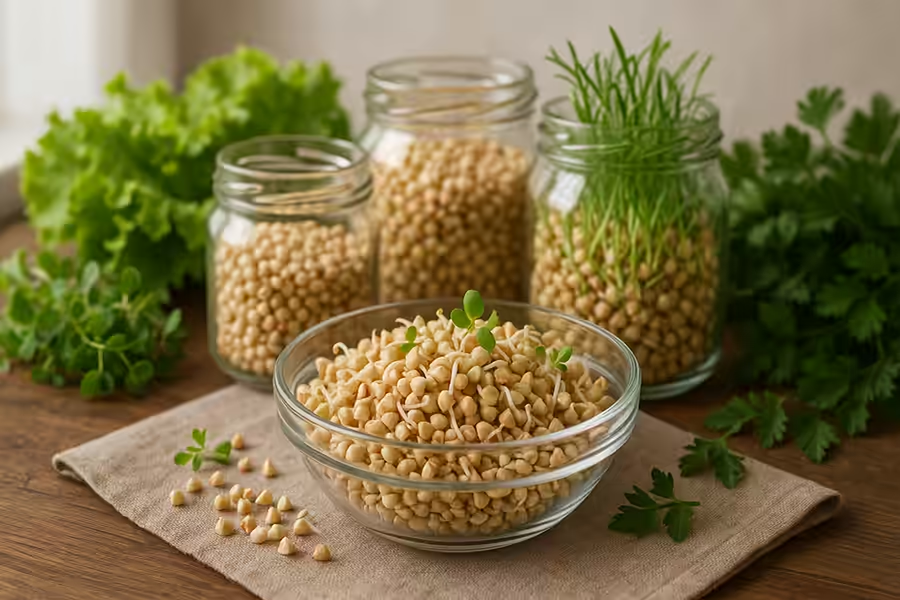
What is green buckwheat?
Green buckwheat is unparboiled and unroasted buckwheat groats that retain their natural light green or olive hue. Unlike the familiar brown buckwheat we see on store shelves, green buckwheat is not heat-treated at 150°C. That is why it is often called “live” buckwheat — it retains its ability to germinate, which indicates that the active enzymes and natural structure of the grain are preserved.
Historically, buckwheat has always been green. The grain only turns brown after roasting or steaming during production — a process that extends shelf life and speeds up cooking, but reduces the nutritional value of the product. Green buckwheat is the grain in its original form, as close as possible to how it grows in the field.
In appearance, green buckwheat is light brown with a greenish tint and pyramid-shaped grains. When chewed, it has a powdery consistency, is soft, and leaves a pleasant aftertaste of forest nuts and sunflower seeds. This delicate nutty flavor makes it a versatile product for a variety of dishes, from porridge to desserts.
Content
Chemical composition and nutritional value
Green buckwheat is impressive for its rich nutritional content. 100 g of dry green buckwheat contains approximately 310-329 kcal, making it a fairly high-calorie but very nutritious product.
Macronutrients (per 100 g of dry cereal):
- Protein: 12.6-13.25 g
- Fats: 2.6-3.3 g
- Carbohydrates: 54.4-68 g
- Fiber: 6-11.3 g
It should be noted that green buckwheat protein is high quality and contains all 8 essential amino acids in a balanced form. The presence of lysine, an amino acid rarely found in other cereal crops, is particularly valuable.
Vitamin composition:
- B vitamins (B1, B2, B3, B5, B6, B9)
- Vitamin E (tocopherol)
- Vitamin PP (nicotinic acid)
- Rutin (vitamin P)
Rutin deserves special attention—it is a powerful flavonoid that strengthens blood vessel walls, reduces capillary fragility, and reduces inflammation. Rutin is lost by 20% during heat treatment, which is why green buckwheat contains significantly more of it than brown buckwheat.
Mineral composition:
- Magnesium — 80% of the daily requirement in 100 g
- Iron — for the prevention of anemia
- Zinc — for immunity and skin health
- Potassium — for heart health
- Copper — 32% of the daily requirement
- Phosphorus — 32% of the daily requirement
- Manganese — 80% of the daily requirement
It is important to note that green buckwheat does not contain gluten, making it an ideal choice for people with celiac disease or gluten intolerance.
Differences between green and regular buckwheat
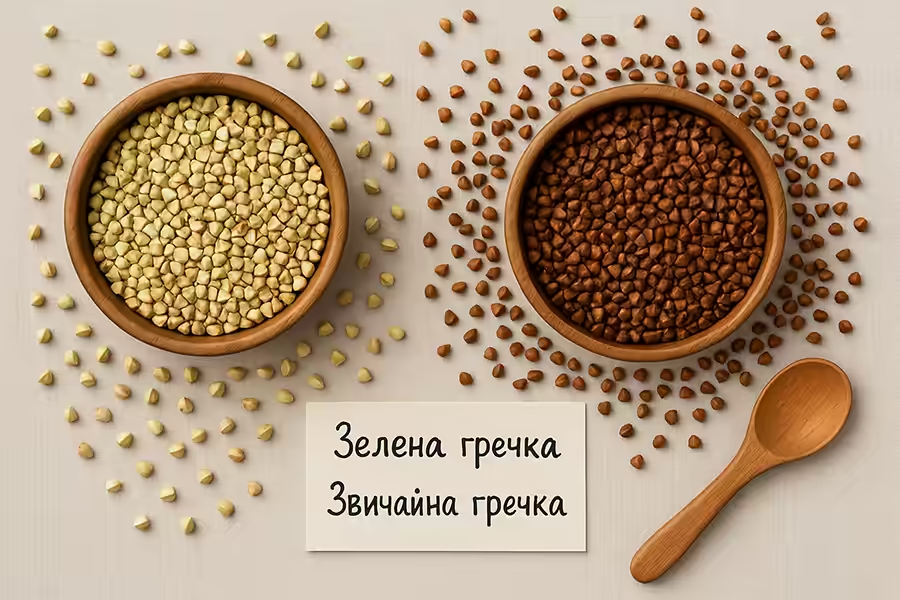
Although green and brown buckwheat are seeds from the same plant, the differences between them are significant and go beyond mere appearance.
Processing method
The main difference lies in the heat treatment. After threshing, green buckwheat is only cleaned of its black husks. Brown buckwheat is additionally roasted at a temperature of about 150°C for 10 minutes or steamed, which gives it its familiar dark color and characteristic aroma.
Nutritional value
100 g of unprocessed green buckwheat contains 13.25 g of protein, while roasted buckwheat contains only 11.73 g. Green seeds contain 2 g of fat, while processed seeds contain 1 g more. Carbohydrates — 60 g and 64 g, respectively. Heat treatment at 150°C reduces the concentration of rutin by about 20%, making green buckwheat more beneficial for the cardiovascular system.
Germination capacity
Green buckwheat can be sprouted, while brown buckwheat cannot. This indicates that green buckwheat retains its vitality and active enzymes, which are destroyed during heat treatment. Sprouted green buckwheat grains are even more enriched with nutrients and become even more beneficial.
Taste and texture
Unprocessed green buckwheat has a delicate, mild flavor with hints of forest nuts. Brown buckwheat has a richer, more intense aroma and a flavor familiar to many. Green buckwheat crumbles when chewed and has a powdery consistency.
Cooking time
Green buckwheat does not require long cooking. It can simply be soaked in water for several hours or steamed with boiling water for 20-30 minutes. Brown buckwheat is traditionally cooked for about 20-25 minutes.
Shelf life
Green buckwheat can be stored for 13-15 months in sealed packaging, while regular buckwheat can be stored for 18-20 months. Green buckwheat is more sensitive to storage conditions due to the lack of heat treatment.
Health benefits of green apples
Green apple is rightly considered a superfood due to its wide range of positive effects on the body.
Support for the cardiovascular system
Thanks to its high potassium, magnesium, and rutin content, green buckwheat helps lower blood pressure and strengthen blood vessel walls. Rutin, found in the husk of unprocessed grains, reduces capillary fragility and lowers bad cholesterol levels. Regular consumption of green buckwheat helps prevent cardiovascular disease and atherosclerosis.
Improved digestion
Each grain of green pear contains up to 10 grams of fiber per 100 grams of product, which significantly exceeds the indicators of many other cereals. Fiber normalizes intestinal peristalsis, promotes the elimination of toxins and waste, maintains blood sugar levels, and provides a lasting feeling of fullness. Green pear also nourishes beneficial intestinal microflora, acting as a prebiotic.
Blood sugar control
Green buckwheat has a low glycemic index of 50-55 units, making it beneficial for diabetics and those on a low-sugar diet. The slow carbohydrates in buckwheat grains provide a lasting feeling of fullness without sharp fluctuations in blood glucose levels. Rutin also regulates the functioning of the pancreas.
Strengthening the immune system
Vitamins B, E, zinc, iron, and other minerals help strengthen the immune system, increasing the body’s resistance to infections and diseases. Antioxidants, including rutin and quercetin, protect cells from free radicals, slow down the aging process, and reduce the risk of developing cancer.
Maintaining a healthy weight
With a calorie content of 310 kcal per 100 g of dry cereal, green buckwheat is very nutritious due to its slow carbohydrates and easily digestible proteins. It provides a long-lasting feeling of fullness, helping to control appetite and reduce overall calorie intake. You can lose 3-5 kg in a week on a buckwheat diet, and even more in two weeks.
Source of energy
The protein-carbohydrate complex of green buckwheat is not affected by heat treatment, providing the body with a powerful energy boost. This makes the product ideal for athletes, active people, and those who need to maintain their physical and mental performance.
Benefits for women
Green buckwheat is especially beneficial for pregnant women. Its high iron content helps maintain hemoglobin levels and prevents anemia, which can cause oxygen deprivation in the fetus. Folic acid and lysine promote proper child development. Rutin helps normalize blood pressure and strengthens blood vessels, which is especially important during pregnancy.
Who is green buckwheat recommended for?
Green apple is suitable for a wide range of consumers due to its universal properties:
- For people with gastrointestinal problems — the soft texture and high fiber content promote better digestion, gentle bowel cleansing, and reduced inflammation of the mucous membrane.
- For vegetarians and vegans — a source of complete plant protein with all essential amino acids
- Raw foodists — can be consumed without heat treatment, after soaking or sprouted
- Athletes — provides energy, maintains muscle mass thanks to its high protein content
- For people with gluten intolerance — gluten-free
- For those who are losing weight — low glycemic index, prolonged feeling of satiety
- Diabetics — helps control blood sugar levels
- For pregnant women — maintains hemoglobin levels, provides folic acid
Contraindications and precautions
Despite its numerous beneficial properties, green buckwheat should be consumed with caution in certain cases:
- Overeating can cause bloating and gas in the stomach due to high fiber content.
- Increased blood clotting — buckwheat thickens the blood, so people with this problem should limit their consumption.
- Kidney problems — if you have kidney failure, it is best not to eat more than one serving of buckwheat per week.
- Childhood — children’s intestines may be weak for buckwheat, and consuming it may lead to constipation and colic.
- Pancreatic enzyme deficiency — may complicate digestion
- Irritable bowel syndrome — requires a cautious approach
The normal consumption of green buckwheat is 150-200 g per day. If you have a food allergy to buckwheat (although this is very rare), you should exclude this product from your diet.
How to choose and store green buckwheat correctly
Choosing high-quality green buckwheat
When buying green buckwheat, pay attention to the following criteria:
- Color — should be light green or light olive, uniform. If the grain has darkened, this indicates improper storage in the light.
- Organic certification — look for the “organic” or “eco” label, which guarantees that the product has not been chemically treated and is free from pesticides and GMOs.
- Heat treatment — ensure that the grains are not steamed or roasted.
- Freshness — choose products from the latest harvest
- Grain integrity — kernels must be whole and have uniform coloration.
- No foreign odors — buckwheat has a pleasant, characteristic aroma. Bitterness, sourness, or a musty smell are signs of a poor-quality product.
- No impurities — there should be no debris, husks, or flour impurities.
Storage conditions
Green buckwheat requires special storage conditions:
- Store in a dark, dry, cool place. Moisture and direct sunlight will spoil the grain.
- Container — a linen bag is ideal, as it allows the grains to “breathe.” You can also use glass or metal jars with airtight lids. Plastic is not recommended, as buckwheat will quickly spoil in it.
- Shelf life — 13-15 months in closed packaging, but it is better to consume within a year after purchase.
- Pest protection — you can put bay leaves, garlic, or pepper in a container, boil the bag in salt water
Cooked buckwheat can be stored in the refrigerator for no more than 3 days at a temperature of +3…+4°C in a well-sealed container. Freezing dry green buckwheat is not recommended, as this will reduce its beneficial properties.
Ways to prepare green buckwheat
Green buckwheat is an extremely versatile product that can be prepared in various ways depending on your needs and preferences.
Cooking in a pot
Classic method of preparation:
- Rinse the green buckwheat under cold water until clear.
- Place in a saucepan and cover with water in a ratio of 1:2.
- Add salt to taste
- Bring to a boil over medium heat.
- Reduce the heat to low and cook for 10-15 minutes.
- Remove from heat, cover, and let steep for 20-30 minutes.
- Add a knob of butter for better flavor.
Cooking in a multicooker
A convenient method for busy people:
- Rinse the buckwheat to remove any small debris.
- Place in the multicooker bowl
- Pour in water or milk in a 1:2 ratio.
- Add salt to taste
- Select the “Porridge” or “Steaming” mode.
- Cook for 30 minutes
Soaking without cooking
The most useful method that preserves maximum nutrients:
Cold soaking:
- Rinse the green buckwheat
- Pour cold water, milk, or kefir in a 1:2 ratio.
- Leave for 2-3 hours, or preferably overnight.
- Drain the remaining liquid.
- Add salt before consumption
Steaming:
- Rinse the buckwheat thoroughly.
- Pour boiling water in a ratio of 1:2
- Cover with a lid
- Leave for 20-30 minutes
- Buckwheat is ready to eat
Germination
Sprouted green buckwheat grains are a real treasure trove of nutrients:
- Take the required amount of grains (1 cup will yield approximately 1.5 cups of sprouted buckwheat).
- Rinse the groats under cold water for a minute.
- Place in a glass jar and fill with clean water in a ratio of 1:3.
- Leave for 1-1.5 hours
- Drain the water and discard any grains that have floated to the top.
- Rinse several more times until the water runs clear.
- Put the buckwheat back into the jar or onto a flat dish in a layer 4-5 cm thick.
- Cover with damp gauze folded into several layers.
- Close tightly and store in a warm place.
- Stir every 4-5 hours to prevent it from settling.
- If necessary, lightly spray with warm water.
The first sprouts will appear in 8-12 hours. Under ideal conditions (26-28°C), buckwheat will sprout in 12-15 hours. In winter, the process can take more than 2 days.
Recipes for dishes made with green buckwheat
Green buckwheat porridge

Salted porridge with vegetables
Ingredients:
- Green buckwheat — 1 cup
- Water — 2 cups
- Cucumber — 1 piece
- Tomato — 1 piece
- Bulgarian pepper — 1 piece
- Greens to taste
- Oil — 1-2 tablespoons
- Salt, spices
Preparation: Soak the buckwheat for 2-3 hours, then rinse. Pour boiling water over it and leave for 30 minutes. Dice the vegetables, add them to the cooked buckwheat along with the herbs, oil, and spices.
Sweet porridge with apples
Ingredients:
- Green buckwheat — 200 g
- Apple — 1 piece
- Raisins — 50 g
- Nut paste — 1-2 teaspoons
- Honey — 1-2 tsp.
- Cinnamon — 1 tsp.
- Coconut flakes
Preparation: Soak the buckwheat for 8-10 hours, rinse and boil for 10 minutes. Simmer the chopped apples with honey, nut paste, and cinnamon. Mix with buckwheat and raisins.
Green buckwheat salads
Vegetable salad with sprouted buckwheat
Ingredients:
- Sprouted hemp seeds — 100 g
- Cherry tomatoes — 6-8 pieces
- Cucumber — 1-2 pieces
- Bulgarian pepper — 1 piece
- Lettuce leaves — 5 pieces
- Fresh greens — 50 g
- Lemon juice — 1 tablespoon
- Oil — 2 tablespoons
- Olives — 5-6 pieces
- Salt to taste
Preparation: Chop all the vegetables, mix with sprouted hemp seeds, add lemon juice, oil, and salt. Garnish with olives.
Snacks and desserts
Smoothie bowl with green kale
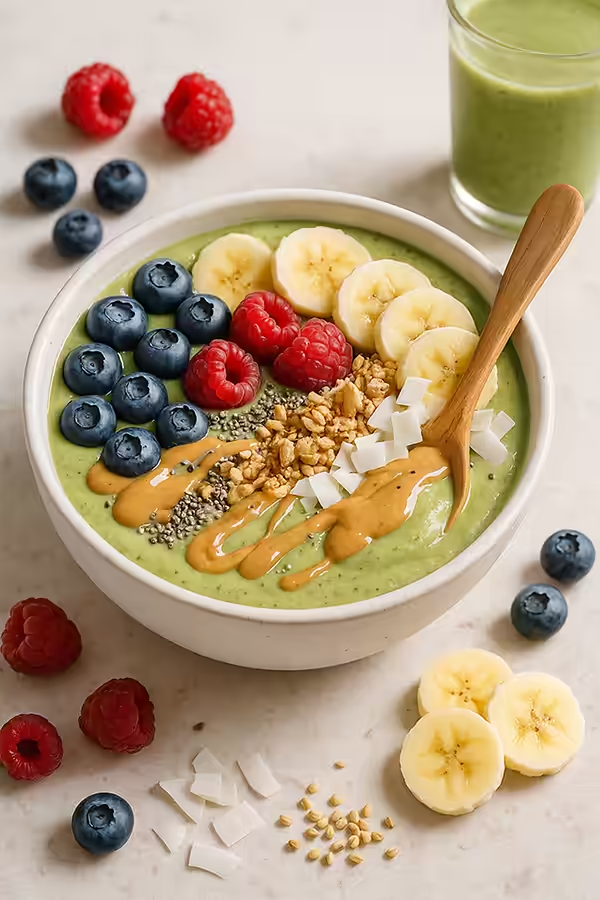
Ingredients:
- Soaked green garlic — 3-4 tablespoons
- Banana — 1 piece
- Berries (frozen or fresh) — 100-150 g
- Soy or coconut milk — 150 ml
- Spirulina — 1/2 tsp (optional)
Preparation: Mix all ingredients in a blender until creamy. Garnish with fresh fruit, berries, chia seeds, and natural syrup.
Cheese cakes with green onions
Ingredients:
- Activated green tea — 1 cup
- Dates — 3 large
- Coconut milk — 3 tablespoons
- Lemon juice and zest — from 1/2 lemon
- Raisins
- Coconut flour — 2 tablespoons
- Vanilla or cinnamon
Preparation: Mix all ingredients in a blender until smooth. Add raisins and coconut flour. Chill for 10 minutes. Form cheese cakes and fry in coconut oil.
Berry dessert (cottage cheese)
Ingredients:
- Green tea — 100 g
- Banana — 1 piece
- Frozen berries — 150 g
Preparation: Soak the buckwheat for 2-3 hours or overnight. Rinse, add the banana and berries, and blend in a blender until creamy. Serve in bowls and garnish with fresh berries.
Snacks and light meals
Granola with green hemp seeds
Dry the soaked and activated green buckwheat in the oven at a low temperature, mix with nuts, seeds, honey, and dried fruit. Suitable for a quick breakfast with milk or yogurt.
Crispy green salad
Sprouted green peas can be dried in the oven until crispy — they make a great healthy snack that boosts energy without causing blood sugar spikes.
Practical tips for use
How to start eating green buckwheat
If you are trying green hemp for the first time, start with small portions — 50-100 g per day. This will allow your body to adapt to the high fiber content.
The best combination of products
Green gooseberry is good to eat with:
- Lean meat or poultry
- Lean fish
- Vegetables
- Greenery
- Mushrooms
- Low-fat yogurt or kefir
Not recommended to combine with:
- Whole milk
- Sugar
- Fatty meat products
Features for different groups
For athletes: consume green tea 1-2 hours before training for sustained energy.
For weight loss: replace one or two meals with green hemp seeds and kefir. Following this regimen for a month can result in weight loss of 4-5 kg.
For pregnant women: include green lentils in your daily diet to prevent anemia and support fetal health.
For heartburn: chew 1 teaspoon of dry green heather on an empty stomach.
Frequently asked questions (FAQ)
Can you eat green beans raw?
Yes, green lentils can be eaten raw after soaking or sprouting. This is even healthier than boiled lentils, as all the enzymes and antioxidants are preserved.
How long should green hemp be soaked?
At least 2-3 hours, ideally overnight (8-12 hours). During this time, the hechka will swell and become soft.
Why is green tea more expensive than regular tea?
Green tea requires special storage conditions, has a shorter shelf life, and is not mass-produced industrially. In addition, it retains more beneficial substances.
Is green tea suitable for children?
Yes, but with caution and after consulting a pediatrician. Children’s intestines can be sensitive to high fiber content. Introduce green beans gradually, starting with small portions.
How much green tea can you drink per day?
The recommended intake is 150-200 g per day. This is enough to get all the nutrients you need without the risk of overeating.
Is it possible to germinate a regular brown hemp seed?
No, regular hemp seeds are “dead” due to heat treatment and will not sprout. Only green, unroasted hemp seeds are suitable for sprouting.
How long can sprouted hemp seeds be stored?
Store sprouted hemp seeds in an airtight container in the refrigerator for no more than 2-3 days. Rinse daily to prevent spoilage.
Can green heather be cooked like regular heather?
Yes, but this will reduce its nutritional value. It is better to soak it overnight and steam it with boiling water for 30 minutes — this preserves more nutrients.
Does green heather have a specific taste?
Green tea has a mild, delicate flavor with hints of nut. It has a less pronounced flavor than brown tea, so it goes well with various ingredients.
Does green tea help with diabetes?
Yes, thanks to its low glycemic index (50-55), green tea helps control blood sugar levels. However, be sure to consult your doctor.
Can you eat green tea every day?
Yes, green peas are suitable for daily consumption as part of a balanced diet. However, it is worth alternating them with other sources of protein and carbohydrates for variety.
Conclusions
Green tea is a true Ukrainian superfood that deserves a place of honor in the diet of every health-conscious person. It strengthens the immune system, maintains energy levels, normalizes digestion, helps lower cholesterol, and controls weight.
Due to its high content of plant protein with all essential amino acids, fiber, antioxidants, and B vitamins, green algae is especially valuable for vegetarians, athletes, pregnant women, and anyone seeking a healthy lifestyle.
Regular consumption of green hemp has a positive effect on metabolism, intestinal function, the nervous system, the cardiovascular system, and blood sugar levels. It is an unrefined, environmentally friendly product that should be included in the diet of every modern person as a source of health, energy, and longevity.
Start your journey to healthy eating with green buckwheat — and your body will thank you!
This article is for informational purposes only. Before making significant changes to your diet, it is recommended that you consult with your doctor or nutritionist.