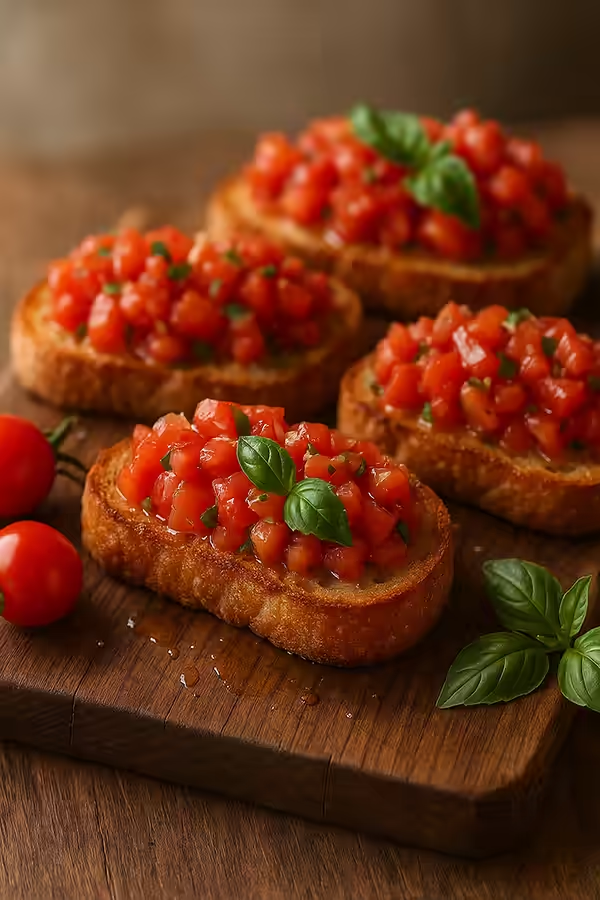
Bruschetta – one of the quickest and most iconic Italian appetizers. A few slices of crispy toasted bread, quality olive oil, cloves of garlic, slices of ripe tomatoes – and you have a dish of restaurant-level that can be prepared at home in 15–20 minutes.
This article is a complete guide: what bruschetta actually is, how to properly prepare the bread, basic classic recipe, ideas for beginners (such as salty and sweet), pairing with other dishes, hacks, shared toppings, and a dedicated FAQ section.
Content
What exactly is bruschetta anyway?
Classic Italian bruschetta (bruschetta) is essentially toasted bread slices, either grilled or baked, rubbed with garlic, drizzled with quality olive oil, and seasoned with salt and pepper. Everything else – variations: with tomatoes, sauce, mushrooms, cheese, meats, vegetables, fruits, etc.
Indeed, historically, bruschetta has been a method of serving bread and not specifically ‘toast with tomatoes.’ Tomato bruschetta has become the most popular, although many variants exist, but in Italy, there are dozens and hundreds of variations.
Key features of classic bruschetta
- Bread is preferably well-toasted over an open flame or well-heated.
- Slices should be quite thick (about 1–1.5 cm) to maintain the topping and not crumble.
- Ideally, a quality extra virgin olive oil is mandatory.
- Tomatoes should be extremely fresh, ideally seasonal.
What bread to choose for bruschetta?
The choice of bread accounts for 50% of success. The right bread – for bruschetta should be crunchy, not made with a weak starting point or be ‘flimsy.’
The ideal bread for bruschetta
Best match:
- Italian or European rustic breads: ciabatta, ‘country’ bread, pane di casa, French baguette, or focaccia with a chewy crust.
- The crust of bread should be crispy, with a small amount of large holes – otherwise it can feel like it has a chewy texture.
- Do not use very soft bread for toasts, soft buns, super soft breads or overly sweet breads – they quickly lose their texture and do not provide the needed crunch.
Thickness and shape of the crust
- Optimal thickness – 0.8–1.5 cm.
- Baguette is better to cut on the bias – this increases the surface area of the slice and allows for more toppings to be added.
- Large round slices can be divided into pieces, and you can further split each piece.
How to properly slice the bread for bruschetta
The scheme is always the same: dry grilled – slightly toasted – slightly oily – slightly initial.
Here are several methods of preparation:
1. On the grill (the most popular option)
- Heat the grill to medium-high temperature.
- Place the bread slices directly on the grill.
- Grill for 1–2 minutes on each side until golden brown.
- Remove, rub with a garlic clove (cut in half).
- Then drizzle with olive oil, sprinkle with pepper.
2. In the oven
- Preheat the oven to 190–200 °C.
- Place the slices on a baking sheet, brush with olive oil or dip them in olive oil.
- Bake for 8–12 minutes until golden brown, turning once.
- Let the oil soak in, sprinkle with fresh herbs if desired – just like additional olive oil.
3. On a dry skillet or grill pan
- Good to heat a skillet (especially cast iron).
- Slice the bread without oil to avoid sogginess.
- Rub with garlic, drizzle with oil.
Important moment: the garlic should just touch the bread under the warm grilled bread, not on the contrary – this way the garlic flavor stays and does not overpower the aroma.
Tomatoes for bruschetta: how to choose and prepare
For classic tomato bruschetta – it is a key “star”. They give flavor, sweetness and freshness.
Which tomatoes are best suited?
- Meaty varieties (Roma, plums, good seasonal tomatoes).
- The lid – maximum tightness, aromatic. It is better to take black, they often have better flavor.
- Ideal when the tomatoes are sweet, with low acidity.
How to prepare tomatoes for beginners
- Remove and peel.
- If desired, you can remove the skin: blanch the tomatoes, transfer them into cold water, and remove the skin – this way the texture will be softer.
- Cut and remove excess seeds and pulp, especially for large tomatoes – so it doesn’t get mushy.
- Chop the tomatoes into small cubes.
- Add olive oil, salt, pepper, minced garlic, basil, balsamic vinegar – mix well and let marinate for 10–30 minutes.
Classic bruschetta with tomatoes and basil: a winning recipe
Ingredients (for 10–12 bruschettas)
For the bread:
- 1 baguette or a small ciabatta
- 2–3 tbsp. of extra virgin olive oil
- 1–2 cloves of garlic
- salt, black pepper – to taste
For the tomato topping:
- 4–5 ripe meaty tomatoes or 400–500 g cherry tomatoes
- 2–3 tbsp. of olive oil
- 1–2 tsp. of balsamic vinegar (to taste)
- 1 small clove of garlic, very finely minced or crushed
- fresh basil leaves (10–15 leaves)
- salt, freshly cracked black pepper
Preparation
- Preparing the tomatoes
Dice the tomatoes into small cubes or quarters (for cherries). If the tomatoes are very juicy – gently drain off excess juice, so the start isn’t too watery. - Marinating the topping
Transfer the tomatoes to a bowl, add the olive oil, balsamic, garlic, finely chopped basil, salt, and pepper. Mix well and let sit for 10–20 minutes so the flavors can meld. - Preparing the bread
Slice the baguette into 1–1.5 cm thick pieces. Toast in the oven, on a grill, or in a toaster until golden brown. - Garlic and oil
While the bread is still warm, rub one side of each slice with a cut garlic clove. Lightly drizzle with olive oil, a touch of salt. - Bruschetta
Without hesitation, serve fresh tomato bruschetta on each slice of bread. If desired, additional basil leaves can be added from the top and a drizzle of balsamic glaze. - Serving
Offer a slice, topped with crisp bread and fresh tomatoes and basil.
10 delicious bruschetta variations (salty and sweet)
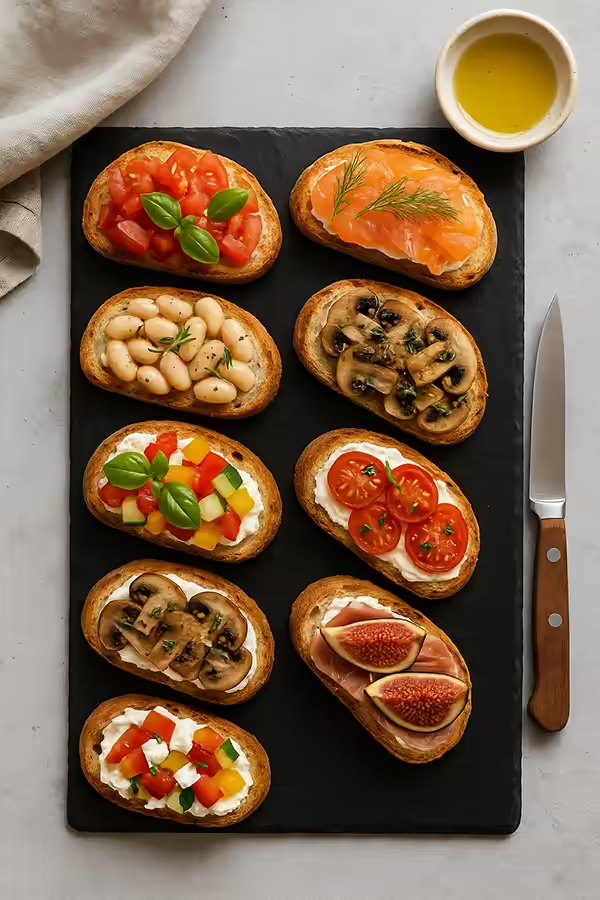
One reason for the popularity of bruschetta is their incredible versatility. Almost anything can be piled on bread: from tomatoes and cheese to quail eggs, mushrooms, fruits, and even chocolate paste.
Below are suggestions for combinations that you can mix together.
1. Bruschetta “Caprese” (tomatoes, mozzarella, basil)
Idea – classic caprese salad served as an appetizer.
- Bread: crispy greens, served with garlic.
- Starter: slices of fresh tomatoes + circles of mozzarella.
- Add basil leaves, salt, pepper, and a drizzle of olive oil.
- For color – a little balsamic glaze.
2. Bruschetta with prosciutto, arugula, and mascarpone
A combination of sweet arugula, salty prosciutto, and soft cheese – a restaurant-level dish that is easy to recreate at home.
- On warm bread, spread a layer of mascarpone or ricotta.
- Top with thin slices of prosciutto.
- Add a piece of fresh arugula.
- Drizzle with balsamic glaze or honey.
This bruschetta wonderfully pairs with a fragrant wine or dry white.
3. Bruschetta with mushrooms and garlic
Earthy, “earthy” variant, perfect for autumn and winter.
- Top with marinated mushrooms in olive oil champignons or forest mushrooms with garlic and thyme before serving.
- Spread, sprinkle, you can add truffle oil for flavor.
- Top with warm mushrooms on toasted bread.
- To taste – sprinkle with grated parmesan or brie and place under the grill until the cheese melts.
4. Bruschetta with salmon and cream cheese
Variation on the theme of “bagel with salmon,” but in the format of bruschetta.
- Bread: baguette or grain bread.
- Base layer: cream cheese (like Philadelphia) or soft goat cheese.
- Next – slices of smoked salmon.
- Toppings: capers, sliced red onion, herbs, lemon zest, freshly ground pepper.
A wonderful idea for a festive hors d’oeuvre or brunch.
5. Bruschetta with white tuna and rosemary
This is a larger variant, a “spreadable” version, but within the confines of the bruschetta concept.
- Blend diced pickled or canned white tuna with olive oil, lemon juice, garlic, and fresh rosemary.
- Spread, sprinkle to taste.
- Spread applying strained paste on toasted bread.
- On top, you can add caramelized onion, dried tomatoes, or olive slices.
6. Vegan bruschetta (without oil)
For those who avoid oil, there are interesting alternatives. For example, you can spread the bread with hummus and replace the oil with tahini.
- Mix a small amount of tahini with water to the desired consistency, add finely chopped parsley and garlic to the paste.
- Use this mixture to spread on the bread and serve hot or at room temperature.
- For a starter use “classic” tomatoes and green without additional oil – balsamic vinegar and herbal seasoning compensate for the lack of fat.
7. Bruschetta with avocado and poached egg
This option is closer to “avocado toast,” but technically it can also be considered bruschetta.
- On toasted bread, serve slices of avocado drizzled with lemon juice, sprinkled with salt and pepper.
- On top – egg yolk paste or poached egg with liquid yolk.
- Sprinkle with chili flakes, greens; you can also add truffle oil or parmesan.
8. Sweet bruschetta with berries and mascarpone
Bruschettas can be not only an appetizer but also a dessert.
- Bread: a slice of brioche or neutral, well toasted.
- Spread the mascarpone, mixed with a small amount of vanilla sugar or honey.
- Add fresh berries (strawberries, blackberries, raspberries) or fruit slices.
- Garnish with honey and decorate with mint leaves.
9. Bruschetta with nuts and bananas
Simple, but a very popular combination.
- On warm bread, spread a layer of chocolate-hazelnut spread.
- Add banana slices.
- Sprinkle with grated nuts or almonds.
10. Bruschetta with peaches, ricotta, and honey
A summer variation, especially with ripe aromatic peaches and sweet ones.
- On bread – a layer of ricotta or creamy cheese.
- On top – slices of grilled or baked peaches.
- Finish with a sprinkle of crumbled feta and mint leaves.
What to add to bruschetta: presentation ideas
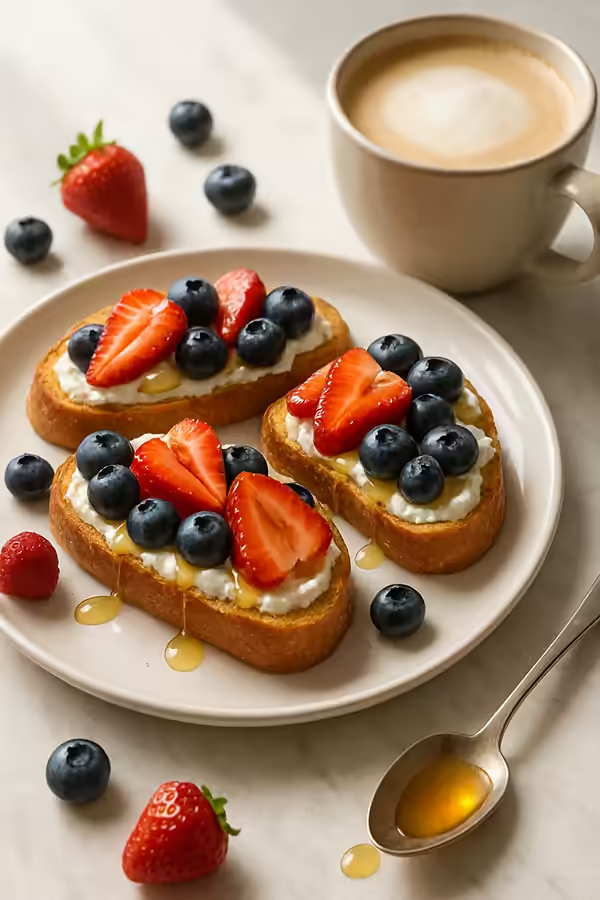
Bruschetta – a universal dish. It can be served at any time of the day.
As an appetizer (anti-pasti)
- Before Italian pasta, with risotto or pizza.
- On a charcuterie board with olives, cheeses, meats, and grilled vegetables.
- For wine lovers – bruschetta pairs wonderfully with both white and red wines, depending on the starter.
A light lunch or dinner
- A selection of different bruschetta + green salad = a complete casual meal.
- Tomato and cucumber bruschetta pairs well with vegetable soups (minestrone, tomato, melon).
As a snack or brunch
- Bruschetta with avocado and egg, with salmon, with cheese and vegetables.
- Sweet variations with berries, fruits, honey, and cheese – a quick dessert with coffee.
Tomato-based sets
For guests you can make a ‘bar bruschetta’:
- Sliced bread – separate.
- A variety of toppings to put on the table: tomatoes, mushrooms, salami, cheese, salmon, fruits.
- Guests can make their own bruschetta – it’s both tasty and interactive.
Tips and life hacks: how to make bruschetta perfect
1. Avoid using microwave bread
- Don’t put tomatoes in advance – assembled bruschetta should be served immediately.
- If the tomatoes are very juicy, remove the seeds or use them as a salad dressing.
- The bread should be well toasted, with the crust emphasized.
2. Don’t skimp on olive oil
Quality extra virgin olive oil provides the essential “Italian” accent for snacks. It is better to use fewer ingredients, but a good oil than most dips.
3. Snack balance
Hummus always contains:
- acidity (tomatoes, lemon juice, balsamic vinegar);
- richness (olive oil, cheese, avocado);
- texture (crusty bread, soft crackers, or fresh vegetables);
- aromatic herbs (basil, rosemary, thyme, oregano).
4. Preparation in advance
- Bread can be pre-sliced 1–2 hours before guests arrive and kept in a dry place.
- The starter (especially tomato-based) can also be prepared in advance and stored in the refrigerator for up to 2 hours – the aroma will develop better.
- Assemble the bruschetta – definitely before serving.
5. Serving temperature
- Bread should be warm or at room temperature.
- A thicker starter means a warmer room temperature or a cooler oven. Cold ingredients tend to deliver less aroma.
Typical tips for preparing bruschetta
- Underripe bread
As a result, it quickly crumbles under the starter. The solution is to pair it with a visibly thicker spread. - Over large pieces of tomatoes and other ingredients
This bruschetta is hard to eat, it all falls apart. Better to dice smaller. - Too many starters
The bruschetta can be cumbersome for 1–2 bites. An excessive amount of starter makes it unstable. - Using low-quality olive oil
Inexpensive refined oil has a “flat” flavor. It’s better to use less, but of higher quality. - Too much garlic
Garlic should be subtle, not “overpowering” the flavor. A single clove per loaf is sufficient, no need to add it in huge quantities.
FAQ: answers to the most common questions about bruschetta
1. How is bruschetta different from crostini?
The variants – it’s a crusty bread with a starter, but:
- bruschetta is traditionally thicker slices of country bread, grilled or baked, often simply with garlic, oil, and salt;
- Croissants – traditionally less dense rolls made from white flour bread or baguette, often with more “delicate” starters (pates, cream cheeses, terrines, etc.).
In the home kitchen, these terms are often mixed, but in principle it is not critical.
2. Which bread is best for bruschetta?
Best – ciabatta, homemade rustic bread, baguette or bread with a crunchy crust. The main thing is that it retains its shape and does not crumble.
3. Can you use a bun or toast bread?
You can, but the result will be less authentic. What bun and toast bread:
- softer rises faster;
- may have a sweetness that doesn’t always pair with classic starters;
- give less vivid texture.
Whichever variant does not have – use thicker slices and good toppings.
4. Can you make bruschetta with stale bread?
Yes, aside from components, you can prepare in advance:
- bread to toast;
- mix the starters and keep in the fridge.
But it’s better to assemble bruschetta just before serving so the bread remains crispy.
5. How to make gluten-free bruschetta?
- Use gluten-free bread that maintains its shape well and can be toasted to a crunchy crust.
- All classic starters (tomato, vegetables, fruits, meat, fish, cheeses) usually do not contain gluten – just check the sauces (balsamics, soy sauce, ready dressings).
6. Should one use balsamic vinegar?
No, it’s not essential, but a common ingredient. It adds a sweet-sour depth to the flavor, especially in tomato and cheese bruschetta.
Whichever balsamic you have:
- replace it with lemon juice;
- or use white wine vinegar (in lesser quantity).
7. Can you prepare bruschetta with the starter already?
Yes, but then:
- choose starters that hold up well after being prepared (cheese, mushrooms, ham, vegetables);
- don’t prepare long in advance so the bread doesn’t get soggy.
- It is better to add fresh tomatoes right after the pasting, so they remain juicy.
8. How to store leftover bruschetta?
The best way is to store separately:
- bread – in a sealed container or bag, to avoid getting soggy;
- topping – in the refrigerator in an airtight container for 1-2 days (depending on the ingredients).
Already prepared bruschetta quickly lose their texture, so it’s better to make them on an equal basis, how much you will use.
9. Can bruschetta be made in a toaster?
Yes, putting bread in the toaster – it’s absolutely a working option. After that:
- add a slice of garlic;
- drizzle with olive oil;
- add the topping.
Grilling gives a deeper ‘smoky’ flavor, but for everyday use the toaster is a great solution.
10. What ingredients are used for bruschetta?
It depends on the topping:
- tomatoes, vegetables, with basil – light ripe or under ripe red wine;
- with salmon, seafood – dry white or sparkling wine;
- with prosciutto, cheese, mushrooms – light to medium-bodied reds;
- sweet bruschetta – dessert wine or semi-sweet whites.
Bruschetta is the ideal dish for those who love simplicity, seasonality and versatility. Based on a simple base (crusty bread + quality olive oil + aromatic garlic) you can create dozens of absolutely different combinations: from classic tomato to tasty variations with beans or mushrooms and lighter dessert with fruits and cheese.