What are fermented foods, and why are they popular again?
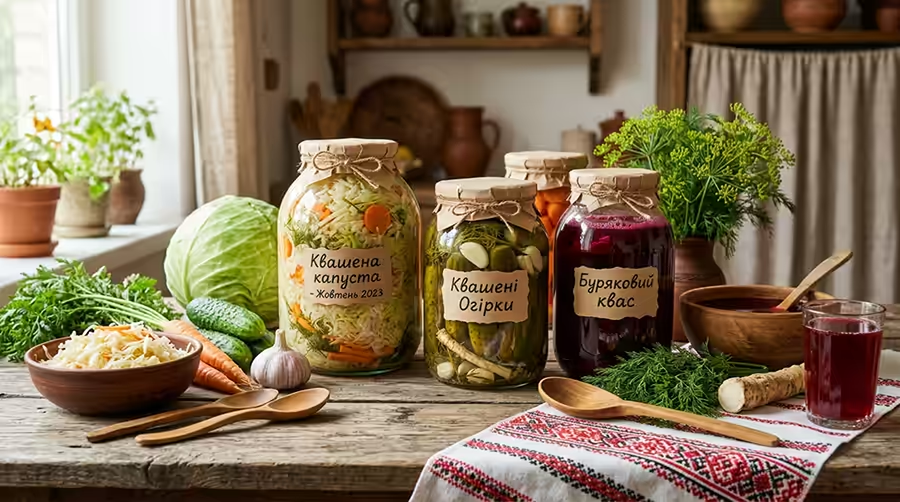
Fermented foods are making a real comeback in home cooking today. What was a common seasonal practice for our grandmothers and great-grandmothers has become almost a gastronomic discovery for many people today: cabbage, cucumbers, beets, dairy products, and other simple ingredients acquire new flavors, aromas, and textures after natural fermentation.
Content
Fermentation is a natural process during which beneficial microorganisms convert some of the natural sugars into acid. It is precisely this process that allows foods to keep longer, develop a more distinctive flavor, and acquire that characteristic tang that cannot be confused with anything else. It is not just a preservation method, but an entire culinary culture that has evolved over centuries.
Fermented dishes hold special significance in Ukrainian cuisine. Our climate, the seasonal availability of vegetables, the tradition of preserving food for the winter, and a love for simple, hearty, yet vibrant flavors have made fermentation one of the most important household processes. That is why sauerkraut, pickled cucumbers, beet kvass, and fermented apples remain not just foods, but part of our culinary heritage.
Today, the interest in fermented foods can be attributed to several factors. First, people are looking for natural ways to diversify their diets. Second, more and more readers are interested in old-fashioned home cooking techniques. Third, fermented foods fit perfectly into modern cuisine: they can be served with a traditional meal or as part of a trendy dish featuring grains, meat, cheese, or herbs.
Another reason for their popularity is their taste. Fermented foods aren’t just sour. They have a complex, multi-layered, and often very deep flavor profile. It combines saltiness, the freshness of vegetables, a mild or bright sourness, spiciness, and sometimes a slight sweetness. Even ordinary white cabbage, when properly fermented, becomes a product with a completely different character.
For a food blog, the topic of fermented foods is particularly well-suited. It combines popular search queries, traditional cuisine, practical recipes, seasonality, and a wide variety of serving options. People are looking not only for general information about the health benefits, but also for very specific details: how much salt to add, how to make the cabbage crispy, why foam forms, when to move the jar to a cool place, what to do if the cabbage turns out soft, and what it’s best to serve it with.
Fermented foods are also appealing because they’re accessible. You don’t need expensive ingredients, special equipment, or hard-to-find ingredients to get started. All you need are high-quality vegetables, salt, clean dishes, a little time, and an understanding of the basic principles. That’s why home fermentation is one of the best ways to return to a more mindful, simple, and delicious cuisine.
When you prepare fermented foods at home, you’re essentially engaging with tradition. It’s not a quick 15-minute meal, but a process that requires observation, patience, and respect for the ingredients. But that’s precisely what makes it so magical: you’re not just mixing ingredients together, but setting in motion a natural transformation of flavor.
In this comprehensive article, we’ll explore what fermented foods are, which ones are most characteristic of Ukrainian cuisine, what their health benefits are, what they taste like, how to prepare them properly at home, and what mistakes to avoid. We’ll focus primarily on sauerkraut—without exaggeration, one of the most famous and beloved Ukrainian fermented foods.
Fermented Foods in Ukrainian Cuisine: Traditions, Types, and Flavors
When people talk about Ukrainian fermented dishes, sauerkraut is usually the first thing that comes to mind. And that makes sense. It is one of the most versatile preserved foods: it is eaten as a standalone appetizer, added to soups, stewed, used as a filling, and served with meat, potatoes, porridges, and vegetarian dishes. It is both simple and versatile.
Pickled cucumbers are just as important. In many families, they are considered the main winter appetizer. Cucumbers are pickled with dill, garlic, horseradish, and currant, cherry, or oak leaves. The result is a crisp, aromatic product that tastes wonderful with potatoes, meat dishes, homemade cutlets, porridge, and even simply with a slice of black bread.
Beet kvass is in a category of its own. It is less common in modern households than cabbage or cucumber kvass, but it is deeply rooted in tradition. It was used as a beverage and as a base for borscht, cold soups, and certain Lenten dishes. After fermentation, beets acquire a distinctive sweet-and-sour flavor that cannot be accurately replicated with ordinary vinegar or lemon juice.
Ukrainian cuisine also featured fermented apples, pickled tomatoes, various vegetable mixes, fermented milk, and homemade fermented dairy products. All of this formed not just a collection of individual recipes, but a comprehensive system of home food preservation and preparation. Fall and early winter were the times when housewives prepared food so that in winter they would have not only a supply of food but also a variety of flavors.
Ukrainian fermentation isn’t about being overly exotic. Here, almost everything is based on familiar ingredients and precise, everyday knowledge. Which salt to use, what kind of container to ferment in, how to press the vegetables, how to release the gases, when to move the mixture to a cool place, and how to prevent unpleasant odors—this knowledge has been passed down from generation to generation over the years.
The flavor of Ukrainian fermented dishes is usually distinct but not overpowering. This is an important point. Well-fermented cabbage shouldn’t have a sharp, sour taste. Good pickled cucumbers shouldn’t be just salty. A high-quality fermented dish is all about balance. It has a hint of sourness, but it’s lively and natural; it has salt, but it shouldn’t overpower the vegetable flavor; it has aroma, but without any sharp, unpleasant notes.
That’s exactly why fermented foods pair so well with traditional Ukrainian cuisine. They add a refreshing touch to rich, hearty dishes, provide a nice contrast to boiled or baked potatoes, enhance the flavor of grains, balance out the heaviness of meat, and make a plate more interesting—especially when the base is very simple.
Sauerkraut, for example, can vary greatly in character. One type is very crisp, juicy, and fresh, with a mild tang. Another is more mature, with a deeper flavor and a slightly sharper taste, making it perfect for stewing or cabbage soup. Cucumbers also vary: some have a delicate dill aroma, others a bright horseradish and garlic flavor, and still others a more spicy, leafy note.
What’s particularly valuable is that fermented dishes are very versatile. In home cooking, every family has its own flavor profile. Some add more carrots to the cabbage, some prefer cumin, and others include cranberries, apples, or even pieces of beetroot for color. When it comes to pickled cucumbers, some prefer a strong garlic aroma, while others want the purest cucumber flavor possible. And all these variations exist within the same tradition.
In the Ukrainian context, fermentation is also about seasonality. The best results often come from ingredients that were grown at the right time of year and reached the kitchen at their natural peak of ripeness. Fall cabbage, young but not watery cucumbers for pickling, ripe beets—all of this matters. Home cooking is very straightforward in this sense: if the ingredient is good, the result will reflect that.
Another important feature of Ukrainian fermented dishes is their versatility in everyday life. They aren’t served separately from other foods but are part of the daily diet. Sauerkraut can be served as a salad, a side dish, a filling, a base for stews, an accompaniment to meat dishes, or part of a Lenten meal. Pickled cucumbers can be eaten as an appetizer, chopped into a salad, served with roast meat, or used in homemade soups.
The current interest in fermented foods is often presented as something new, but for Ukrainian cuisine, it is more of a return to its culinary roots. And that is precisely why this trend is so powerful: it simultaneously addresses the demand for healthy eating, home-based methods, traditional recipes, and the modern quest for authentic flavor.
The Benefits of Fermented Foods and Why They Are Valued in a Daily Diet
One of the main reasons fermented foods have returned to the spotlight is the interest in their effects on digestion, gut flora, and overall health. While no single food should be treated as a miracle cure, fermented foods do offer a number of benefits that make them popular among both nutritionists and advocates of natural, home-cooked meals.
First and foremost, fermented foods are interesting because they undergo a natural ripening process. During this process, the food’s environment changes, a distinctive acidity develops, the flavor becomes more complex, and the food itself becomes more palatable to many people. That is why pickled vegetables are so often served not as a standalone dish, but as part of a balanced meal.
When a meal includes fermented foods, the food often feels less heavy. This is especially noticeable when paired with meat, potatoes, legumes, or rich holiday dishes. The tangy flavor and freshness act as a balancing element, making the entire plate more harmonious.
Another advantage is natural seasonal availability. Fermented foods not only help preserve vegetables for longer, but also make the winter diet more interesting. When the vibrant flavors of vegetables are missing in winter, it is sauerkraut or pickled cucumbers that bring juiciness, aroma, and the feeling of fresh food back to the menu.
Sauerkraut is particularly popular because it combines several key qualities. It is inexpensive, readily available, easy to prepare, has a long shelf life, and yet has a very distinctive flavor. It can be eaten in small portions, but even a small amount significantly enhances the overall taste of a dish.
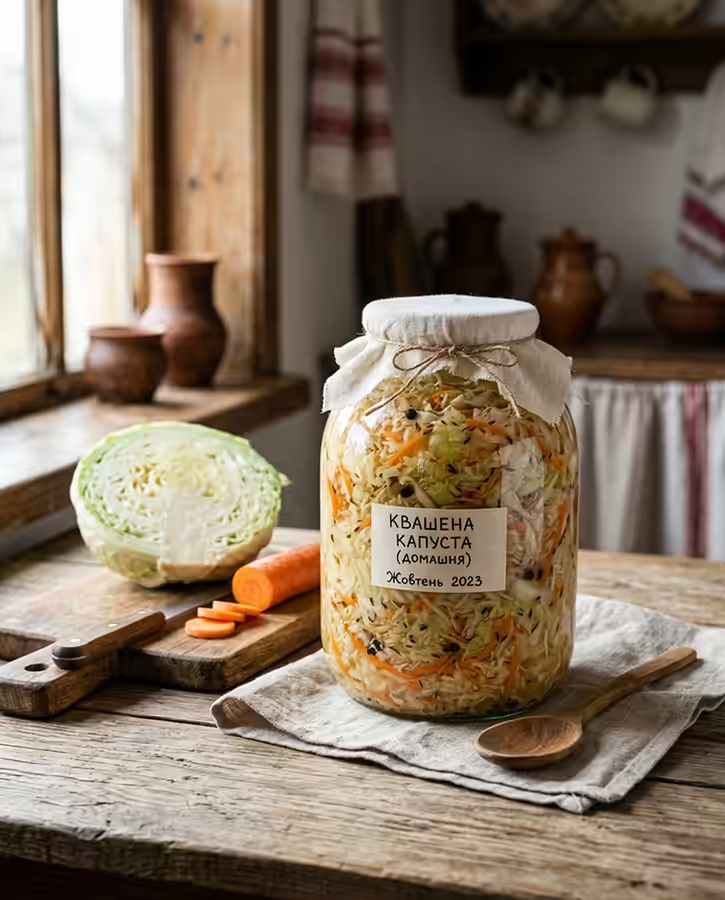
Fermented foods are often valued for their ability to add variety to your diet without the need for complicated cooking. There isn’t always time to prepare salads with many ingredients, make sauces, or create elaborate side dishes. But a spoonful or two of sauerkraut, a few cucumbers, or a glass of homemade fermented milk drink can instantly elevate a meal.
However, it’s important to remember to exercise moderation. Most homemade fermented foods contain salt, which is a normal part of the process. But if you need to limit sodium in your diet, you should be mindful of portion sizes. Fermented foods aren’t something you necessarily need to eat in large quantities to appreciate their benefits. On the contrary, small amounts are usually sufficient.
The benefits of fermented foods are inextricably linked to how they are prepared. Home fermentation requires cleanliness, the right proportions, and careful attention. If the vegetables are carefully selected, the containers are clean, there is enough salt, and the product is kept under the right conditions, the result will be not only delicious but also consistent.
One very important point is that fermented foods encourage a slower approach to cooking. People begin to think more about the quality of vegetables, the season, storage, and natural processes. This changes their very attitude toward cooking. And often, this kind of cooking turns out to be not only healthy but also psychologically rewarding: it restores a sense of connection to home, daily life, and tradition.
Fermentation also helps reduce food waste. When cabbage or cucumbers are in season, instead of simply eating part of the harvest right away, you can transform it into a product with a new character and a longer shelf life. It’s a practical and very smart way to manage your home kitchen.
Another advantage is that fermented dishes work well for both everyday meals and festive occasions. They don’t require a special occasion, yet they look right at home even alongside rich meat dishes or traditional holiday fare. That’s why they never disappear from home cooking for long.
Equally important is that fermented foods help refine one’s sense of taste. When a person regularly eats only foods that are too sweet, too fatty, or overly spiced, their perception of food becomes coarser. Fermented dishes, on the other hand, train your sensitivity to acidity, saltiness, the freshness of vegetables, texture, and aftertaste. This makes home cooking more interesting even without expensive ingredients.
For children and adults who aren’t big fans of raw vegetables, fermented options can sometimes be an easier way to incorporate vegetable flavors into their daily diet. Of course, it all depends on individual preferences, but often sauerkraut or lightly pickled cucumbers are the compromise that even those who aren’t big fans of fresh salads enjoy.
At the same time, it’s important to be honest: fermented foods aren’t suitable for everyone in large quantities. If you have a sensitive digestive system, certain medical conditions, or food intolerances, it’s important to listen to your body. Good cooking isn’t about forcing yourself. There is mindfulness, moderation, and the understanding that even very good food should be consumed in moderation.
In everyday life, fermented foods are especially valuable because they help keep your meals simple. If you have a jar of good sauerkraut or pickles at home, even the simplest lunch no longer feels boring. Boiled potatoes, buckwheat, a piece of roasted meat, or beans paired with a fermented side dish instantly turn into a satisfying, interesting, and very homey meal.
That is precisely why the benefits of fermented foods should not be reduced to mere theoretical properties. Their true strength lies in the combination of flavor, practicality, affordability, seasonality, and tradition. They truly make everyday meals better.
A Detailed Recipe for Sauerkraut: Step-by-Step Instructions, Taste, Common Mistakes, and Tips
Why sauerkraut, specifically?
Of all fermented foods, sauerkraut is the best choice as a basic recipe for home preparation. It is affordable, requires no special equipment, stores well, and yields very predictable results as long as you follow the basic guidelines. This is exactly the recipe you should start with when learning about home fermentation.
Sauerkraut is a dish with a long culinary history. You can eat it on its own, with onions and oil. You can add it to cabbage soup, stew it with mushrooms or meat, or use it in dumplings, pies, bigus, vegetable fillings, and side dishes. It is this versatility that makes the recipe particularly valuable for the blog and for everyday cooking.
Ingredients for a large jar
For the classic homemade version, you’ll need:
- White cabbage — 2–2.5 kg.
- Carrots — 1 large or 2 small.
- Non-iodized salt — 2 tablespoons.
- Water — about 1.5 liters.
- Bay leaf — optional.
- Cumin — to taste.
- Cranberries or apples—use whichever you prefer for variety.
This is a basic recipe that’s perfect for your first try. Later on, you can adjust the flavor to your liking: add more or less carrot, experiment with spices, change the way the ingredients are cut, or try variations with berries or apples.
How to Choose the Right Cabbage
The quality of the cabbage makes a huge difference. The best cabbage for pickling is dense, heavy heads of late-season varieties. They have firmer leaves, more natural juiciness, and better potential for retaining their crunch. If you use limp, loose, or overly early cabbage, the result may turn out softer and less flavorful.
A good head of cabbage should be firm, with no obvious signs of rot, dark spots, or a strong, unpleasant odor. The outer leaves may be slightly tougher—that’s normal, since they’re removed anyway. The main thing is that the inner part is light in color, firm, and juicy.
What kind of salt should I use?
For pickling, it’s best to use regular, non-iodized table salt. It’s preferable to use medium- or coarse-grain salt. Iodized salt is often considered less suitable for traditional pickling because it can affect the fermentation process and the flavor. In home cooking, most experienced cooks play it safe and use plain salt without additives.
Proportions matter, too. If there isn’t enough salt, the fermentation process may be unstable. If there is too much, the taste will be harsh, and the final product will be too salty. So, for your first attempt, it’s best not to experiment; stick to the classic proportions.
What kind of dishes are suitable?
For home fermentation, it is best to use:
- Glass jars.
- Enameled containers in good condition.
- Ceramic dishes, provided they are clean and free of cracks.
Avoid using containers that might react adversely with acidic environments. It is also very important that everything be thoroughly washed. Home fermentation does not require laboratory-grade sterility, but cleanliness is critical here.
Preparing vegetables
First, remove the outer leaves from the head of cabbage. If they are clean and firm, you can leave a few of them to cover the cabbage at the top of the jar or container. Then wash the head of cabbage, pat it dry, and cut it into pieces. The core is usually cut out because it is tougher and not very easy to shred.
Peel the carrots and grate them using a coarse or medium grater. They not only add flavor and color but also make the overall texture more interesting. However, too many carrots can make the cabbage a bit sweeter, so in the classic version, they are added in moderation.
How to shred cabbage
Cutting is one of the key steps. Don’t slice the cabbage too thinly if you want to keep it crisp. Strips that are too thin lose their texture more quickly, become softer, and may look less appetizing. On the other hand, cutting it too coarsely isn’t always convenient for serving either.
The ideal option is a medium thickness. The cabbage should be easy to eat but still retain a noticeable texture. If you have a special shredder, that’s great. If not, a well-sharpened knife will do the trick.
Mixing cabbage with carrots
Once the cabbage is shredded, transfer it to a large bowl or basin and mix it with the carrots. If you’re making the version without a separate brine, at this stage you can sprinkle it with salt and massage it a bit with your hands to help the vegetables release their juices. But if you’re making the jarred version with a salt brine, then it’s enough to simply mix the cabbage well.
If desired, you can add cumin at this stage. It pairs very well with cabbage, giving the dish a warmer, deeper flavor. It’s best to use bay leaves sparingly so they don’t overpower the dish. If you prefer a fresher, berry-like note, you can prepare part of the cabbage with cranberries.
How to pack cabbage in a jar
Pack the cabbage tightly. Don’t just toss it carelessly into the jar. The more tightly it’s packed, the more evenly the process will proceed. You can add a little carrot, spices, or berries between the layers if you’re making a variation.
Density is also important because the cabbage needs to be in contact with the brine, rather than having dry pieces sticking out above the surface. If the top layer remains dry, it is usually the first to start spoiling.
Preparing the brine
For a simple homemade version, dissolve the salt in clean, cool water. The amount of liquid may vary slightly depending on how tightly you’ve packed the cabbage and the shape of the jar. The main rule is that there should be enough brine to completely cover the vegetables.
The brine should not be hot. If you happened to heat the water to dissolve the salt, let it cool completely. Do not pour the brine over the cabbage while it is still hot.
Start of fermentation
After the cabbage has been covered with brine, the jar should not be sealed tightly. It should be covered with cheesecloth, a small plate, a loosely fitted lid, or another method that allows the product to “breathe.” This is important because gases are produced during fermentation.
It’s best to place the jar in a bowl or deep plate. During active fermentation, some liquid may spill out, and that’s normal. This will help you avoid making a mess in the kitchen.
What happens in the first few days
Signs of fermentation usually begin to appear as early as the first day. These may include bubbles, a light foam, brine activity, and a more pronounced aroma. It is especially important not to forget to puncture the brine during this period.
Pierce the cabbage all the way to the bottom using a long stick, a wooden skewer, or a thin, clean knife. Do this several times a day. This helps the gases escape and ensures a smoother fermentation process. If you don’t do this, the flavor may be less clean, and the fermentation itself may be uneven.
How long should cabbage be fermented?
The exact time depends on the room temperature, the type of cabbage, the amount of salt, and the specific kitchen conditions. The process goes faster in a warm room and slower in a cooler one. Usually, the first noticeable results appear within 1–2 days, and the cabbage is ready for everyday use by about the third day.
But here, it’s important to go by taste as well as by the time of day or season. Some people prefer very young, still tender, fresher cabbage. Others prefer a more mature, richer variety. So the best advice is to taste a little bit of each.
What does properly fermented sauerkraut taste like?
Properly fermented cabbage should be crisp, juicy, fresh, and tangy, but without a sharp vinegar taste. You should taste not only the acidity but also the natural flavor of the cabbage. Proper fermentation doesn’t ruin the product; it brings out its best qualities.
The flavor often has a light, natural sweetness, especially if the cabbage was of high quality. Carrots add a milder base, cumin adds a warm, spicy note, and cranberries add a lively tartness. The aftertaste should be clean and appetizing, without any mustiness or unpleasant undertones.
How can you tell if the cabbage turned out well?
Here are the signs of well-fermented sauerkraut:
- It’s crispy, not limp.
- It has a pleasant, slightly tart aroma.
- It doesn’t feel slippery to the touch.
- The brine doesn’t have a foul odor.
- The flavor is distinct yet natural.
- After a few days in the fridge, it becomes even more balanced.
If the cabbage is soft, sticky, has a strong unpleasant or rotten odor, or an unusual color, this indicates that the process has failed.
Common Mistakes
1. Poor-quality cabbage.
Early, overly watery, or limp cabbage often yields poor results.
2. Iodized salt or questionable proportions.
Too little salt can ruin the dish, while too much can make it taste harsh.
3. Poor hygiene. A
dirty jar, spoons, or hands can often ruin even a good product.
4. The cabbage isn’t covered by the brine.
Anything sticking out above the liquid is at risk of spoiling.
5. No punctures.
The gas needs to escape; otherwise, the taste suffers.
6. The temperature is too high.
The cabbage may ferment too quickly.
7. Seal the container tightly at the start.
Fermentation requires a way for gases to escape.
How to store prepared cabbage
Once active fermentation is complete and you’re satisfied with the taste, move the jar to a cool place. The easiest option is the refrigerator. There, fermentation slows down, the flavor stabilizes, and the cabbage retains its texture longer.
When storing the cabbage, it’s important to keep it submerged in the brine. It’s best to use a clean fork or spoon to remove it. Avoid repeatedly dipping anything dirty or wet from other foods into the jar.
The Best Way to Serve Sauerkraut
There are several classic options:
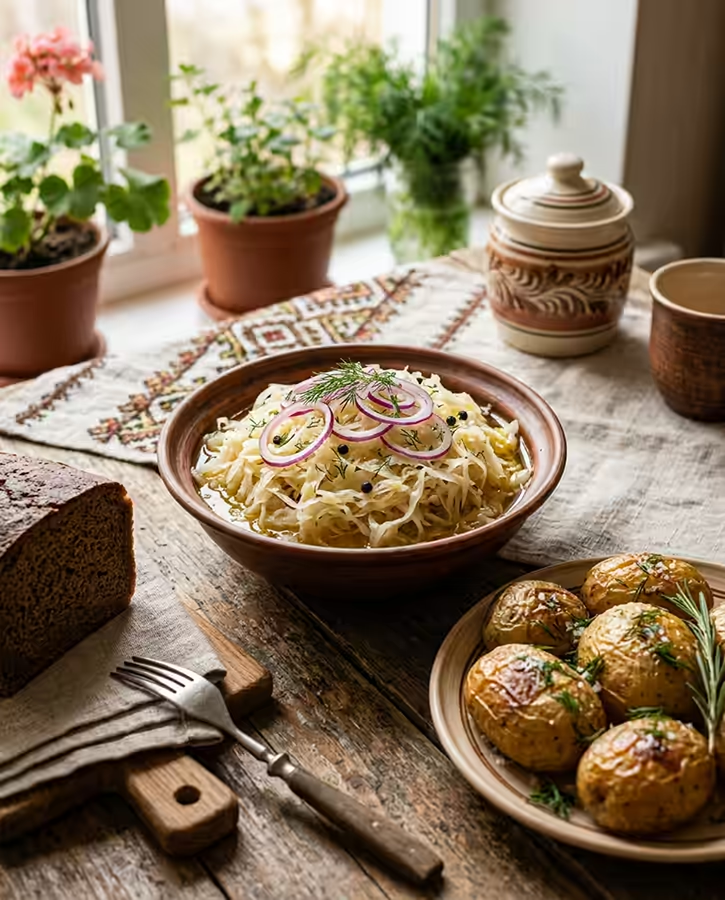
- With thinly sliced onions and aromatic oil.
- With black pepper.
- With cranberries or apples.
- With caraway seeds.
- With green onions or dill.
- As a side dish for baked potatoes.
- As a side dish for meat or sausages.
- As an ingredient in dumplings, pies, and stews.
The simplest presentation is often the best. Good sauerkraut doesn’t need much embellishment. Its strength lies in its own flavor.
Variations on the recipe
Sauerkraut with cranberries.
It adds a bright, berry-like tartness and looks beautiful.
Sauerkraut with apple.
It has a milder, slightly sweeter flavor.
Cabbage with cumin.
More spicy, with a “bready” flavor, and very homey in character.
Cabbage with beets.
It takes on a beautiful pink hue and an interesting sweet note.
Cabbage for stewing.
You can choose a more mature variety with a deeper, tangier flavor so that it holds up well in hot dishes.
Other Ukrainian fermented dishes, cooking tips, and FAQs
Sauerkraut is an undisputed favorite, but Ukrainian fermented cuisine isn’t limited to just that. If you want to make this article truly comprehensive, you should definitely mention other traditional options that deserve a place in modern cuisine.
Pickled cucumbers
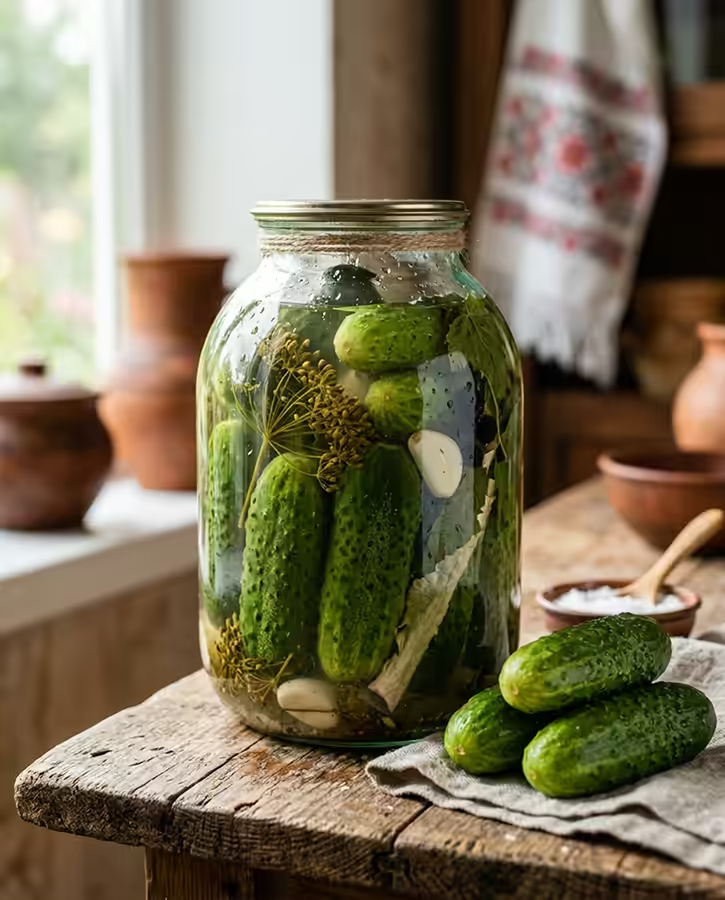
Pickled cucumbers are another classic on the Ukrainian table. They are prized for their crunch, refreshing vegetable flavor, and the aroma of dill, horseradish, and garlic. Unlike marinated cucumbers, they have a more natural, lively tartness and are often perceived as having a milder taste.
To pickle cucumbers, people typically use small, firm fruits, water, salt, dill, garlic, horseradish, as well as currant, cherry, or oak leaves. All of these ingredients combine to create a complex yet very familiar aroma. Cucumbers are often pickled at room temperature at first, and then transferred to a cool place.
What do good pickled cucumbers taste like? They should be firm, juicy, and not hollow inside, with a pleasant tartness and a distinct spicy-herbal aroma. If a cucumber loses its crunch and becomes mushy, the experience of eating it is completely different.
Beet kvass
Beet kvass is an underrated but fascinating product. It has a deep color, a complex sweet-and-sour flavor, and a distinctive aroma. In home cooking, it is used both as a beverage and as a base for certain dishes.
Beets generally ferment very well. They retain their character but become milder in texture and more interesting in flavor. While sauerkraut can be described as fresher and sharper, fermented beet products are often perceived as having a deeper, “earthier” flavor.
Pickled tomatoes
Although they aren’t as versatile as cucumbers or cabbage, pickled tomatoes are also highly prized in home cooking. The firm, creamy varieties are particularly delicious. They have a mild tartness, a finer texture, and a very appetizing brine aroma.
These tomatoes go well with potatoes, meat, grains, sautéed onions, and homemade vegetarian dishes. They embody the same principle of flavor balance: they add a refreshing touch and keep the meal from becoming monotonous.
Fermented apples
This is an older tradition that’s less common today, but it’s very interesting. Fermented apples have a completely different character than fresh ones. Their flavor combines fruitiness, tartness, a hint of spice, and a soft texture. For some, it’s the taste of childhood; for others, it’s almost a culinary novelty.
How to pair fermented foods with other dishes
One of the biggest advantages of fermented foods is their versatility. Here are a few great combinations:
- Sauerkraut + potatoes + onions + oil.
- Sauerkraut + roasted meat.
- Pickled cucumbers + buckwheat + cutlet.
- Beet kvass + borscht base.
- Sauerkraut + mushrooms.
- Sauerkraut + green beans.
- Cucumbers + roast meat + dark bread.
- Cabbage + homemade sausages.
Fermented foods work particularly well when contrast is needed. They cut through richness, freshen up starchy sides, add vibrancy to neutral ingredients, and make hearty meals more balanced.
Tips for Perfect Results
- Use only high-quality vegetables.
- Don’t neglect keeping your dishes clean.
- Don’t experiment with the salt when making this for the first time.
- Make sure the food is completely covered with brine.
- Do not place the jar directly in strong sunlight or near a hot radiator.
- Check the taste regularly.
- Don’t be afraid to try different variations once you’ve mastered the basic recipe.
- Start with a small portion if this is your first time making it.
- Use clean containers for storage.
- Remember that fermentation is a process, not an instant result.
Which is better: fermented or pickled?
This is a question that comes up quite often. Pickled vegetables usually get their acidity from an external source—most often vinegar. Fermented vegetables acquire their tartness naturally, through the fermentation process. Because of this, the flavor of fermented foods is often more complex, milder, richer, and more “vibrant.”
Pickled cucumbers and fermented cucumbers offer different culinary experiences. The same goes for cabbage. If someone prefers a more natural, deep tang, they often opt for fermentation.
Frequently Asked Questions
What are fermented foods?
They are foods that undergo a natural fermentation process and develop a distinctive sour taste, a unique aroma, and a new texture.
What are the most popular fermented foods in Ukraine?
First and foremost, these include sauerkraut, pickled cucumbers, beet kvass, pickled tomatoes, fermented apples, and various fermented milk products.
Why is sauerkraut so popular?
Because it’s affordable, easy to make, keeps well, has a distinctive flavor, and goes well with a wide variety of dishes.
What do fermented foods taste like? They
typically combine a tangy, salty, and fresh flavor with a subtle natural sweetness and a deeper aftertaste.
Is it hard to make fermented foods at home?
No, not if you start with simple recipes. The best place to start is with sauerkraut or pickled cucumbers.
What kind of salt is best for pickling?
Regular table salt without iodine, preferably medium- or coarse-grain.
Why does sauerkraut turn out soft?
There could be several reasons: the wrong variety of cabbage, cutting it too thin, issues with the salt ratio, too high a temperature, or a disruption in the fermentation process.
Should you pierce the cabbage during the pickling process?
Yes, this helps release gases and promotes a more even fermentation process.
How long does it take for cabbage to ferment?
Usually, the first signs of fermentation appear within a day, and it’s ready to eat in about 2–3 days, although the taste depends on the temperature and your personal preferences.
How should you store prepared sauerkraut?
In the refrigerator or another cool place, preferably in the brine and in a clean container.
Is it okay to eat fermented foods every day?
Many people include them in their daily diet in small portions. The key is moderation and taking individual tolerance into account.
How do fermented vegetables differ from pickled ones?
Fermented vegetables develop their acidity naturally, while pickled vegetables usually get their acidity from vinegar or another acidic brine.
What can you add to sauerkraut to give it a more interesting flavor?
Carrots, cumin, cranberries, apples, a little beetroot, or bay leaves.
What goes best with
sauerkraut? Potatoes, meat, buckwheat, beans, mushrooms, sausages, dumplings, or simply with oil and onions.
Are fermented dishes suitable for a festive table?
Yes, absolutely. They add freshness and contrast to hearty dishes.
Fermented foods are one of the most vibrant aspects of Ukrainian culinary tradition. They combine simplicity, seasonality, practicality, and a rich flavor that remains relevant even in modern cuisine. If you’re just getting started with this topic, sauerkraut is the best choice: it’s straightforward, accessible, incredibly delicious, and opens the door to a whole world of home fermentation.