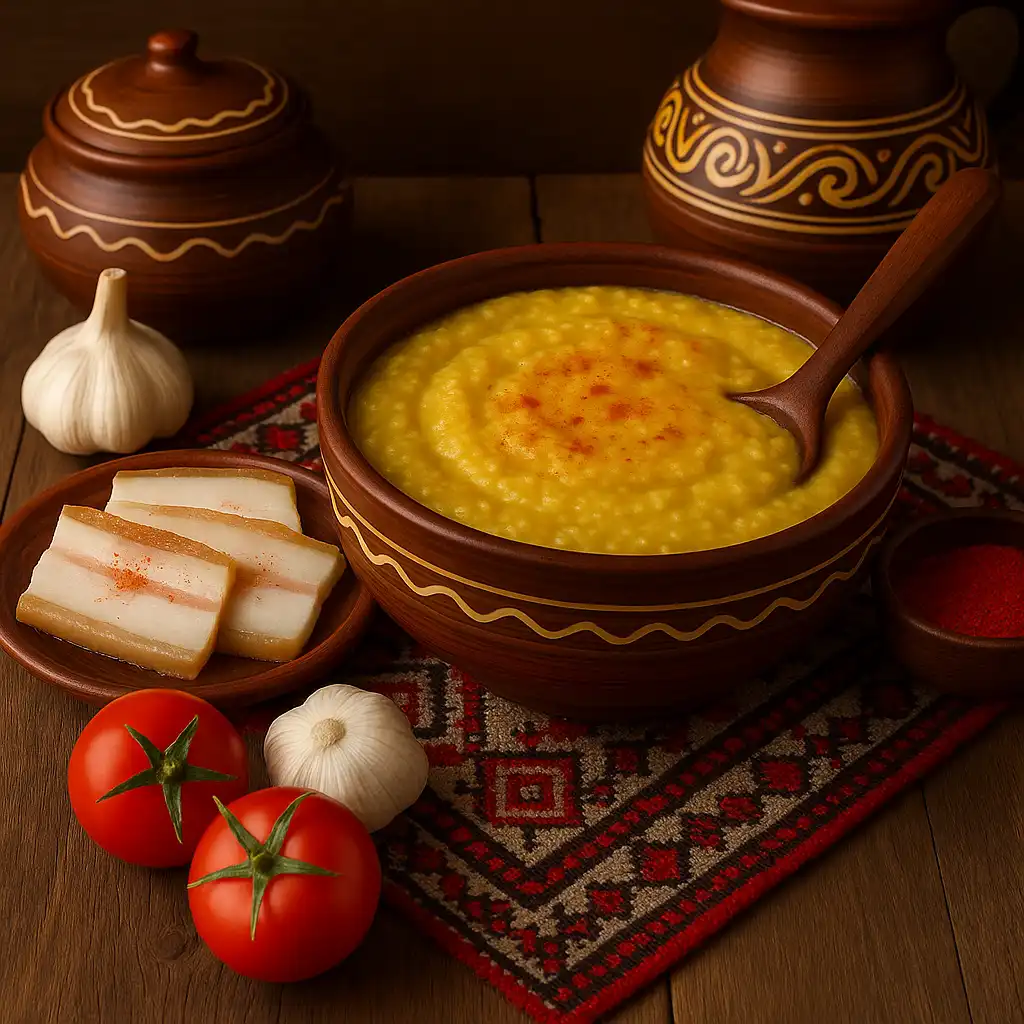
What is salamah
Content
Salamah (solomaha, salamata, solomata) is a traditional Ukrainian dish made in the form of thick porridge or a thin sauce, which is prepared from fried boroshna, boiled in water or milk. It has been one of the main dishes in rural families and especially popular among Cossacks due to the simplicity of preparation, availability, and accessibility of ingredients.
History of the dish
The history of salads goes back to ancient times. It was a popular dish in Cossack gatherings, and it was easy to prepare even under field conditions. The basic ingredients were greens, wheat or barley, water, salt, or oil. In different regions of Ukraine, salads were prepared in their own way, adding local ingredients. The dish is mentioned in the works of 17th-century writers as one of the basic dishes in the diet of the common people.
Classic Salamah recipe
Ingredients
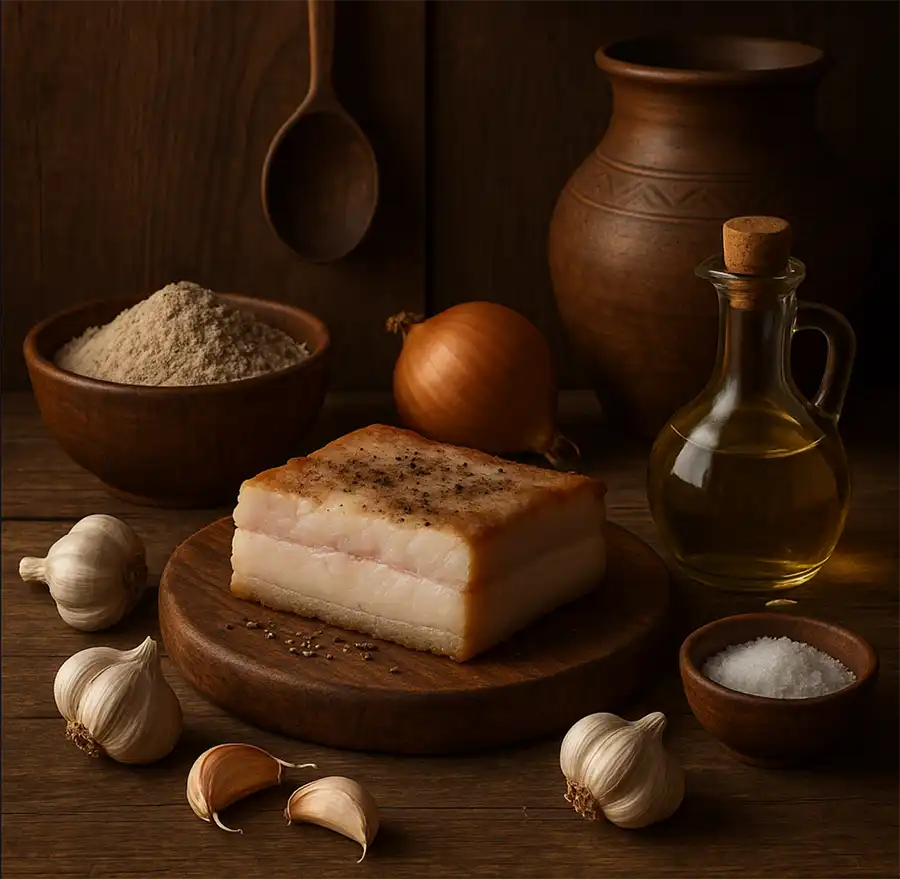
- Grated barley – 300 g
- Salt – 200 g
- Cheese – 1 piece.
- Oil – 100 g
- Salt – to taste
- Water – 4 glasses
Step-by-step preparation
- Preparation of barley:
Pour grated barley into a bowl, then gradually add cold water, continuously mixing to avoid lumps. The mixture should be thick but not rare. - Boiling:
Bring to a boil 4 glasses of salted water. While adding the barley mixture with a thin stream, continuously stirring. Boil for 5–10 minutes until thickened. - Decoration:
Serve salad with cheese. Decorate it until golden color. Add spices to taste. - Adding a garnish:
Add garnish to the porridge, mix well. Optionally, you may add greens. - Serving:
Serve the salad warm, sprinkled with green onion or parsley.
Variations of the dish
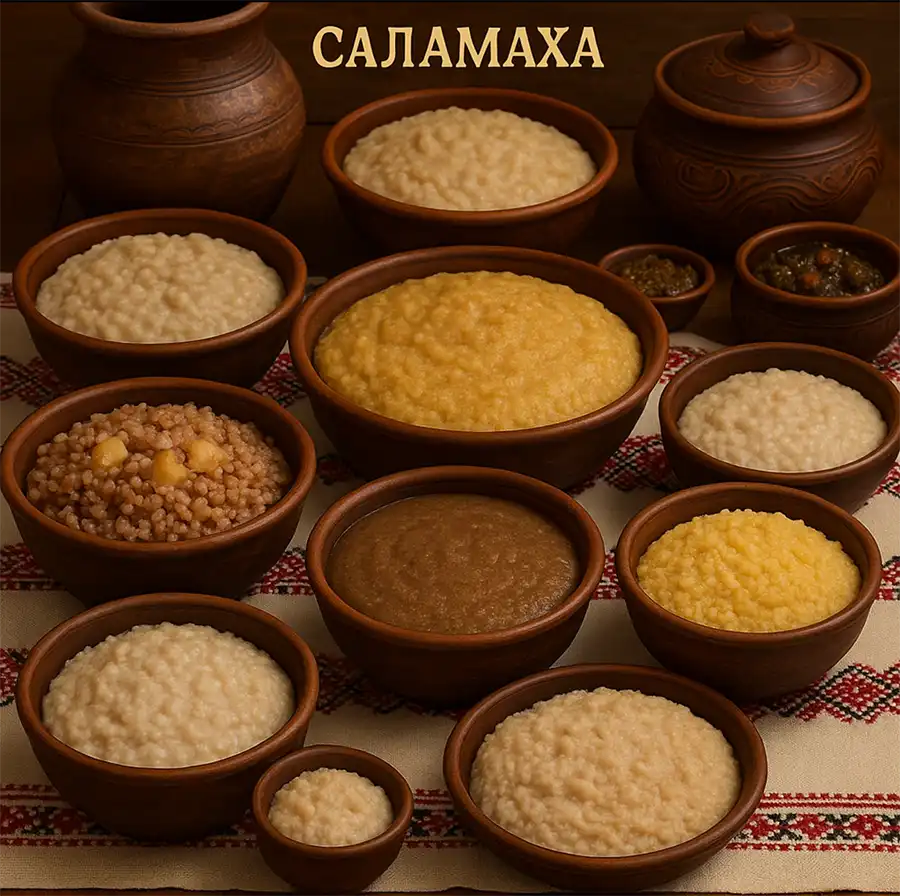
- Simple salad:
Prepare without salad, only with oil and onion. Suitable for post or vegetarians. - Dairy salad:
Instead of milk, use buttermilk or sour cream, adding herbs for a finer taste. - With meat or mushrooms:
Add minced meat, mushrooms, or vegetables to the main porridge to give the dish more richness and a complex flavor. - With berries or dried fruits:
In some regions, salads may include berries or dried fruits, adding a sweet version of the dish.
Cooking Tips
- Quality butter:
Use coarse-ground butter — it gives a richer taste and aroma. - Browning:
Brown the butter until golden, but do not overdo it to avoid bitterness. - Consistency:
Add water gradually to achieve the desired thickness of the porridge. For a thinner consistency, add more water. - Experimental:
Do not be afraid to add new ingredients — lettuce, mushrooms, vegetables, greens, spices. This allows you to discover a beloved variant of the dish. - Serving:
Salamander is best served hot. It can be presented as a standalone dish or as a garnish to meat or vegetables.
Table: Variants of Salamander
| Variant | Main Ingredients | Additions | Cooking Features |
|---|---|---|---|
| Classic | Greens broth, water | Lettuce, onion | Seasoning is added at the end |
| Peasant | Greens broth, water | Olives, onion | Without fatty oils |
| Milk | Broth, milk | Herbs, cream | Varies with milk, lower fat |
| With meat/mushrooms | Broth, water | Meat, mushrooms | Adds minced meat or mushrooms |
| Sweet | Broth, water | Berries, dried fruits | Adds berries or dried fruits |
Salamah in modern culture
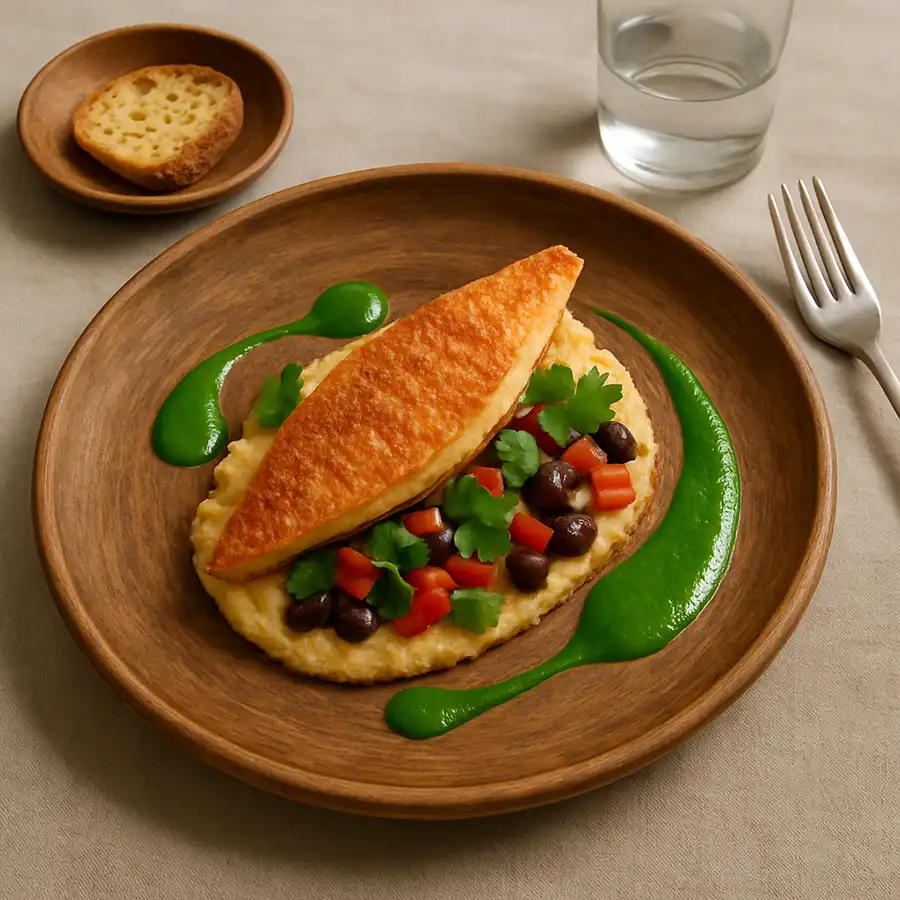
The current salo remains a symbol of Ukrainian culinary heritage. It is prepared in an ethnic context, at master classes, and also in a family setting, reviving ancient traditions and recipes.
Conclusion
Salo is not just a dish, but a living history of the Ukrainian people. It teaches to appreciate simple things, native warmth, and culinary traditions. Try preparing salo at home, experiment with the ingredients, and taste the essence of true Ukraine.